
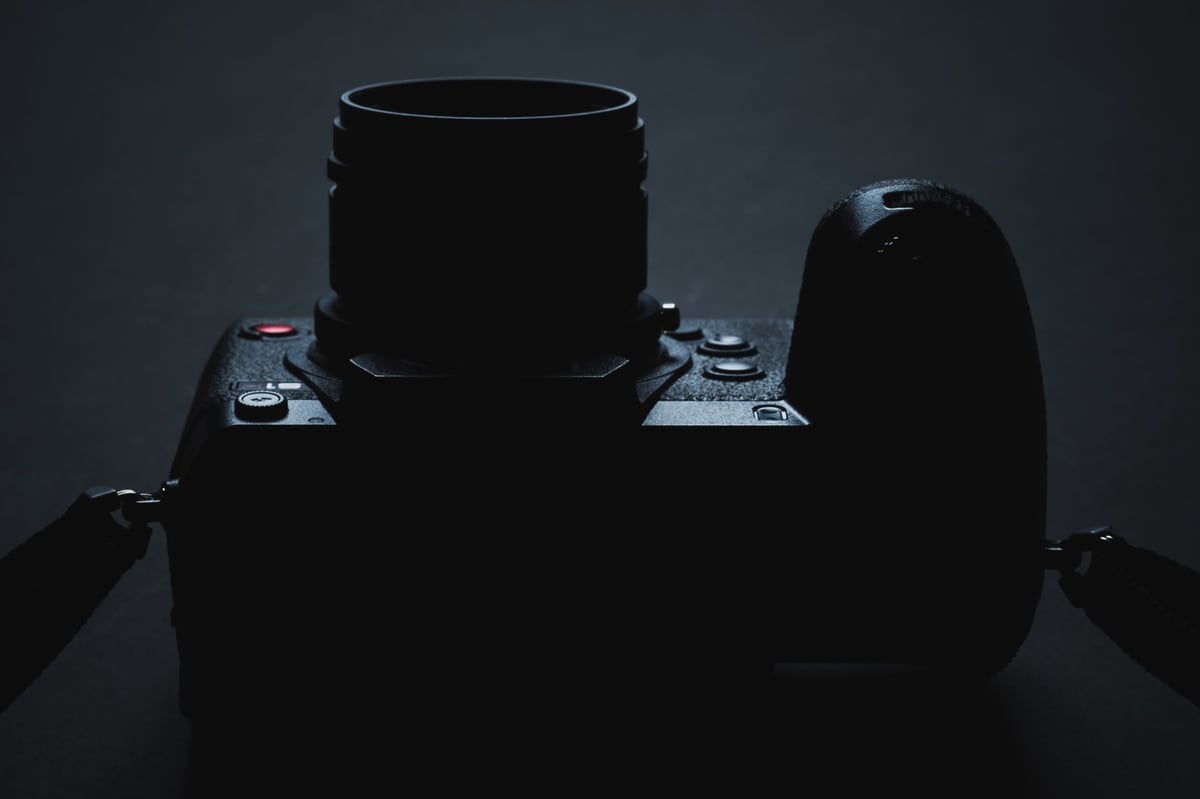
The Panasonic S1H uses dual SD UHS-II memory card slots. It also shoots video at a very high bit rate, so using UHS-II cards is required.
I would still recommend buying the fastest v90 memory cards to avoid any slowdown or hiccups.
If you’re not shooting at the highest bitrate, for example, you bought the camera for its 200Mbps 6k mode or 4k60 150Mbps, then you will find no issues using the slower v60 UHS-II cards like the Sony M cards.
Recommended Memory Cards For The Panasonic S1H
Each card is shown with the in-camera speeds next to it. Below is a table showing how each memory card performed in the S1H and their USB 3.0 speeds tested with Windows 10.
| Card Name | In-Camera Speed | Order |
| Sony G Tough | 121.1MB/s | Amazon |
| Delkin Power v90* | 116.0MB/s | Amazon |
| Adata v90* | 113.9MB/s | Amazon |
| Sandisk Extreme Pro | 103.8MB/s | Amazon |
*Caution: Sometimes Delkin, Prograde, Adata, and Lexar have some issues running in the micro four-thirds of Panasonic cameras like the GH5. Most bad memory card reviews are from one of those cameras. I did not have any issues with any of these cards in the S1H, and I tested each card four times with burst sequences and each card with 5-minute video sequences at the highest bitrate. However, if you’re still using one of those micro four-thirds cameras as part of your kit, I would recommend sticking with Sandisk or Sony brand cards so you can use your cards interchangeably.
For video, all of the v60 cards also passed a 5-minute record. None of them looked to dig into the buffer, meaning they should continue to record without any issues.
For those not recording at the higher 400Mbps, v60 cards are a great option. I would recommend you look at the new Sony M Tough cards.
Panasonic S1H In-Camera Speed Test
This chart shows how fast each card performed in the Panasonic S1H.
The Method—A burst shot sequence was taken until the buffer was full. The time from the start of the sequence to the time the buffer cleared was recorded and calculated against the amount of data shot. In this case, I did each test four times.
I let each card record for at least five minutes for the testing video. Some cards that historically give Panasonic cameras issues (like the Lexar 1000X) I let record longer.
All UHS-II memory cards could record at 400Mbps for 5 minutes without any issues or any buffer warnings, but not a single UHS-I card passed the test.
Speed Chart

Panasonic S1H Camera Specs And Buffer Questions
| Sensor: 24.2MP Full-Frame CMOS Sensor Processor: SD Cards Slot: Dual Slot, UHS-II Continuous Burst: 9 fps Video: 6k24p 4:2:0 10-Bit 200Mbps 4k30p 4:2:2 10-bit 400Mbps 4k60 4:2:0 8-Bit 150Mbps Can I Use UHS-I Cards? Not at the high video bitrates What Is The Max Video Bitrate? 400Mbps How Big Is The Buffer? 2.4GB How Many Shots To Fill Buffer? 99 RAW What Size Are The Raw Files: 35MB Average How Long To Clear Buffer? 17:31 |
Video Record Time Table
The Panasonic S1H has many different record options that will allow you to change the resolution and bitrate. Here is a chart that shows how long each setting will allow you to record. This should give you a general idea of what size memory card is best for your needs.
| Record Times | 64GB | 128GB | 256GB | 512GB |
| 6k24p 200Mpbs | 42min | 85min | 171min | 341min |
| 4k30p 400Mpbs | 21min | 43min | 85min | 171min |
| 4k60 150Mbps | 57min | 114min | 228min | 445min |
Bottom Line
The Panasonic S1H is an absolutely amazing video machine. It’s a little surprising to me that they didn’t go with XQD or CFexpress like with the other S1 models, but UHS-II SD memory cards are more than fast enough and capable of handling the bitrate this camera produces.
For this camera and generally, when dealing with professional video environments, it’s really a good idea to never skimp on your memory cards. Sony Tough cards are the way to go, but if you want something else, be sure to check the performance in the chart above.








Leave a Reply