
-

Thypoch Black Friday Sale 2026: Up to 33% Off Simera, Ksana, and Eureka Lenses
Thypoch started its Black Friday sale early this year. It runs October 20 through December 3, 2026, and nearly the entire lineup is discounted on the official Thypoch store. If you’ve had a Thypoch lens on your list, now is…
No comments on Thypoch Black Friday Sale 2026: Up to 33% Off Simera, Ksana, and Eureka Lenses
-

Thypoch Ksana 35mm f/2 ASPH Review – A Great Everyday Lens
The Thypoch Ksana 35mm f/2 ASPH is one of the most interesting compact M-mount primes to hit the market recently. While Thypoch’s f/1.4 Simera series is built for speed, this second lens in the Ksana line delivers a highly portable,…
-

Viltrox AF 75mm f1.8 EVO Review & Sample Photos
The Viltrox 75mm f/1.8 EVO is the latest addition to Viltrox’s rapidly expanding autofocus APS-C lineup. Offering a 112mm full-frame equivalent field of view paired with a moderately fast aperture, it lands right in the classic portrait focal range. Positioned…
-

Thypoch Simera 28mm f1.4 Review & Sample Photos
The Thypoch Simera 28mm f1.4 is one of my favorite M-mount lenses. It’s fast, well-built, and the most practically useful focal length Thypoch makes — I’ve shot it on the M11 and the X-E5 extensively. For comparisons, I’ve also reviewed…
-

Thypoch KSANA 21mm f3.5 Review & Sample Photos
Following the successful release of Simera primes, Thypoch has expanded to the Ksana line with a more compact, slower ultra-wide. The 21mm f3.5 is the first in the KSANA line. Short version: genuinely good for what it is, with real…
-

Viltrox Z2 Flash Review & Sample Street/Lifestyle Photos
Viltrox is rewriting the script on compact lighting. While their larger flashes, like the Spark Z3, are about robust features and “cyberpunk” aesthetics, the newly released Viltrox Z2 takes a more minimalist approach. This ultra-pocketable unit trades raw power for…
-

Fujifilm X-E5 Review: Their Best Camera So Far
The Fujifilm X-E5 has always been a relatively niche camera in the Fujifilm lineup, and it’s never really gotten the attention it deserves. Part of that is because the older version of this camera always felt much more limited than…
-

Adapt Leica M-Mount Lenses to Fujifilm (The Right Way)
The Fujifilm X-Series is built around the philosophy of tactile, analog-style shooting. With physical dials and film simulations, these cameras practically beg you to slow down. But as Fujifilm’s modern sensors have evolved, they can sometimes render images with a…
Latest Posts
Featured Posts
-

Nikon Z 50mm f1.8 S Lens Review & Sample Photos
-

Nikon Z 40mm f2 Review | The New Compact King
-

Nikon Z 50mm f1.4 Review & Sample Photos
-

Nikon Z 35mm f1.4 vs 35mm f1.8 S – Sample Images
-

Nikon Z 28mm f2.8 Review & Sample Photos
-
Fujifilm X-E5 Review: Their Best Camera So Far
-
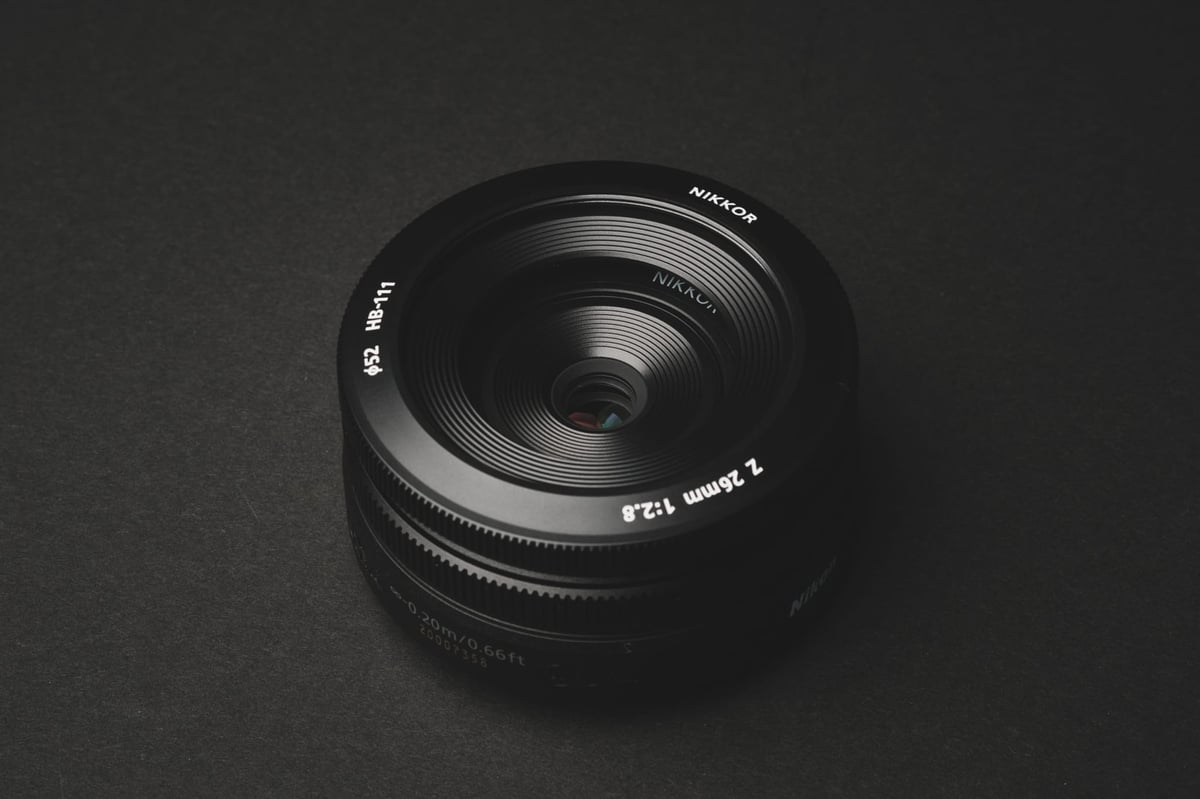
Nikon Z 26mm f2.8 Review – A Little Miracle
-

Nikon Z 85mm f1.8 S Review & Sample Photos