

A review of the original Samyang 14mm f2.8. An old lens that still produces amazing images.
Also known as the Rokinon 14mm and Bower 14mm f2.8 Ultra Wide Angle Lens.
Lens Prices
Samyang 14mm f2.8 – Amazon
(Canon) (Nikon AE) (Sony E Mount) (Olympus) (Pentax) (Samsung NX) (Sony Alpha)
Rokinon 14mm f2.8 – Amazon
(Canon) (Nikon AE) (Fujifilm X-Mount) (Micro Four-Thirds) (Olympus) (Pentax) (Sony Alpha) (Sony E-Mount)
Regarding ultra-wide lenses, this lens is easily the best bang for the buck.
Samyang 14mm Auto Focus E-Mount Lens – Amazon
A new full-auto version of this lens is now available for the full-frame Sony E-Mount. However, this lens has a different design, so it will have different characteristics.
Samyang 14mm vs Rokinon 14mm – Branding
This lens goes by many different names. Samyang 14mm f2.8, Rokinon 14mm f2.8. I’ve also seen it as the Bower 14mm f2.8. I bought the Rokinon version. The optics are all built by Samyang, just branded differently.
As mentioned above, you can also get the Rokinon Cine 14mm T3.1, a cinema version built with a De-Click aperture ring and Follow-Focus Capabilities. It’s the same quality all around.
What I Love About This Lens
- Price
- Sharp center and corner-to-corner on Canon EF mount.
- Low Chromatic Aberrations
- -Very Wide
What I Don’t Love
- Build Quality, although I believe it’s been updated since my copy.
- Corners not great on Sony E-Mount
- Flares Easily
- Bad Mustache Distortion – Adobe now includes Canon profiles in Lightroom and Photoshop. It should work for Sony as well.
The Samyang 14mm f2.8 Reviews And Problems
I’ve read a lot of bad reviews about this lens, as well as a lot of good ones. I’ve learned that the people giving the bad reviews criticized the lens because it was all manual. So are Zeiss, Leica, Voigtlander, and many others. It’s possible these people just didn’t know what they were getting into, plus the lens can come with autofocus for Nikon users.
After my experiences, I’m pretty sure Ken just got a bad copy. My lens does not exhibit the flaws he speaks of, as you can see in my test shots below. I love this lens. And remember, it’s Ken Rockwell. Take anything he says with a grain of salt. He has a bad reputation for bad reviews.
I also get several emails a week now from people who are on the fence about this lens, afraid of getting a bad copy. I always tell them not to worry about it since people vocalize more when they receive a bad copy than when they receive a good one.
Update: A reader of this site had some problems with one of his lenses. The left hemisphere of his lens was a lot softer than the right. He pointed this out to me in some of my photos as well. My lens also exhibits the same problem in some shots. But it’s really hard to notice, and I’ve dropped my lens at least five times over the last few years.

Redondo Beach Pier Sunset
Best Ultra Wide Lens For Sony E-Mount Shooters
I didn’t know that the Sony A7R existed when I first wrote this review. Now, I get a lot of emails from Sony users wondering if they should buy this lens or the Sony 16-35mm f4. To clear my inbox, I’ll briefly share what I know here.
Rokinon 14mm vs Sony 15-35mm f4
Speed: Many people are attracted to this lens because it’s an f2.8. This makes it one of the fastest ultra-wide lenses for the Sony E-Mount. However, when you look at the Cine version of this lens, it’s rated at T3.1. Meaning it’s a dark lens. When I compare it to the Sony 16-35mm side by side at f5.6, the Rokinon shoots almost a full stop darker. So there is almost no advantage to it being an f/2.8 lens, since it performs more like an f/4 lens anyway.
Corners: The corners of this lens with the Sony E-Mount are not great. It was a better lens on the Canon than on the Sony, but it’s not terrible on the Sony for an Ultrawide.
Colors: The Rokinon 14mm shoots much warmer than other ultra-wide lenses.
The angle of View: The Rokinon shoots wider than the Voigtlander and Sony, but you’ll have to crop slightly to correct for distortion. Not by a lot, but do keep that in mind.
Final Thoughts: If you’re a Sony shooter who doesn’t mind a lens that is not as wide, and you can afford it, I highly recommend the Sony 16-35mm F4. It’s pretty much better in every way, except the Rokinon might be slightly sharper in the center. I love the Sony ultra-wide lens; it’s just so well made, and I highly recommend it.
If you’re on a budget, the Rokinon is still a lot of fun. When I was on a tight budget, this lens was perfect for me and helped build my portfolio. Still, some of my best shots were taken with the Rokinon lens, and to this day, the majority of the prints I sell are from it.
If you want to see more comparisons between my ultra-wide lenses, I’m working on an article that compares all the best ultra-wide lenses for the Sony E-Mount. You can find that here on this page, Sony E-Mount Ultra Wide Comparison. It’s a work in progress since I’m still developing charts and web code to compare all these lenses better.
Samyang 14mm f2.8 vs Canon 16-35mm f2.8L II
I also have a review you can check out of the Canon Ultrawide Zoom 16-35mm f2.8L II. When I was shooting a lot with Canon, this was one of my favorite lenses.
Another common thread I saw was comparing the Samyang 14mm f/2.8 to the Canon 16-35mm f/2.8L II. Instead of buying the Canon 14mm f2.8L II I mentioned above, I decided to buy both lenses. I even saved a few hundred bucks doing so.
To quickly compare them, I can say I like the Samyang as a primary landscape lens.
Optical Performance
Optically, I find the Samyang slightly sharper edge-to-edge than the Canon 16-35mm f2.8L II, except at infinity, where the Canon is slightly sharper at the center. Compared to the Sony 16-35mm, the Sony outperforms corner to corner. The Samyang might be slightly sharper in the center, but it’s very close.
When shooting in high-contrast areas, the Canon lens also shows pretty severe chromatic aberrations at the edges. The edges are a mess compared to the Samyang. Sony seems to correct them and bake the data into the RAW files, so it’s much harder to compare.
The Samyang is not weather-sealed like the Canon or Sony, nor does it have a front mounting thread. So, when shooting in harsh environments, like the beach or the desert, I’d pick the Canon or Sony since they also accept front screw-on UV or ND filters that can protect the lens or create cool effects. This is pretty nice if you’re shooting seascapes and want a smooth-water effect.
Since I originally wrote this review, Canon has released a new 16-35mm f4 that is much sharper in every way. They’ve also released a Canon 11-24mm, an incredible lens, but much more expensive.
Diffraction
Diffraction is important, but not many reviews include it. For example, I love the Zeiss 35mm lens that I got with my Sony A7r, but its diffraction is terrible at higher apertures, making it unsuitable for landscape photography. Even though this is based on physics and the size of the sensor’s pixels, I’ve found that some lenses exhibit different levels of spherical aberration and diffraction.
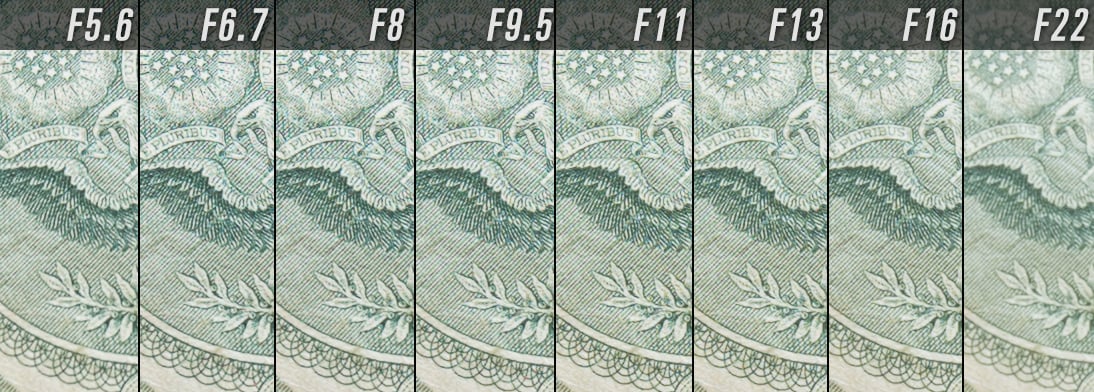
The diffraction on my Rokinon 14mm is great. It becomes noticeable at f16 and is very bad at f22 on my Sony A7r. A camera with smaller pixels, like the Sony A7r, will handle diffraction much worse than something with large pixels, like a Canon 5D Mark III. You can read more about diffraction here.
I’ve found the sweet spot for shooting landscapes on this lens is somewhere between f11 and f16. I usually don’t go all the way to f16 anymore with the Sony A7r.
This image is cropped in 100% at the center of the lens.
To Sum It Up
To sum it up, I like the Samyang. I’m really glad I bought it. For the price, it’s an amazing landscape or fun lens to play with.
Make sure you get a good copy, and you’ll love it. The full manual isn’t bad, but it does take some getting used to. Finding infinity focus at night can be hard because you have to use live view, and there is a ton of grain.
Remember, the distance focus marks on the lens cannot be trusted. I usually make mental notes of where the infinity focus is and go from there.

Walt Disney Hall in Los Angeles – Very sharp and crisp detail when shot at f16 and sharpened in post.
Here are a few Things to Consider Before Buying
If you’ve read this review and seen how much I like this lens, there are a few things you should consider.
This lens is not easy to use!
Like any lens, it requires a lot of “Getting Used To.” It took me a while to figure out how to shoot good photos with this thing. As I said earlier, I didn’t like it at first. But after spending 400 dollars on it, I stuck with it and kept using it until I figured out how to make it work for me. This lens had the steepest learning curve for me, by far.
I say this because I get a lot of emails from people who buy this lens, take a few shots around their living room or backyard, and then aren’t happy because the lens isn’t perfect. And this lens does have a few flaws.
This lens will give you very minor chromatic aberrations—nothing Lightroom can’t fix. You do get some corner softness, but not nearly as bad as my 1,500 16-35 f2.8L II. This lens is also tricky to focus if you’re shooting around your living room and backyard.
It’s best used for landscapes where you can find that infinity point and shoot at an f16 to keep everything in focus. That being said, it’s not very good wide open.
Tips for shooting with an Ultra Wide Angle Lens
-Don’t shoot wide open on this, you’ll lose a lot of corner sharpness and overall quality. Unless you’re shooting astrophotography.
-When shooting landscapes, remember where your ground or foreground objects are. Don’t let the lens get too close to the ground when focusing on something in the distance; the ground will always look like crap. Think about it: if you’re shooting something 20 feet away, say on a beach, and you have the beach sand right below the camera, which is 2 feet away, it will not be sharp or in focus. And this lens does not have a beautiful “out of focus” feel. If you look at my photos below, you will notice that I try to keep the scene at a relatively consistent focal distance. So when I shoot at an f13, the whole scene can be in focus, including corner objects.
Master post-sharpening techniques. I always use either the High Pass filter or the Find Edges technique. Post-processing is essential for enhancing photographs taken with mid-range-quality lenses.
-This lens seems to like being at f8 to f13. That seems to be the sweet spot. I’ll go as high as F16 sometimes, but things start getting weird anywhere above that.
SAMYANG 14mm f2.8 / ROKINON 14mm f2.8 SAMPLE PHOTOS
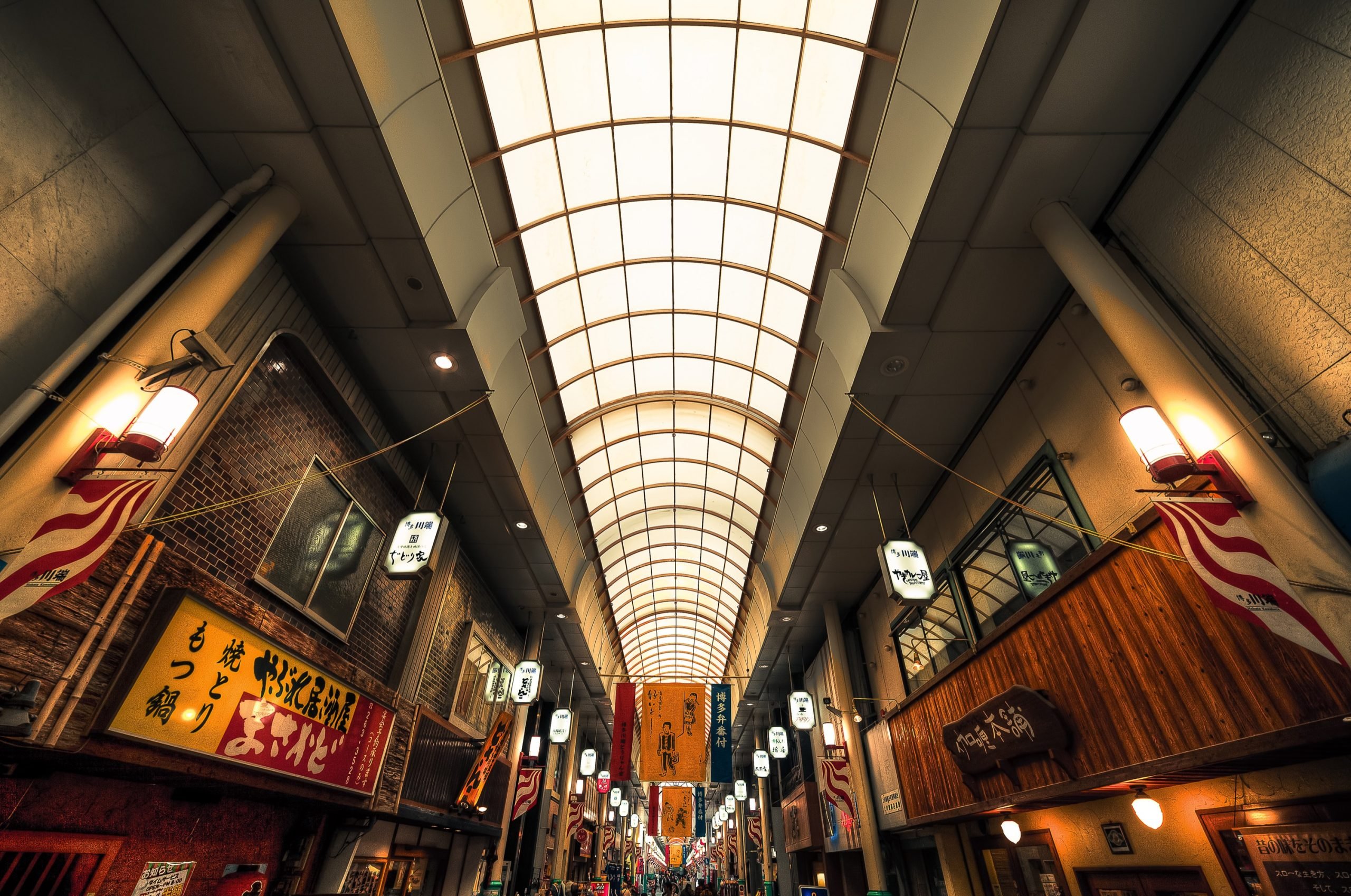
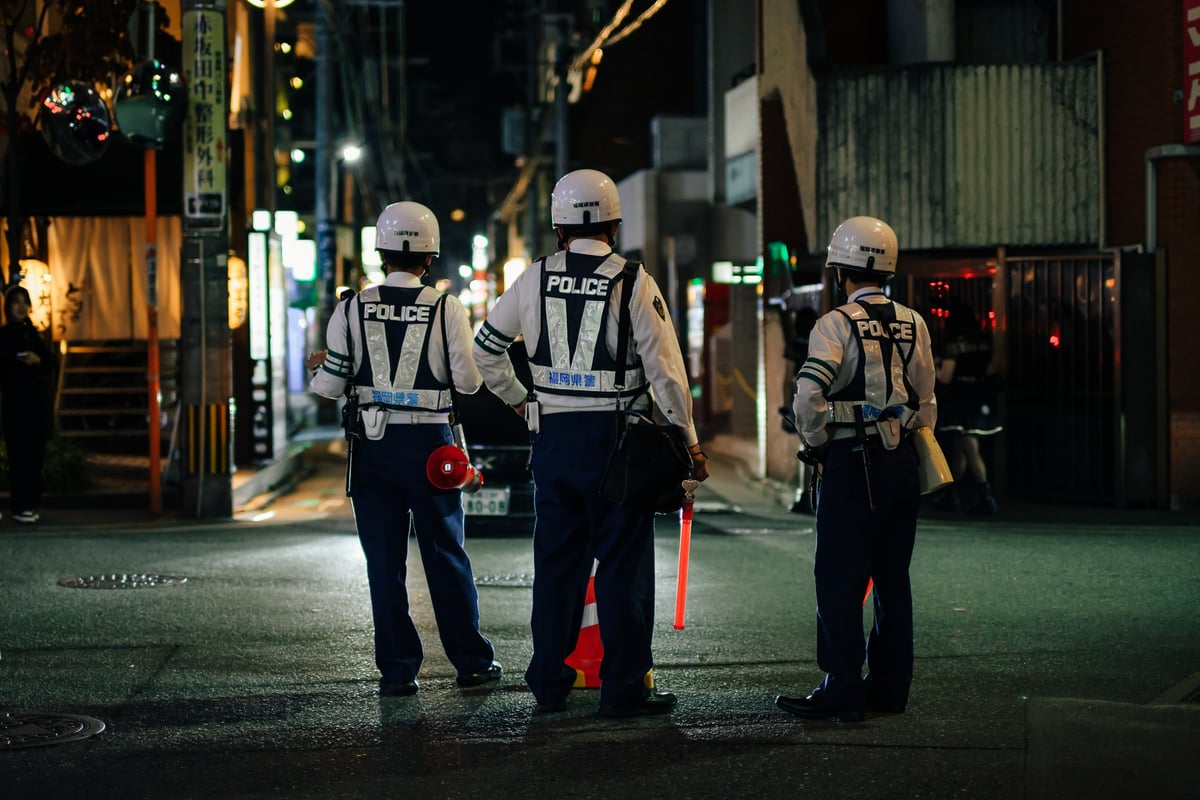
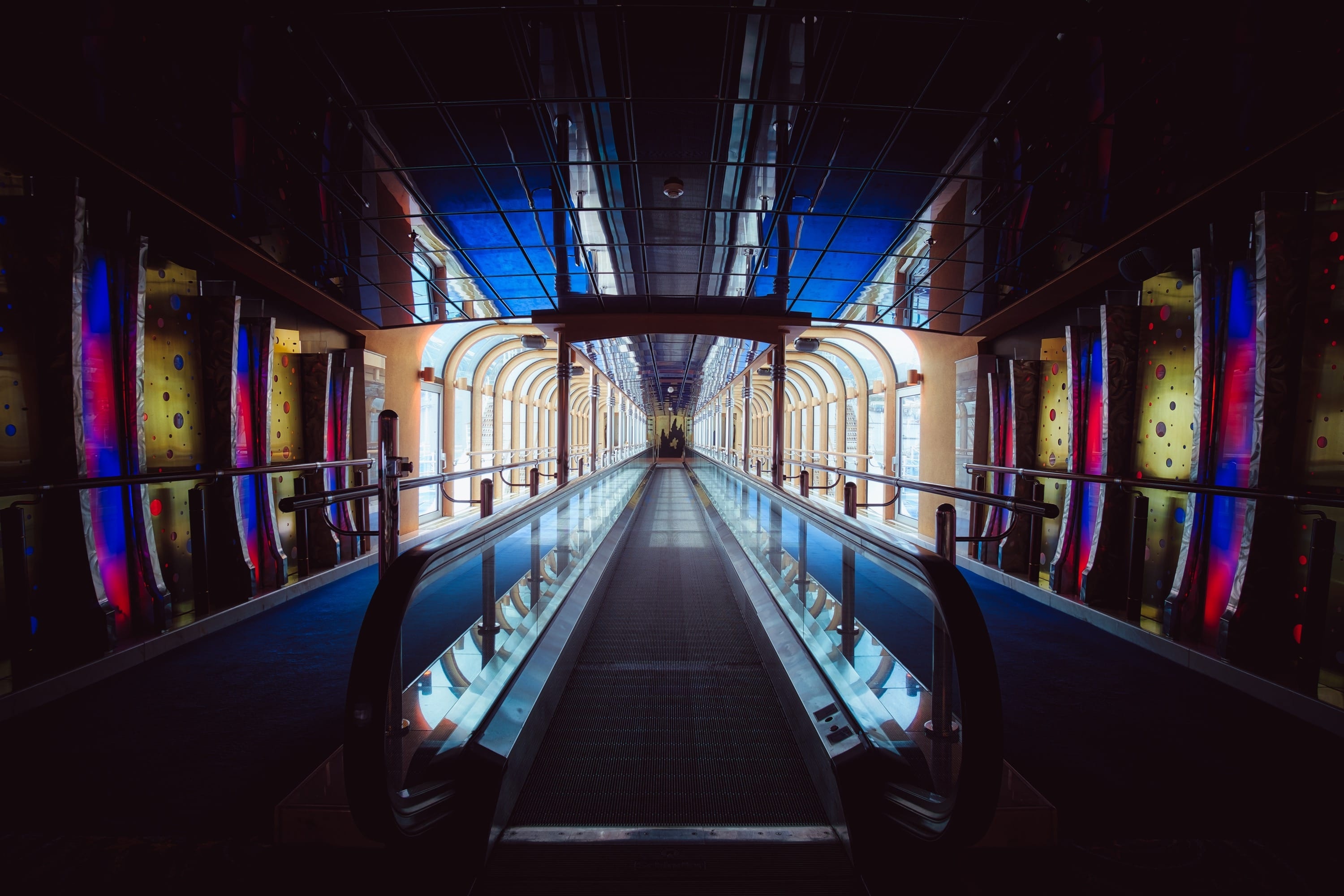
Here is the test or sample of photos I’ve taken with my Rokinon 14mm f2.8 on the Canon 5D Mark II.








Leave a Reply to 4wallz Cancel reply