
I’ve recently developed a new addiction to vintage lenses after having too much fun shooting with some Leica M-mount lenses and older M42-mount lenses.
One of the more interesting vintage lenses is the Russian-made M42 mount Industar 50mm f3.5 pancake lens.
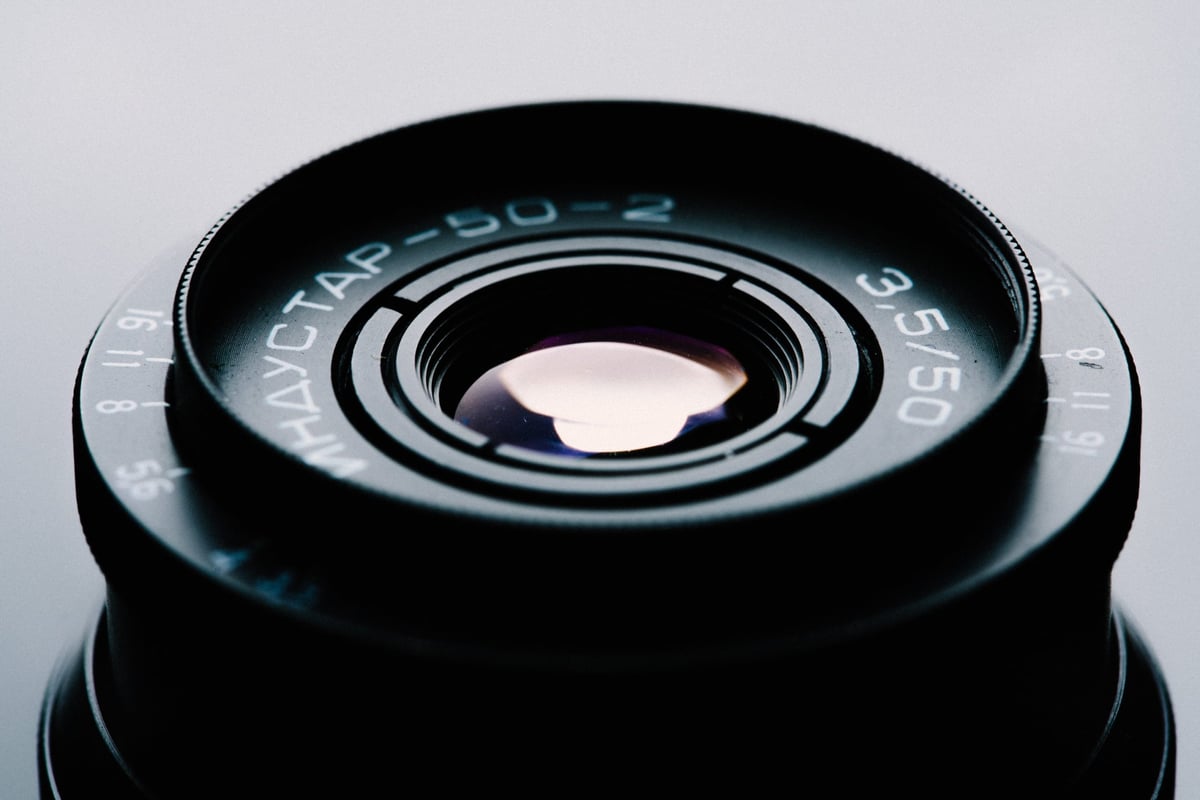
The Industar has garnered widespread praise over the decades, and people seem to genuinely love it. Here is why!
Industar 50mm 50-2 f3.5 Stats
Focal Length: 50mm equivalent to 75mm
Aperture Blade: 7 aperture blades
Elements: 4 elements
Coatings: Front element is not coated, but the rear element has an anti-reflective coating
Focus: Manual
CPU Contacts: No
Based on the Zeiss Jenna Tessar Design

So, is the lens good?
No, not really, but it can be.
I know that doesn’t make sense because it’s hard to give any blanket statement like that for any lens, since lenses have many characteristics that excel at one thing but fail miserably at another. This is especially true with many vintage lenses.
This review includes images from both my full-frame Sony A7R II, Nikon Z6, Canon EOS R, and the APS-C Fujifilm X-T2, along with an overview of what it’s like using the lens on each camera.

Industar 50mm f3.5 Review | First Impressions

Most of these vintage lenses were designed for 35mm film cameras, so I initially shot a lot with the lens on my Sony A7R II to get a true sense of how the lens was intended to be used.
However, my intentions when buying this lens were actually to use it on my Fujifilm X-T2 and X-Pro 2. It’s here on these APS-C cameras that the lens gives very different results, and it’s here where the Industar 50mm can shine.
The lens I have is the 50-2; I’m not sure how it’s different from the 50.
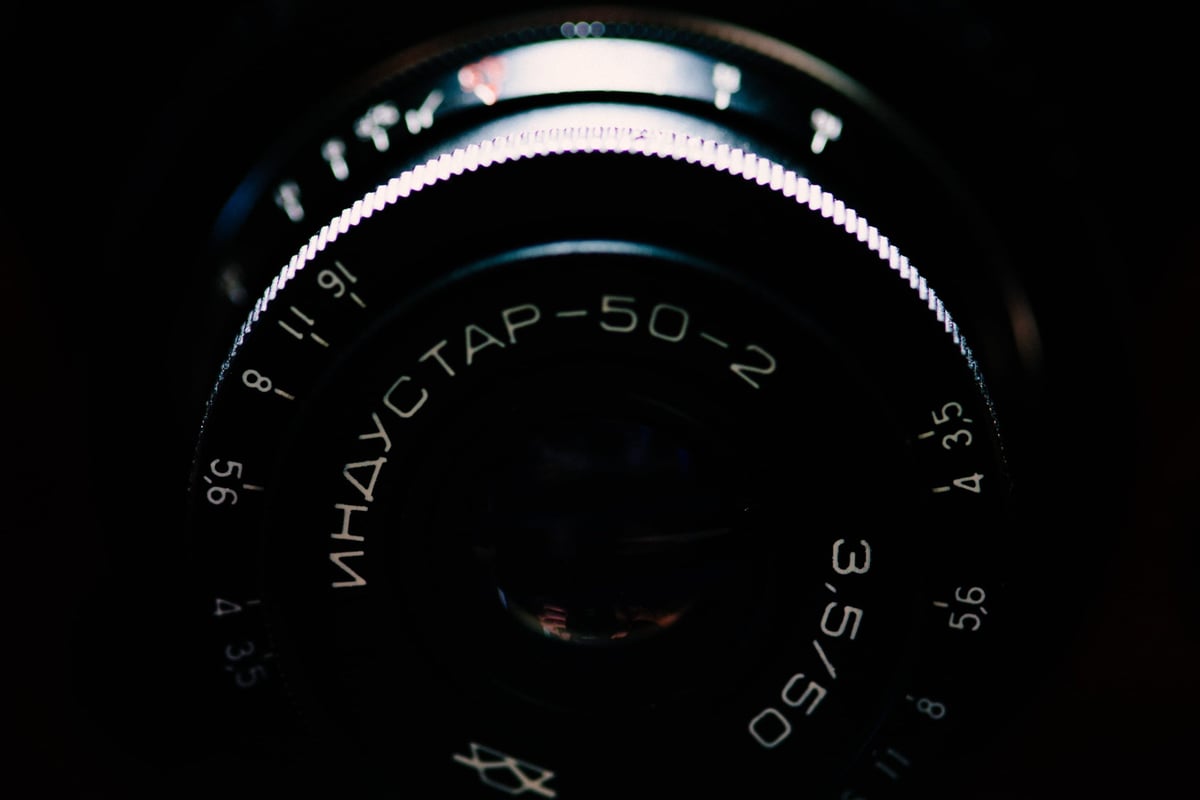
On the Sony A7rII, my first impressions were, “Man, this lens sucks.” It has disgusting flaring, terrible vignetting, extremely soft corners and edges, but… It’s beautifully sharp in the center, has excellent contrast, and a lot of character. It was this character that made me fall in love, just a little bit, with this lens. Then I tried it on my APS-C cropped Fujifilm cameras, and oh my!
Samples with the full-frame A7R II


Pros
- Very sharp in the center
- Fantastic contrast and micro contrast
- Great color rendering
- Lots of character
- Super small
Cons
- Terrible vignetting (full frame only)
- Very soft corners and edges (full frame only)
- Nasty, ugly flaring
- Difficult to adjust the aperture
- Looks ridiculous on most adapters
Those impressions are with a full-frame camera like the Sony A7R II, and you’re probably wondering, what happens if you put it on an APS-C camera like the Sony A6300 or the Fujifilm X-T2?
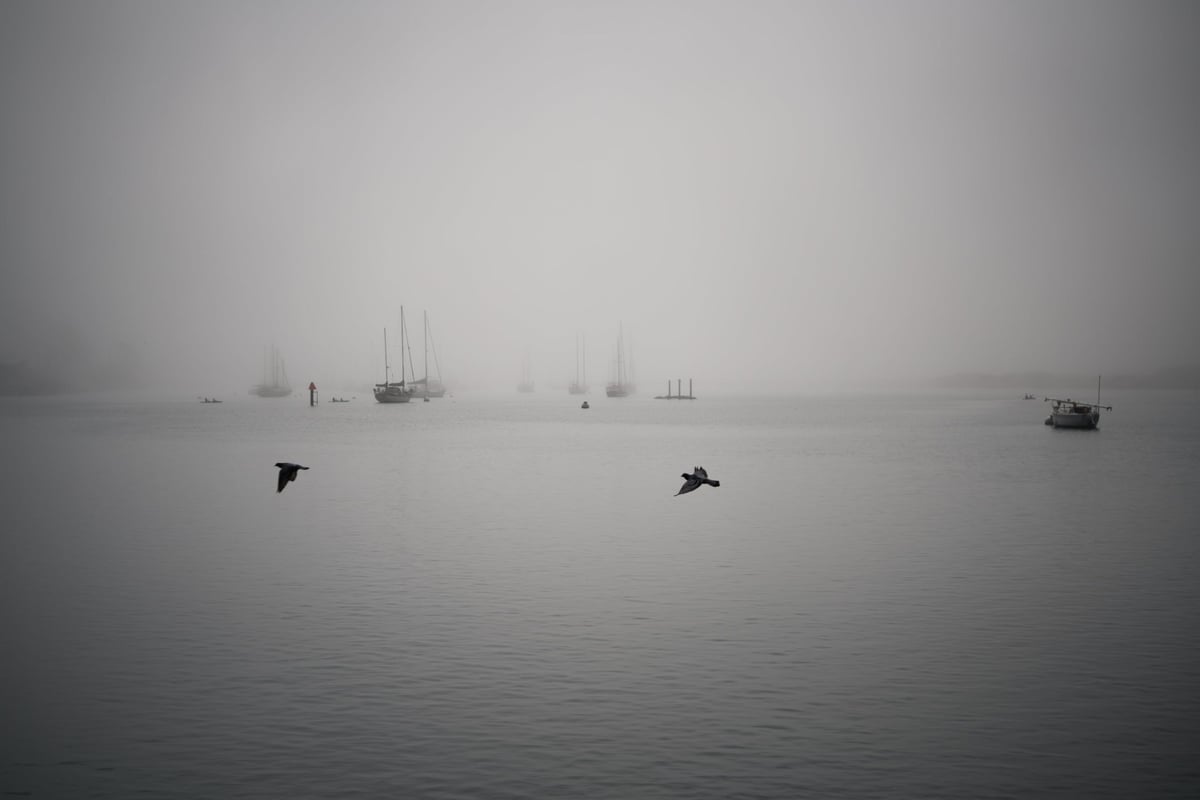
A few things happen, mainly for the better. Here are a few APS-C sample images taken with the XT2.


Because of the 1.5x crop, the lens effectively becomes a 75mm, and as a result, the severe vignetting and softer corners and edges for the most part disappear. So when shooting APS-C, you’re left only with the nasty, ugly flaring – and I can live with that.
I haven’t tried it on a film camera yet. I know that digital camera lenses are designed slightly differently to compensate for the micro lenses on digital sensors, and many film lenses can often underperform when adapted to digital use. Especially the Sony A7R II, which features a more extreme sensor design with micro lenses due to the short flange distance of the E-Mount.
Shots with the X-T2


Industar 50-2 f3.5 Technical Overview

As mentioned, the lens has several issues, especially for full-frame shooters. However, the micro contrast and center sharpness make up for many of these flaws, and many of them become irrelevant when shooting on an APS-C camera, such as any of Sony’s or Fujifilm’s APS-C models.
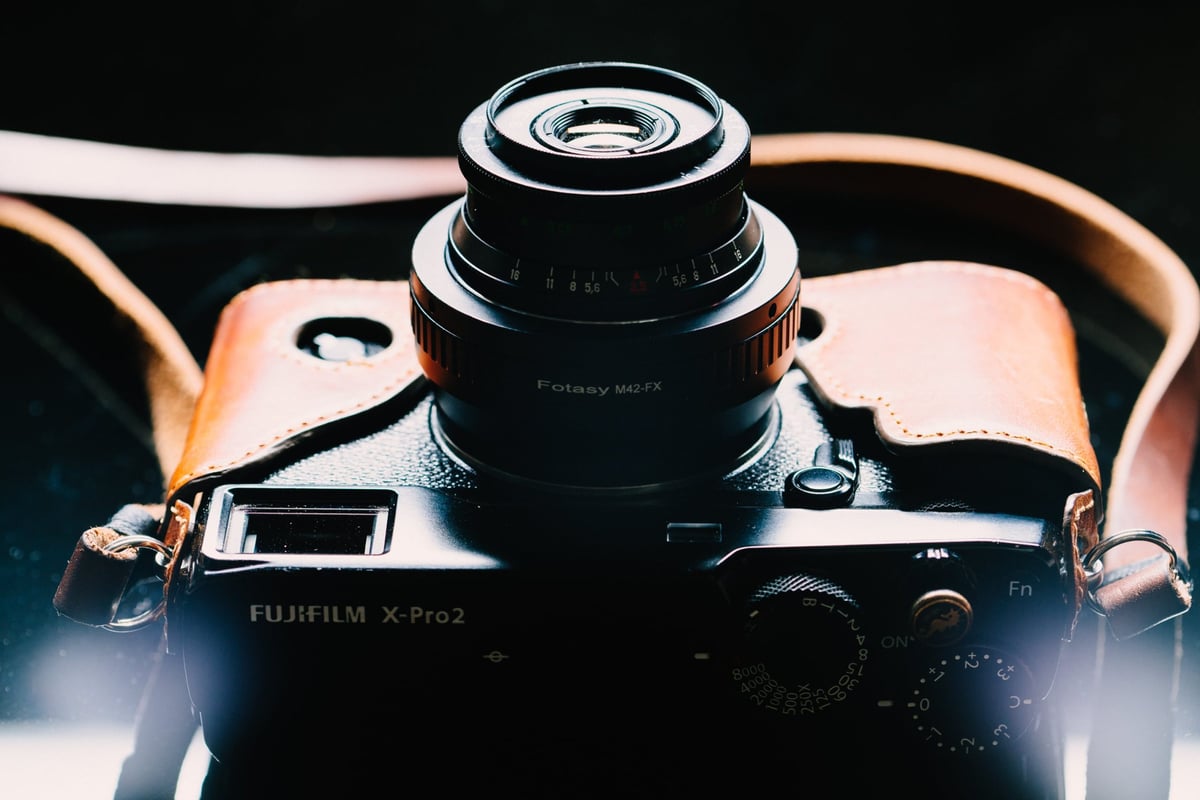
It looks a little off with the Fotasy M42 adapters, as the adapter is significantly larger than the lens.
Full Frame Sharpness Chart
On a full-frame camera such as the Sony A7R II, the sharpness in the corners and along the edges is quite bad, but the center is tack sharp.

APS-C Sharpness Chart
When setting the camera to APS-C mode, we can see that the results are significantly different. Not only do we end up cropping in 1.5x, making the lens equivalent to around 75mm, but the camera also ends up cropping out a significant amount of the soft corners and edges.

Flaring
Flaring is quite nasty on this lens. No matter what, it seems to want to veil the flare, even when pointed directly at the sun. It also appears that we’re experiencing a lot of red dot sensor reflections in some of these shots as well.
This is a situation where I think it could look a little more interesting when shooting film, where you wouldn’t get that RGB sensor pattern if that’s actually what’s going on here.
In terms of coating, the Industar 50-2 has no front element coating and only a rear anti-reflective coating.
These flaring shots are all APS-C samples.


Vignetting
When shooting full-frame, vignetting is pretty bad wide open and even at f4. By f5.6, it’s looking pretty good, and by f8, it clears up very nicely. If you were to shoot with APS-C, the vignetting wouldn’t be a significant issue, although it would still be noticeable wide open.

Industar 50mm f3.5 | Use And Feel
Using the lens is relatively straightforward; it lacks aperture presets, similar to those found on some Helios and other M42 lenses, and also lacks a click aperture. Everything is smooth and solid, although I prefer click apertures.
The only tricky thing is adjusting the aperture. The aperture ring is located at the very front of the lens, and turning it will also spin the focus, as they are part of the same lens section. So you have to adjust the aperture with two hands. One hand is used to hold the focus in place, and the other is used to spin just the aperture ring.

When shooting APS-C, you don’t have to worry about much when compensating for any technical flaws, except for flaring. When shooting in full frame, be conscious of your edges and aware that they will appear soft. If you plan to correct the vignetting, especially if you’re shooting wide open, it requires a several-stop exposure lift. I haven’t noticed any significant issues with distortion that are worth noting.
Industar 50mm f3.5 Review | Bottom Line
Do I like this lens? Yes, I do; I like it a lot, but only on my APS-C cameras. This is mainly because it is so sharp and has excellent contrast.
I think it’s not great as a full-frame lens, and if you’re looking for a 50mm vintage lens, there are better options, like some of the old Helios lenses. Mind you, they’re much bigger.
This doesn’t mean you can’t take great pictures, even with a full-frame Sony A7R II. You simply need to understand the characteristics of the lens and work with them. Avoid framing anything that needs to be detailed too close to the edges, and be mindful of vignetting and flaring.

Where to buy the lens
You can sometimes find these on eBay or Amazon.
I’m told Russia doesn’t have a reliable postal service, so it’s in your best interest to order from Ukraine or somewhere else. I got mine on eBay from a seller in Ukraine.
Now, of course, take that with a grain of salt because the last two vintage lenses I ordered disappeared from the hands of USPS here in Los Angeles.
The Lens & Adapters
- Industar 50mm f3.5 – Amazon
- Fotasy M42 to Sony E-Mount – Amazon
- Fotasy M42 to Fujifilm X-Mount – Amazon
Industar 50mm f3.5 Sample Images









Leave a Reply