
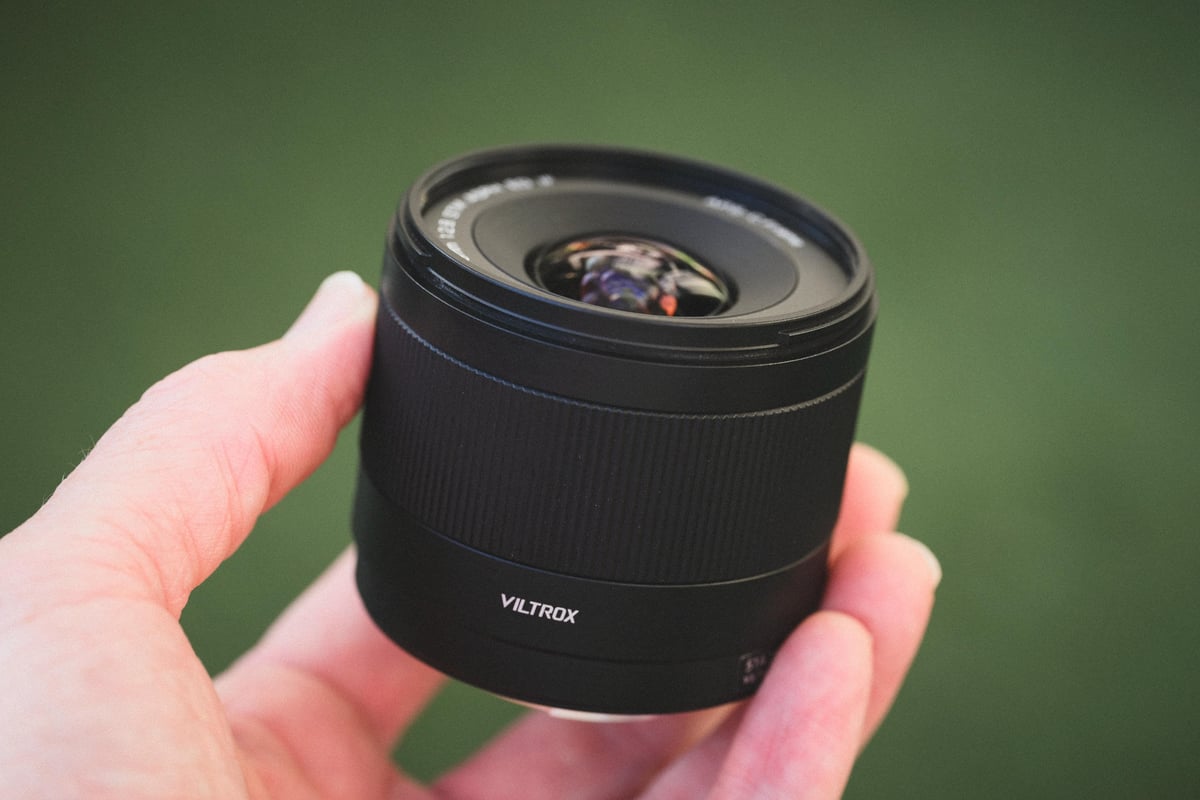
The Viltrox 9mm f2.8 Air is a super-compact APS-C autofocus lens available in Fujifilm X-mount, Sony E, and Nikon Z. The 9mm on APS-C is roughly equivalent to a 13.5mm full-frame lens, which is that magical 12-14mm range where landscape photography can get really fun.
I’m testing the Fuji version here, shot primarily on my new Fujifilm X-E5. That 40MP sensor is making everything look ridiculously detailed. When it comes to shooting landscape and travel photography in a compact setup, this is about as good as you’re going to get. Let’s get into it!
Viltrox 9mm f2.8 Air – Amazon / B&H
Use Coupon Code ALIKGRIFFIN for 5% off at Viltrox
Quick Disclaimer: Viltrox sent me a sample of this lens for this review.
Pros
- Lightweight, excellent sharpness, quiet Autofocus, solid color rendition and contrast, and very affordable, metal mount, silent autofocus.
Cons
- Flaring and ghosting when shooting into the sun; sunstars can get a little wild. Not weather-sealed, and no aperture ring. Light mustache distortion and vignetting.
Viltrox 9mm f2.8 AIR Lens Review
A 9mm f2.8 lens for under $200 seems too good to be true, so what’s the catch? What is this lens missing compared to the big boys?
Really not much; it flares a bit when shooting into an intense sun, but that’s pretty standard for an ultra-wide-angle lens. Even the more expensive Fujifilm 8mm f/3.5 does this; it’s probably a little more controlled than what we’re seeing here, but there is no getting around shooting into intense light, even with the best Fujifilm glass.
Colors and contrast are impressive, and I’m not really seeing any issues with distortion.
Sharpness overall is great, even in the edges and corners. Obviously, if you want the best results here, you’ll want to lock off on a tripod, since IBIS can cause some weird things to happen.
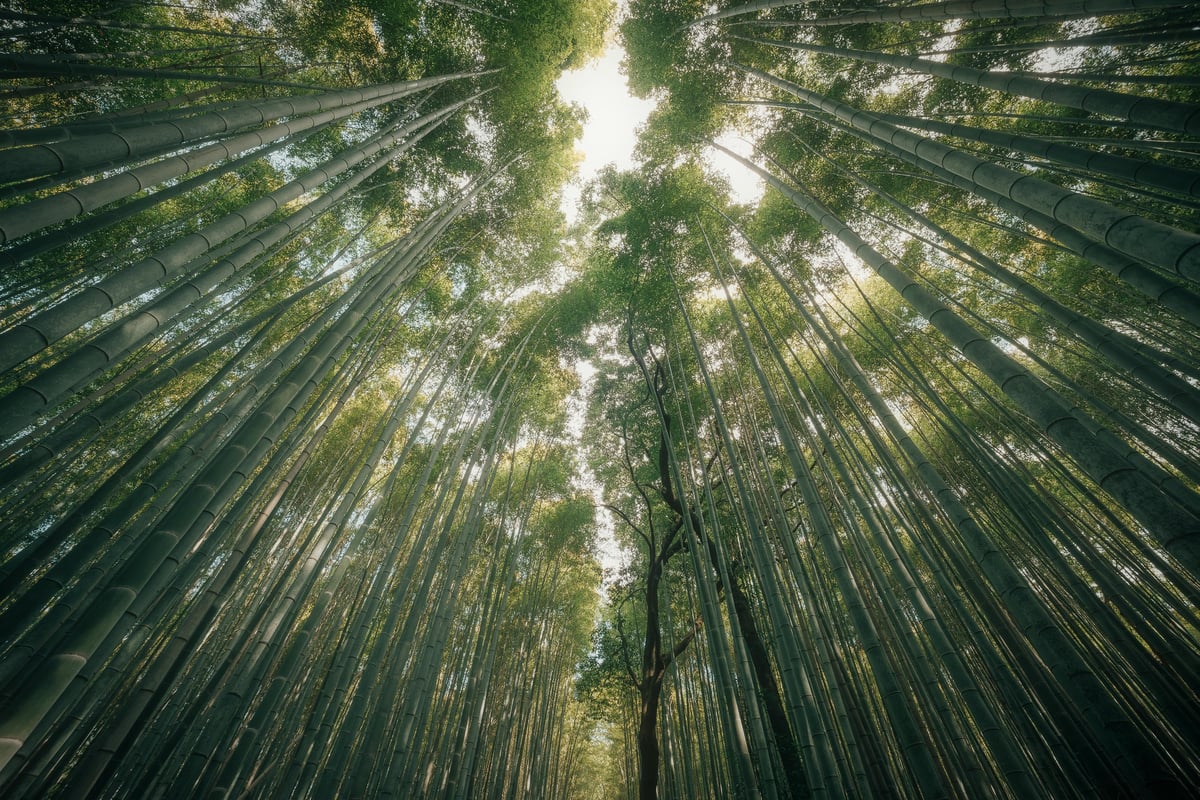
We are missing some higher-end build features, such as weather sealing and an aperture ring.
Given how compact this lens is, you can also expect some vignetting at those faster apertures, but it’s nothing extreme or unexpected.
Basically, if you told me Fujifilm made this lens, I would totally believe you, although they would probably charge double.
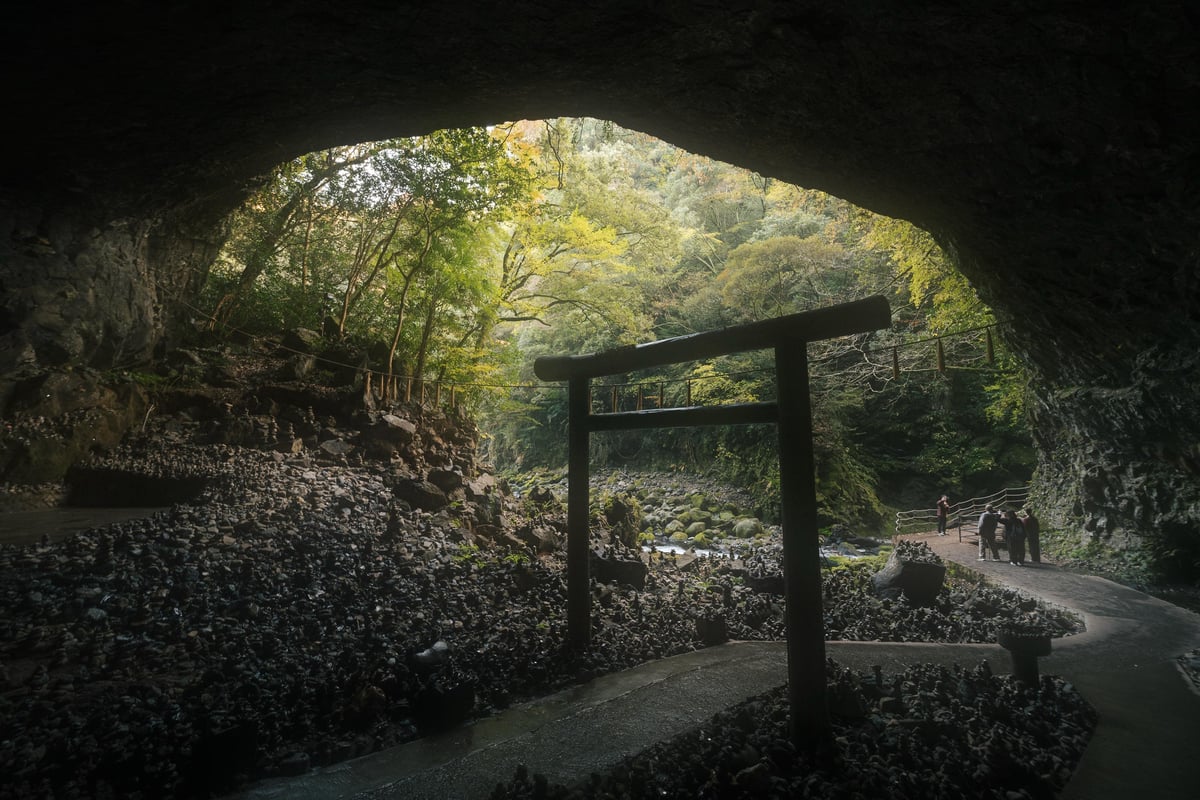
Quick note: On about half the photos in this review, I’m applying an Orton effect in Photoshop. This essentially involves opening the photo in Photoshop, duplicating the layer, blurring it, adjusting the levels to brighten it, and then setting the opacity to around 20%. This gives you that hazy soft-mist filter look, which I love on Landscape photos.
Viltrox 9mm f2.8 AIR Build Quality
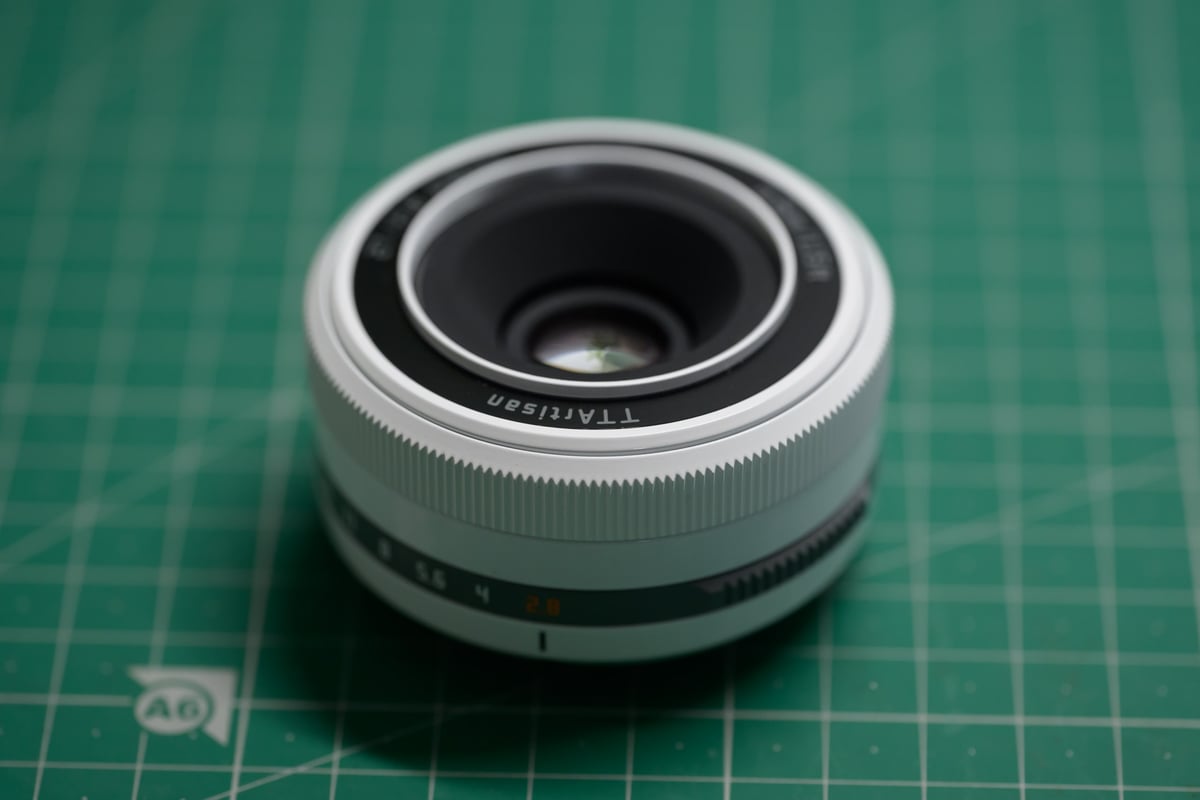
This lens is part of the Viltrox AIR series, which is designed to be affordable, compact and lightweight. Viltrox does a great job here at competing with most brands’ mid-range lens lines, and for the casual APS-C shooter, you really do get a well-built lens with some great functionality.
It is a plastic build, but that’s kind of the point. It’s supposed to be compact, lightweight, and affordable.
Focal Length: 9mm
Aperture Blade: 9
Aperture: f2.8 – f16
Elements: 13 elements in 11 groups
Coatings: Multicoated
Weather-Sealed: Not Mentioned
Minimum Focus Distance: 5.11″ / 12.98 cm
Filter Threads: 58mm
Weight: 6.2 oz / 175 g
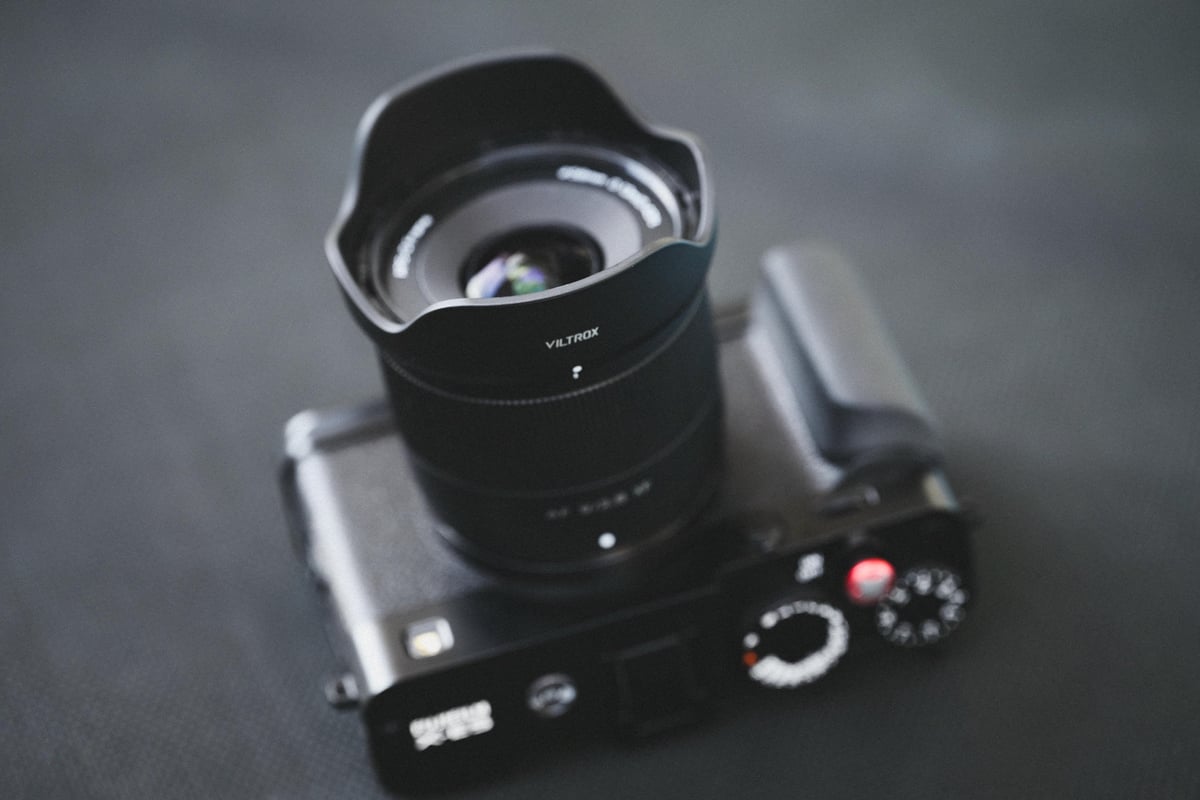
If you’re a Fujifilm shooter, this lens is really only missing two things you might be used to: the aperture ring and weather sealing.
I’m on a Fujifilm X-E5 for this review, which isn’t weather-sealed either; however, the internal STM autofocus system should help keep dust and moisture from being sucked into the lens.
Externally, there is also an HD multilayer nano coating that repels dirt and debris, reducing ghosting and flaring.
As mentioned, we get a plastic build and a plastic lens hood, but we have a high-quality all-metal lens mount with a USB-C port for firmware updates.
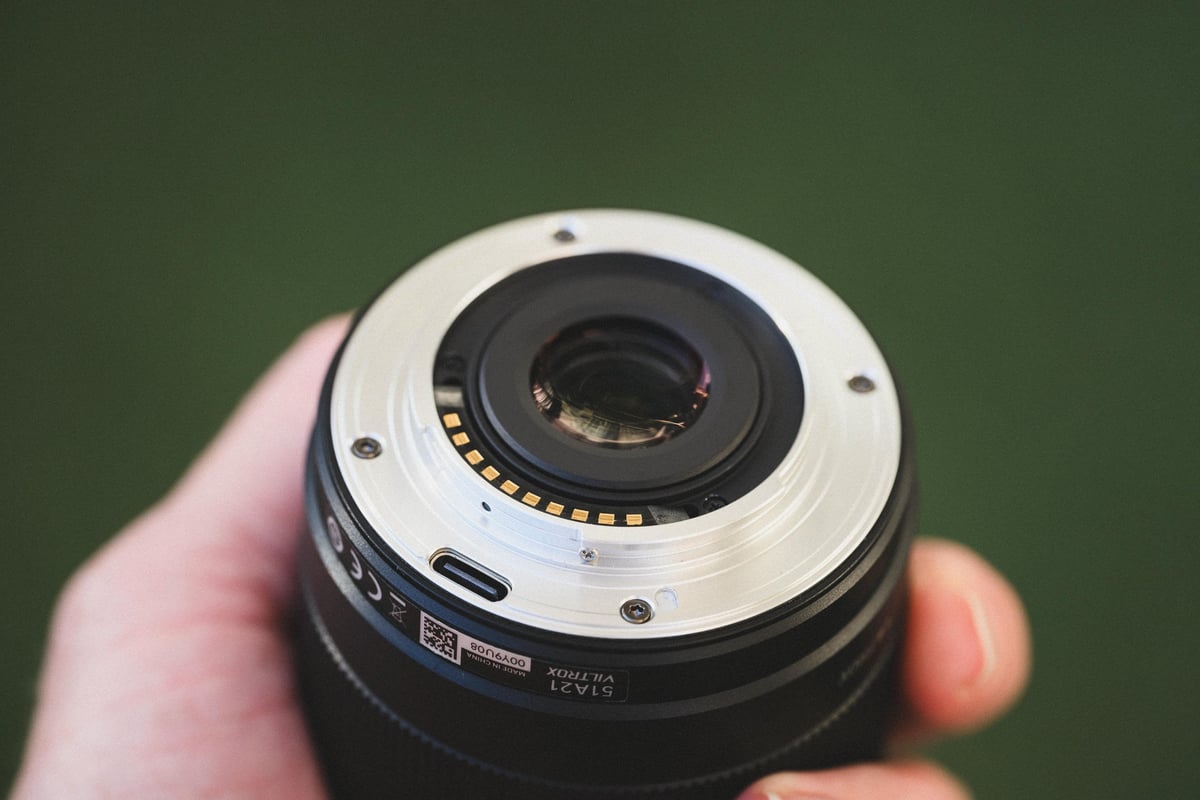
Quick Firmware Update Caution: Make sure you don’t have a third-party lens attached when installing firmware updates for your camera, as this can cause issues with Nikon cameras. Also, be sure to follow the instructions for updating your lens’s firmware.
Sharpness
Sharpness with this lens is very impressive. I’m not going to post charts this time around since I don’t really have anything to compare them to. However, take my word for it: this lens is sharp. At f5.6 and f8, I’ve also been very impressed with the consistency of sharpness across the frame, although the best performance is in the center and mid-frame, even at higher apertures. It’s definitely good enough for what it is; I don’t think anyone will have any complaints here unless they just get a bad copy or something.
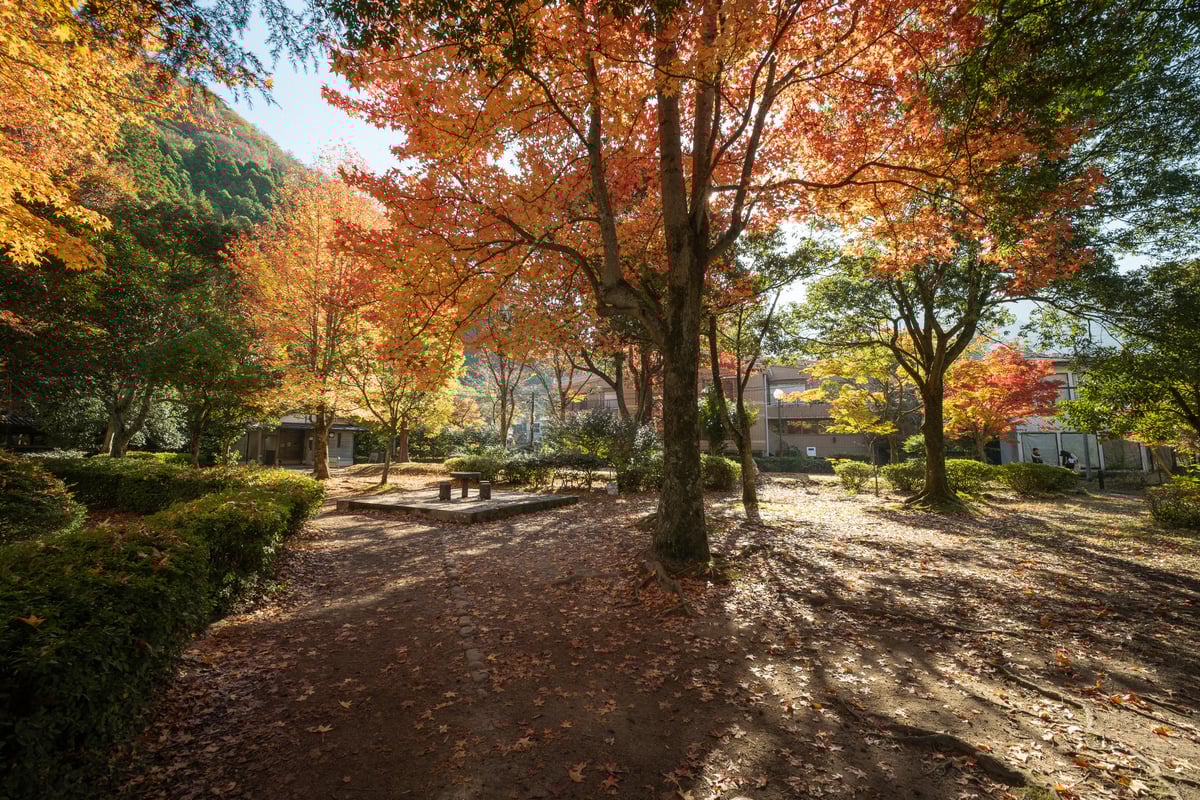
What else I’ve been noticing about this lens is that not only is it very sharp, but it also maintains a lot of sharpness at higher apertures, such as f8 or f11. Some lenses are more prone to diffraction than others (especially compact lenses), and this lens holds up well, though I wouldn’t go much beyond f8-11 on the 40MP Fujifilm sensor.
In almost all the Fujifilm images I produce now, I push that ‘DeNoise’ button, and it pretty much makes them perfect. That one little button in Lightroom pretty much turns my little Fujifilm X-E5 and this Viltrox 9mm lens into a portable handheld landscape photography monster. It’s so freaking cool to have such an amazing capability in such a small setup.
Distortion
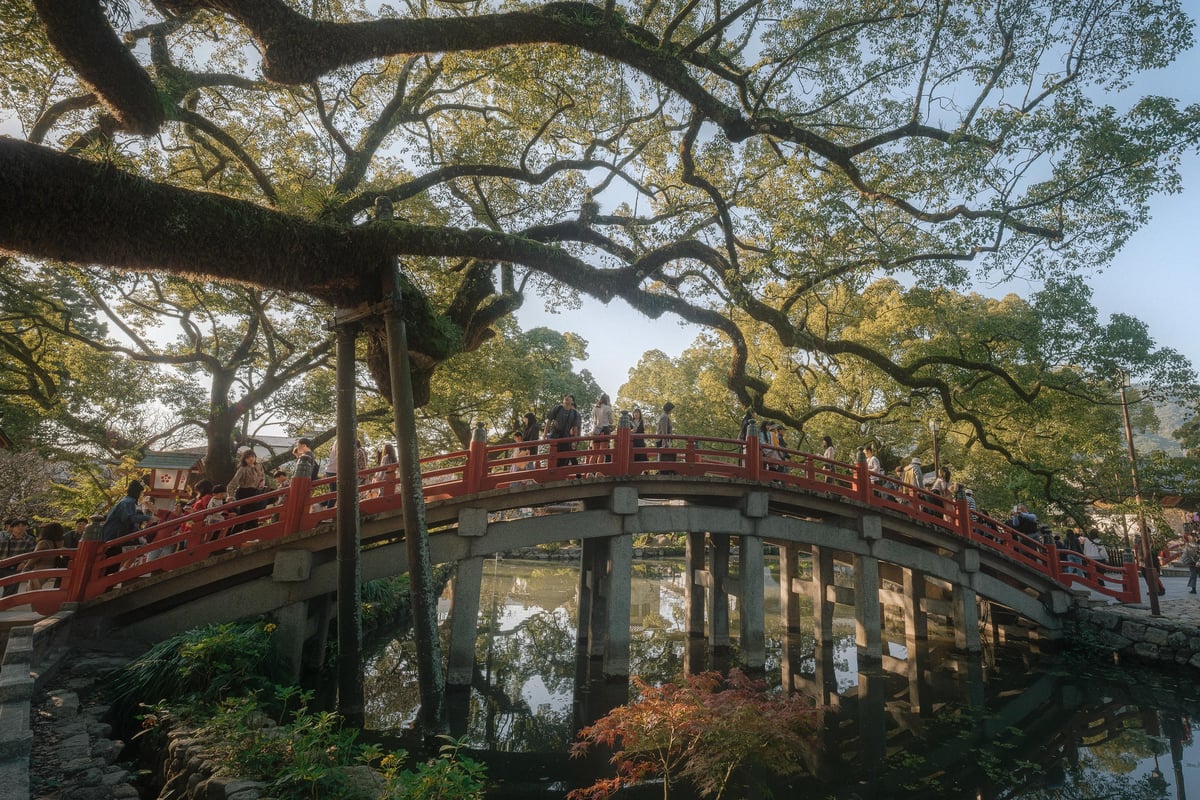
We see some very subtle mustache distortion. This is a fairly uncommon type of distortion, but I have seen it in ultra-wide lenses before. It’s notoriously difficult to correct for, so you’ll ideally need to use the Viltrox 9mm profiles for Lightroom when they come.
Vignetting
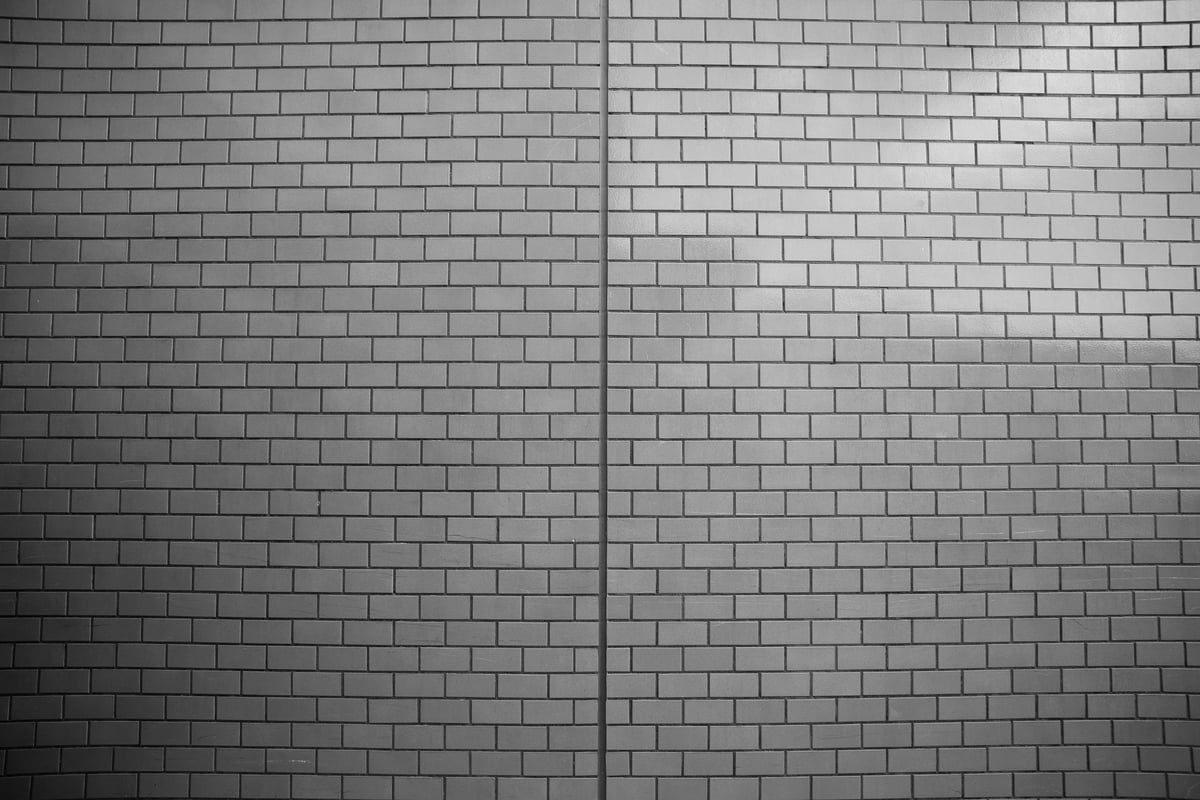
Vignetting is fairly strong with this lens. It will change and vary depending on the lighting situation. At the launch, Lighroom loads a profile for this lens that already cleans up a lot of the vignetting, but I think the official Viltrox 9mm profiles for Lightroom should do a better job of cleaning up more.
When I’ve been shooting samples with this lens, I haven’t really noticed strong vignetting compared to when I shot this white wall, and I’ve even been adding vignetting to most shots, so it doesn’t really seem that bad in real-world applications.

Ghosting & Lens Flares
While lens flaring is the main thing you have to be careful with on a lens like this, or even on ultra-wide lenses in general.
Here are a few samples of me, essentially stress-testing this lens by pointing it directly at an angry sun.
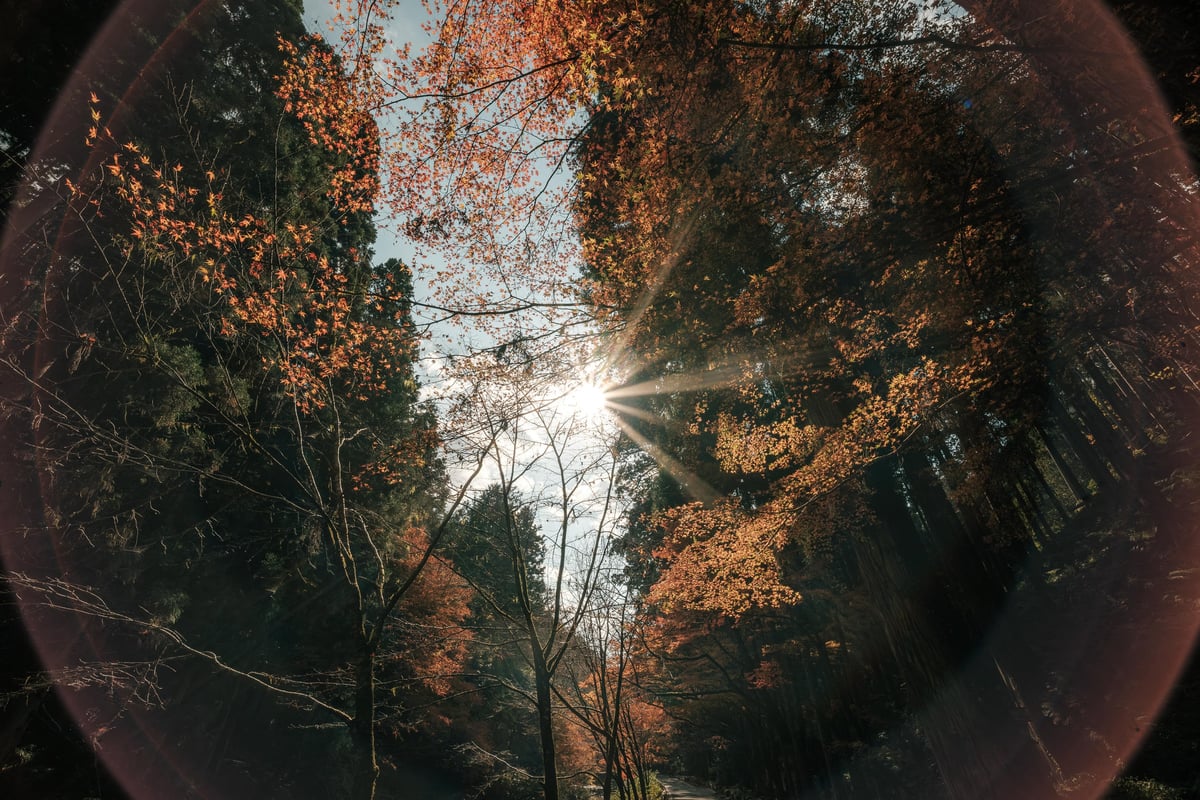
While in the image below, you do see some purple orbs and flaring, you would still get some of this with high-end Fujifilm lenses as well, but it would maybe be a little more controlled. Don’t expect this lens to be too far off from what you get from the Premium Fujifilm ultra-wide. Their 8mm lens gives very similar results to this.
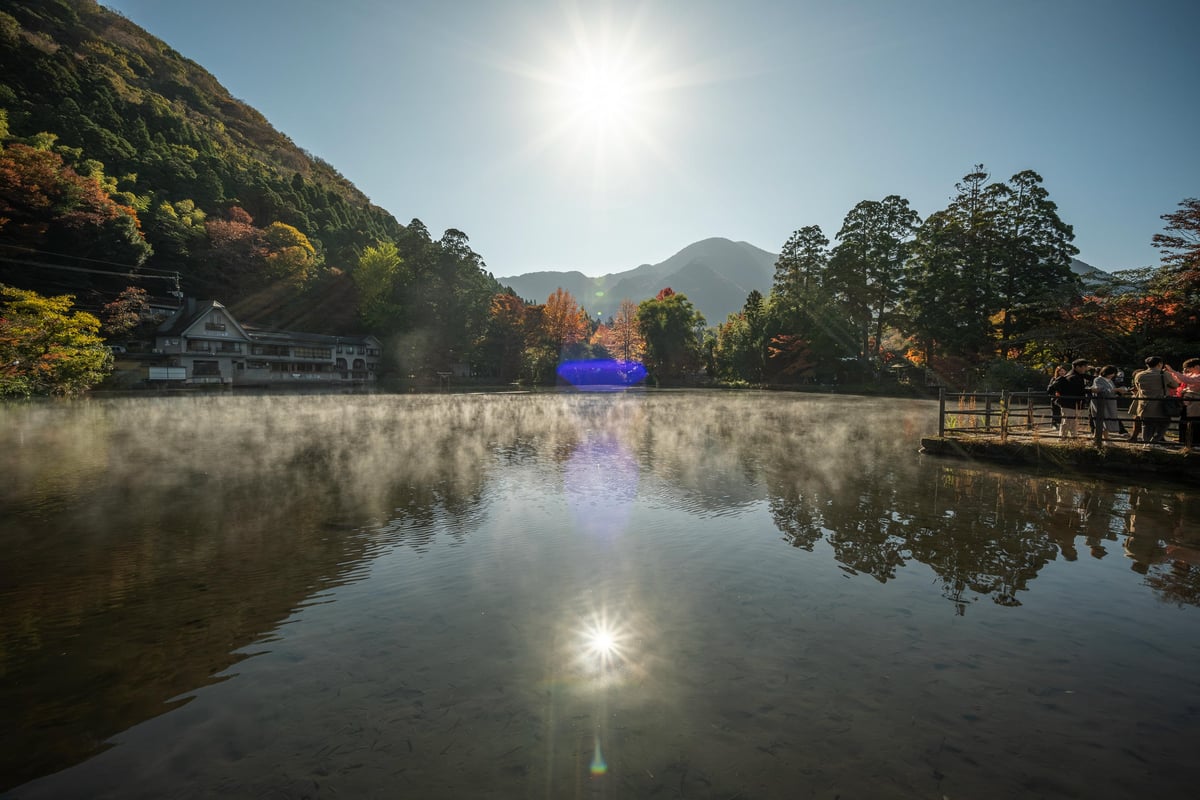
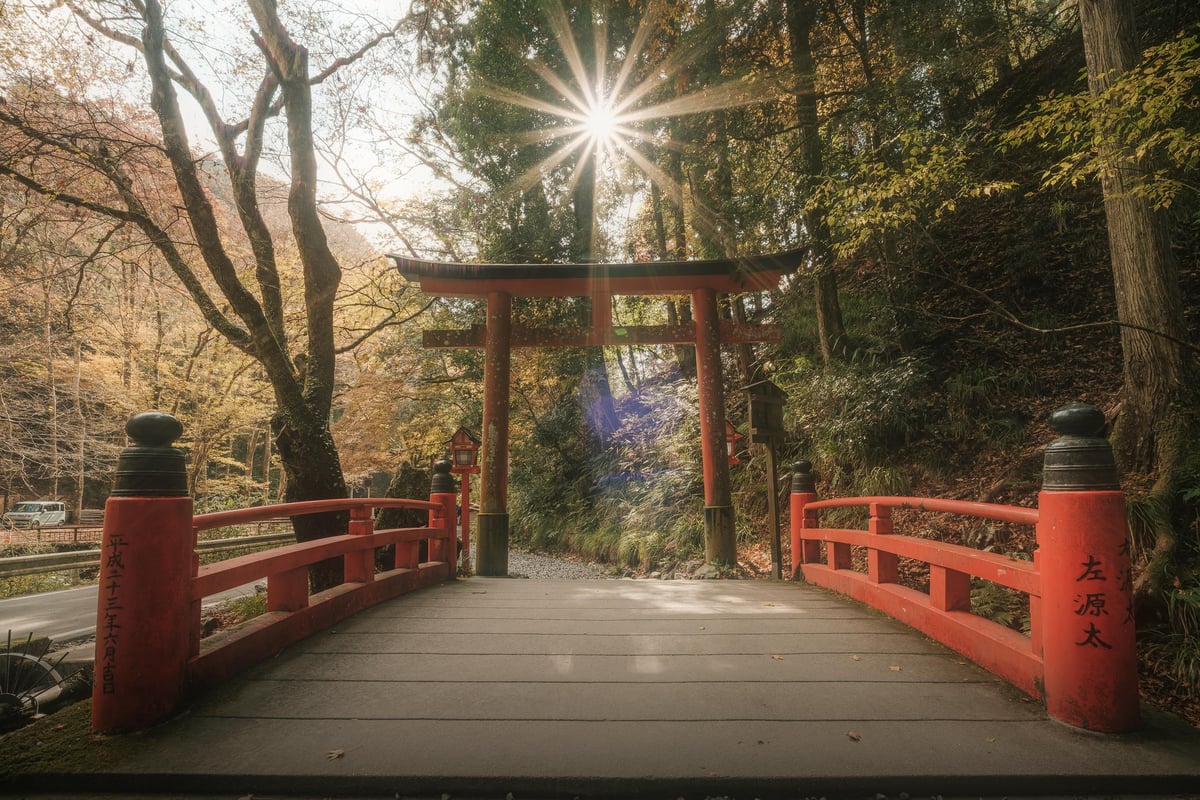
Sun Stars
Sunstars are very pronounced with some nice shape. They get a little intense and flare out when he sun is very bright.
Chromatic Aberrations
No serious issues with chromatic aberrations with this lens. Only some light CA around some extreme contrast, but it’s really nothing unusual or even worth showing, since you don’t even see it in pretty much any of the samples I’ve posted in this review.
Bokeh
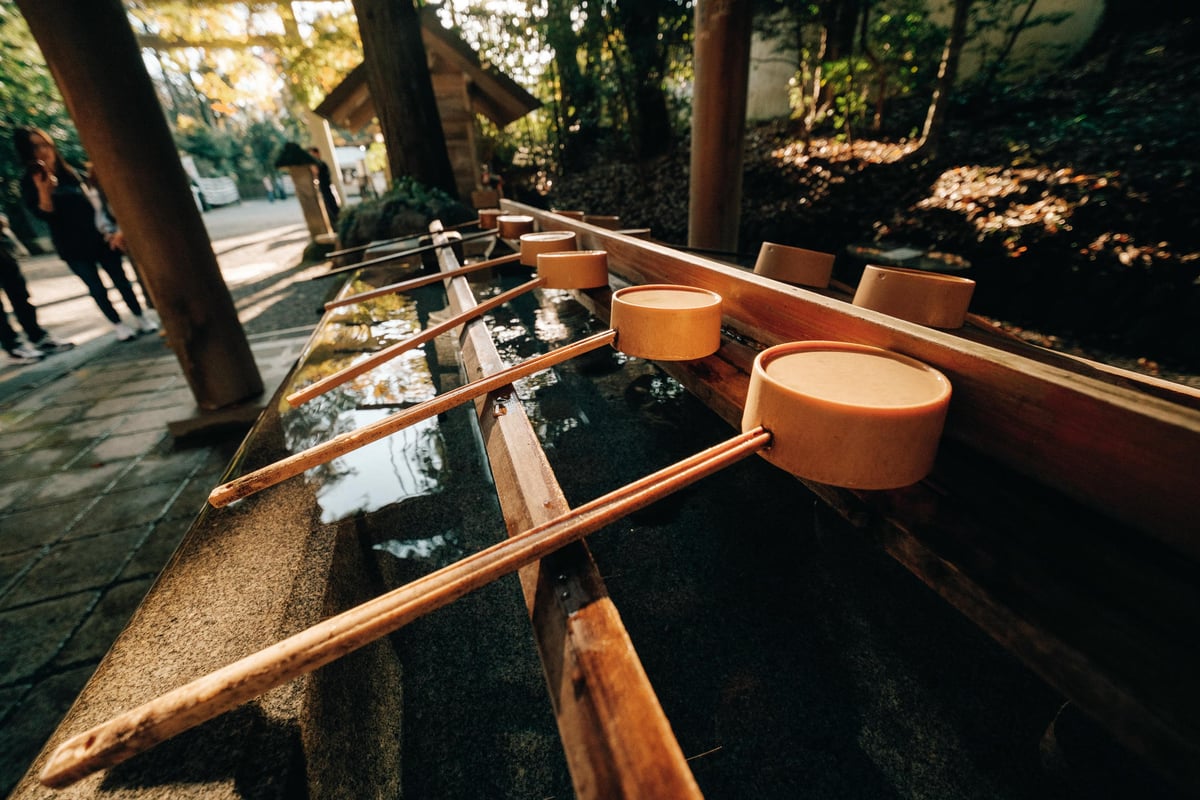
This is not really a bokeh lens, but you can still get very close to the subject, and at f2.8, you can get some background blur. It’s not super creamy or a beautiful blur, but there is some subject separation.
Viltrox 9mm f2.8 AIR Bottom Line
The performance-to-size and weight here is fantastic, especially if you’re on a smaller, lighter camera like the Fujifilm X-E5, which makes the whole experience very fun.
I was actually blown away by the overall performance here. I did not expect this. This might be the first really good budget-friendly ultra-wide we’ve seen for the Fujifilm system so far. I’ve had some Samyang lenses in the past that were also good, but they weren’t autofocus, which is a game-changer for a walk-around travel/landscape lens.
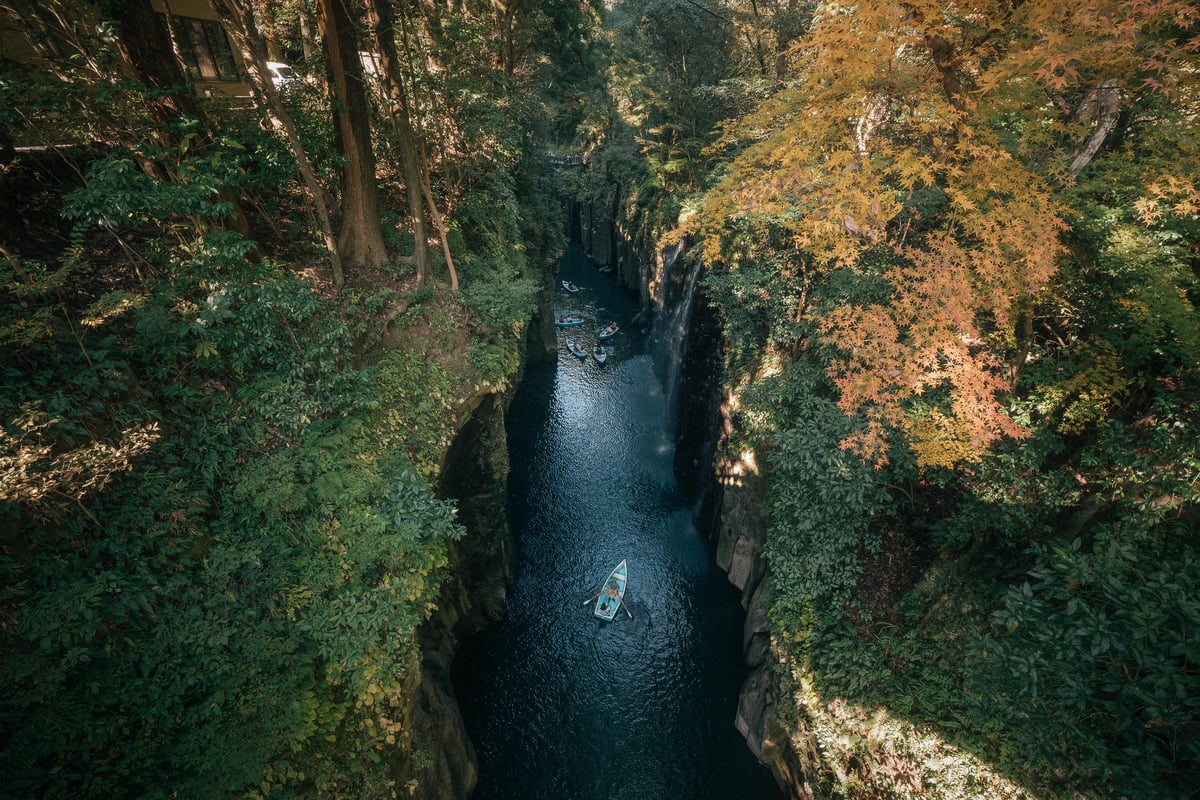
With everything you get for the price, this lens, and actually most of the Viltrox AIR lenses, fall into the “Shut up and buy it” category. I think the only reason to buy something like the Fujifilm 8mm over this lens is if you want wider or weather-sealed. There will be a noticeable difference between 8mm and 9mm. One is roughly a 12mm full-frame equivalent, and this Viltrox is just about a 14mm. Those are two very different things. Personally, I’ve always been more in the 14mm boat when it comes to shooting landscapes and seascapes.
We’ll have to wait for profiles to come to Lightroom to get that distortion and vignetting cleaned up a little nicer, but after shooting with this lens all over Japan, I never actually noticed it as being a problem until shooting brick walls. Sharpness overall is excellent. It’s just a really solid lens for the price.
For those starting out in photography, you have no idea how lucky you all are to have access to such great lenses at such a fair price.
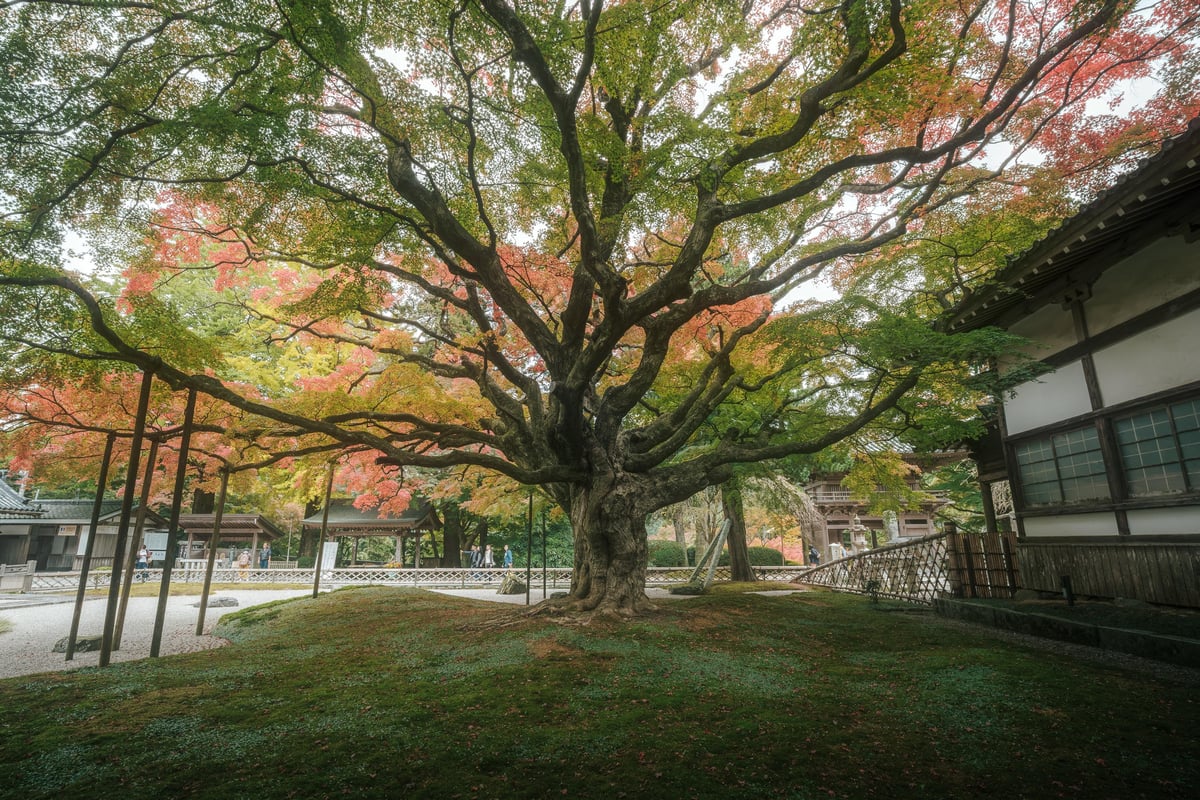
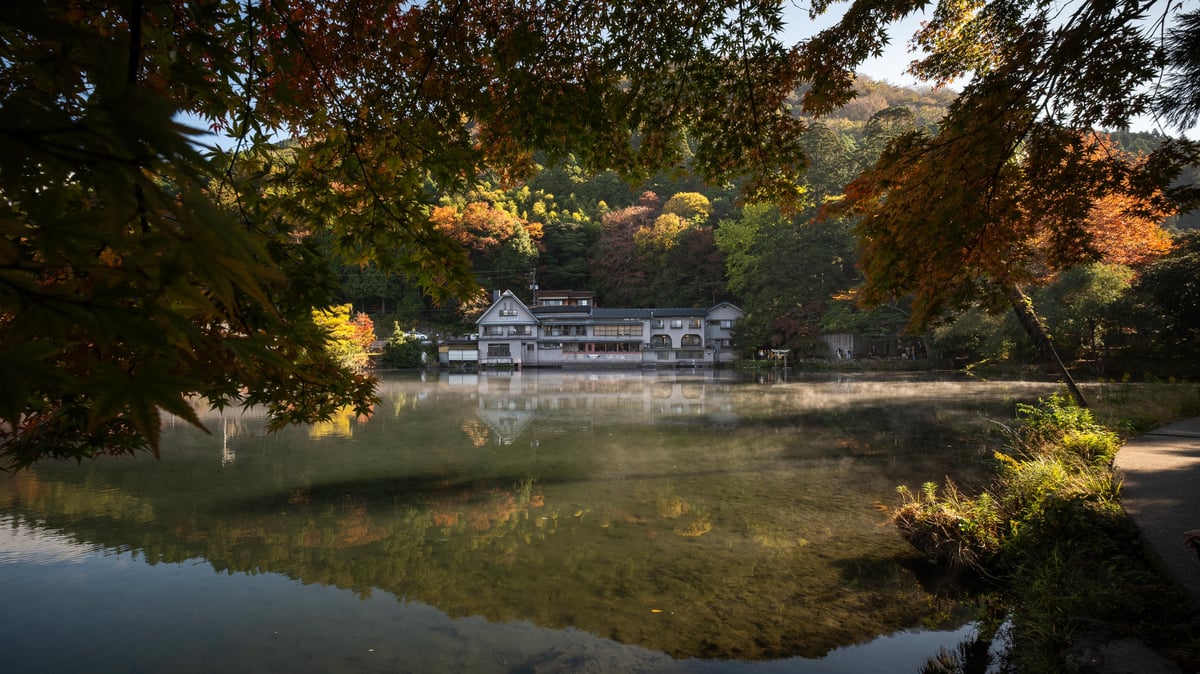
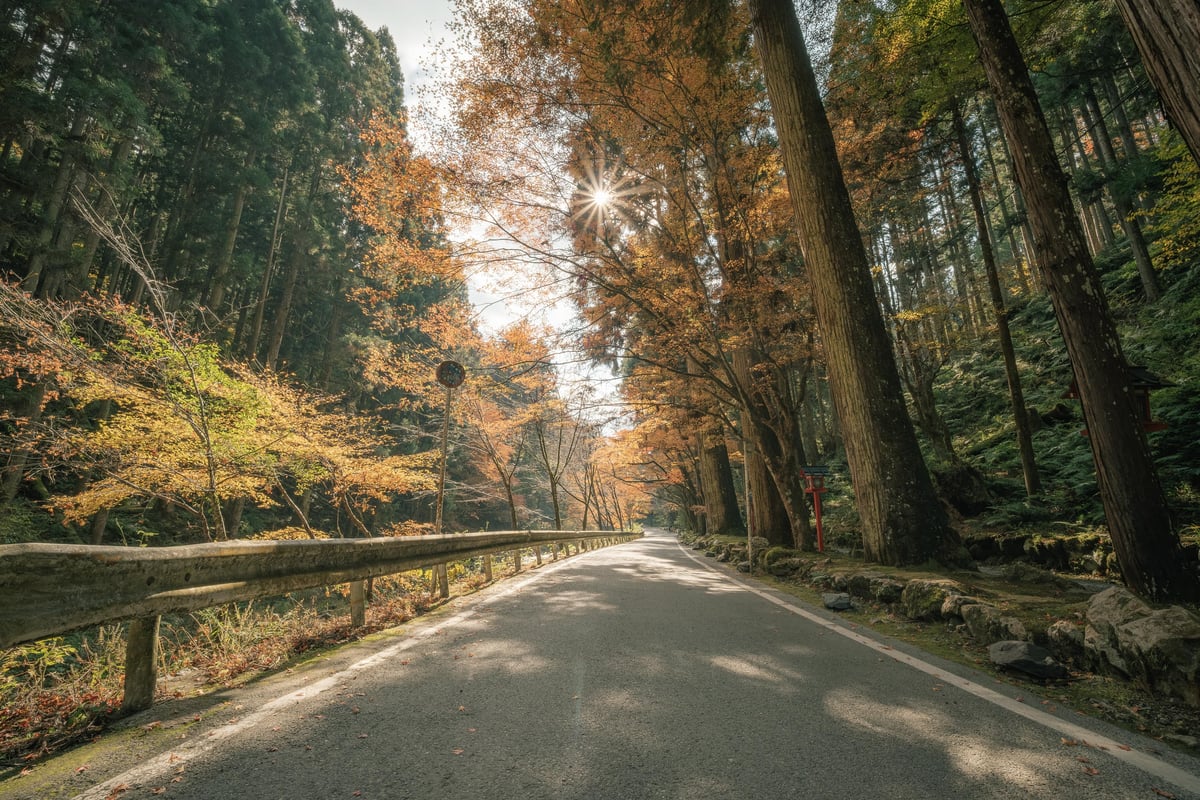
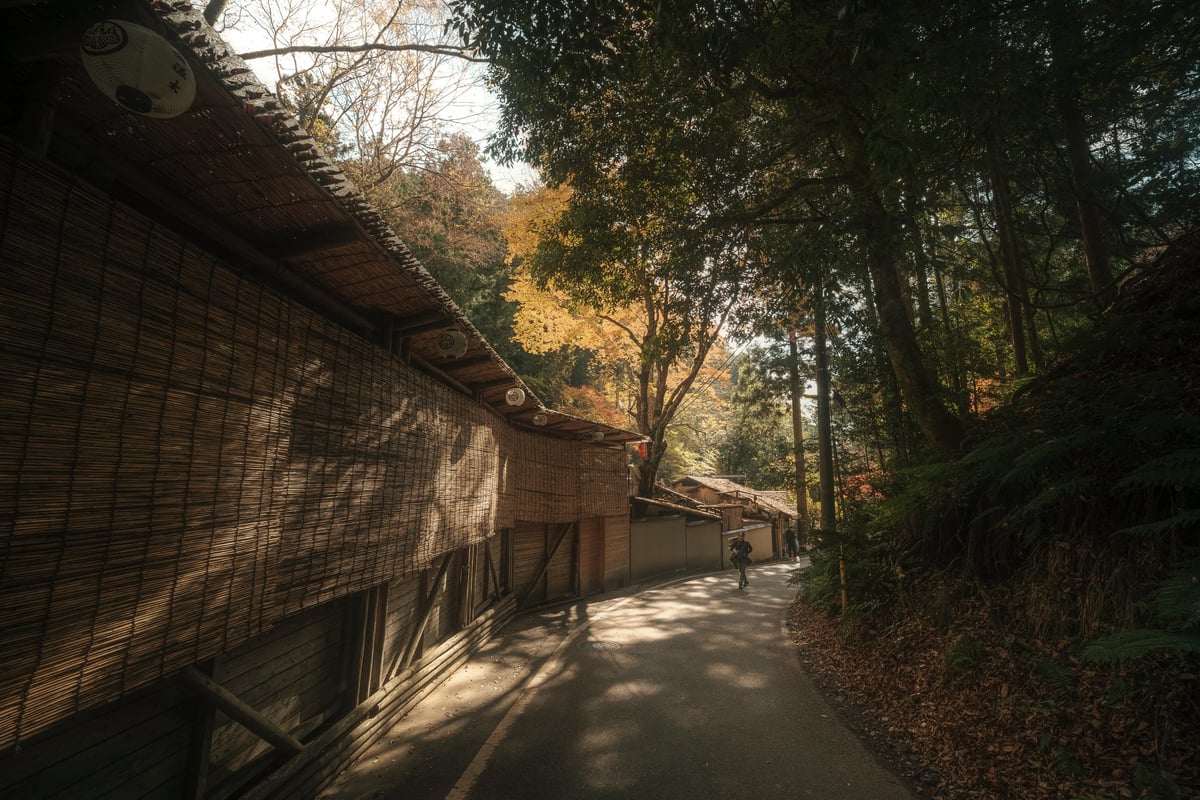
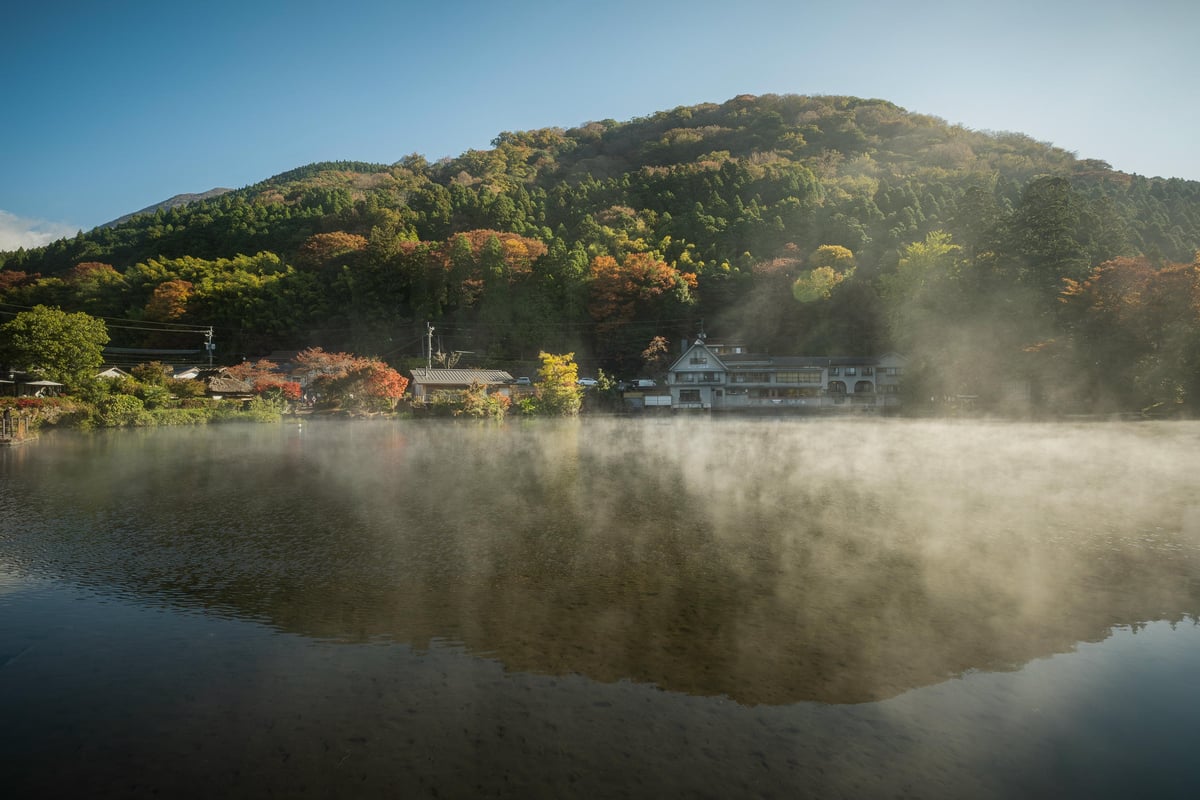
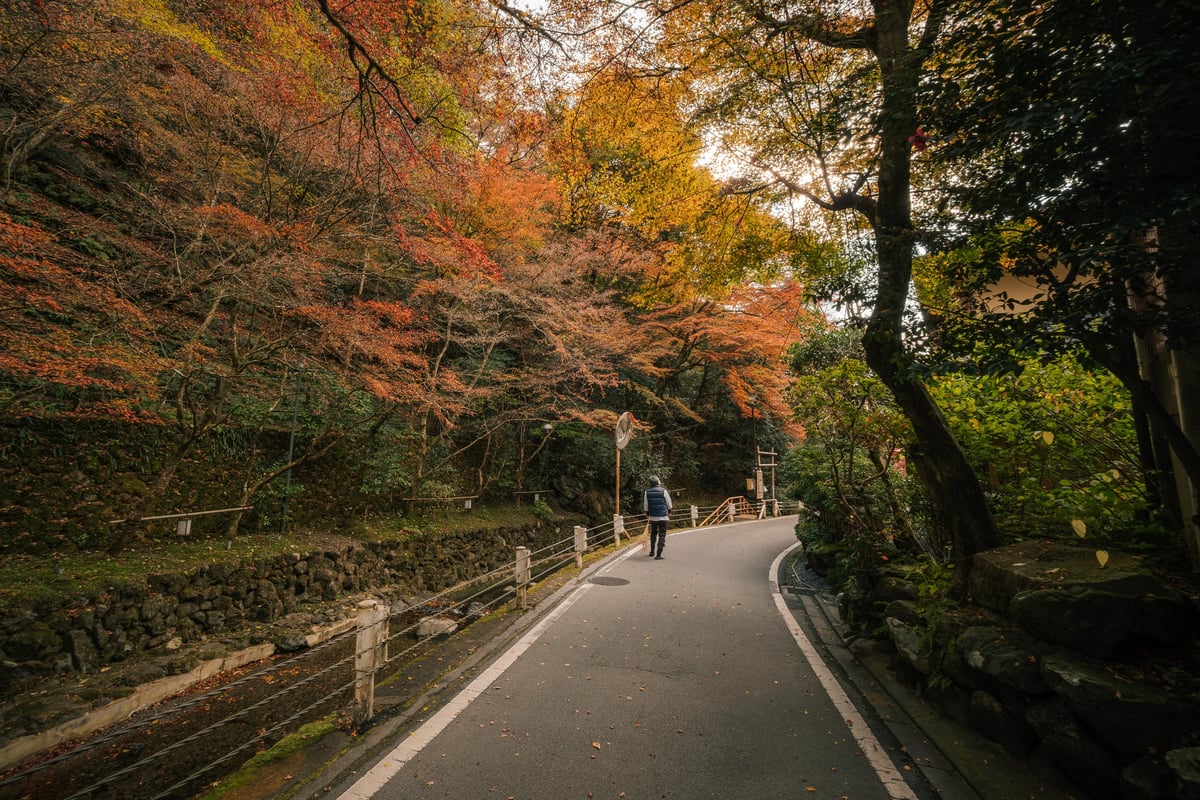
Viltrox 9mm f2.8 Air Sample Images
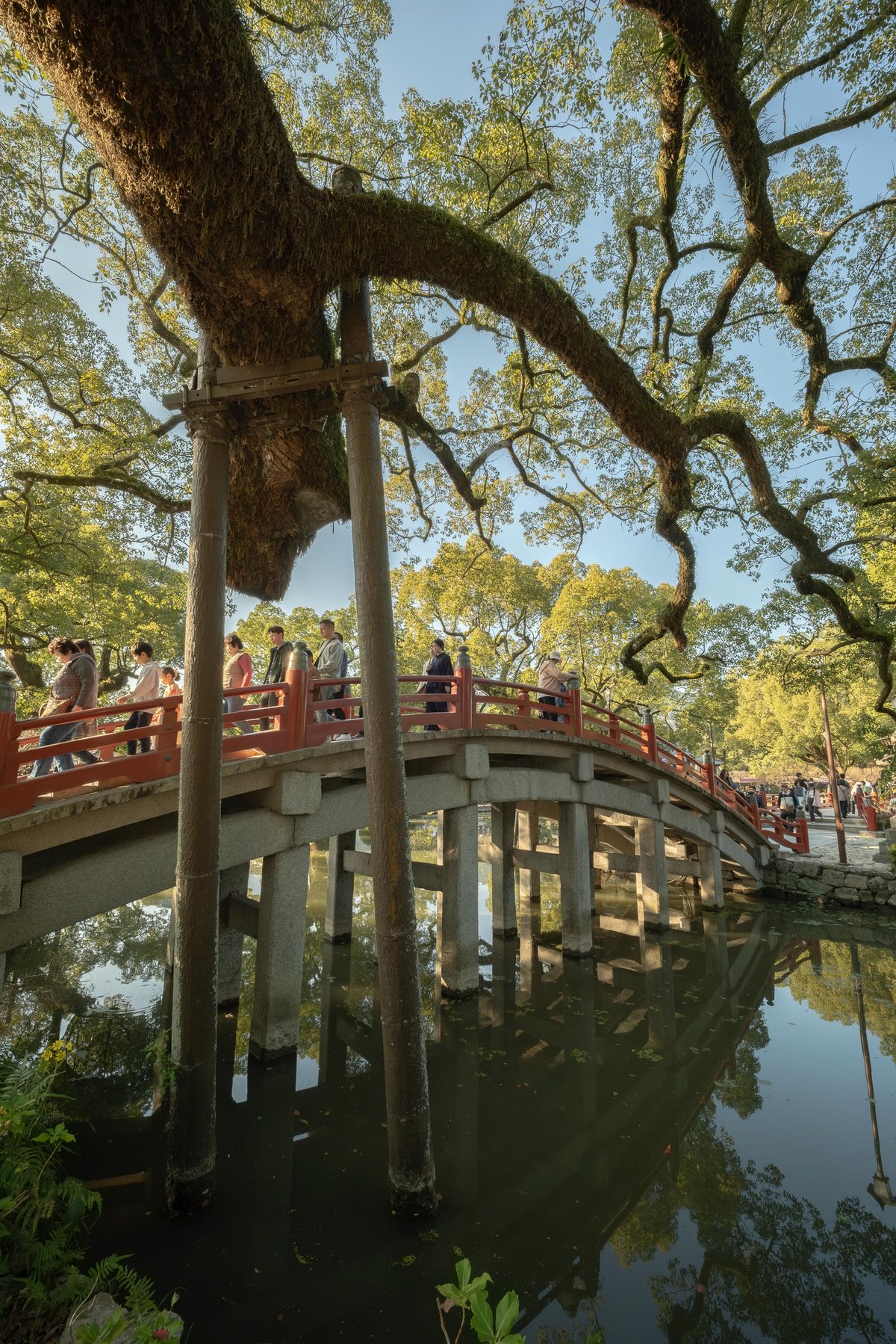
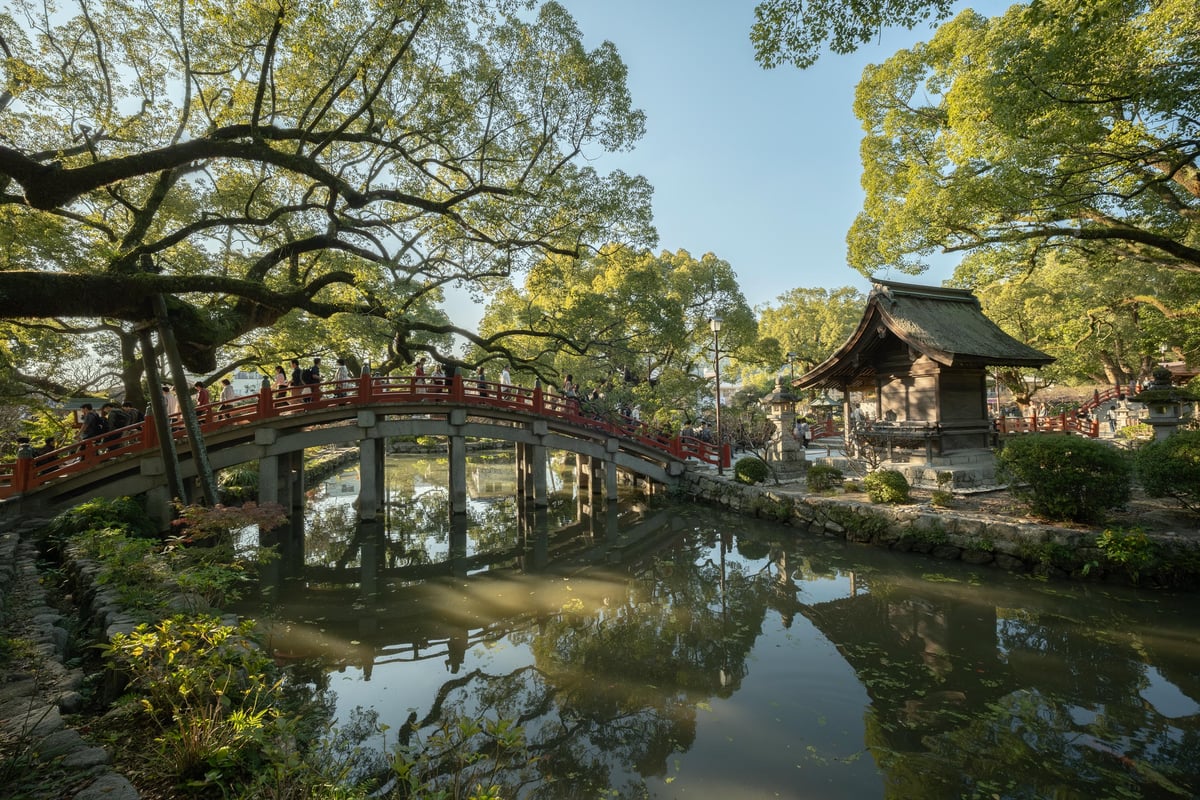
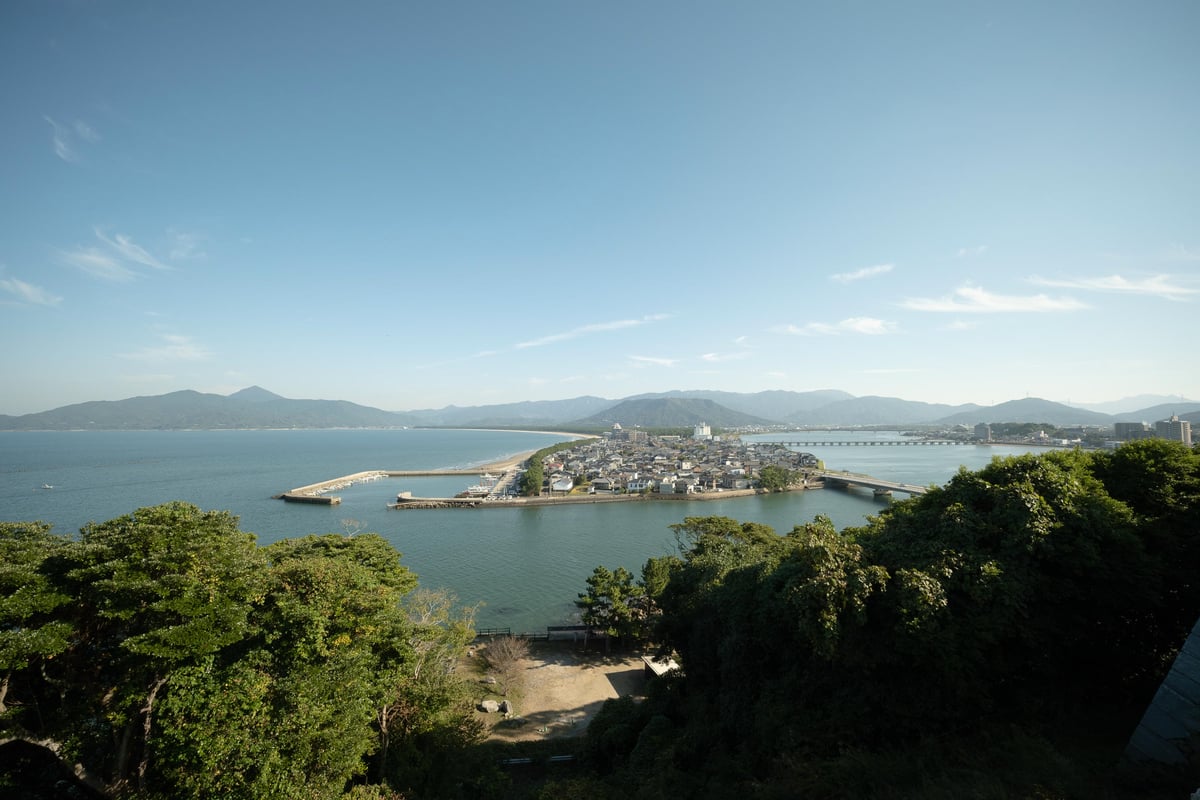
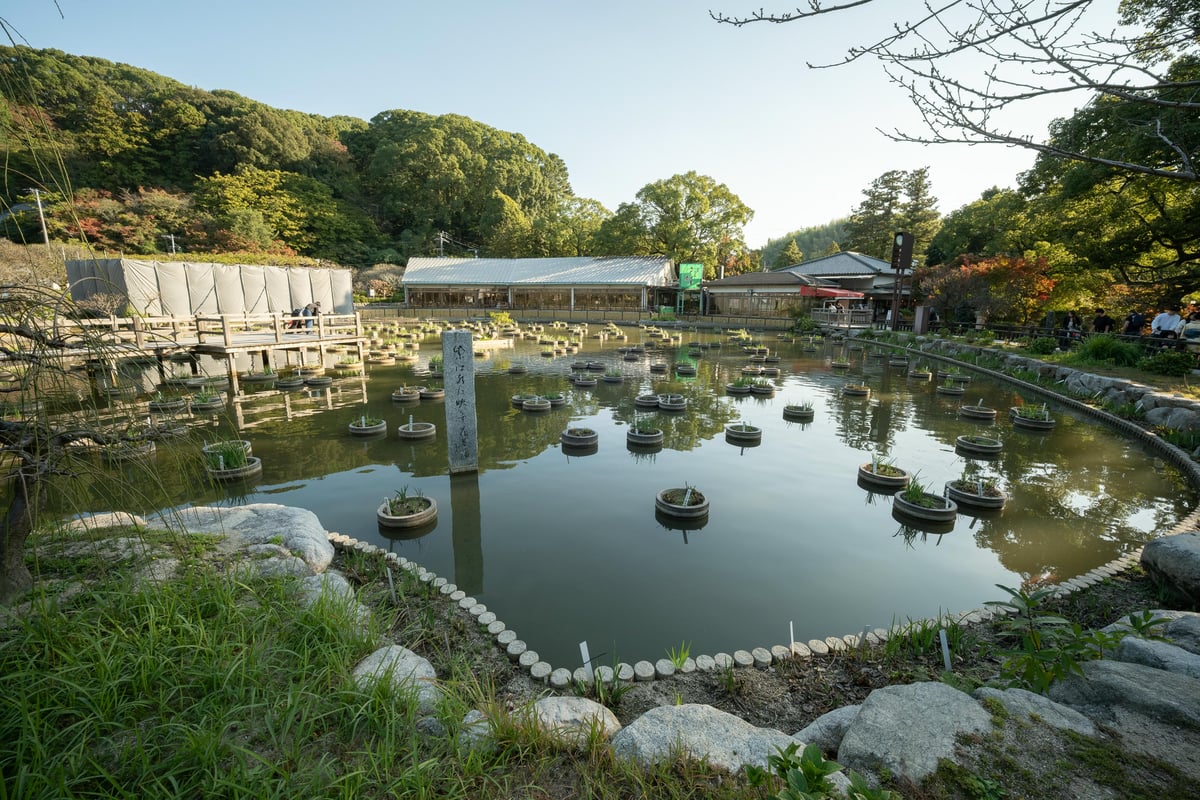
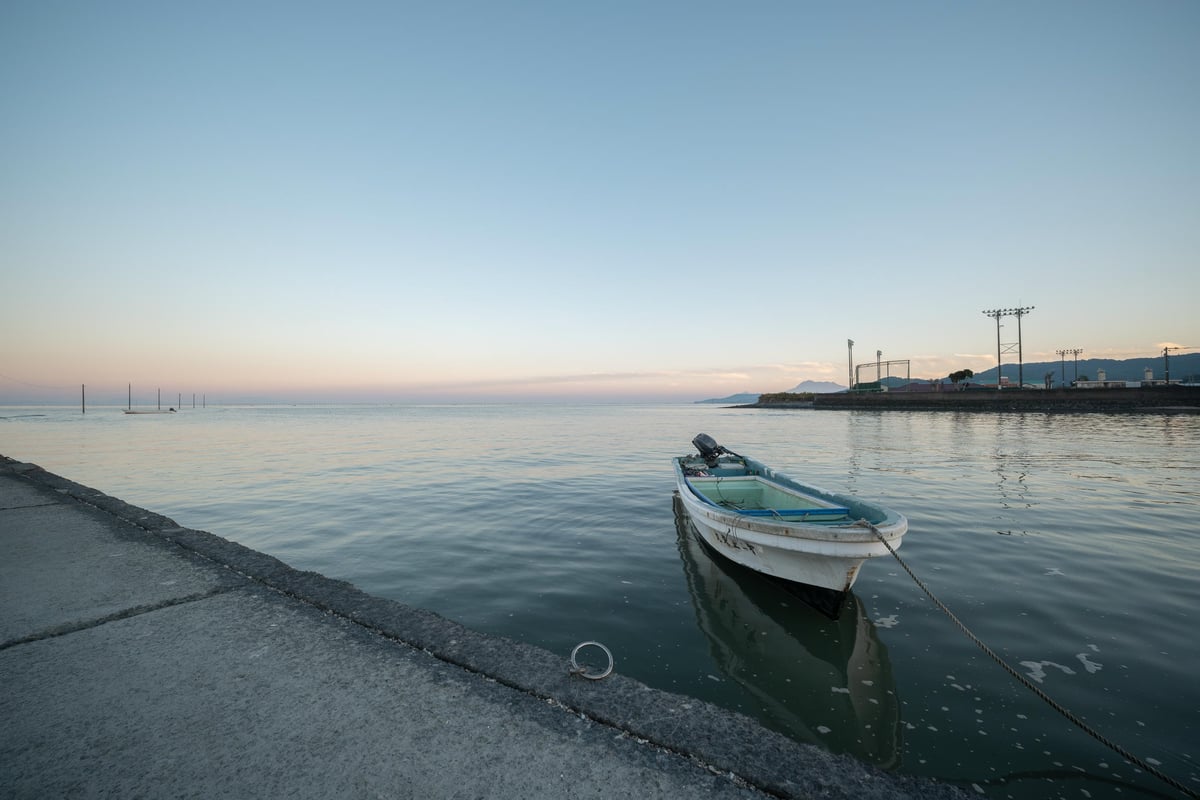
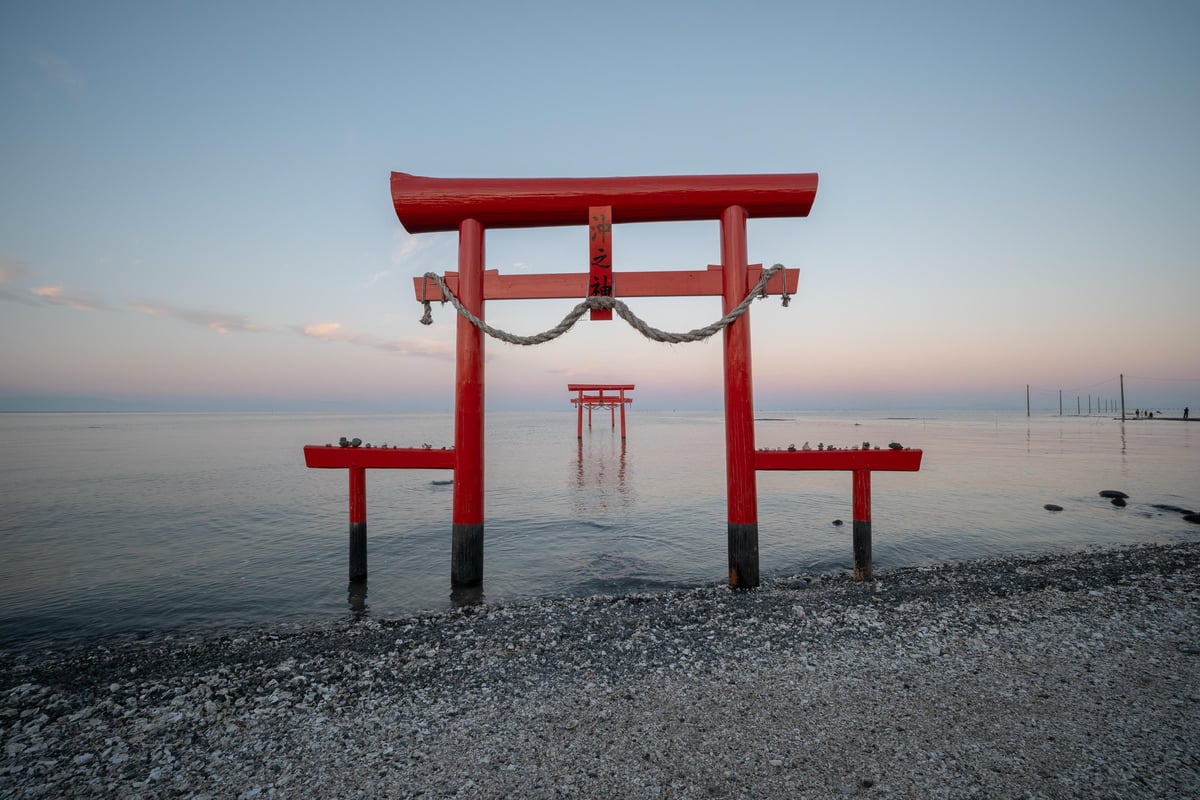
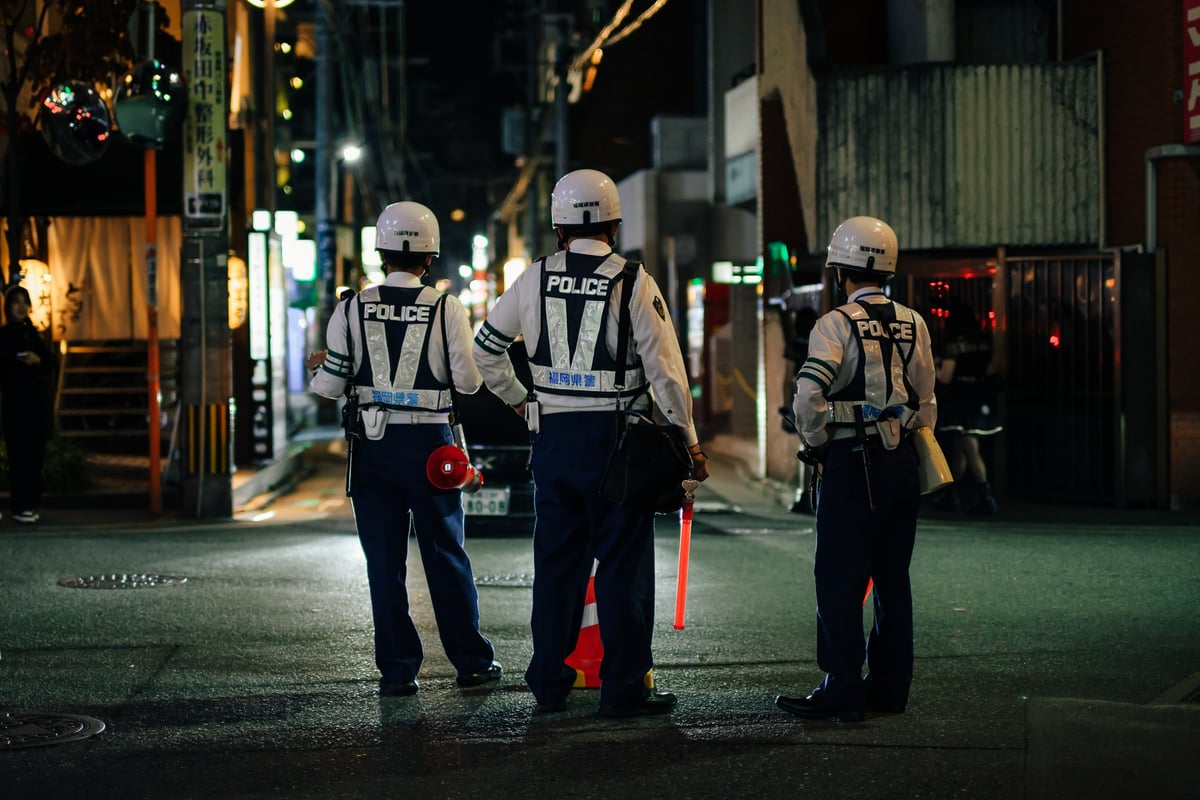
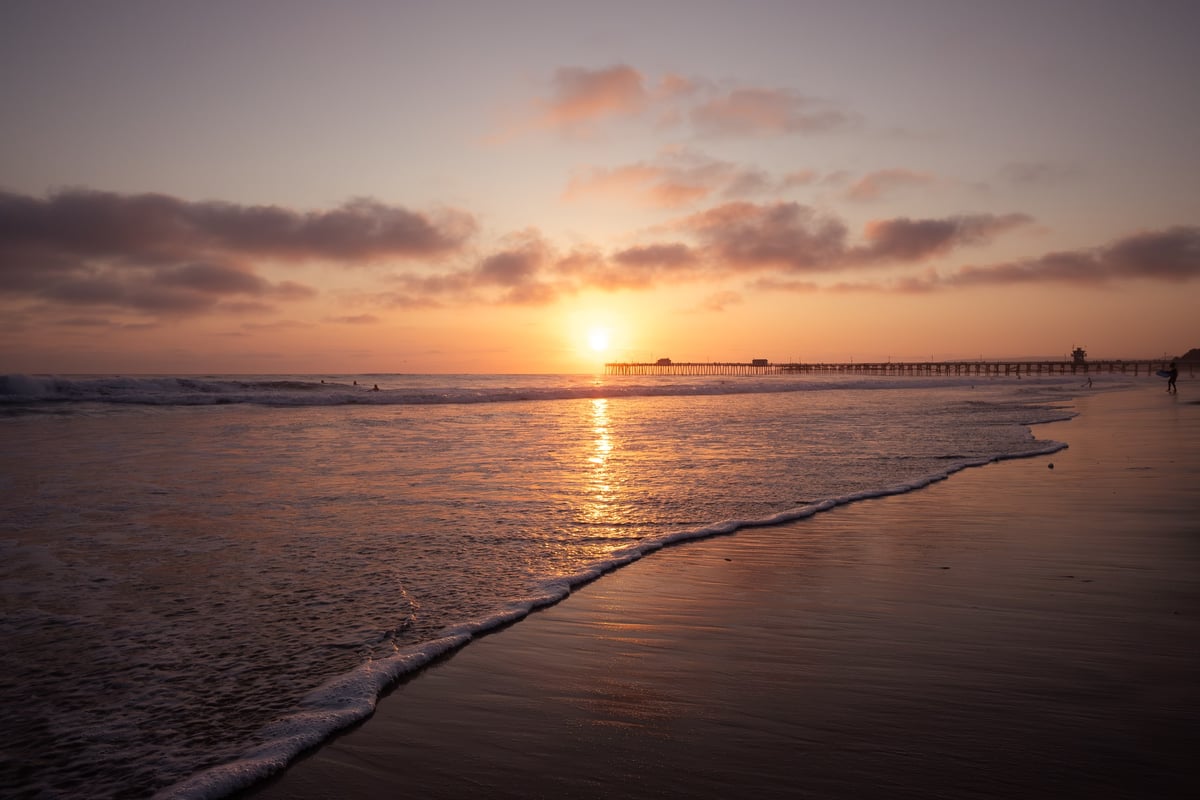
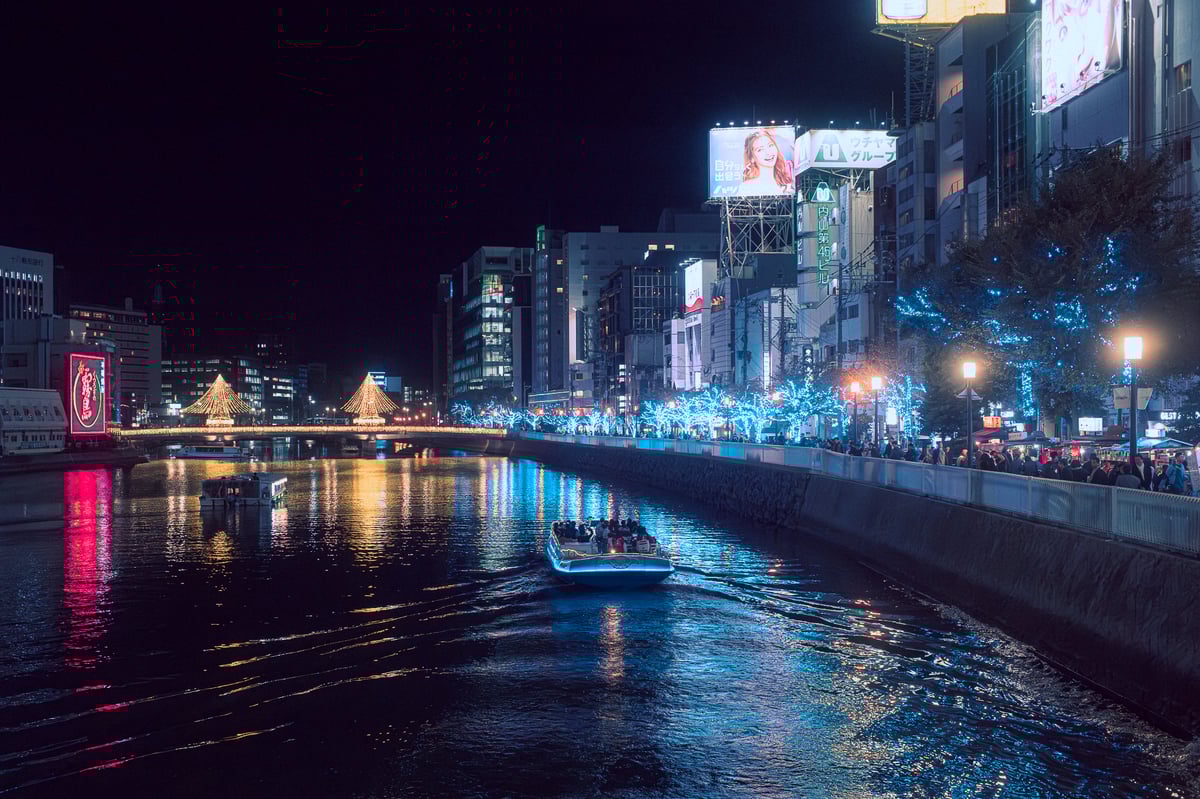
Some of these images use the Orton Effect and my Color Presets. All Shot on the Fujifilm X-E5 handheld, no tripod.
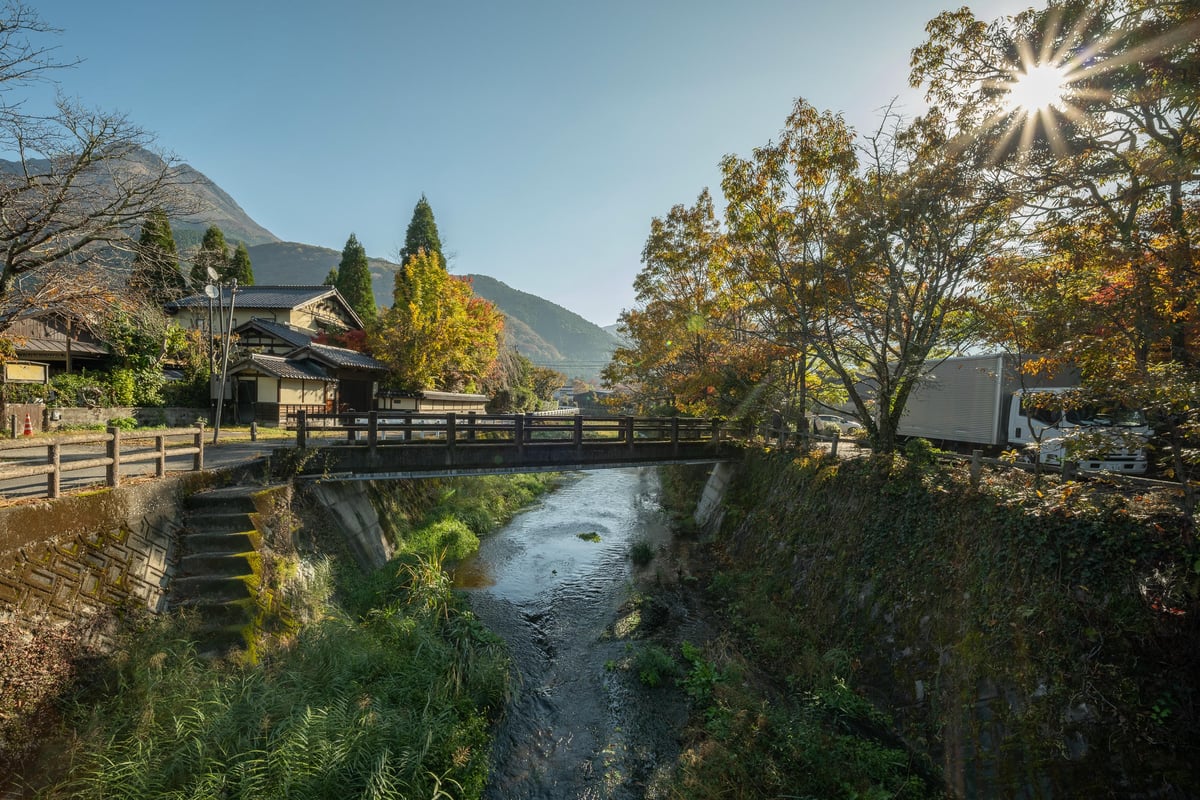
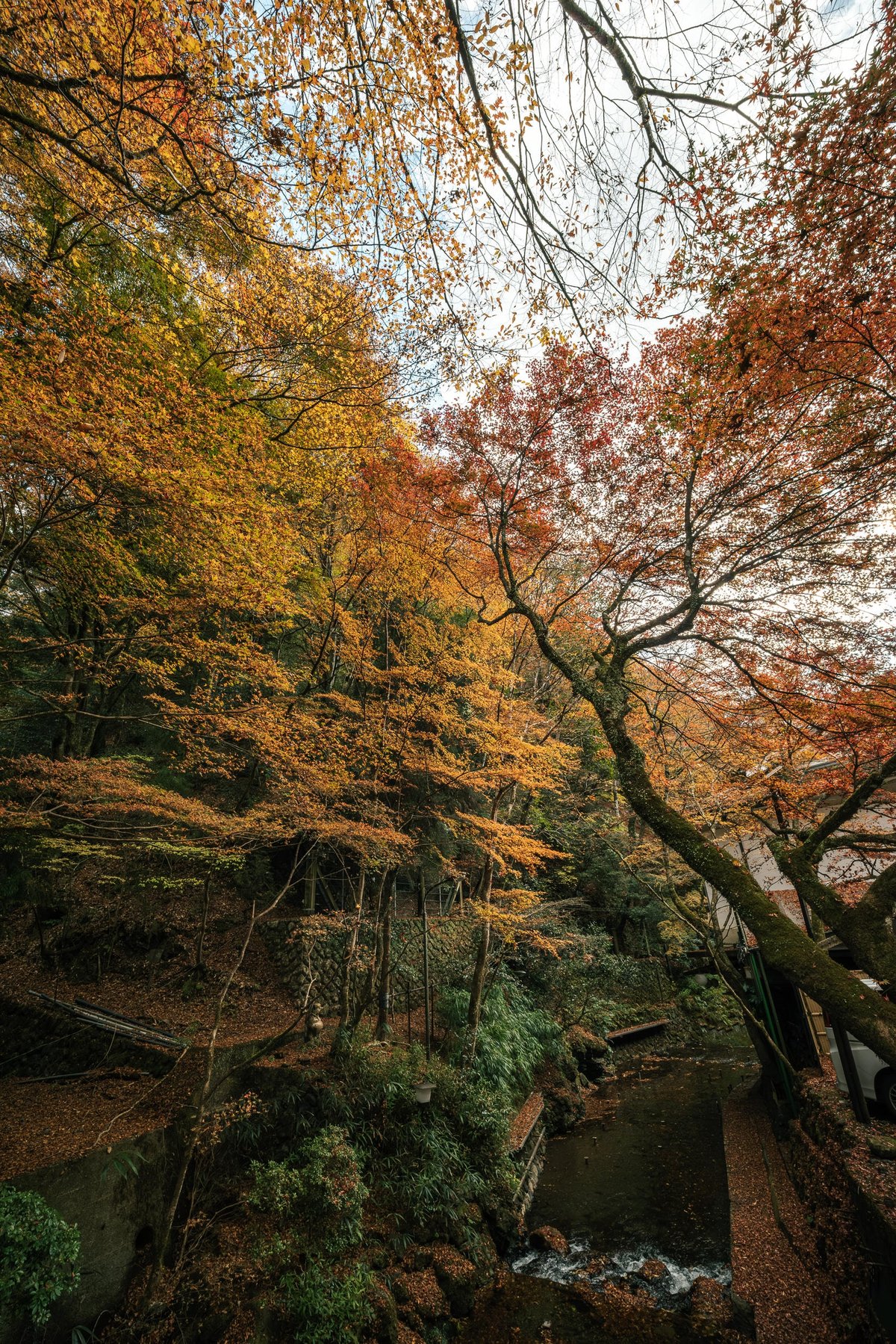
Sample Images With Minimal Editing
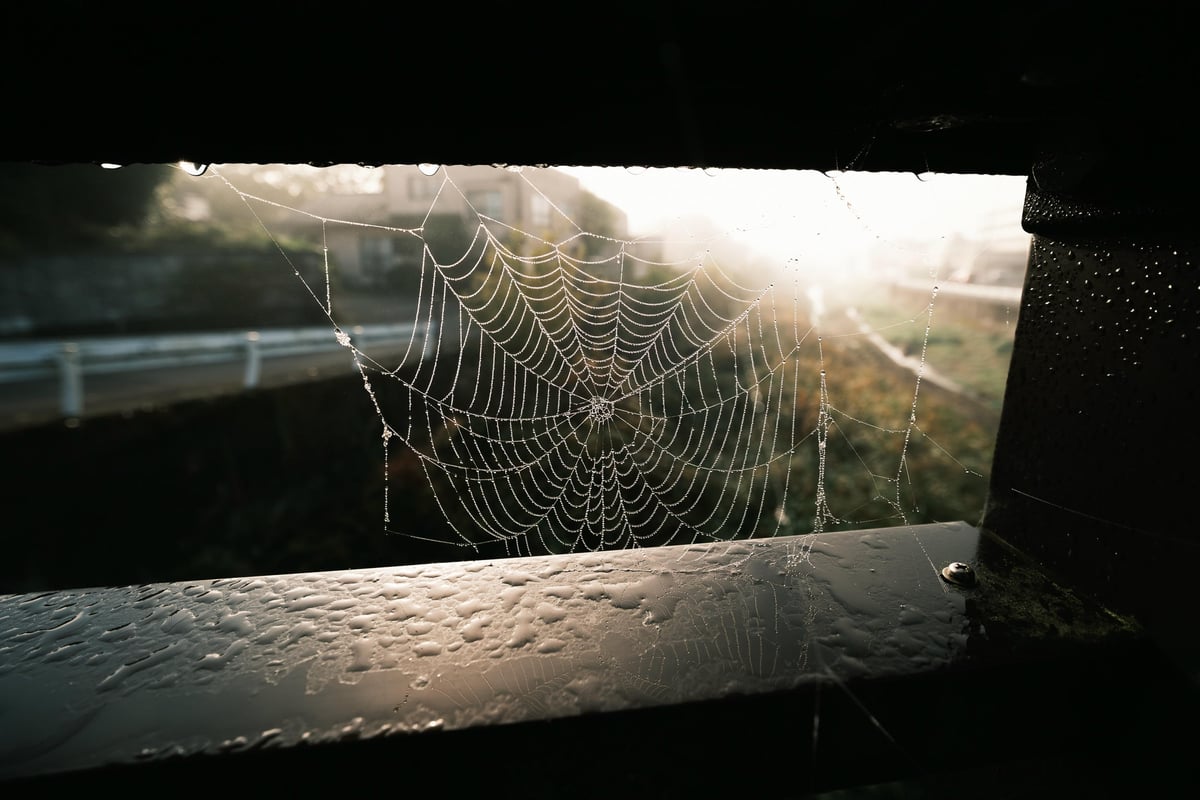
These samples here have minimal editing, mostly Adobe Color with some basic noise reduction and tonal controls. Except for the Spider Web, I used Classic Neg on that shot.






Leave a Reply