
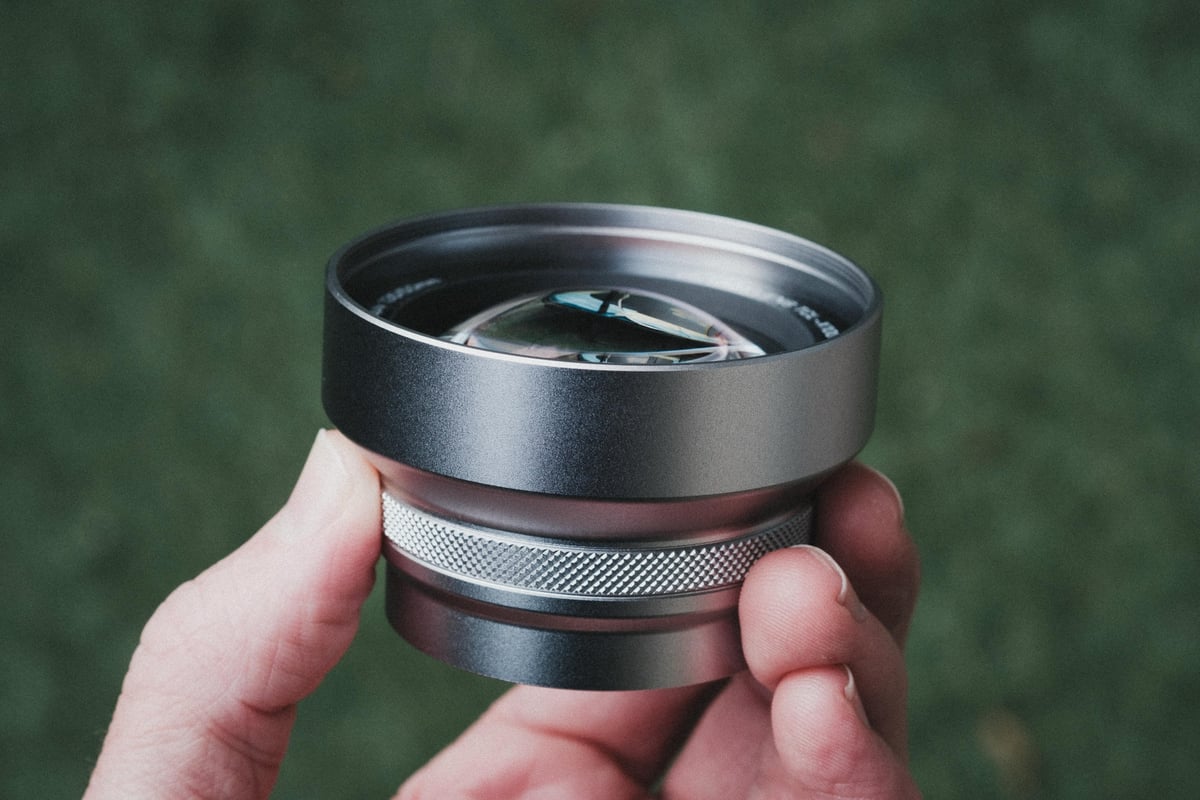
The Fujifilm X100 series has always thrived on the constraints of its fixed 23mm lens. But with the X100VI’s high-resolution 40MP sensor, photographers are cropping more than ever to achieve that standard 50mm “human eye” look. While digital zooming is convenient, nothing quite replicates the optical compression and depth-of-field control of a true 50mm lens.
Fujifilm’s own TCL-X100 II has been the go-to solution for years, but at $399, it’s a serious investment—and a bulky one. Viltrox has entered the scene with the TCL-X100VI, promising the same functionality and optical performance for less than half the price.
Does it deliver the goods, or is it just cheap glass? Let’s dive in.
For this review, I’ve been testing the TCL-X100VI on the Fujifilm X100V, from street photography to landscape details.
Order Links
- Viltrox TCL-X100VI Tele Conversion Lens – Amazon / B&H / Viltrox Store
- If you order from Viltrox, use Code ALIKGRIFFIN for 5% off.
Disclaimer: Viltrox sent me a sample of this product for review.

Technical Specifications
Viltrox has engineered a fairly complex optical design here, utilizing high-refractive-index glass to keep up with modern sensors.
| Feature | Viltrox TCL-X100VI | Fujifilm TCL-X100 II |
| Magnification | 1.4x (50mm Equivalent) | 1.4x (50mm Equivalent) |
| Optical Design | 5 Elements / 4 Groups (2 HRI, 1 ED) | 4 Elements / 4 Groups |
| Weight | ~230g | ~180g |
| Filter Thread | 67mm | 67mm |
| Auto-Detection | Yes (Built-in Magnet) | Yes (Built-in Magnet) |
| Price (MSRP) | $189 | $399 |
Build Quality & Design
The Viltrox TCL-X100VI features an all-metal construction that feels dense and premium. The finish (available in black or silver) matches the X100VI body almost perfectly, though the silver can sometimes look slightly different under different lighting conditions, just like the Fuji version.
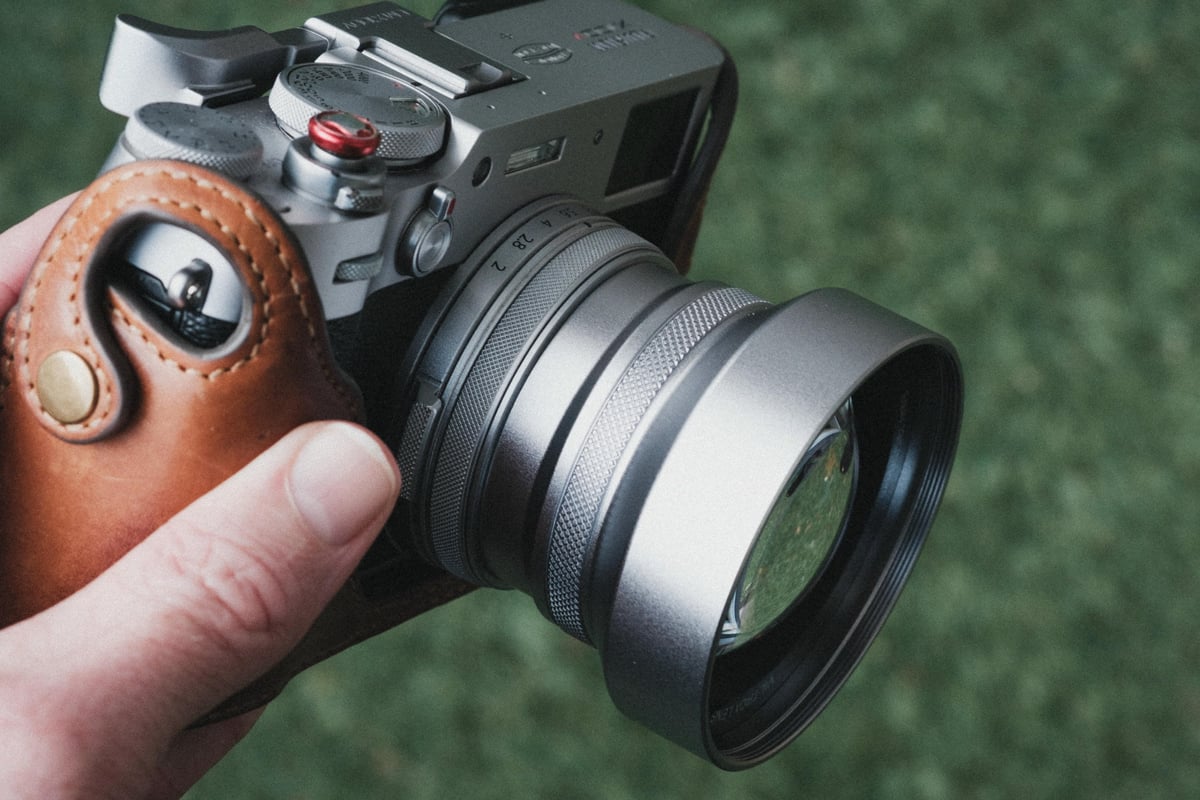
The Weight Factor: This lens is beefy. At roughly 230g, it is actually heavier than the Fujifilm counterpart. When you screw this onto the front of the X100VI, the camera becomes front-heavy. It’s no longer the “pocketable” camera you’re used to; it feels more like a small interchangeable lens system.
The Screw-On Experience: Like the WCL, this screws directly onto the camera’s lens threads. Viltrox warns that metal-on-metal contact may scratch the camera’s threads. My advice? Be gentle. Don’t force it. I ruined my original Fujifilm TCL lens by not being careful, so be careful.
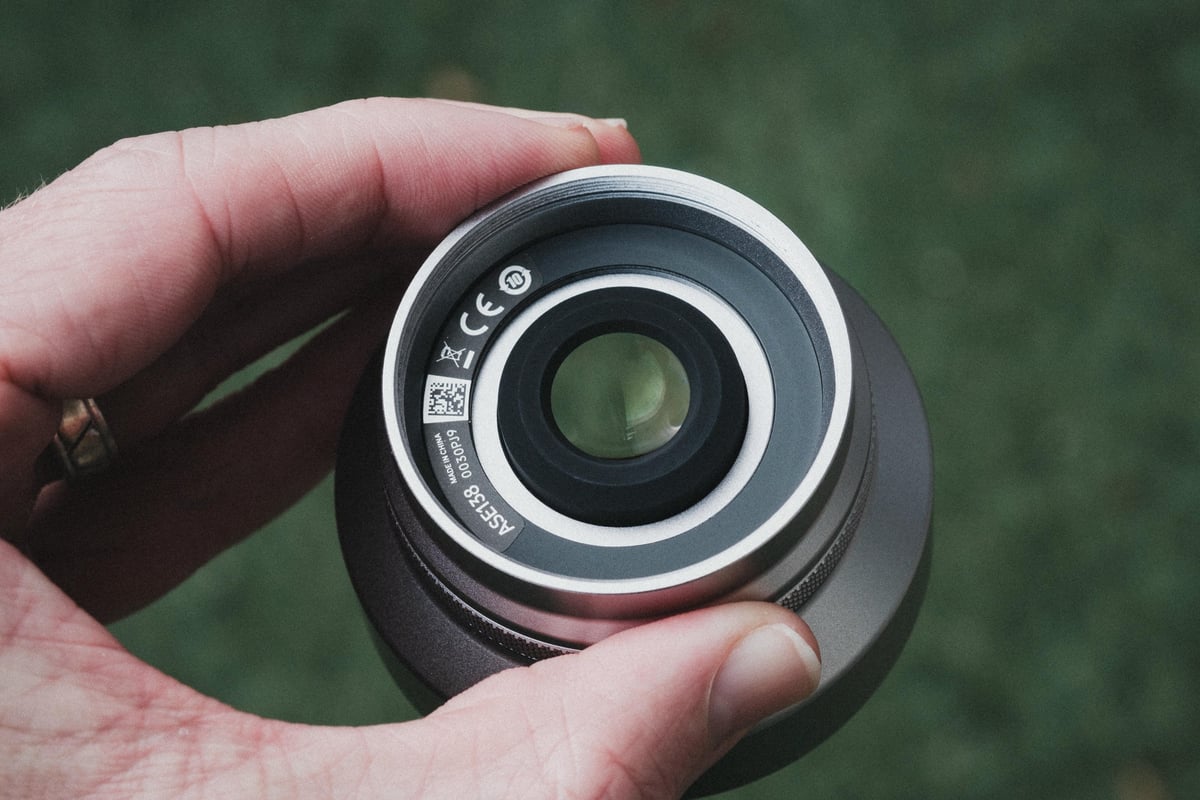
Auto-Recognition: Just like the native Fuji glass, Viltrox has included the magnetic contact point. The X100V and VI instantly recognize the lens, correcting frame lines in the OVF and applying distortion correction to the JPEGs. The EXIF data correctly reads 33mm (50mm equivalent).
Image Quality
Teleconversion lenses are difficult to get right. You are adding glass in front of a lens that was designed to be a fixed unit. Viltrox has done an excellent job here.
Sharpness
- Center: At f/2, the center sharpness is impressive. It resolves the X100V sensor well, providing that “decent” sharpness we like to see in portraits. Overall, it looks to be a little sharper than the Viltrox WCLX100VI in the center, and the corners are better as well, with slightly better contrast in the center compared to the wider lens.
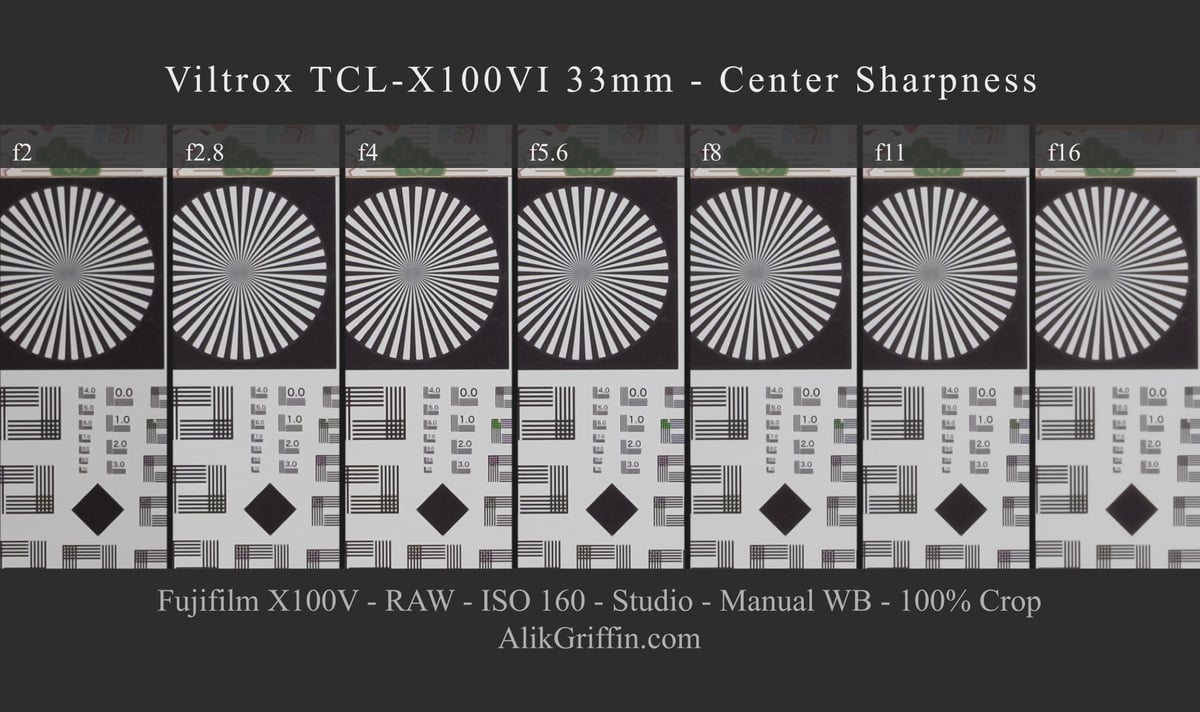
- Mid-Frame: There is a very slight drop-off, but it’s hardly noticeable unless you’re pixel-peeping at 200%.
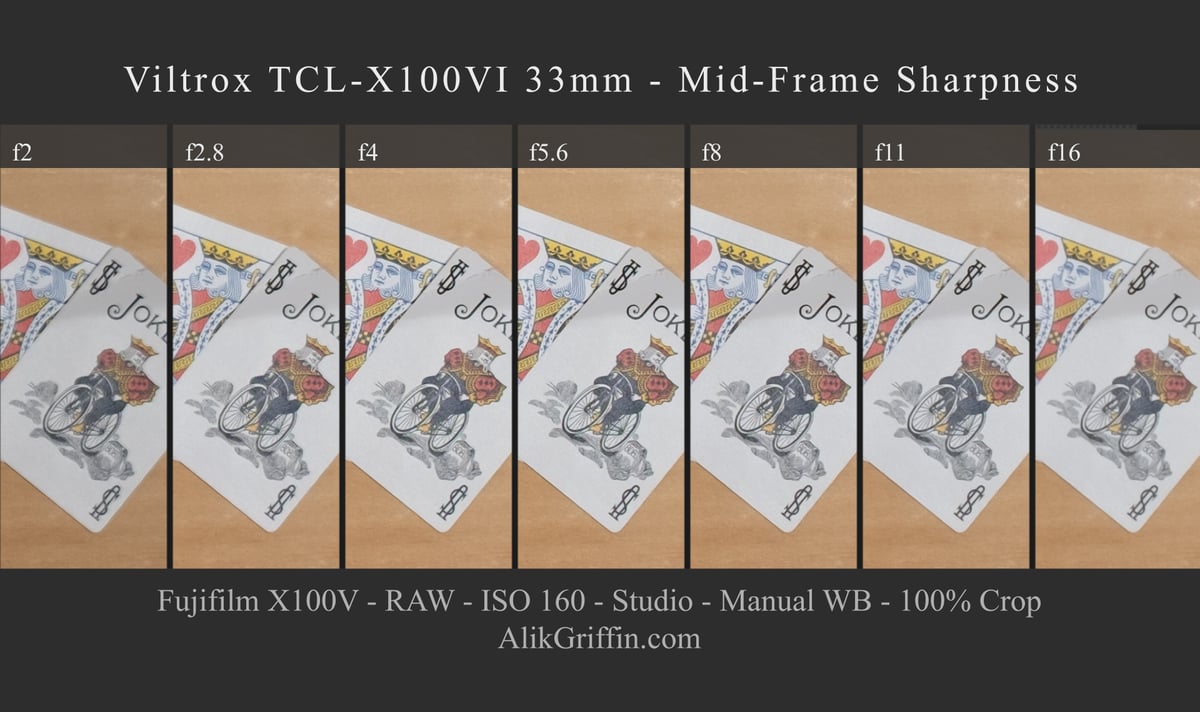
- Corners: This is where conversion lenses usually suffer. The Viltrox TCL performs admirably, though you will see some softness at f/2 in the extreme corners. Stop down to f/4 or f/5.6, and it sharpens up across the frame.
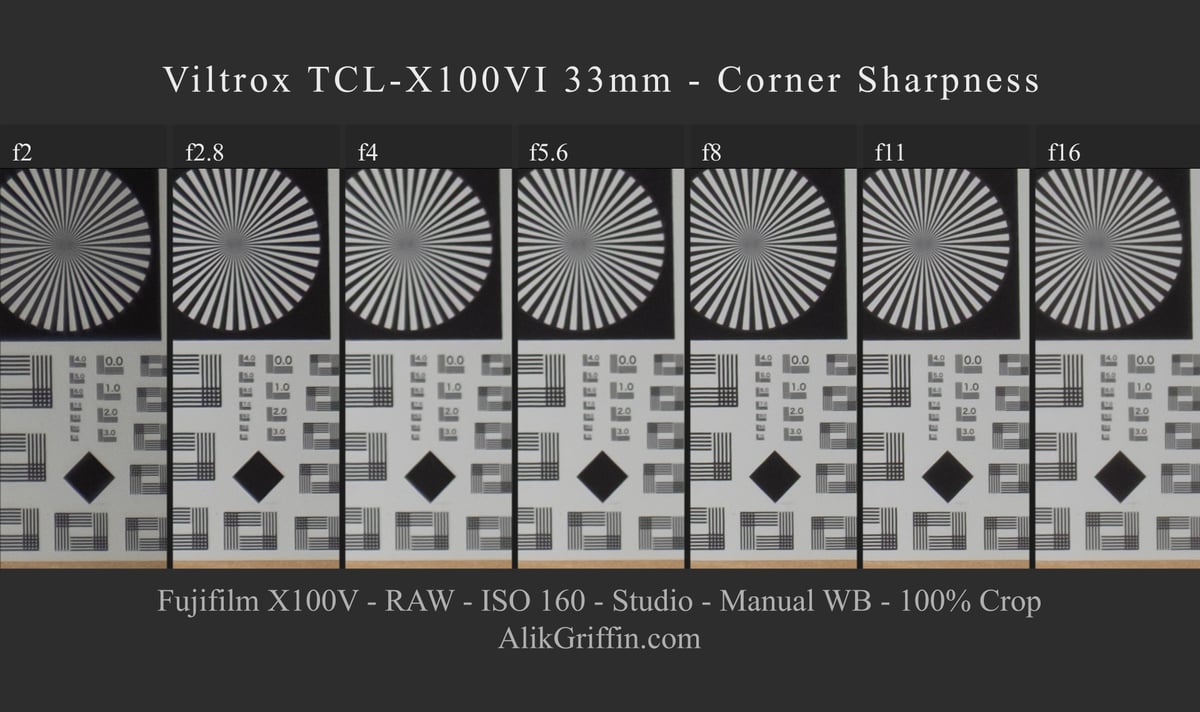
Overall, there isn’t that much of a drop in sharpness compared to the native lens; you just lose a little bit of that micro-contrast bite. I also want to point out that I’ve noticed you do get a bit more of a glow with this lens in highlight details, so there sometimes does feel like there is a bit of that glowy aberrations, which can feel softer.
Bokeh & Compression
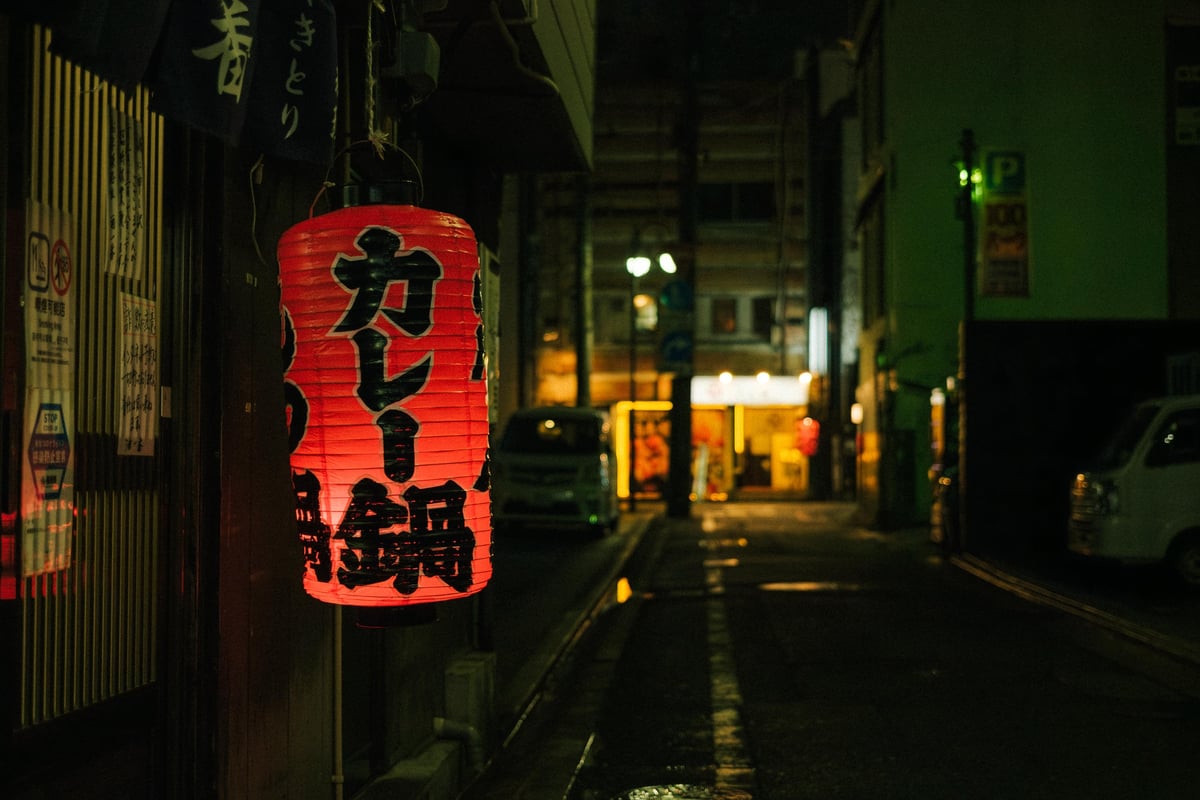
The main reason to buy this lens is for the 50mm look. The background compression at f/2 is lovely, isolating subjects much better than the 23mm lens ever could. The bokeh is smooth, though you might occasionally see some “cat-eye” shapes towards the edges—a characteristic of the physical length of the adapter tube.

Distortion
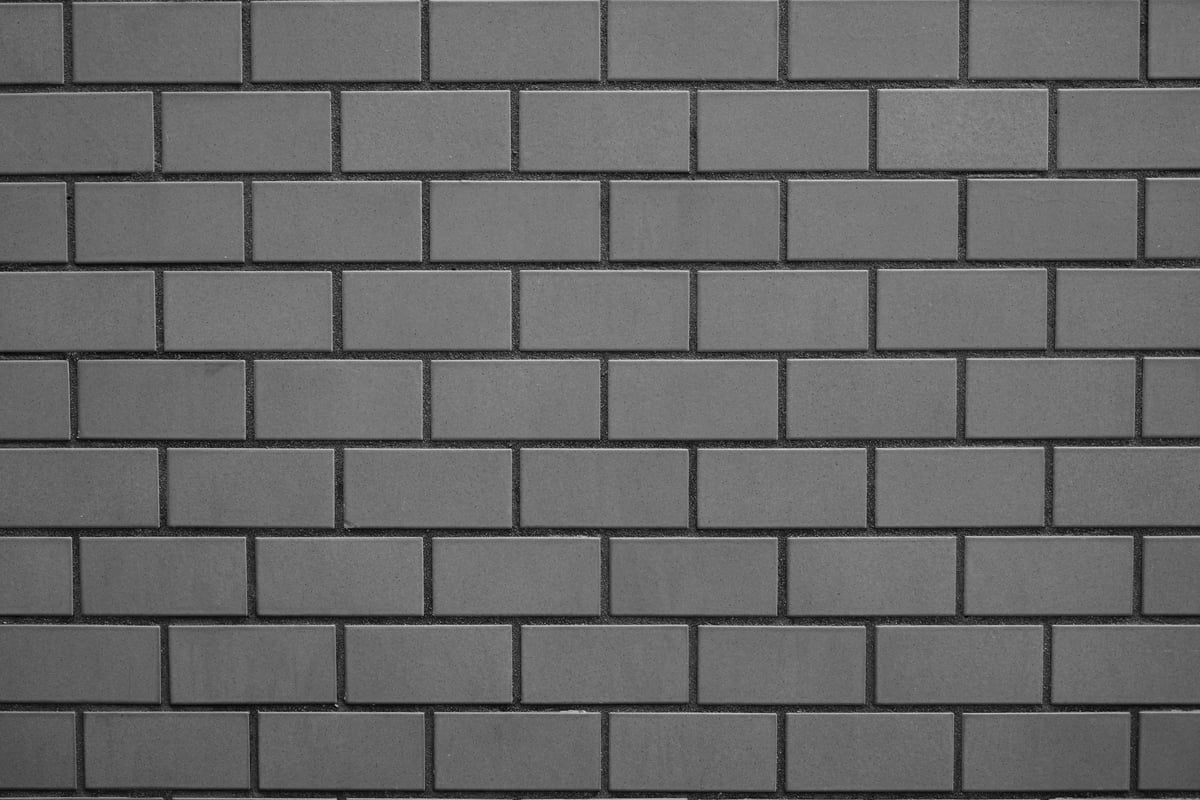
Distortion is very well controlled, thanks in part to the in-camera corrections that trigger automatically.
Vignetting
The TCL inherits a little of the vignetting from the native lens, but there is nothing crazy going on here that you need to worry about.

Flaring
As for flaring, the coatings are decent. You might get some loss of contrast and bloom when shooting directly into the sun or direct lighting, but it often adds a vintage “character” rather than ruining the image.

You will get giant orange orbs in some situations.
Generally, really bright scenes or shooting into bright lights tend to have a more washed-out feeling to them, I’m noticing.

Micro-Contrast
There is a drop in micro-contrast with this adapter. The Original Fujifilm TCL was the same. It’s just the nature of adding 5 elements in front of the lens that compresses the focal length. I didn’t notice this issue as much with the Viltrox WCL-V100VI. Maybe since it wasn’t compressing the focal length, it was expanding it. Who knows.
Just add a little grain to fake the look of some of that lost mid-tone detail. That generally is a good hack and gives the image a bit more grit.

The Verdict
Is the Fuji Version Obsolete?
If weight is your absolute priority, the Fujifilm TCL-X100 II is lighter. But is saving 50 grams worth paying double the price? For most people, probably not.
Pros:
- Price: It is significantly cheaper than the OEM option.
- Integration: Auto-detection works flawlessly with the X100V or the X100VI, IBIS and OVF.
- Build: Solid metal construction.
Cons:
- Weight: It makes the camera front-heavy and less balanced.
- Optics: You will see a slight loss of sharpness in the corners and mid-frame at wide open with a slight loss of micro-contrast.
- Size: It blocks a significant portion of the optical viewfinder (OVF), and the built-in flash is essentially unusable due to the shadow it casts.
- Lens Cap: As with the WCL, the soft plastic rear cap feels a bit cheap and can be fiddly.
Cine Vibes
There is a calm, gentle quality to the TCL-X100VI that feels inherently cinematic. It’s hard to pin down—maybe it’s the way the highlights roll off or the subtle softness at wide open—but the results give this retro-cinematic vibe. While you trade a bit of micro-contrast and clinical detail compared to the native lens, you gain an image with real “feeling.” It reminds me of the character I get from my vintage Helios lenses, although those lenses have a lot better micro-contrast. However, it’s the first Fuji-specific glass I’ve found that captures a little of that DNA. Between this and the Viltrox WCL, the X100VI has truly become a pocket cinema powerhouse. That signature “cinematic glow” just seals the deal.
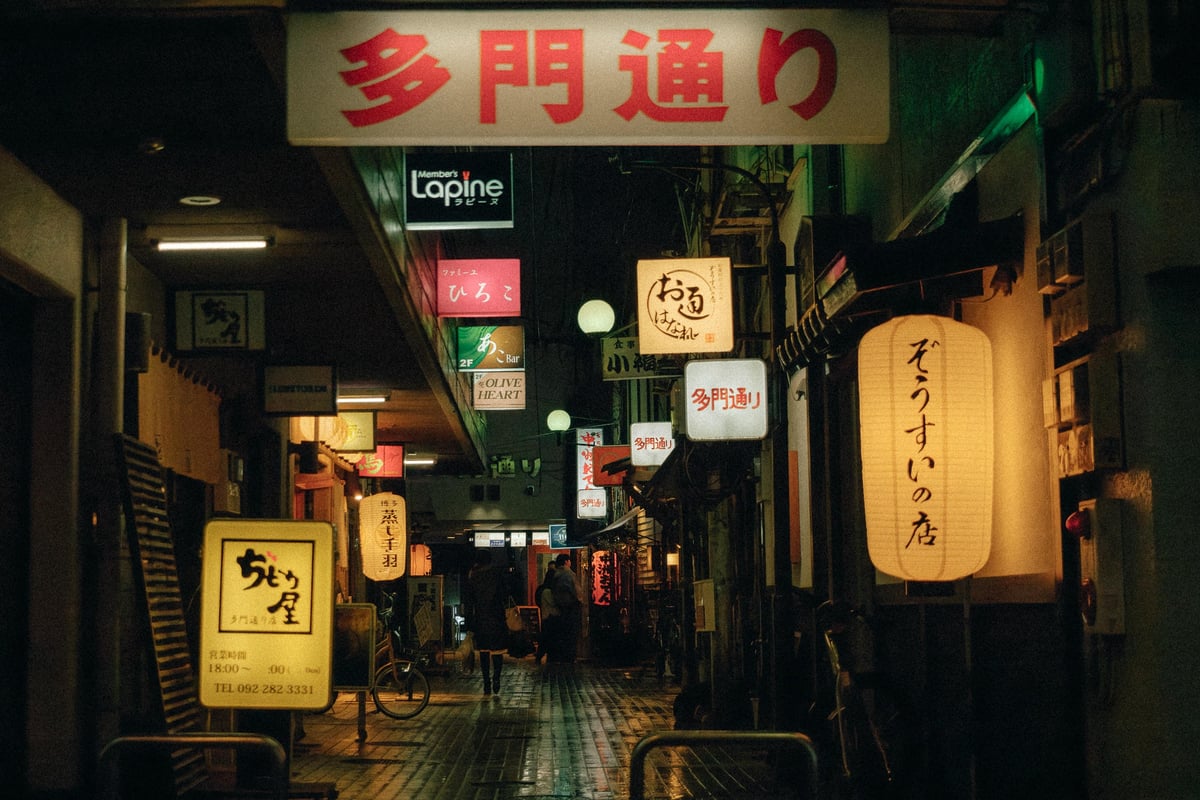
If you embrace this idea and this look, you’ll have a good time with this lens. The original Fujifilm version of this lens, which I also owned, performed very similarly to this lens.

Final Thoughts
The Viltrox TCL-X100VI transforms your X100VI into a capable portrait machine. While it sacrifices the system’s compactness, it gives you a legitimate 50mm f/2 equivalent without the hassle of carrying a second camera body.
Sometimes the copy feels slightly softer than the native X100V lens wide open, and even though the WCL is slightly softer than this lens, sometimes this one feels a bit softer. Maybe from some sort of aberration happening with focus, or some inner element light scatter when shooting in bright environments – I’m not really sure, it just feels a little less consistent than the performance of the native X100V lens. That said, it’s still totally usable, especially at the higher apertures, and I love the price.
If you are a casual shooter who wants to dabble in portraits or just needs a tighter frame for travel, this is a no-brainer over the expensive Fujifilm version. It’s 95% of the performance for 45% of the price – maybe even 98% the performance.
It’s obviously better to have a real 35mm lens on something like a Fujifilm X-E5, like the Fujifilm 35mm f2, but if you don’t want to expand out your system and want one “camera to rule them all,” this is a great addition, especially if you’re using the X100VI for video.

Who is this for?
If you love the X100 experience but often find the 23mm lens too wide for headshots or for isolating details in a chaotic street scene, this is for you. Just remember to buy a 67mm protection filter, because that front element is huge.
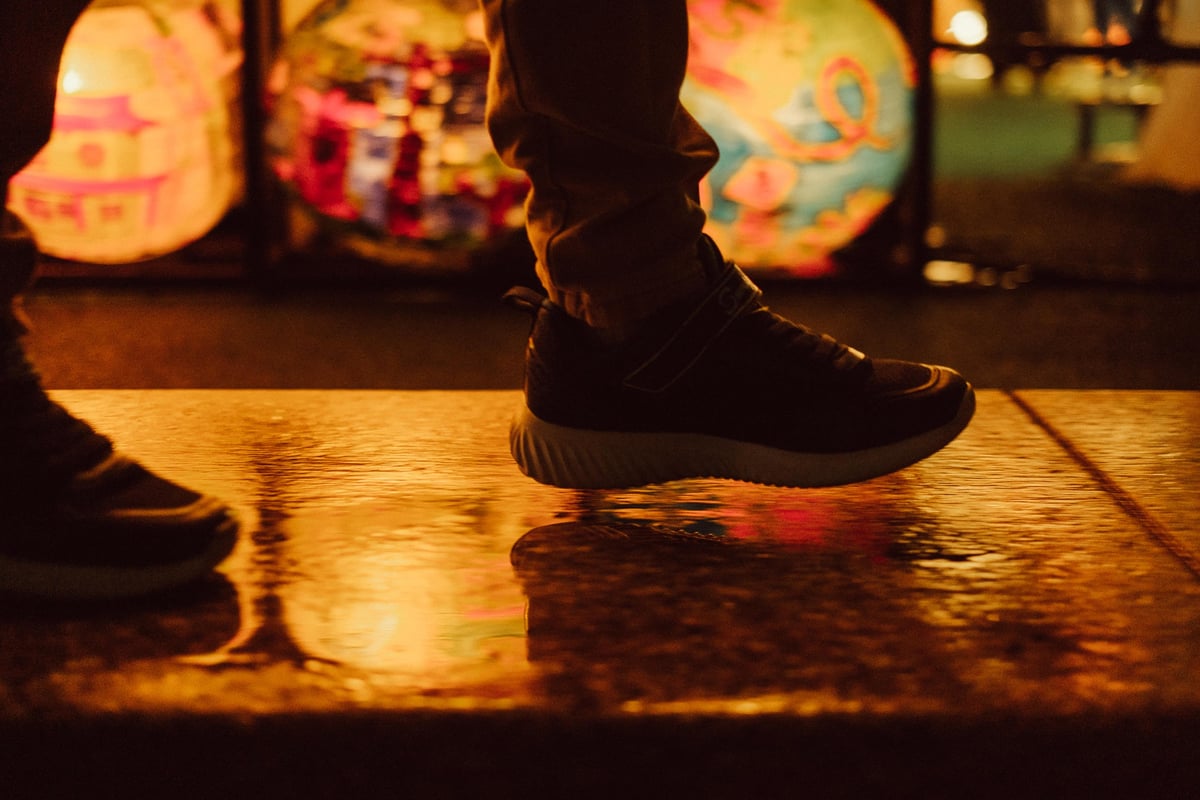
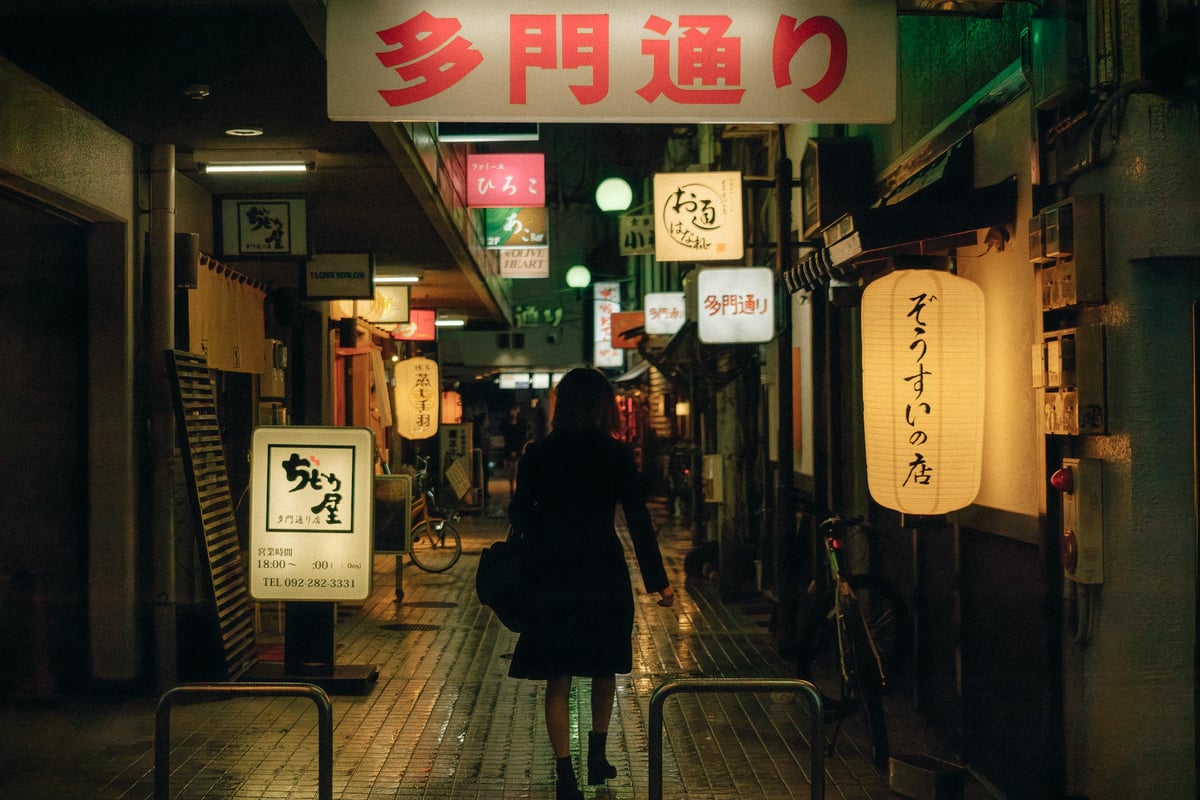
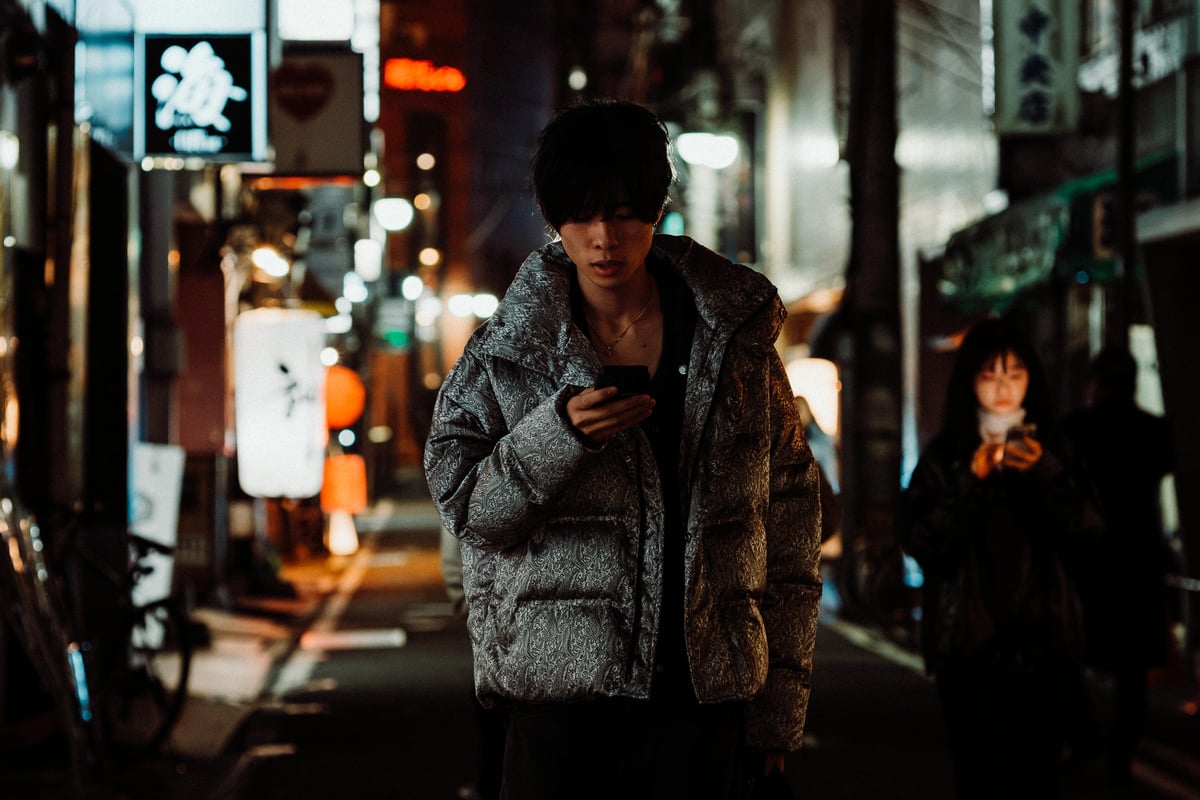
Viltrox TCL-X100VI Sample Images On the Fujifilm X100V
Below are examples of what this focal length can do. When I’m shooting with Fujifilm, I often layer the Core Presets over Classic Chrome or something else, much of the night shots here are layered with Provia. Sometimes I keep them with Adobe Standard.

























Leave a Reply