
The Fujifilm X100 series has always been about the “one camera, one lens” philosophy. But as we’ve seen with the jump to the 40MP sensor in the X100VI, that “one lens” is being asked to do more than ever. While the native 23mm f/2 lens holds up remarkably well, sometimes you just need a wider field of view for street corners or architectural work.
Fujifilm’s own WCL-X100 II converter lens or the original WCL-X100 has been the gold standard for years, but at $399, it’s a steep investment for a piece of glass that sits in your bag half the time. Viltrox has stepped in with the WCL-X100VI, priced at less than half the price of the official Fujifilm WCL-X100.

Does it meet the high-resolution demands of the modern X-Trans sensor? Let’s dive in.
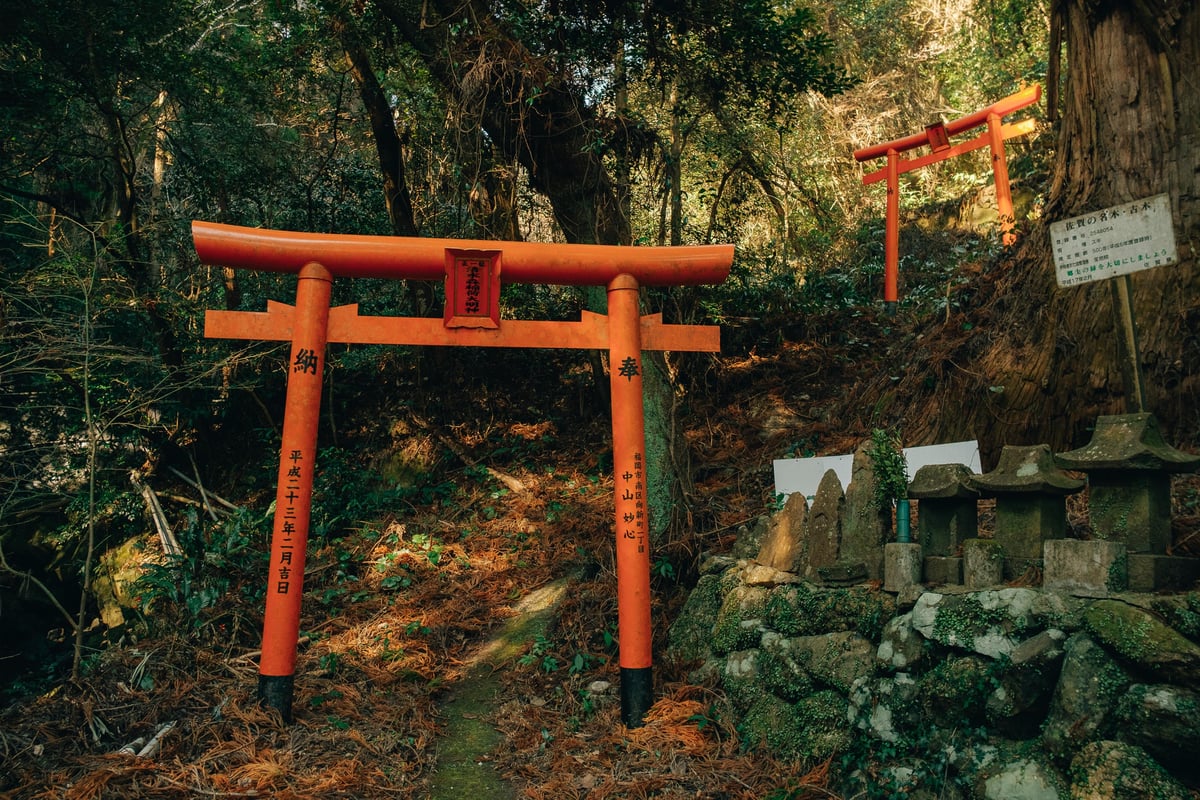
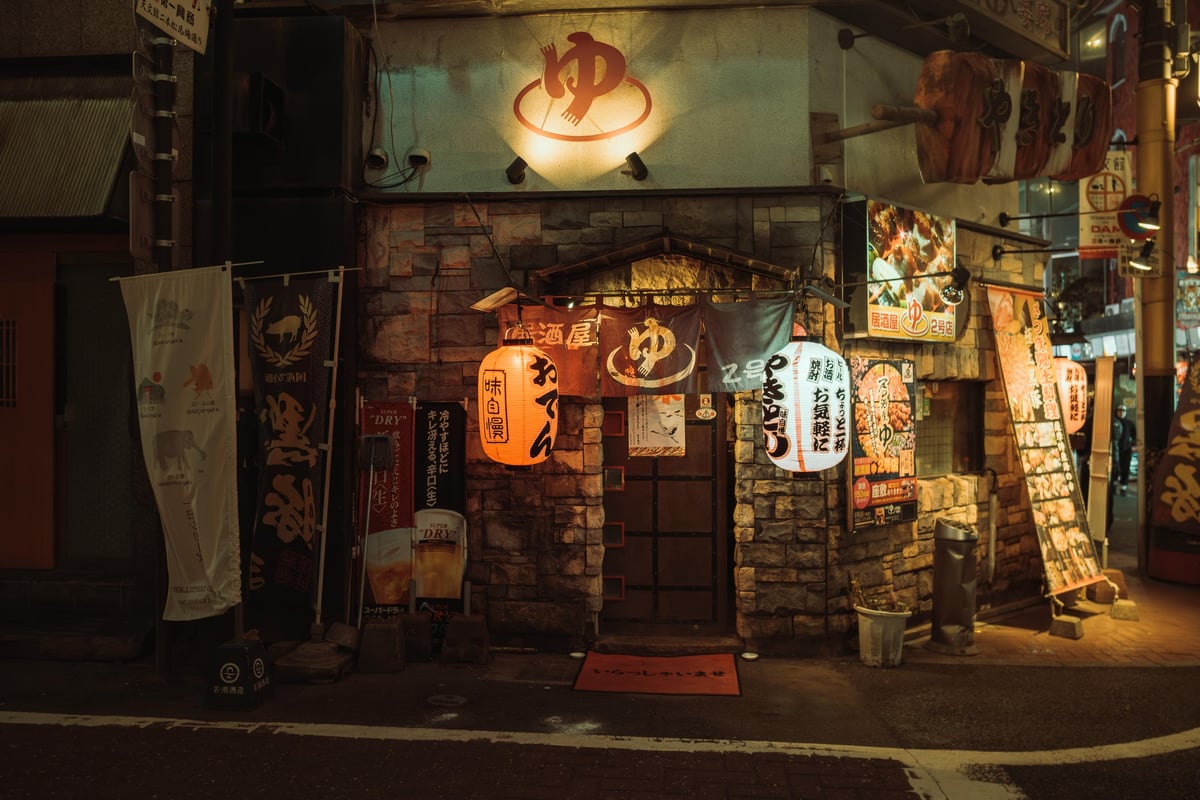
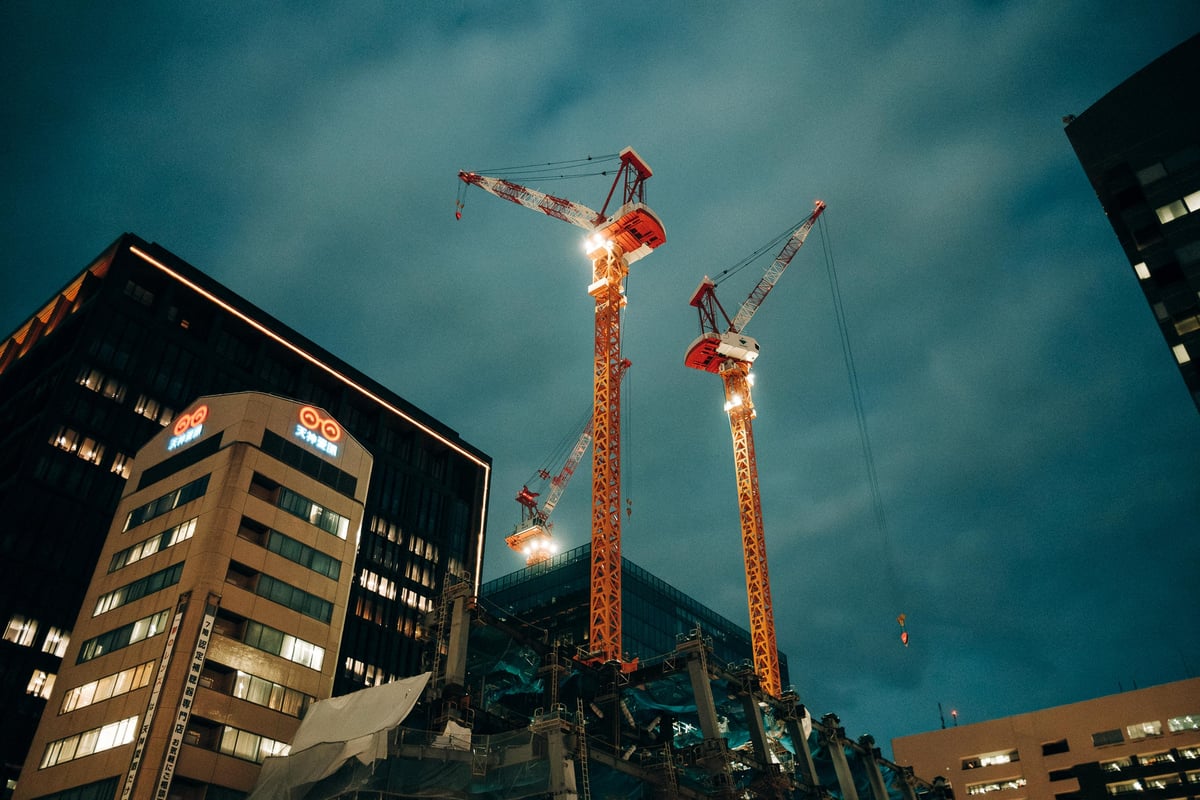
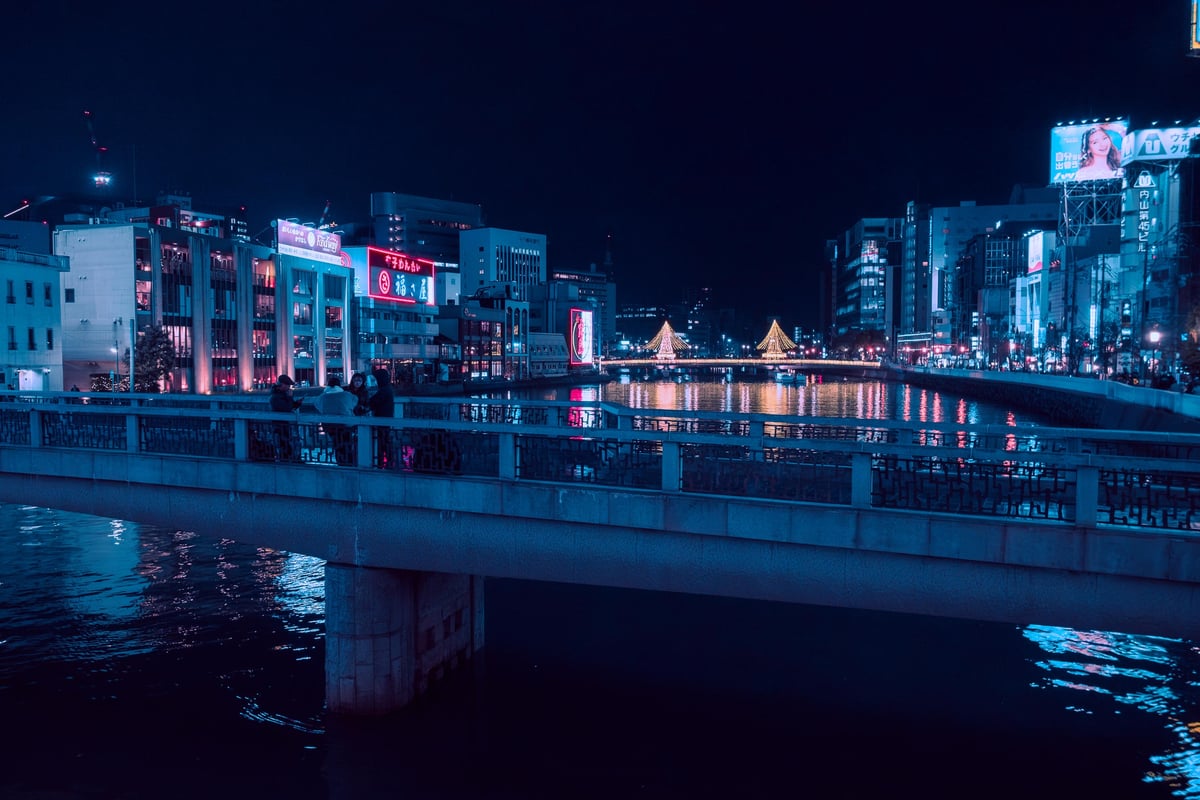
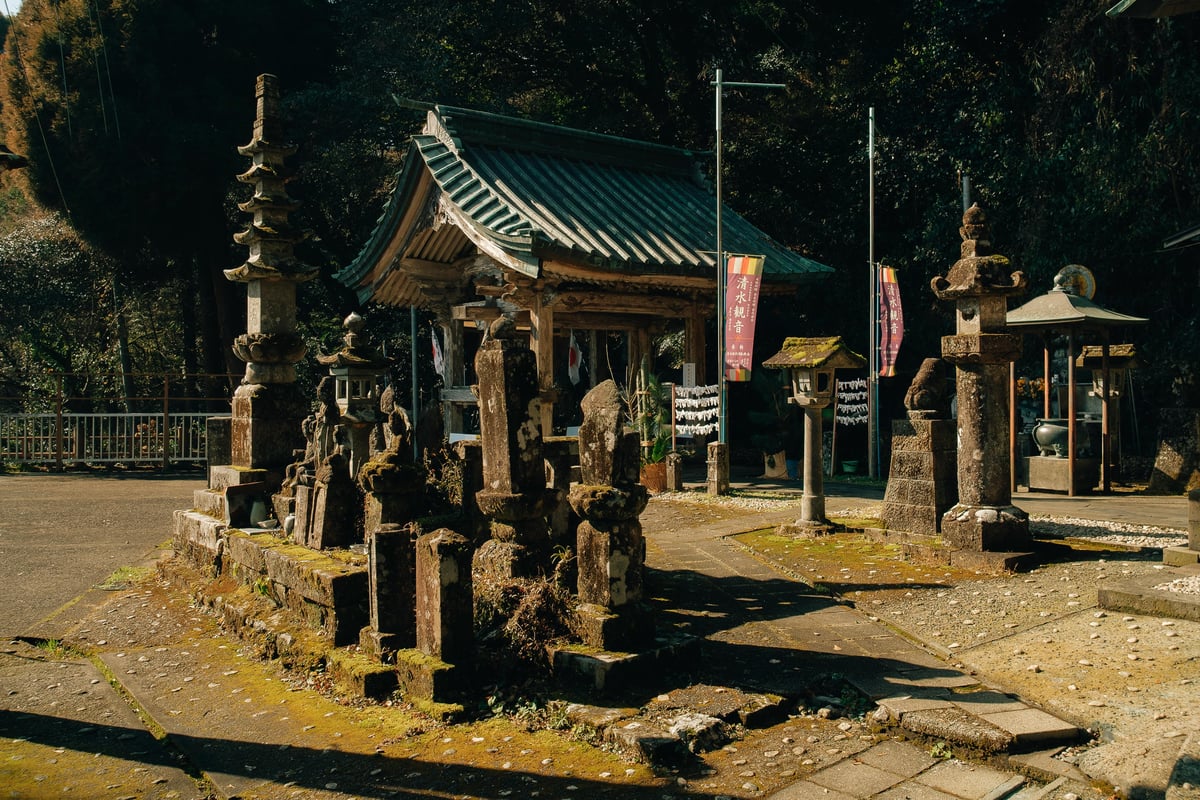
For this review, I’m shooting everything with the Fujifilm X100V, and as usual, I’ll be showing what this lens is capable of after traveling around Kyushu, Japan, to showcase some of the characteristics you can expect from this lens converter.
Order Links
Viltrox WCL-X100VI Wide Conversion Lens – Amazon / B&H
Order from Viltrox with 5% of using the coupon code ALIKGRIFFIN – Viltrox
Disclaimer: Viltrox sent me a sample of this product for review.
Technical Specifications
Viltrox didn’t just clone the Fuji design; they actually opted for a more complex optical formula to handle the higher-resolution sensors of the X100VI models.
| Feature | Viltrox WCL-X100VI | Fujifilm WCL-X100 II |
| Magnification | 0.8x (28mm Equivalent) | 0.8x (28mm Equivalent) |
| Optical Design | 5 Elements / 4 Groups (2 HRI) | 4 Elements / 3 Groups |
| Weight | 130g | 150g |
| Filter Thread | 49mm | 49mm |
| Auto-Detection | Yes (Built-in Magnet) | Yes (Built-in Magnet) |
| Price (MSRP) | $159 | $399 |
Build Quality & Design
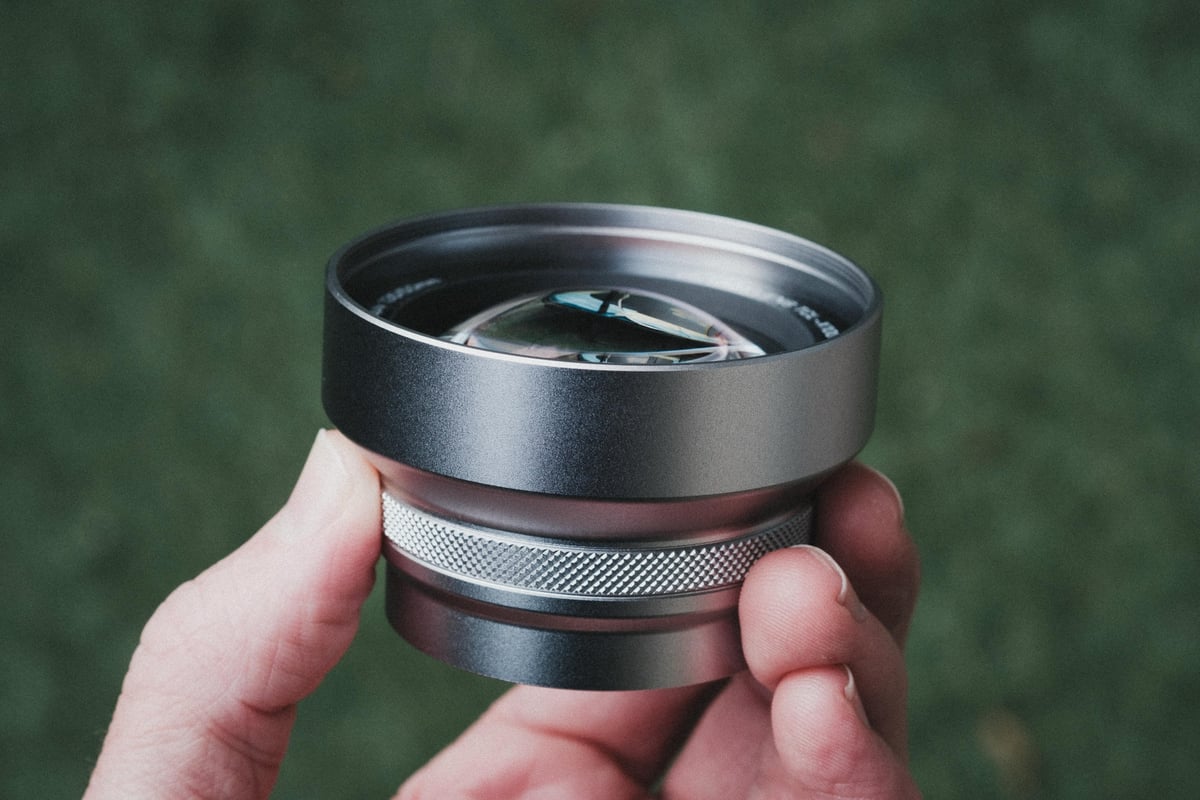
The Viltrox WCL-X100VI is made of all metal. The silver finish is a very close match to the X100 series of cameras.
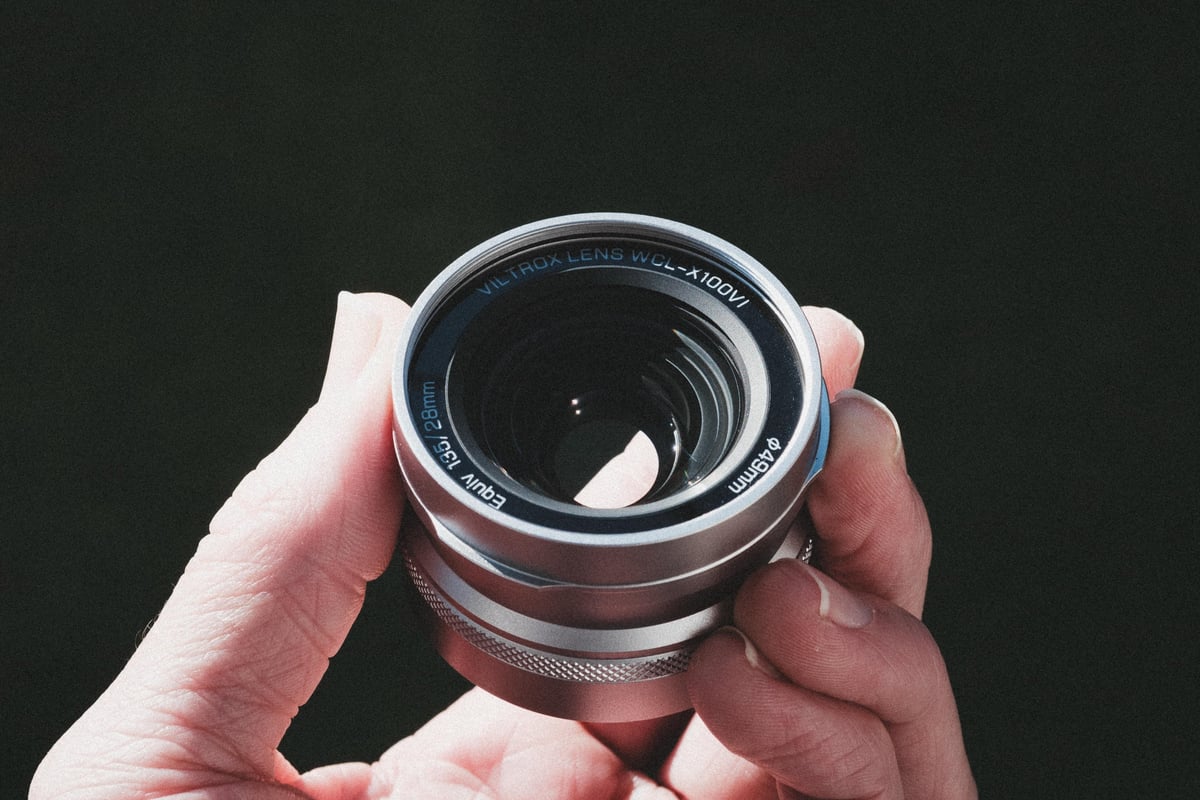
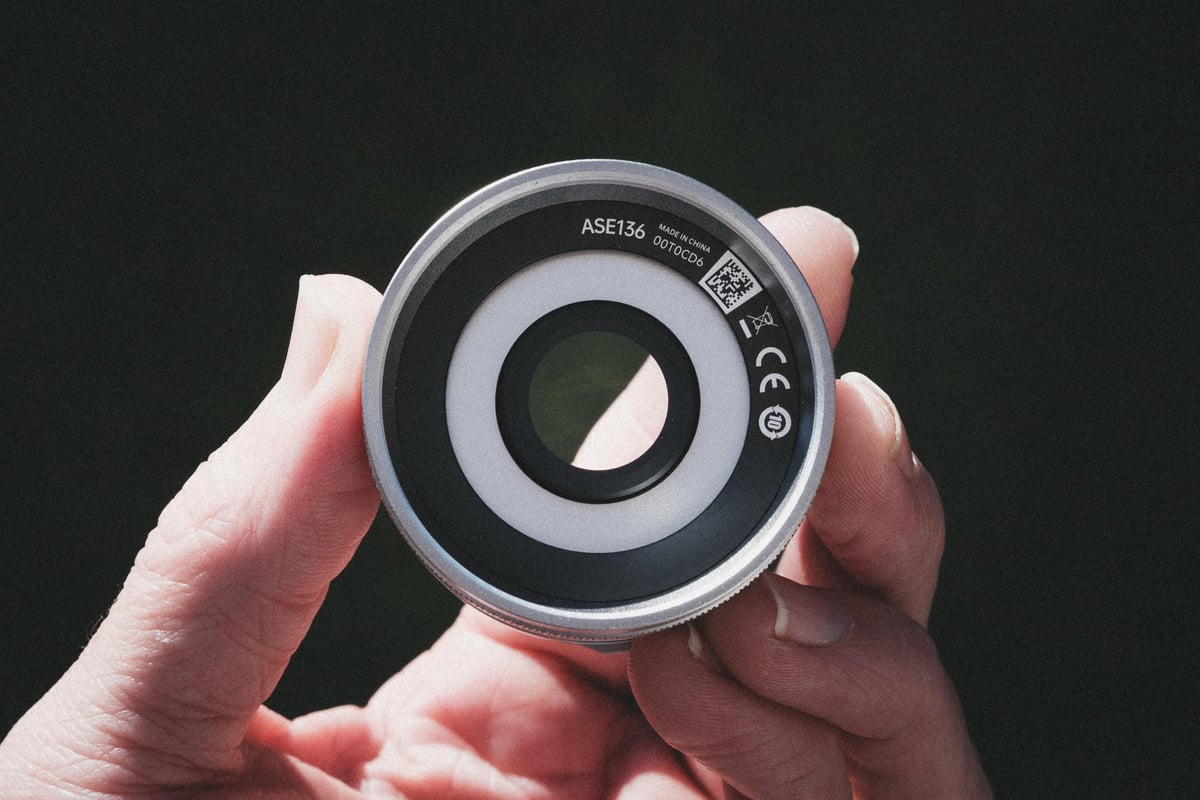
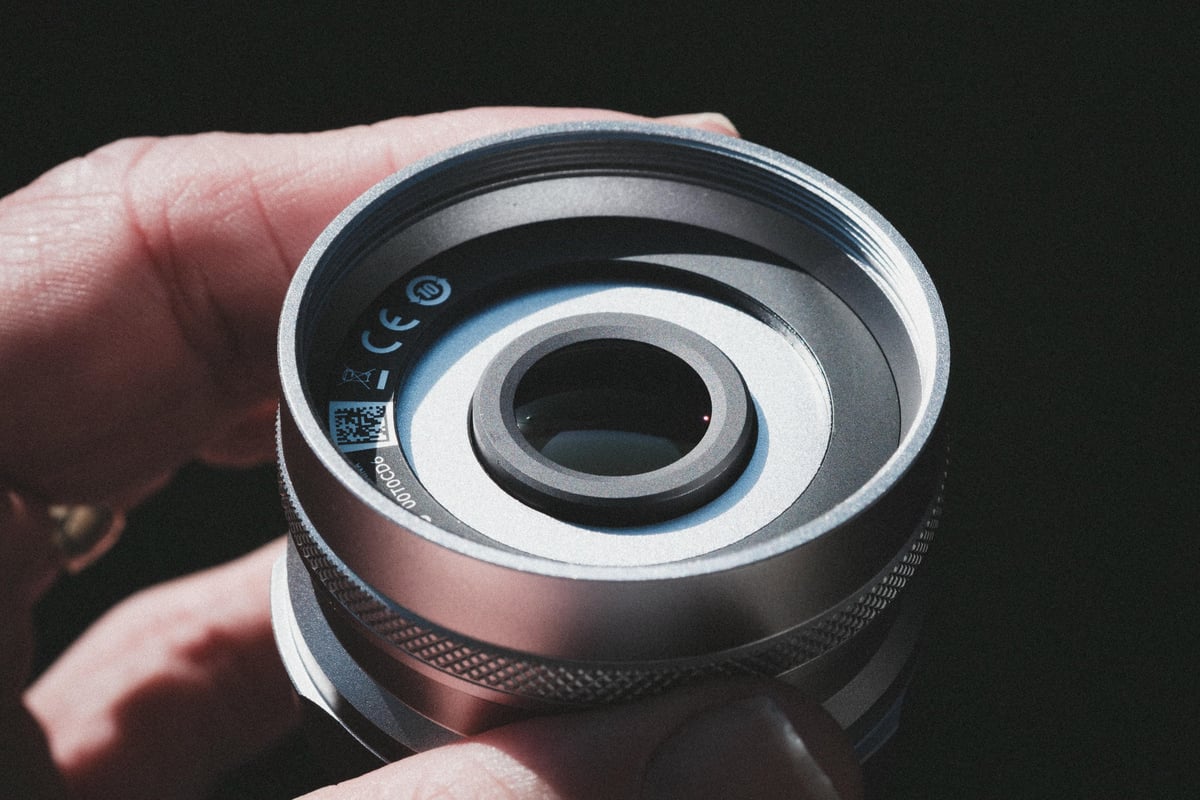
The Screw-On Experience: Unlike bayonet mounts, these converters screw onto the front of the X100 lens (after removing the decorative ring). Viltrox has included a small disclaimer noting that metal-to-metal contact may cause minor scratches on the camera’s threads. In my testing, as long as you don’t cross-thread it, it’s a non-issue, but it’s something to be aware of if you’re a “collector” concerned with resale value.
In the past, I had one of the original Fujifilm converter lenses for my X100F, but I cross-threaded and damaged both the lens and the converter, which required me to send the camera to Fujifilm for repair. They repaired the camera free of charge, but not the converter because it was out of warranty, and basically left me a letter telling me to stop being a dumb ass. It was a fair point; the threads were not perfect before I put them on the camera, so it was sort of my fault. My point is, be a little careful with these.
Auto-Recognition Magic: One of the best things about this lens is the built-in magnet. On the X100F, V, and VI, the camera instantly detects the lens, so in Lightroom, the lens loads as 19mm, which is helpful when trying to keep track of what and how you’re shooting.
Corrections: The camera applies built-in distortion and vignetting profiles to JPEGs and the RAW preview.
Metadata: Your EXIF data will correctly show 19mm (28mm equivalent).
IBIS: On the X100VI, the IBIS system automatically adjusts its focal-length parameters to accommodate the wider FOV.


Image Quality
Wide-angle conversion lenses are notorious for destroying corner sharpness and introducing “smearing.” This does do that ever so slightly, but at higher apertures it’s not noticeable.
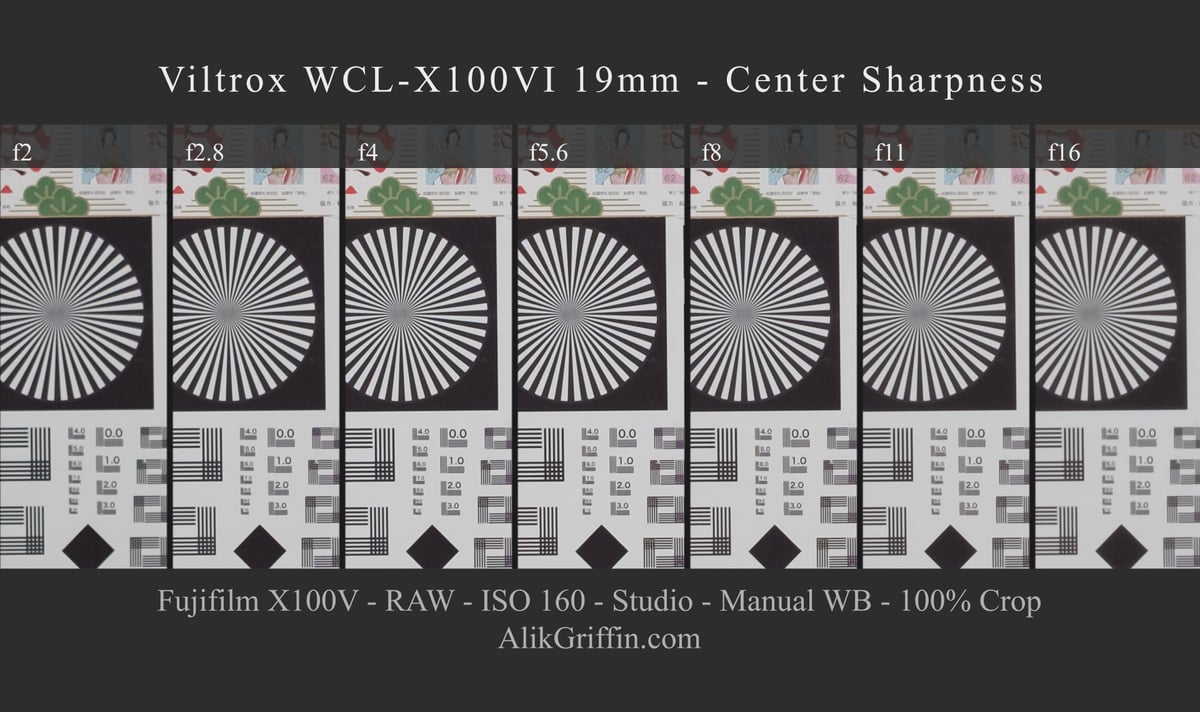
Sharpness
- Center: At f/2, center sharpness is very close to that of the native lens. Viltrox’s use of High Refractive Index (HRI) glass pays off here.
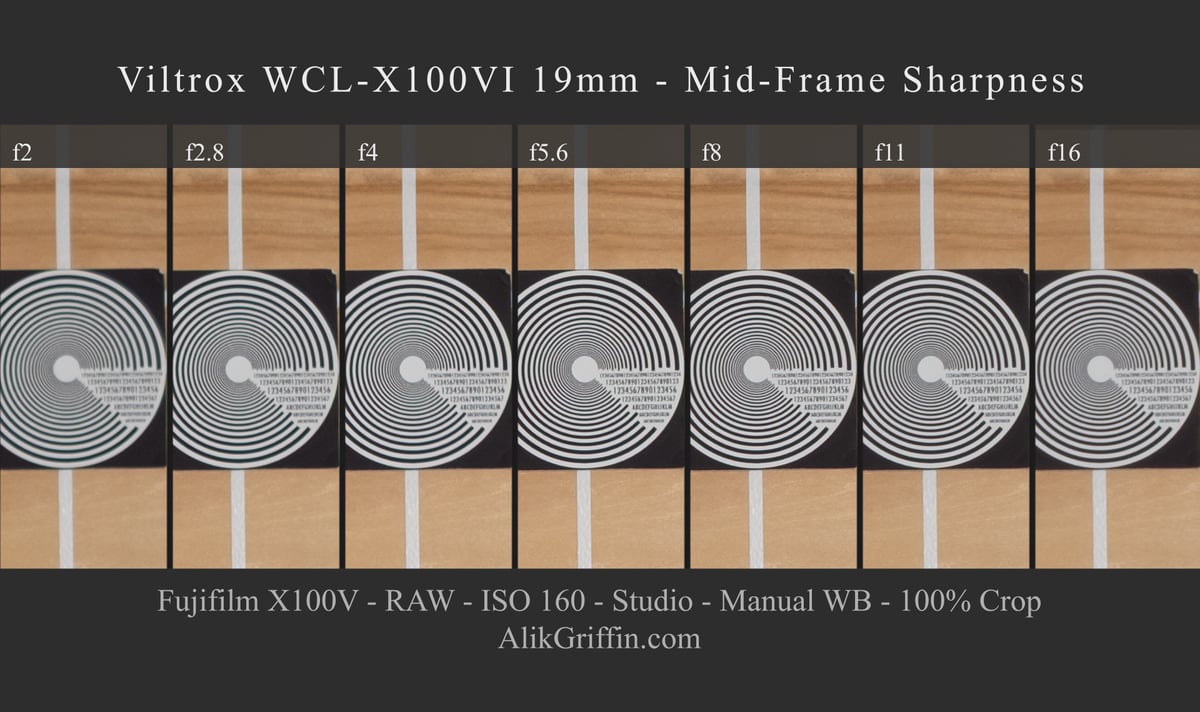
- Mid-Frame: Slight dip in sharpness compared to what we were seeing in the center, but we get very usable results by f4. I would say even f2.8 looks great.
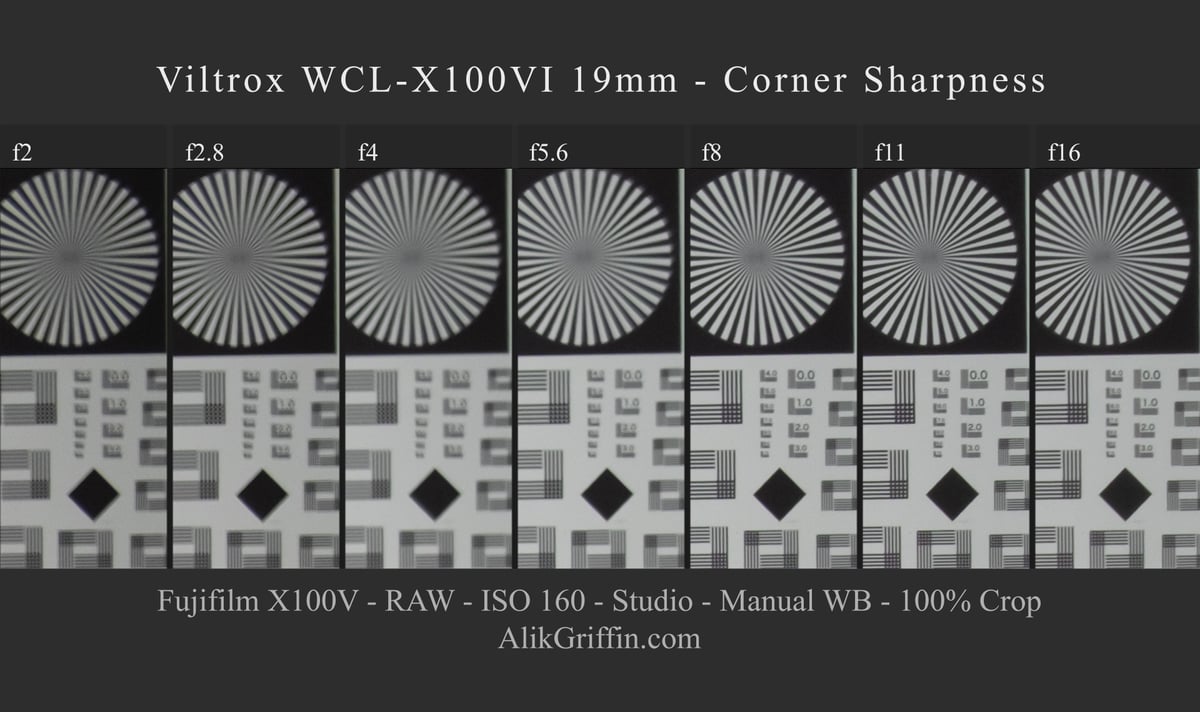
- Corners: Even more dip in sharpness in the corners, but it all cleans up well at f8, which is where a lot of street and landscape photographers are going to be. Notice also very little vignetting.
I have seen some coloring in the corners in some situations, but it’s not always present.
Distortion
Viltrox claims a “zero distortion” design, which is often just marketing speak, but after testing, even with in-camera corrections turned off, there is essentially no distortion.

Flaring
Flaring is typical of most of the new Viltorx lenses and coatings. It’s not as well-controlled as some of the high-end glass from the main brands, but it’s pretty standard for midrange lenses.
I rarely have issues with orbs or weird reflections, and when I do, I just use my hand as a sunshade. Overall, it’s well controlled with no serious issues or annoyances. And, like in the photo below, I often like a little flaring in some of my photos, so I would mark this as some cool character.


The Verdict
The Verdict: Is the Fuji Version Obsolete?
If you already own the Fujifilm WCL-X100 II, there is no reason to “side-grade” to the Viltrox. But if you are looking to buy your first wide converter, the Viltrox is the smarter buy.

Pros:
- Unbeatable Value: You can almost buy the Viltrox Wide and Tele converters for the price of one Fuji lens.
- Optically Modern: The 5-element design should handle the 40MP sensor on the new X100VI model.
- Seamless Workflow: The auto-detection makes it feel like a native Fuji product.
Cons:
- Size: It adds bulk to a “compact” camera.
- Lens Cap: The Viltrox cap, both the front and back, is a soft plastic cover that falls off very easily.
For $159, Viltrox has removed the “barrier to entry” for 28mm photography on the X100 series. It’s a high-quality optic that doesn’t feel like a compromise. In my opinion, it’s totally worth it. I’ll definitely be adding this to my must-have accessories list for the X100VI.
For Video: For daily shooting, vlogging, and overall run-and-gun content creation, 28mm is one of the most useful general-purpose focal lengths, and if you own the X100VI and want to get more out of it as a B-Roll video camera, this converter lens is extremely useful. It opens up the X100VI to a whole new world of functionality and usefulness as a video camera.

Final Thoughts
Overall, this is a great X100 accessory for the price, with only a small drop in image quality, mostly in the edges and corners.
If you only have a Fujifilm X100, the wide-angle conversion lens is, in my opinion, a must-have. It adds so much more flexibility and versatility to the X100 system with minimal loss to image quality.
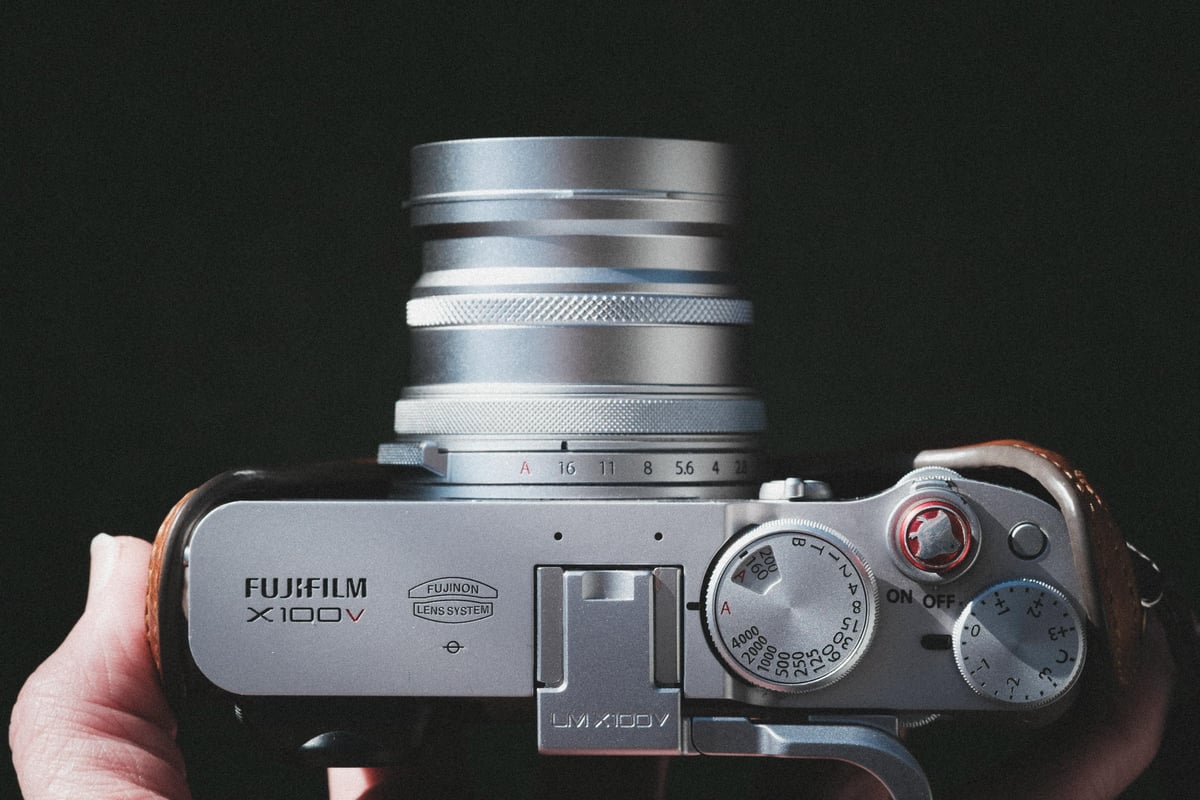
However, if you have another Fujifilm camera, you might want to weigh the pros and cons of a conversion lens like this against just getting the 18mm for the Fujifilm X-E5 or something. For me, with the leaf shutter and built-in ND filter, the X100V is still an invaluable camera, which is why I keep it in my kit. The price of this conversion lens is totally worth it if you want a wider lens, especially if you want to take advantage of the unique X100V and X100VI features.
Viltrox WCL-X100VI Sample Images
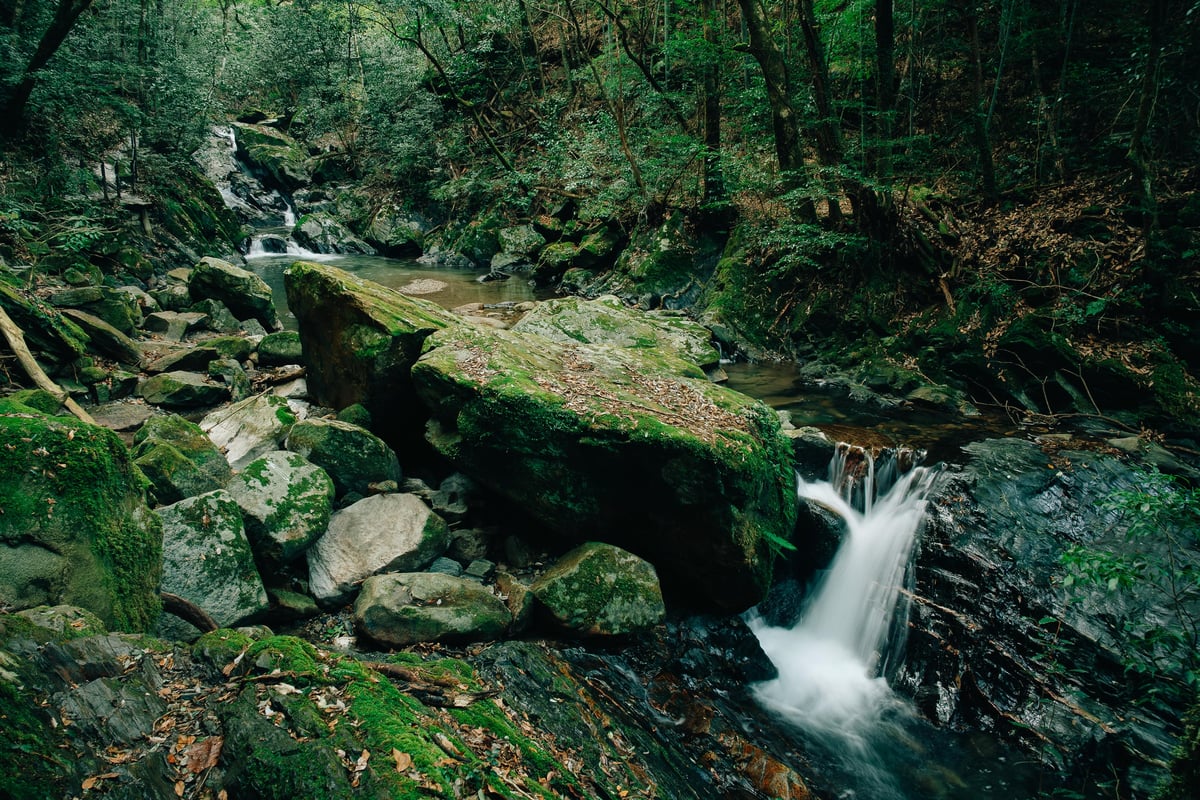
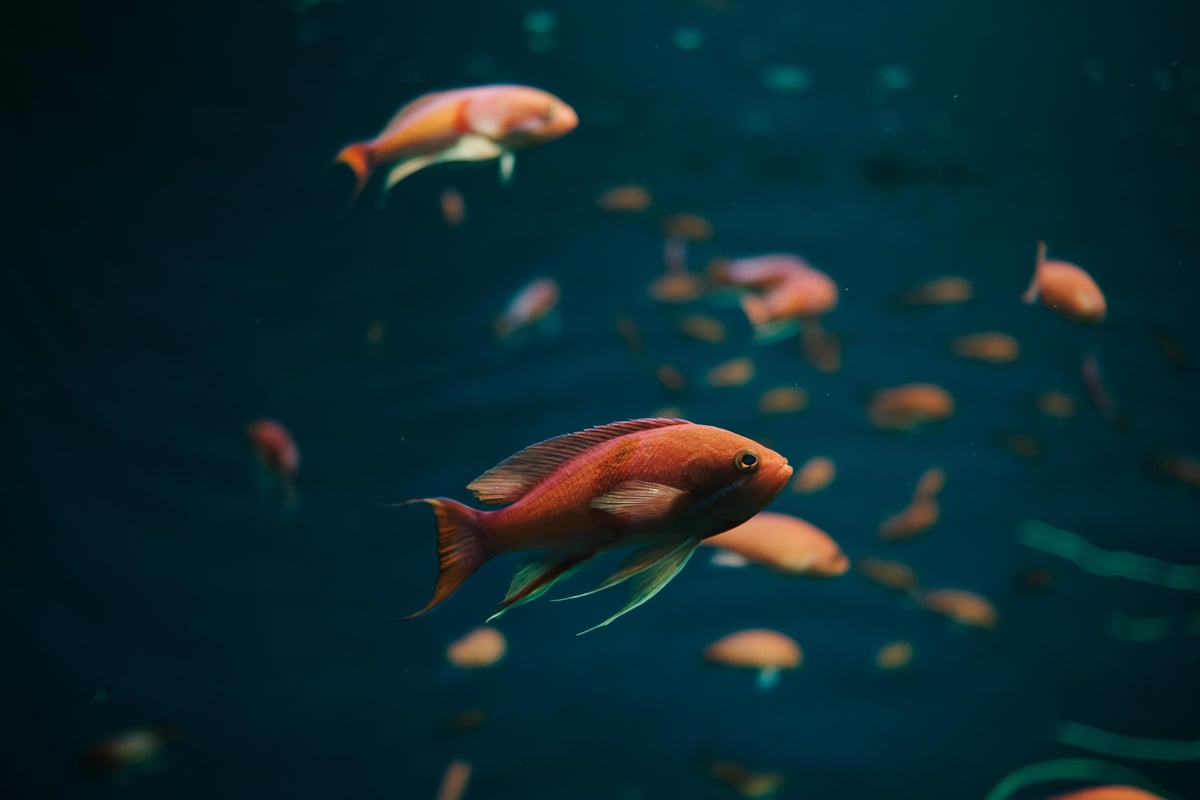
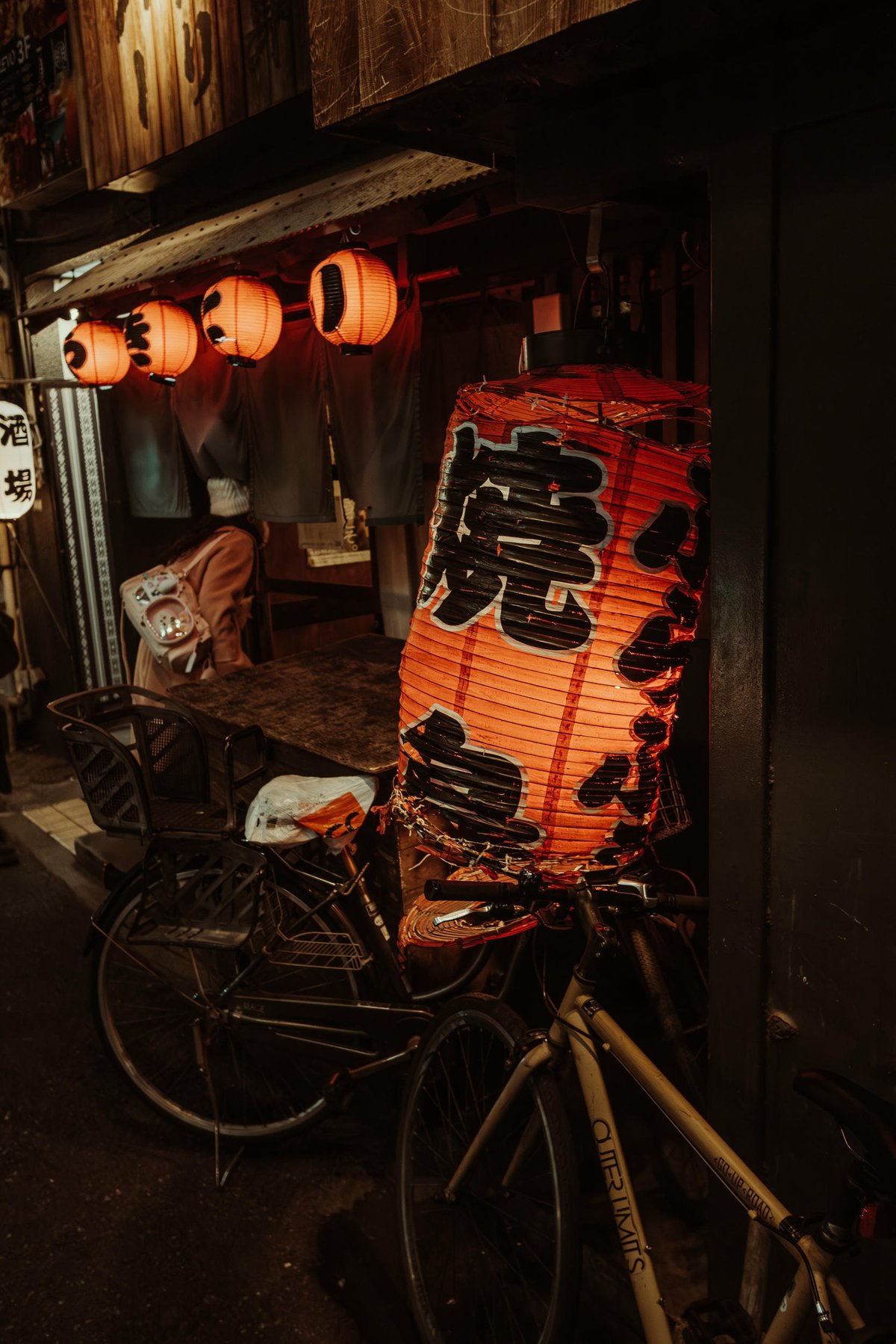
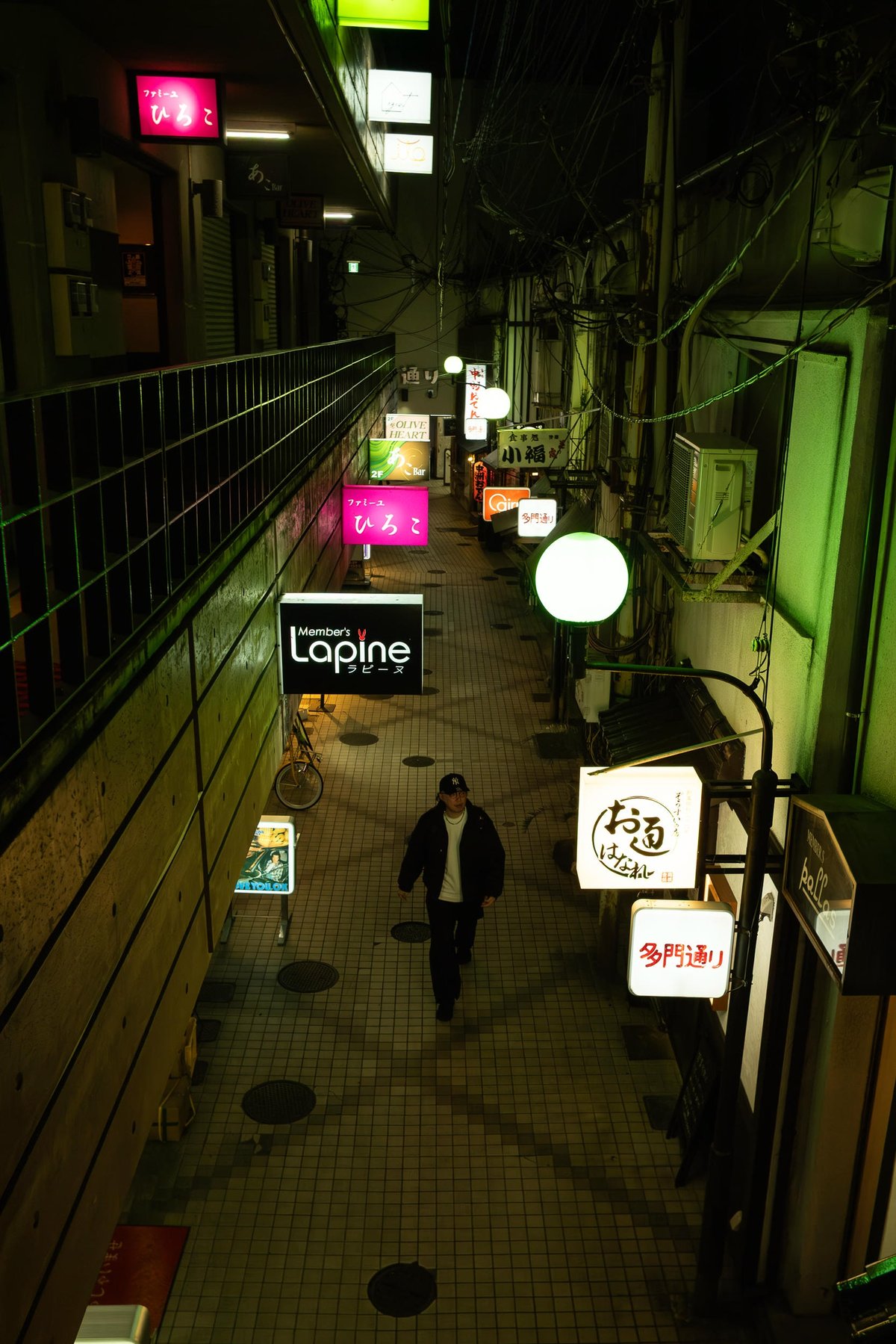
All images are shot on the Fujifilm X100V and colored with the Core Color Presets, except for the cyber-looking shots. I often use either Adobe Standard, Adobe Color or Classic Chrome as the base.
If you’re using the Core Color presets and want the warm look of the forest shots I’m showing here, I do turn down the contrast in the tonal tools, drop some of the highlights, and warm up the image with the WB. These days, I generally shoot everything in Daylight White balance and adjust in post.
And thank you to all of you who have been buying my presets lately! It’s been a huge help and makes reviews like this possible, since it’s very difficult to make money from affiliate commissions alone to justify the time and effort that goes into these reviews.
I’ve been using the Viltrox Spark Z3 Flash for all the flash photography shown in the samples.































Leave a Reply