
Back in the old days, with film cameras, the shutter was a mechanical device in front of the film that would open and close for a set time, exposing the film. Even in motion pictures, you can notice the effect the shutter has on the picture. Typically, a film is shot at 24 frames per second with a 1/48-second shutter speed. But if you remember the fight sequences in Gladiator or even the storming of the beaches in Saving Private Ryan, they shot with a fast shutter to stop the motion, so everything looked crisp and real, rather than the soft motion blur you get with a 1/48 shutter.
Now that film stock has been replaced by a digital sensor, you might be asking how the shutter works in digital photography. Well, it works the same. Most DSLRs still use traditional Focal-Plane Shutters.
What does the shutter do?
The shutter is another system on the camera that controls how much light reaches the film or the sensor. A slower shutter speed, like 1/10 or even 30 seconds, will allow more light to reach the sensor, but if anything is moving, it will be distorted by motion blur. Something quicker, like 1/100, will expose the camera’s sensor for less time and use less light, so it will also do a better job of stopping motion.
Say you were a sports photographer shooting a football game and wanted to get some nice, crystal clear, and still shots of the players in action. This would require a quicker shutter so nothing is distorted by motion blur. Something over 1/250 would be decent, but 1/1000 would even be better. This is partly why football games look so crisp on TV. They’re shooting with a faster shutter.
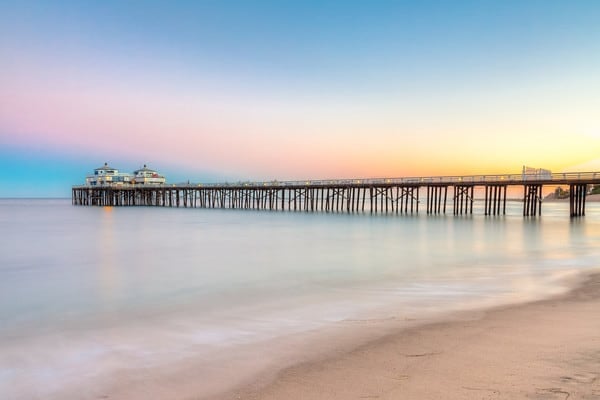
Now, say you were at the beach and wanted to get a nice landscape photo with the water looking silky smooth in the foreground. Then you might want something like a 6-second shutter or even a 30-second shutter so that all the waves blend into a smooth, misty surface.
What shutter speed should I shoot at?
The shutter speed you set should depend on your situation and what you want from the photo. If you want to ‘stop time’ and have everything look very still and crisp, aim for a shutter speed over 1/250.
If you’re on a tripod and you want objects to streak by, then a shutter speed of a few seconds is great.

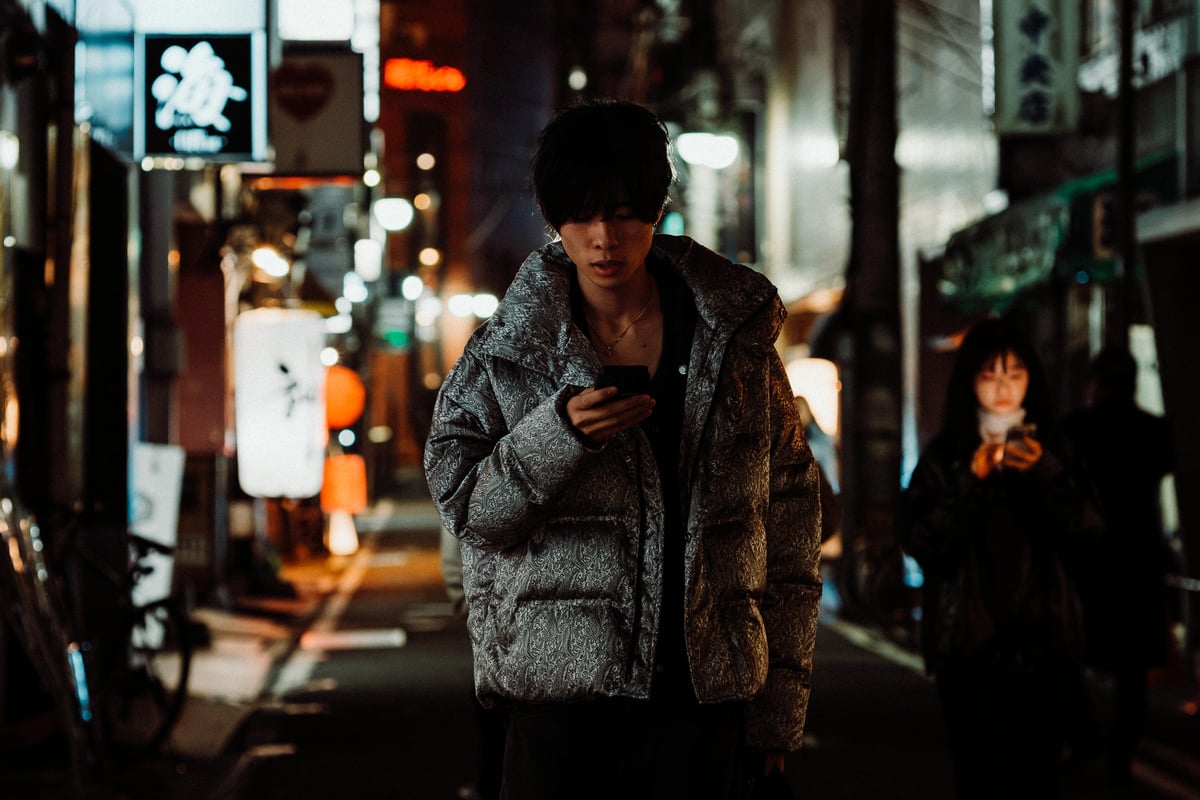
If you’re shooting street photography or handheld, and maybe you’re indoors or in a situation with not a ton of light, try to keep the shutter speed above 1/60 sec. When shooting handheld, that’s as low as you’ll want to go; any slower, and you’ll start getting motion blur from camera shake.
Many lenses and cameras today have built-in Image Stabilizers. If you have one of these, you can probably get away with handheld shooting as low as 1/30 sec.
What is the shutter, or what does the shutter do in digital photography? That’s about all there is to it, really.
When should I use Shutter Priority Mode?
If you shoot with a DSLR or a new mirrorless, you might have noticed a few icons on your camera. AV, TV, M, B. These are settings to control what your camera prioritizes. The TV is the shutter priority. T represents Time. If you set your camera to this setting, you can manually adjust your shutter speed, and all other functions will operate in auto mode to adjust for exposure.
I like to shoot on TV when dealing with a lot of motion, and I want my shots to be very crisp with no motion blur. This includes Weddings, Sporting Events, such as surfing, baseball, and hockey. Nature photography requires capturing birds or animals that are constantly moving. By setting the camera to TV, I can control the shutter speed and how crisp my images are. So, for a wedding, a 1/100 is usually fine if it’s dark. If it’s outside, I go higher. When shooting animals at the zoo, you’ll want a higher shutter speed, at least 1/250.
The only other time I shoot in shutter priority is if I’m filming in movie mode, and only when I’m not on full manual. In movie mode, I typically keep my shutter speed to around 1/48.
So now, next time someone asks you what the shutter does in regard to digital photography? You should have a clear understanding of what it does, how it works, and how you can even use it to improve your photography.



Leave a Reply