
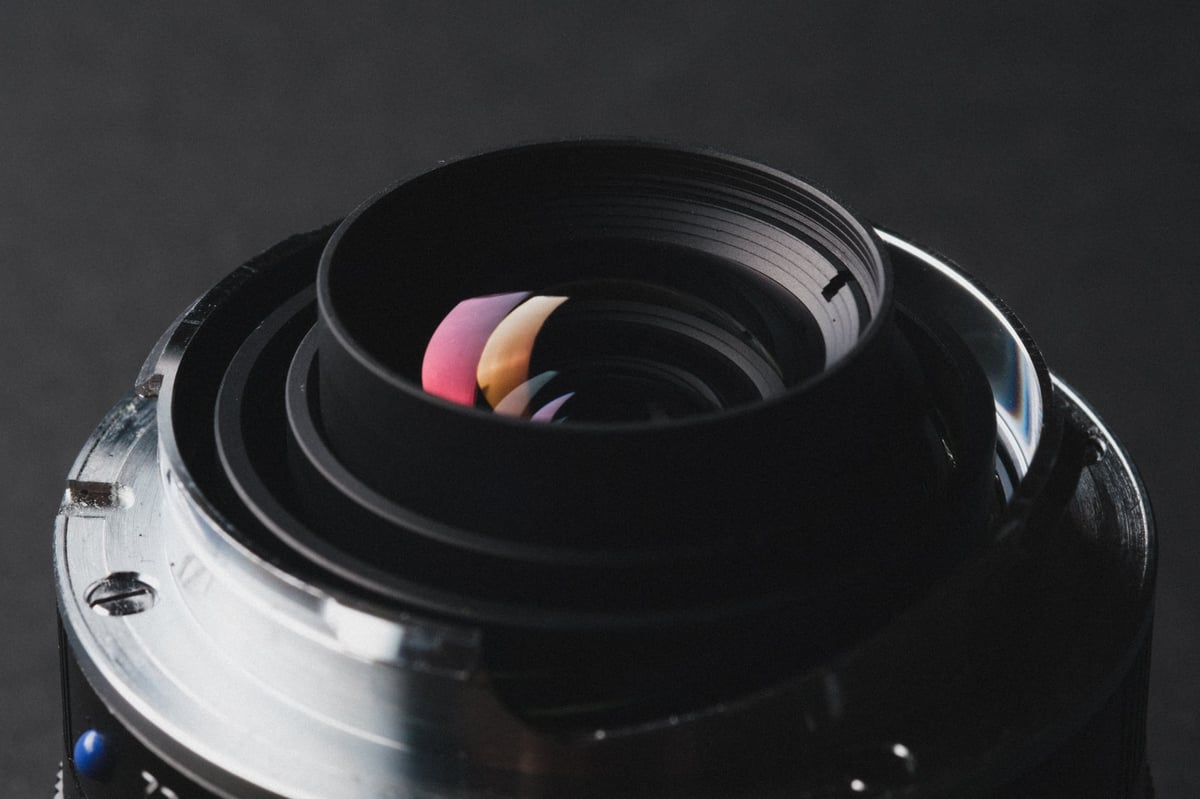
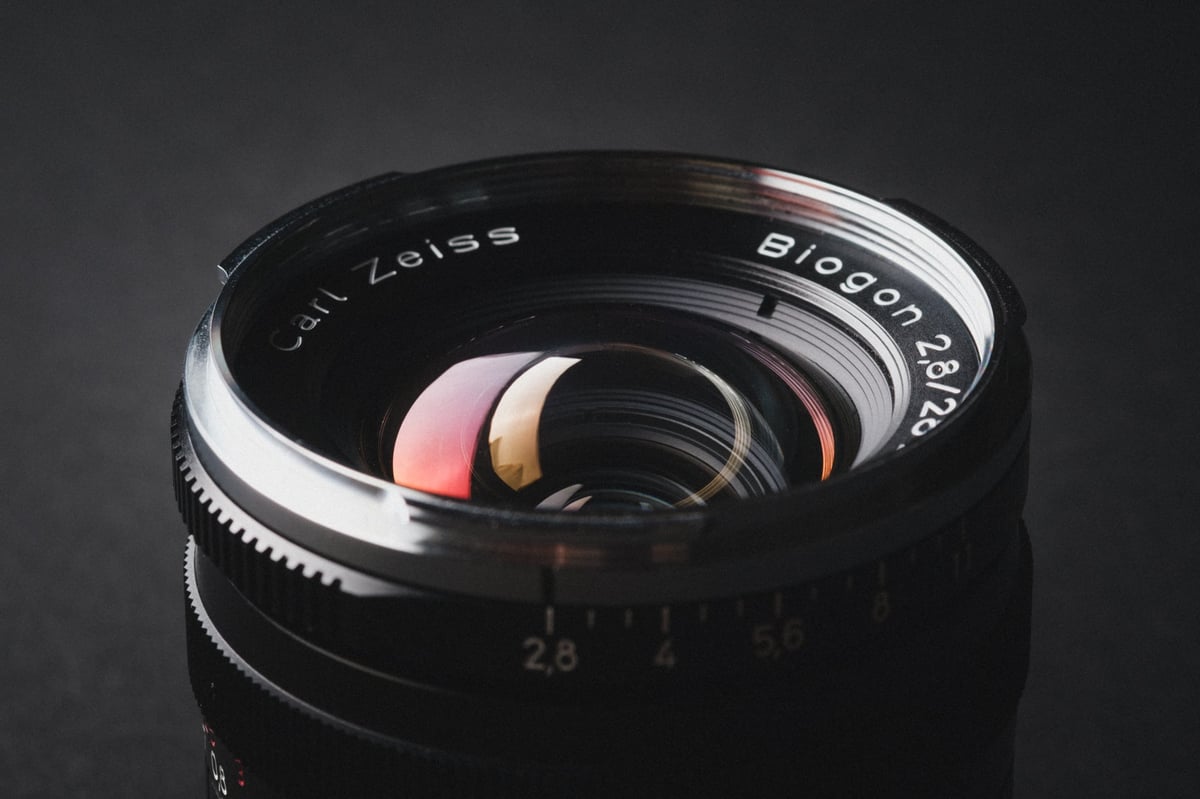
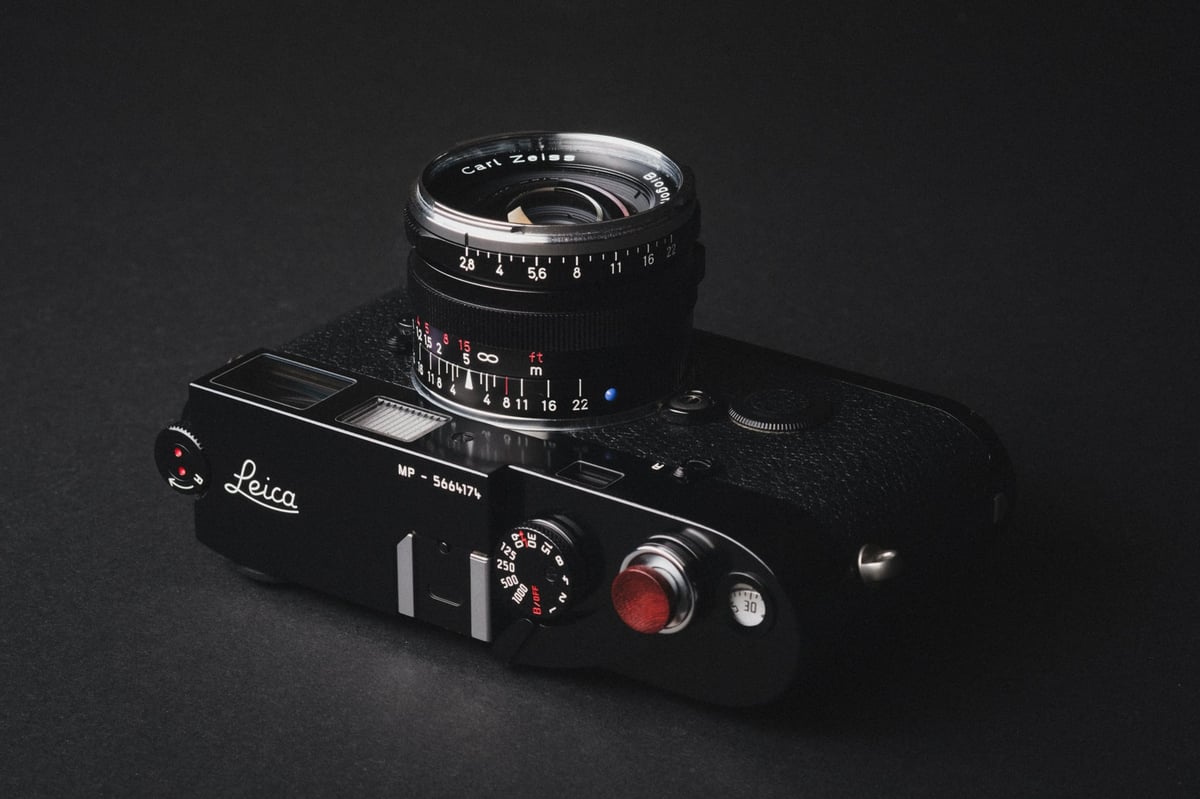
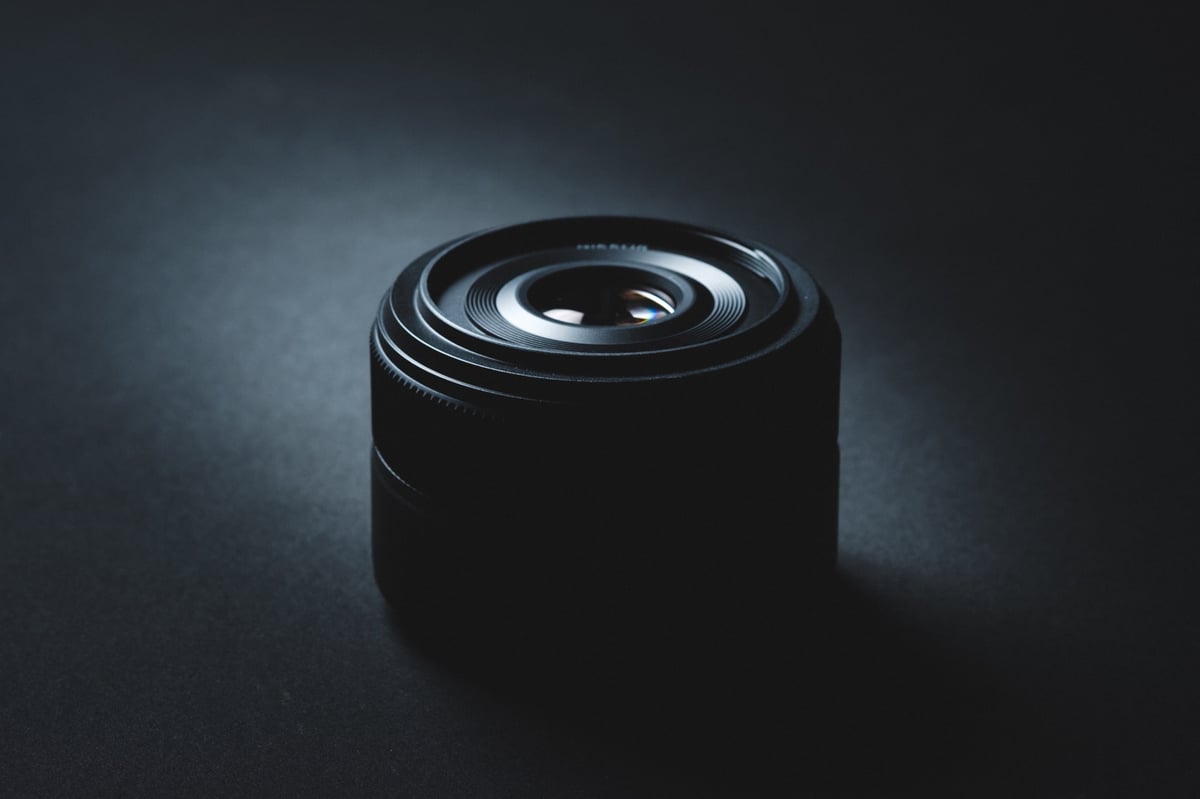
The Biogon T 28mm f/2.8 ZM* lens from ZEISS is a classic wide-angle prime designed for Leica M-mount rangefinder system. Its versatility makes it ideal for travel, landscape, and other documentary applications.
While this lens isn’t flawless by any stretch of the imagination, I like its punchy, high-contrast rendering and pop. It delivers a pleasant, classic look for everyday shooting or street photography.
Optically, distortion is minimal but wide open; the corners and edges can be a little sloppy, and there’s noticeable vignetting at f2.8, which is mostly all cleaned up by f5.6. If I’m being totally honest, it’s one of my favorite lenses for the M system. It looks cool, it’s fun to shoot with and the punchy rendering is just so cool. I like it a lot more than the Voigtlander Ultron 28mm f2 Vintage, which is a lens I tried for a while but ultimately wasn’t happy, so I sent it back.
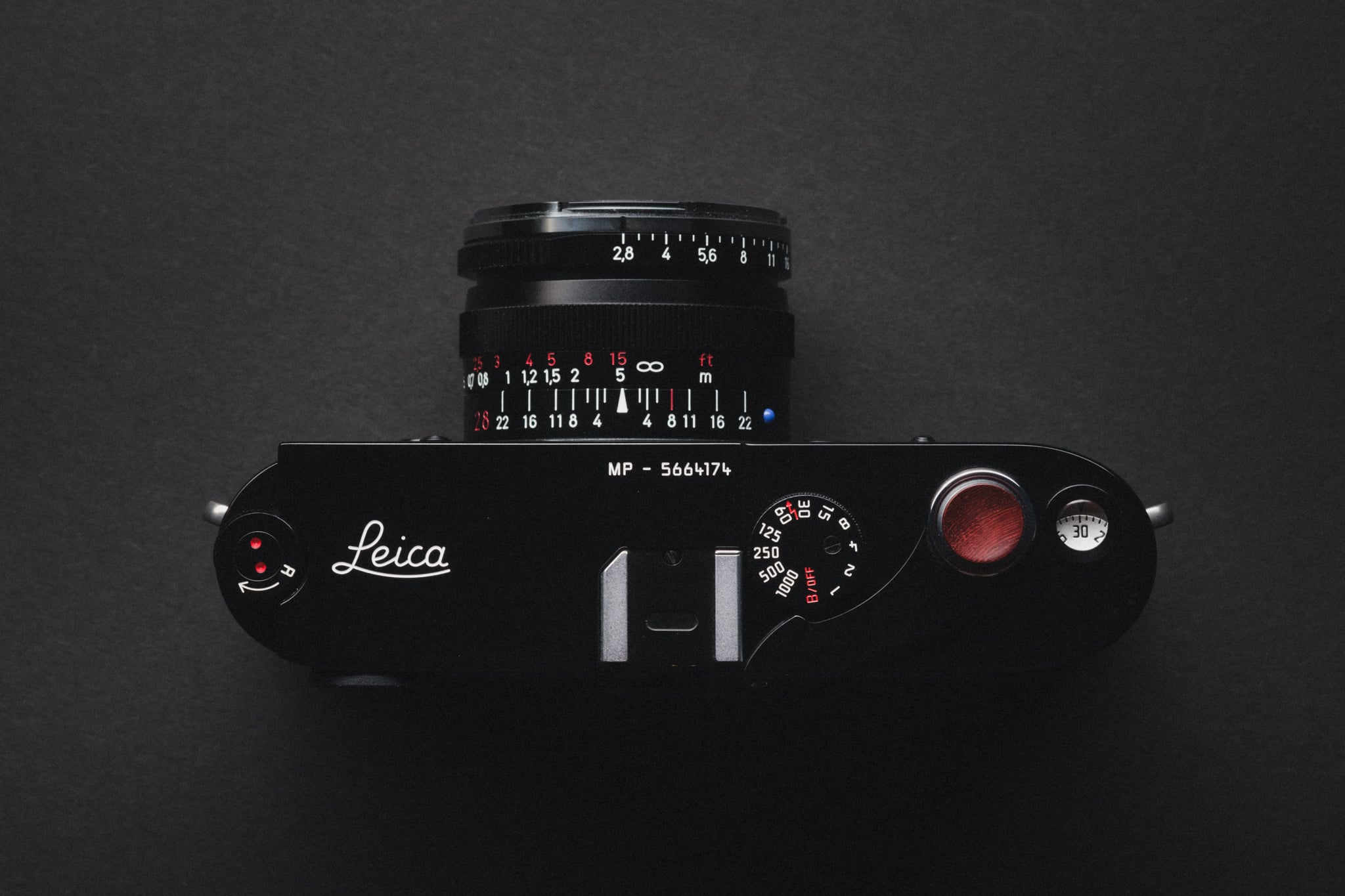
Biogon Optical Design: A classic non-Aspherical design that reduces a lot of distortion. You will get that classic field curvature.
Here are some of its key features.
Chromatic Aberration Reduction: An anomalous partial dispersion element minimizes chromatic aberrations and color fringing, ensuring notable clarity.
*T Anti-Reflective Coating: Individual lens elements are coated to reduce lens flare and ghosting, enhancing color accuracy and contrast, especially in strong lighting conditions.
Manual Focus Design: Allows precise focus, enabling you to work with subjects as close as 1.6 feet away.
Lens Specs
Pros: Very punchy rendering, low distortion, very little flaring, great sun stars, cool design, all metal built, low CA – of all types.
Cons: Some vignetting which can be intense in some situations, and some field curvature so corners and edges get sloppy at the faster apertures when not focused for.
| Focal Length: 28mm Aperture Blade: 10 Aperture: f2.8 – f22 Elements: 8/6 Coatings: MC T* Aspherical: No Weather-Sealed: No Minimum Focus Distance: 1.6′ / 50 cm Filter Threads: 46mm Weight: 7.8 oz / 220 g |
Zeiss Biogon T* 28mm f2.8: Amazon / B&H
UV filters for the Zeiss 28mm f2.8 I like the B+W MRC MASTER 007 Clear Filter (46mm) – Amazon / B&H
Be careful with UV filters on such wide-angle small lenses. I’ve noticed they can reduce the image quality with the corners and edges, but they are still great to have when shooting in rough environments or when traveling since lens hoods can pop off in the camera bag.
If you don’t like using UV filters for protection, you can use lens hoods. This is often what I use on these wide M lenses. There is a Zeiss lens hoof for this lens, or you can use the equivalent Voigtlander hood or sun shade.
Lens Hood for Zeiss 28mm f2.8 – B&H
Check out the List of Leica M Lenses to compare to other options.
Zeiss Biogon 28mm f2.8 Review – First Impressions

The Zeiss 28mm f2.8 is another great gem from Zeiss and almost immediately captured my attention since my very first day shooting with it. A lot of these older-styled Zeiss lenses really are what people say they are.
I’ve kind of landed on this idea that M shooters who like Voigtlander, should really get all the Zeiss lenses first in the focal range they like before messing around with Voigtlander or any other brand except maybe Leica. While Zeiss and Voigtlander are all Cosina now, these Zeiss lenses have been around a long time and from what I understand have all received many silent upgrades to the build and you can see and feel the difference compared to Voigtlander lenses which I often feel are rushed out prototypes.
I say this because I’ve had the Voigtlander 28mm f2, and now this Zeiss Biogon 28mm f2.8. I have the Voigtlander 35mm f2 and the Zeiss 35mm f2.8 and the Zeiss just feel better and their rendering is always more intereting.
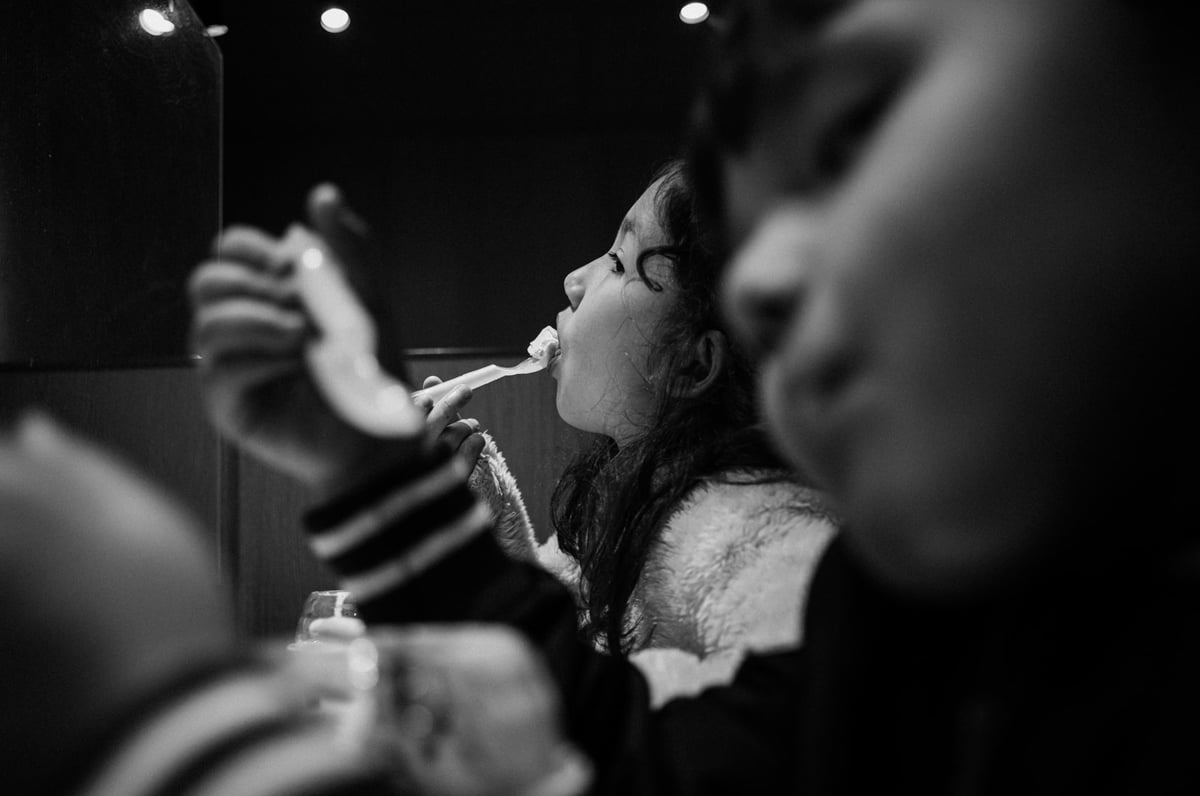
Aside from the build quality, there are other key differences between the compact lenses of aspherical Voigtlander and Zeiss lenses. The aspherical Voigtlander lenses are great at the technicals, and the Zeiss images from these classic optical designs have more magic and life to them. Some of it has to do with better contrast, and sometimes the field curvature renders a more interesting focus falloff with cleaner background bokeh.
The main advantages of the Voigtlander aspherical lenses compared to the Zeiss lenses are the improved edges and corner rendering due to the aspherical design which also allows for a smaller build – although it’s difficult to shoot wide tiny lenses without lens hoods (since your fingers often creep into the frame) and you end up need a lens hood which blocks the rangefinder.
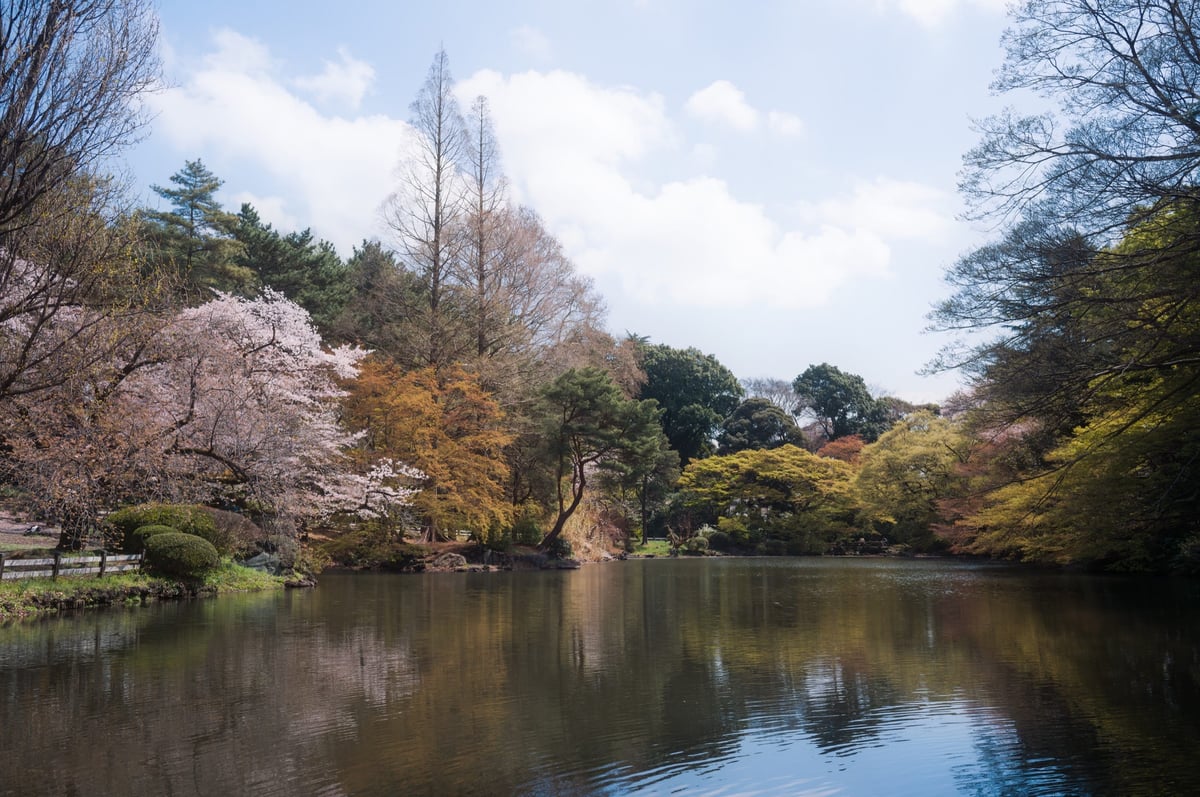
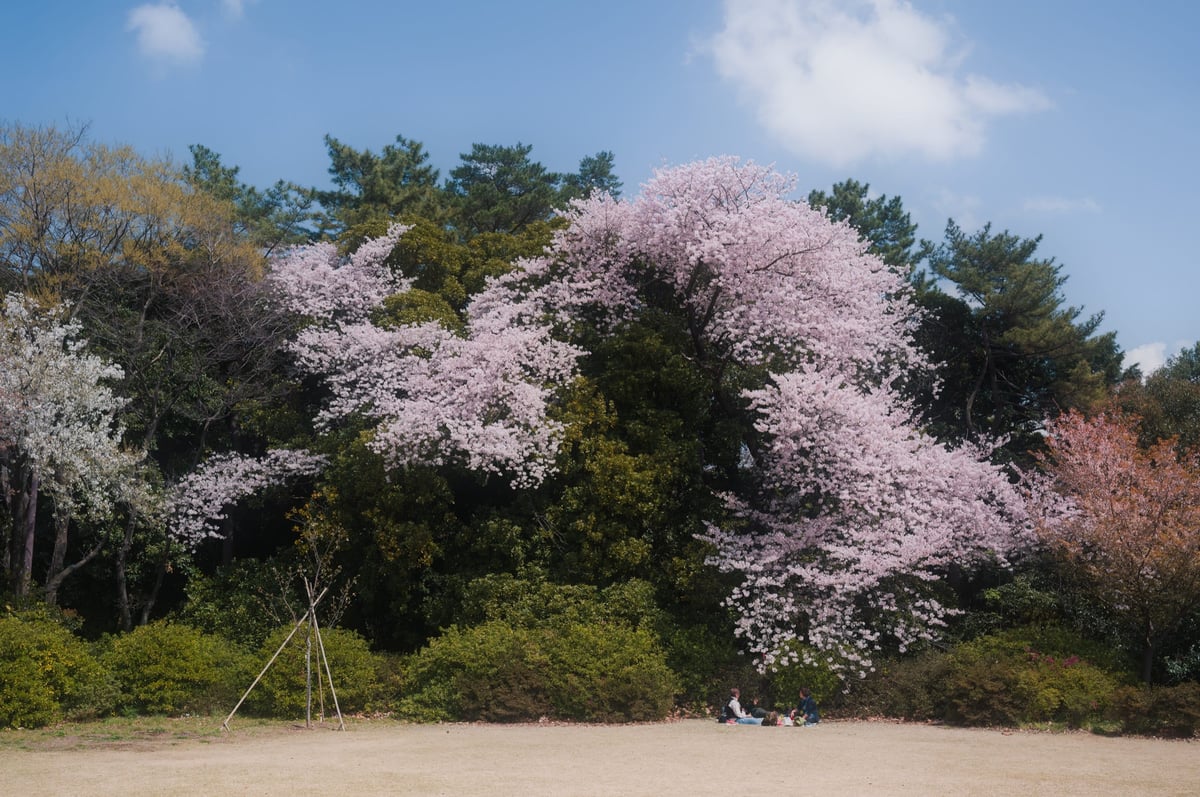
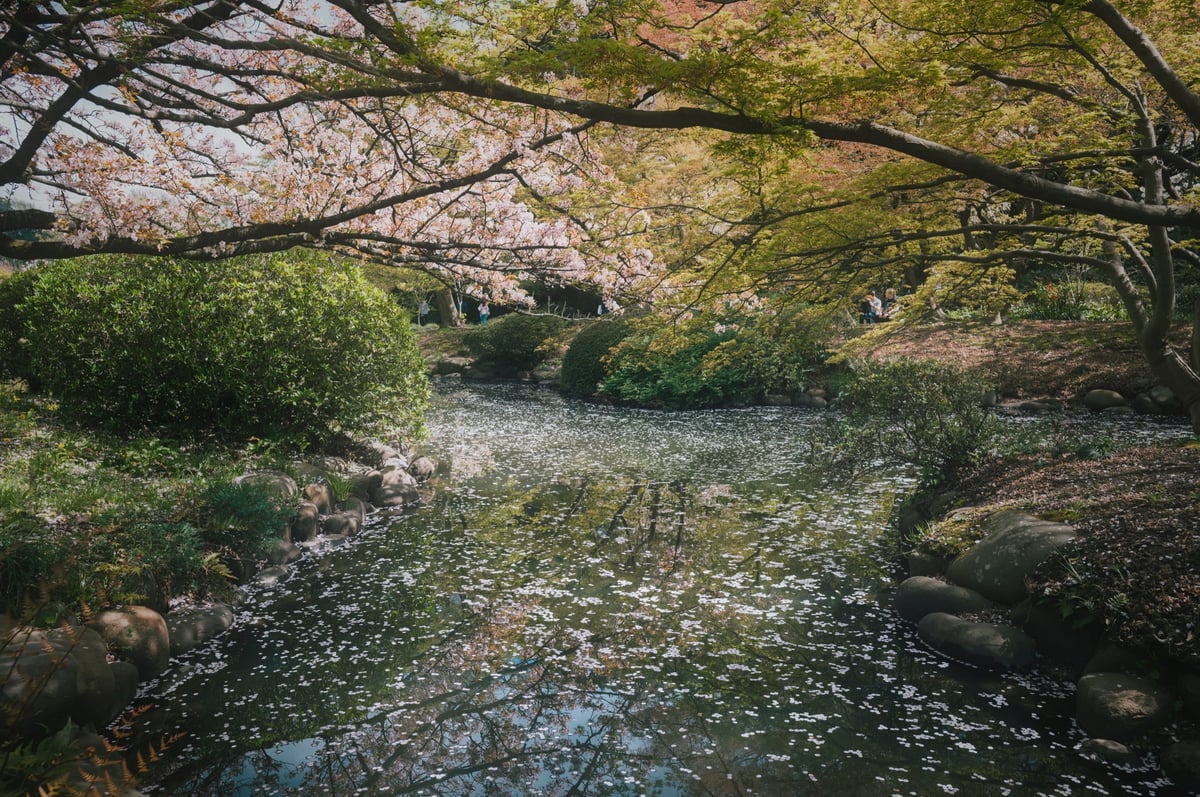
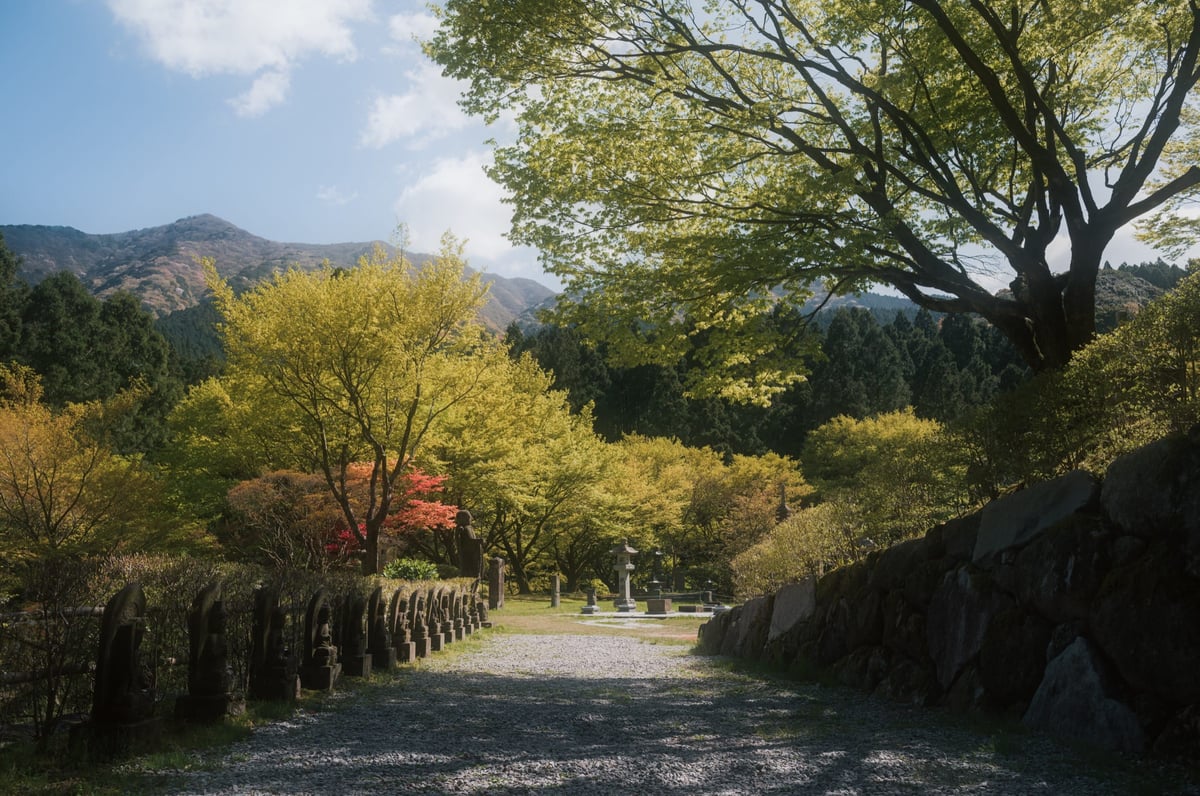
People are still often chasing the faster apertures, but I feel the f2 on that Voigtlander 28mm felt a little forced and it just had too much vignetting so I considered it an f2.8 lens that could do f2 in emergencies. So that brings me back to the Zeiss, it doesn’t have all the chattery bokeh you get from the aspherical design, and the combination of the sharpness, contrast, and micro-contrast gives it a slightly more 3D high contrast feel that’s especially nice for black and white photography. Also, I’ve never really cared much if a lens slightly blocks a viewfinder, especially on digital bodies where you have access to live view.
Between Zeiss and Voigtlander, there is a clear line between the two brands with these compact designs. If your photography is focused more on people, culture, or lifestyle, go for the Zeiss lenses, but if you’re more of an environmental shooter, the Voigtlander aspherical designs will be a nice option.
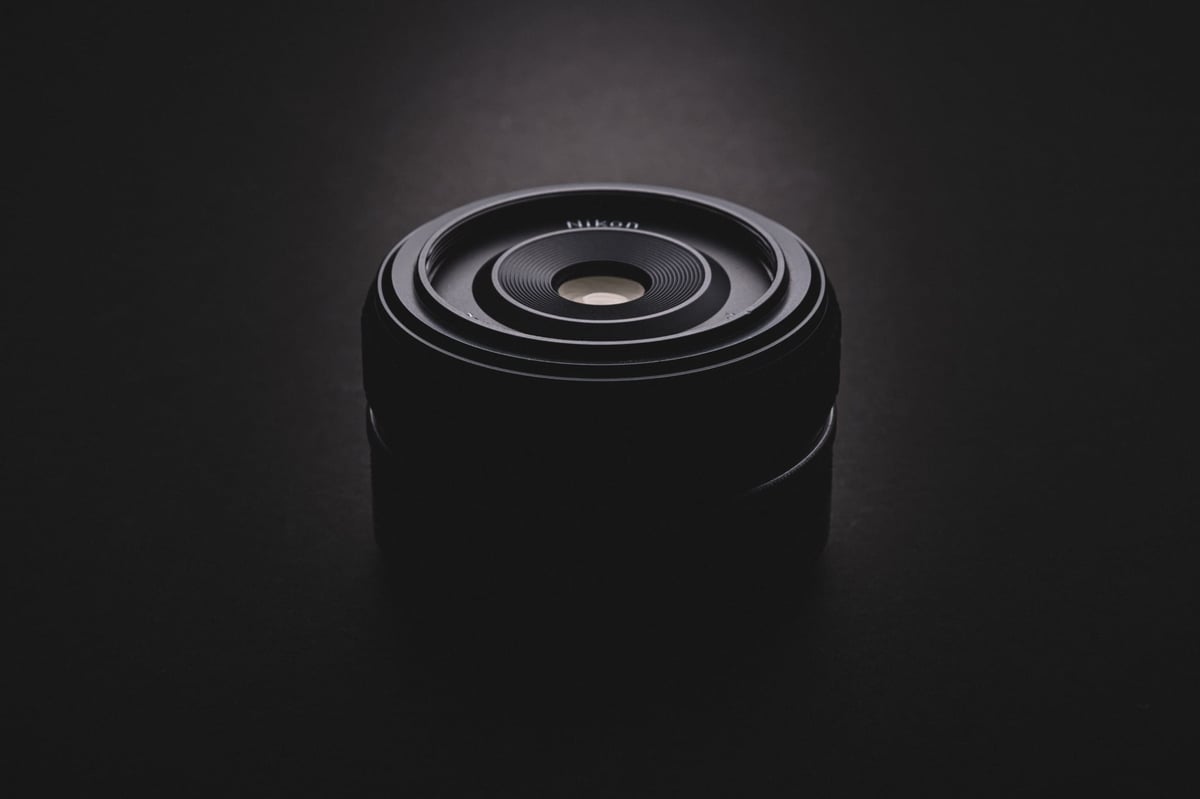
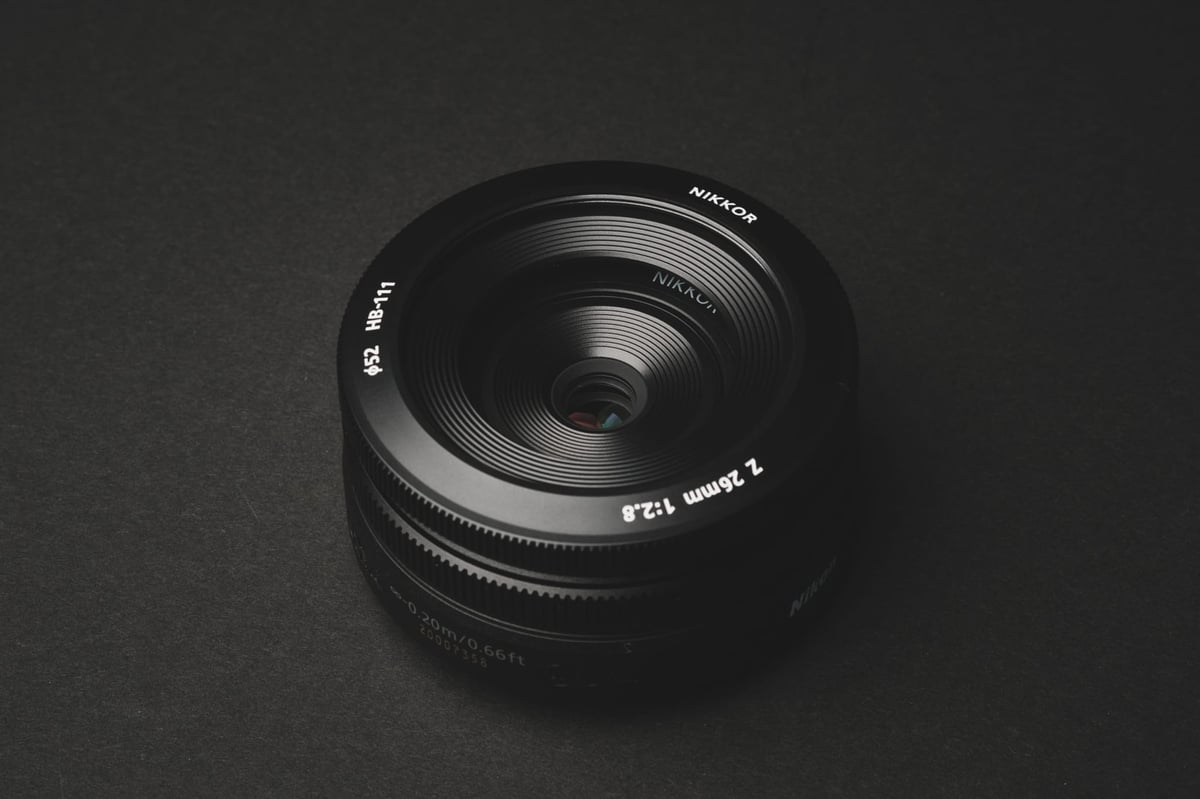
The other 28mm I have is the Nikon Z 28mm f2.8, which is also a great lens for a pancake 28mm (although the Nikon Z 26mm f2.8 is better). Very sharp in the center at least my copy, I see some people say it’s not that sharp, but that depends if you’re close focusing or not. These modern lenses are better in the corners and edges compared to the Biogon, but the aspherical Nikon design also has some very chattery bokeh and again I just feel like the Zeiss image has more life to it.
What I’m trying to get here is that the Zeiss Biogon 28mm f2.8 is my favorite compact 28mm so far in terms of rendering and that classic character. But you won’t get that super sharp close focus like you do with modern designs, and if you need that, the Nikon 26mm f2.8 is the best option I know of – It’s a totally different system, but a lot of people that read my blog are Nikon shooter and a lot of people do adapter M lenses to their Nikon bodies.
Zeiss Biogon 28mm F2.8 Build Quality
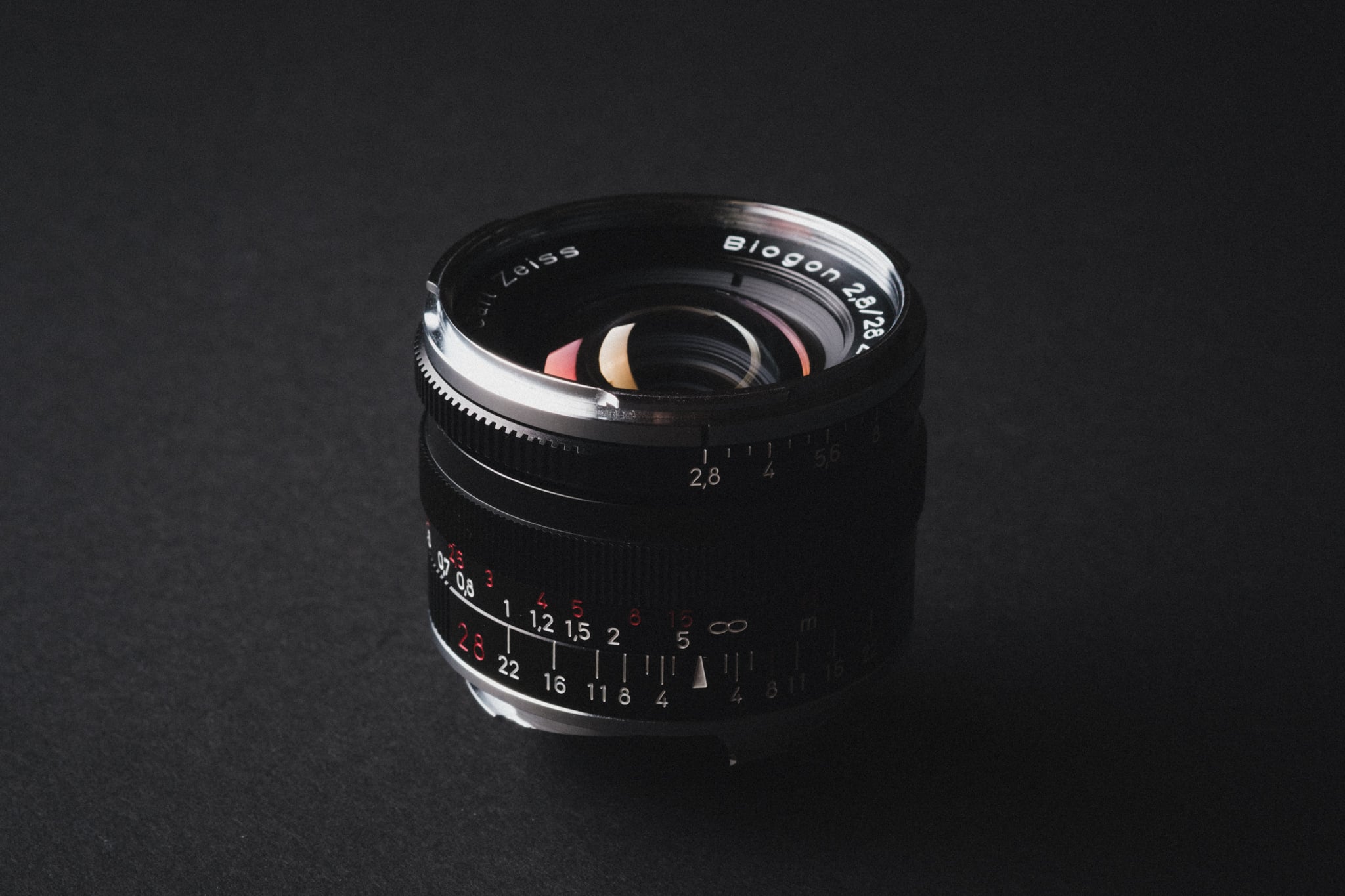
The Zeiss 28mm f2 uses a metal build with 8 elements and a 10-blade aperture. The minimum focus is 1.6 or 50cm, but to get that on a rangefinder you will need to use live view. The focus is smoother but tight in a good way, as is the aperture.
I’ve had this lens for about a year now after writing this review, and I still get no wiggle and the build is still very tight and solid.
As mentioned above, many of these Zeiss lenses have been around for a very long time and have likely received many silent upgrades on the inner workings of the lens. Originally this lens was released in 2006 and was built in Germany. Today it’s made in Japan.
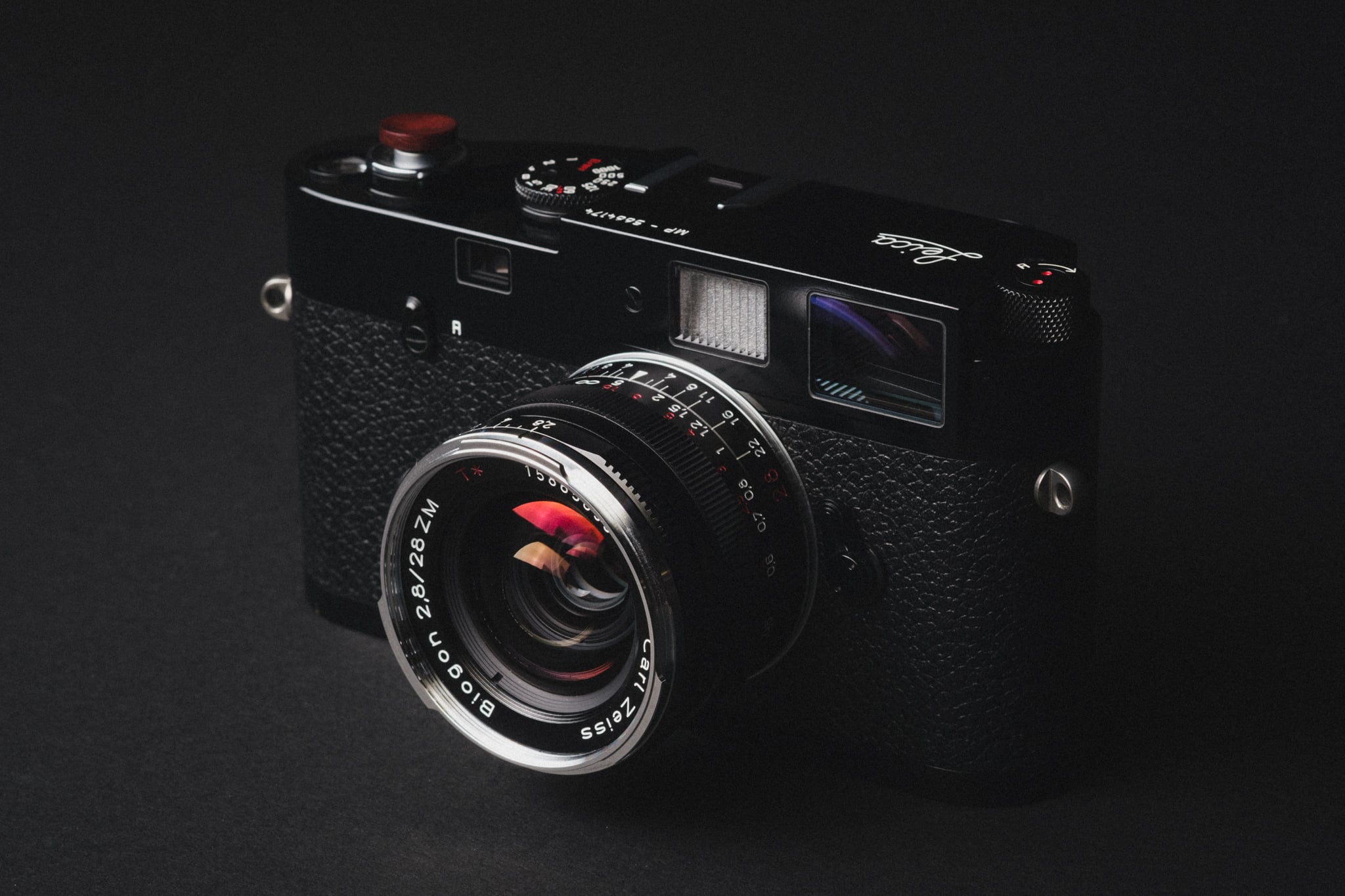
There is a metal lens hood you can get for this lens which I would recommend instead of UV filters for protection. While I’m usually a lover of the filters of the UV, filters can diminish the image quality on such small wide-angle lenses since the angle of light at the edges hits the UV filter at such steep angles, but this will further block some of the viewfinders which this lens already does slightly. I haven’t noticed it as much on this lens, but on the smaller Voigtlander wide-angle lenses like the 21mm, you see an obvious reduction in image quality.
Sharpness Charts
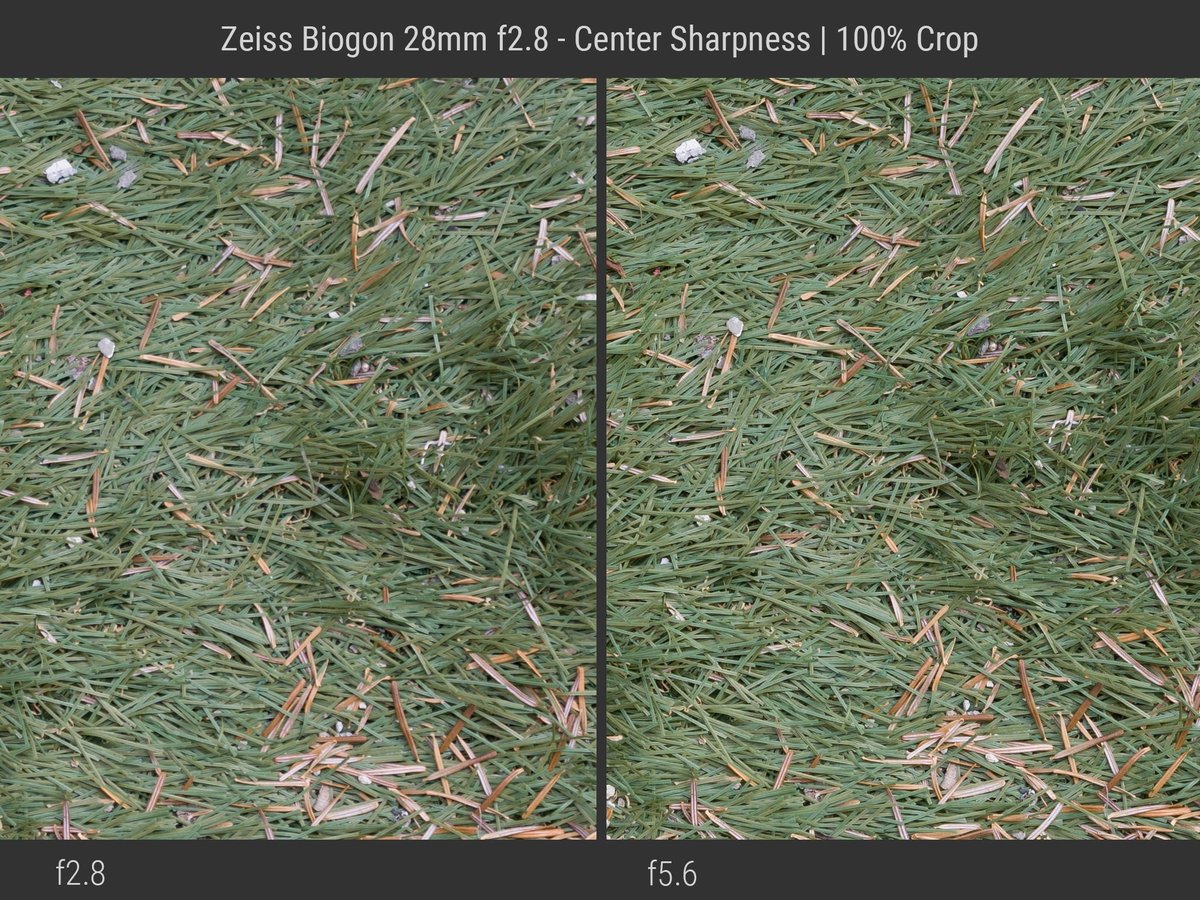
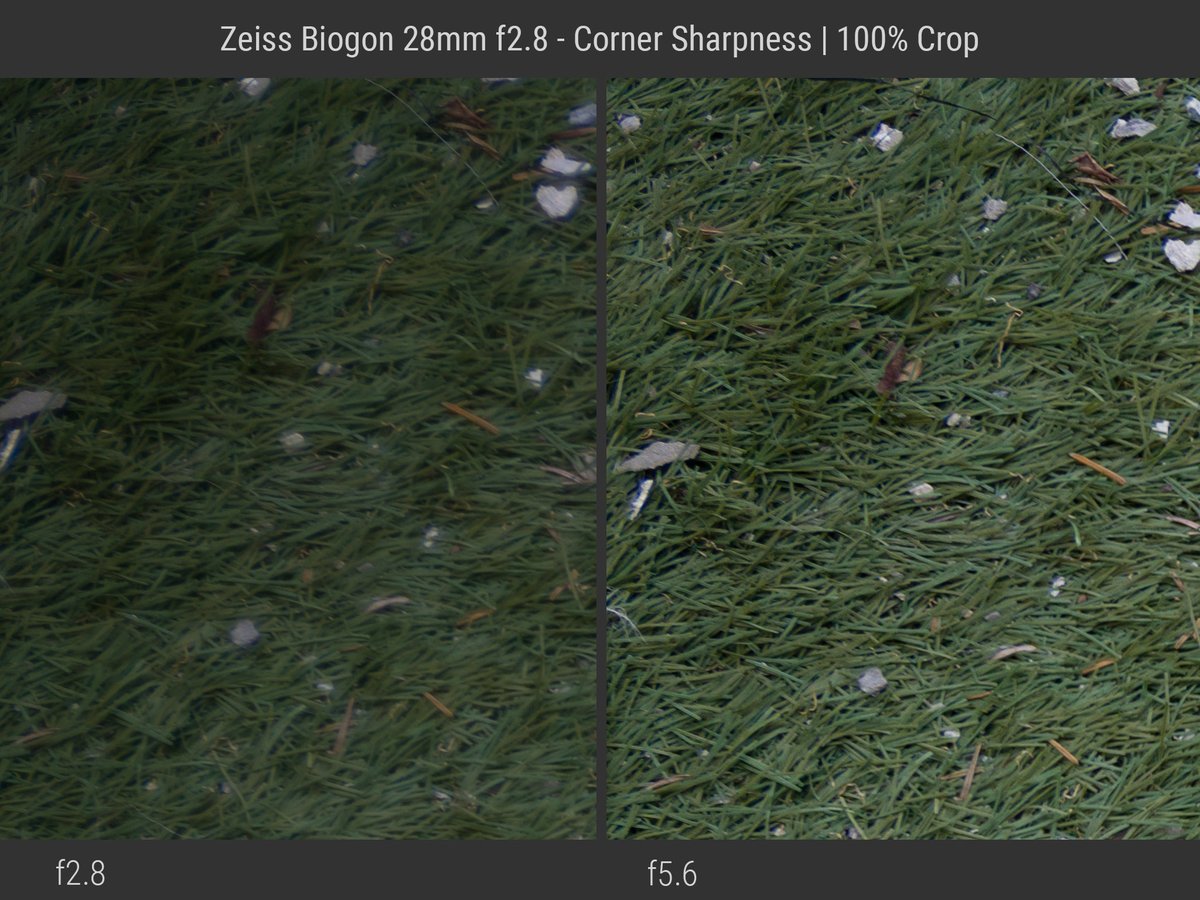
Here is a quick look at the center and corner sharpness with this nonspherical lens. This is where lenses like the Voigtlander 28mm f2 will likely outperform this lens. But I want to point out, that these added aspherical elements often ruin the nice symmetry you get in the bokeh or even the consistency of the focus falloff. So for how I like shooting (street and casual photography) I prefer the more consistent bokeh and rendering we get from lenses like this even though this lens does not post great charts.
Center Sharpness
This is a comparison between f2.8 and f5.6. The f2.8 sample is on the left and the f5.6 sample is on the right. There is a slight improvement in center sharpness when you stop down to f5.6, but the difference isn’t huge.
Corner Sharpness
This is where you see a huge difference between apertures. There is a pretty significant vignetting at f2.8 compared to f5.6, and there is a lot of softness from what looks like a field curvature, or the corners being on a different focal plain than the center. This is very common with no aspherical lenses.
However, as typical with these classic lens designs, f8 to f11 would be fine when shooting something like landscape photography.
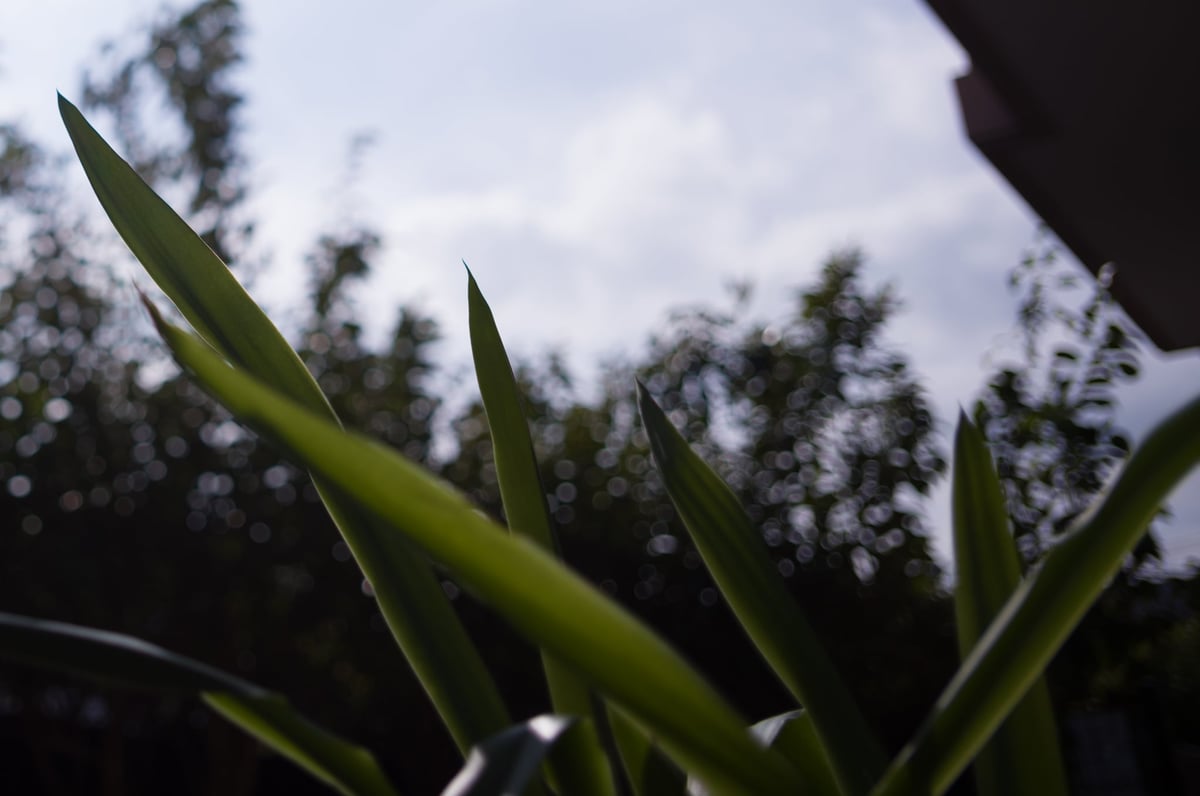
Chromatic Aberrations Sample
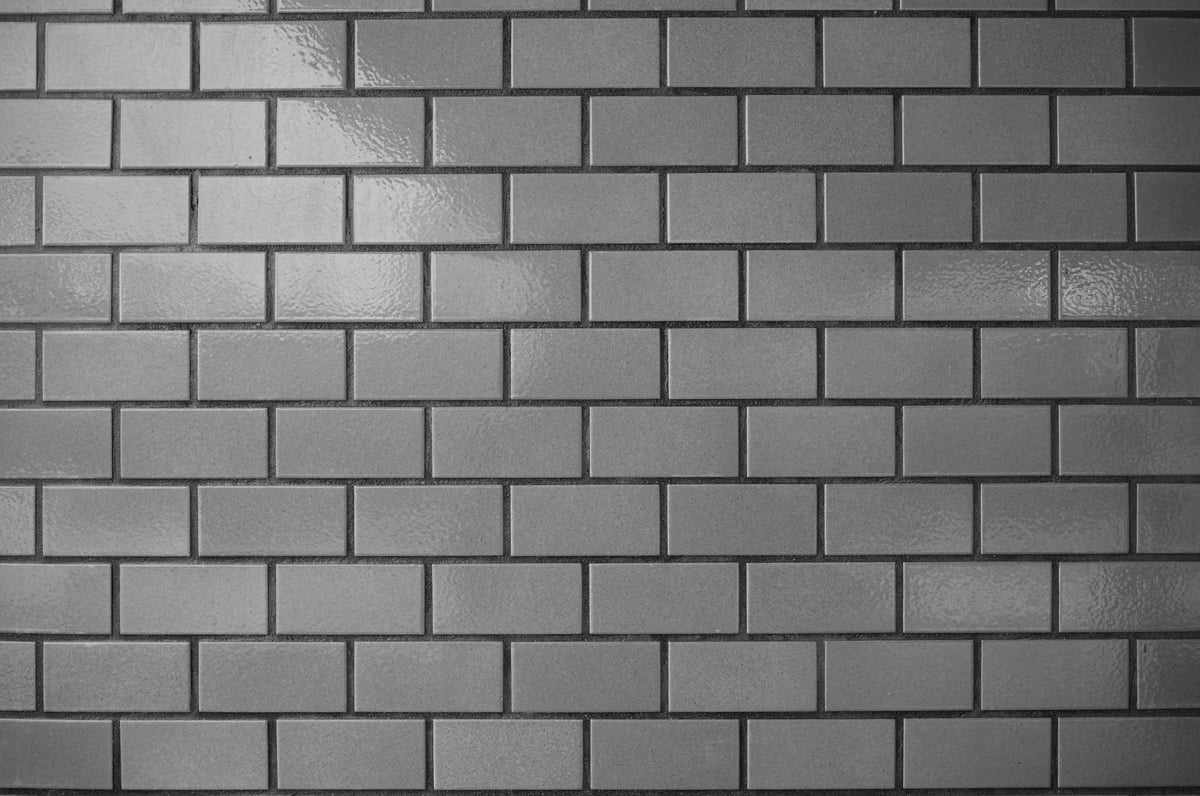
Distortion Sample
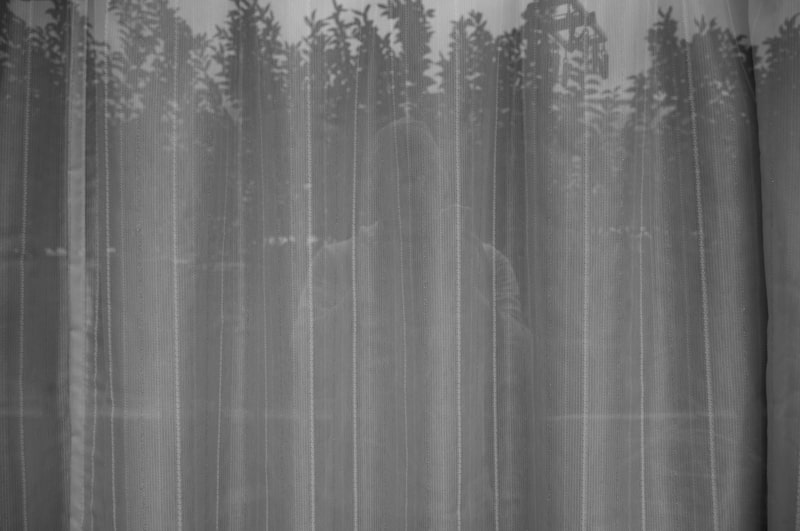
Vignetting
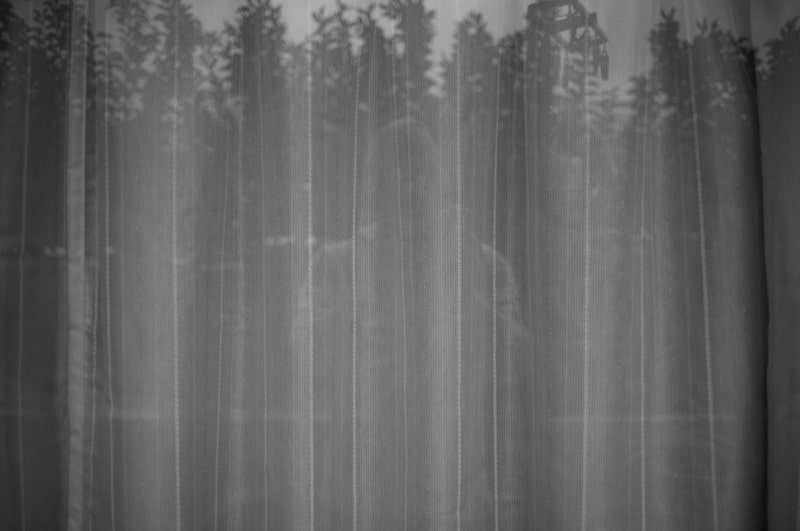
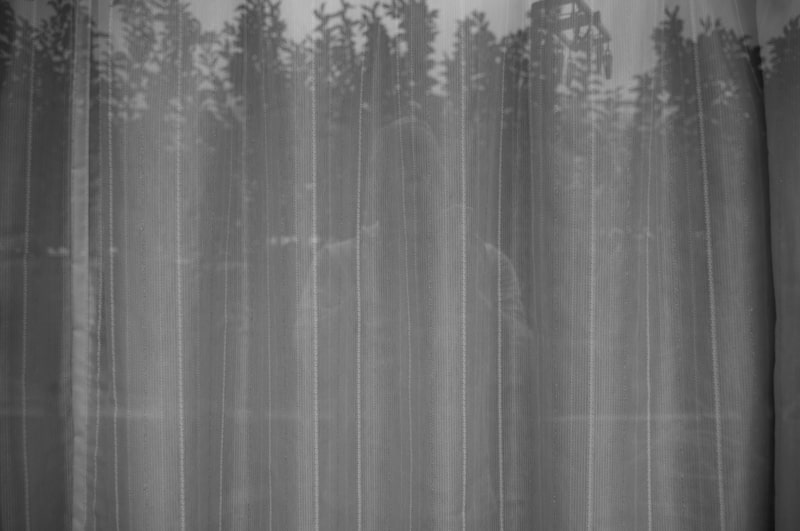
Vignetting is quite significantly wide open and only really improves when stopped down to f5.6.
In more extreme light conditions where the light source is closer and more direct into the lens, it will be stronger, but this is roughly what the vignetting looks like in typical situations.
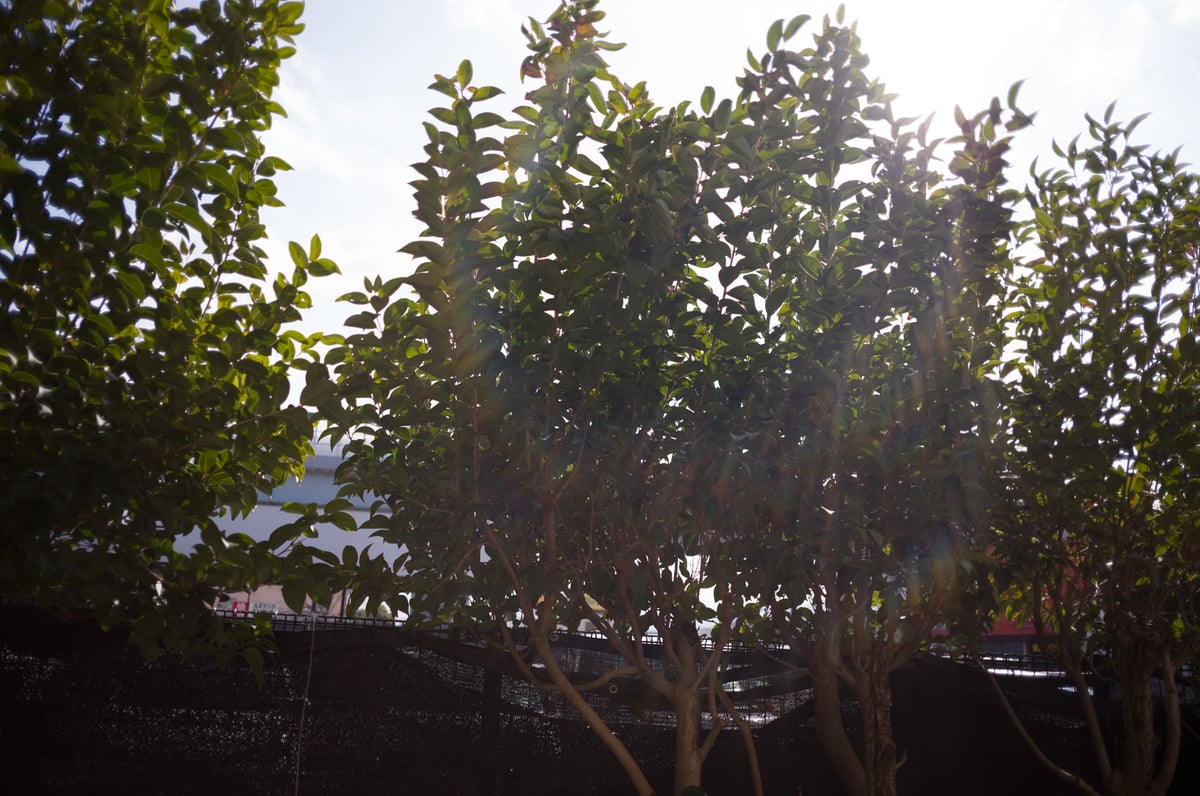
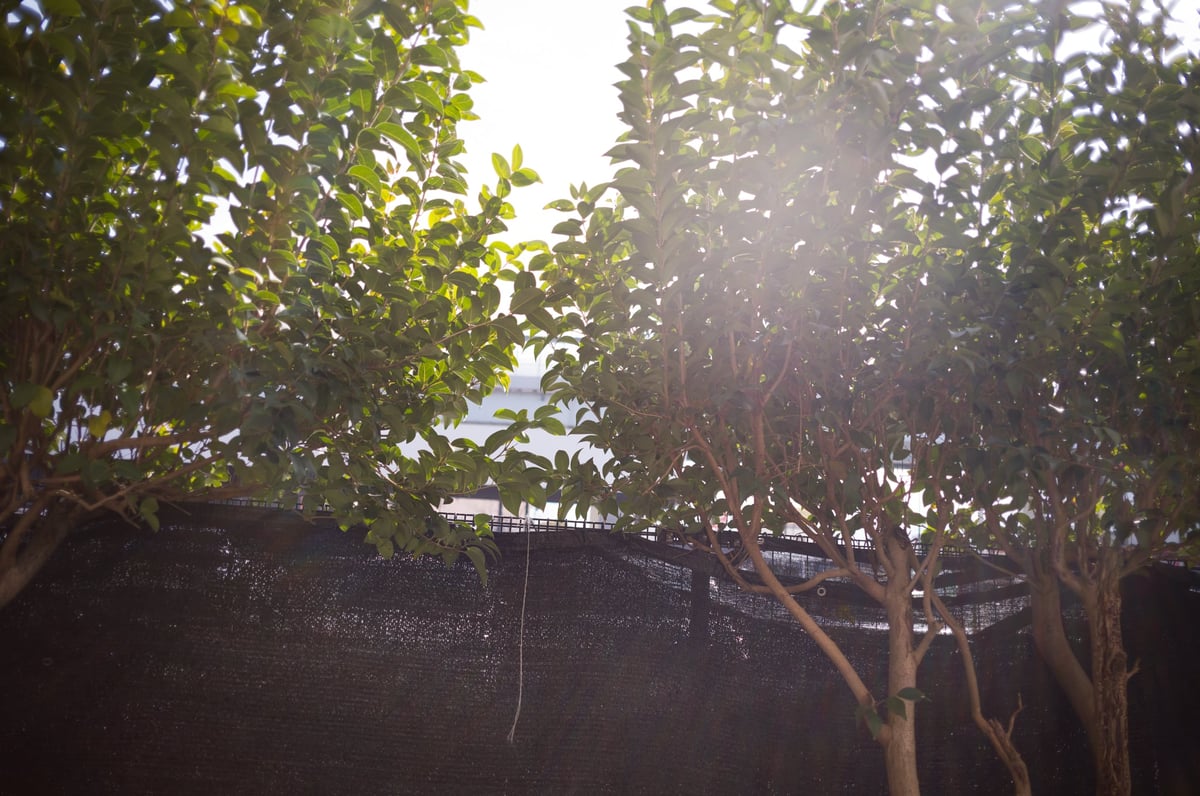
Flaring Samples
Flare control is very good with this lens, I had to hunt for the perfect angles to get this lens to flare, and this is as bad as I could get it.
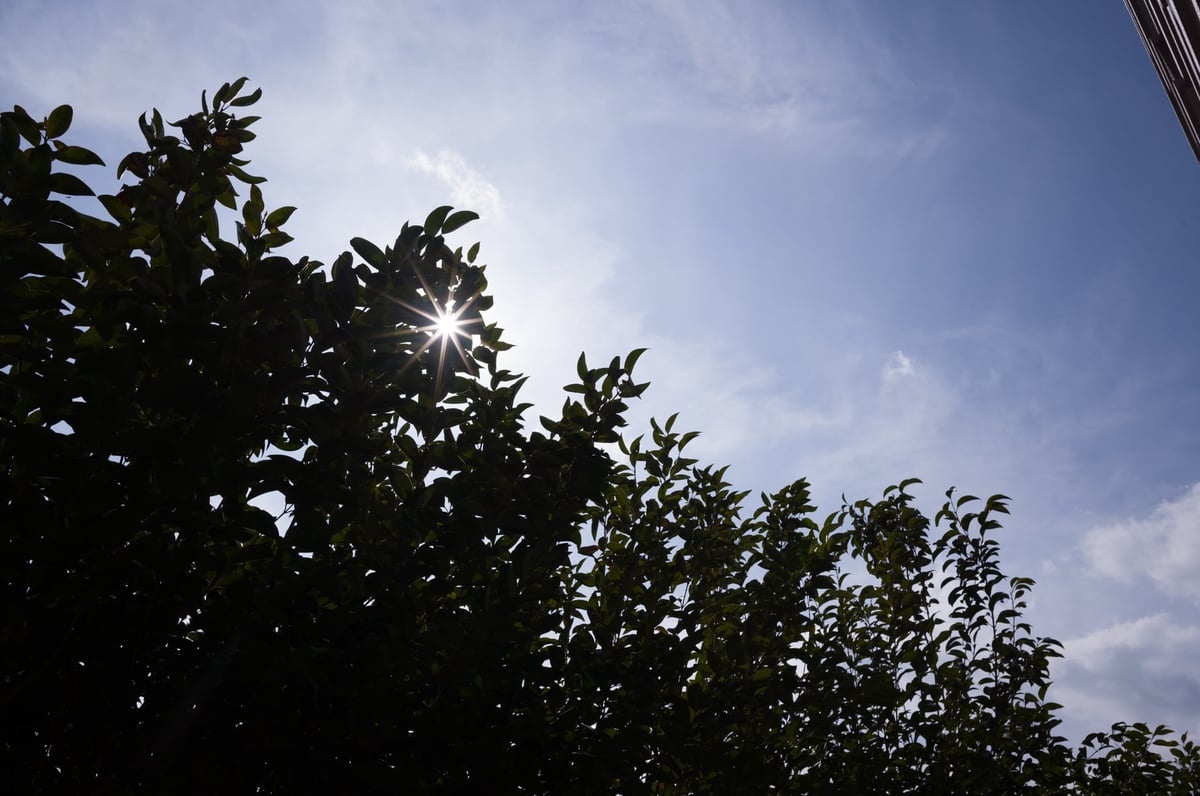
Sun Stars Sample
Sun Stars are fantastic on this lens. Beautiful 10-point star pattern.
Art & Character
The Zeiss Biogon 28mm has some pretty nice character that makes it just a little more fun than some of the other compact 28mm lenses that are out there. You get pretty good micro-contrast, about as good as a lot of the older Fujifilm X-Mount primes, but not as nice as some of the other primes from Zeiss like the 35mm f2.8 or the Zeiss Planar 50mm f2. You have some pretty decent bokeh with some light soap bubble effects on some of the highlights.
Bokeh does get a little chatter toward the edges, and the depth of field also appears to render slightly deeper in the center frame that pulls shallower toward the edges. This is a very signature look for non-aspherical classic lens designs and is overall more pleasing than what we get from the smaller aspherical Voigtlander and Leica alternatives.
And just for you weirdos who get triggered everyone time someone says micro-contrast, what I’m talking about is midtone contrast, or inner tonal detail. There is global contrast, total black and total white, and mid-tone contrast. It’s a thing, get over it.
Bokeh
As an f2.8 lens, you don’t get a ton of shallow depth, but you still do have some decent separation especially if you’re shooting close to the minimum focus distance. Longer backgrounds can get a little chatter with some light soap bubble bokeh which is likely what’s causing it to feel busy. However, soap bubble bokeh can look really unique in the right situations.
There is no strong swirl and the center frame feels a little deeper with depth than the corners and edges but not as much as some other classic designs.
Occasionally the soap bubble bokeh can have an almost teal outline but there generally aren’t any serious problems with CA in the out-of-focus highlights.

Micro-Contrast / Contrast / Color
Saturation and Contrast are pretty good for a prime. Some of the Zeiss 35mm lenses are better in this regard, especially the Zeiss 35mm f2.8. But too high of contrast can cause some problems for film shooters, so this lens is about where you would want it for multipurpose use.

Micro-Contrast is just average for a prime built in the mid-2000s, but good for a wide-angle lens. This lens is in line with some of the early Fujifilm X lenses.
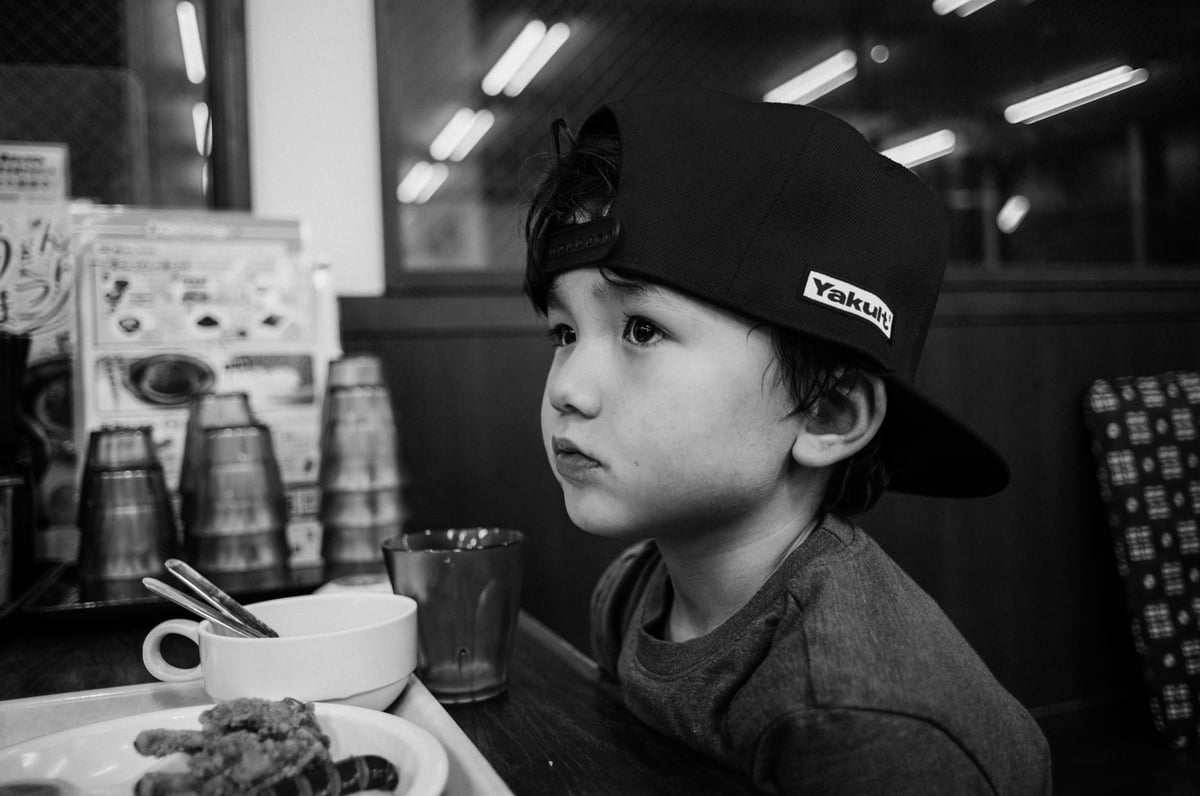
You can see here the transitions between the shadows and highlights in the skin tones get a little blotchier than some of my other lenses and are even worse in lower lighting. Here I’m at ISO 400 so there is a fair amount of light, but because of its low coherency, the tonal details get somewhat lost by the 9 elements. Because of this, this lens does like a bit more light and especially excels in outdoor lighting or under strobes. Again, this is still a good lens with micro-contrast, especially for a wide-angle since they are often stuffed with a little bit more glass and are usually made a little more compact.
Zeiss 28mm f2.8 Review | Bottom Line
This is basically the lens that made me fall in love with 28mm. I was never really too excited with any other 28mm lens that I’ve had in the past, mostly I was just buying them for a utility like the Nikon 28mm f2.8 or the Voigtlander 28mm f2. And most 28mm out there just don’t look that interesting.
Since I do pretty heavy editing, I usually find I can fix a lot of the issues with sharpness or distortion with all the various tools that are out there now, but what I can’t fix is crappy-looking bokeh and bad rendering with blotchy skin textures that come from using too many elements. This is why I personally lean more about these more classic designs that offer something more than just technical sharpness and distortion control.
The Zeiss 28mm is not only very sharp in the center, but when you stop it down, it’s sharp enough in the corners and edges to render good enough detail for landscape photography on a 61MP Leica M11 sensor which is impressive for a lens originally released in 2006.
If you want smaller you can go with the Voigtlander 28mm f2 or the Leica Summicron 28mm f2, with the Voigtlander being the smaller of the two. People say the technical performance of the Voigtlander is slightly better than the Zeiss, but that’s often only looking at one attribute of a lens – sharpness while ignoring everything else.
I think the Voigtlander is a little bit too small for an f2 to the point where they have to do too much with the optics and geometry and the rendering starts to get weird, especially with the bokeh. The Leica Summicron 28mm f2 looks more promising and is definitely on my list of lenses to buy in the future – also a lens design that was originally released in 2006 and has since been mechanically updated on improved. So like with the Zeiss 28mm f2.8, it’s a very tried and true design.
If you want even smaller you can go with some of the 28mm f5.6 lenses that are out there, but then you might as well just use your smartphone if compactness is that much of a concern – I know those are some dirty words.
To summarize:
The Zeiss 28mm f2.8 is very sharp in the center and maintains some of that sharpness in the corners and edges which improves when stopped down. Micro-contrast (that sort of pop and great textured skin tones) is good, but not amazing or anything. There is some flaring with some decent sun stars with 10 points. Only mild distortion.
The main flaw of this lens would be the slightly busy bokeh, but the bokeh feels a little less distracting and a little more natural than some of the other compact 28mm lenses out there and you do have to be a little careful of the lens flaring which is mostly well controlled but not completely eliminated by the coatings.
Build quality is very good and it feels like a very solid lens that hopefully will last a long time. I’ll update in a few years if I get any wiggle or come across any other issues.
I personally would choose this lens over the Voigtlander 28mm f2 any day. I’m not yet sure how it compares to the Leica, but for other samples I’ve seen, the Leica also has some really nice rendering without the distracting bokeh you see with the Voigtlander.
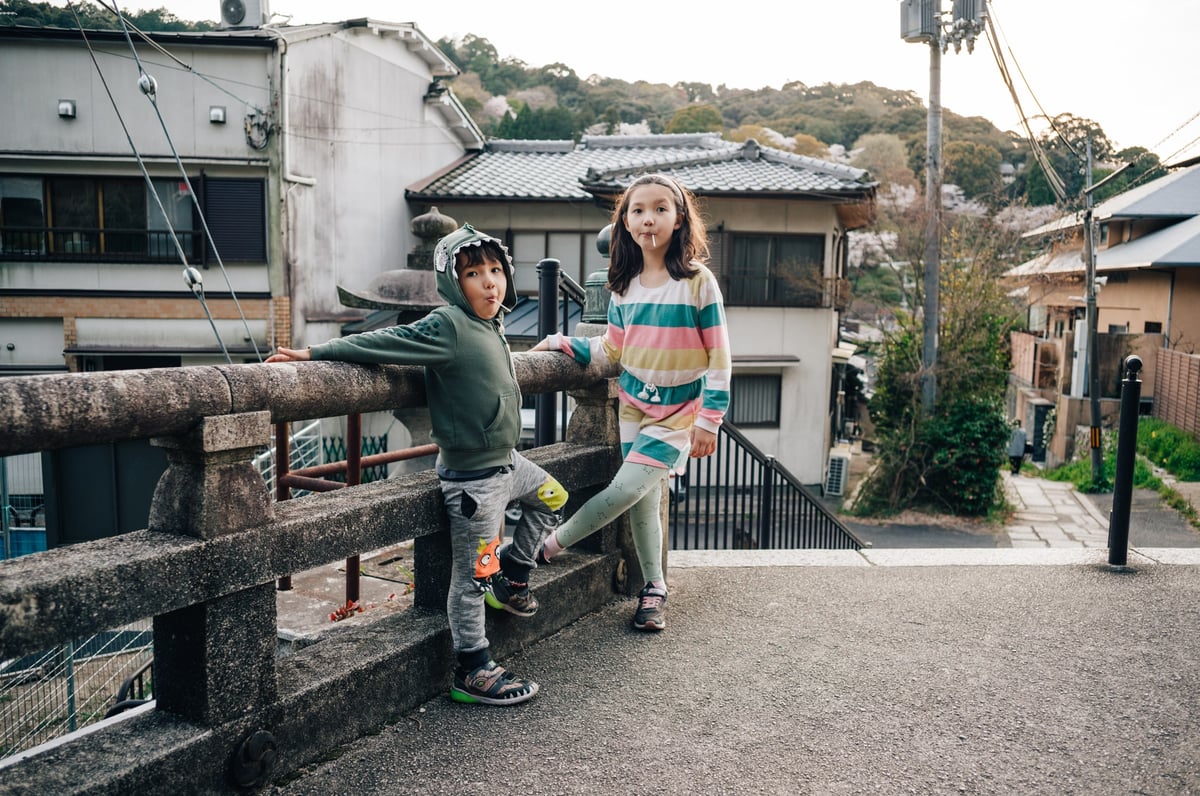
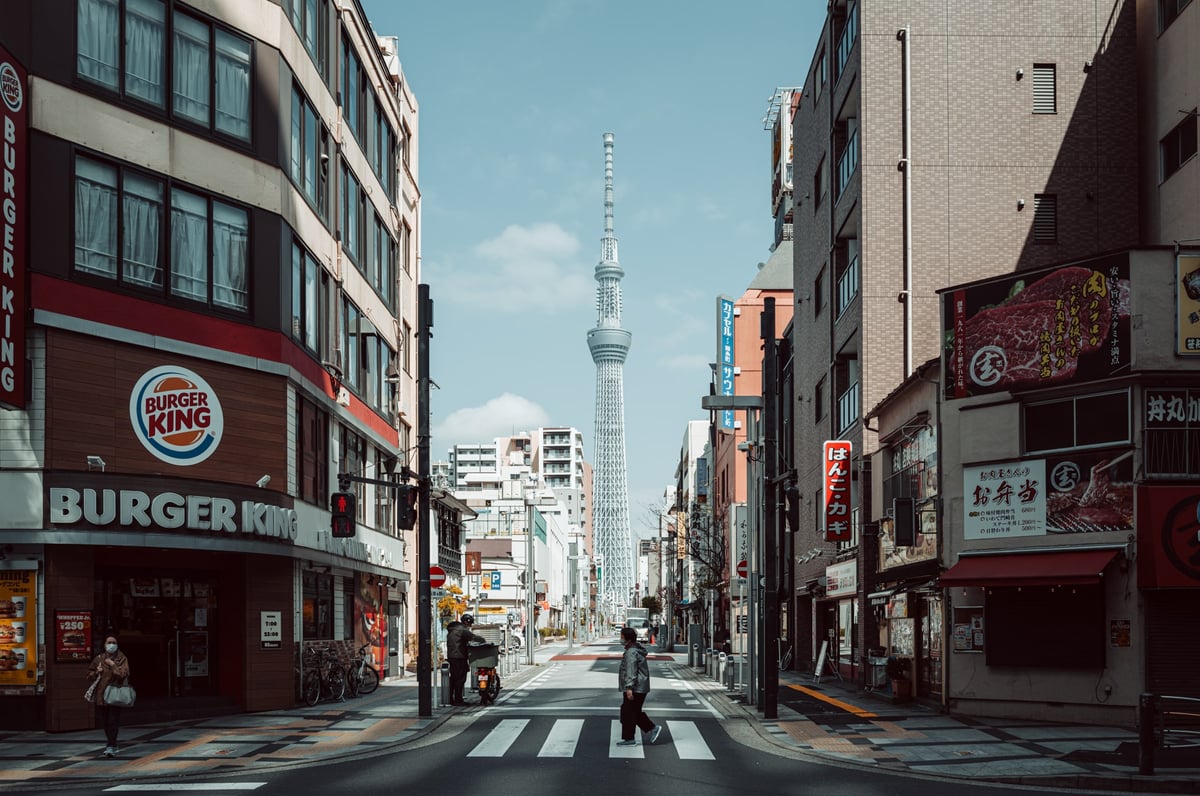
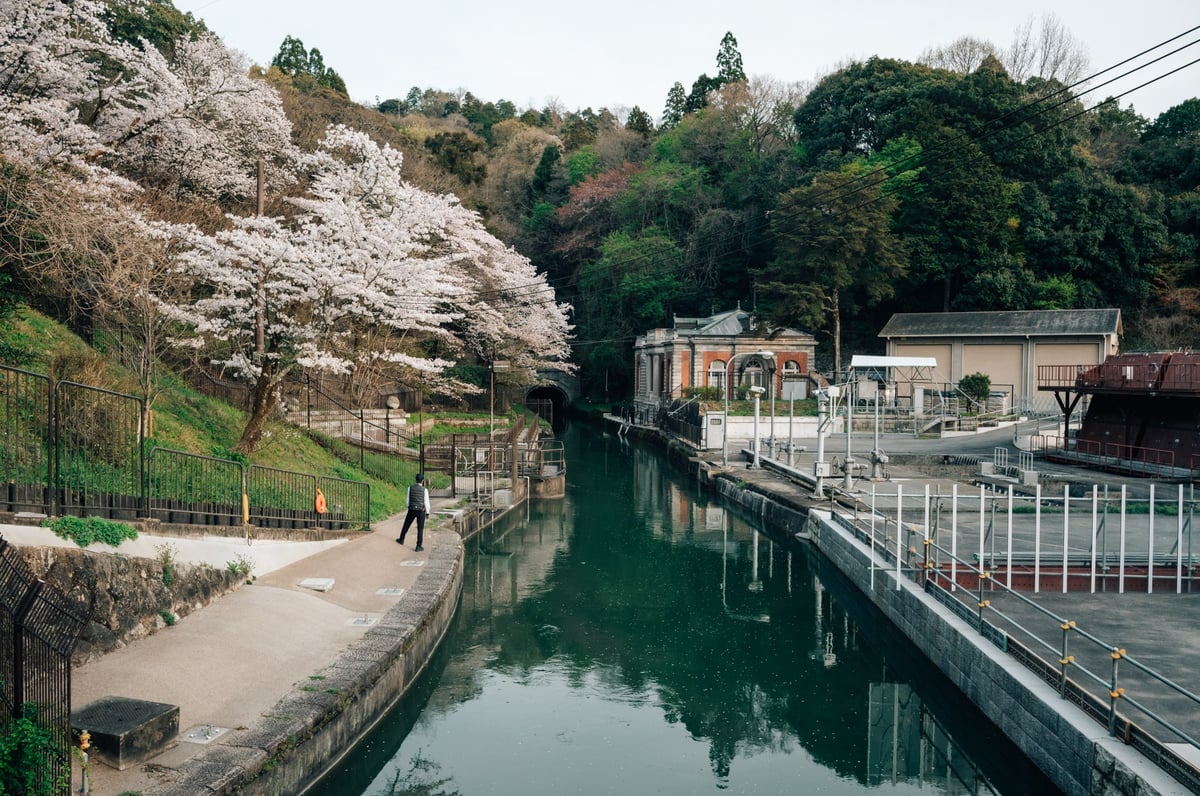
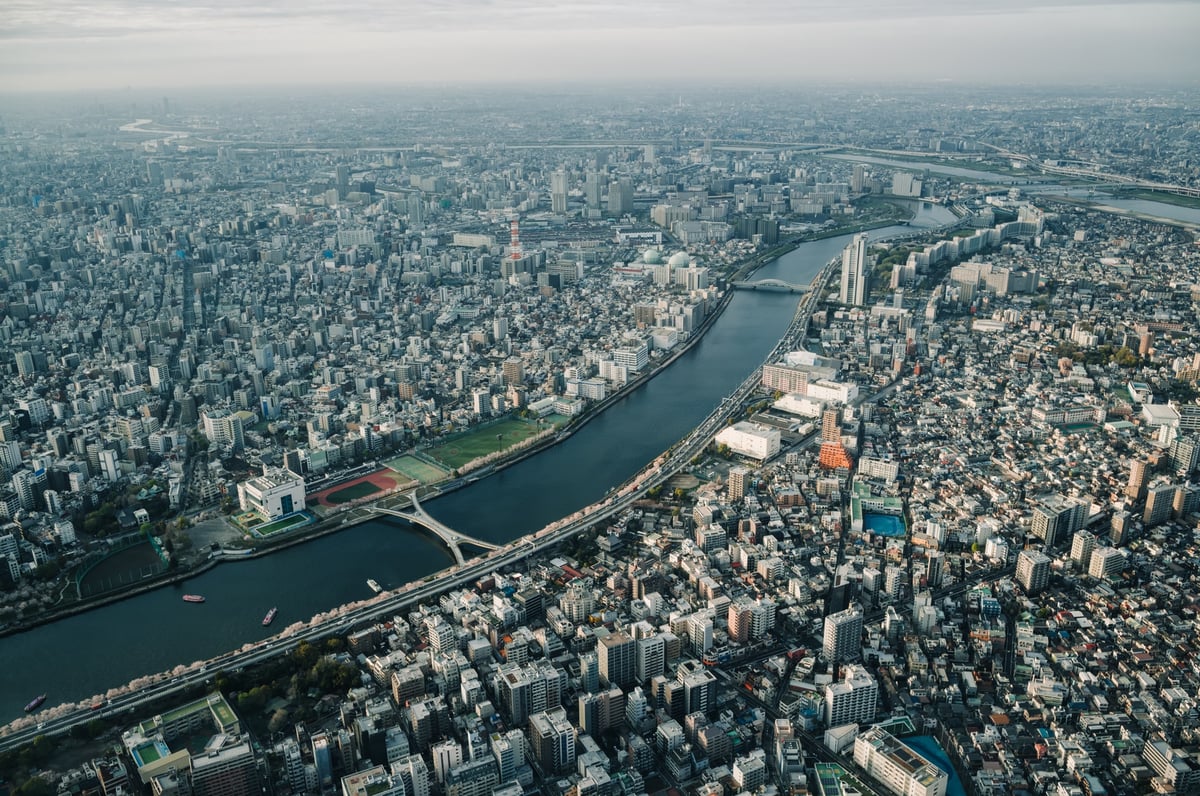
Zeiss Biogon 28mm f2.8 Sample Images
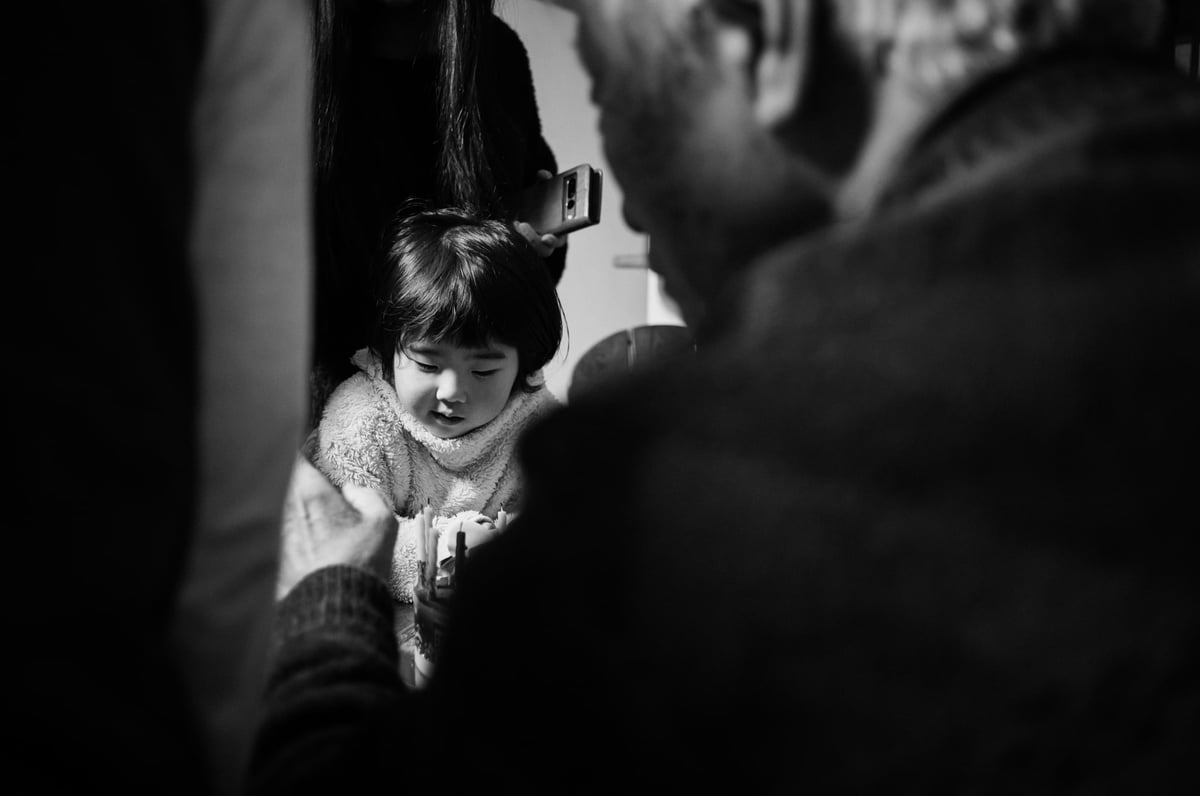
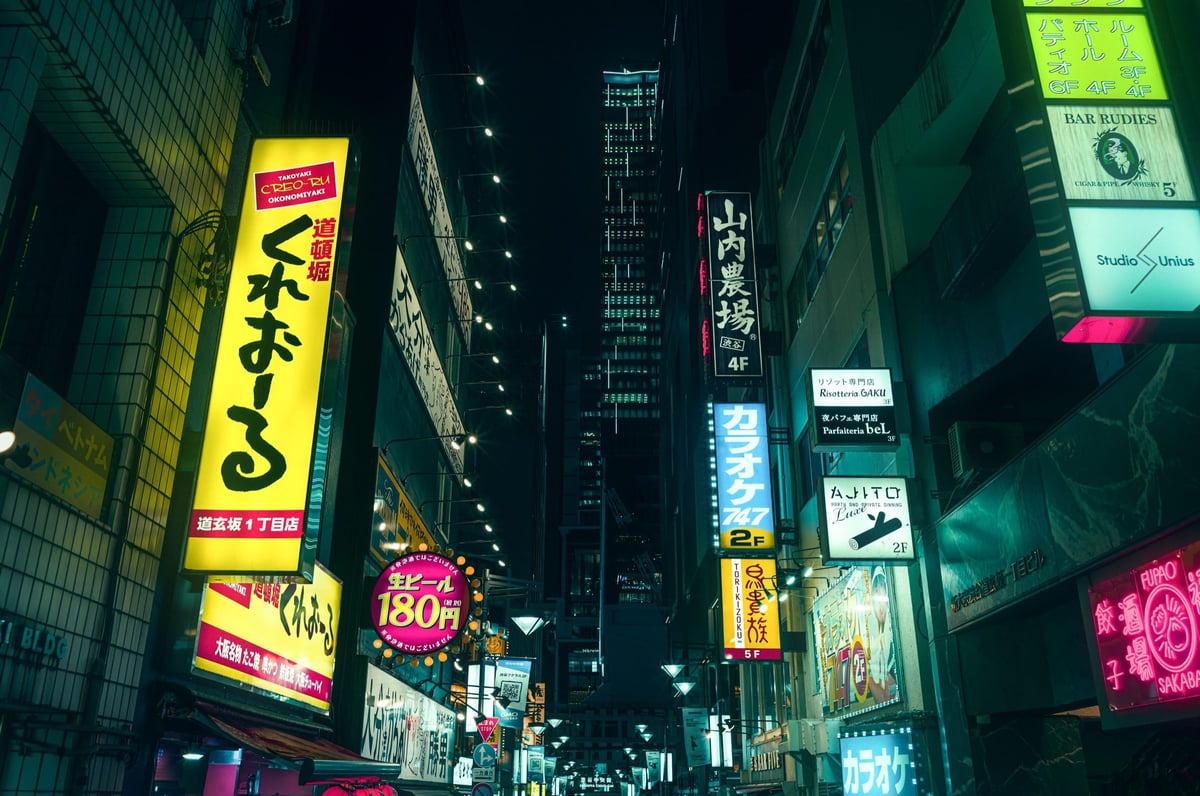
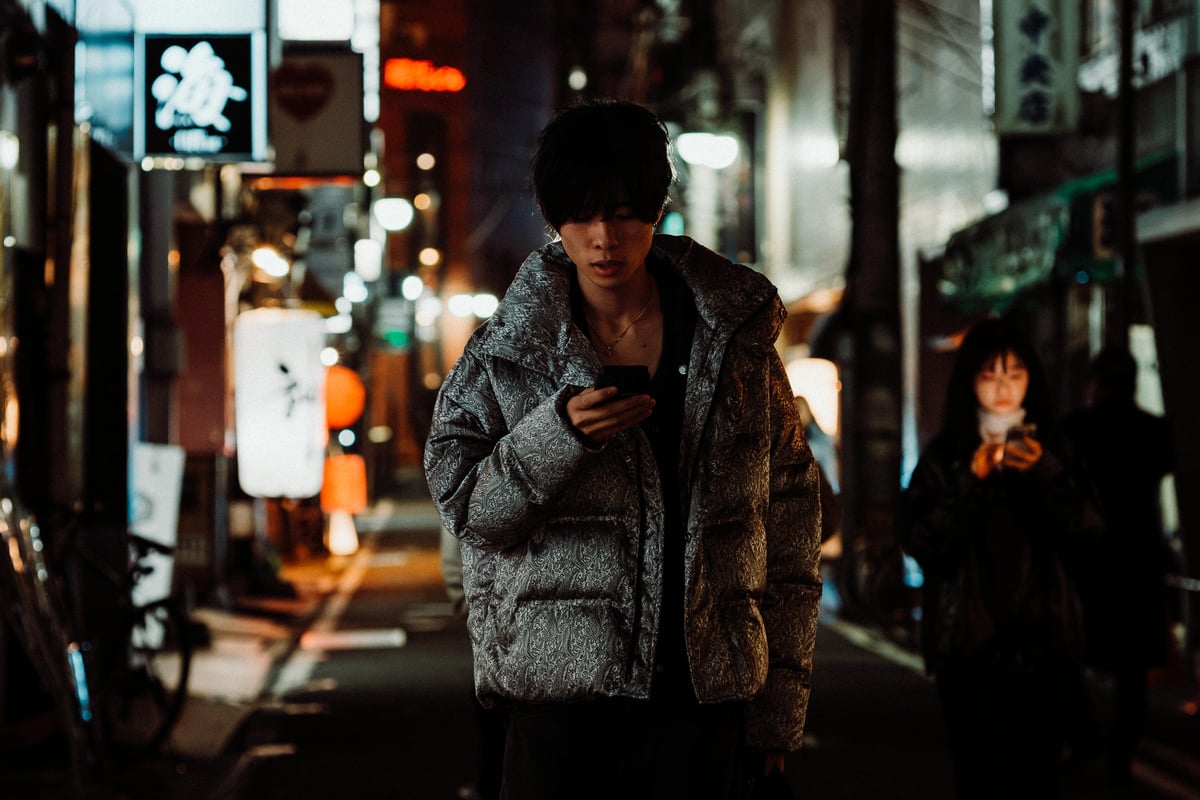
Samples were taken with the Leica M11. Core Color and Ono B&W Presets editing with LR and Photoshop.
On a lot of the landscapes, I’m doing an Orton-type effect to get that soft glow look. It’s just a duplicated layer blurred heavily with a Gaussian Blur then opacity adjusted to around 20%. Then I brush out areas where I want it less. I’m also using Topaz to clean up the noise on some Landscape shots as well.








Leave a Reply