
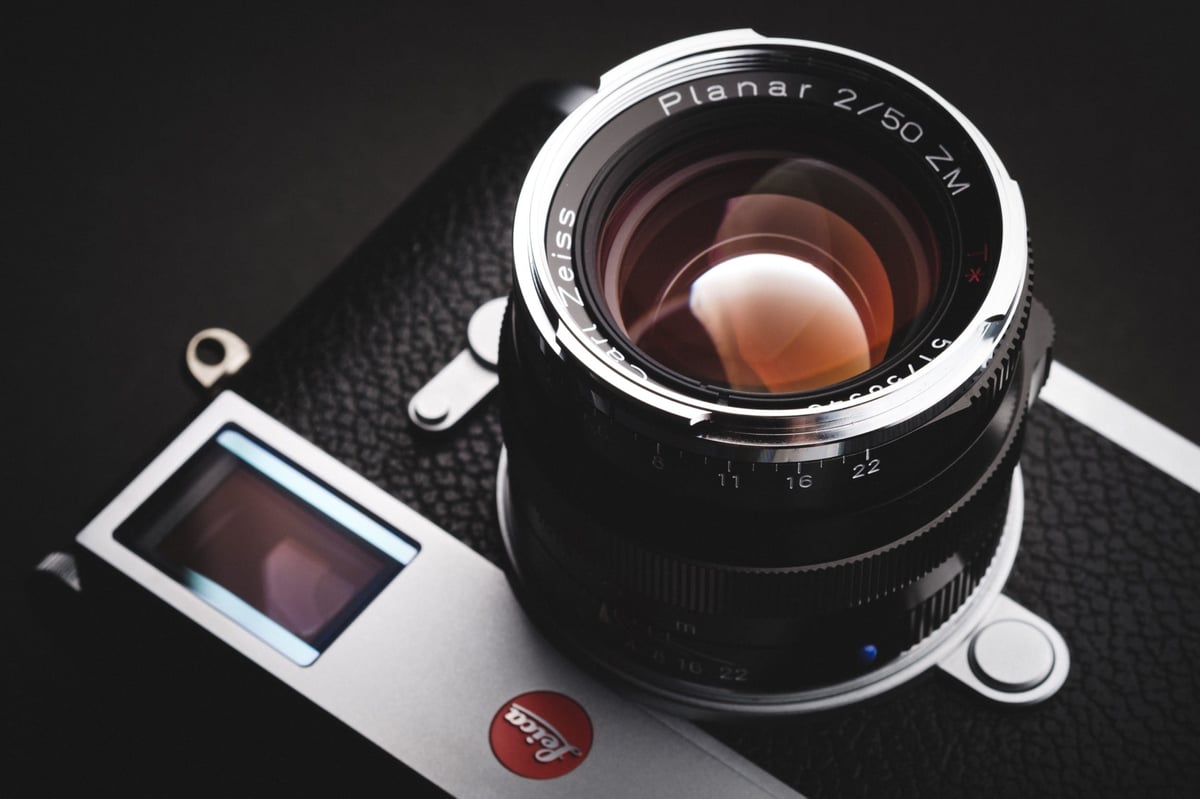
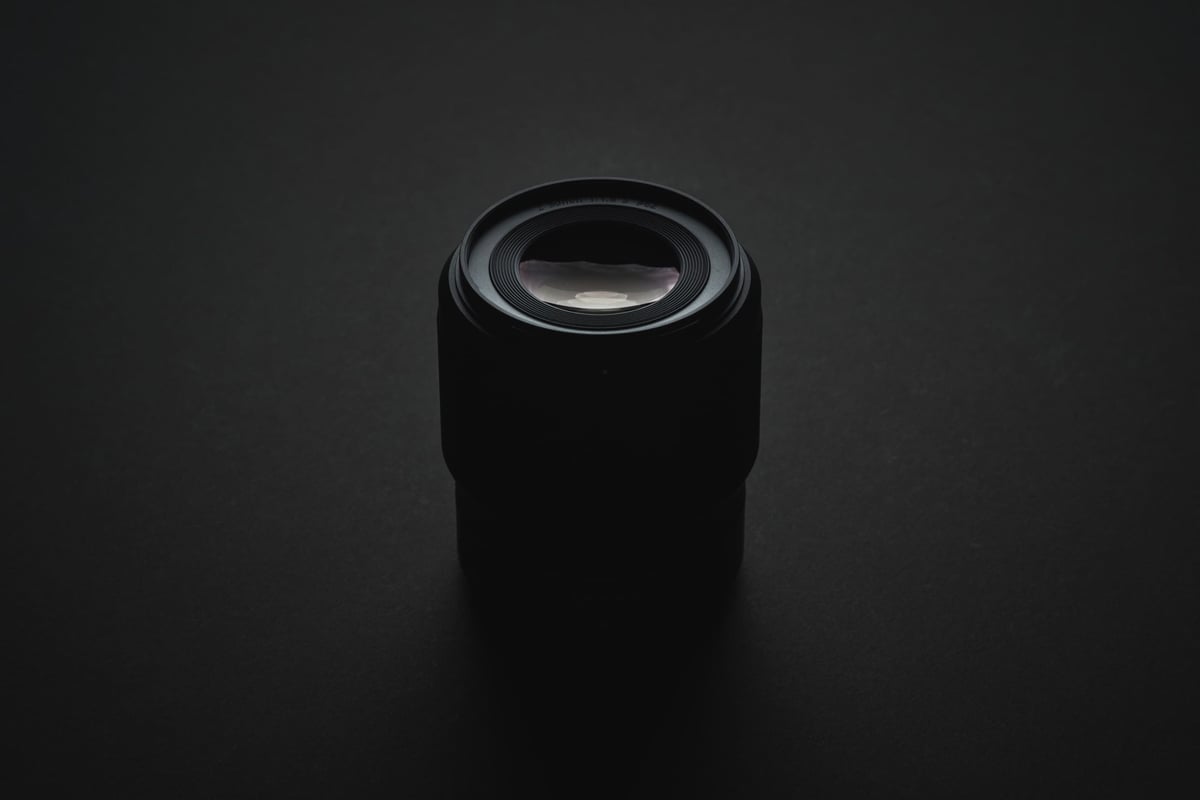
The Planar T* 50mm f2 ZM by ZEISS is the standard lens for the ZM system. It offers high resolution, sharpness, and almost no vignetting, resulting in very consistent rendering. Its T* anti-reflective coating minimizes flare and ghosting, while manual focus allows for shots as close as 2.3′.
The Zeiss Planar 50mm f2 might just be the perfect affordable M-mount rangefinder lens, or is it?
Lens Specs
| Focal Length: 50mm Aperture Blade: 10 Aperture: f2 – f22 Elements: 6/4 Coatings: T* Aspherical: None Weather-Sealed: No Minimum Focus Distance: 2.3′ / 70 cm Filter Threads: 43mm Weight: 8.1 oz / 230 g |
Zeiss Planar T* 50mm f2 – Amazon / Adorama / B&H
Zeiss 50mm Lens Hood – Adorama / B&H
B+W 43mm UV Filter – Adorama / B&H
Also see all the other Leica M Lenses.
Pros – Built like a tank, good image quality, sharp, very punchy contrast and color, nice character, good sun stars, very good flare control, great CA control.
Cons – Some distortion, sometimes some chattery bokeh with CA on the edges of the high-contrast bokeh balls, and some field curvature.
Notes: While this lens is very sharp all around, I wish it were just a hair cleaner at f2. Other aspherical lenses usually have a flatter field curvature, so they are sharper in the corners when shooting flat surfaces. Bokeh balls have some edging, which can sometimes create chattery bokeh.

Zeiss Planar T* 50mm f2 Review – First Impressions
I originally started shooting with rangefinders on the Leica M6 and had the Voigtlander 50mm f1.5 II as my go-to 50 for the last year. It’s a pretty good lens, but not really my favorite for everyday shooting. It gets a little too soft and wide open, with strange bokeh at times, and renders with a slightly dreamier vibe, which makes it better suited for portraits.
I mention this because so many people will tell you just to buy the Voigtlander. After all, it’s just as good once you stop it down to f2. Sharpness, yes; character, no. It’s just a completely different lens with a totally different look.
The other rangefinder 50mm I often use is the Kipon 50mm f2.4, also a nice lens in terms of character. Still, my first generation of that lens is out of calibration, and it shows some strange vignetting at infinity focus. While optically, I really like the rendering of the Kipon, it doesn’t have the T* Zeiss coatings, and I wanted a 50 that was a little smaller and a little bit more controlled in harsh lighting. So this Zeiss 50mm f2 is kind of the perfect general-purpose lens without spending a ton of money on the APO Leica or adding size and weight with the Voigtlander APO 50mm f2.
Eventually, I need to graduate to some Leica 50s. They updated the Summilux in 2023, but I want to hold out a little longer to see if they also update the Sumicron, since I don’t really feel like I need an f1.4 manual-focus 50mm lens that costs as much as a car. It’s a bit overkill, plus I like shooting full frame at f2-f4. I think it looks more classic/film anyway.
What Makes the Zeiss 50mm f/2 Special?
These Zeiss lenses have a few features that make them really different and may be a better option than almost anything else out there. For one, the build quality is top-notch. It’s not just that they’re “made of metal, so the build is good”. It’s more than that, and I’ve had plenty of terrible metal lenses.
With these ZM lenses, the focus and aperture feel buttery smooth with perfect resistance (something always lacking from Voigtlander lenses). The size and weight of the lens are in that ideal sweet spot, and then the rendering is just excellent. You can use it for portraits and landscapes; at f2, without modern sensors, it performs well in low light.
Many brands try to make their 50s too small and fast, and you end up with bokeh along the edges that just gets a little crazy. Overall, the Zeiss here has a really nice balance between its character and size.
And then there is the Zeiss contrast.
The Zeiss Lens Pop
With the deep contrast and rich colors, you definitely get that signature Zeiss lens pop. Here is a sample using my advanced animal eye detection system called ‘Focus Peaking.’
Zeiss lenses have a unique contrast profile where blacks and mids are pushed down a little deeper, which really makes the images come alive. They also typically use fewer elements, which helps with some of the tonal structure and color. But now, after owning many Zeiss lenses, I think the look mostly comes from how they handle contrast. – More on this later.

Build Quality
Voigtlander vs Zeiss, Why Zeiss is Better
I’ve had a few Zeiss lenses and many Cosina Voigtlander lenses, and I’ve never really been impressed by the build quality of the Voigtlander lenses. They’re fine but not amazing, and I think many Chinese brands, like TTArtisans or Kipon, have mostly caught up to Voigtlander. It seems like the only advantage Cosina has now over the newer brands is its coatings and maybe some range finder calibration quality control.
I keep having problems with Voigtlander lenses in general. Their apertures are always too loose; some of the lenses tend to suck in dust, and almost half the lenses I get from them have decentric issues, which may be due to damage in shipping. Strangely, this never happens with Sony or Nikon lenses; they are always perfect, so there seems to be some weakness with Cosina lenses here. I’ve also had one bad Zeiss lens where the mount was super stiff, and the far-right corner was very soft. Leica M film cameras sometimes have slightly loose mounts, so it’s possible some of these old ZM lenses were designed to accommodate older tolerances of M bodies.
One really nice thing about these Zeiss M lenses is that many of them were released in the mid-2000s, and the Planar 50mm f/2 was released in 2005. Not just that, but many of these lenses I’ve read about have received some silent improvements over the years, so you’re getting a very tried-and-tested design. With the Voigtlander lens, it almost seems like they are basically just prototypes designed for the marketing team (“Vintage Line”) that were released for a few years, then discontinued. Don’t get me wrong, though; sometimes the Voigtlander lenses are excellent, but it’s strange when they discontinue some of their best designs around, like the 35mm f1.7 Ultron.
It seems my Planar 50mm f2 is a near-perfect copy; this is especially nice on my 60MP camera, which can really highlight any imperfections.
The only problem I can think of is that most of the Zeiss lenses I’ve tried have a minor issue: depending on the camera’s orientation, the outer focusing barrel sticks, or it sticks when applying any pressure to the outer barrel while concentrating. Likely, Zeiss is using some internal focusing design that is causing this. I’ve also heard that some of the internal focusing rollers can wear over time, but I have no confirmation of this without opening the lens. It also seems like that’s an issue, too, where you could always just have Cosina service it.
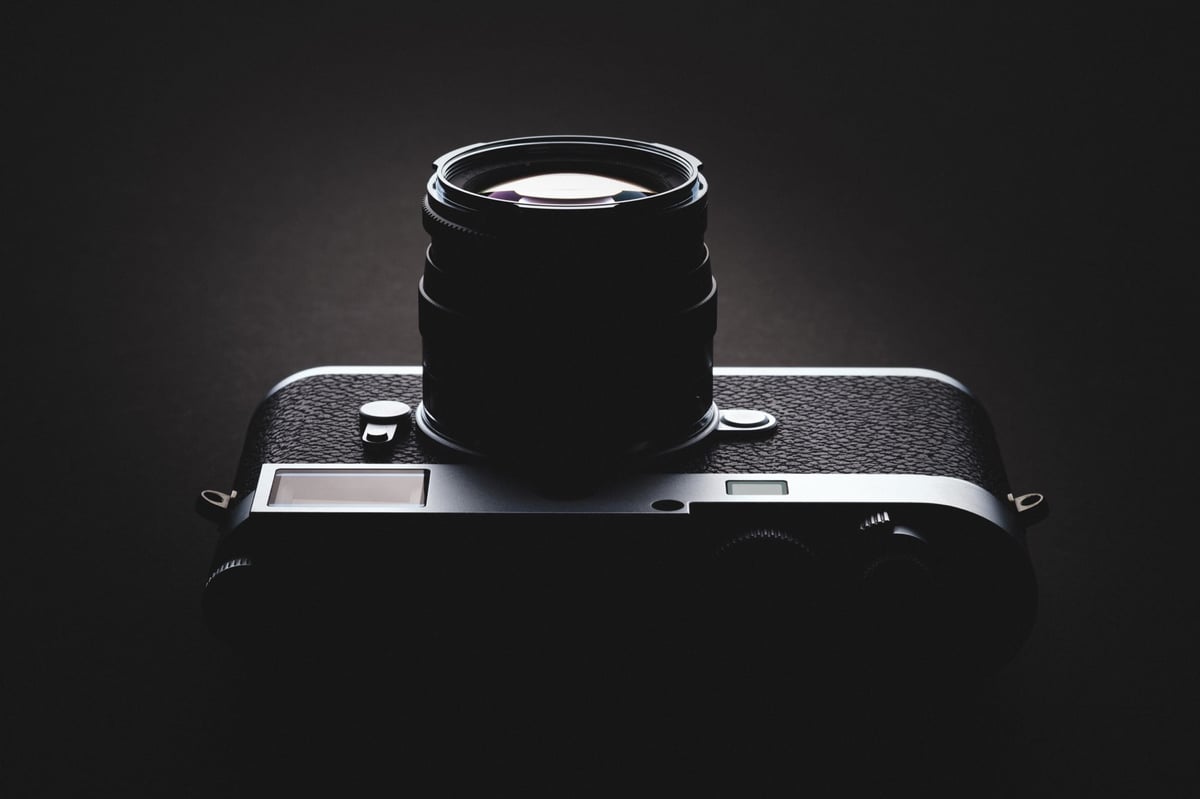
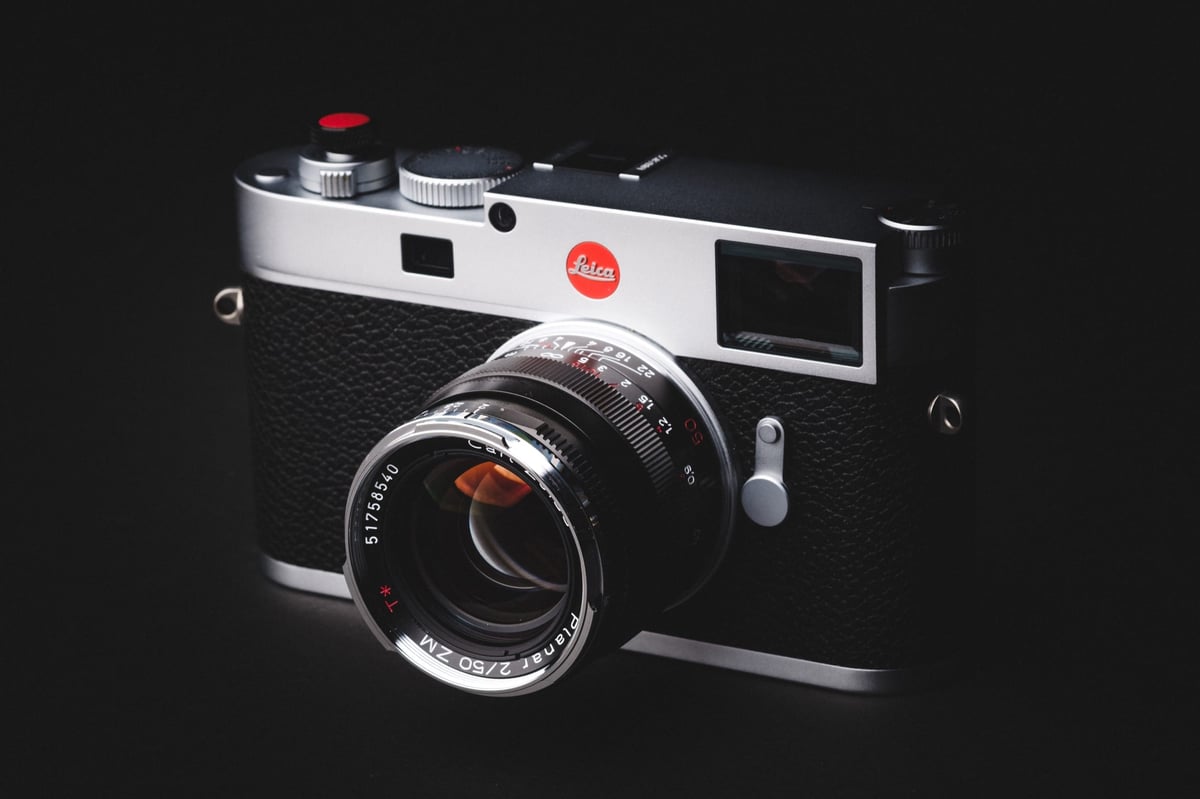
Zeiss 50mm f2 Build Quality
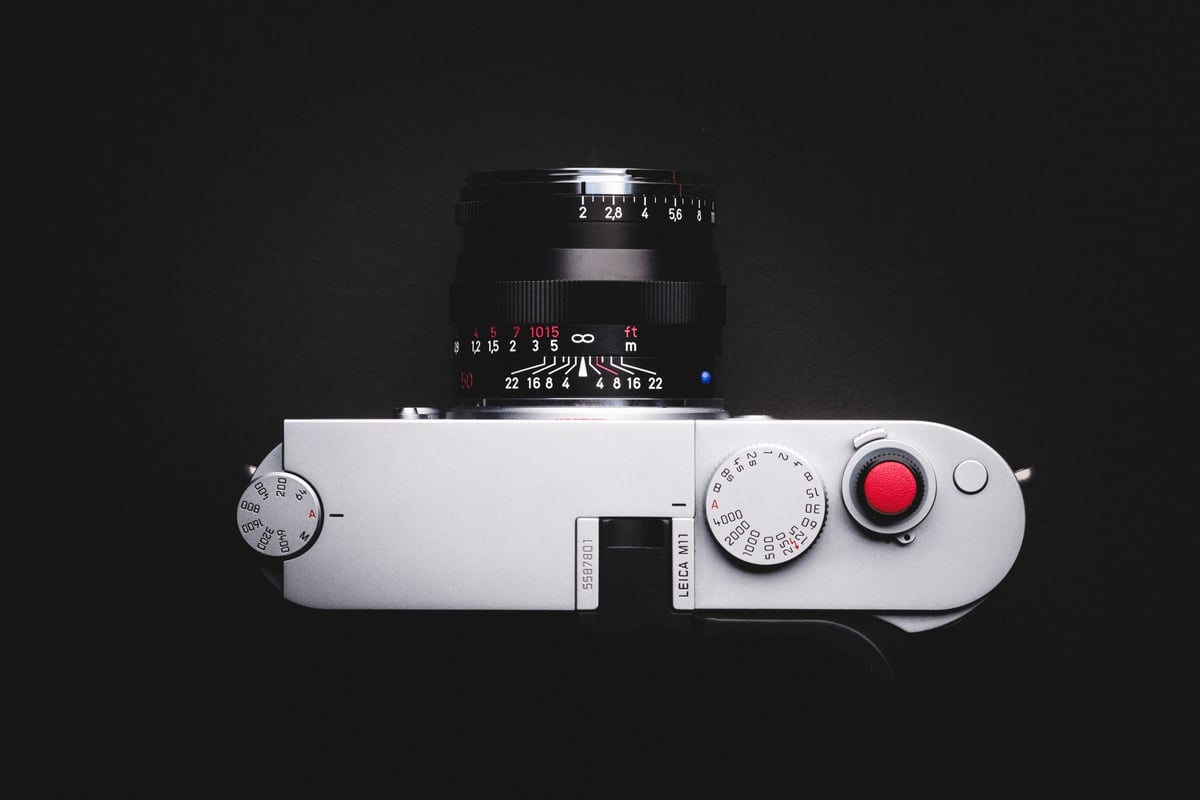
My Zeiss 50mm f2 has very nice aperture resistance and clicks, and very smooth focusing, with only some minor stick when the camera is in portrait orientation. Currently, no wiggl,e but the lens is still new, I’ll update in a year or so if any wiggle appears.
The focus throw is about 90 degrees, and the aperture is set in third-stop increments, so it takes 3 clicks to go from f2 to f2.8.
Overall, it’s a really nice lens; the usability is superb, it feels great, everything is smooth and feels well-built, and it’s a lot of fun and very satisfying to use.
Technical Overview

Sharpness
Overall, this lens is very sharp given its size. For the best performance, you’ll want to be between f2.8 and f8, with the sweet spot between f4 and f5.6. You also won’t want to shoot much more than f/11 on the higher-megapixel cameras.
While there is a drop in sharpness at f2, it’s still very good. Sharpness really clicks in at f2.8 in the center and continues to improve up until about f5.6. At f8, we see good, consistent sharpness across the whole frame, but we see a slight drop in center sharpness compared to f5.6 due to diffraction on the higher-megapixel M11.
Center Sharpness
Center sharpness is pretty good at f2 for a 60MP sensor, but then really snaps into detail at f2.8, with the sweet spot being at around f4 to f5.6. At f8 and above, we start to see diffraction come into play, and somewhere between f11 and f16, the sharpness drops back down to what we saw at around f2.

Mid-Frame Sharpness
Midframe sharpness is not too different than what we see with center sharpness. You can see again it’s slightly softer at f2.

Edge Sharpness
There is a drop in sharpness towards the edges, likely from field curvature. This means the corners and edges are slightly out of focus due to the shallow depth of field. By f8, the sharpness kicks back in.
If you focused on the edges, you would likely see better results.

Corner Sharpness
Similar to the edge of the frame, we see a drop in corner sharpness compared to the center until about f8.

Distortion
There is some barrel distortion with what looks like a very subtle mustache shape. I was struggling with my wall shots.

Vignetting
Very minor vignetting at f2. I actually never noticed it until I shot these samples.
This was shot at infinity. There is a little more vignetting at infinity compared to at close focus.

Chromatic Aberrations
Even with a stress test, the CA in the out-of-focus high-contrast areas is very manageable.

Out-of-focus bokeh balls will often have a green or teal outline in the background bokeh or purple in the foreground. This is a 100% crop.

Flaring
Flaring is very well controlled. This is about the most I can get it to flair, just a little bit of color on the bottom left of the frame.

Sunstars
Pretty decent sun stars at f8. You can sometimes tighten them up a little at higher apertures. And car headlights at night usually look a little tighter than this. No CA at f8 here in this high-contrast situation.

Art & Character

The Zeiss 50mm f/2 Planar has excellent characteristics, but it can be nervous and messy at times with far-distant subjects. You’ll sometimes see some teal or blue borders around some of the bright, out-of-focus bokeh balls. Its strengths are strong contrast, micro-contrast, and color rendering. Overall, it has a very classic approach to rendering contrast, making it an excellent lens for black-and-white photography.
Bokeh
Like with many small, non-aspherical classic lenses, bokeh can get a little busy in some situations, and the depth of field feels deeper in the center than in the edges, but at least there are no onion rings in the bokeh balls.
Bokeh remains very rich in color and saturation, and as long as you keep the subject close, the background will be buttery smooth.


Bokeh Samples
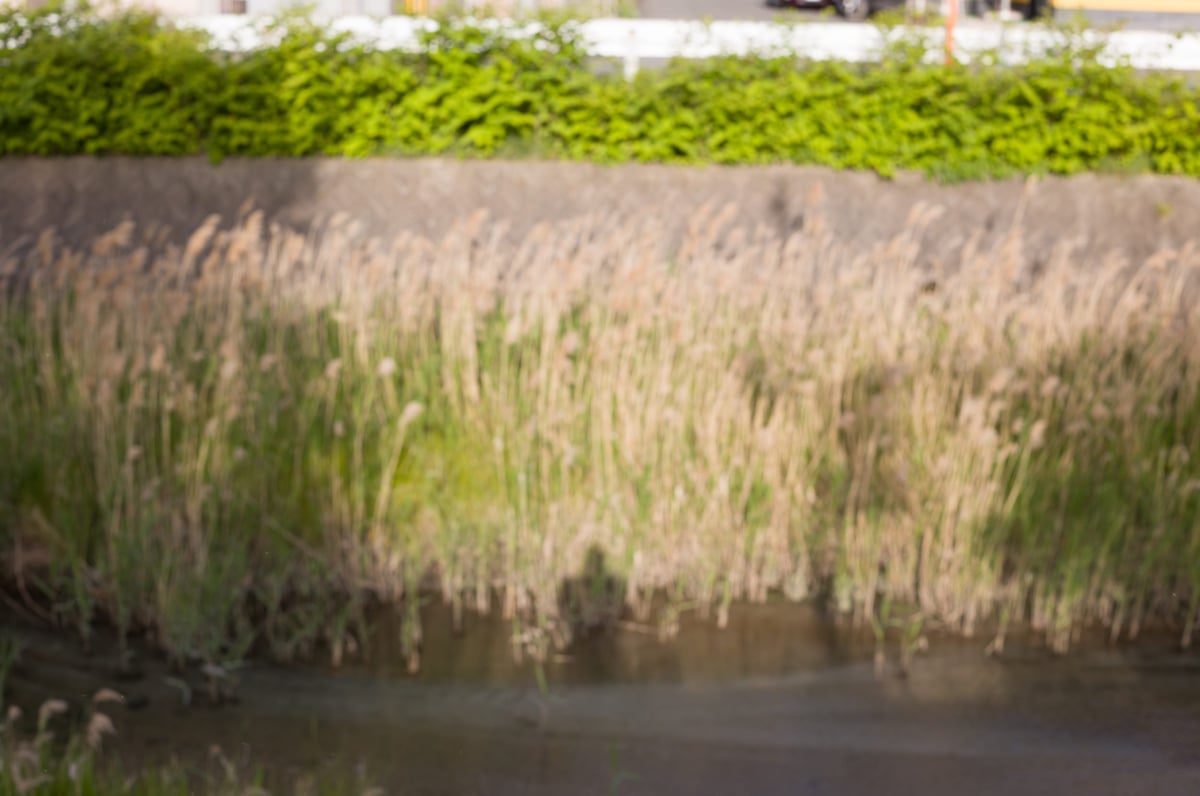
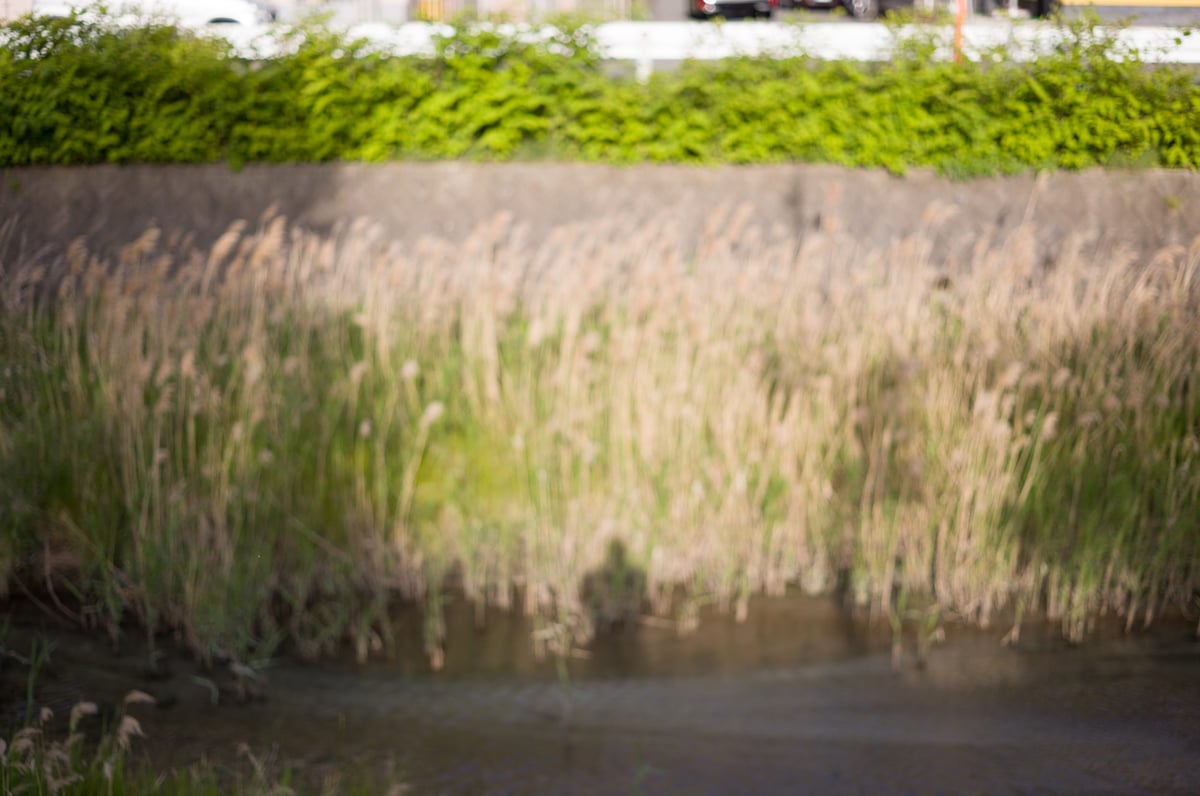
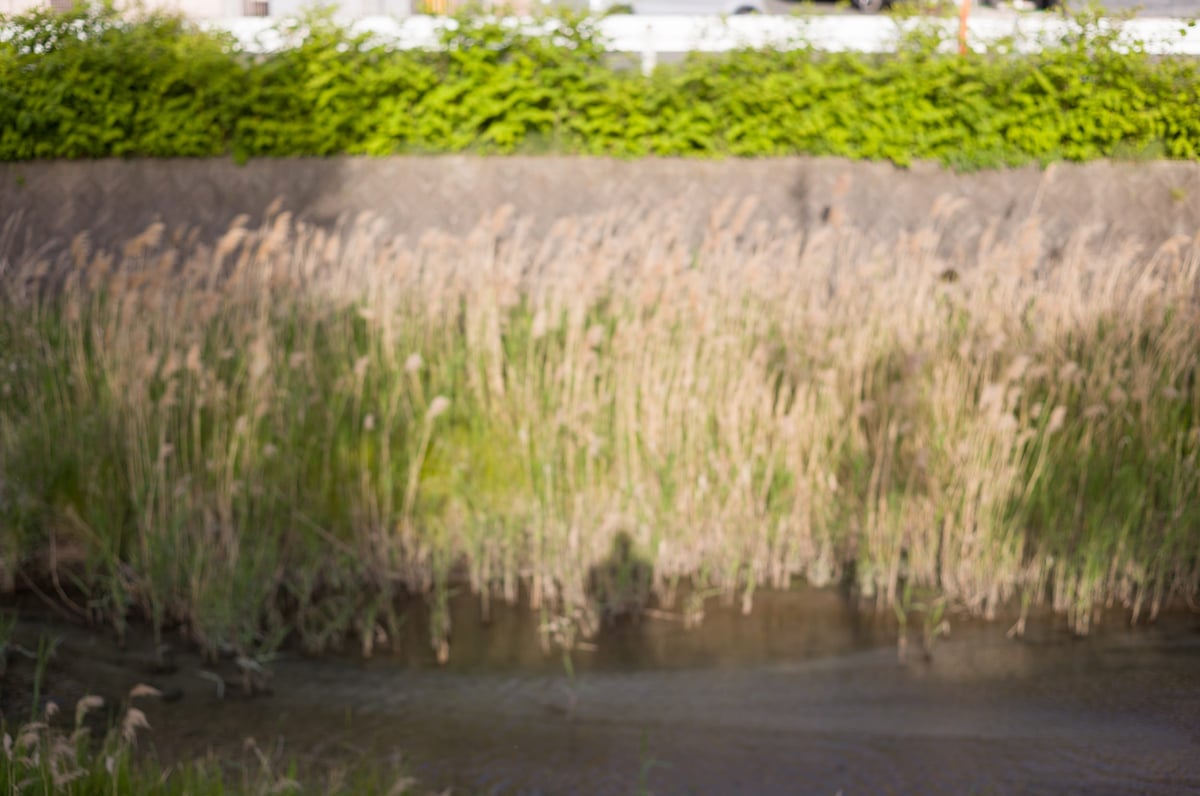
Since bokeh varies with subjects at different ranges, I set up a few samples focusing on various lengths. You can see my shadow to have a reference of how far away the background is—probably about the length of a two-lane road. Longer and shorter backgrounds will also create slightly different looks.
Focus set to 3 feet / 91cm.
When the subject is within three feet, the background looks smooth.




Focus set to 5 feet / 152cm
When the subject is about 5 feet away, the background introduces a little chatter along the edges with some mild swirl. If you were shooting APS-C, you would likely not see much of that chattery swirl.



Focus set to 10 Feet / 304cm
By 10 feet, we lose a lot of that sweet, sweet bokeh, and there is a lot more chatter.
Contrast / Color / Micro-Contrast

This is a very unique lens when it comes to Contrast and color. I sometimes think it might be a little less saturated compared to some of my other modern lenses, or it could just be that Zeiss lenses tend to render a little on the cooler side, so skin tones feel a little less saturated.
This lens, like many Zeiss lenses I’ve tried, has a unique contrast profile with deep shadows and mid-tones.
This heavier contrast can make the images pop slightly more than most lenses, but it’s not necessarily due to good micro-contrast. For a 6-element lens, the tonality can be a little muddier, especially in the shadows, compared to some other high micro-contrast lenses. I think sometimes having some lifted blacks can help the image tonally feel smoother and more organic. Instead, we get a very strong curve from the shadows and mid-tones into the highlights. It’s not a bad thing; it’s just unique to Zeiss.
It still performs very well for such a small 50mm f2, and that unique, heavy contrast makes it great for film or as a 50mm that will always produce very punchy images, which means it might pair nicely with Fujifilm shooters who like to shoot on custom JPG recipes.
Here we compare it to the Nikon 50mm f1.8 S – Probably still the best multipurpose 50mm ever made, that’s also very sharp.
To match these two shots, I had to increase the Zeiss saturation by +5 and adjust the color balance to warm it up, since the Zeiss image was slightly cooler.
I probably wouldn’t need saturation if I just added even more warmth, but as a note, this lens will make skin tones a little less saturated straight out of the camera because of the superb rendering. So either boost saturation +5 or add some warm temperature.
It seems like my Zeiss lenses have always run a little cooler as well. I think it’s a characteristic of the T* coating, as my Sony Zeiss lenses always felt a little cooler.
The Zeiss is not quite as sharp as the Nikon, but it’s close, half the size and weight, and starts at f2 instead of f1.8. Here I compare it at f/4, ISO 1000, with a 1/60 shutter speed.

Tonality is challenging to compare because the contrast is so different, but you can see the Zeiss image has a much grungier, more classic look, and it does jump out at you a little more. The modern Nikon 50mm f1.8 is buttery smooth.

For a lens released in 2005 and so small and light, it still performs great against some of the Titan brands, with all the latest coatings and optics.
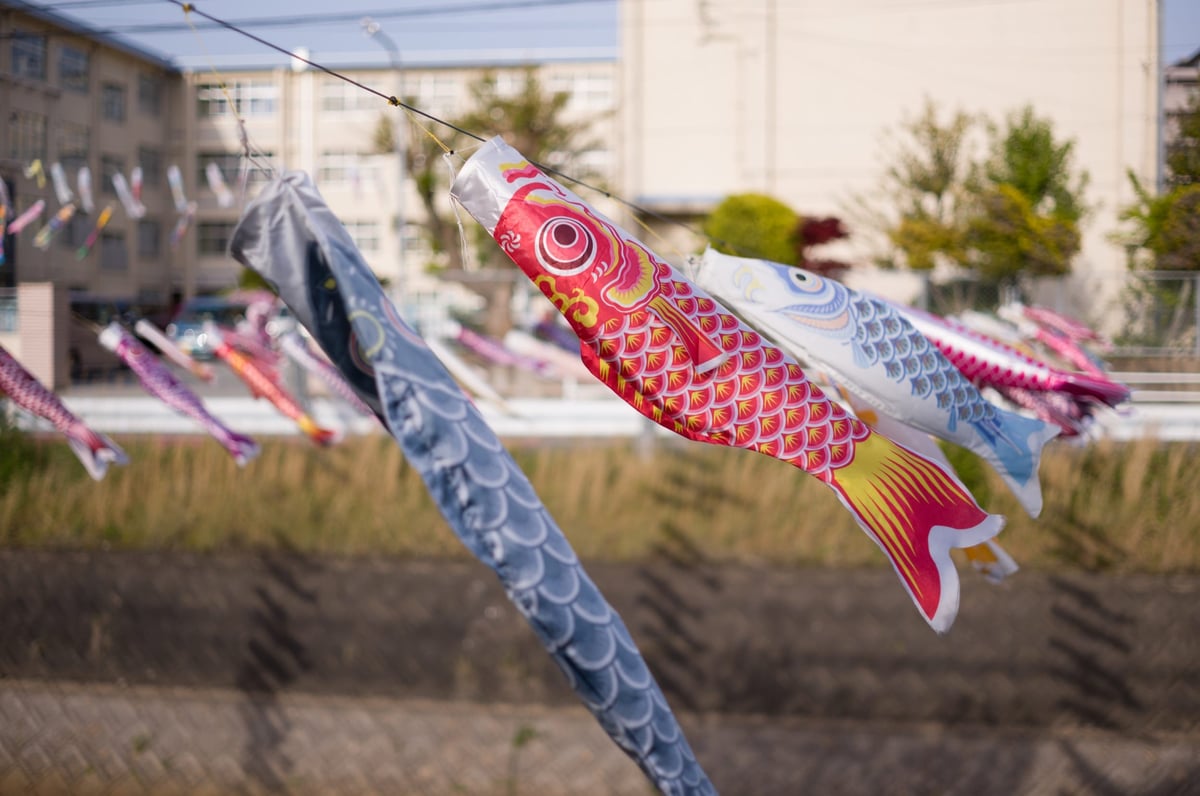
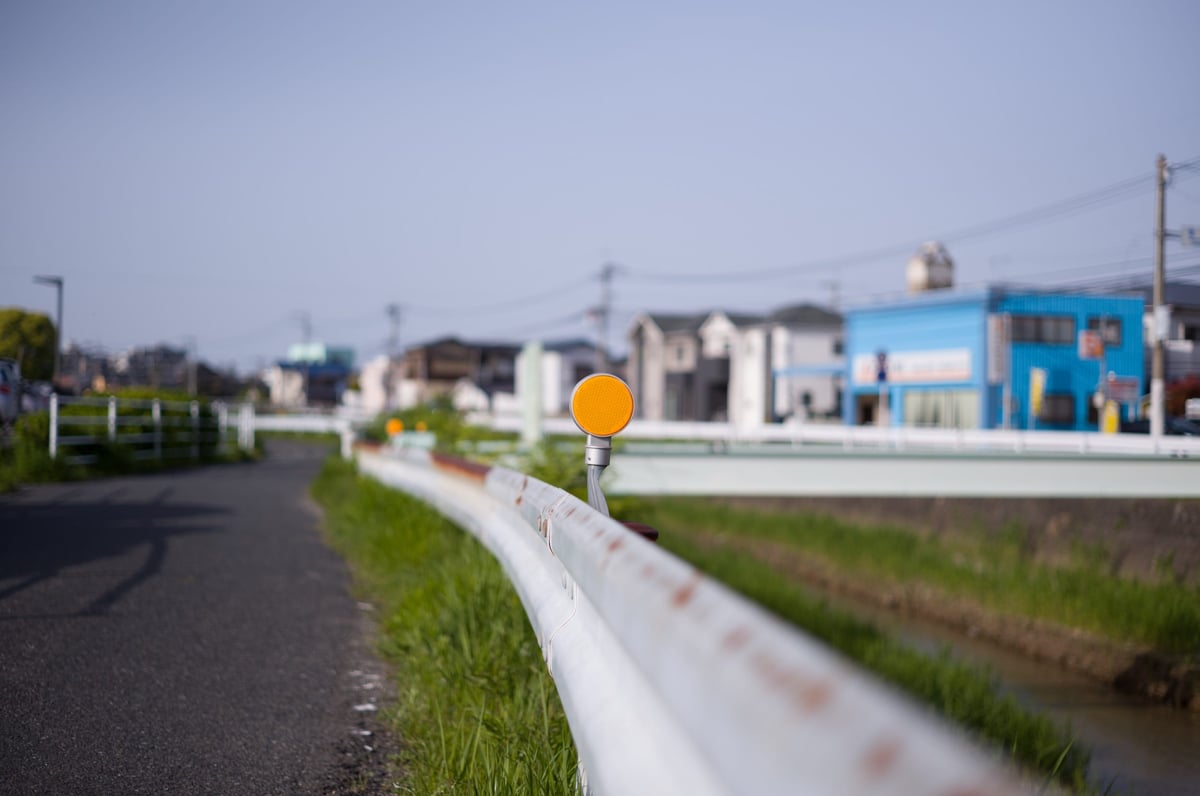
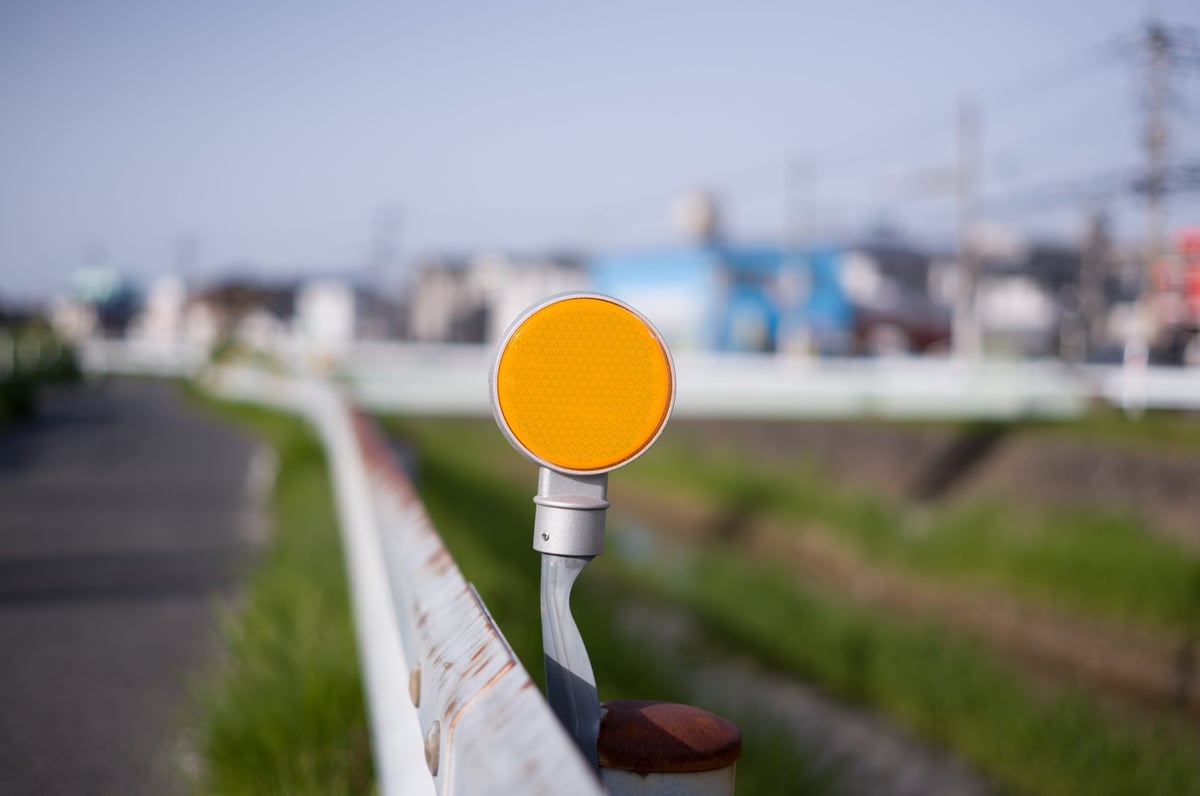
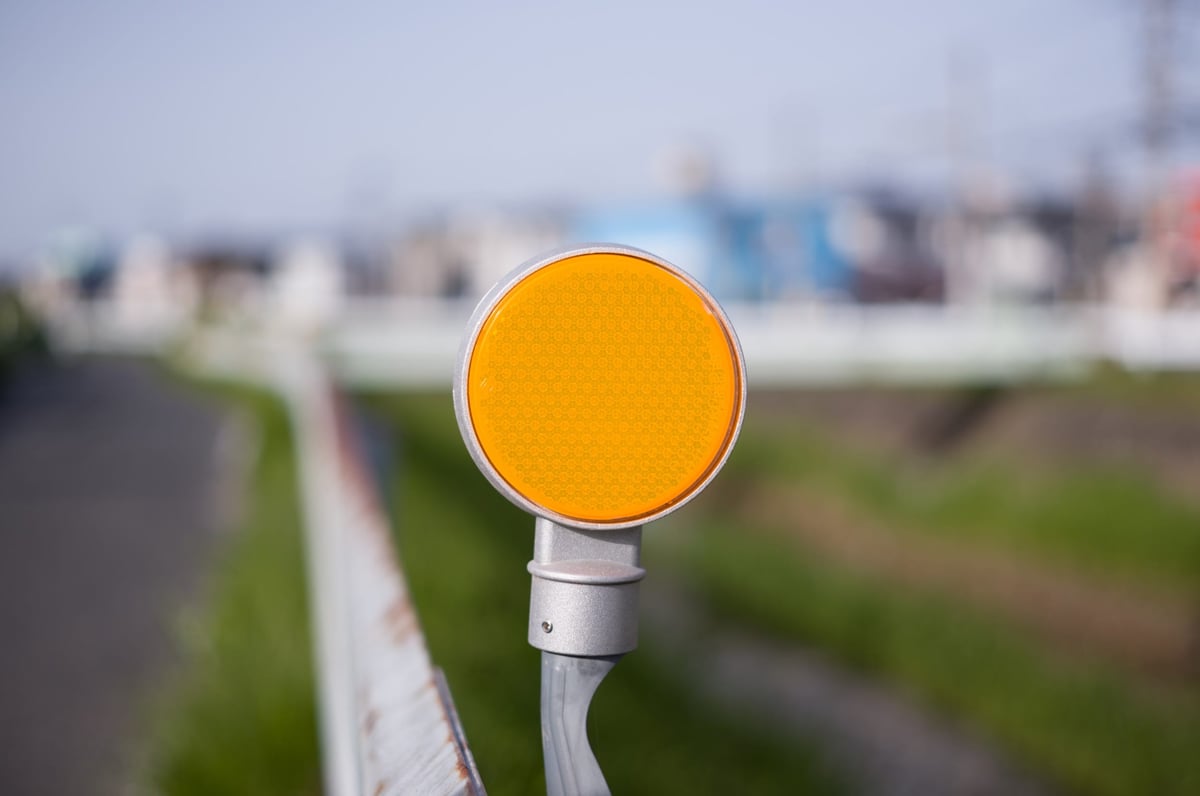
Here are some samples of that signature Zeiss look. After owning several Zeiss lenses, it’s become clear to me that there is a style across their lenses that makes them unique.


Straight Out Of Camera Samples
Shot on the Leica M11.



Zeiss 50mm f2 Review – Bottom Line
Overall, the Zeiss Planar 50mm f/2 lens is a fantastic choice for photographers who demand high image quality and control. Its sharpness, resolution, and almost non-existent vignetting make it a standout choice for everything from landscape photography to portraits. It’s small, fun to use, and has a punchy rendering with few in-your-face flaws. Plus, the unique Zeiss contrast profile gives it a ton of pop.
For a classic non-aspherical 50mm lens, there really isn’t much better than this, especially in this price range. There are some other great 50s out there, with different characteristics. Still, the Zeiss 50mm f2 is probably one of the best-balanced classic 50mm lenses for photographers who aren’t just chasing bokeh or a perfect, clinical style.
That being said, there are many better modern 50mm lenses out there if you’re looking for ultimate image quality. The Nikon 50mm f1.8 or the Voigtländer APO 50mm f2 outperforms this lens in image quality. However, it still comes close enough for those who are not pixel-picking but want some unique classic characteristics.
Other Lenses to Consider
Voigtlander 50 mm f1.5 II– This is more of a portrait dream machine with a slightly more modern optical design, but still holding on to a classic look. I like the lens, and I would take this lens over the Zeiss if I were also shooting a lot of APS-C or a lot of full-frame portraits, but it is pretty soft at f1.5 – some portrait shooters like this softness; some hate it. It has a dreamier quality. Voigtlander’s build quality is noticeably inferior to Zeiss and Leica, and this lens likes to suck in a lot of dust. The Nickel version is probably too heavy in combination with a brass Leica.
Kipon 50mm f2.4 – This is a slightly larger lens, but with the same principle as a non-aspherical classic design. This lens will actually give you a much more classic, characterful look, thanks to the softer blacks from the weaker coatings. It’s an alternate look to the ultra-gritty Zeiss Planar 50mm f/2. I also think it has nicer bokeh. The only fundamental flaw of this lens is that you can get some almost-barrel vignetting at infinity focus, which prevents me from being totally in love with it, like I am with the Kipon 75mm f2.4.
Leica Summicron 50mm f/2 – I don’t have this lens yet; it’s similar in concept, but it doesn’t look as sexy as the ZEISS, in my opinion. This has been the main driver for the lack of excitement I’ve had about getting this lens. Slightly smaller than the Zeiss 50mm f2 or the Kipon. I can’t imagine it rendering that much differently than the Zeiss, other than it would have different coatings that would give it a different color and contrast.
For A More Modern Look
Voigtlander APO 50mm f2 – Similar to the Leica APO, this Voigtlander will deliver near-perfect performance, with excellent CA control and better corner and edge performance than the non-aspherical options. You’ll have to move up to a larger, heavier lens, and it will produce a more modern, cleaner look overall, since it uses a much more contemporary design with advanced elements. This lens has two double-sided aspherical elements in a 10-element, 8-group design.
Leica APO Summicron 50mm f/2 – This lens has a few nice advancements for photographers looking for something a little more modern. I haven’t noticed any shift in focus with the Zeiss 50mm f/2, but the APO Summicron features a floating element, so all distances should focus correctly on the rangefinder. Also, there is an aspherical element to flatten field curvature, and some exotic modern glass helps eliminate almost all CA. Usually, when I see lenses incorporating exotic, highly refractive elements (often polymers, not glass) with aspherical elements and higher-order designs, there is a reduction in micro-contrast and sometimes a little color. But I’m not sure you would see the difference in 6 to 8-element lenses. Sometimes, still, the lower element lenses I’ve seen have slightly better color and contrast. One nice thing about Leica’s aspherical elements is that they press them into shape rather than grind them, so you don’t get the onion-ring bokeh.
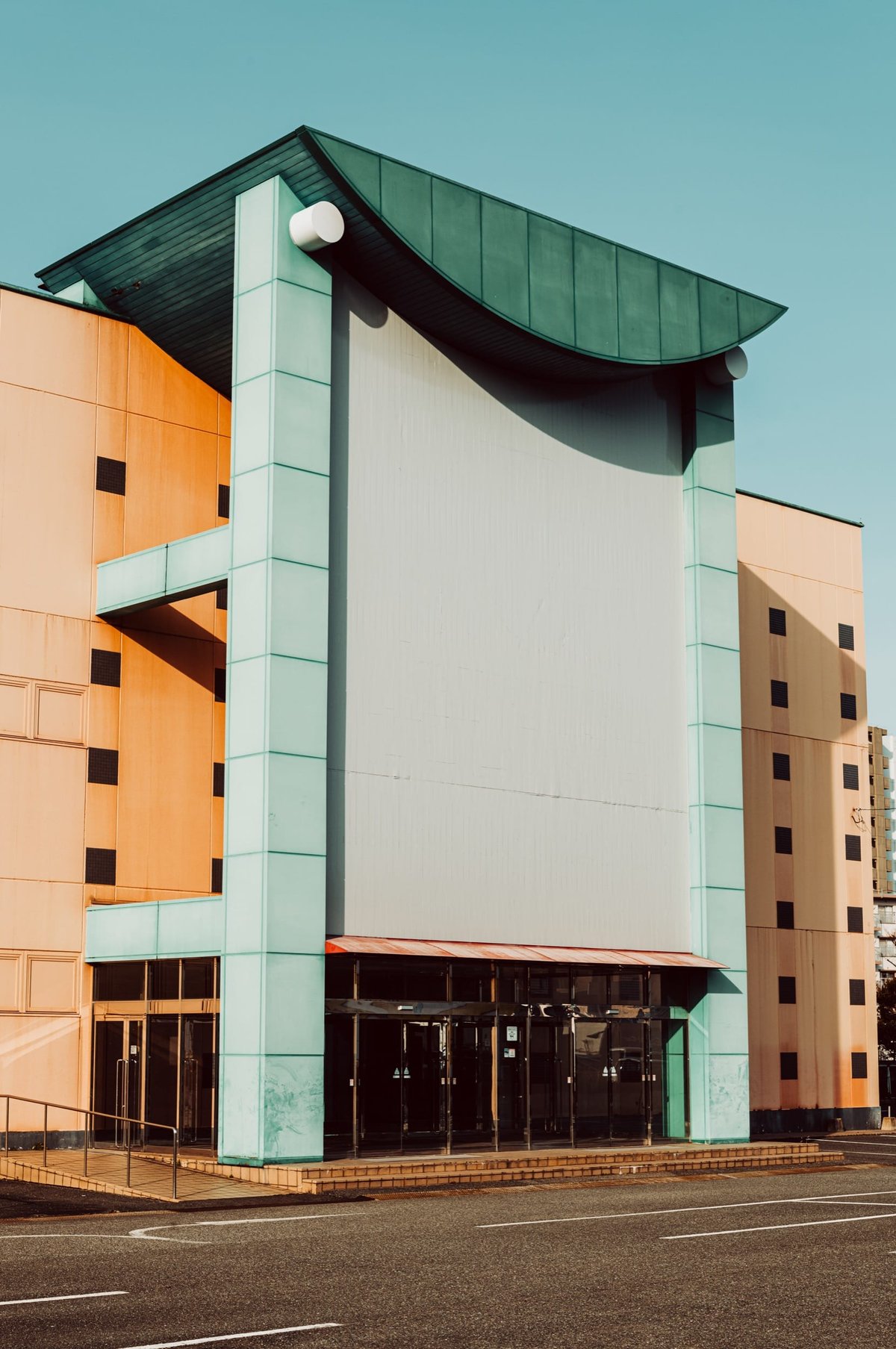
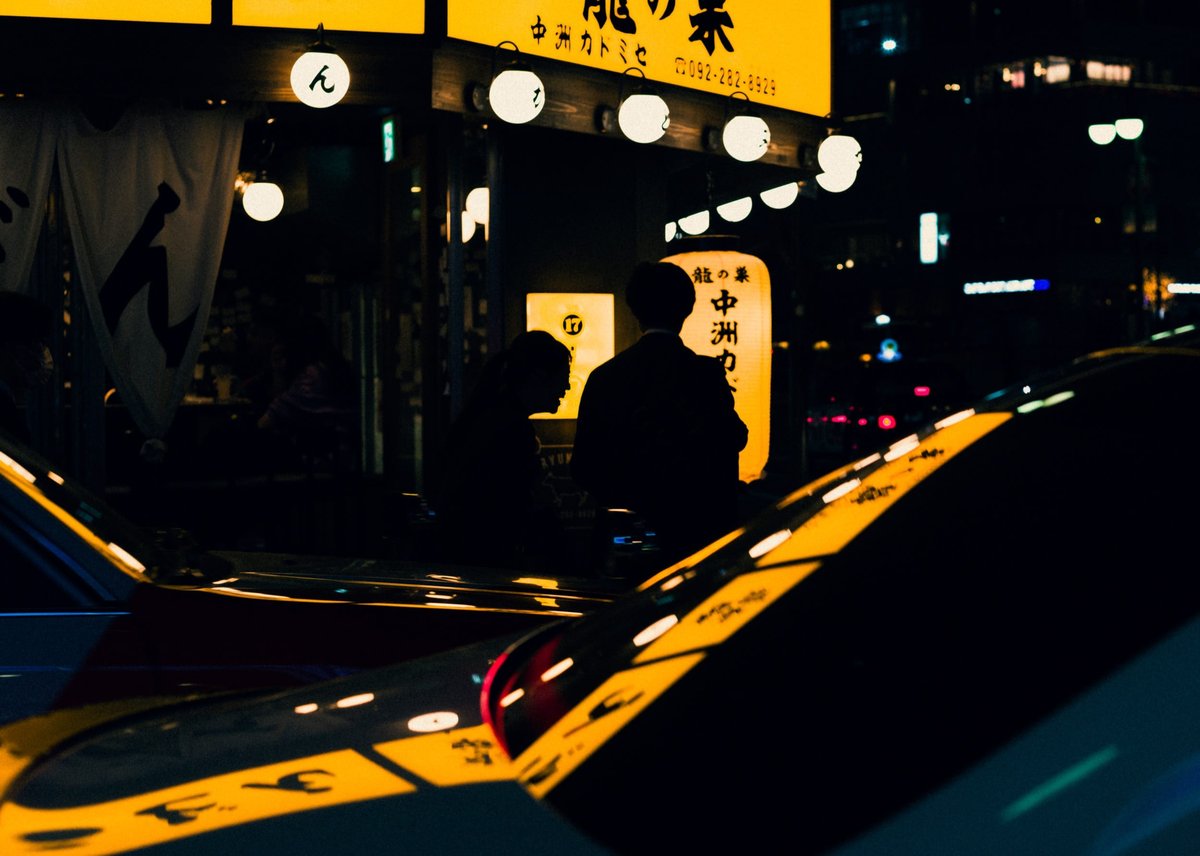
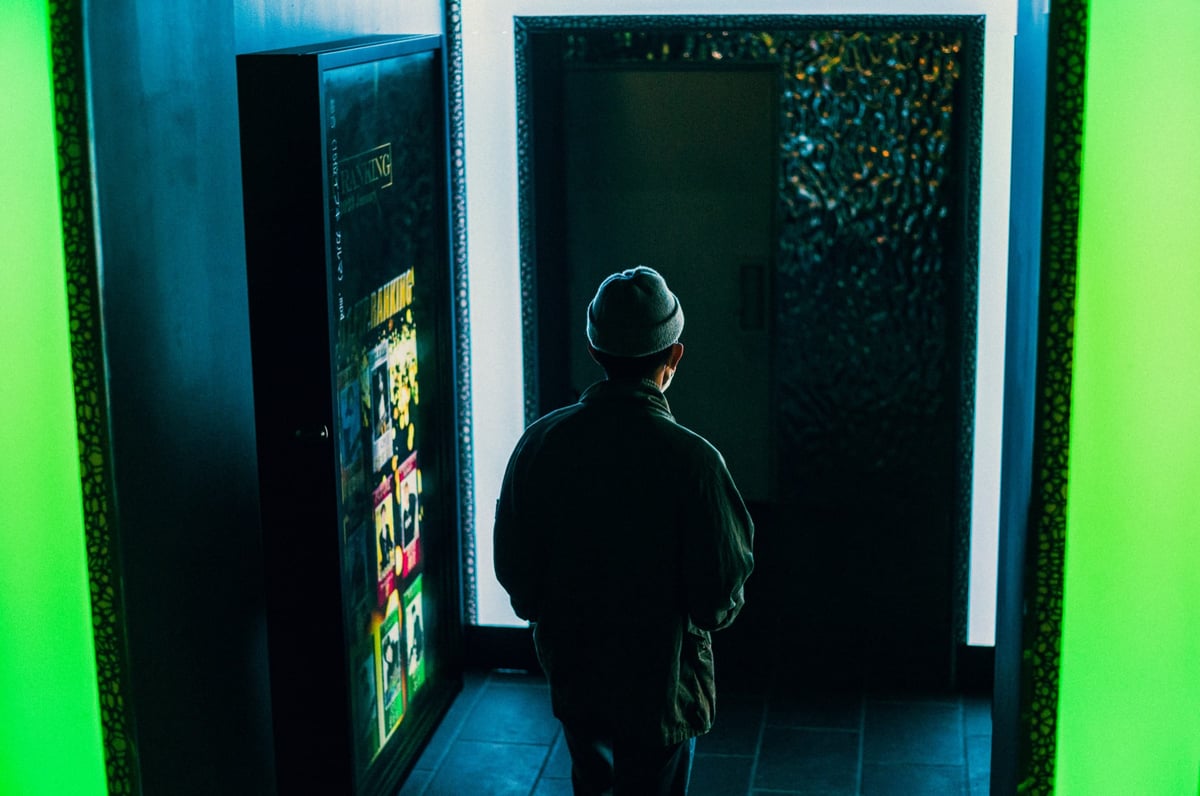
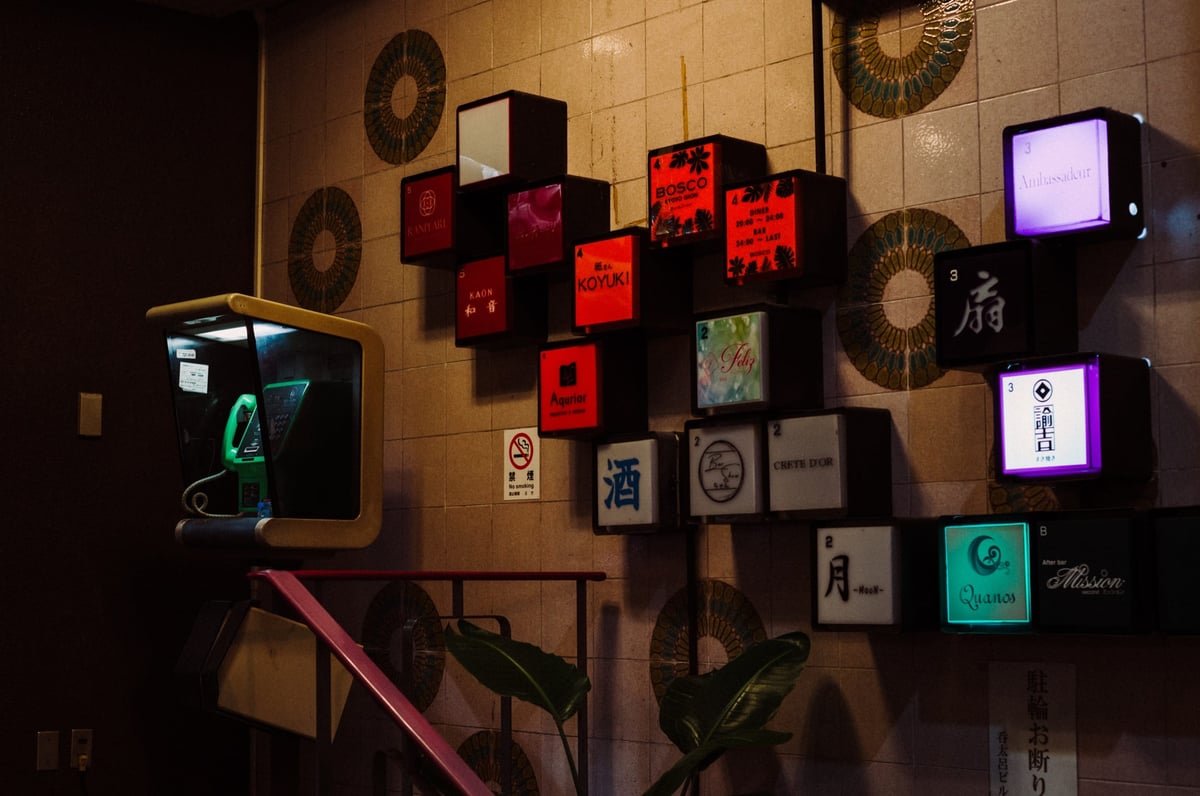
Zeiss 50mm f2 Sample Images
Zeiss Planar T* 50mm f2 – Amazon / Adorama / B&H
Sample images were shot on the Leica M11, colored with the Ono and Core Presets.

























Leave a Reply