
When a new manufacturer steps into the M-mount arena with an ambitious focal length like a 75mm f1.4, they are entering a space defined by some of the greatest lenses ever made. You’re competing against the legendary Summilux and the modern, clinical precision of the APO-Summicron.
While it’s a relatively newish third-party brand, the Thypoch Simera 75mm f1.4 doesn’t feel like a compromise. Thypoch lenses feel like a statement.
After spending a few weeks with it on the Leica M11, it’s clear that Thypoch isn’t just making lenses; they’re crafting high-performance optical tools for the serious rangefinder user.
Thypoch Simera 75mm f1.4 ASPH – Amazon / B&H
Use code ALIKGRIFFIN for an extra 5% off when ordering directly from: Thypoch.
See the rest of the Thypoch lineup in my Leica M lens list.
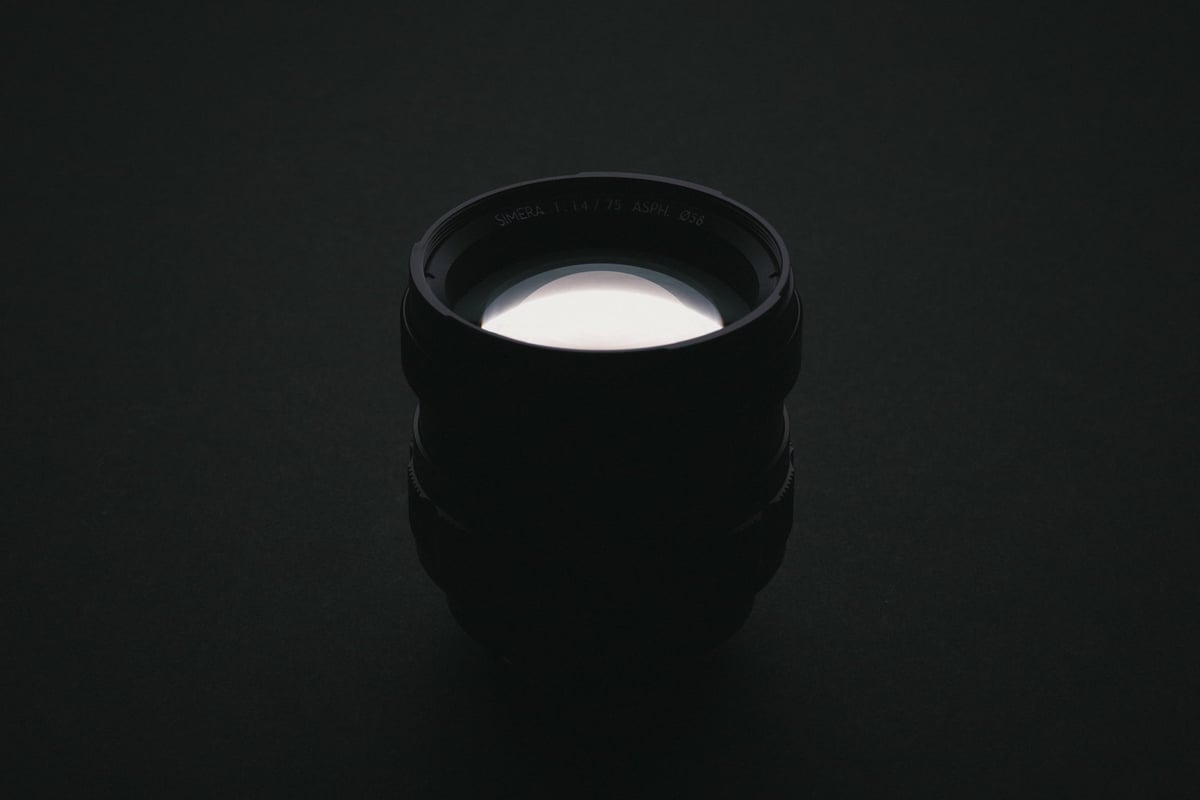
Pros: Very sharp corner to corner, sharper than the Voigtlander 75mm f1.5. Very accurate colors, great saturation, excellent contrast, amazing build quality and features, like the de-click aperture ring, the haptic 0.7m click and the 2′ or 61cm minimum focus distance. Very natural-feeling vignetting, and beautifully rich bokeh.
Cons: Minor CA in extreme situations when wide open. It will catch some hard flares at certain angles, and there is some distortion; it’s a bit heavier than the other M 75mm lenses.
Personal Thoughts
Disclaimer: Thypoch sent me the Simera 75mm f1.4 for review, which I will return, but also the 28mm f1.4 to keep, which I will review later. Which is pretty cool, I’ve wanted to try out another 75mm for the M mount, and I’ve heard only great things about Thypoch lenses, so I have been excited to test this out. This is one of those lenses that makes me excited to review lenses.
Let’s get to it!

The Results: Of all the 75mm M lenses I have, the Kipon 75mm f2.4 and the Voigtlander 75mm f1.5, the Thypoch has the most inspiring and most useful build. Aperture control with the de-click switch is perfect, and the focus controls all feel very fluid and high quality. I also love the look and love the overall feel of this lens.
It is one of the best-built lenses I own.
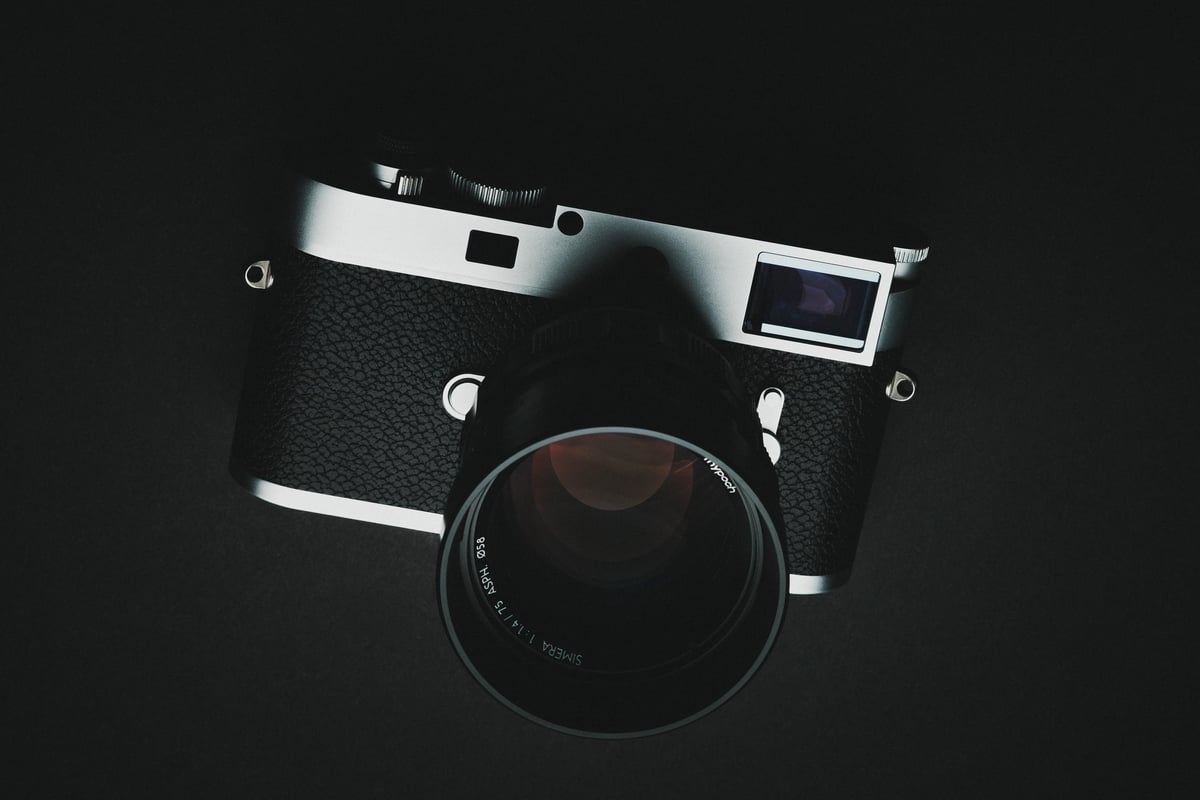
It is a bit heavy on the Leica M11, especially if you have the silver M11 with the brass body. This makes you feel like you’re carrying around a little tank, but that’s why I like it. Get to the gym, boys! And girls (no, you’re not going to get too buff)!

Image quality is amazing; it’s extremely sharp, and even impressively sharp at f1.4.
However, at f1.4, it loses some of the bite due to that wide-open glow from the aspherical aberrations, but you get it back at around f2 and beyond.
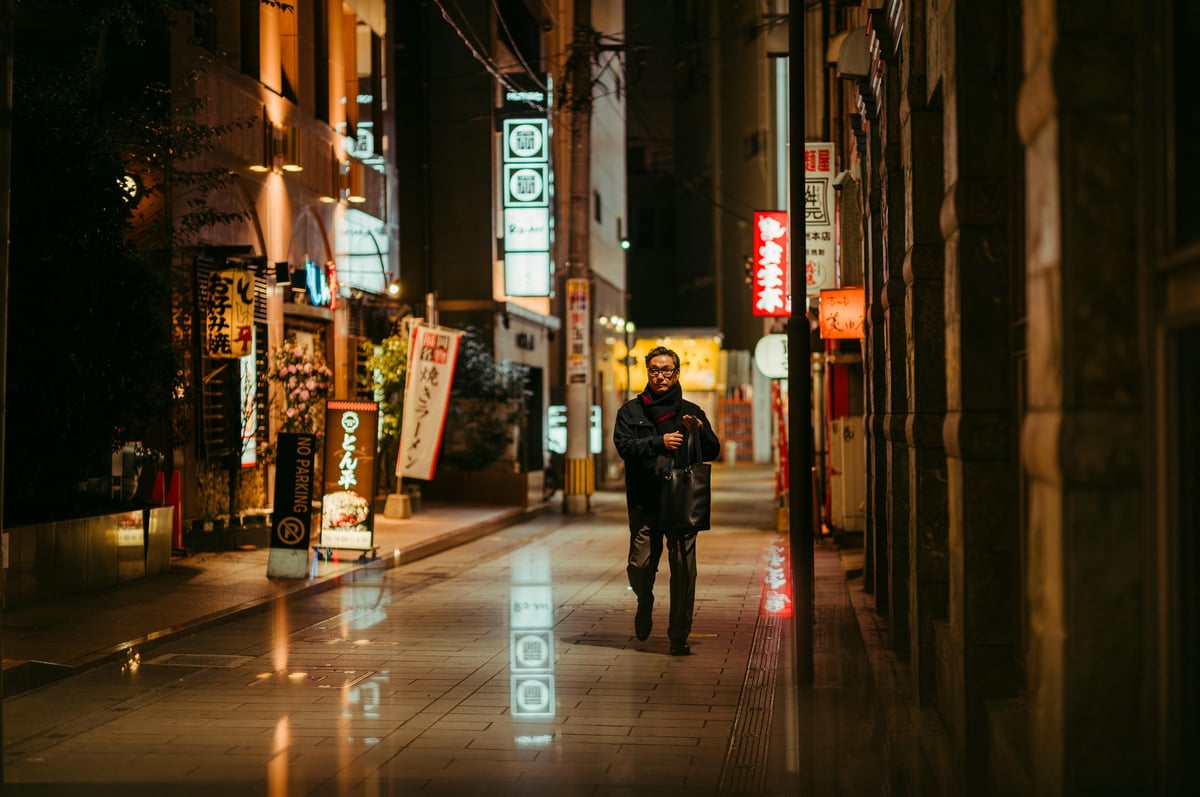
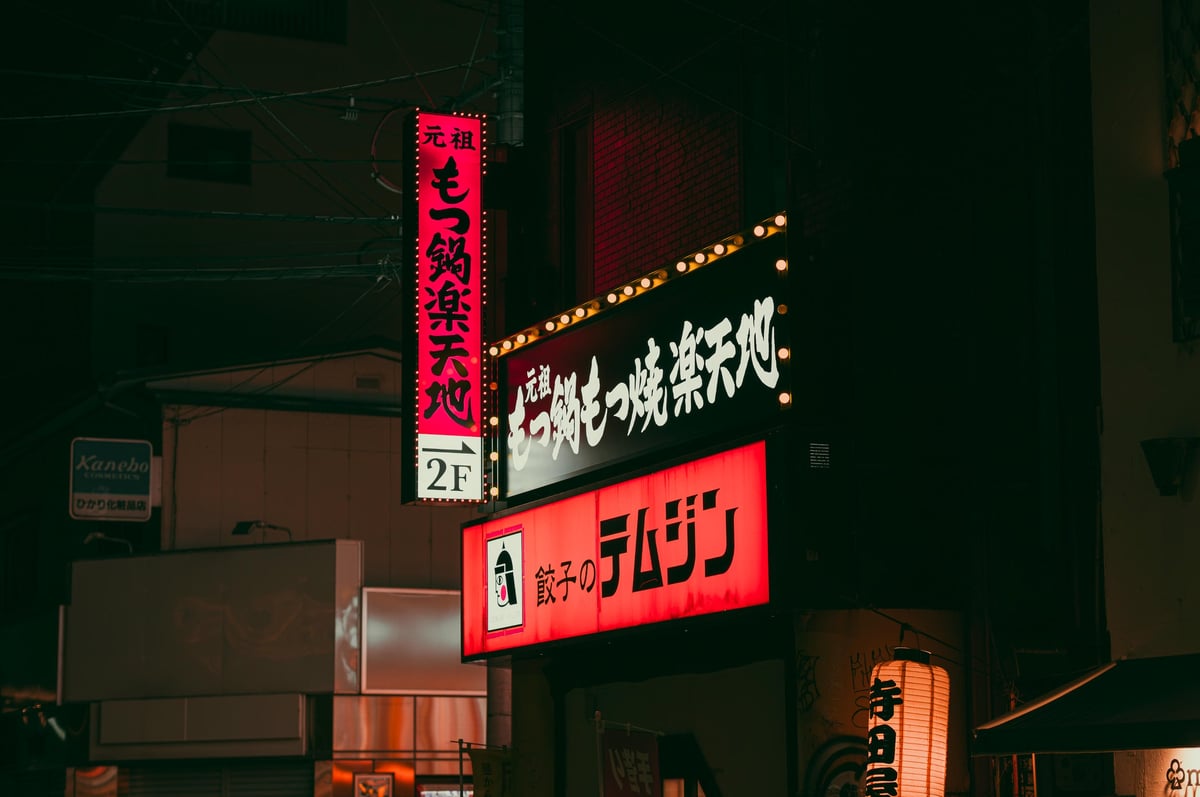
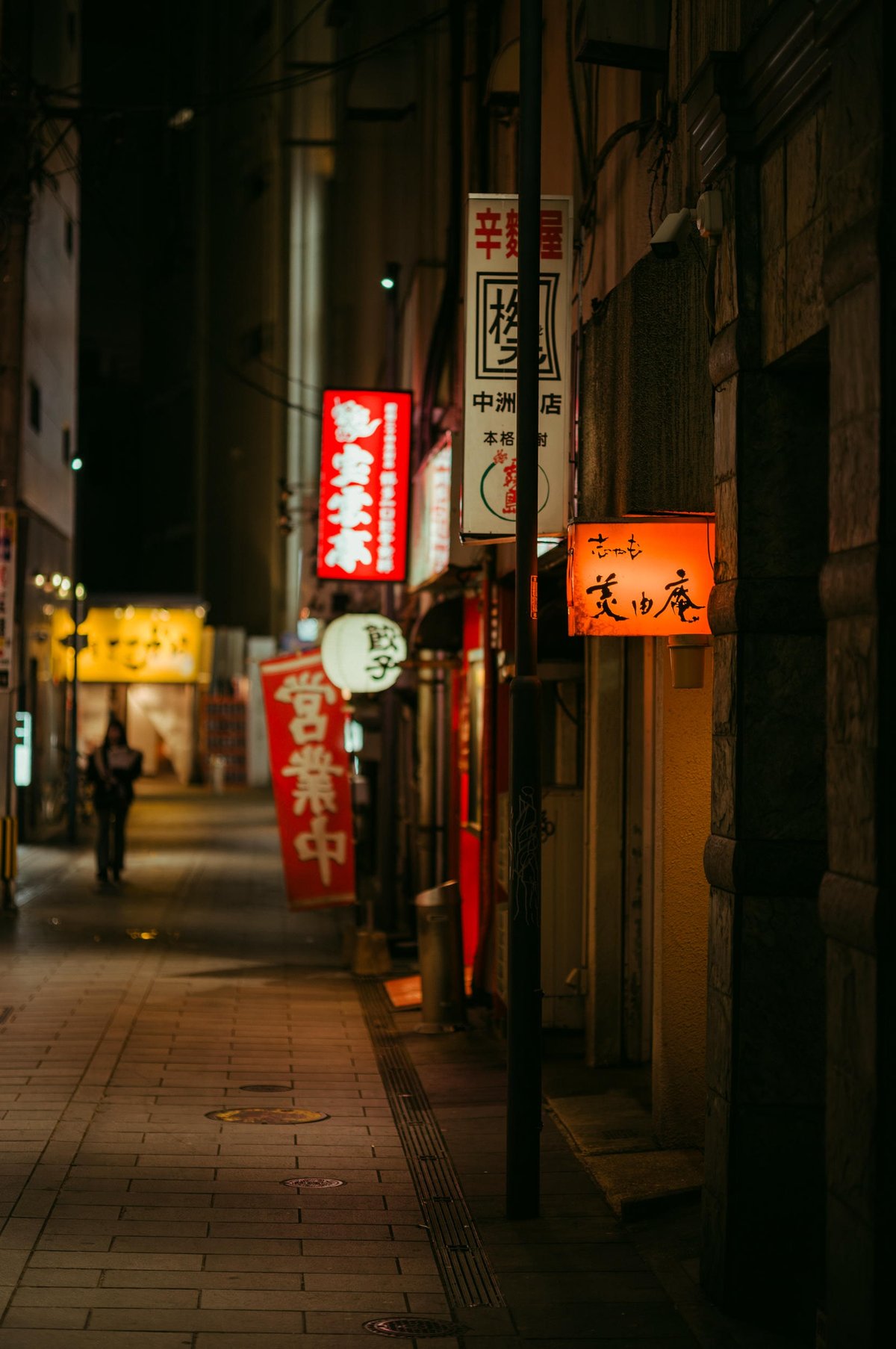
I find the slight glow at f1.4 with a manual-focus 75mm lens works well, since focusing to perfection in portraits is so difficult; it makes the misses less apparent. That said, there is still a lot of detail at f1.4 or even f2, which is great for shooting street photography or city life at night.
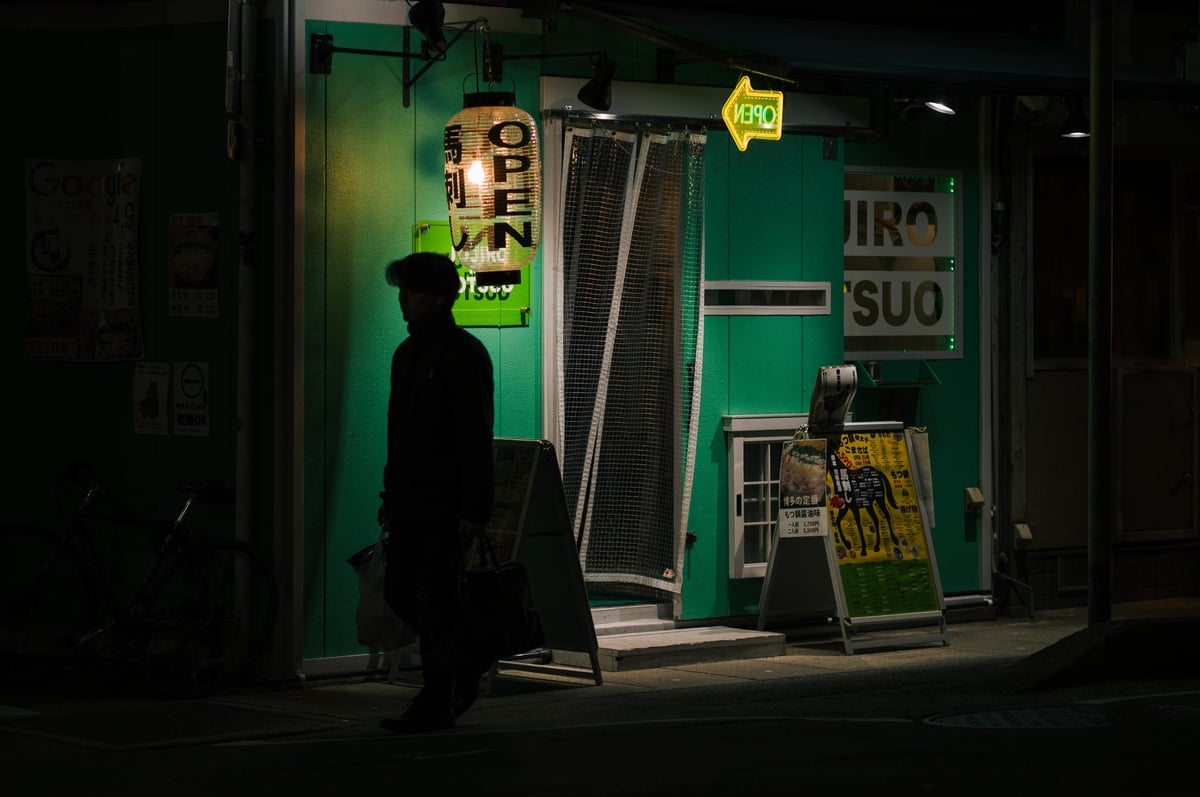
There is a slight distortion and very little vignetting. I sometimes see chromatic aberration while shooting, but once loaded into Lightroom, the auto CA button seems to fix most issues. The only other weakness I see is that it will catch some flares at certain angles that can be quite aggressive.
Overall, it’s a pretty amazing lens.

If you’re looking at other 75mm lenses like the couple of Voigtlanders or even the Leica, I would recommend you take a look at this lens as well.
I don’t think there is any compromise in build or image quality, except that the coatings might be a little weaker than those offered by some big Japanese manufacturers with their premium patented lens coatings.
Mechanical Precision: Build and Handling
The build quality here is exceptional. Often, all-metal lenses can feel hollow or “tinny,” but the Simera has a reassuring, dense heft at 372g. The anodized finish is refined, and the machining on the focus and aperture rings is of a premium quality.
One thing I really like about this lens is the fluidity of the aperture and focus rings. It just feels more confident than some of my other lenses.
One Note: The range-finder coupling was not perfect. It’s definitely close enough if I’m shooting stopped down like f4, but if I’m trying to shoot at f1.4 with the rangefinder, it will be ever so slightly off. They left me a note about this, so I’m not sure if it’s just because I have a test sample or if that’s just the way it is, and you’re supposed to adjust it yourself. They also sent me tools for this. Maybe check other reviews to see how others have experienced this. I haven’t seen anyone mention this yet, so it might just be a test sample. Again, it’s really close, just not perfect for a 60MP sensor.
On the M11 with my Visoflex 2, I find it to be totally fine the way it is. I would never try to shoot at f1.4 with a 75mm through a M11 rangefinder anyway, that would be a fool’s errand.
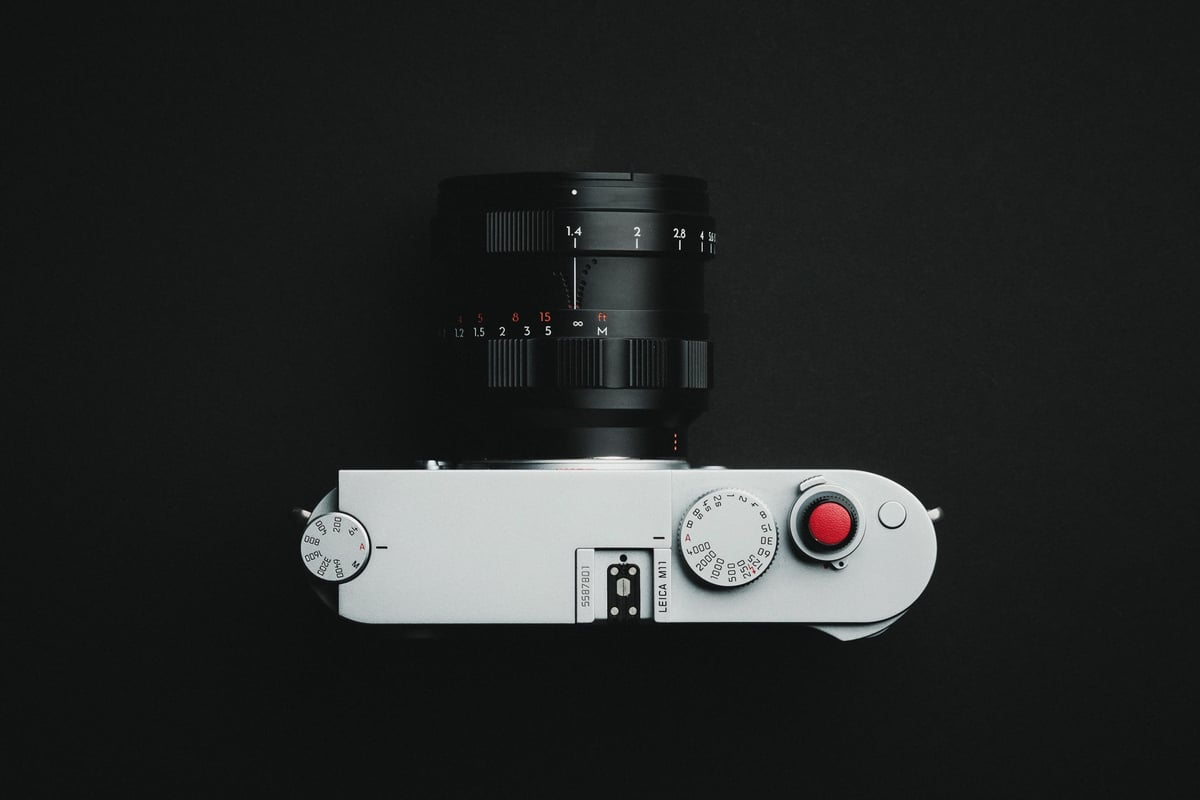
Look at how awesome this thing looks on the M11. A chunky little beast.
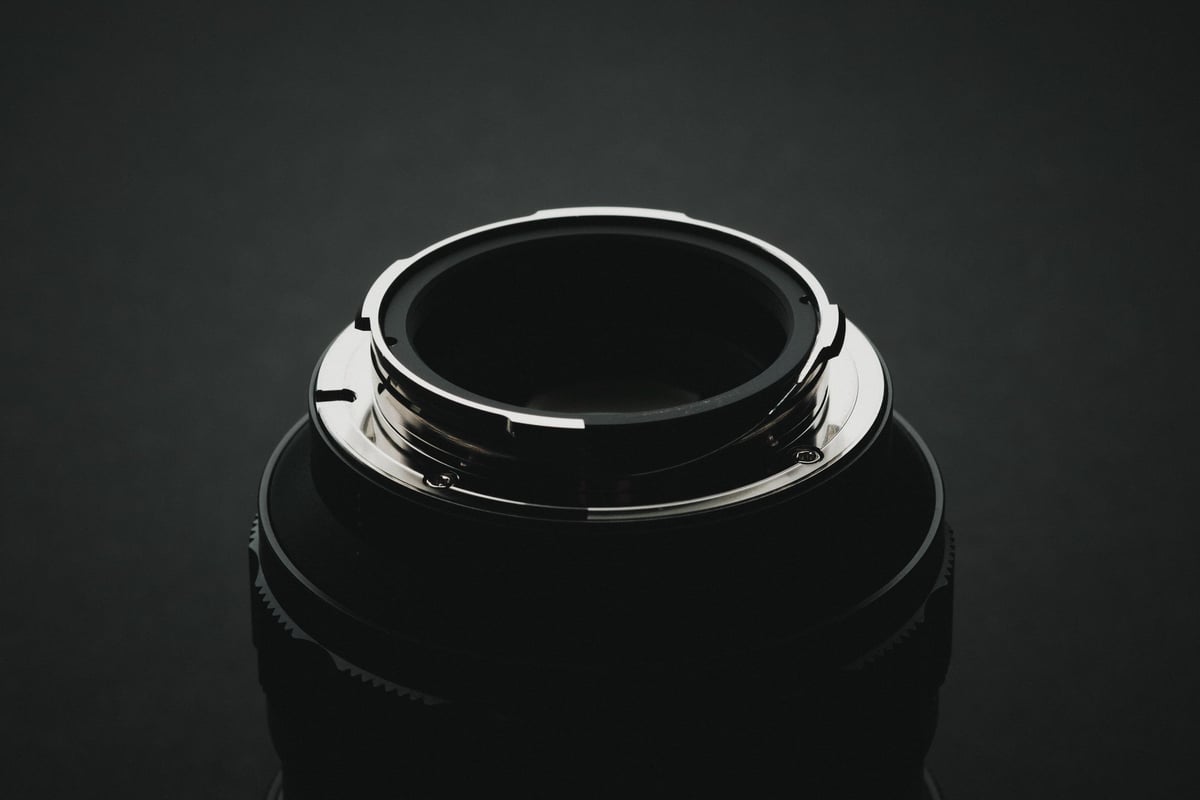
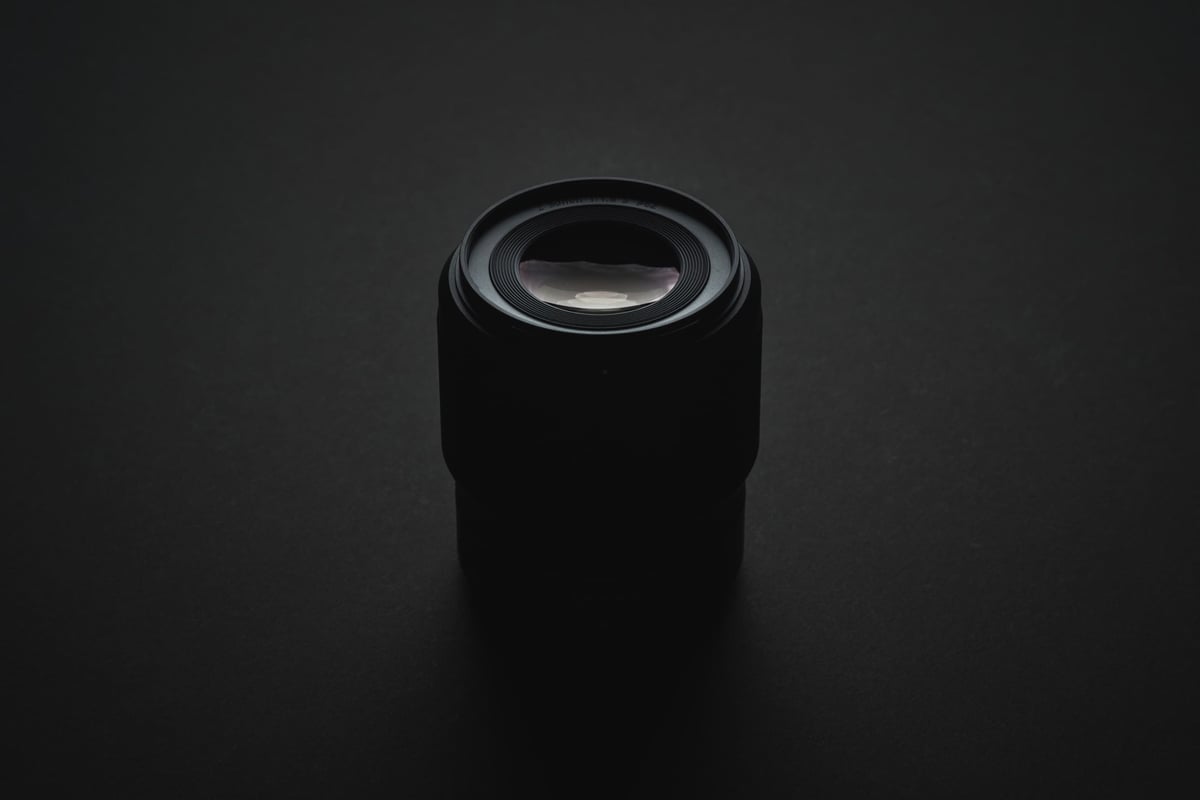
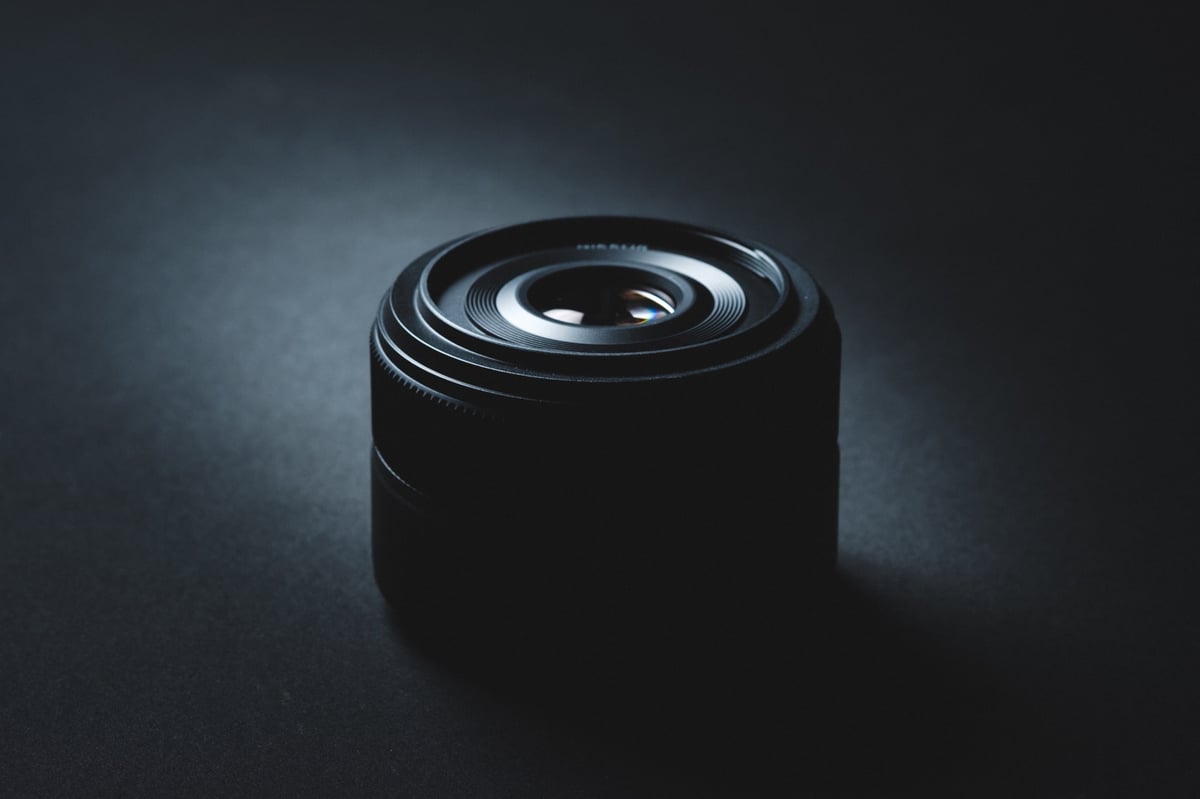
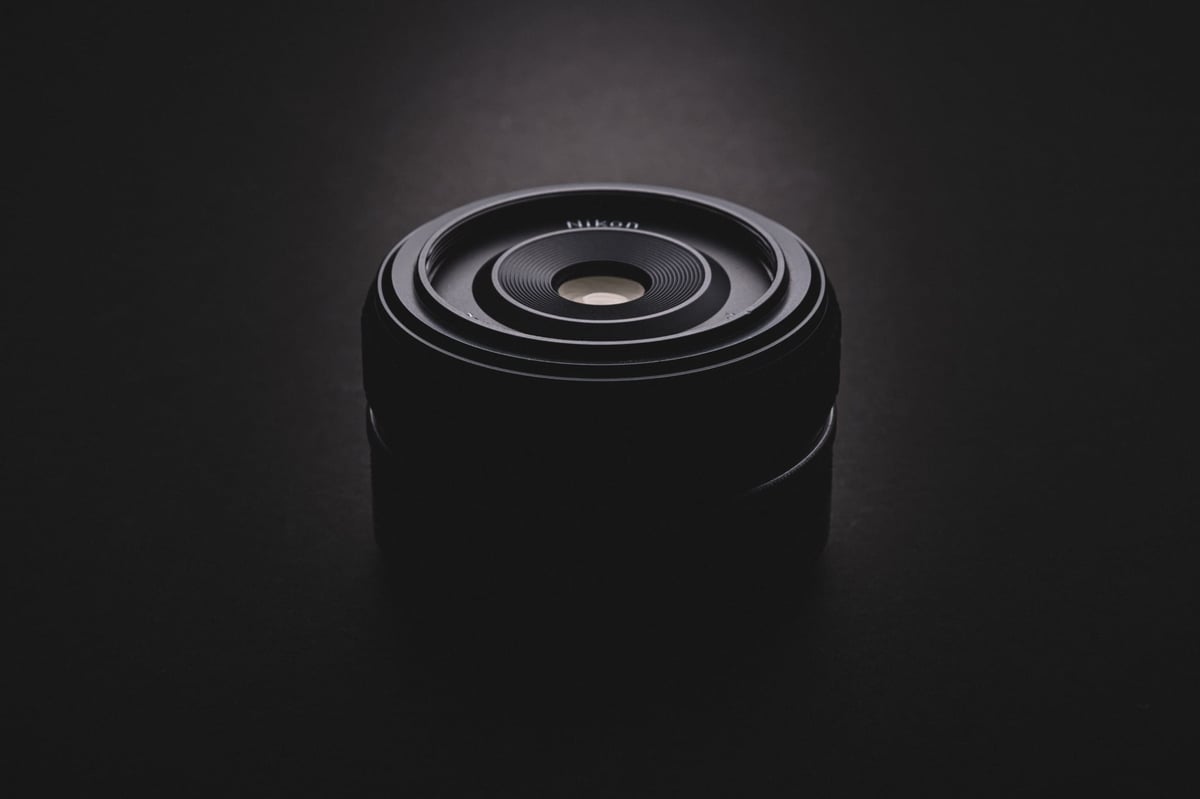
I shot all these product shots on the Fujifilm X-E5 and the 60mm f2.4 with the Paul C Buff lights – for those wondering.
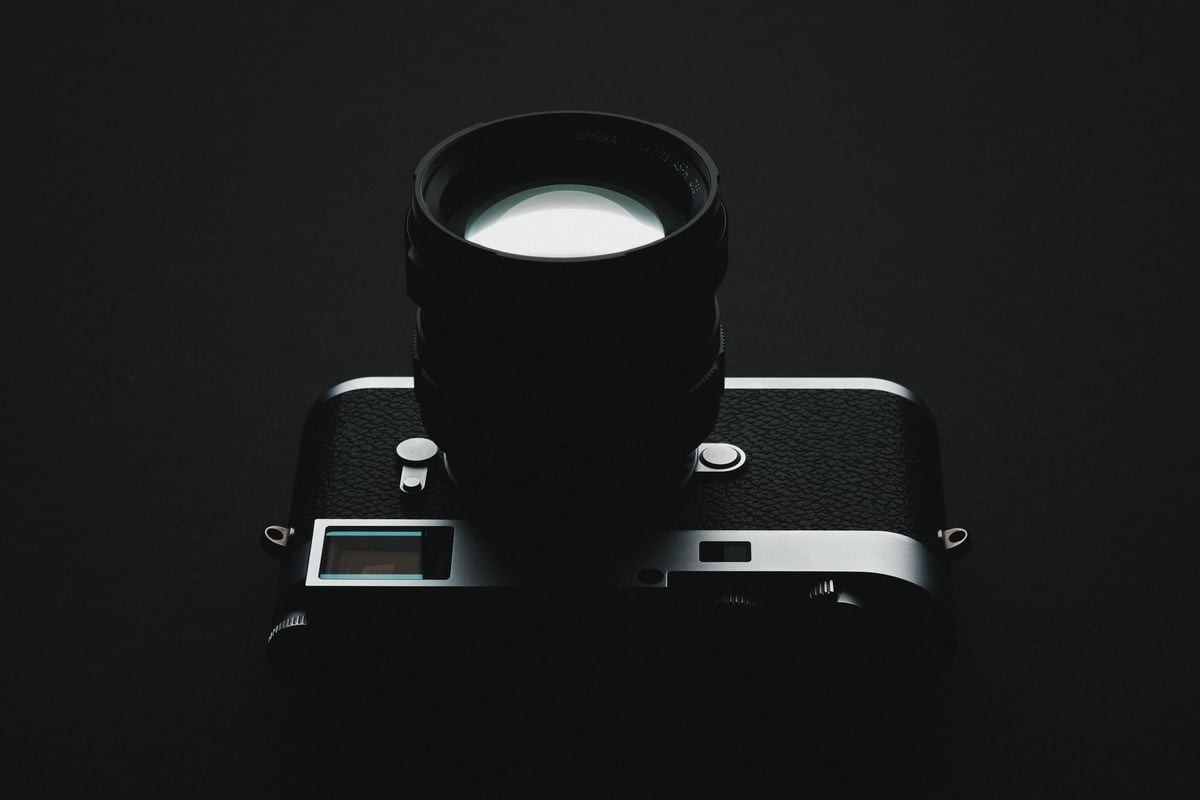
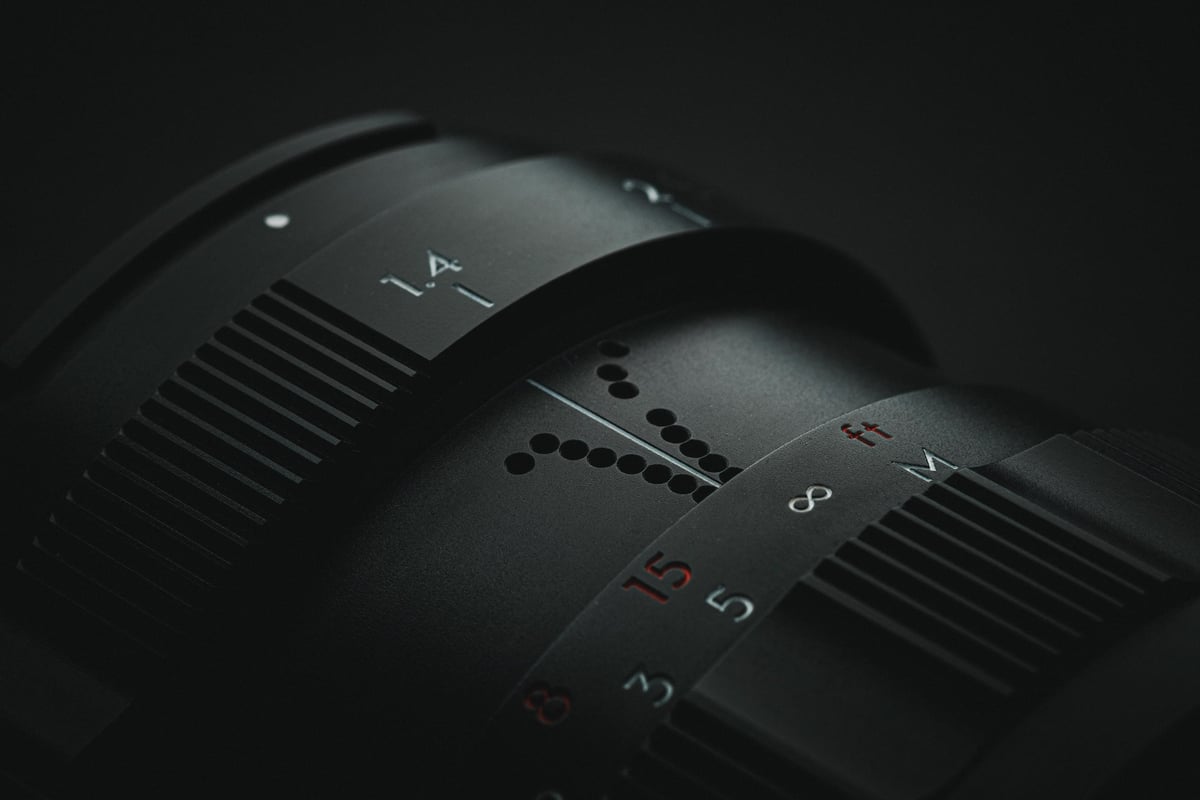
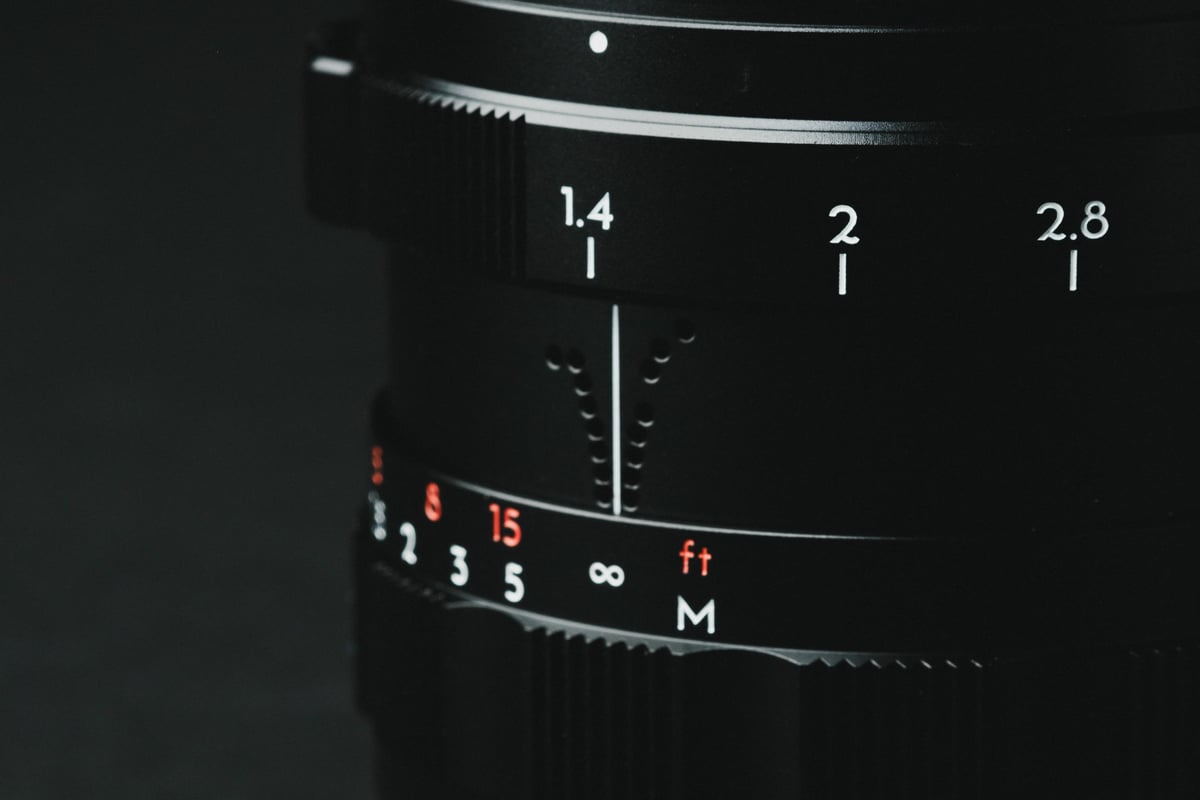
- Focus Throw: The focus ring rotates roughly 120°, striking a perfect balance. It’s long enough to allow for surgical precision on the M11’s 60MP sensor at f1.4, but short enough that you aren’t constantly over-pulling to follow a moving subject.
- The 0.7m Haptic: Thypoch has smartly included a subtle “click” of resistance at the 0.7m mark. This is a brilliant touch for rangefinder shooters, letting you know the moment you’ve crossed from the coupled range into the close-focus territory. Especially useful since this lens has a 61cm minimum focus distance.
- Depth of Field Indicator: Yes, those dots on the Thypoch lenses do serve a purpose. I didn’t realize this until after I shot the samples, but if you stop down the aperture, those dots on the lens turn red. The position between the left and right V shapes indicates the expected depth-of-field range based on the focus ring’s position. You would line up the dots with the focus scale to get a rough idea of the depth you should aim for. Pretty cool, probably useful if you’re shooting film.
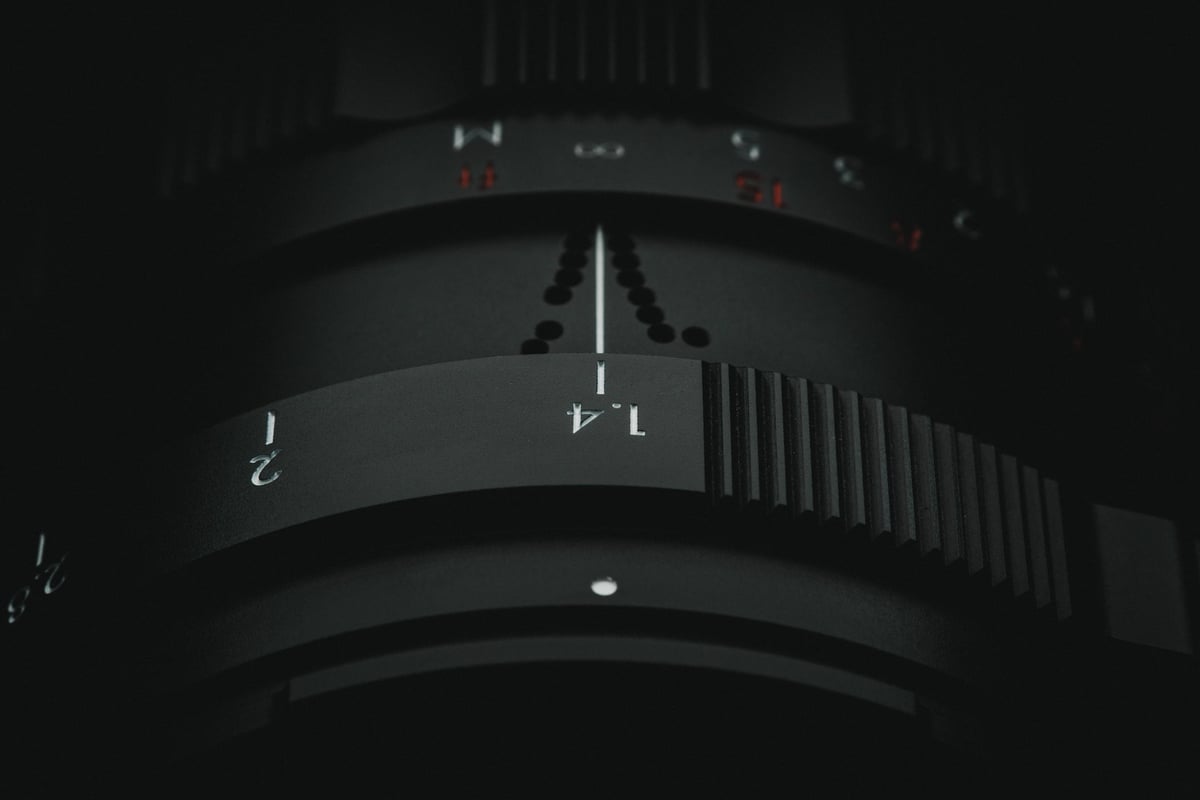
- Aperture & Blades: With 16 rounded blades, the iris remains a perfect circle at every stop. The toggle to de-click the aperture is a nod to its cinema heritage (being a DZOfilm cinema lens brand), but in clicked mode, the detents are firm and premium.
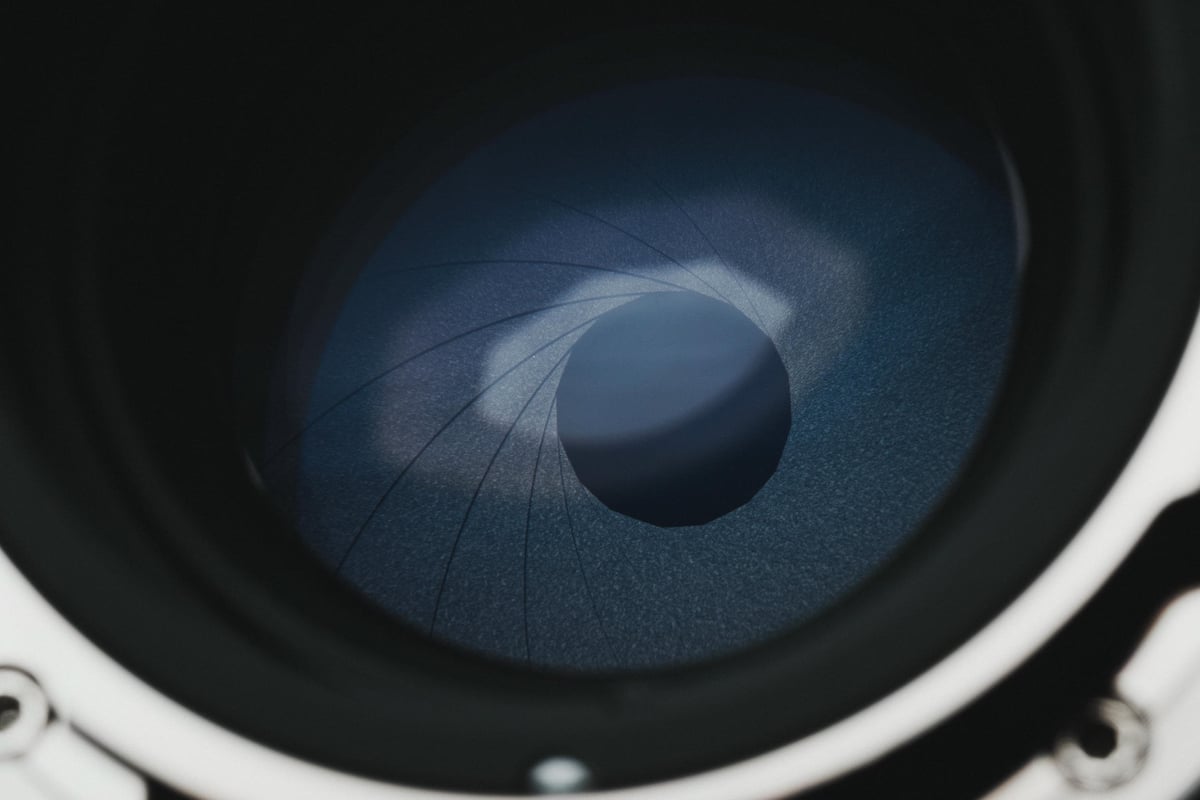
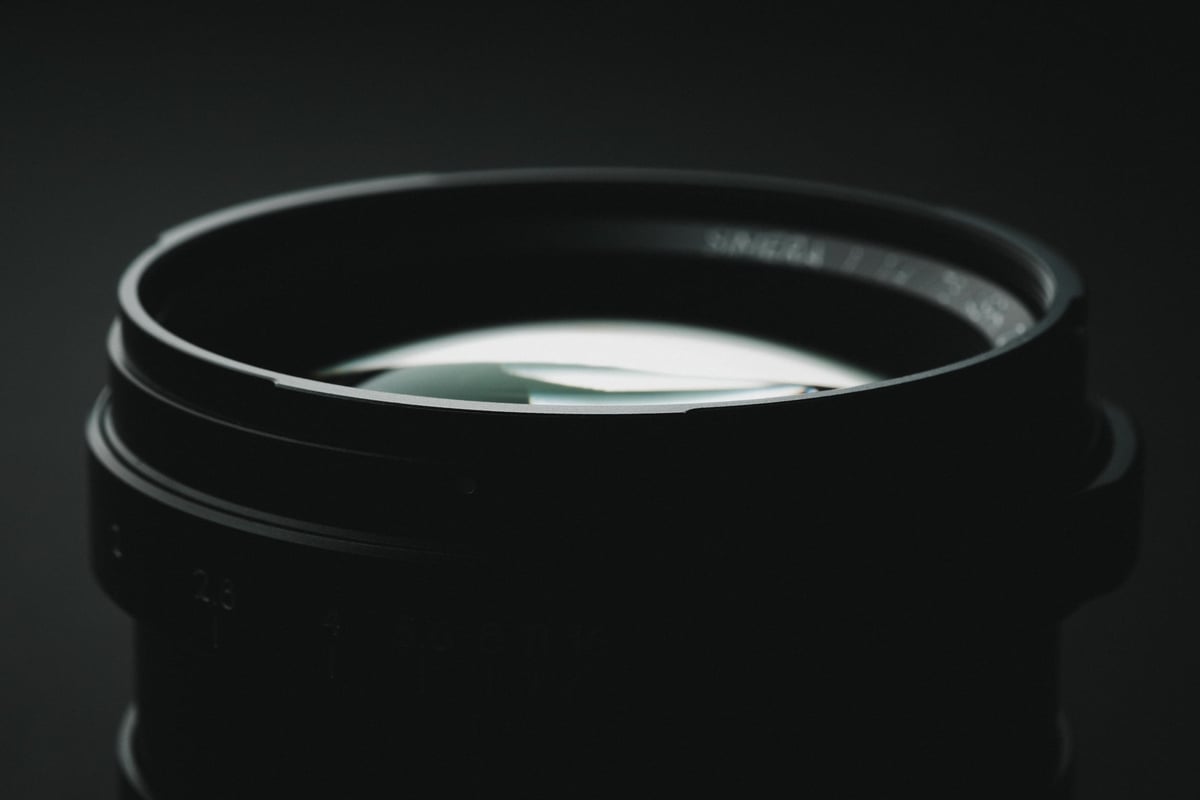
There are a few shots here with and without the lens hood. It’s a shorter lens hood, so it never really makes the lens feel too big, but it can still catch some flaring at some angles.
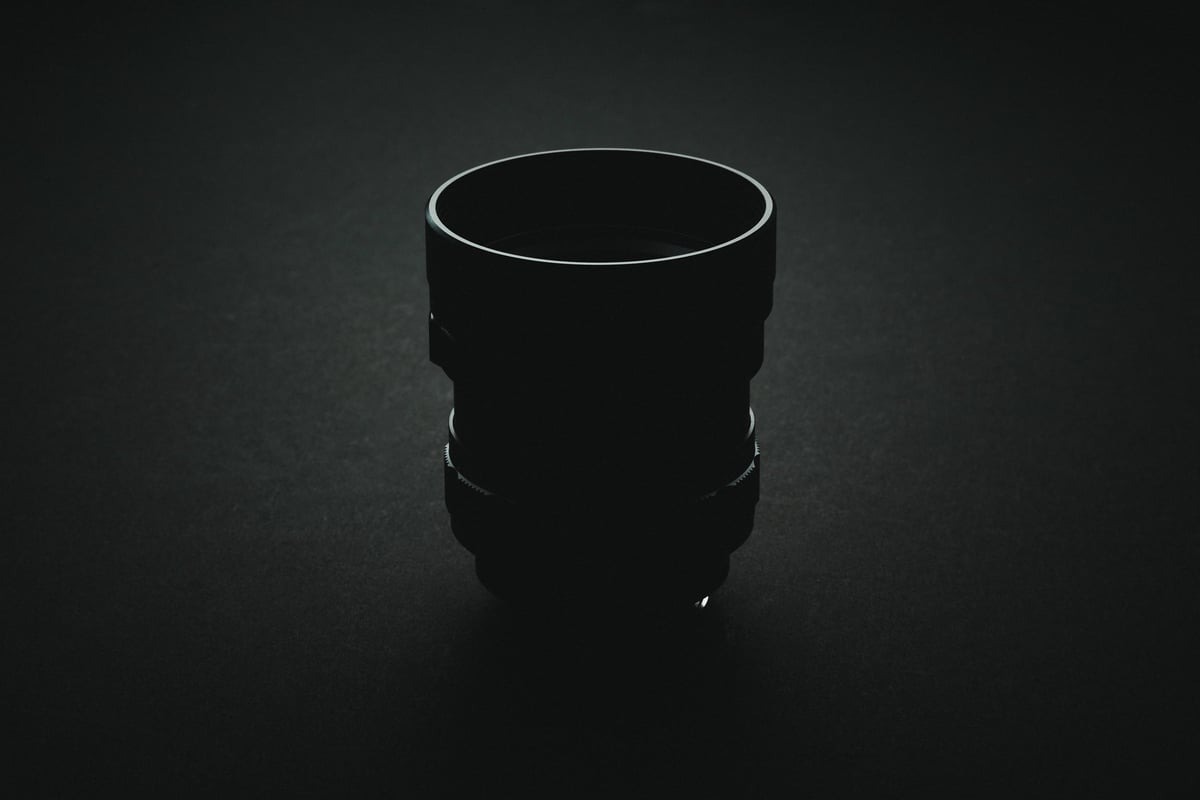
They’ve included a metal slip-on lens cap for both the hood and for the lens without the hood. So if you want a little more character from lens flare, you can use the lens without the hood and still have a lens cap. Or if you want to use the hood, you don’t have to dig in to remove the lens cap; it simply slides over the hood.
The best part about the metal slip-on lens caps is that when they fall off after 10 seconds, they make an extremely loud noise when they hit the ground, so you can be confident knowing you won’t lose your lens cap with this built-in alert system. 🙂
Optical Performance: Sharpness and Character
The Simera 75mm features 9 elements in 8 groups, including 1 Aspherical element, 2 ED (Extra-low Dispersion) lenses, and 2 HRI (High Refractive Index) lenses. On the M11, this glass does very well to resolve that high-res sensor.
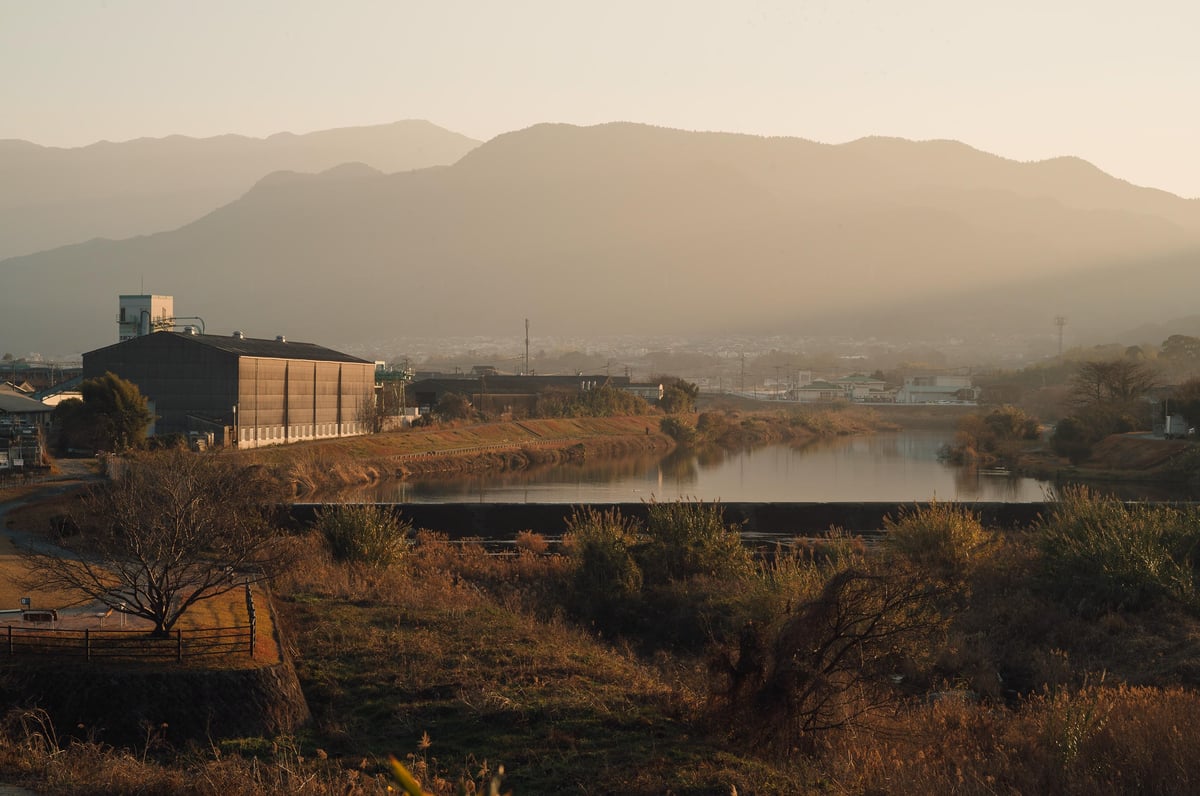
There is so much detail once you stop down to f8 or f11 for landscape photos.
Sharpness
Center Sharpness
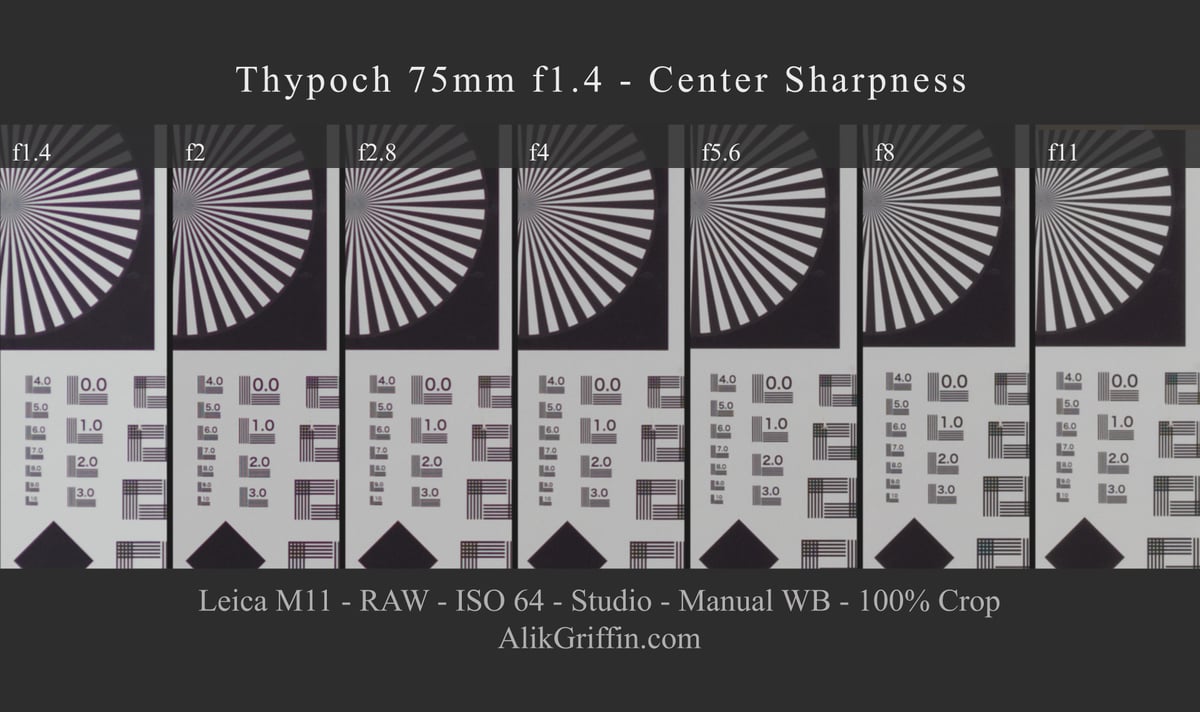
Wide open, the center is still very sharp. There is a very slight “bloom” or spherical glow that keeps skin textures from looking overly clinical, but the detail is all there. You have to be very patient with a manual-focus 75mm f1.4 lens if you want to nail focus.
When I shoot these samples, I adjust focus for every aperture, although I haven’t noticed any focus shift with this lens.
Mid-Frame Sharpness
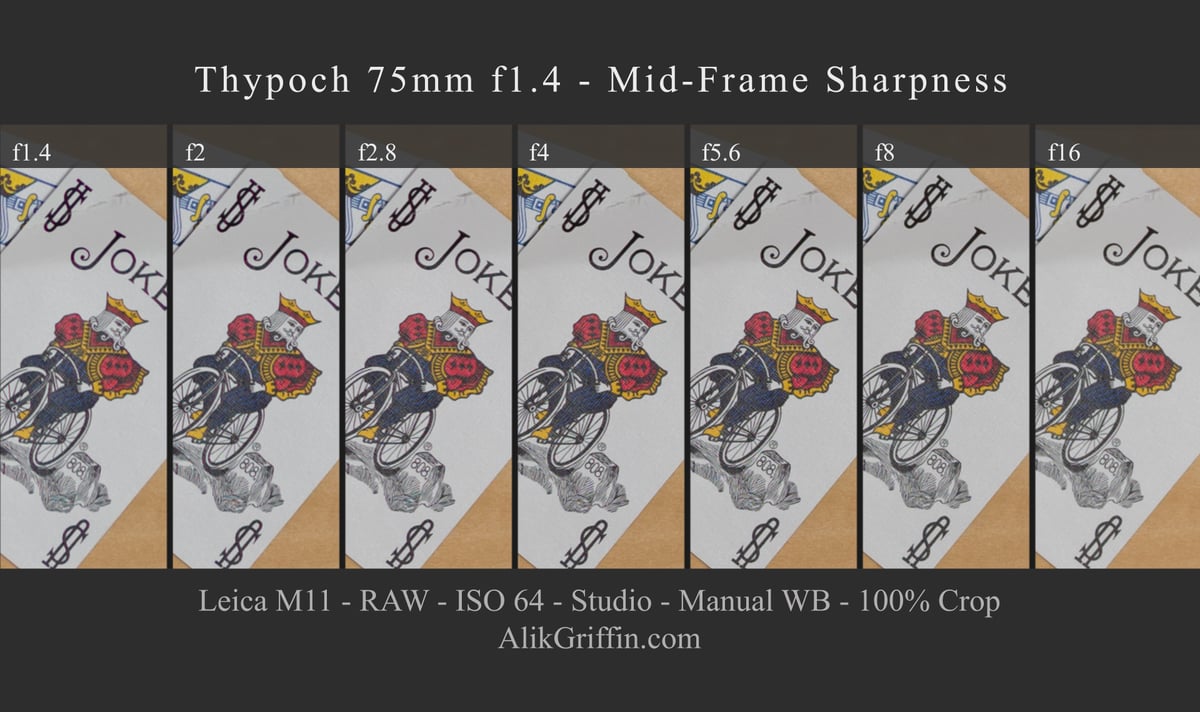
Same as the center, only a slight drop off in sharpness at f1.4 in the mid-frame, with that slight aberration bloom.
Corner Sharpness
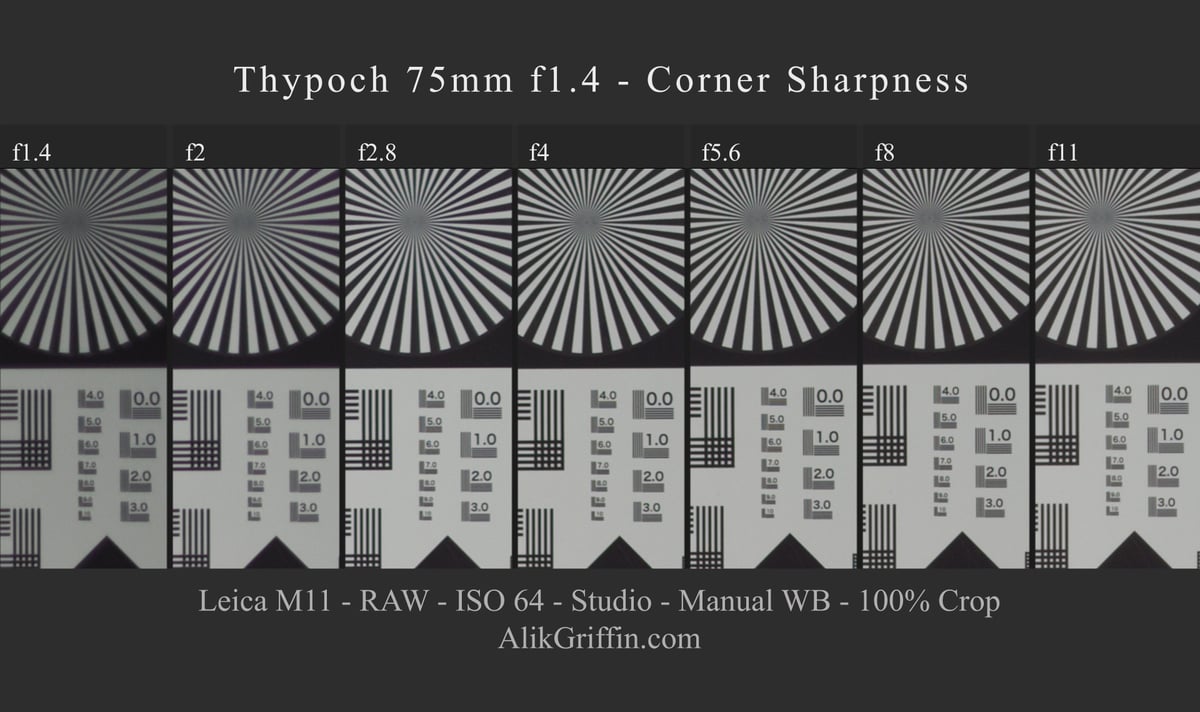
Corner sharpness dips slightly more than the center or mid-frame, but it’s still extremely impressive. If you’re shooting landscape, f5.6 and f8 will give you edge-to-edge sharpness with no compromises.
Vignetting
Fast 75mm lenses almost always exhibit some vignetting, and the Simera is no exception. At f1.4, there is a very slight but graceful vignette. It doesn’t feel “heavy” or muddy; rather, it provides a natural frame that pulls the viewer into the center. By f2, it clears significantly, and by f2.8, it’s virtually gone. The corner sharpness chart above illustrates this.
Distortion
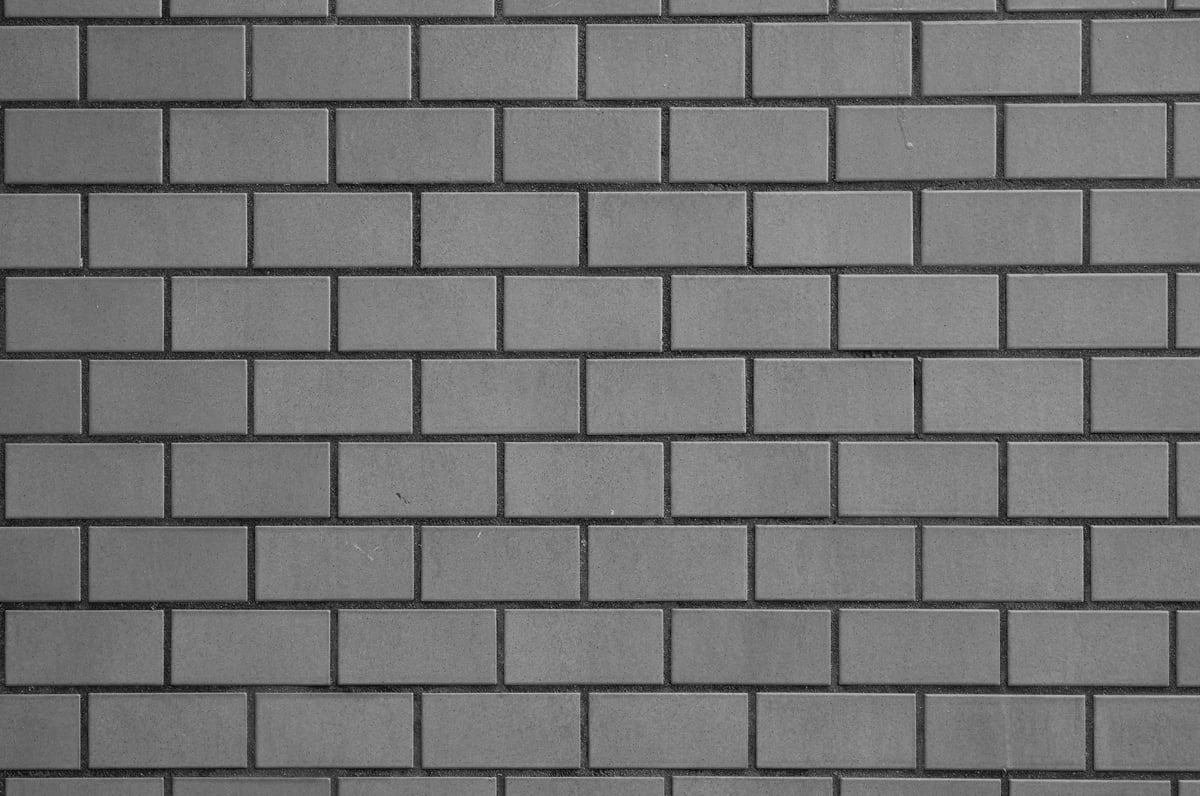
Distortion is remarkably well-controlled. There is a very slight pincushion effect, which is actually quite common (and often preferred) in portrait-length lenses, as it can be more flattering for facial features than barrel distortion.
Because of the uniform distortion, it should be very easy to correct in Lightroom or Capture One.
Chromatic Aberrations
This is where the ED and HRI glass earn their keep. In high-contrast transitions, the Simera handles Longitudinal Chromatic Aberration (LoCA) better than most lenses in this class. You might see a faint hint of magenta or green fringing in the out-of-focus areas when shooting wide open under harsh light, but it’s exceptionally well-tamed and easily corrected.
This sample is heavily cropped in, and you can click it to make it bigger, but this is about the worst I can get it to fringe under normal but extreme shooting conditions. You can see a little purple fringing on the hair and some green fringing on the background tree. This is with the “Remove Chromatic Aberration” checkbox clicked in Lightroom.

Bokeh
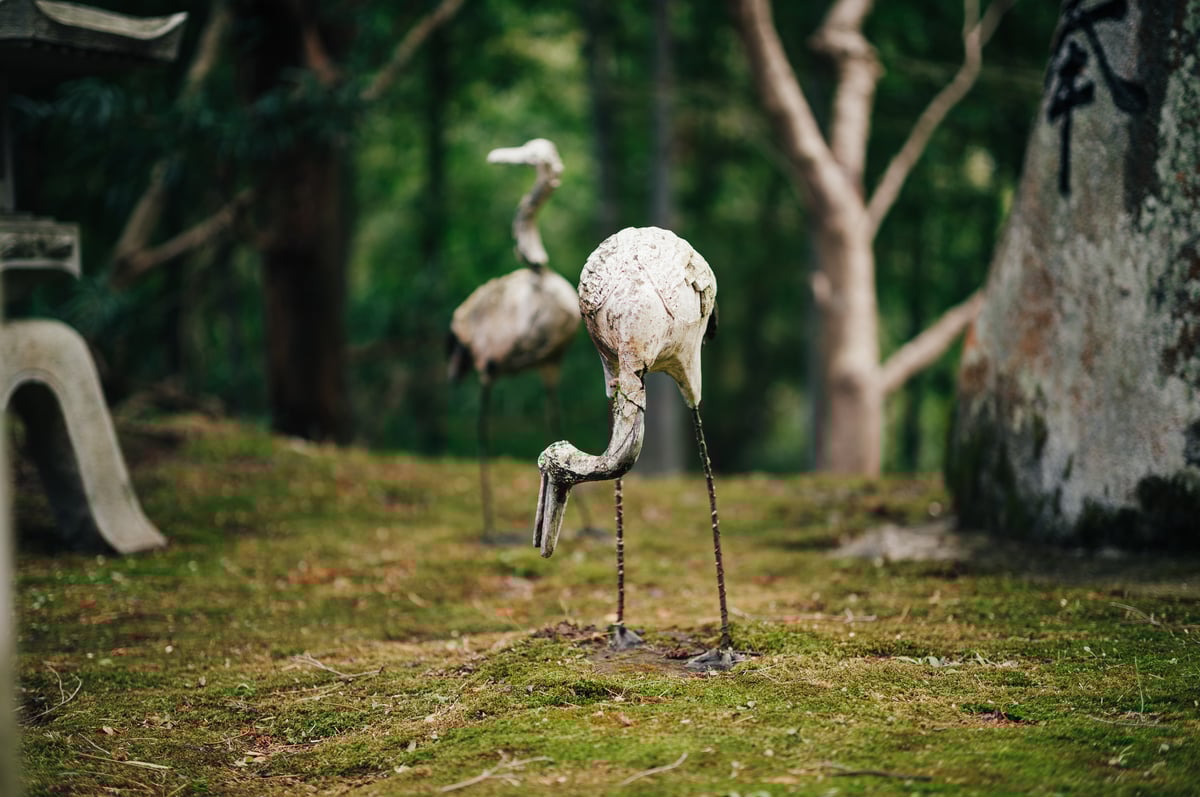
The bokeh is always the star of the show with ultra-fast lenses. Thanks to those 16 blades, out-of-focus highlights remain circular even at f5.6. The transition from the plane of focus to the background is buttery smooth and “painterly,” providing that classic separation.
You’ll see me sometimes refer to this as the focus falloff. This lens has a nice gradient to the focus falloff. I’ve reviewed some more modern Nikon lenses that exhibit a bit more abrupt focus falloff, creating a more 3D cutout effect. I usually prefer a more classic look, like this lens, which feels more organic.

This lens has some great high-tech optics for very modern rendering, but the bokeh never feels wispy or aethereal; it remains very vibrant and saturated, which is rare for these more modern lenses.







Flaring
Flaring is pretty well controlled when pointing into light sources, but at certain off-angles, you can get hit with some pretty significant flare. The lens hood cuts down a bit, but it’s still present at certain angles. You would probably need a longer hood to eliminate it completely.
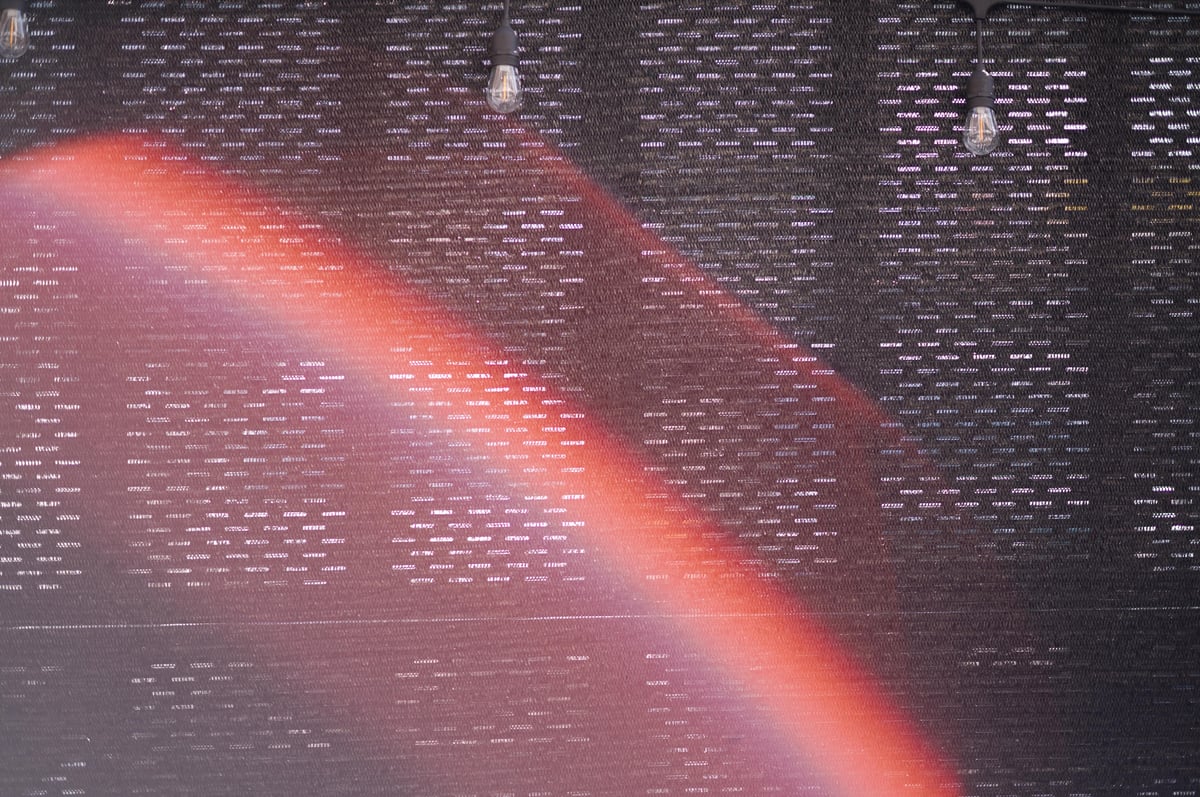
Another sample of some flaring creeping into the image. For a more cinematic vibe, I think this looks great, but if you want clean wedding-style portraits, you’ll have to be a little careful here.

Colors & Contrast
Saturation and contrast are great, and the colors are very accurate. No tints or shifts across the frame or along the edges. Pretty good micro-contrast too – once you stop down a little.

This could be a fantastic landscape lens, since it’s so sharp across the frame when stopped down. Especially with how well the colors render.

Thypoch Simera 75mm f1.4 Review | The Verdict
The Thypoch Simera 75mm f1.4 is a sophisticated piece of engineering. It avoids the “soulless” look of many modern aspherical lenses while maintaining the high resolution required by today’s digital M rangefinders.
It isn’t a “value” alternative; it is a high-quality prime that earns its place on an M11 through sheer performance and mechanical excellence.
If you want a portrait lens that offers close focus, superb CA control, and a build that rivals the best, this is a serious contender that will give you absolute confidence in most situations. As I said, it’s one of the best-built lenses I own, and definitely the most advanced M lens I have.
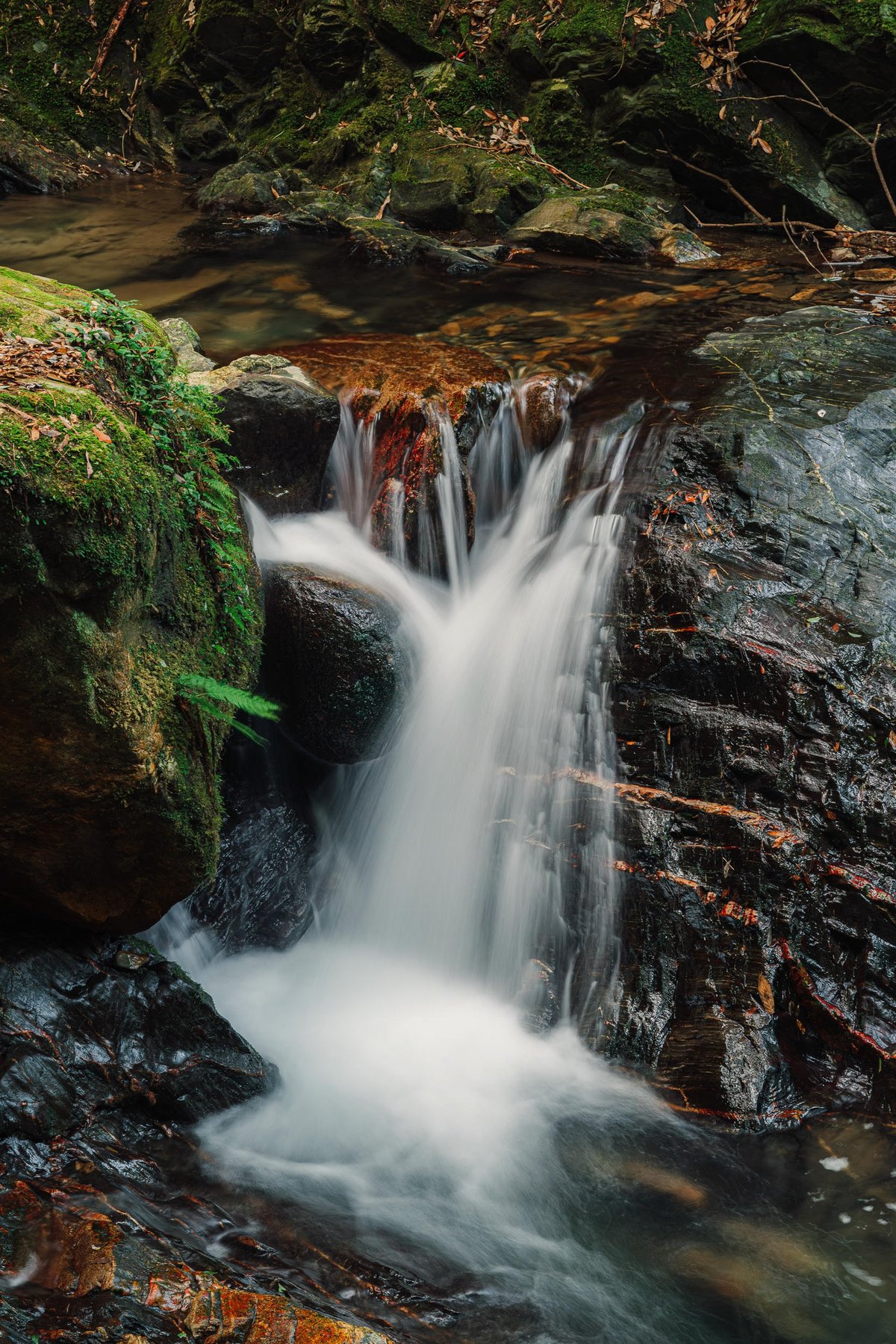
Thypoch Simera 75mm f1.4 vs Voigtlander 75mm f1.5.
If you’re trying to decide between this lens and the Voigtlander 75mm f1.5, that’s a really tough one.
Image quality is pretty close; the Simera flares a bit more, but the Voigtlander flare is edgier and less attractive. This lens shows more distortion, but the Voigtlander shows worse vignetting. The simera is also slightly sharper wide open. At least with my copies, although it’s close enough that I wouldn’t let that be a determining factor with a manual-focus lens.
I much prefer the build of the Simera, although this lens is slightly heavier.
The renderings differ slightly, but both are beautiful. Both are phenomenal lenses, just with different tradeoffs.
If you planned on doing anything video-related, I would definitely choose the Simera over the Voigtlander for the de-click, 16-blade aperture.
Thypoch Simera 75mm f1.4 Sample Photos
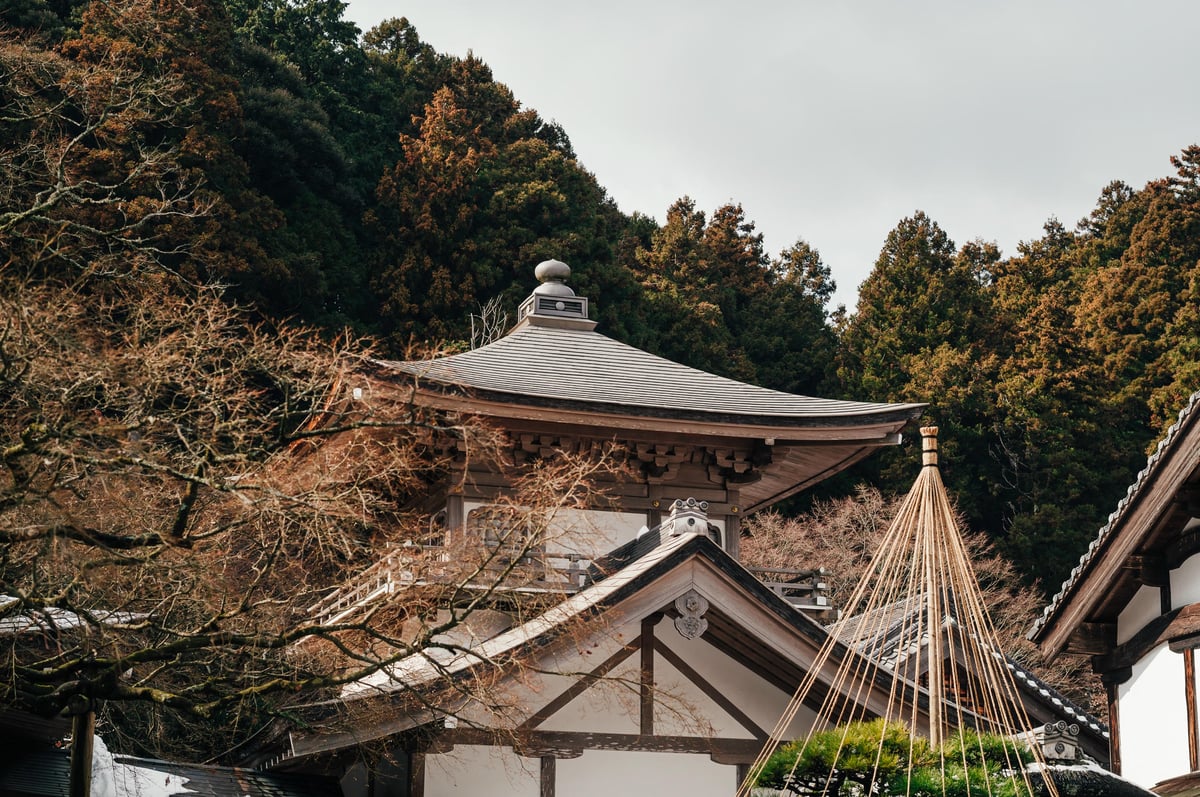
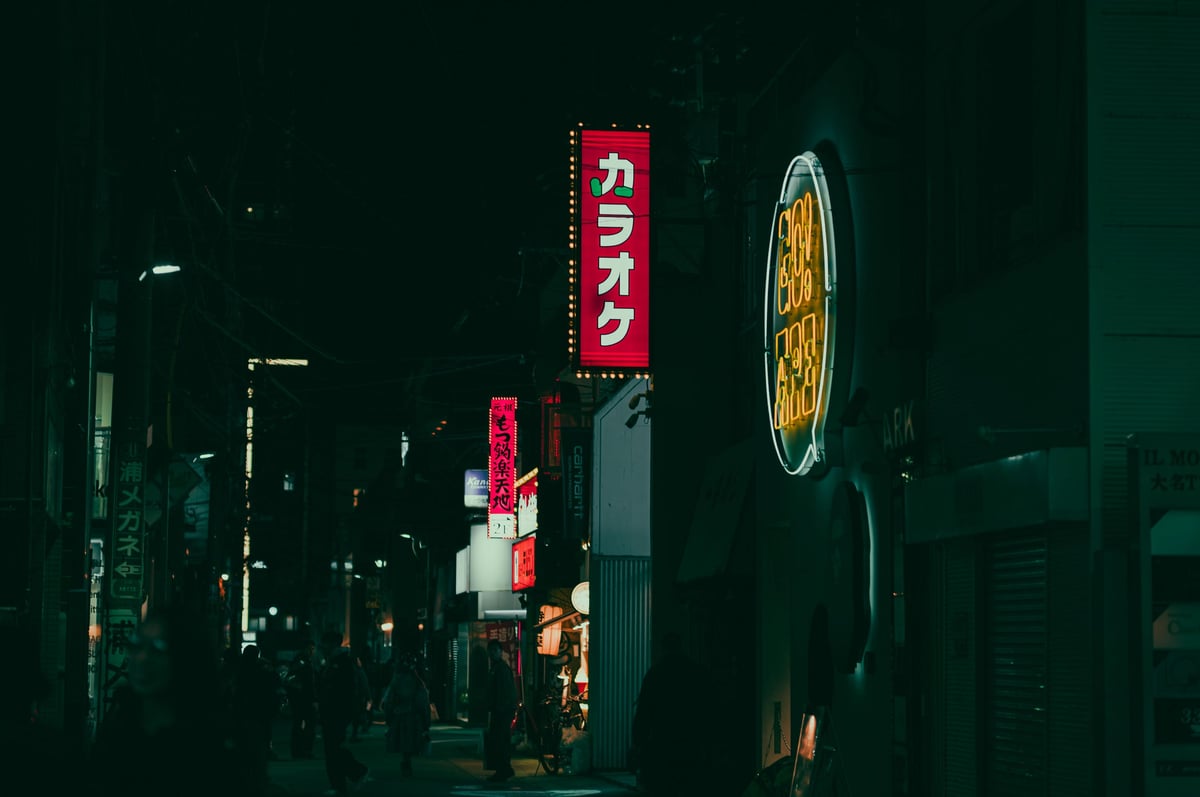
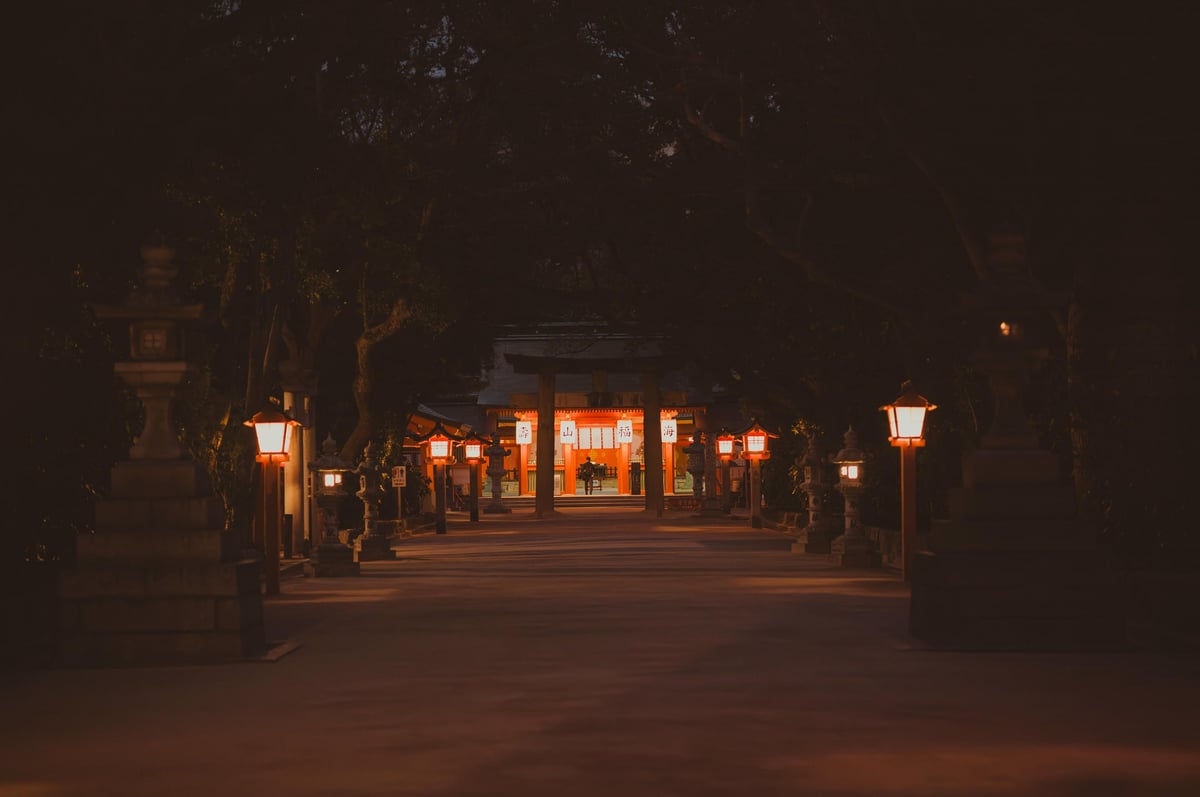
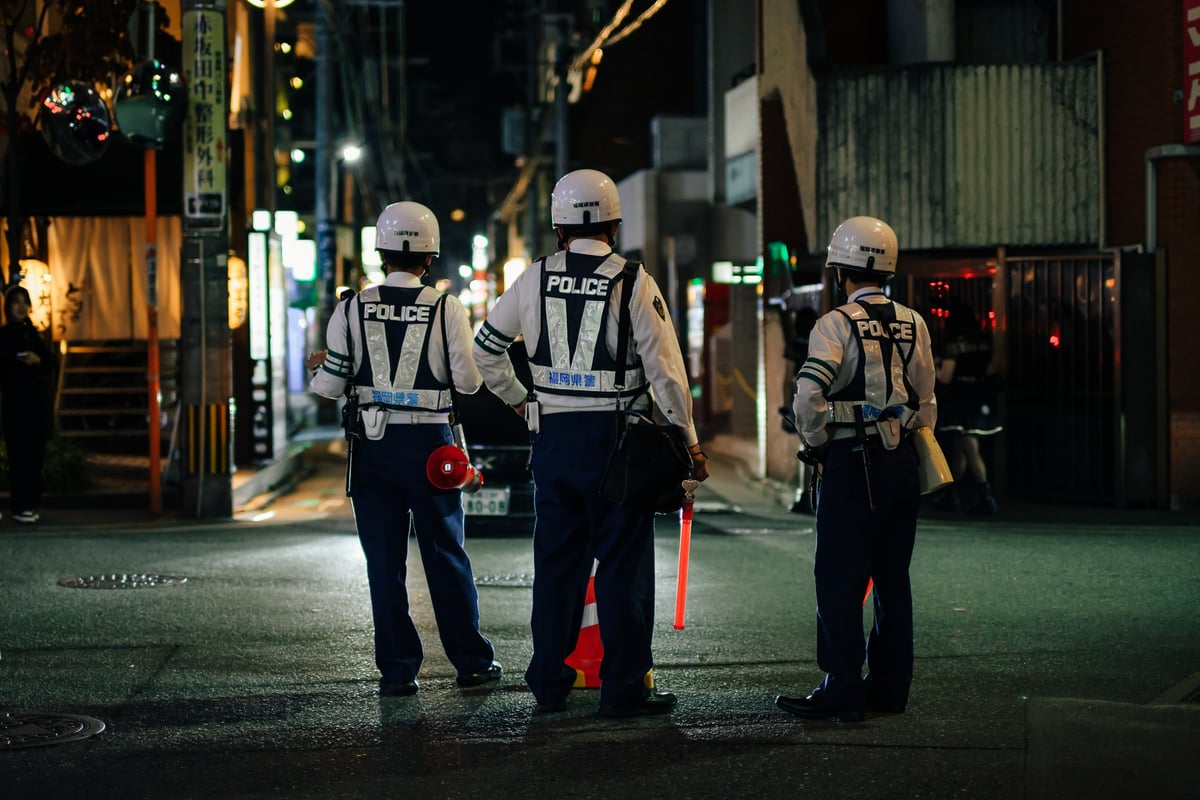
All images are shot on the Leica M11. I often shoot in 36MP mode and post on this site at 2k. Everything is colored with my core color presets. For the portraits, I’m using the muted Color Elements on top of the base look, which lifts those shadows a little more and adds a bit more color toning.
I colored everything a bit low contrast and a bit more sepia than usual since it’s just grey winter here right now.
I highly recommend using a Visoflex with this lens, or any fast 75mm M lens, if you’re shooting on an M camera.

















Leave a Reply