
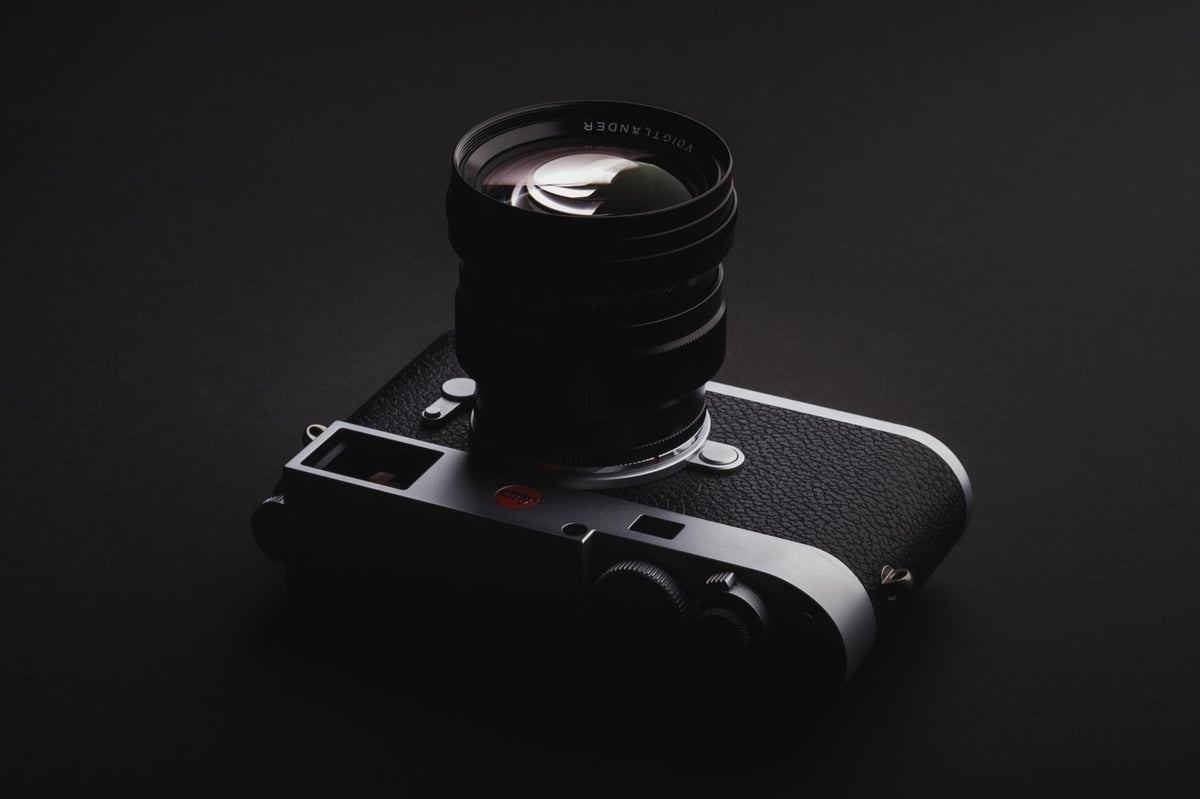
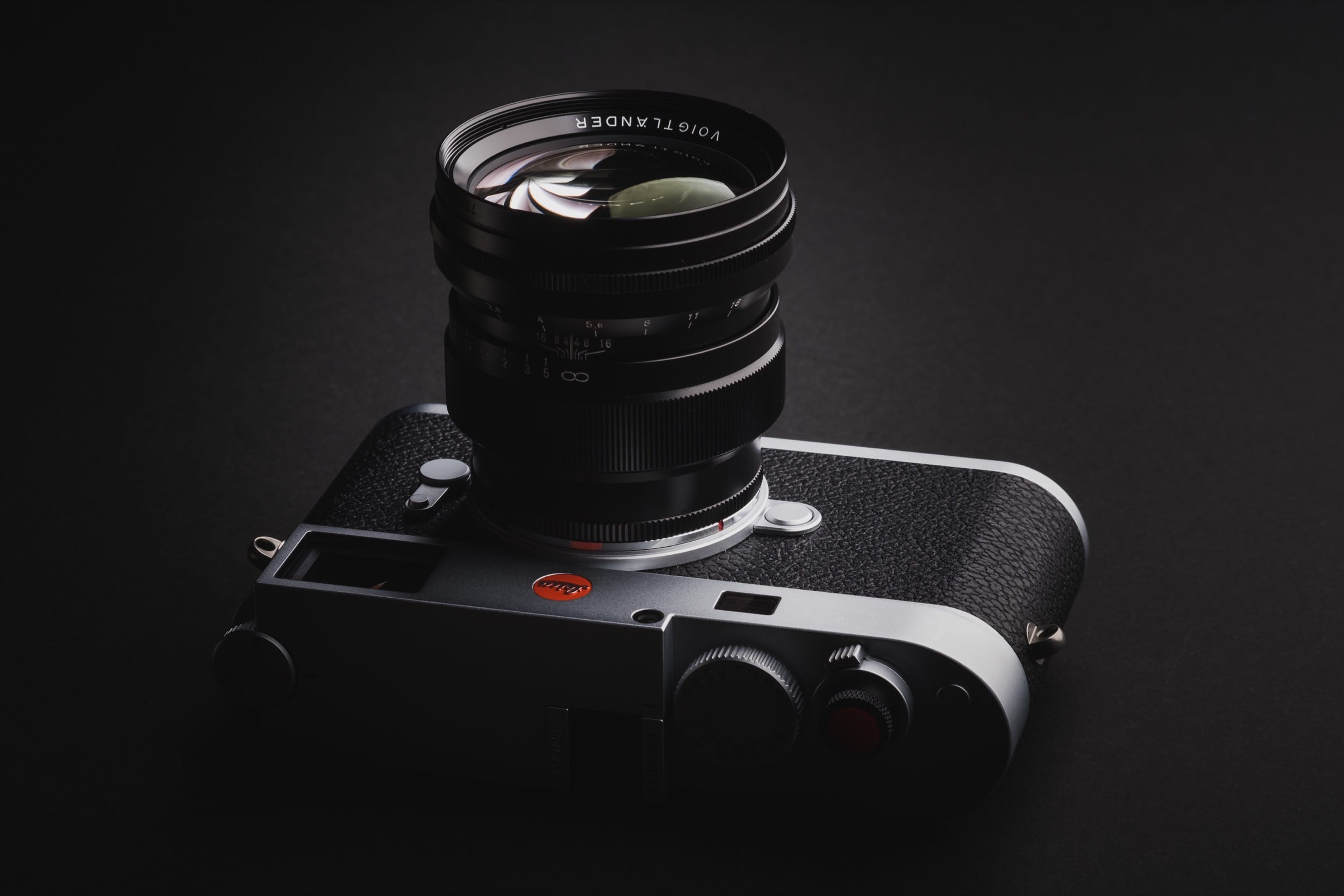
The Voigtlander Nokton 75mm f1.5 Aspherical is a relatively compact telephoto M-mount lens with vintage styling. It has a bright f1.5 aperture for low-light conditions and an extremely shallow depth of field. The lens design includes aberration-suppressing elements for high color accuracy and sharpness. It offers manual focus with a minimum focusing distance of 2.3′ and a 12-blade diaphragm for pleasing bokeh at all apertures.
Lens Specs
| Focal Length: 75mm Aperture Blade: 12 Aperture: f1.5 – f16 Elements: 7/6 Coatings: Multi Aspherical: One Weather-Sealed: No Minimum Focus Distance: 2.3′ / 70 cm Filter Threads: 58mm Weight: 12.35 oz / 350 g |
Voigtlander Nokton 75mm f1.5 (black or silver) – Amazon / Adorama / B&H
B+W 58mm UV Filter – Adorama / B&H
Check out more of the Leica M lenses.
Pros – Solid build, great image quality, sharp, great character, vibrant bokeh, good CA longitudinal and lateral control, almost no distortion, comes with a lens hood.
Cons—Slightly heavy, some ghosting wide open, occasional arcs of flaring, noticeable vignetting at the faster apertures, Some CA in the out-of-focus high-contrast edging.
Notes: This lens is a delightful addition to the m-mount system. Its sharpness is commendable, especially at f2.8, although it still holds up well even at f1.5. In very bright lighting, you may notice some ghosting at the fastest aperture, and occasionally, there may be some flaring with a noticeable arc. Nonetheless, the bokeh is beautifully vibrant, with a touch of swirl in the foreground and only slight chatter and swirl at the edges in the background. This telephoto lens stands out due to its stunning color and contrast, and the overall character it creates at f1.5 and f2 is truly enchanting. While it’s not a flawless lens, Voigtlander’s 7-element design gives it a unique and classic look with a captivating bokeh.
Voigtlander 75mm f1.5 Review – Impressions
The Voigtlander 75mm f1.5 is one of the more popular Voigtlander lenses of recent times, and for good reasons – it’s one of a kind, and it’s actually a really good lens. It might just be one of those “shut up and buy it” lenses for M portrait shooters.
Even from Leica there just isn’t much out there that really gives you the versatility this lens offers.
Because of its size and weight, I find this lens primarily useful as a portrait lens, it’s not crazy sharp wide open at close distances but definitely sharp enough all around. Stopping down to f2, you get really nice sharpness while still providing plenty of bokeh and background separation while still retaining some of the dreamy renderings.
If you want a slightly softer, dreamier portrait, you can shoot at f1.5. If you want a snappier-looking image with a bit more detail, shoot f2. While I’m not usually super excited about fast lenses, this versatility of being able to pop between f1.5 and f2 while still having great bokeh at f2 has made this lens a lot of fun to use. Although most of the time, I prefer shooting it at f2 because f2.8 gets a bit too clinical.
The color and saturation of this lens are also amazing, and the contrast is very good.

This lens also features some nice characteristics to the rendering. We have a nice swirl to some of the foreground bokeh but a fairly controlled swirl in the background. I usually don’t like swirling in the bokeh too much because it can be distracting, but this one feels just right, especially when the center frames your shot with some foreground bokeh.
Flaring is also mostly controlled except for some angles where it can produce some arcs, the distortion and vignetting are also not overbearing.
Here you can see how the lens renders stopped down a little. The first shot might be f1.5 or f2; the second shot is stopped down a little more, and the background still looks great.


I also want to note that most of the images shot in this review, I shot before I had the Visoflex 2, but I usually shoot off the screen. Shooting with the rangefinder at f1.5 is a little risky and difficult for me.
Also, for these reviews I just use my presets with pretty minor adjustments to save time. Most of these images could be dialed in a little more but, I don’t have that kind of time for editing, which is why I developed the presets. And for all of you who have ordered the presets, thank you, I could afford the time and lens cost to do these reviews without that.
Build Quality
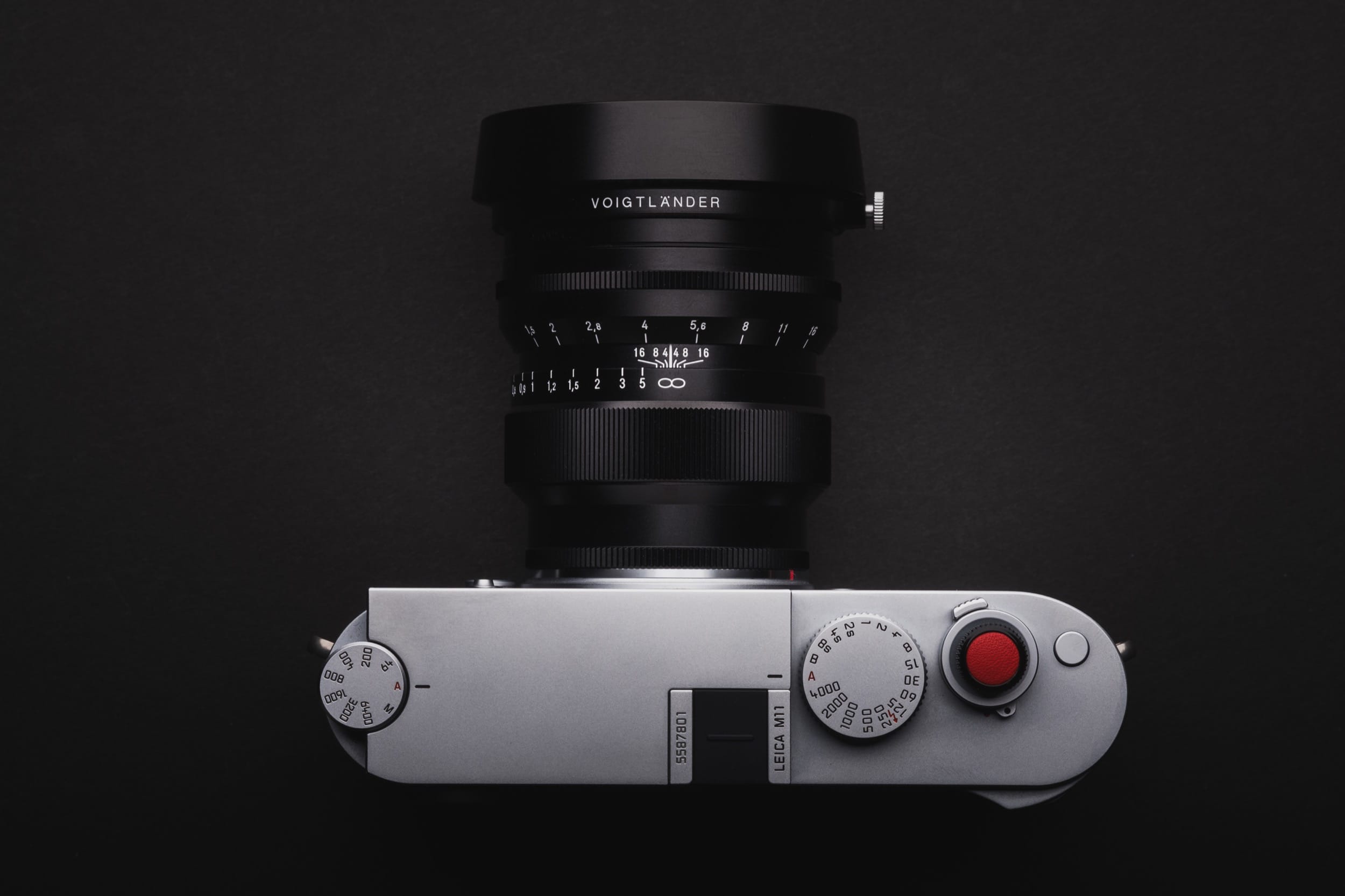
Voigtlander has been mixing up the builds of the lenses for a while now. They seem to be moving more into the all-metal design (which they now call Vintage design) from their composite plastic shells from a few years ago. For M body cameras, the metal lenses are nice, and this particular lens feels like a tank. No wiggle, a good aperture, and a good focus ring pull.
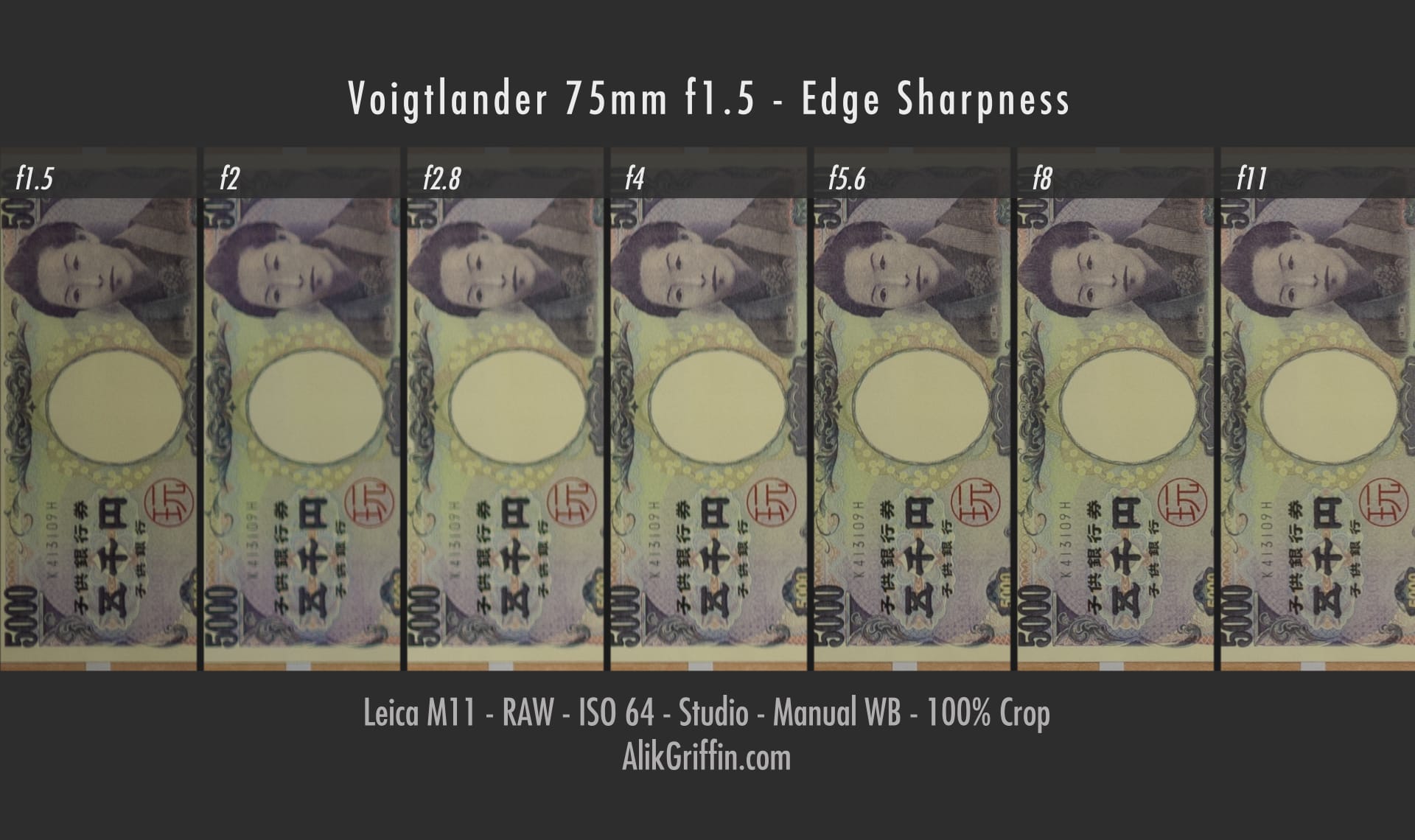
The only potential problem is the shifting softness in the edges, which I noticed between f2 and f4. There could be some wiggle with the two barrels, or it could just be a field curvature focus shift issue. Since the results are inconsistent, it makes me think it’s a mechanical shift – I’ll discuss this more in the sharpness section.
I still worry about Voigtlander lenses in the long term since they don’t usually stick with designs unless the lens is very successful. I generally like how Zeiss, Kipon, or Leica make their design and then continue to improve on it over the years, so down the road, you can get a very solid lens. Voigtlander lenses never really feel like they have that refinement, but I guess that’s why they are so much cheaper than the competition.
In terms of the technicals, we have a 7-element design a 12-bladed iris, and a minimum focus distance of 2.3′ / 70 cm which is not too bad for a longer lens like this. By comparison, the original Fujifilm 56mm f1.2 lens was also 2.3′.
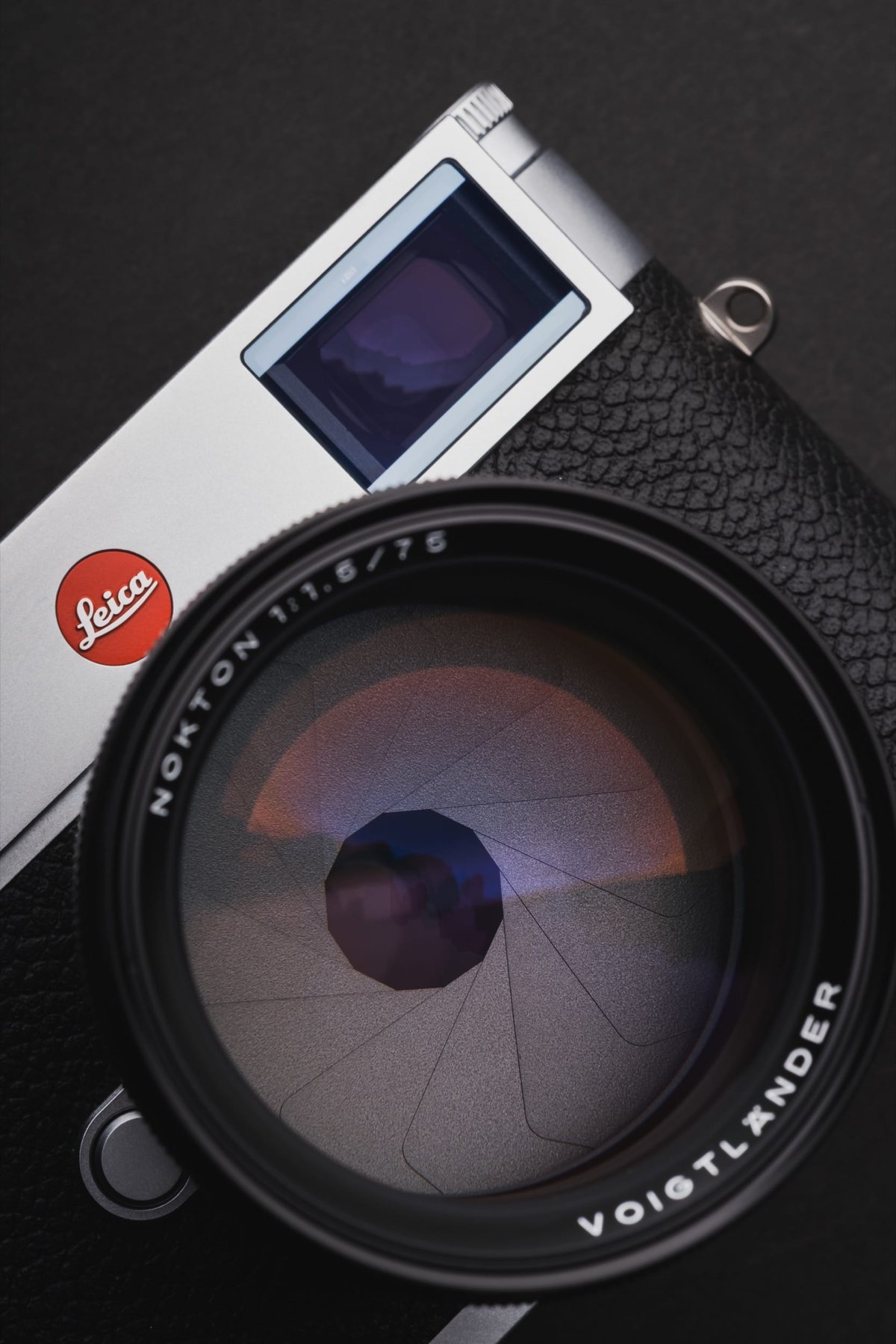
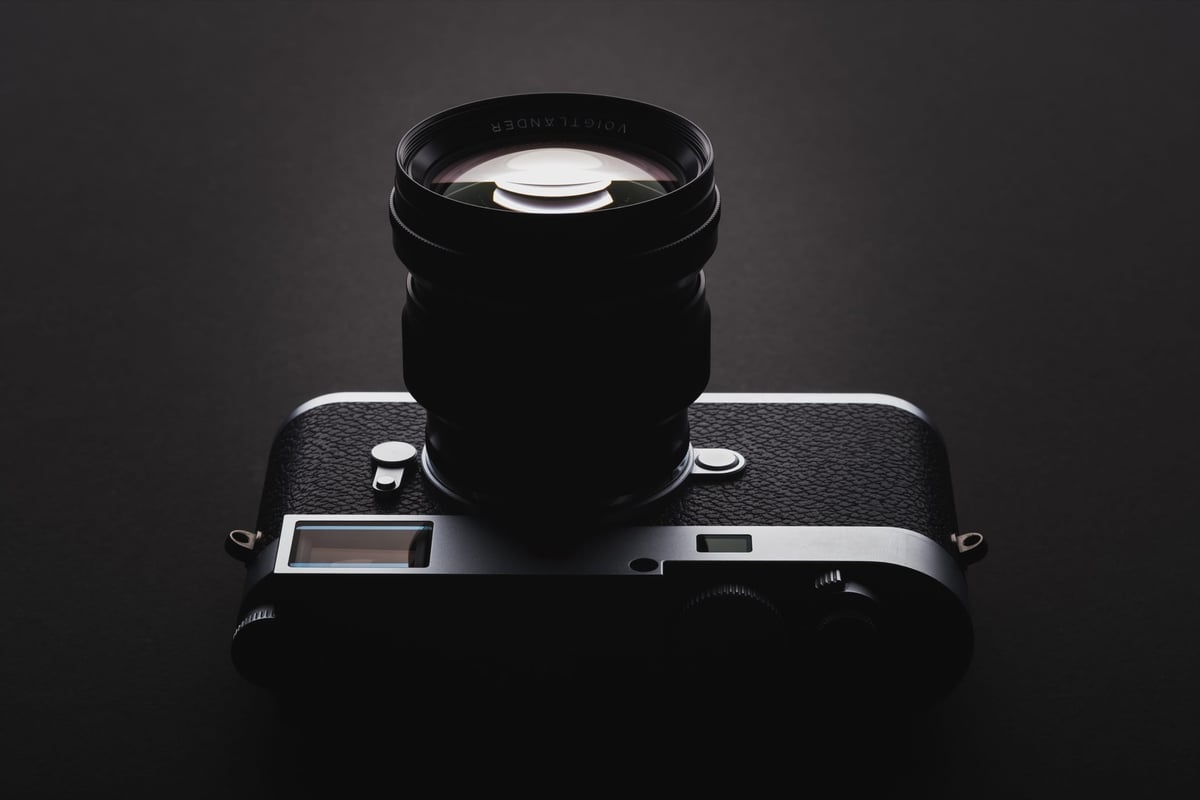
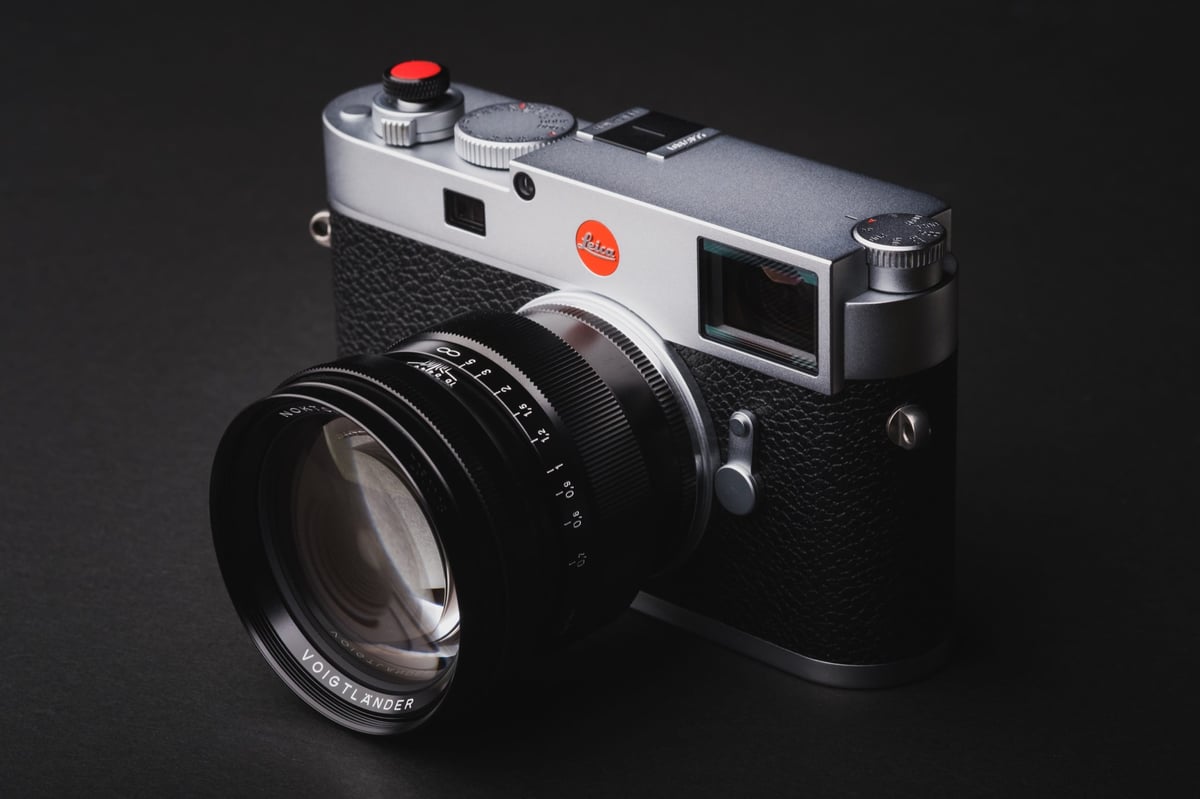
Also, I’ve had this lens for a while now and still have no dust inside. This was a major problem with the Voigtlander 50mm f1.5 II.
Unlike most Voigtlander lenses, the 75mm f1.5 does come with a nice metal lens hood. As far as I know, the 75mm f1.9 does not include a hood, which costs around $70, which is something to consider when shopping for these Voigtlander 75mm lenses.
Technical Overview

Sharpness
Overall, sharpness is great. It’s a little softer and ghosty at f1.5, especially when shooting closer subjects. F2 also has some of these wide-open aberrations, and by f2.8, the image becomes very crisp, almost like a different lens with a different look. So you’ll get a totally different rendering from f2 to f2.8.
Center Sharpness
Very good sharpness at f1.5. While we have good detail wide open, it is a little whispy with some ghosting. If you’re shooting in bright environments with a lot of reflective light, sometimes using an ND filter or polarizer can help calm some of the scattered light. I shoot these charts with LED lights now, and I have noticed that they aggravate the effect more so than my older continuous tungsten studio lights.
By f2.8, the lens almost becomes a different lens with very crisp and sharp details. We saw a similar switch in quality with the Nikon 85mm f1.8 when going from f1.8 to f2, where sometimes shooting at the faster aperture gave a more dreamy, calmer saturation and contrast.
I usually white balance these in LR with the little dropper; I’m not sure what happened at f2; it’s a little bluer, but this is not an issue with the lens.

Mid-Frame Sharpness
Very good mid-frame sharpness.
We start to see a little anomaly happening here,, and we see it even more on the edges. What’s happening is some sort of focus shift at f2 and f2.8, where it slightly drops out of focus.
I’m not sure exactly what’s going on here. Sometimes, this edge sharpness is better or worse for unknown reasons. I shot these charts a few times, and when I compared the edges at f2 or f4 between sets, sometimes they were great, and sometimes not so great, even though the center appeared to be in focus. Possibly this is just some slight shift in focus that I don’t notice in the center from a deeper depth, or the act of adjusting the focus is moving some elements slightly out of alignment between the two barrels. It’s not really a problem in everyday use, but I thought I would point it out as a noteworthy anomaly.

Edge Sharpness
Very good edges, again except for the softness I get sometimes from f2 to f4.
Corner Sharpness
The corners are very impressive, but there is a slight reduction in detail compared to the center at f1.5 to f2.8.
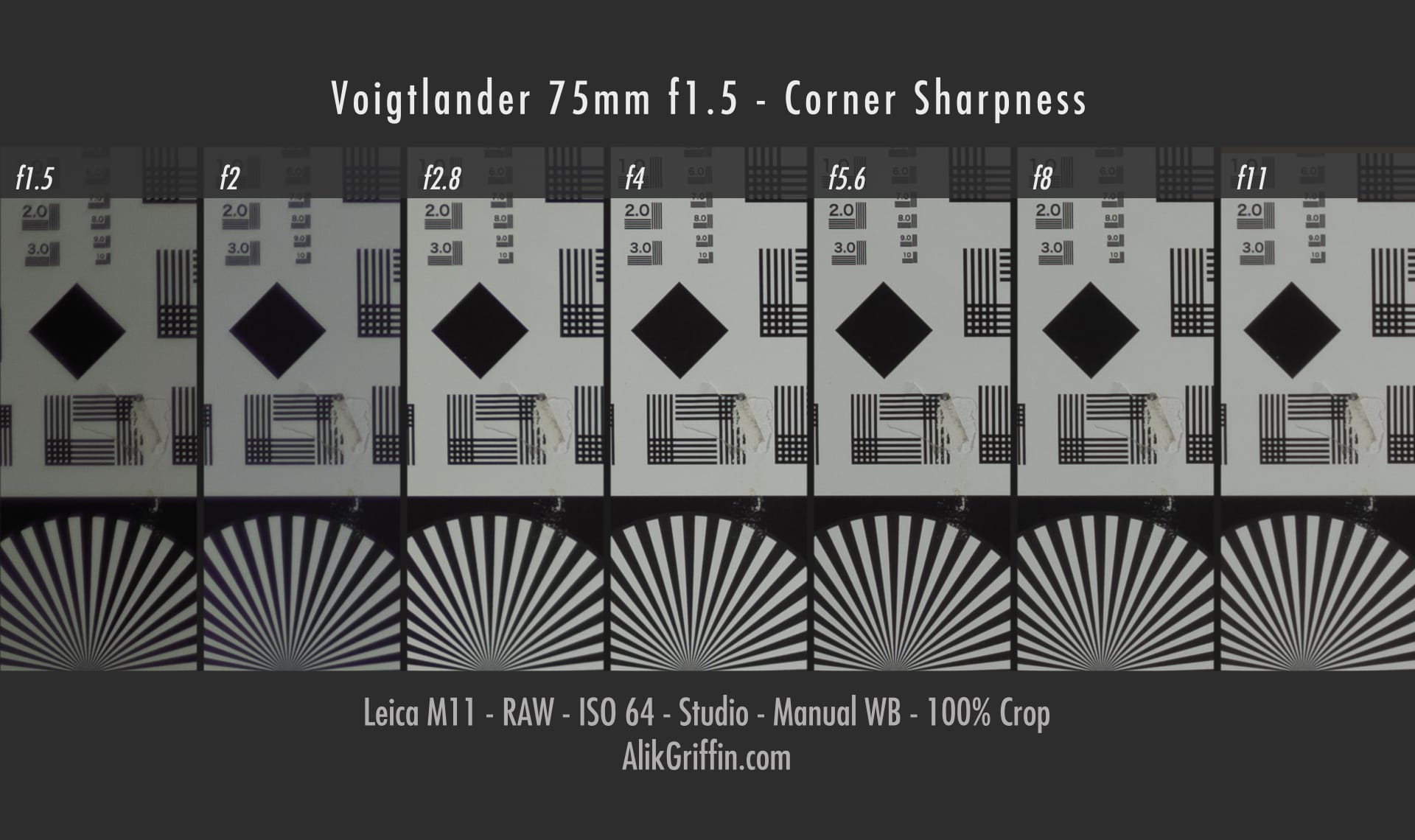
Because of the shifting sharpness in the midframe and edges I mentioned earlier, I would only shoot landscapes at around f5.6 and above, and your images will be flawless with a ton of detail.

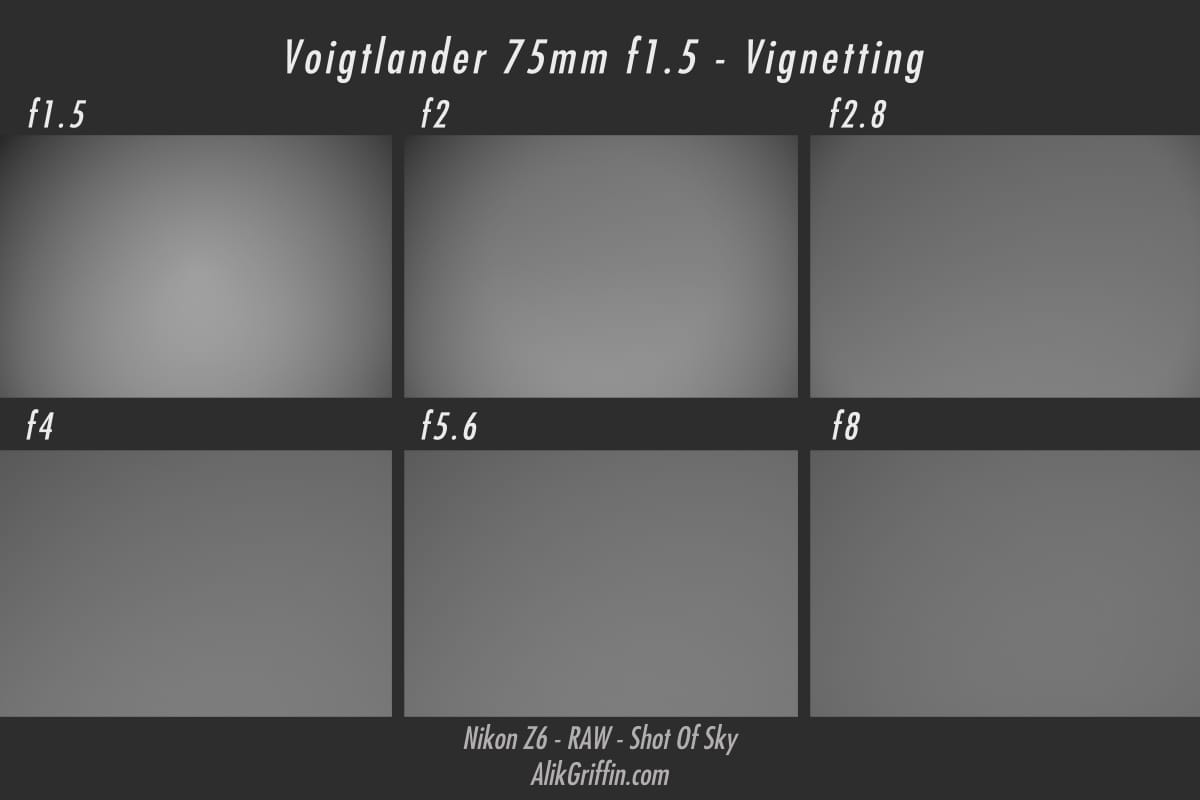
Vignetting
This vignetting sample is taken with the lens hood on at maximum close focus. It’s much more controlled at infinity, but I wanted to show you the worst-case scenario.
There is quite a bit of vignetting at f1.5 and f2, by f4 it’s mostly corrected. Also, notice how the top left corner has more vignetting. The sun’s position (in this case, it was to the right) can also exasperate the vignetting. In calmer lighting, the vignetting will be less – this lens seems to be noticeably affected by these changes in lighting conditions. Most of the time, you don’t notice the vignetting when shooting with this lens. In all the samples posted in this review, I never corrected for vignetting, and you almost never notice it, especially after small crops here and there.
Distortion
Very little distortion.
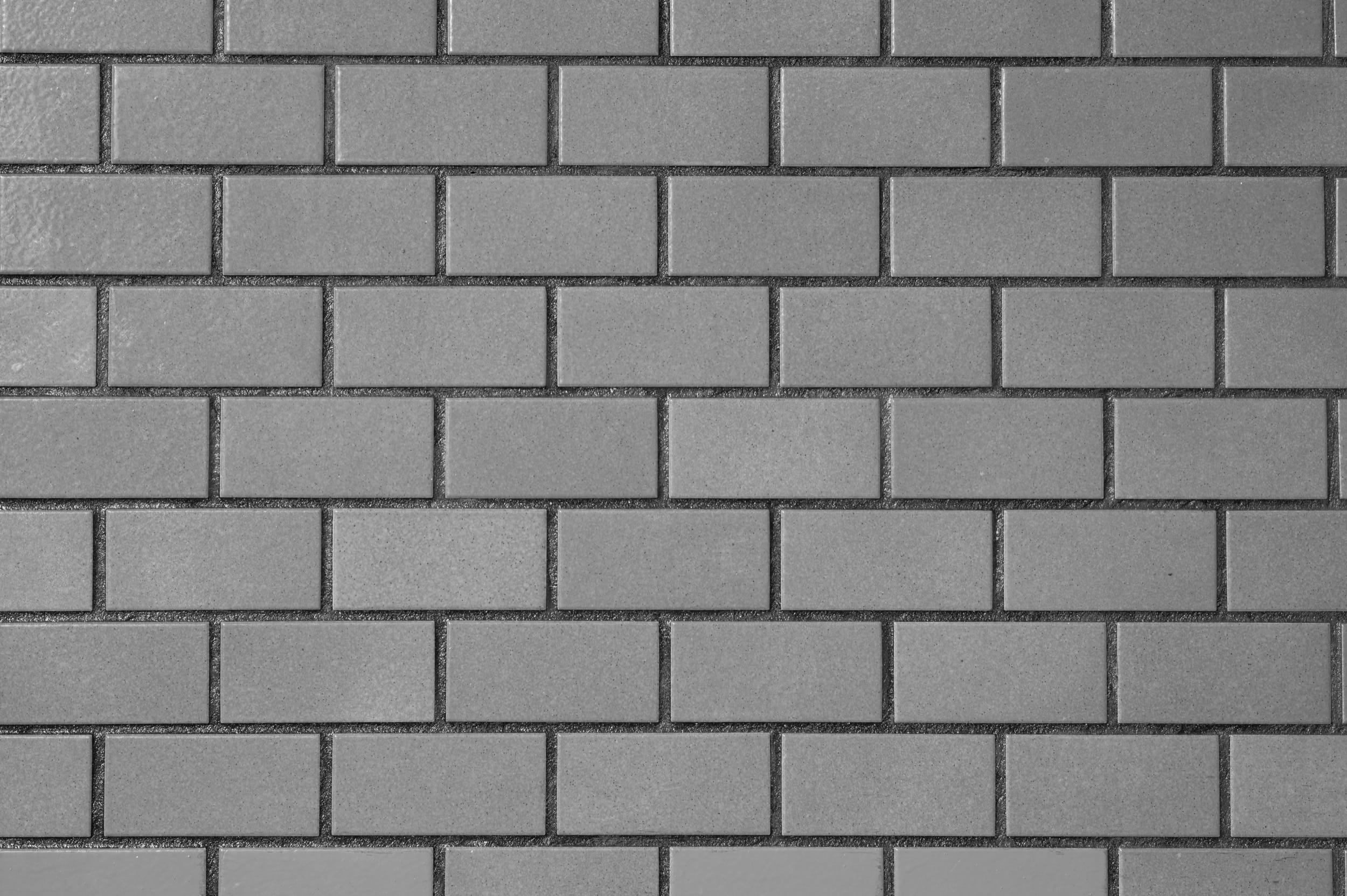
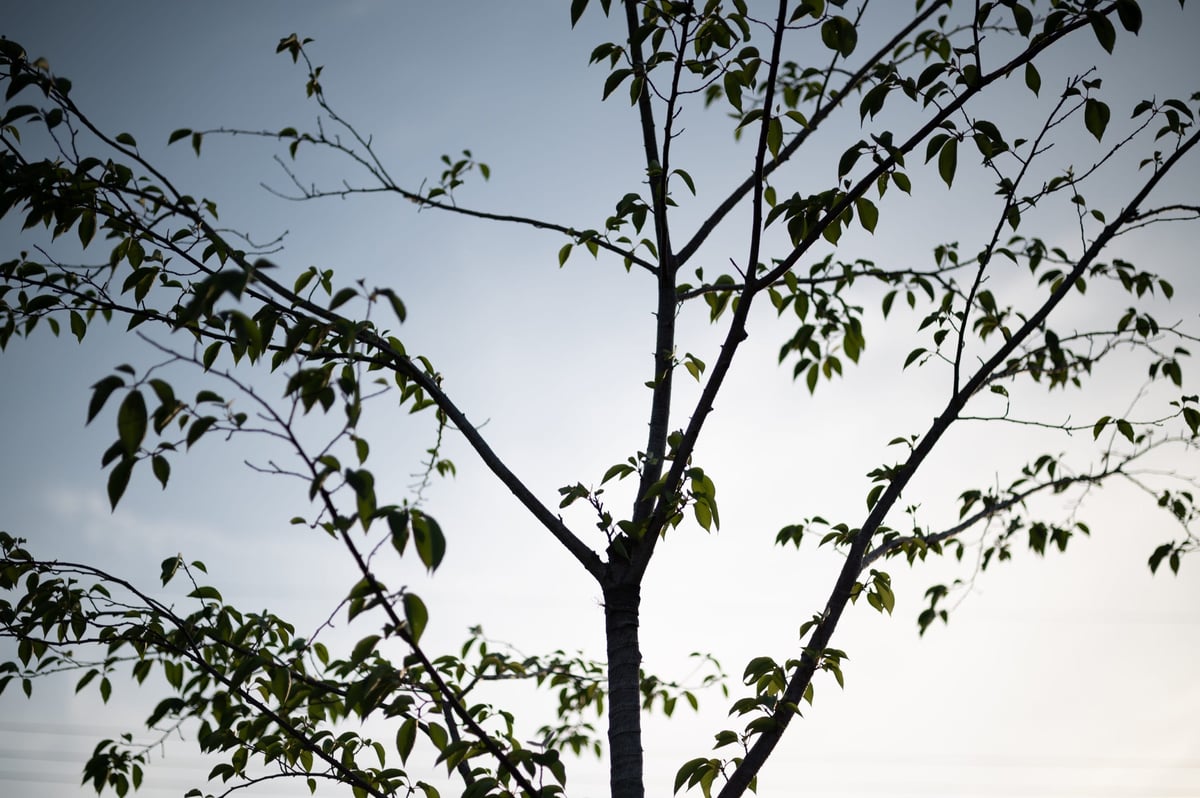
Chromatic Aberrations
Excellent chromatic aberrations control.

Flaring
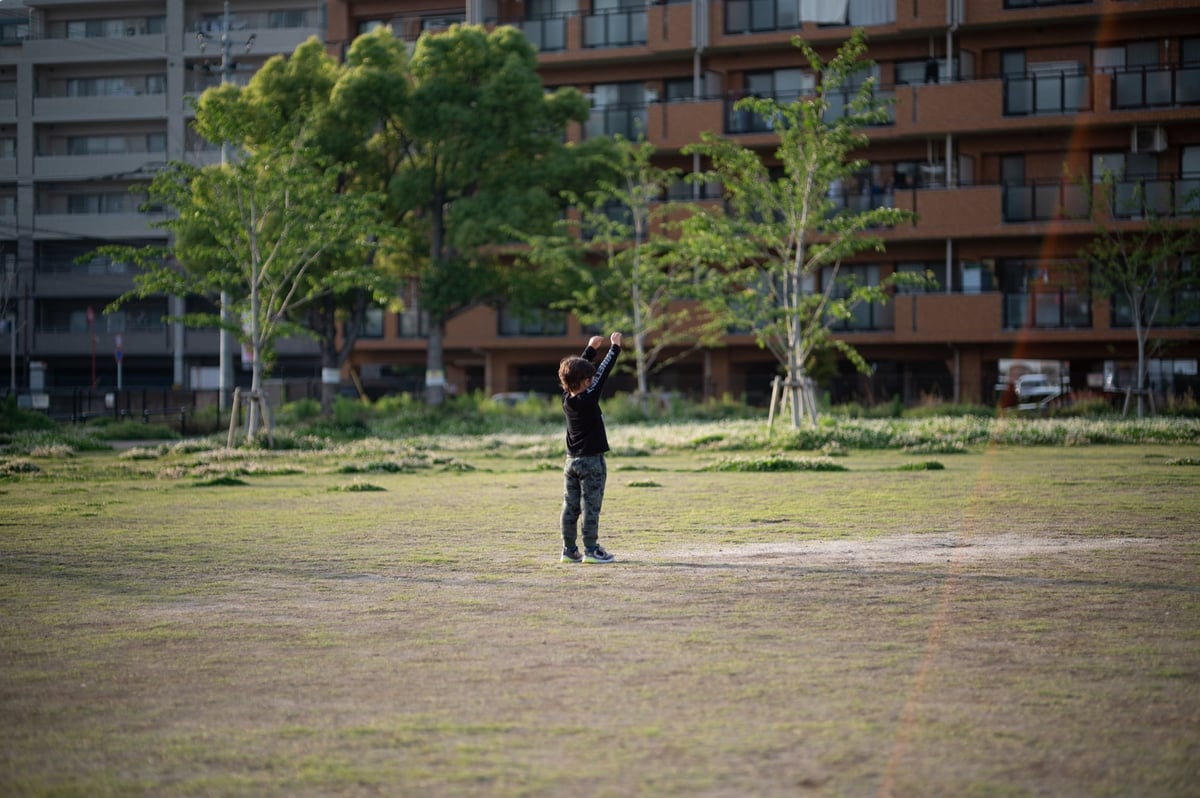
It’s very rare to see this lens flare, but when it happens, it often appears in these fairly distracting arcs across the frame. That second photo in the Chromatic Aberrations section above also has some minor flaring when pointing directly into the sun. Another reason to be careful when shooting with the optical rangefinder.
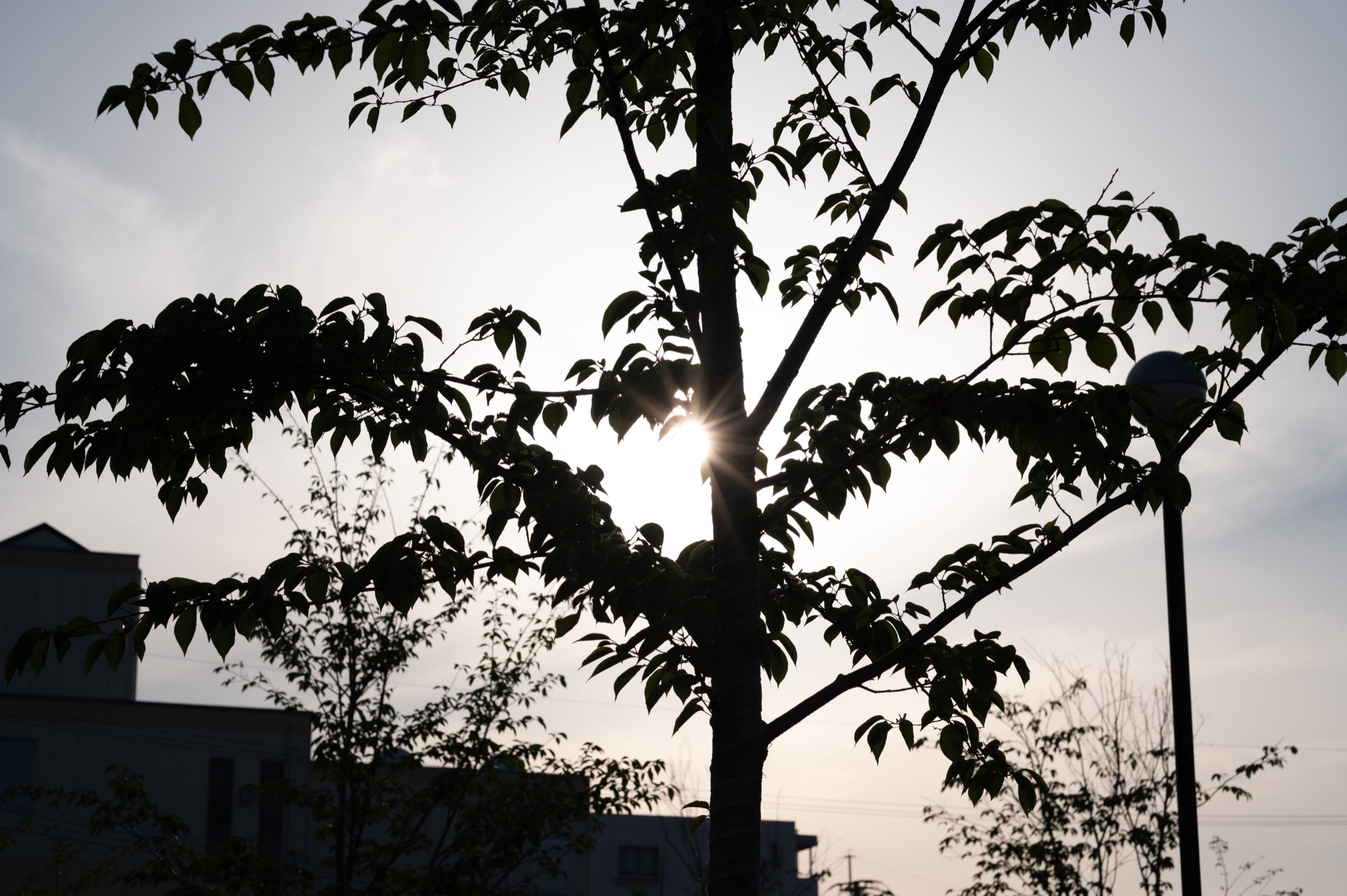
Sun Stars
Sunstars look like this.
Voigtlander 75mm f1.5 Art & Character
This lens has two different character looks, more so than many other lenses. At f1.5 and f2, it has a dreamier look with some ghosting and soft color transitions. Then, at f2.8, it all clicks together, all the aberrations are corrected, and you end up with a very crisp look, a totally different look.
I really like shooting this lens at f2 since you sometimes see too much of that ghosting effect at f1.5, but this will likely depend on your lighting situation. F2 still has a ton of sharpness and holds onto some of that more dreamy rendering with very rich colors and bokeh. F2.8 is really nice for B&W for that sharpness and contrast and really high micro-contrast, but you do lose a lot of the character that makes this lens special. From f2.8 and higher where the lens becomes very clinical, except the bokeh remains fairly smooth.
If you’re in an area where the lighting isn’t too overpowering, you can get away with f1.5, and the lens is definitely sharp enough to hold detail even with full-body portraits and with pretty minimal ghosting. Here you can see some of that vignetting creeping in.

Bokeh
Bokeh is generally always buttery smooth and very vibrant with color. Sometimes, the faster lenses with higher elements give a reduced saturation, more ethereal-looking bokeh.
We sometimes do see a nervous chatter in the bokeh near the edges in some situations, and usually when the subject is further away. There is also some cat eye bokeh which is pretty common with these longer lenses.
Here are samples at about the distance you should shoot headshots. Straight out of the camera on the Nikon Z6.
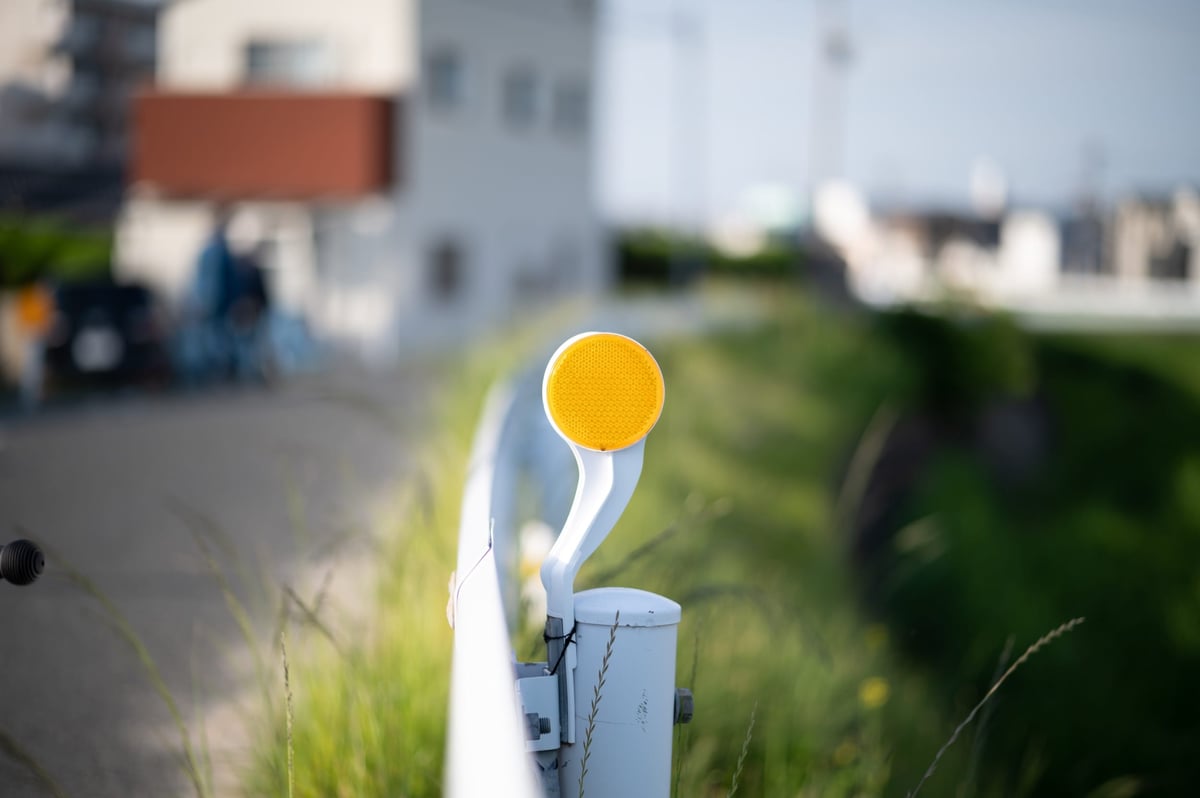
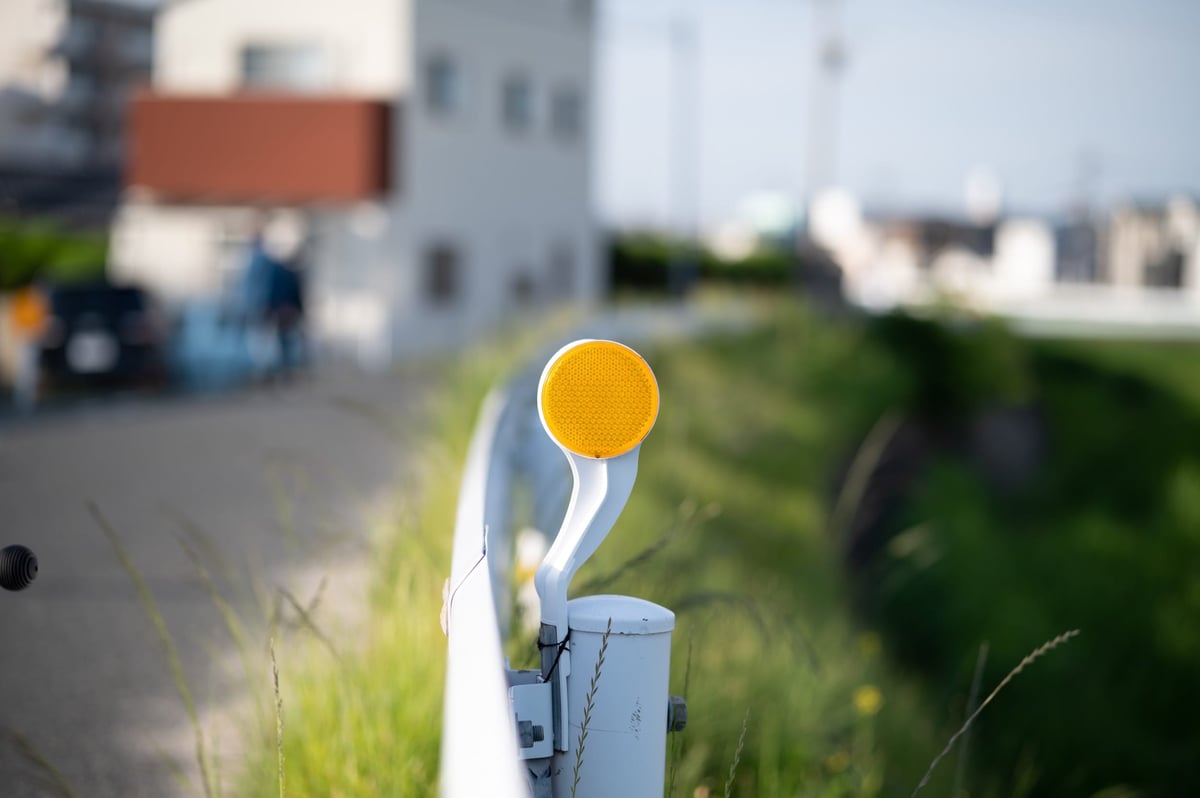
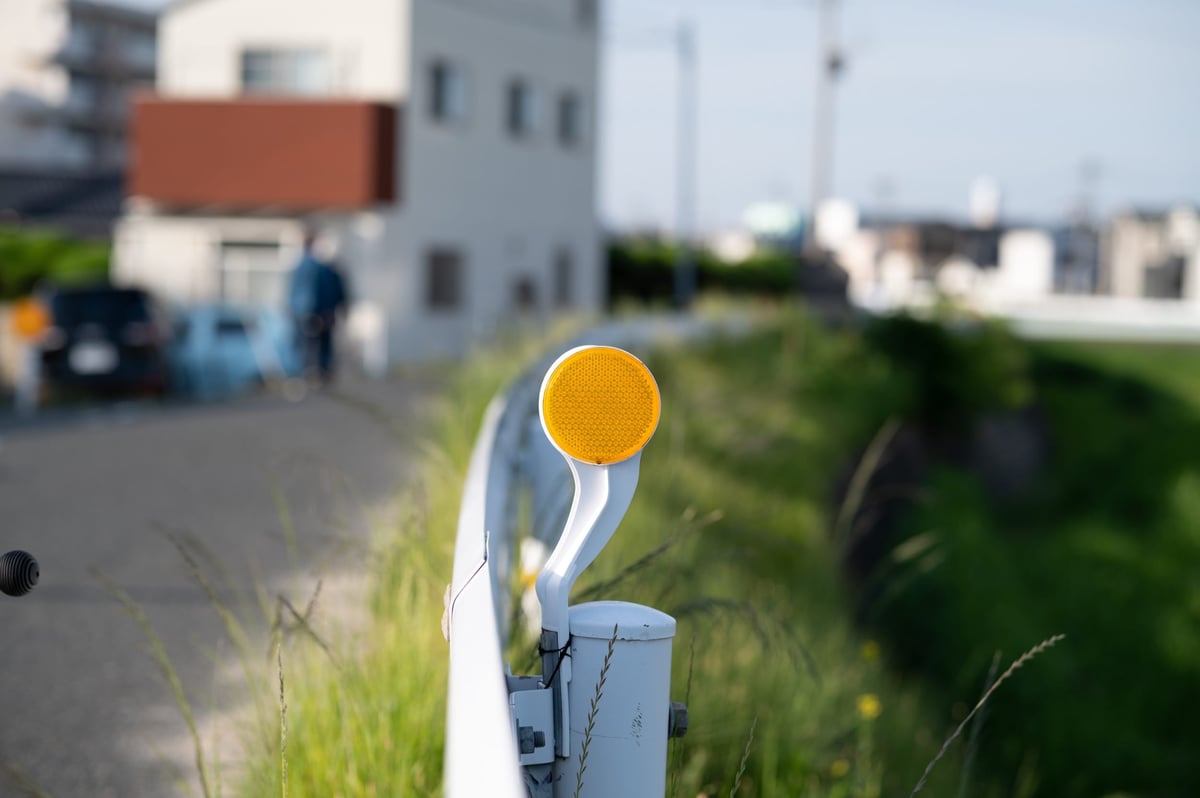
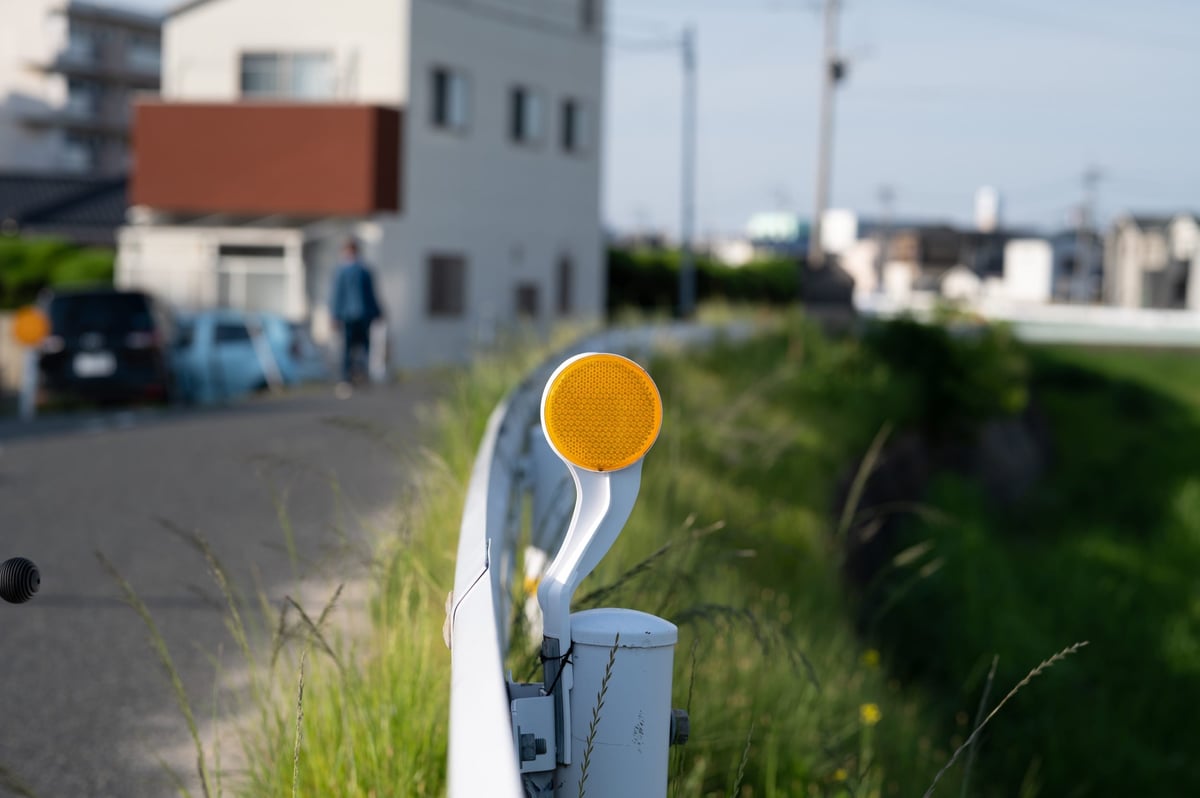
Here is how the long background renders at different lengths. The first image is close to the minimum focus distance, the second image is 3m, and the third image is 5m. In that 3m image, you can see a little bit of the chatter swirl showing up at the edges of the frame. On a Fujifilm APS-C camera, this would give you pretty much a perfect background with a field of view similar to a 112mm lens.


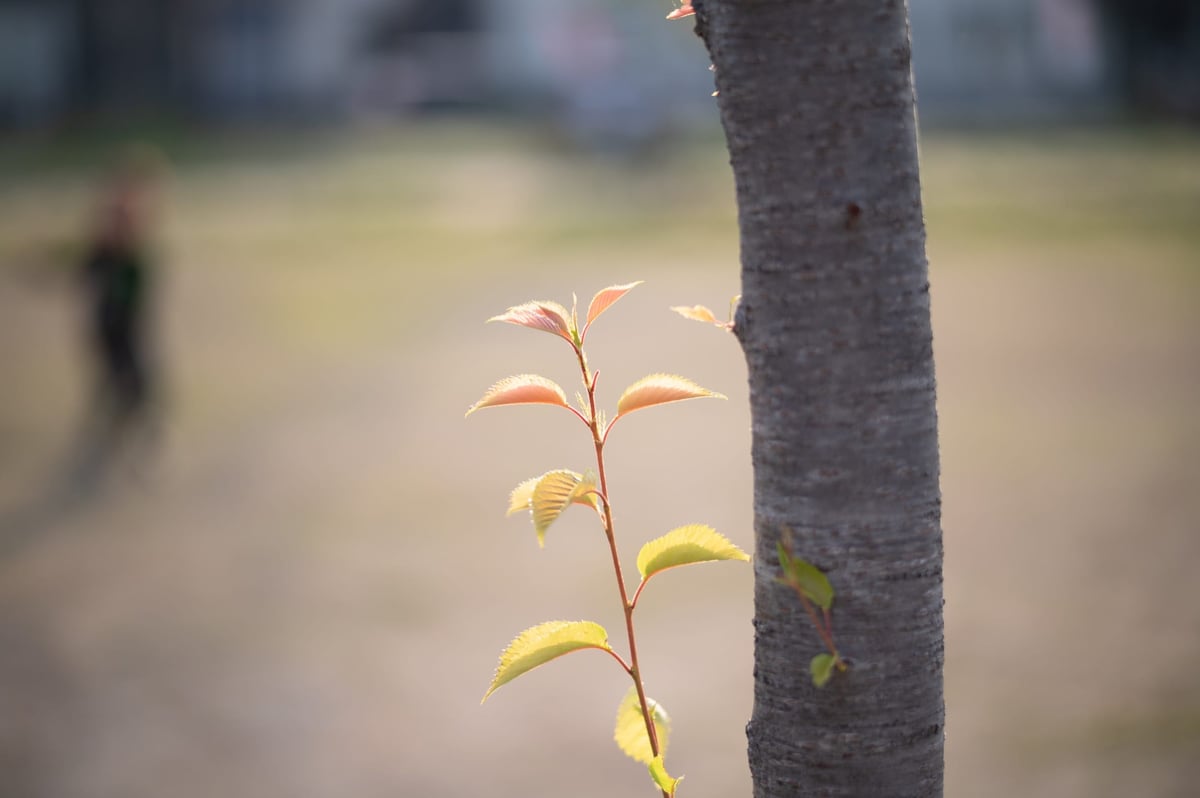
Here is another sample of the subtle swirl that shows up when the subject and background are aligned just right. You can also see how that soft glow shows up at f1.5 in brighter conditions. Very dreamy, almost looks like I shot with a diffusion filter, or applied an Orton effect.

Bokeh Samples
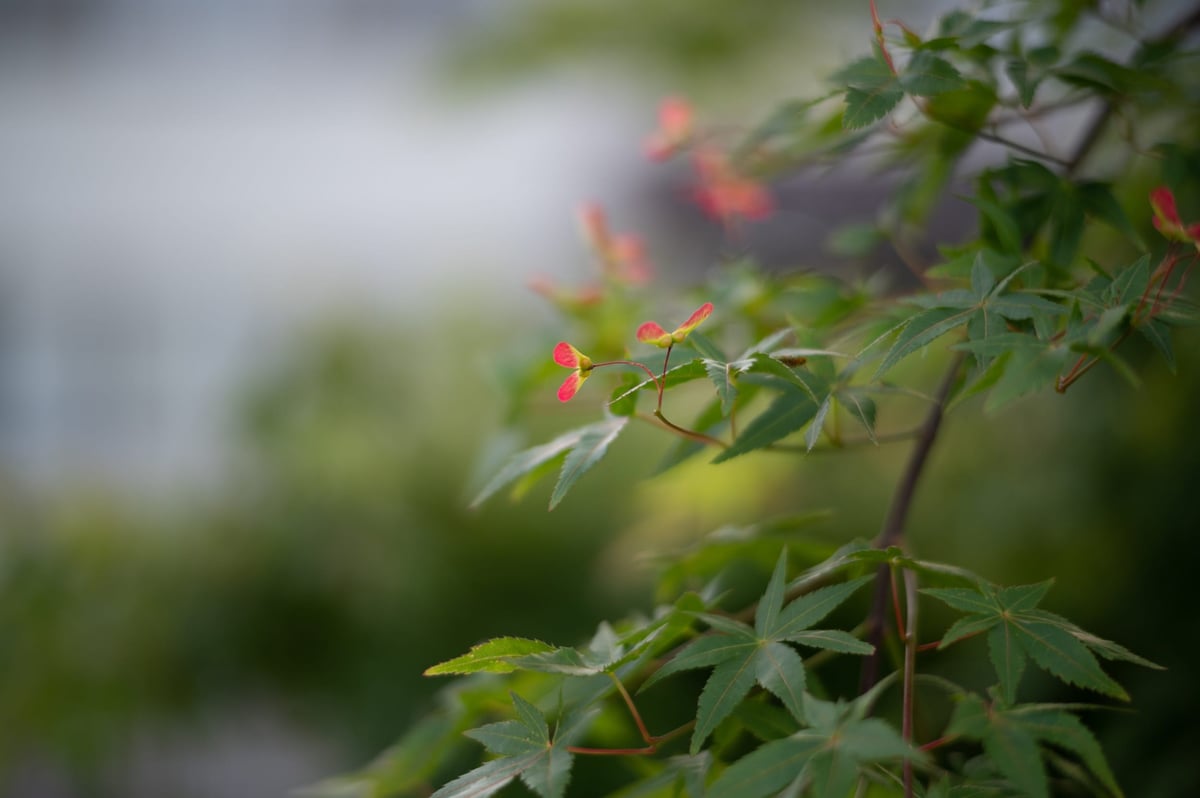
These are shot on the Nikon Z6, with minor editing to show some contrasting color rendering.


Color, Contrast / Micro-Contrast
Once you stop down to f2.8, this lens can produce very good contrast and micro-contrast. At f1.5 and f2, there is a little ghosting that creates dreamier rendering.
You can see some side-by-side samples of the different looks below. The f1.5 shot has softer colors and contrast (outside of just having a shallow depth), followed by high sharpness, micro-contrast, and really clean color separation at f2.8. A lot of lenses do this, but this lens has a bigger shift I’ve noticed than most other lenses—and we also maintain that dreamier look at f1.5 as well as at f2.

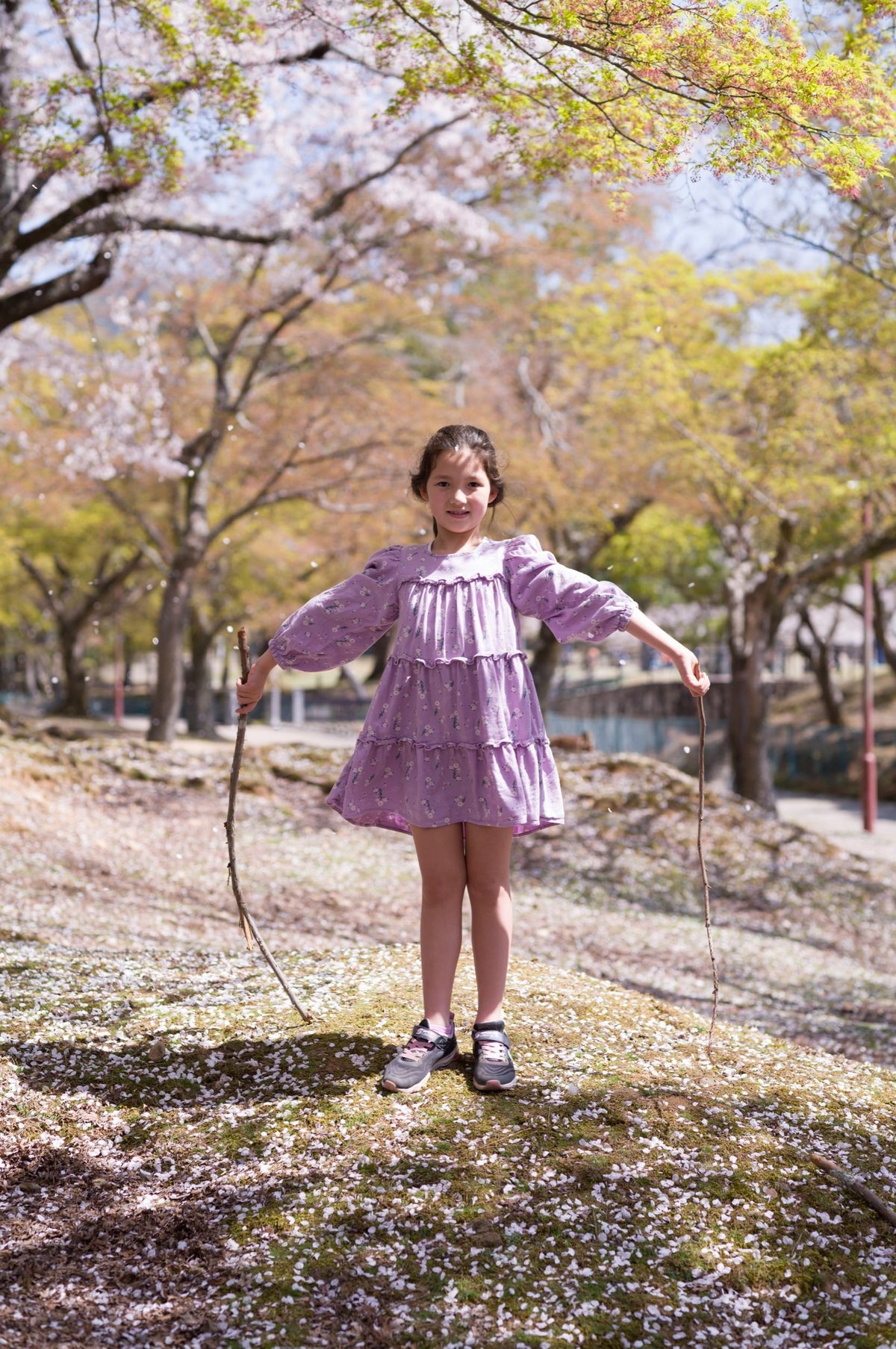
f2.8 is where you would want to start if you want to really max out the micro-contrast, which is great for that more detailed B&W look or really detailed skin tones.
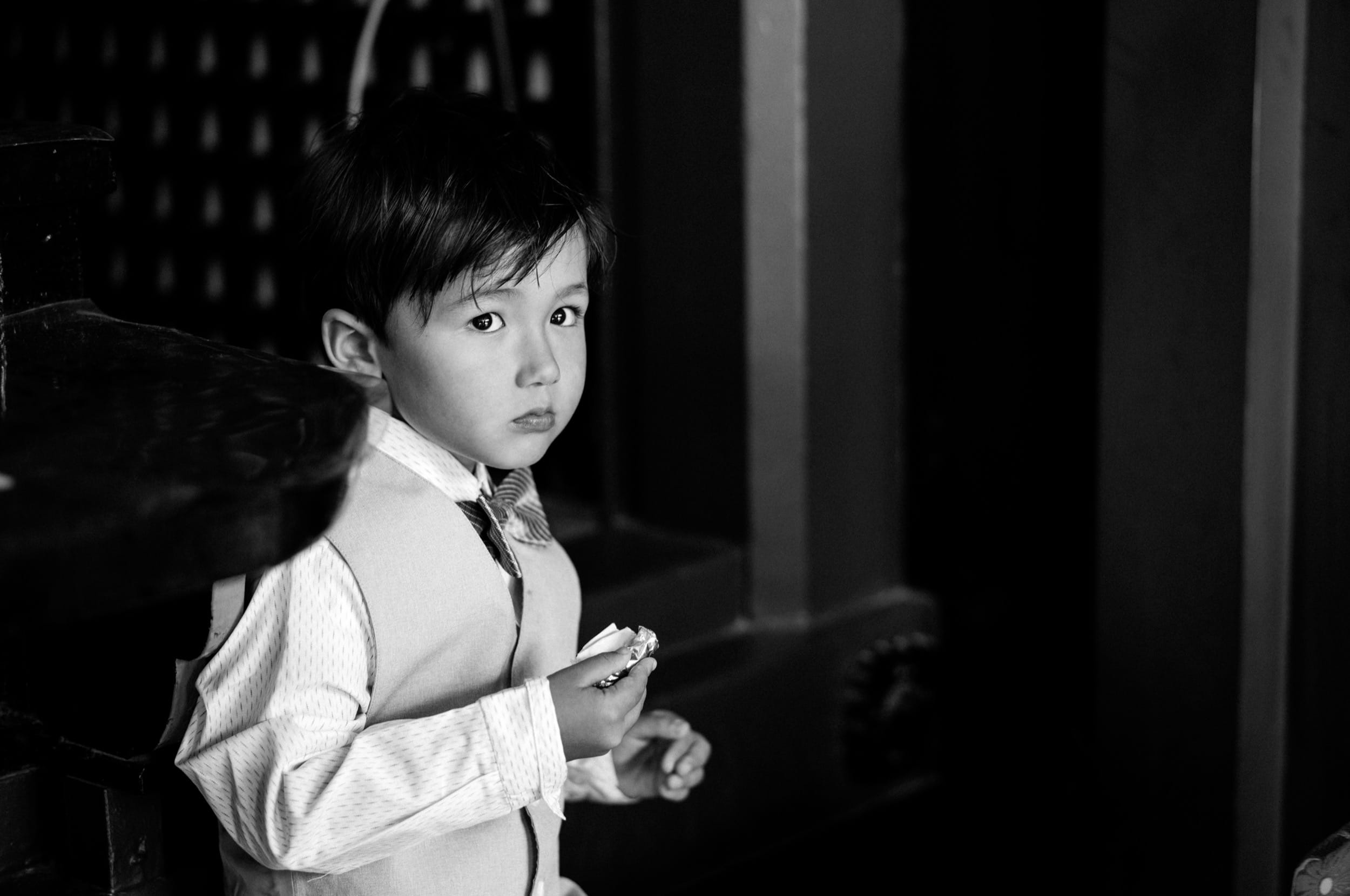
At the faster apertures, you lose some sharpness when the subject is very close. I think this was f2 below.

Voigtlander 75mm f1.5 Bottom Line
I’m usually critical of most Voigtlander lenses, and I often feel like they play towards the trends with designs that are sometimes just gimmicks, with questionable builds and quality control. But this Voigtlander 75mm f1.5 is truly a gem. For a relatively small full frame 75mm lens that’s as fast as this lens is, it’s very impressive. Sharp enough for full-body portraits wide open and very sharp when stopped down for landscapes.
I really like the calmer color and contrast at f1.5 and f2, but then you can pop it into f2.8 and still have great background bokeh but also a really detailed high micro-contrast image. So you can get basically two totally different looks out of the lens while still having shallow depth.
The build quality is great, and the lens hood is great. The only downside is the lens is a little on the heavy side for a walk-around everyday carry, and potentially, those arcing flares can cause some issues in some situations.
I would say because of the heavier size and weight and the way it renders, I think this lens would be better suited for more of a portrait-style photographer, and I probably lean towards something a little smaller and lighter for an everyday street-type lens. Something like the older Voiglander 75mm f2.5, the very similar Kipon 75mm f2.4, or the new Voigtlander 75mm f1.9 looks very appealing for that use case.
I really only bought this lens out of impulse for my daughter Shichi-Go-San’s (7-5-3) celebration, which refers to the age at which they go through this right-of-passage ceremony. You rent a Kimono, go to the shrine or temple they are dedicated to, and do Japanese stuff. I didn’t have too many long portrait lenses for a full frame, which was amazing.
I really like this lens, and I’ll put it on my list of favorite Voigtlander lenses, with the other being the Voigtlander 35mmf 1.7 (super old review, but it is a discontinued lens, so there is no point in updating it). I haven’t fallen in love with too many other Voigtlander lenses yet, but I still haven’t tried out some of the other lenses that I often hear great things about, like the 35mm f1.2, the 40mm f1.2 and the 50mm f1.2. The Voigtlander 35mm f2 actually isn’t too bad if you need a tiny lens.
Voigtlander 75mm f1.5 Sample Images
Voigtlander Nokton 75mm f1.5 (black or silver) – Amazon / Adorama / B&H
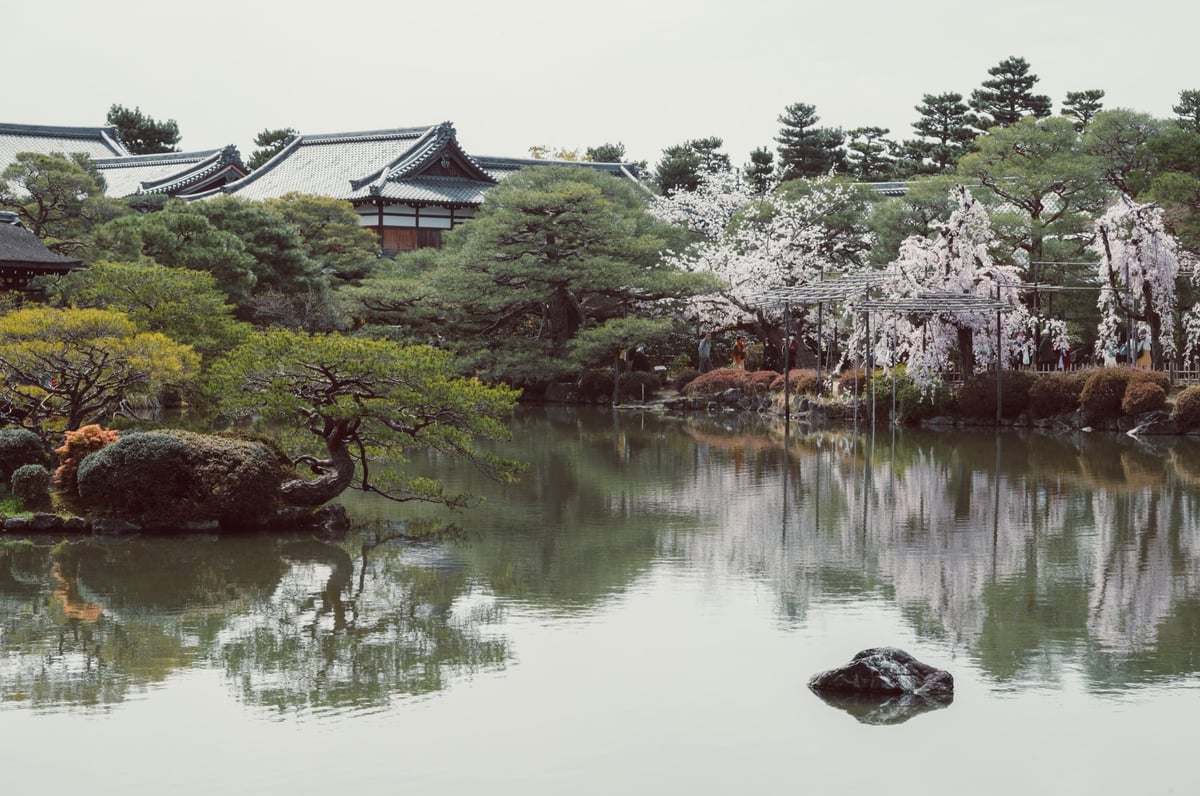
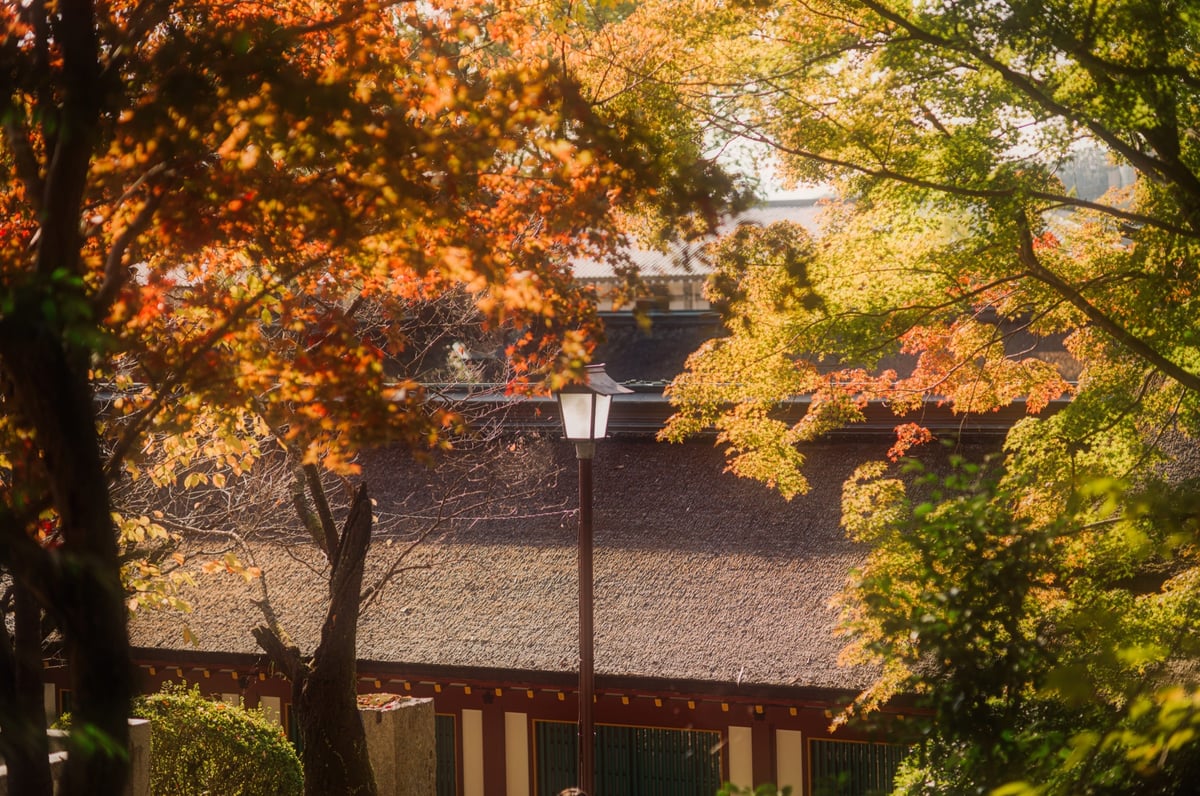
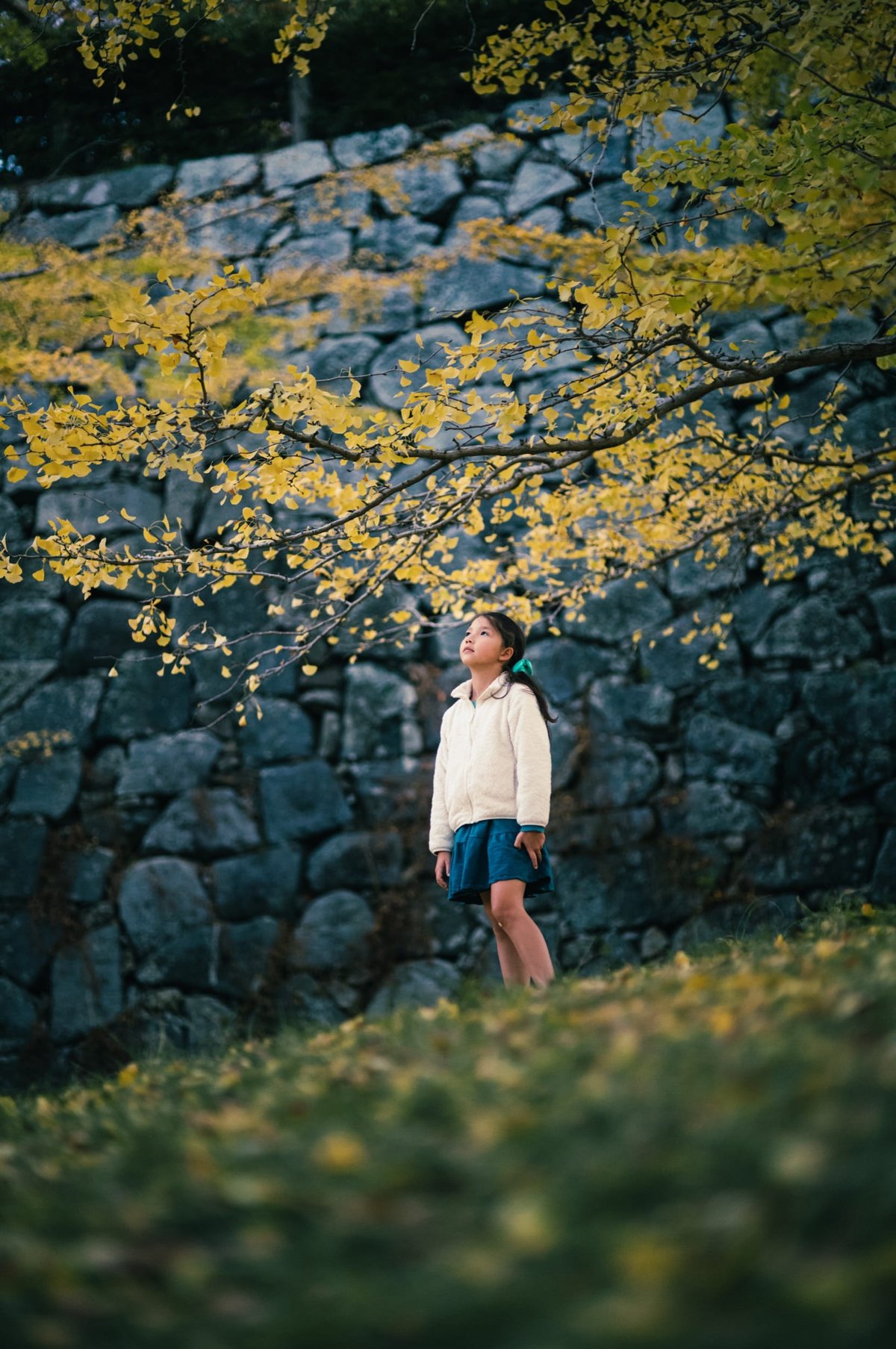
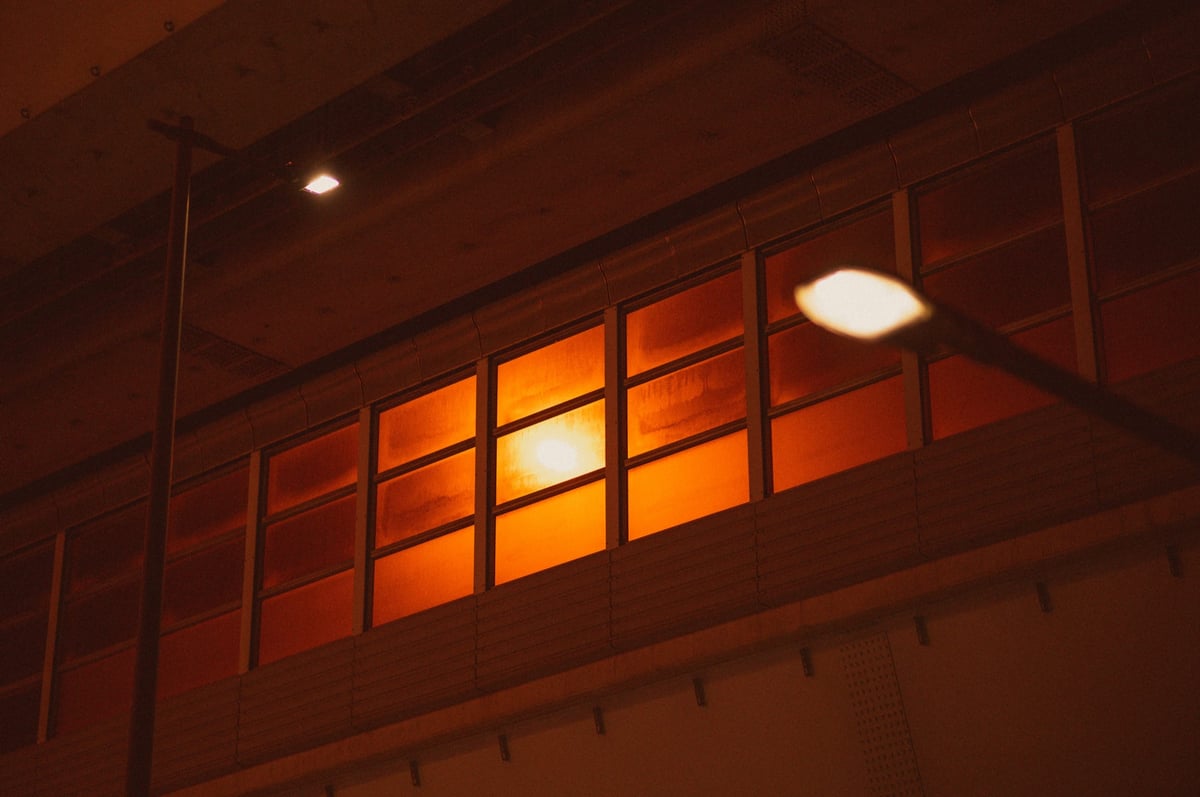
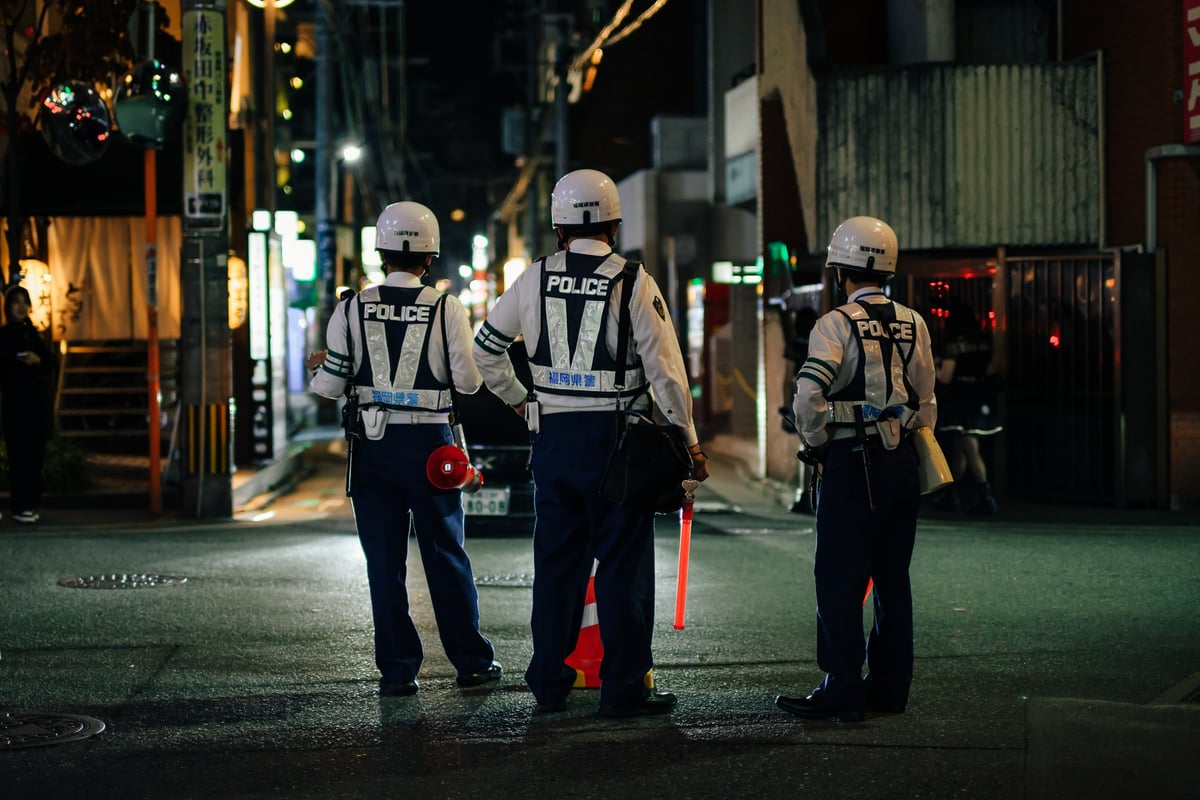
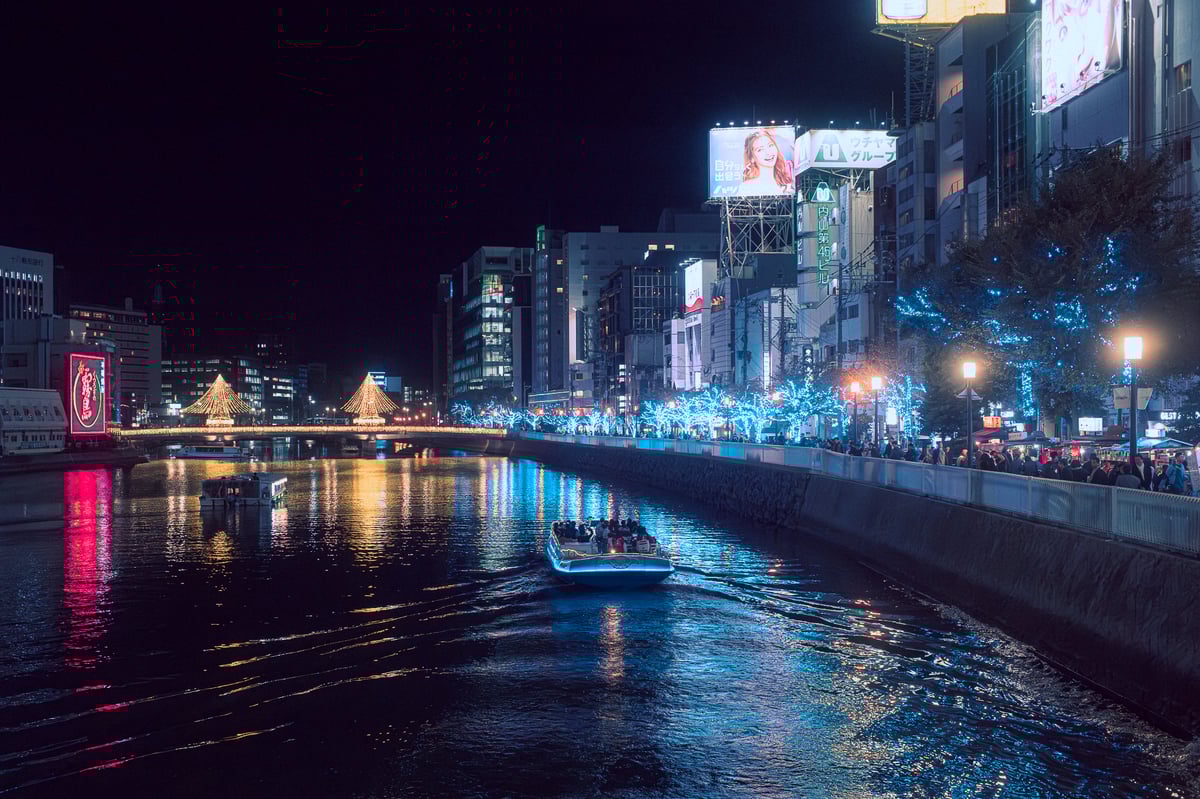
Samples are shot on the Leica M11 and colored with the core presets.






















Leave a Reply