
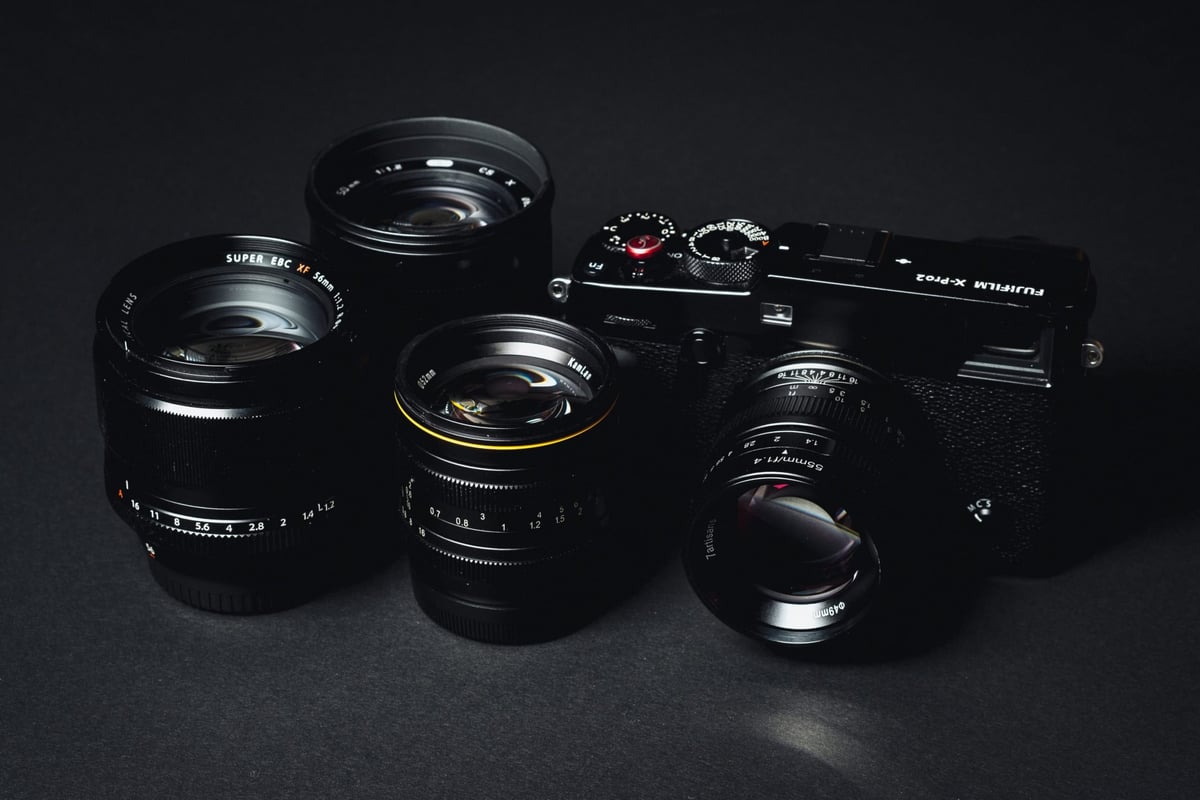
With cheap manual lenses from China and Korea growing in popularity, many people wonder if they are worth it or which to buy.
In this test, I compare the 7Artisans 55mm f1.4 to the KamLan 50mm f1.1. I also threw in a more expensive lens, the Rokinon 50mm f1.2, and the even more expensive Fujinon 56mm f1.2 as a control. Since Fujifilm is a legend when it comes to lens design, it will be interesting to see how they compare.
If you’re a Sony, Panasonic, Canon, or Olympus shooter, the Fujifilm 56mm provides a baseline of top-quality glass. Unfortunately, Sony does not offer anything like it.
Note: This is Mark I of the Kamlan lens. When the Mark II comes out, I’ll add it to this comparison.
7Artisans 55mm f1.4 vs Kamlan 50mm f1.1
Previously, I reviewed the KamLan 50mm f1.1. Initially, I loved the lens, but after recently shooting with it, I’ve become a little annoyed by its shortcomings. The main issue is that it’s not sharp, except at the center. Also, it sucks in very bright reflective situations. Of course, all that was forgivable when the lens first came out since it was only around $160. 7Artisans had a 55mm f1.4 that was a bit cheaper. The main thing that bothers me about the 7Artisans is the sort of flat rendering in some situations.
This raises the question: Is the 7Artisans 55mm f1.4 fast enough, and is the Kamlan 50mm f1.1 even worth it? Or do both of these lenses just suck, and should you drop a little more money on the Rokinon 50mm f1.2?
Decisions, decisions.

Build Quality
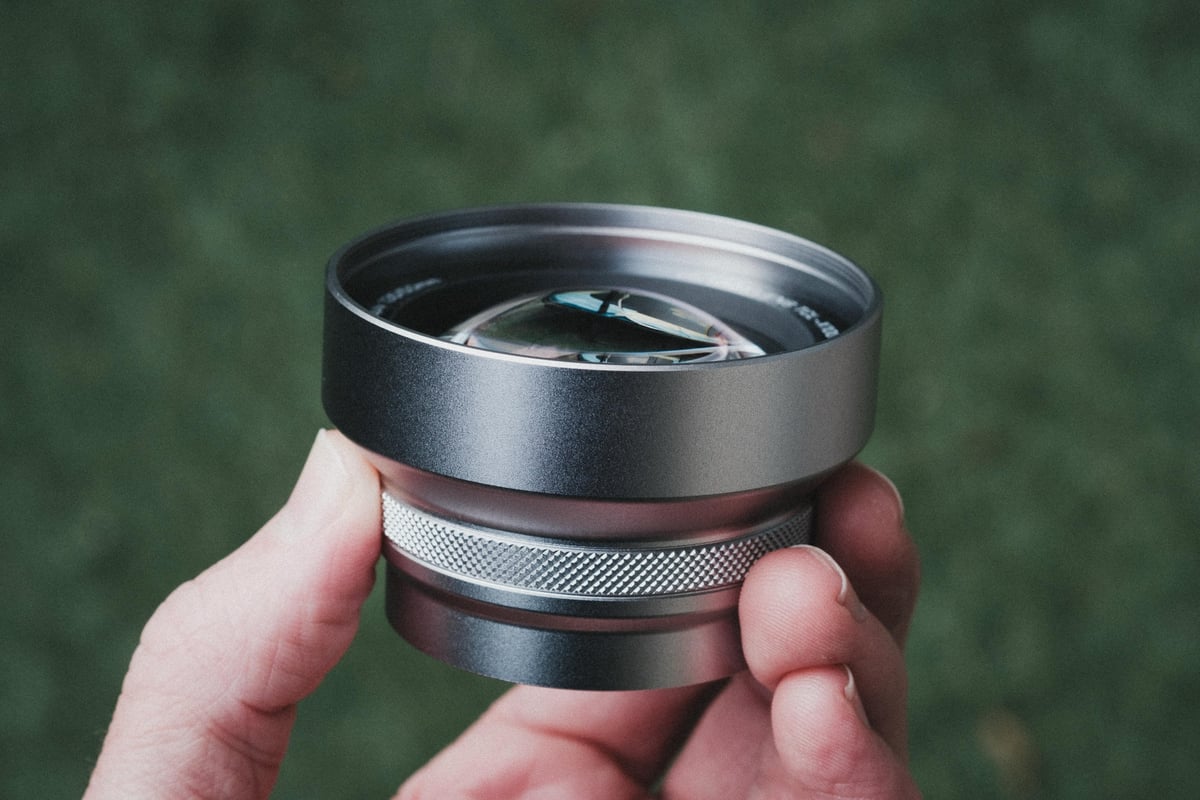
Only the Fujifilm 56mm f1.2 and 7Artisans 55mm f1.4 are constructed of metal. The Rokinon is made of plastic. But just because something is made of metal doesn’t mean it has good build quality. I’ve had another 7Artisans lens fail due to poor build quality, despite being all-metal. I’ve also had trouble with my SLR Magic 50mm f1.1 seizing up in sub-zero temperatures, and it’s also made of metal. I’ve yet to experience any issues with the 7Artisans 55mm f/1.4, but I’m not fond of the very stiff focus throw. It’s the stiffest lens I own, and it isn’t very pleasant. That doesn’t mean yours will be stiff.
This was also the only 7Artisans lens of mine that came with no flaws. My 7Artisans 25mm f1.8 was a mess, and my 35mm f1.2 was covered with this strange oil that took me a while to clean off. My 7Artisans 35mm f2 has a pretty loose lens hood (probably just poor design).
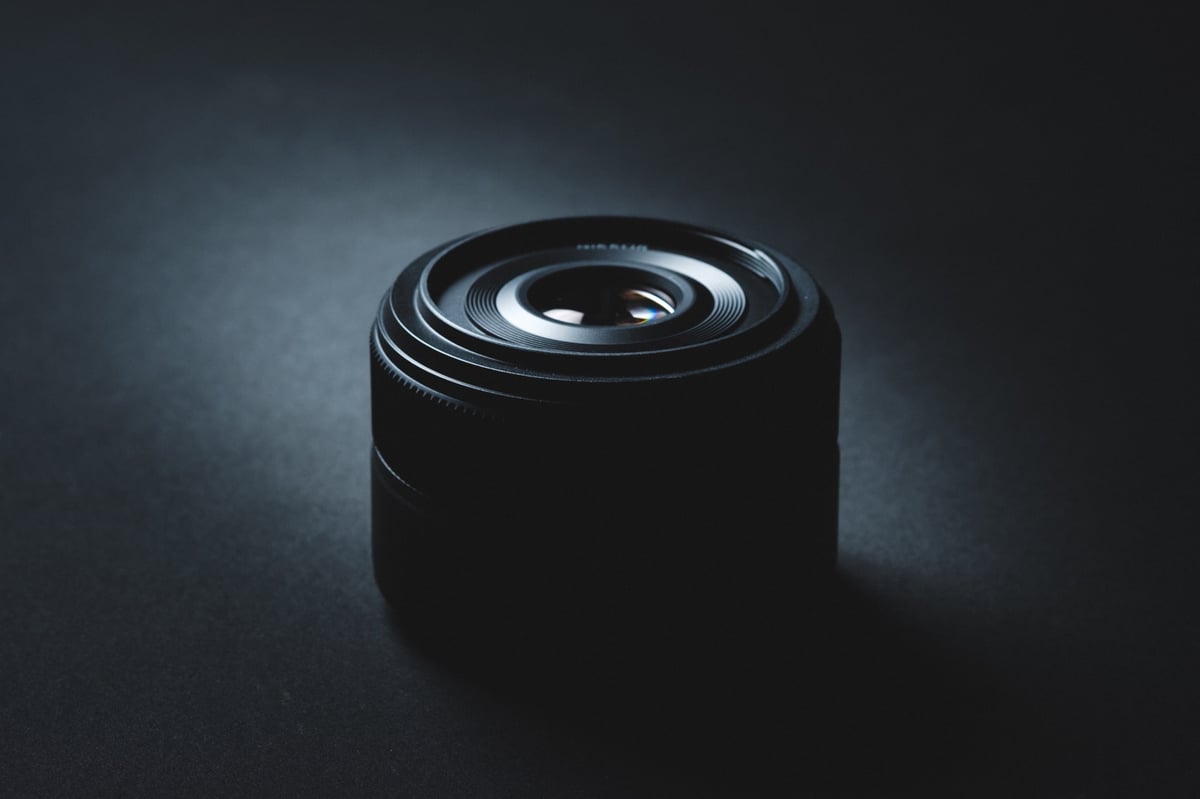
The Rokinon’s build quality isn’t bad, and I really don’t mind it. The Kamlan 50mm, compared to the Rokinon, does almost feel like a toy, but it’s really not too bad either.


Sharpness
I usually use a resolution chart where the situation is controlled, but I just moved to Japan for this test and haven’t built a new chart yet. So, real-world tests it is. I’ll update you with my chart in a few weeks.
Additionally, for this test, I did not apply the lens profile corrections to the Fujifilm lens by importing the shots into Iridient. That usually only corrects for distortion and vignetting, which we are not primarily concerned with in this review.
I won’t post a wide-open test for each lens on sharpness, since they all have different apertures.
Exposure may vary from +-.05 to .1 stops. It was overcast, and there was no way to maintain consistency. So I let the shutter run auto.
A Look At Sharpness @ F2
Since the Kamlan doesn’t have markers for f/1.4, I set them all to f/2. This will give a general sense of how well the lenses perform at fast apertures.
I left WB auto so you can see how the Fujifilm XT2 behaves with each lens. The 7Artisans renders a touch more purple, which will change the saturation of the greens.

Rokinon and Fujinon perform very well in the center. 7Artisans and Kamlan are also very acceptable. The Kamlan has a slight haze.
Stepping out to mid-frame. This would be close to the edge of an M4/3 crop.

Fujinon clearly outperformed here, as expected. Rokinon did surprisingly well. 7Artisans 55mm did okay, and the Kamlan had a pretty poor performance.
Taking it to the edge of an APS-C frame.

The higher cost of the Rokinon and Fujinon gets you this. The Rokinon looks a touch crisper than the Fujinon.
The 7Artisans has a significant drop in detail, and the Kamlan is just a blurry mess.
A Look At Sharpness At F5.6
I’ve put up a few charts that show not only the details but also the lens’s fidelity and contrast—black-and-white should help with this.
All these lenses perform well in the center. The Fujifilm 56mm overall outperforms all the lenses here. What really surprised me was how well the Rokinon 50mm f/1.2 performed.

The center sharpness on all the lenses is good. The Rokinon image came out slightly darker, so it looks a little less crisp. The Fujinon image came out a little more zoomed in because it’s 56mm, which makes it look more detailed. 7Artisans has a field view that is closer to the Kamlan than to the Fujinon.
Moving out from the center, closer to the edge of a Micro Four-Thirds crop, shows the weakness of the Kamlan lens.

Regarding sharpness, the Fujinon 56mm outperforms all other lenses. The 7Artisans and Rokinon perform very well. The KamLan 50mm is rather sad but would be fine for Micro Four-Thirds.
Taking it to the edge of an APS-C sensor, the Kamlan just gets murdered.

The Rokinon here performs better than the 7artisans 55mm f1.4.
Corner Sharpness @ f2
These aren’t great samples, and it’s tough to tell them apart, but there is actually a lot more sharpness in the Rokinon over the 7Artisans. You can also see this in the samples above with the grass.

Corner Sharpness @ f5.6
7Artisans, Rokinon, and the Fujinon all perform very well in the corners at f5.6. Here, the 7Artisans come much closer to Rokinon performance. I’ll update these once I’ve built my chart.

In terms of overall image details, none of the lenses can match the Fujinon. However, the Rokinon 50mm is only slightly better than the 7Artisans, mostly just outperforming it near the edges and corners. The Rokinon is much larger, but it is worth the upgrade if you don’t mind spending three times as much.
Bokeh & Color
For many people, the whole point of these cheap, fast lenses is the bokeh and shallow depth of field. Poor edge performance is forgivable if you’re shooting portraits, especially when adapted to a micro 4/3 camera. So, let’s look at some bokeh samples.
Bokeh Sample 01
Wide Open
This first sample isn’t the best, since the background is so far away and lacks detail and contrast, but it does allow us to see the falloff in focus and how the background is rendered.


It turns out all the lenses perform pretty similarly here, even though they all have different minimum apertures, no wild swirling bokeh or anything like that, and no soap bubbles.
I noticed that the background on the 7Artisans is a bit muddy and boring, and the image lacks saturation compared to the rest. The Kamlan and Rokinon are my preferred images in this sample.
Bokeh at f5.6
Even though I had the Kamlan and 7Artisans set at f5.6, they still rendered depth as though they were a bit faster. I guess the trick with these de-click lenses is that when you’re lining up the f5.6, the marker needs to be on the back end of the six—almost past the f5.6. I was lining up the marker on the ‘period’ in 5.6.
Anyway, the Rokinon and Fujinon are cheap lenses when it comes to micro-contrast and overall image fidelity. The 7Artisans again come out flat. Maybe the 7Artisans just don’t like green since, based on the samples above, it does seem to render naturally a touch more purple.


Bokeh Sample 02
Wide Open
In this test, the 7Artisans is slightly recessed from the rest. There was a slight breeze, and things were moving, but this still gives a nice look at bokeh and raises the question: Is the bokeh good enough, considering the lens’s corner-to-corner sharpness is much better than the Kamlan’s? Or is the lower saturation and contrast of the 7Artisans a deal breaker?
The Kamlan image is a touch richer, but again, we’re only looking at green samples here.


Bokeh Sample 03
Wide Open
I do not see a huge difference in the depth of field and bokeh between the f1.4 of the 7Artisans 55 and the Kamlan f1.1 in this sample. It’s not one worth sacrificing edge and corner performance over. But now, the 7Artisans does very slightly lack contrast and saturation compared to the rest, as we can see in the cyborg baby stroller. But man, it’s pretty dang negligible.


Bokeh Sample 04
Now we look at some bokeh on a sunny day. A lot of lenses perform well when it’s overcast, but flaring and harsh light are what kill most lenses, especially cheap ones.
Wide Open
Like with a lot of these wide-open tests, the Kamlan 50mm at f1.1 is just a little too shallow, and you lose too much detail in the subject. I’m about three feet away from the branch here, and you just don’t get that same subject separation as you do with the other three lenses. You could get that if you stepped back. The Fujinon and Rokinon are only 0.1 stop slower and have much better pop.
The Rokinon bokeh here is surprisingly nice. The 7Artisans is a touch on the nervous side. In a blind test, my wife liked the Fujifilm 56mm bokeh the most. I have to agree; the way it blooms is very pretty.


Bokeh at f5.6
At f/5.6, you can see the polygonal shape of the Fujifilm bokeh, which is unattractive. But it’s an auto-focus lens, and that’s the trade-off.


Bokeh Sample 05
Wide Open
Since the Fujinon 56mm has a pretty bad minimum focus distance, I took these samples to that limit. This is as close as you can focus on the Fujinon. The other three lenses can focus a lot closer.
In the other samples, the 7Artisans has been rendering a bit flat with low saturation, but here it’s looking nice.


Bokeh at f5.6
Shooting at f/5.6, the Fujinon lens was the only one that produced a successful image with white balance. The rest turned out with a weird, cold green hue, so I corrected for this sample. Again, you’ll notice that the 7Artisans and Kamlan lenses have less depth of field compared to the Fujinon and Rokinon, even though I was right on f/5.6.


Bokeh Sample 06
Wide Open
Of the three lenses, the 7Artisans was the only one that did not have a lens hood, and it only exhibited slight flaring. The Kamlan lens flared pretty badly, even with the hood attached. This is probably why I have issues with daily shooting with the Kamlan. It just catches light and flares so easily, which cripples the contrast. The background here on the 7Artisans looks fine. It’s not muddy and flat like it was in a few other samples.


Bokeh at f5.6
Of these four, I really like the Bokeh from the Kamlan. The Rokinon and Fujifilm seem to have more color and contrast overall.


Real World Sample 7Artisans 55mm f1.4 vs Kamlan 50mm f1.1
Two samples, both at max aperture. The advantage we saw with the Kamlan 50mm f/1.1 in terms of better contrast and color is not visible here. The 7Artisans looks better to my eyes. So, if you were going to buy one of these lenses with the idea of always shooting wide open, based on this sample, the 7Artisans might be a little nicer when not shooting green leaves from two feet away.


Lens Brightness
I shot all the lenses wide open with the same aperture and ISO under controlled lighting to see which lens was the brightest.
The Fujinon 56mm f/1.2 is the brightest lens, so I measured everything based on that.
To match the Fujinon brightness, Lightroom requires an exposure adjustment of +0.30 for the Kamlann 50mm, +0.35 for the Rokinon, and +0.80 for the 7Artisans.

When comparing other apertures, the Rokinon is the darkest at around f/5.6, while the Kamlan and 7Artisans are significantly brighter. I’m not sure the 7Artisans and Kamlan have accurate f-stop markings, as I also have trouble getting them to match the depth of field.
Fast Cheap Lenses | Bottom Line
It’s tough deciding between the 7 Artisans and the Kamlan. I really like lenses that have a lot of micro-contrast and great color rendering, albeit at the cost of perfect sharpness across the entire frame. The Kamlan gives me that over the 7Artisans in many of the samples, but not by a lot, and not always.
However, the performance of the Kamlan is so poor in the corners and edges that it kind of turns me away. Surprisingly, the Rokinon performed significantly better than I expected, and it’s a great alternative to the Fujinon if you can tolerate its plastic feel. Now, if you’re a Sony APS-C shooter, the Rokinon really is your only option if you want a nice, fast lens, since Sony hasn’t figured out how to make fast lenses yet.
There is a reasonably expensive Mitakon 50mm f/0.95 and an SLR Magic 50mm f/1.1 for full-frame E-Mount cameras that you can pick up for a relatively affordable price, which I have and like. Unfortunately, SLR Magic’s quality control is subpar, and it’s very challenging to obtain high-quality copies of their lenses.
Micro Four Thirds shooters looking for a fast and affordable portrait lens might want to consider the Kamlan over the 7Artisans. Color and contrast are slightly improved, but not significantly so.
I imagine many people will be on the fence between the two, as you can correct for some saturation and contrast, but you cannot correct for overall pop or poor corner and edge sharpness. People habitually shoot wide open a lot when they have fast lenses like this, and the 7Artisans will have a natural edge limited to f1.4 unless the Kamlan is stopped down.

The Fujinon still outperforms all lenses here, except for its bokeh geometry at f/2.8. But the Fujifilm has autofocus, so it’s in a totally different class.
Which lens do I prefer? I often like shooting with the 7Artisans when I’m just running around town. It’s all metal, small, and fast enough for my taste. It’s also decently sharp out to the edges of the frame. If I shoot flowers and green bushes, I’d prefer the Kamlan. 🙂
The Kamlan is almost really a micro four-thirds lens, but it also has some pretty terrible chromatic aberrations and flares like crazy. Check out the Kamlan 50mm f1.1 Review for samples of that.
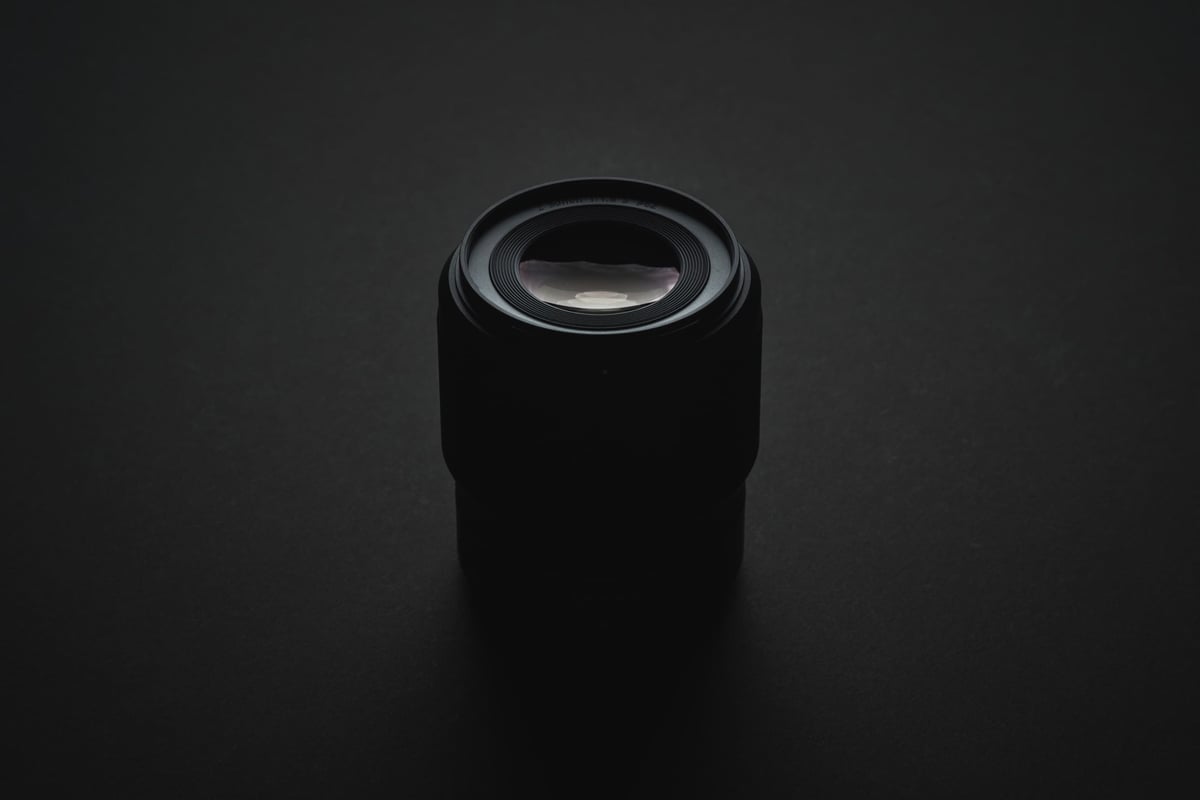
The Rokinon feels the same as all the other Samyang/Rokinon lenses, which is to say it’s made of plastic, and it’s not particularly enjoyable to use (subjective). However, it looks nice overall, and I know I’ll always get consistent quality from it. The Fujifilm 56mm is ultimately my favorite among these, but it’s large, expensive, and I wouldn’t want to carry it in my bag when biking or hiking. I save it for when I need the best possible image quality. It’s a paid gig lens.
I Would Rate The Lenses Like This
For General Use
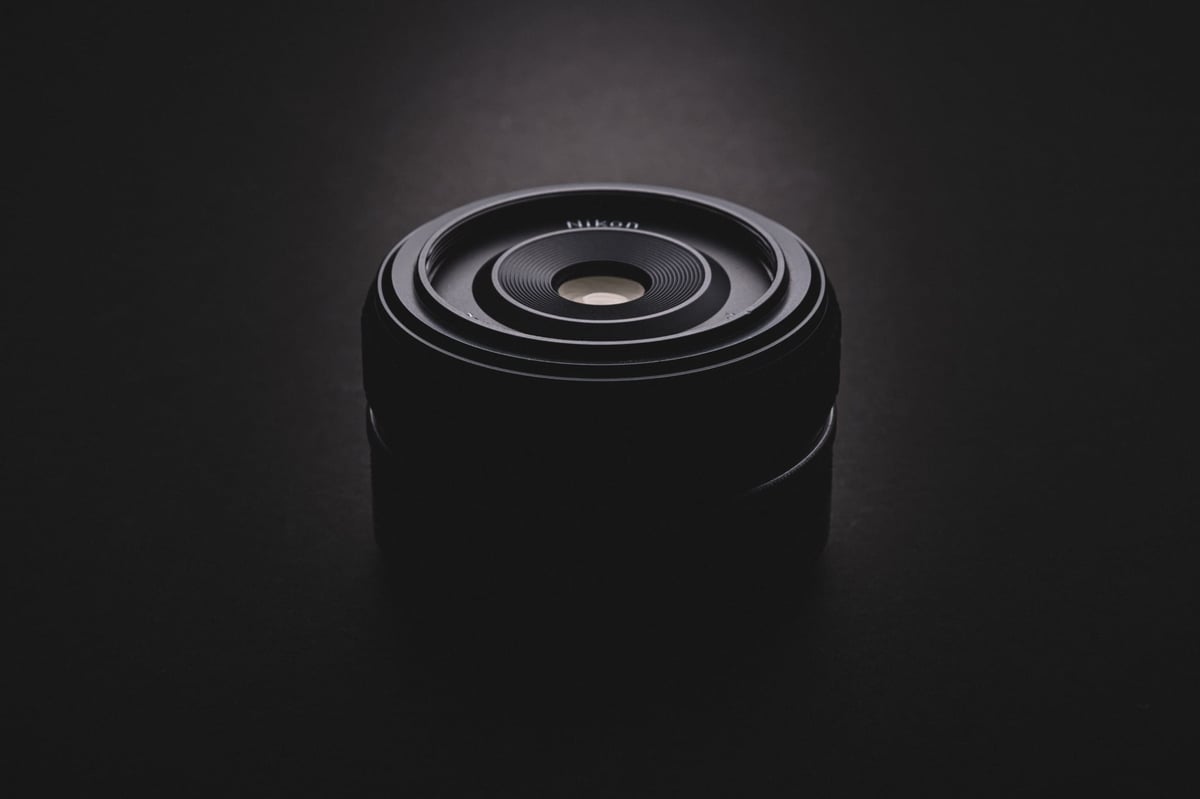
I like that the 7Artisans is sharp out to the edge of the frame, and I prefer the build quality over the Kamlan, and it’s $50 cheaper. This means you’ll almost have money left over to buy their 25mm f1.8.
Fujifilm > Rokinon > 7Artisans >= Kamlan
For Black & White and Portrait / Art
Fujifilm > Rokinon > Kamlan > 7Artisans
Kamlan is above the 7Artisans here because CA won’t be an issue, and Kamlan has a touch more pop and a bit more magic than the 7Artisans. The Kamlan just renders a little prettier, but the 7Artisans renders a better technical image.
Micro Four Thirds
Rokinon > Kamlan > 7Artisans
If I were a micro-four-thirds shooter, I think I would take the Kamlan over the 7Artisans since these lenses would be 100mm ,and you’re probably not shooting too much landscape or architecture photography at 100mm.
Of course, I’ve shot with the Kamlan way more than the 7Artisans, and my opinion could still change.


At the end of the day, there is really no wrong decision since it’s based on how much money you want to spend. If you’re ok buying cheap Chinese and Korean lenses, they all have slightly different characteristics at different prices. For example, if you’re shooting Micro Four-Thirds, the edge and corner performances on the Kamlan 50mm f1.1 aren’t nearly as bad as they would be on an APS-C camera body, and it might be worth it to you if you really want the fastest lens you can buy for as little money as possible. The 7Artisans is a better walk-around street lens since the subject matter outside of the center can be sharp, and it’s less expensive. If you’re willing to spend even more money, the Rokinon offers some notable improvements in sharpness, contrast, and saturation. It also lacks the stiff focus ring characteristic of the 7Artisans and provides better bokeh when stopped down compared to the Fujinon.
So, to answer the question posed in the title of this article, are cheap, fast lenses worth it? Yes, totally. It’s always nice to have cheap lenses at times when perfect image quality isn’t necessary. My favorite between the 7 Artisans and Kamlan? Generally, I prefer the 7Artisans simply because of the price and the size, and it’s good enough.
What do you think? Which lens do you think looks best, and what would you buy? What would you like me to compare next? Would you like to see more sample comparisons? Let me know in the comments.

|
7Artisans 55mm f1.4 Specs Aperture: 14 blades . |
Kamlan 50mm f1.1 Specs Aperture: 12 circular blades |
|
Rokinon 50mm f1.2 Specs Aperture: 9 circular blades Fujifilm: Amazon / Adorama / BHphoto |
Fujinon 56mm f1.2 Specs Aperture: 7 blades |
Complete List Of All Fujifilm X Lenses
Complete List Of All Sony APS-C E Lenses
Complete List Of All Micro 4/3 Lenses
Side note – for the auto exposure setting on the Fujifilm X-T2, I’m very surprised at how close they all were in exposure, considering they were all different lenses with different vignetting profiles. This is one of the reasons I love Fujifilm for testing all this stuff. Plus, I was using the voice record option over each shot to give an audio log to each shot’s settings. Very cool feature.
Kamlan 50mm f1.1 Sample Photos
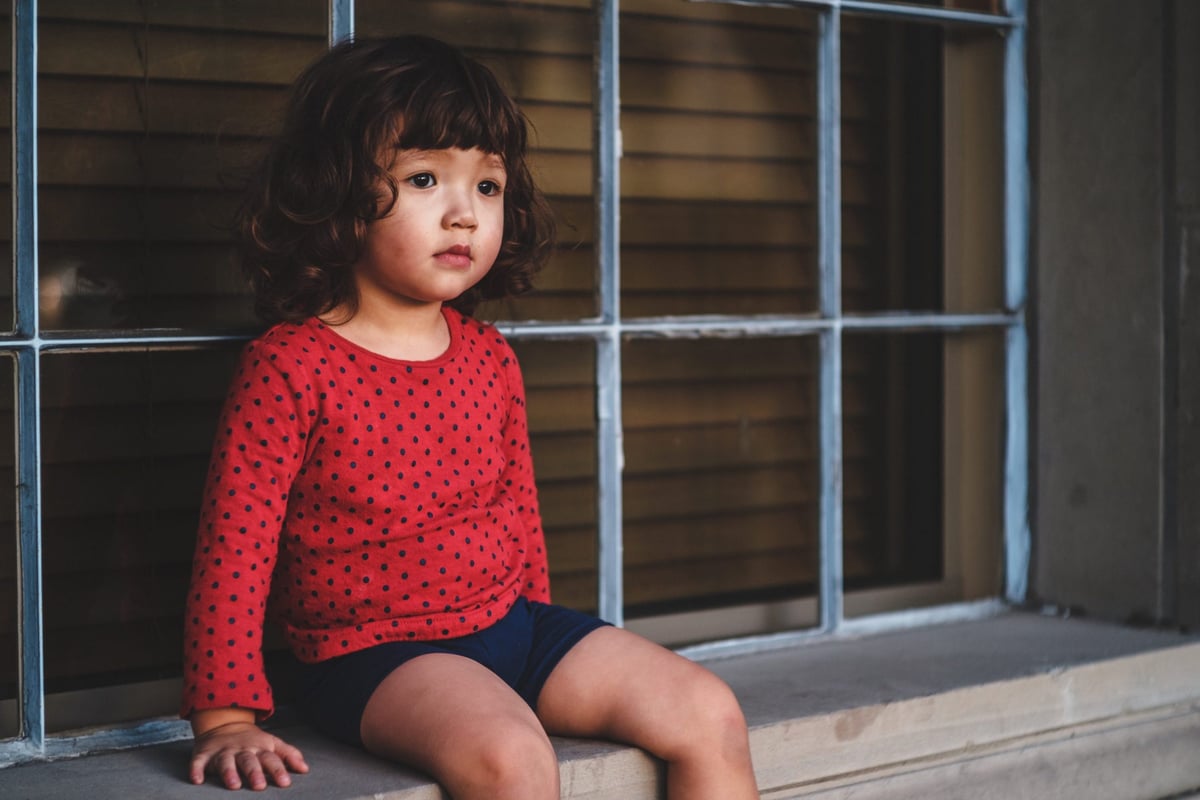




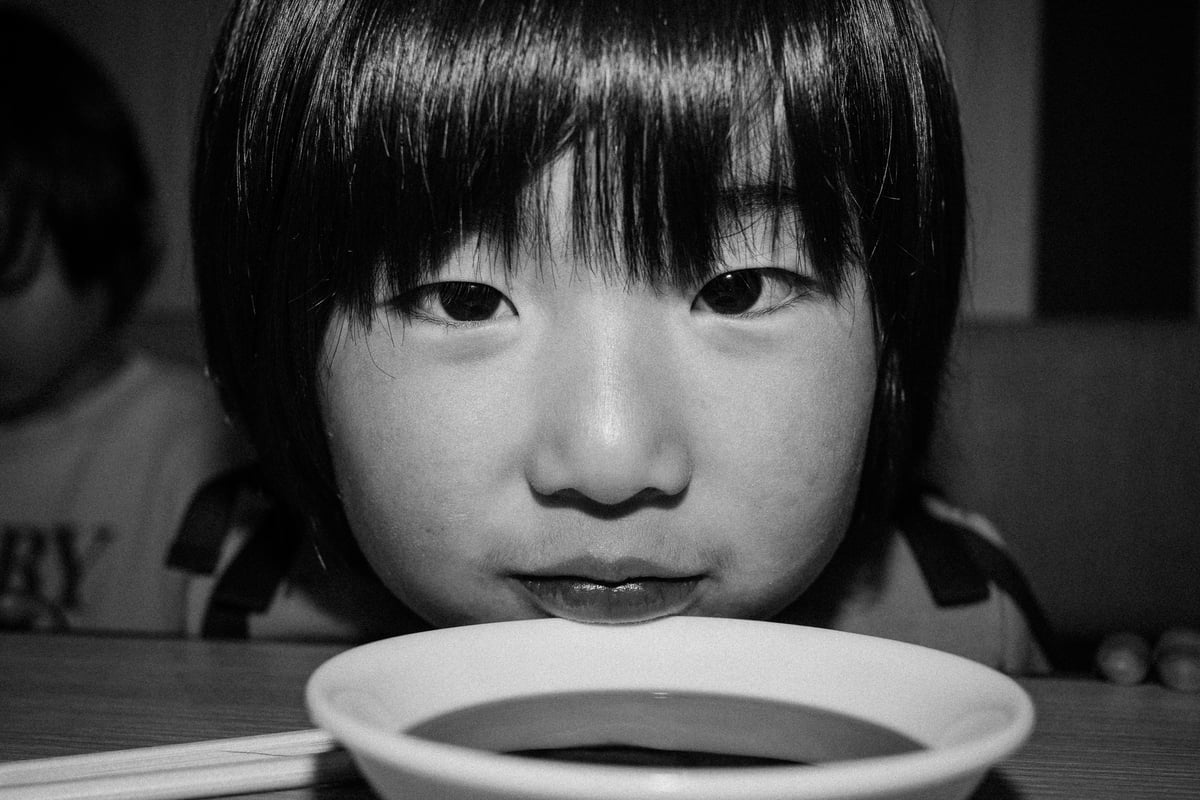
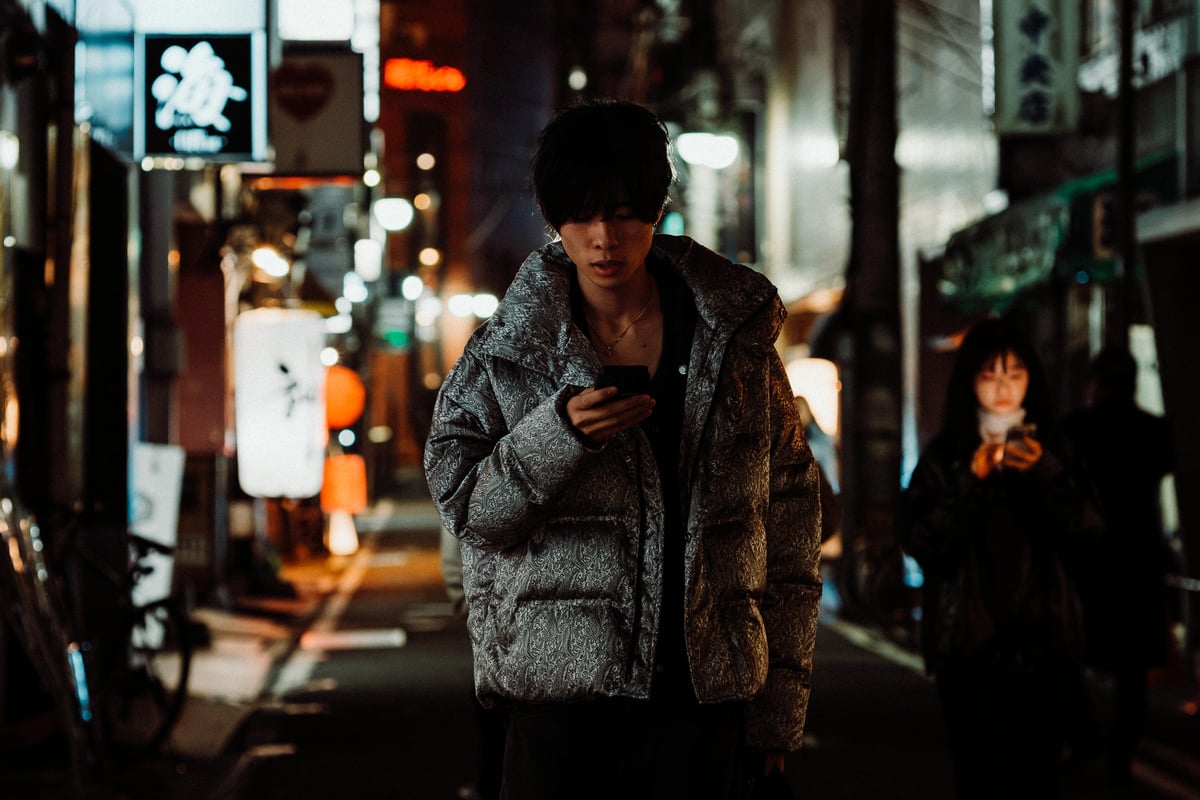
7Artisans 55mm f1.4 Sample Photos
I’ll post more samples as soon as I get deeper into my review of this lens. It’s just been raining lately.







Leave a Reply