
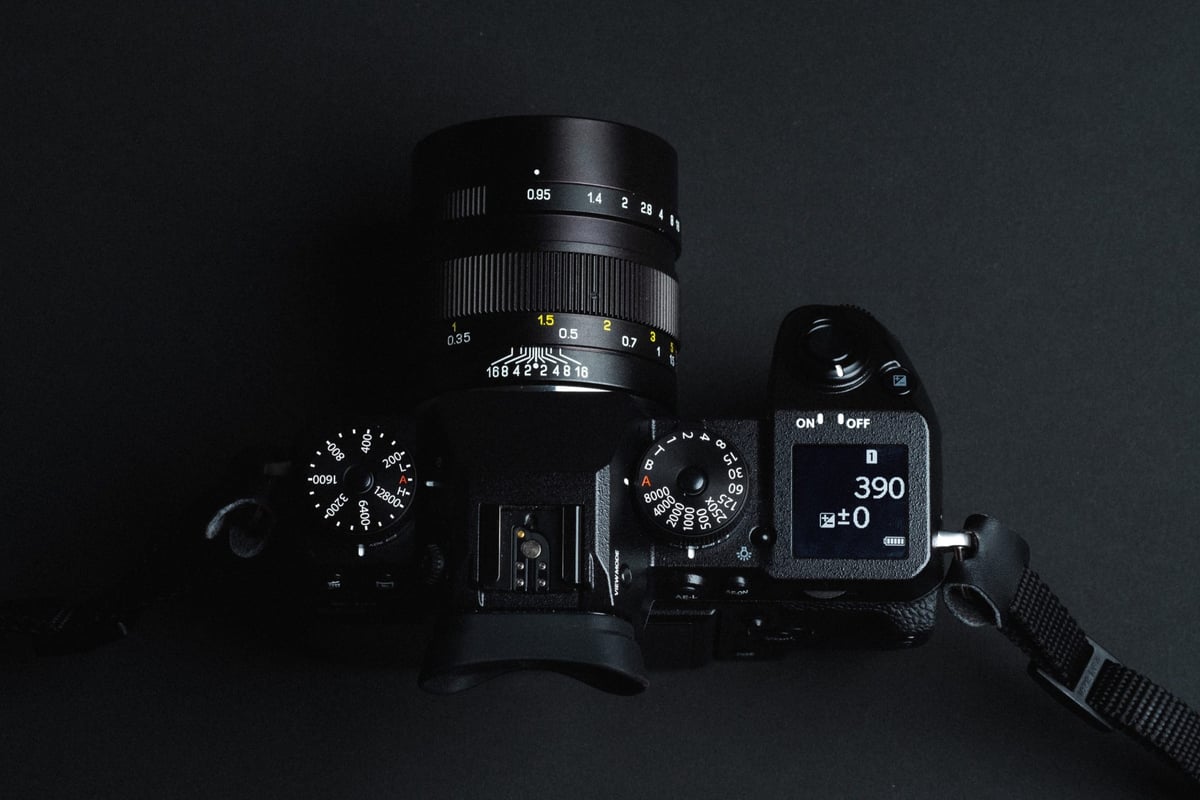
Today, the Fujifilm X-H1 has cemented its status as a modern classic. It offers a build quality and shutter feel that the newer X-H2 and X-T5 simply do not match.
However, using a camera from 2018 today comes with challenges—mainly power management and outdated ports. This guide focuses on the modern accessories that modernize the X-H1 workflow, making it feel like a brand-new camera.
1. The Power Fix: USB-C Rechargeable Batteries
The X-H1’s biggest weaknesses are its battery life (with the older NP-W126S) and its lack of internal USB-C charging. In the past, you had to carry a clunky plastic cradle charger.
The Solution: USB-C Direct-Charge Batteries. Brands like SmallRig and Wasabi now make NP-W126S batteries with a USB-C port built directly into the battery cell.
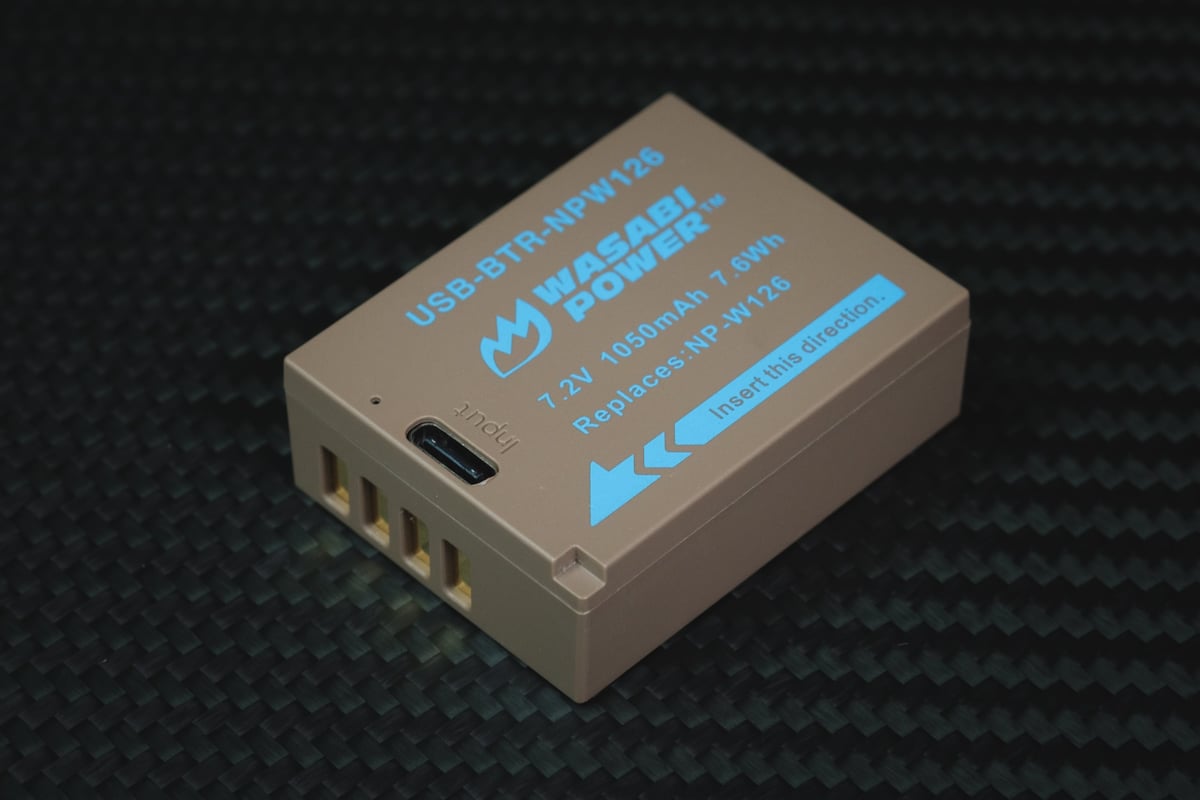
- Why you need this: You can now charge your X-H1 batteries with the same cable you use for your phone or MacBook, completely eliminating the need for a separate charger. Meaning you can keep your batteries charging in your bag with a portable charger.
- Top Pick: Wasabi NP-W126S USB-C Rechargeable Battery – Amazon
2. The “Must-Have” Grip: VPB-XH1 (Used Market Only)
- Status: Discontinued (Buy Used)
- Why it’s essential: Unlike modern grips that just add battery life, the VPB-XH1 actually overclocks the camera. It is required to unlock:
- 11fps mechanical burst (up from 8fps).
- Reduced shutter lag.
- “Boost Mode” performance reliability.
3. Flash: Godox V1 Mid (New for 2026)
The X-H1 is a chunky camera, so tiny flashes look silly, but full-size speedlights are top-heavy.
- The Recommendation: Godox V1 Mid – Amazon
- Why: Released in early 2026, this is the perfect middle-ground. It features the round head for natural, soft light fall-off (unlike the rectangular harshness of older flashes), but is significantly smaller and lighter than the massive Godox V1 Pro. It balances perfectly on the X-H1’s deep grip.
- For a Smaller Flash, the Viltrox Spark Z3 is a fun option. You can see the full Viltrox Spark Z3 Flash Review here, along with plenty of sample street photography.
4. Ergonomics: The “Soft Release” Warning
Many Fuji users love screw-in soft release buttons. I generally use them on all of my Fujifilm cameras.
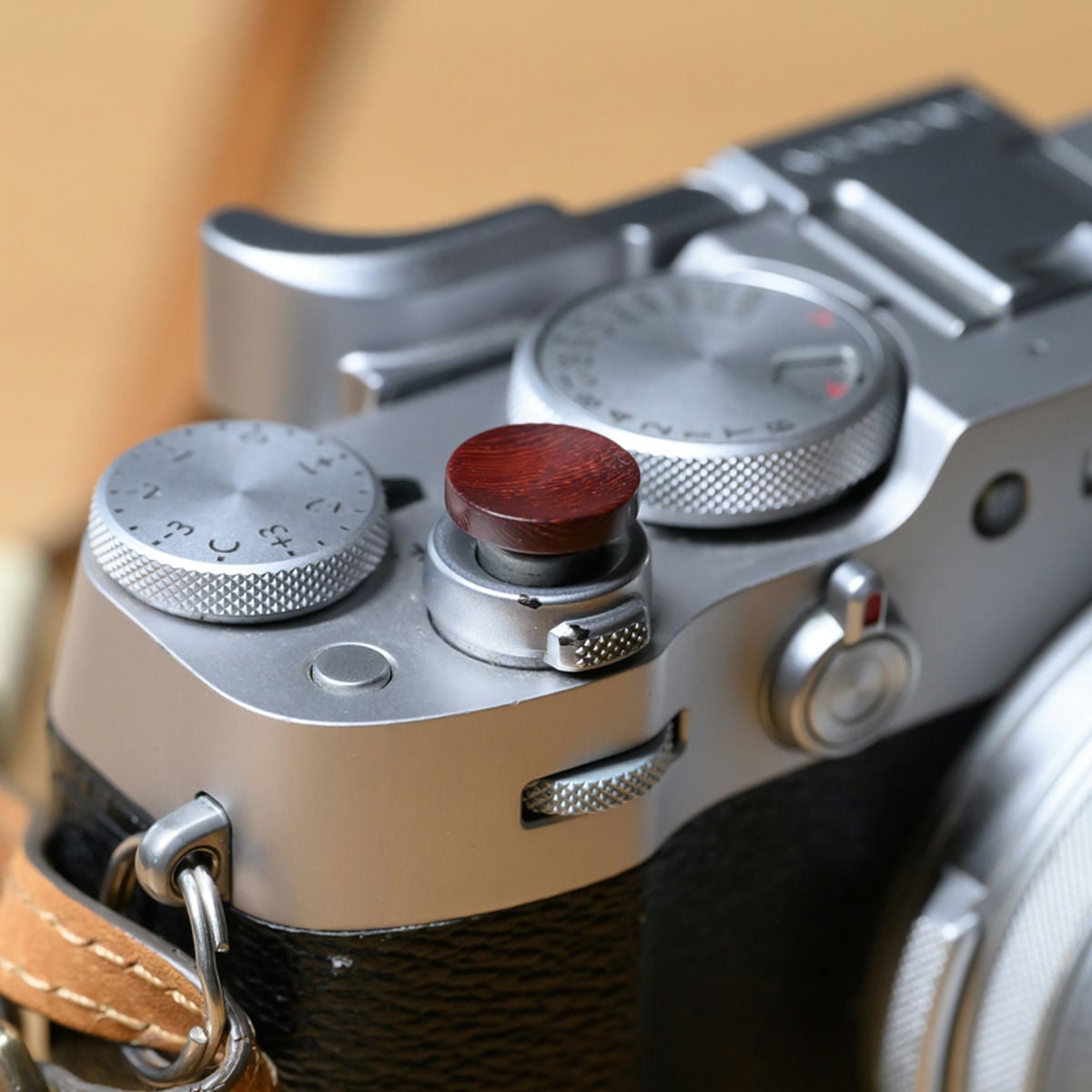
- The X-H1 features a “leaf-spring” shutter mechanism that is famous for being “hair-trigger” sensitive. Adding a soft release button increases this leverage.
- My Advice: If you find yourself accidentally taking photos just by resting your finger on the button, remove the soft release. If you do want one, get a convex (domed) wood button (like from VKO), which encourages a gentler press than concave metal ones.
5. Straps: Peak Design Slide Lite
The X-H1 is heavier than an X-T5 but lighter than a GFX.
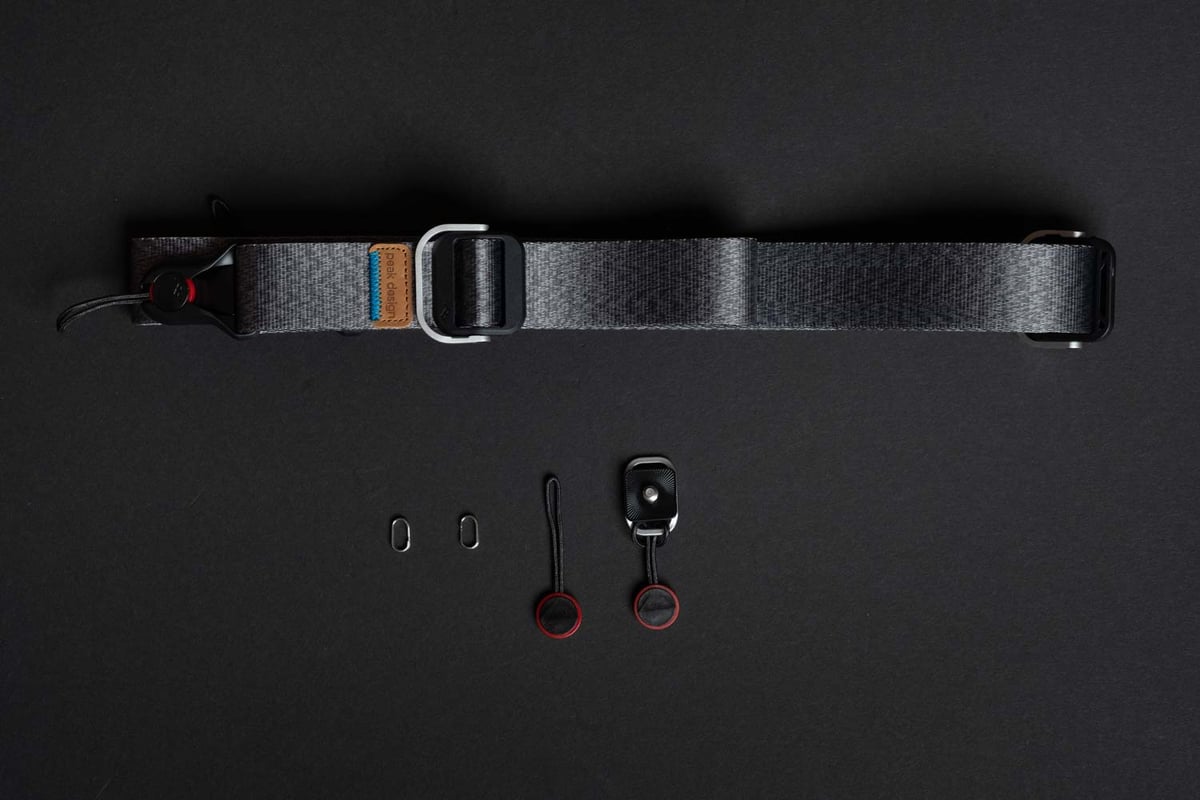
- The Recommendation: Peak Design Slide Lite (The “Lite” version, not the thick padded one).
- Why: The standard Slide is too bulky for mirrorless, but the “Leash” is too thin for the X-H1’s weight. The Slide Lite is the “Goldilocks” width. Plus, the anchor links allow you to strip the camera down instantly for gimbal work.
6. Screen Protection: Tempered Glass
The top LCD (the little square one) is actually quite scratch-resistant, but the main rear LCD is vulnerable.

- The Recommendation: Just grab a generic 9H Tempered Glass screen protector. They are all basically the same. Here is one you can look at – Amazon
- Note: You do not need a specific “X-H1” protector if you can’t find one. The screen dimensions are identical to the X-T3 and X-T2, so you can use protectors labeled for those cameras interchangeably.
7. Cage / L-Bracket: The “Universal” Shift
- Status: Specific SmallRig cages (like the 2123) are long discontinued and rare.
- The Solution: If you cannot find a used SmallRig 2123, look for a “Universal Arca-Swiss L-Bracket” (like the 3 Legged Thing Ellie).
- Why: The X-H1’s body is wide enough that universal brackets actually fit it quite well without blocking the battery door (unlike on smaller X-T bodies).









Leave a Reply