
The Nikon Z 85mm f1.8 S is an extremely versatile yet affordable 85mm f1.8 prime lens. This lens was designed for both photographers and videographers in mind with some useful video features like silent focusing. Still, unlike many other Z primes, this will show some focus breathing. The lens also uses a weather-sealed single barrel construction with all internal focusing elements and dual focus motors for improved close focusing capabilities.
Nikon Z 85mm f1.8 S – Amazon / Adorama / BHphoto
What’s Good: Very sharp, even wide open, sharp at all distances, nice corner sharpness, great build quality, quiet focusing, internal focusing design, weather-sealed, dual focus motors for close sharpness, good contrast, very smooth manual focus control, good micro-contrast and color tonality.
What’s Bad: There is a lot of cat’s eye bokeh for an 85mm, focus-breathing with extreme racks.
Editor Notes: Ultimately, this is a fantastic lens. It’s a very predictable, professional 85mm lens, but aside from being a bokeh beast, it’s a little clinical. It doesn’t flare; there is very little vignetting and only minor distortion when the profiles are disabled.
The Nikon Z 85mm f1.8 features two ED elements, no aspherical elements, and a dual internal focus system. Like the other S lenses, it also has Nano Crystal Coatings.
| Technology | Nikon Z 85mm f1.8 |
| ED Element | Yes |
| Aspheric Lenses | No |
| Nano Crystal Coating | Yes |
| Super Integrated Coating | Yes |
| Multi-Focus Method | Yes |
| Stepping Motor | Yes |
| Internal Focus Method | Yes |
| Rear Focusing Method | No |
| M/A Focus Switch | Yes |
| Elements | 12/8 |
| Aspherical | 0 |
| ED | 2 |
| Iris | 9, Rounded |
| Focus Distance | 0.8m |
| Weight | 470g |
Nikon Z 85mm f1.8 S Review | Impressions

The Nikon Z 85mm f1.8 S is undoubtedly an exciting lens. It’s pretty lightweight, and because of the f1.8 aperture at 85mm, it has a very shallow depth of field. The thing is also very sharp.
Nikon has done a pretty good job of keeping a consistent look between its Z lenses with the way it handles focus fall-off color, contrast, and clarity.
There are some differences in character between the S lenses. For example, the 85mm has quite a bit of cat’s eye bokeh in some situations, and unlike a lot of the S lenses, this one does have some focus breathing.

Is f1.8 fast enough?
I’ve been shooting a lot of low-light street photography throughout the Z6’s life and have now moved over to the Nikon Z8. As the camera improves at AF with firmware, the lens also improves with new firmware to match those cameras.
Today, there aren’t any issues with AF using this lens with the Nikon Z8 in reasonably low light unless you’re shooting in extremely low-light conditions, in which case the lens can hunt a little more.

Regarding the bokeh and rendering of f1.8, f1.8 on an 85mm lens is ridiculously shallow, especially for headshots. When you go shallower than f1.8 on an 85mm lens, you risk overusing the shallow depth look, which doesn’t always work. F1.8 is a nice place to be on close-up head shots or even wider full-body shots. However, f1.4 or f1.2 could be fun for full-body shots further back from the subject, but f1.8 still looks excellent, especially if you have longer backgrounds.

What is great about f1.8 is that it allows you to shoot wide open in the mid-day sun without an ND filter with the mechanical shutter. Anything faster, and you would need to carry around ND filters to shoot wide open in the day on a mechanical shutter. This is less of an issue with Z8 and Z9 shooters since you’re always using the electronic shutters, but being limited to f1.8 makes life a little easier on the other bodies.

In these samples, you get some really good subject separation, but you can also still get an idea of what’s going on in the background, which is right about where I like it for street photography in this style.


I do have a few non-technical complaints, maybe three.
My first complaint is that I shoot a lot with my Fujifilm 56mm f1.2, and this 85mm f1.8 is back and forth. Both lenses and camera systems create absolutely beautiful images. From a technical point of view, the IQ is better on Nikon, but while Fujifilm makes a less-than-perfect lens, I like something about the look it renders more. The Fujifilm 56mm f1.2 has a slightly more classic feel with a bit more vibe.
The Nikon Z 85mm f1.8 still has a nice, soft, elegant rendering, but I would have to say it’s a little on the clinical side for a prime. However, considering how shallow the depth can be with this lens, you can still capture nice character with the shallow depth and extreme bokeh.

My second complaint is the lens hood. The lens is massive with the hood attached, making it almost unusable when shooting street photography. I wish they made a shorter hood just for protection.
The massive lens hood may be overkill, especially since the coatings are already so good.
My third complaint would be the cat’s eye bokeh. Not a big deal for street photography but when shooting portraits, the cat’s eye bokeh tends to push the viewer’s eyes always towards the center of the frame, and sometimes you don’t want this. This isn’t something you’ll always see though.
Nikon Z 85mm f1.8 S Build Quality
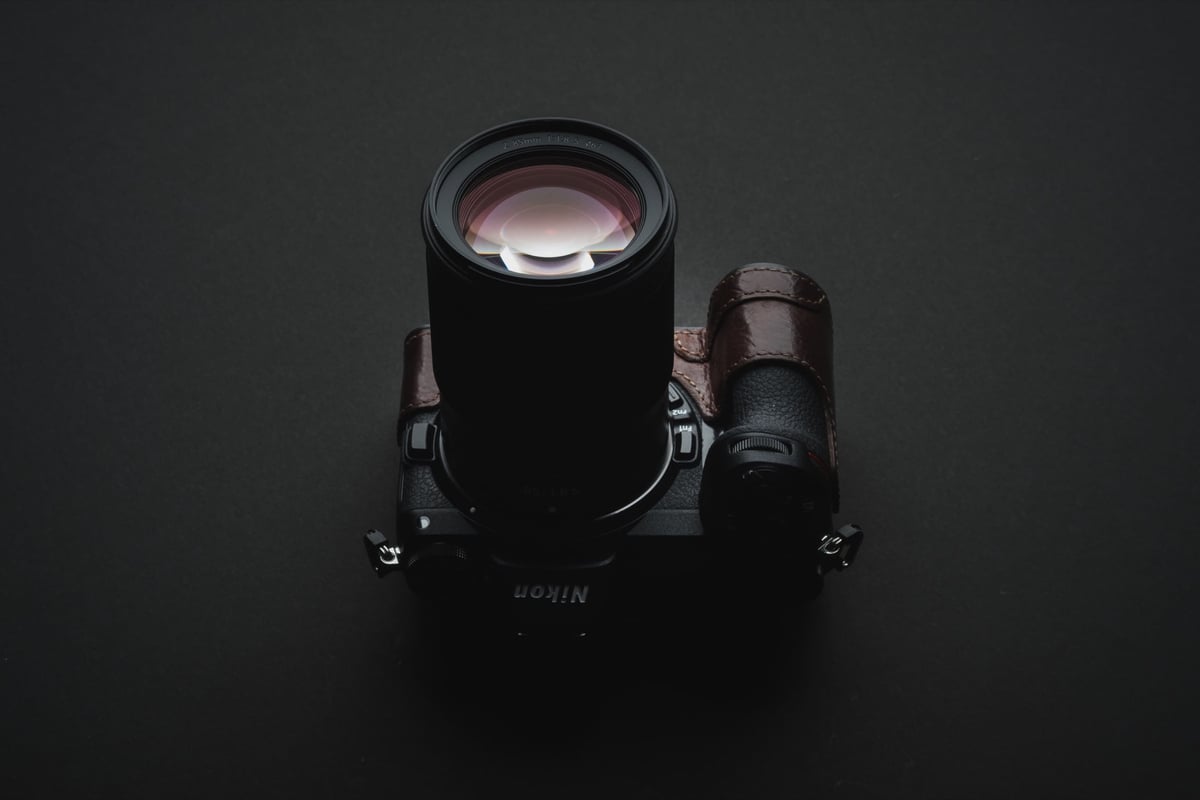
Build quality is on par with all the other Z prime lenses. The lens hood firmly stays in place and doesn’t wiggle around. There is an autofocus to manual focus switch to quickly throw the lens in manually if you shoot landscapes or video, but the manual focus will be focus-by-wire.
The lens also has a plastic outer shell on the front near the focus ring and one plastic ring near the base.
Everything else is metal.
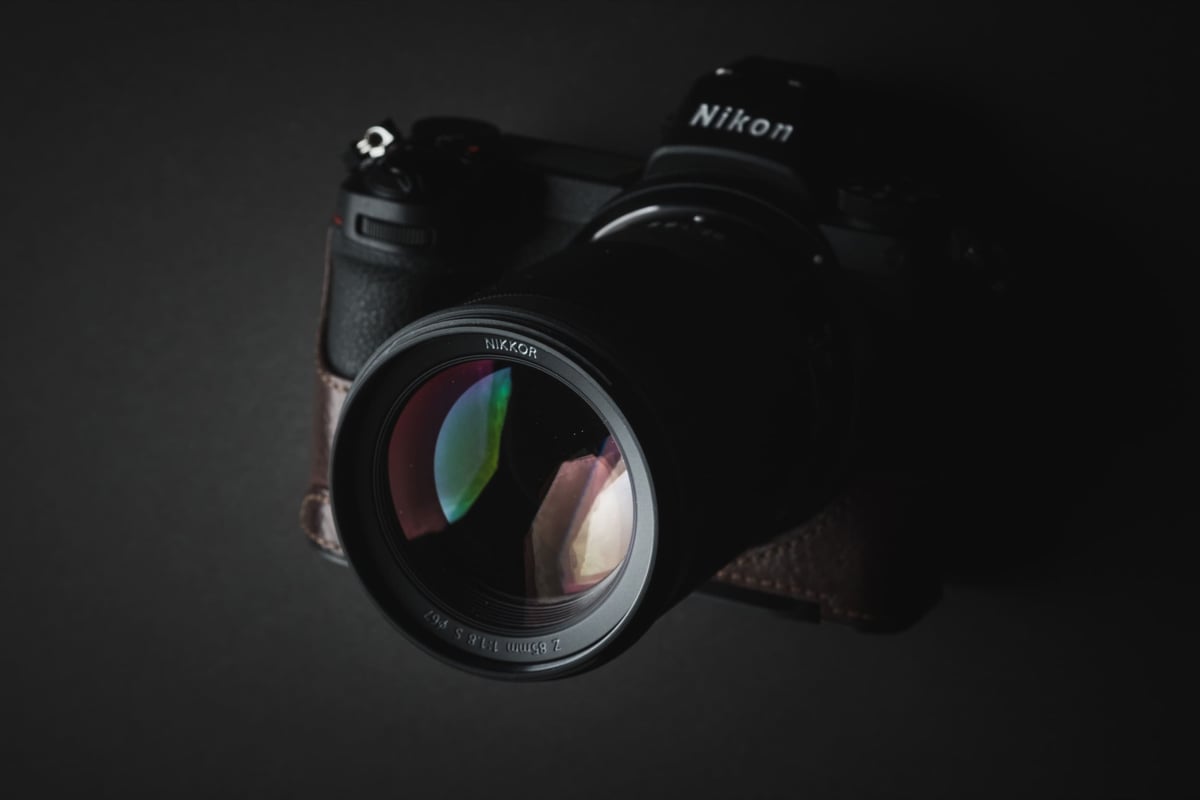
Nikon uses what feels thinner plastic with these lenses than what was used on some of the older F-mount lenses, so people mistake this for cheap. But nothing feels cheap about these lenses, and they feel nice. I’ve always liked the build quality of these Z lenses, even with my first 50mm Z lens.
Nikon uses 2 ED elements with the 85mm f1.8 and no aspherical elements. It also features an internal dual-focus motor system, which helps ensure consistency when focusing at various distances. Also, you get the S standard of nanocrystal coatings to improve the contrast, clarity and sharpness.
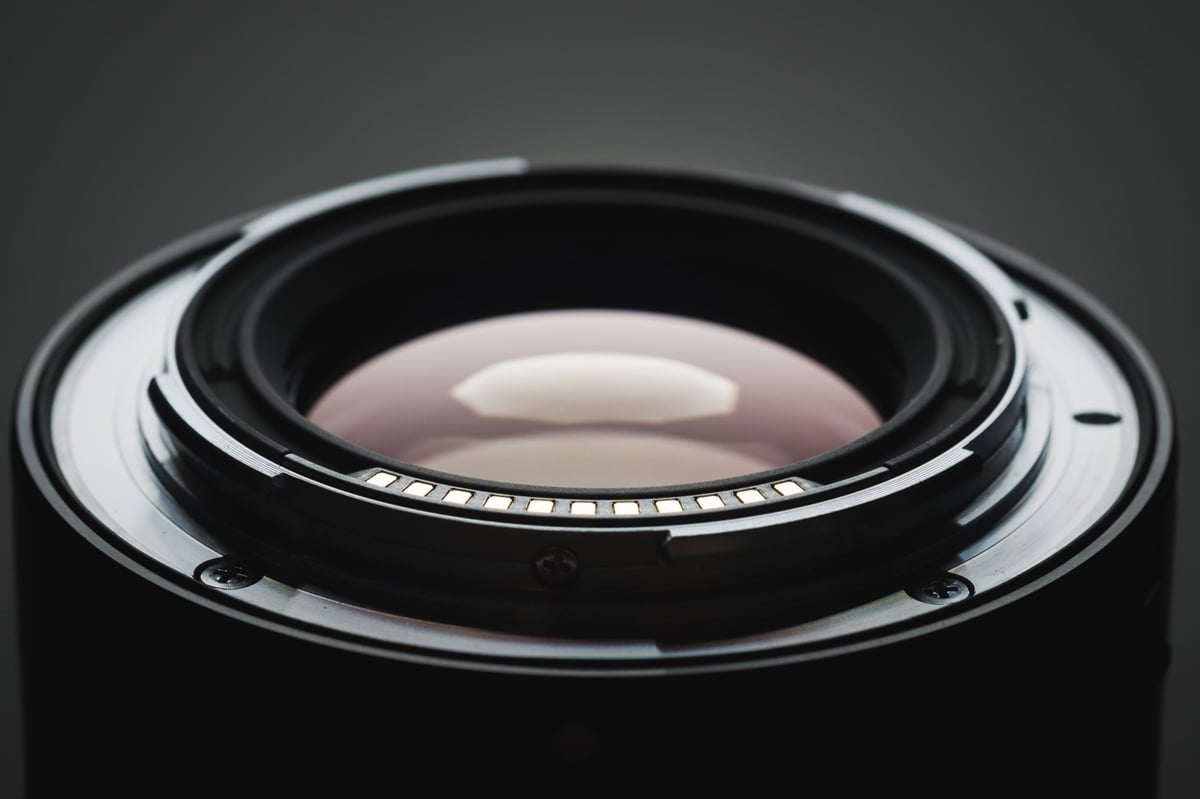
The rear element comes right up to the rear mount, so Nikon is practicing what they preach here by using every bit of that shallow flange.
In general, I like the build of these Z lenses.
Technical Characteristics

Sharpness Charts
Sharpness is good on the Z6, and I’ve been impressed with it as I’ve been testing it more on the Z8. It just about maxes out what the Z6 can resolve with that 24MP sensor and the AA filter; you’ll see a bit more with the Z7 series or Z8/Z9 series of cameras.
Center Sharpness
I haven’t updated these charts with the Nikon Z8 yet, but you still get a good idea of detail and resolution.
At f1.8, the sharpness is slightly softer and progressively sharper as you stop. At f2.8 and beyond, the image has some extra crispness.
Sharpness looks to peak at f5.6, f8 even looks good, and by f11, you start to see diffraction. You’ll likely see diffraction at f8 on the Z9/Z8.

Corner Sharpness
Corner sharpness is subtly softer at f1.8, crispness snaps in at f2.8, and the image gets sharper progressively until it peaks at f5.6. It’s pretty impressive how sharp the corners are when you compare them to the center.

Edge Sharpness
The edges look really good, again f1.8 is slightly softer, but not by a lot.

Vignetting
Vignetting, Distortion, and even Chromatic Aberrations are not really an issue when you’re shooting with Z lenses since the profile corrections are carried over to the RAW files. So, the settings you use in-camera actually load directly into Lightroom automatically. This includes sharpness, color profiles, vignetting controls, distortion controls, and noise reduction.
I’ve turned off all vignetting corrections to see what sort of vignetting we are dealing with. Correcting for vignetting is easy, but you have to apply gain to the edges to do that, which can add noise and reduce dynamic range. So it’s good to know what’s going on behind the scenes.

Distortion
This lens is pretty much distortion-free for anyone other than a pixel peeper. But there is some minor pincushion; you’ll never see it because it’s always corrected in the RAW, even if it’s turned off in the Camera. I had to load the RAWs into Iridient Developer and strip the profile to see it.

Chromatic Aberrations
With two ED elements, I pretty much never see Chromatic Aberrations, so I don’t have any great samples. This is the best I can come up with. You can see some green on that center branch.

Flaring
There is very little flaring, even when shooting directly into harsh lighting. The Super Integrated Coatings and the Nano Crystal coatings are magical at cutting down lens flaring.
Sun Stars
Also known as headlight stars, they look good. I like nice, clean star patterns like this. The Nikon Z 50mm f1.4 also had some nice sunstars.

Autofocus
With the Nikon Z8, I had a few focus issues with the camera clicking in and out of focus; however, after updating the lens’s firmware, the focus is more consistent. As a note, upgrade the firmware on this lens for any new camera.
After that, the autofocus has been very good.
It has two built-in focus motors that you can feel working together.
In real-world shooting, due to the extremely shallow depth of field, about 0.4 feet on your subject at 10 feet distance (according to the depth of field calculator), the lens can get a little lost sometimes in the extreme blur or jump way out of focus as it’s looking for the subject. Sometimes, you have to guide the focus a little in these situations with the manual focus ring and then let the camera take over.
Autofocus For Video
Unlike most S lenses, this lens has some focus breathing, but you might not notice it if you don’t do any big focus racks from close to infinity.
The Nikon manual focus controls are also extremely smooth. I don’t see little steps when fine-tuning focus as with many of my Fujinon lenses.
Art & Character

Focus Falloff
Rendering to the out-of-focus areas or the transitions from in-focus to out-of-focus is extremely smooth and soft. Compared to my other 85 mm equivalent lenses, this lens has a very elegant, unique look.
Its focus falloff is even throughout the lens, so it has a more consistent look with the bokeh throughout the frame. Except it has cat’s eye issues.

Bokeh / Out Of Focus Areas
Lenses render different bokeh styles, and some looks are better in some situations. This is why you can never have too many lenses.
Compared to my Fujifilm 56mm f1.2. This Nikon 85mm f1.8 has a puffy, bloomy bokeh that is more of a higher-contrast bokeh that is very rich but smooth.

Cat’s Eye Bokeh Samples
This lens does have quite a bit of a cat’s eye bokeh.
I know this bothers some people; some people don’t care. But it’s fairly significant compared to other 70mm or 85mm lenses. This is likely a by-product of the lens being so skinny for an 85mm, which I’m assuming was done to keep the design in line with the other Z lenses, which I appreciate.
You don’t always see it, but I will post some samples.


Bokeh Samples With No Cat’s Eye
Here are some samples without the cat’s eye bokeh.


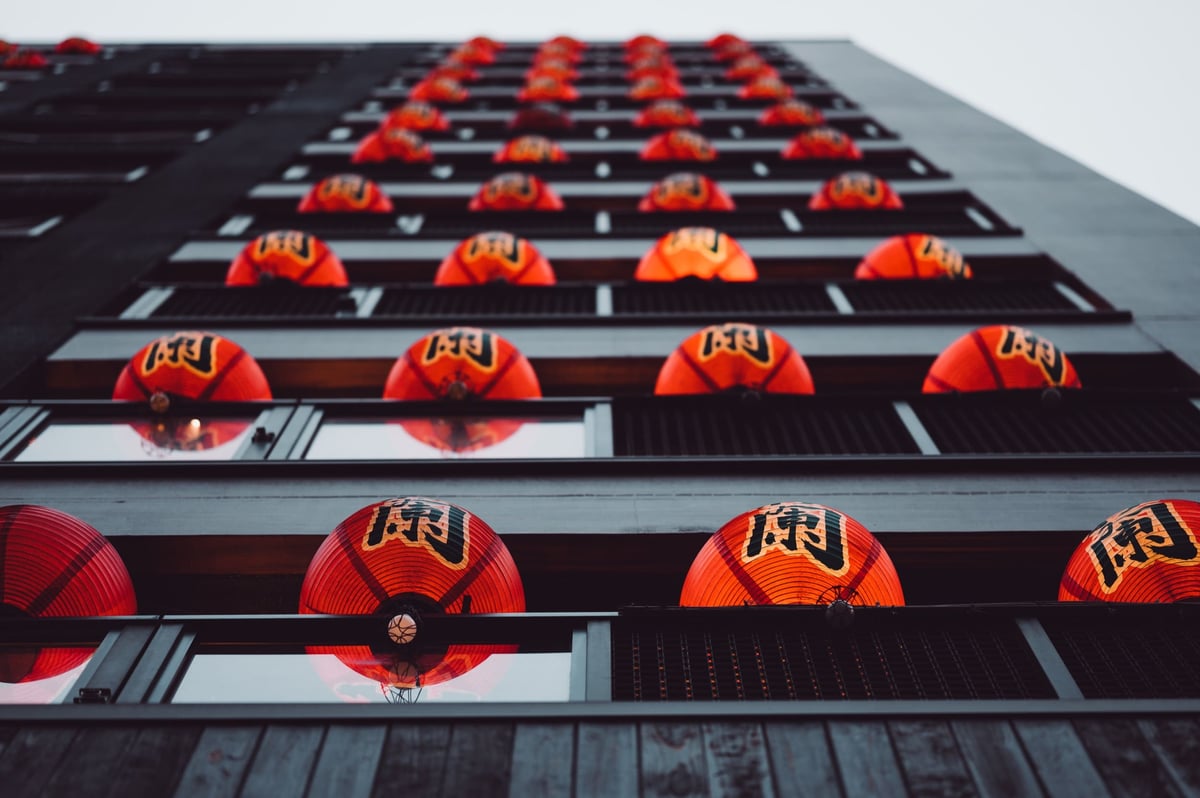
Color Rendering (SOOC)
Here are some straight-out-of-camera samples. I left everything at default in Lightroom. They’re not the best samples in the world, but I chose them because they show some interesting characteristics.


Micro-Contrast
Out of all the Nikon primes, the Nikon Z 85mm 1.8 S has pretty good color tonality/micro-contrast. It’s probably somewhere around an 8 or 9/10. There are better lower-element lenses, like maybe the Kipon 75mm f2.4. Still, this lens performs very well with skin tones, especially paired with a high-megapixel camera without the heavy AA filter.

I wrote an article with samples about Micro-Contrast so you can see more of what I’m talking about and how different coatings and element configurations can affect it. The Nikon Z 85mm f1.8 is pretty good compared to the current Nikon lineup of S lenses. It might be the best S lens in this regard so far and better than the Nikkor Z 50mm f1.8 S. But some of the non-S lenses with simpler optical configurations are maybe a little better. The Nikkor Z 50mm f1.4 or the Nikkor Z 40mm f2 come to mind. We’re talking 8/10 vs 9/10 here. It’s all very close, whereas the Nikon Z 50mm f1.8 S is perhaps a 7/10.
What’s nice about having these more modern lenses is that you can always add character with a Tiffen Black Pro-Mist filter or some grain in Lightroom or Capture One.
Also, one thing I’ve noticed about this lens is that shooting at f1.8 results in a dreamy look with a very smooth rendering and bokeh. Stop down to f2, and the lens clicks into a different look that is very sharp and crisp.
Nikon Z 85mm f1.8 Review | Bottom Line

On the technical side, this lens offers many advantages: Weather sealing, internal focus design, excellent sharpness from close to far, outstanding corner-to-corner sharpness, and rich, creamy bokeh.
However, the rendering can be a little too modern and clean, which comes down to personal preference; there is a lot of cat’s eye, and some focus-breathing videographers will need to watch out for.
This lens isn’t perfect, but I’m very happy with its performance. There is very little to complain about at this price. It’s one of those lenses I know I can grab anytime and use for anything, and it will work. These days, I’ve been using the Nikon Z 50mm f1.8 S or Nikon Z 50mm f1.4 a little more since 50mm is a little easier to use as a general-purpose lens. Still, the 85mm f1.8 is such a beast with portrait photography, and it’s so sharp. The colors are excellent, especially on the higher megapixel cameras like the Nikon Z8.
Nikon Z 85mm f1.8 Sample Photos

I’ve slowly added more sample photos from the Nikon Z8 throughout this review, but these are mostly shot on the Z6. These are colored with the Core Presets Lightroom Presets, which try to emulate some of the vibe we get from classic film stocks.
Sample Images With the Nikon Z8
Just look at these fantastic skin tones. They are so rich.



Sample Images With the Nikon Z6
Some images were washed out because I was using a UV filter in the rain, and the filter got dirty.















Leave a Reply