
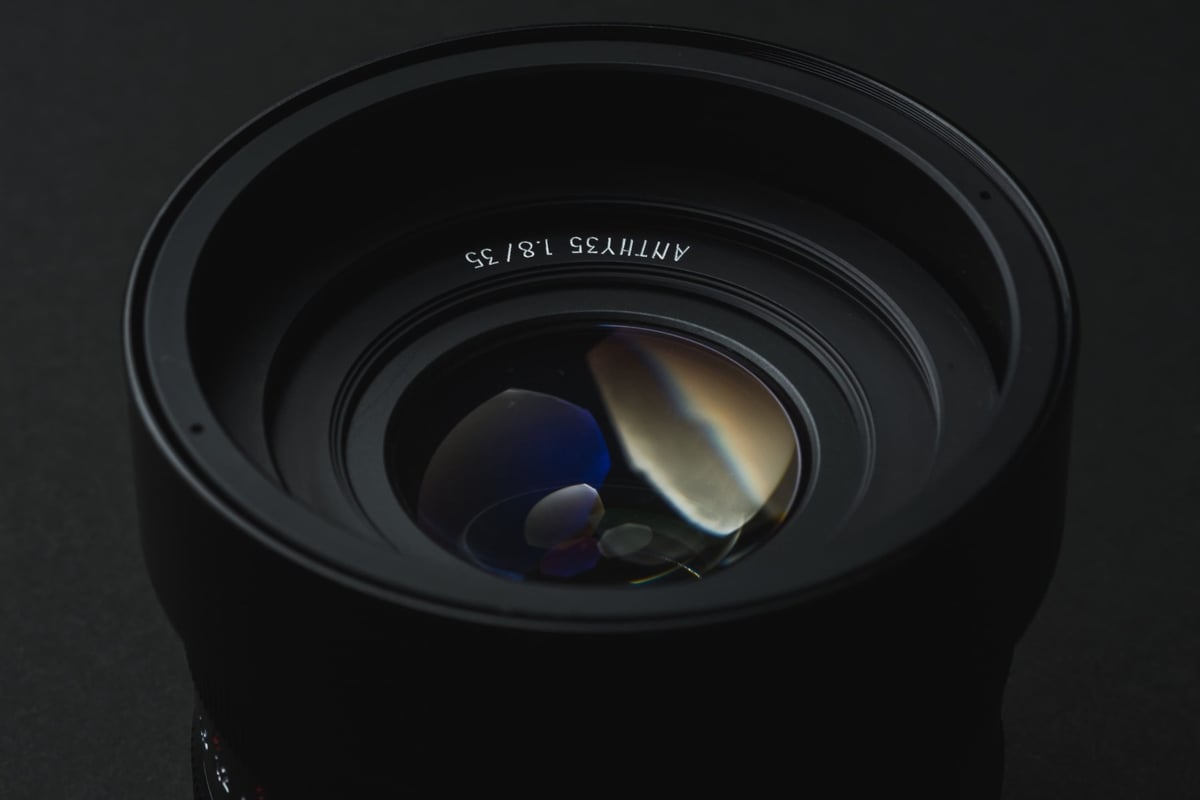
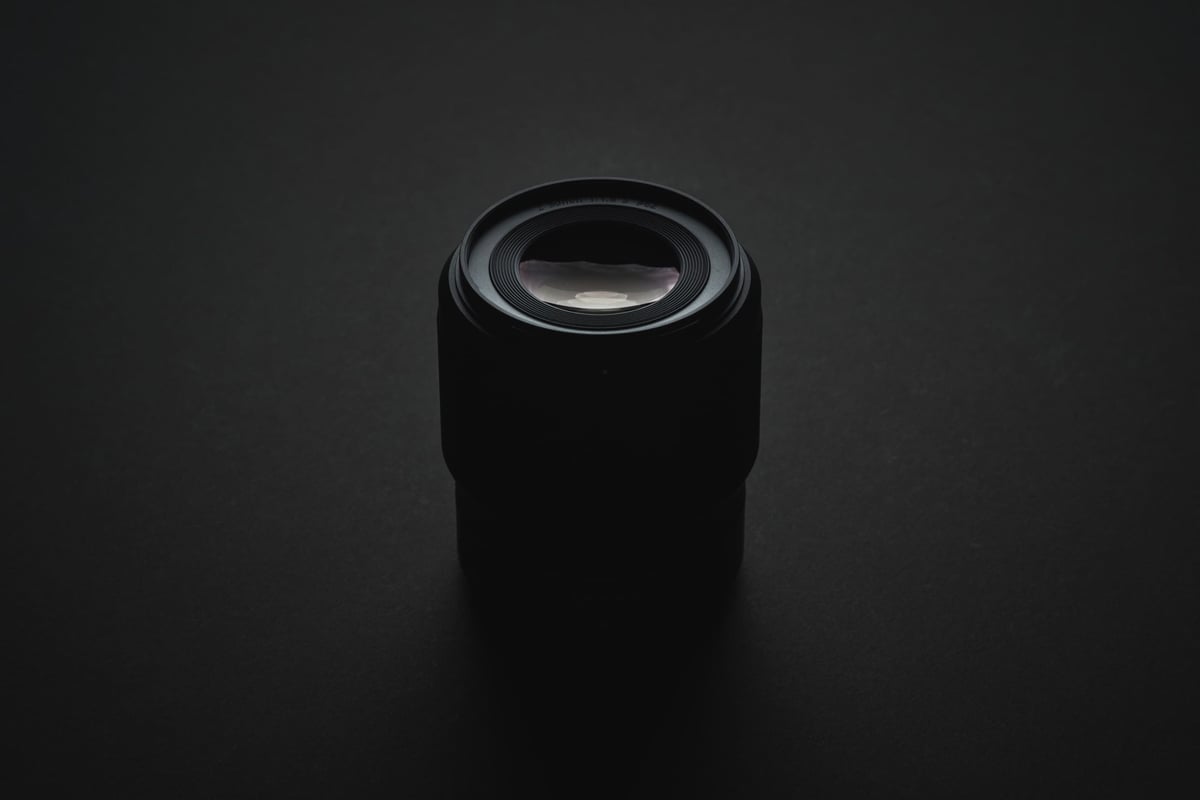
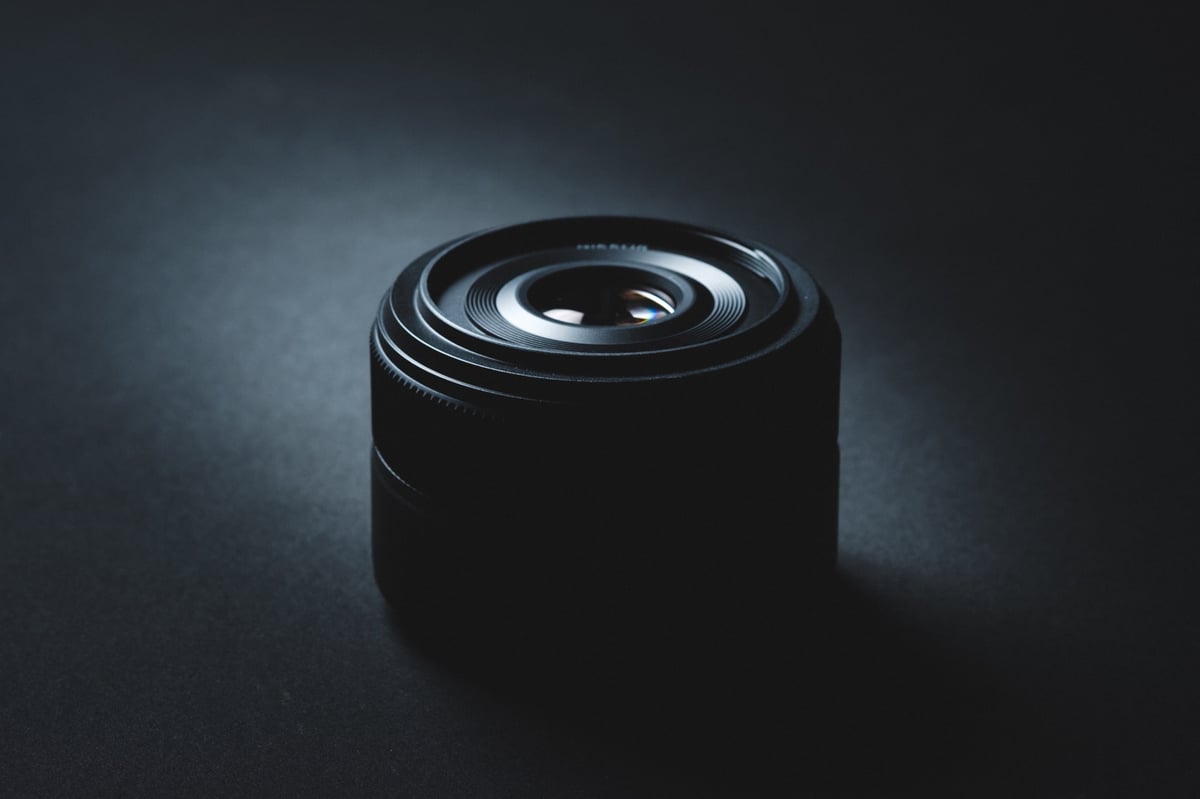
The Yasuhara Anthy 35mm f1.8 is a compact, full manual, full-frame mirrorless lens.
With a bright f1.8 aperture, the lens is a fantastic choice for low-light shooters or portrait shooters who love that sweet bokeh.
With the small size, affordable price, and excellent build quality, the lens is a great choice for photographers looking for a daily carry that can be used in almost any situation.
Lens Stats
Focal Length: 35mm
Aperture Blade: 9
Aperture: f1.8 – f16
Elements: 9 elements in 7 groups
Coatings: Multicoated
Weather-Sealed: No
Minimum Focus Distance: 0.4m
Filter Threads: 52mm
Weight: 15oz
Pros: Small Size, good contrast & color, good flare resistance, good build quality, retractable lens hood, good CA control, nice bokeh, good sharpness at f5.6, almost no distortion.
Cons: Strong vignetting, purple vignetting, rear element reflections, and some softness are wide open.
Order
Yasuhara Anthy35mm f1.8 Nikon Z – Fall 2019
Yasuhara Anthy35mm f1.8 Sony E – Fall 2019
Yasuhara Anthy35mm f1.8 Canon RF – Fall 2019
Price: $299.99 USD
Anthy35 First Impressions

I wrote a full post dedicated to my first impression, which you can read here, but I’ll go into a few details here.
Right now, we’re still in this transition period between full-frame DSLR lenses and mirrorless lenses, where a lot of third-party lens designers have just attached fixed extension tubes to their DSLR lenses and are calling them mirrorless lenses. Rokinon has done this, Sigma has done this, and many Chinese brands are doing this.
A few small companies like Kipon, Yasuhara, and Meike, and finally the bigger companies are now making actual full-frame mirrorless lenses that take advantage of that shorter flange distance. The results are much smaller lens designs, and you can really see this with the Anthy. It’s a very short lens but still performs very well.
With small lenses, you don’t have the same flexibility with design to correct for problems like you do with bigger lenses, and the Anthy I think does a really good job of correcting for the right things while keeping the lens small and light.
It’s just incredibly fun to shoot with.
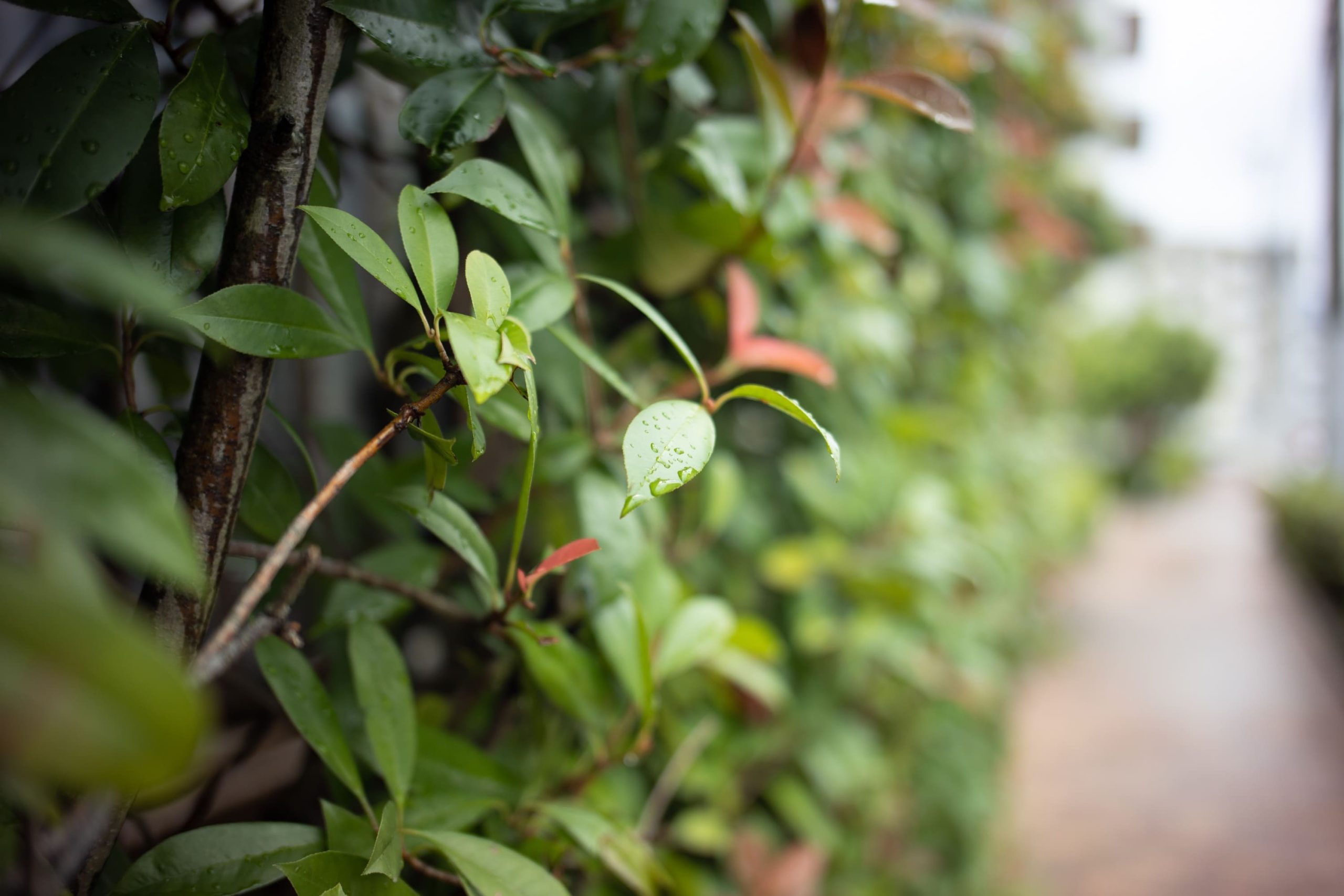
The Anthy’s image quality surprised me. It has a very nice contrast and is definitely sharp enough for casual and street shooting. The bokeh looks great, but it does have some flaws, including reflections, pretty nasty vignetting, and some field curvature, which I’ll get into in more detail.

The man behind these lenses is Shin Yasuhara, a documentary filmmaker who also owns this lens company, where he’s made a few other very interesting lenses that have been well received. I’ve been talking to him quite a bit over the last few months about things actually unrelated to lens design, as I’ve been trying to learn more about the history of Japan and cool locations to shoot. He seems to be a very passionate guy who loves history and art, and hopefully, that will continue to be reflected in future lens designs.
It seems like he likes the classic way of doing things but also cares very much about performance and quality, which I appreciate.
Yasuhara Anthy35 f1.8 Review
There are no serious crippling issues, and this lens, for the most part. It performs decently at f1.8. This was always an issue for me with the Canon RF 35mm f1.8, which had that terrible astigmatism that makes the lens almost unusable in some situations. That’s what I would call a crippling issue.
Of course, you know Canon likely did that on purpose to keep the lens cannibalizing their pro gear. So for me, I’m glad to finally have a nice 35mm f1.8 for my Canon.

Although I’m reviewing this lens on the EOS R, it’s also made for the E-Mount and the Z-Mount.
Expect slightly different performance on each system since each has a different sensor stack with different microlens designs. Now that I have all three systems, I’m finding that third-party lenses like this often perform the best on the Nikon system. I keep getting that purple vignetting on the Canon, and the Sony lenses sometimes have softer corners and edges. So, expect slightly different results from what you see in my review of the different systems.
Except for build quality, that should stay the same.
Build Quality
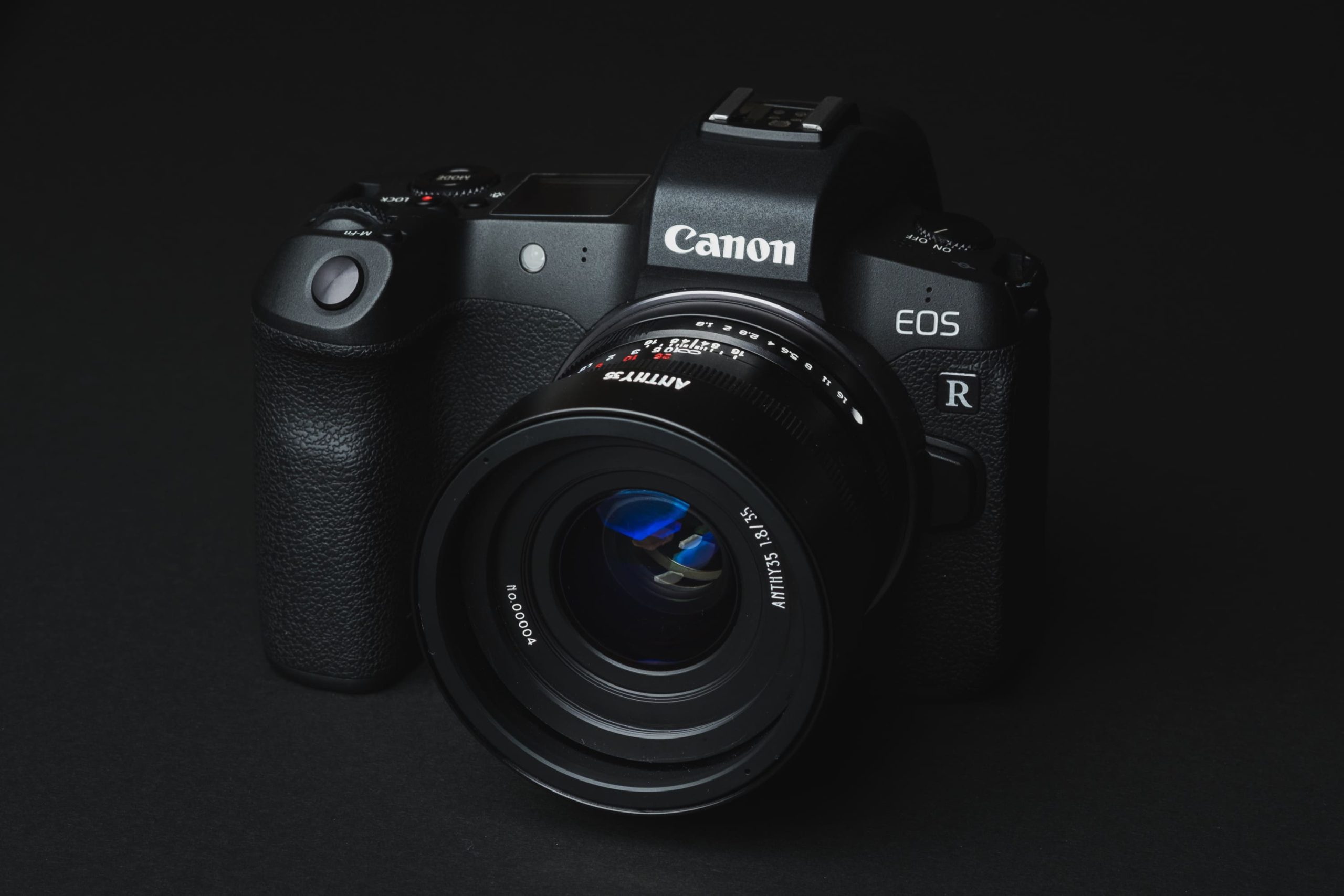
The lens I have been using was the fourth one built, but I’m told this design is it, and the optical formula is set.
What’s really nice about this lens is that it’s made in Japan, which means you’re getting all those nice Japanese optics and quality control. No corners are cut with designs or optical composites.
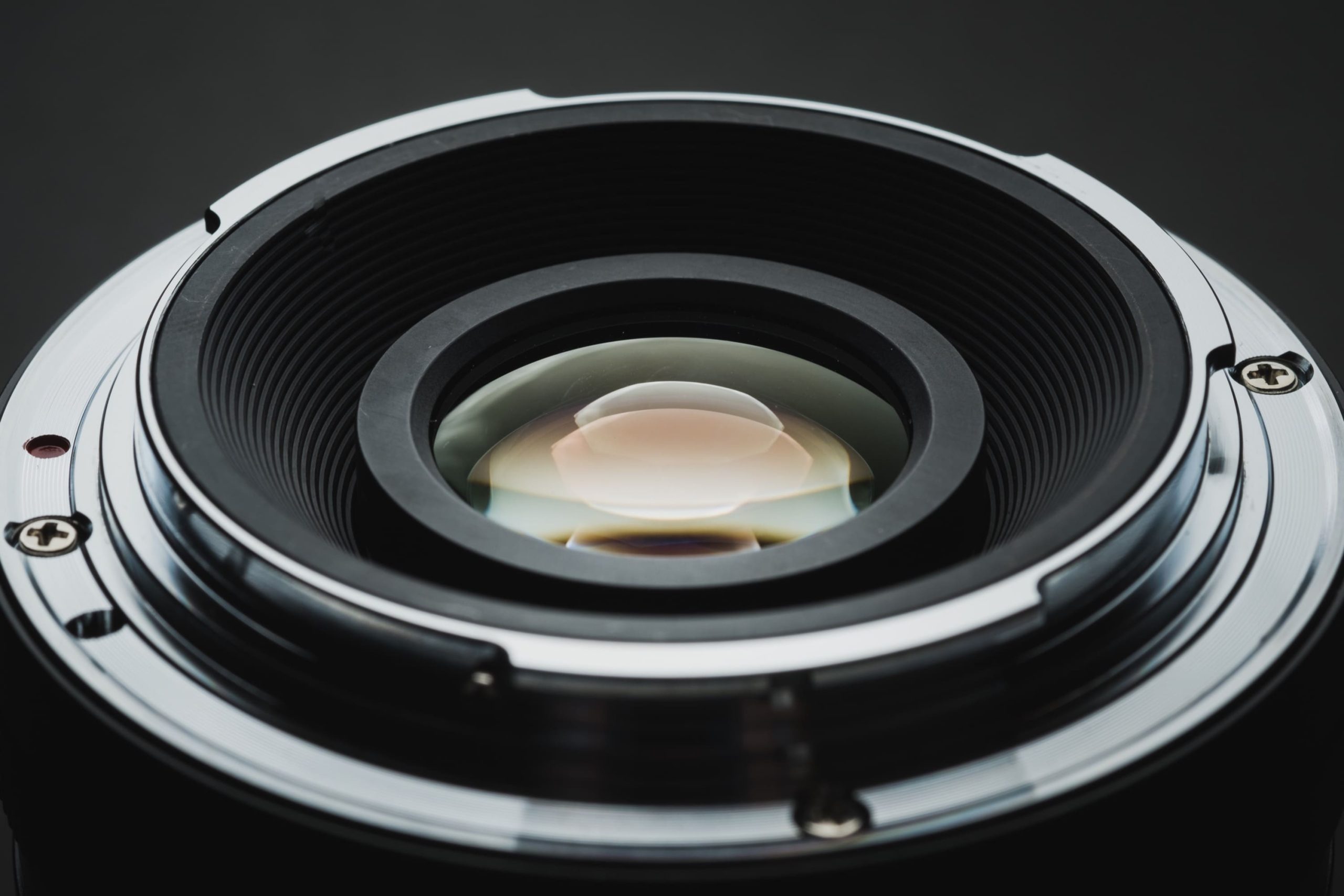
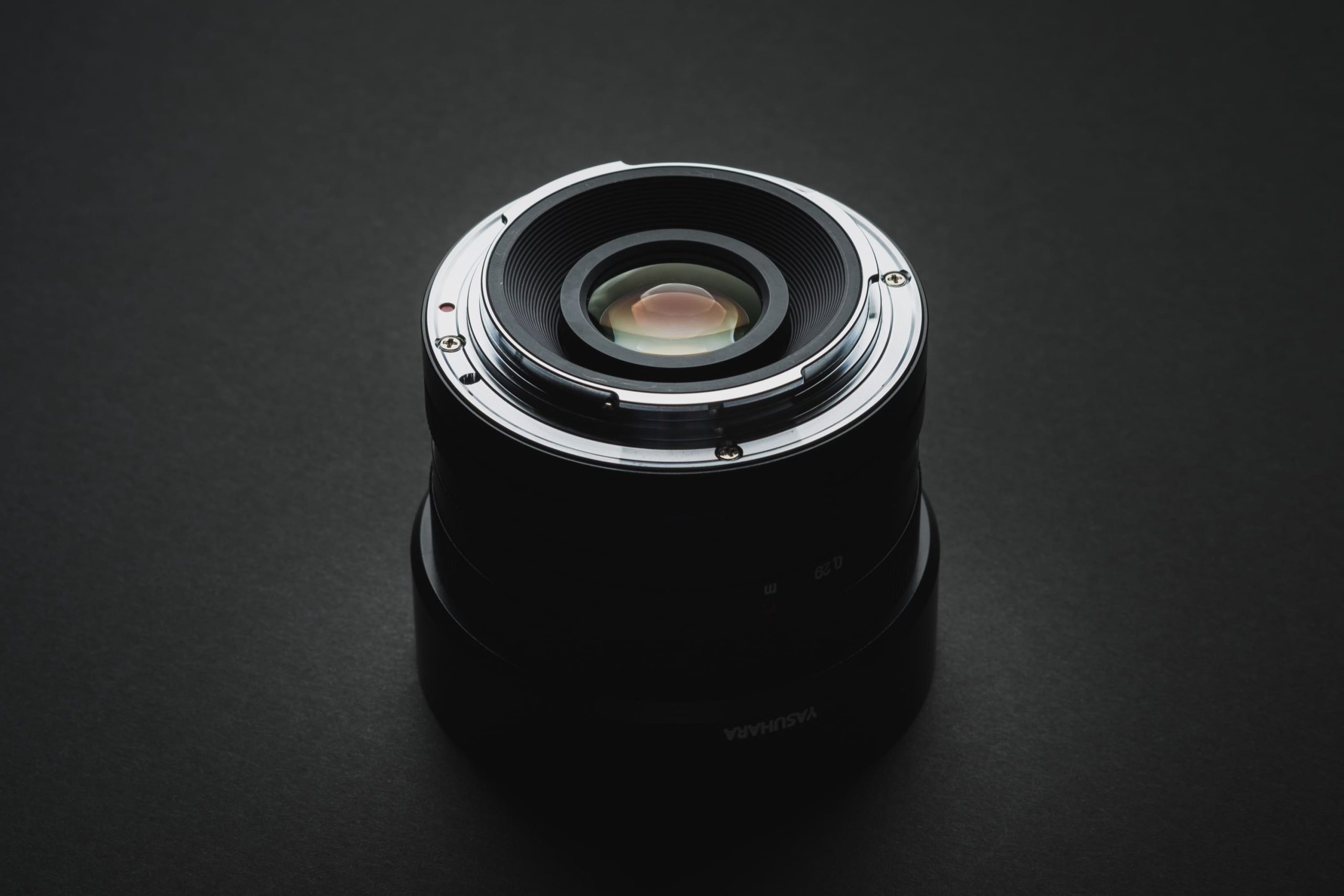
The photos here show that the rear element works with the shorter flange distance on the EOS R, which means it can do the majority of its corrections behind the exit pupil or point of convergence.
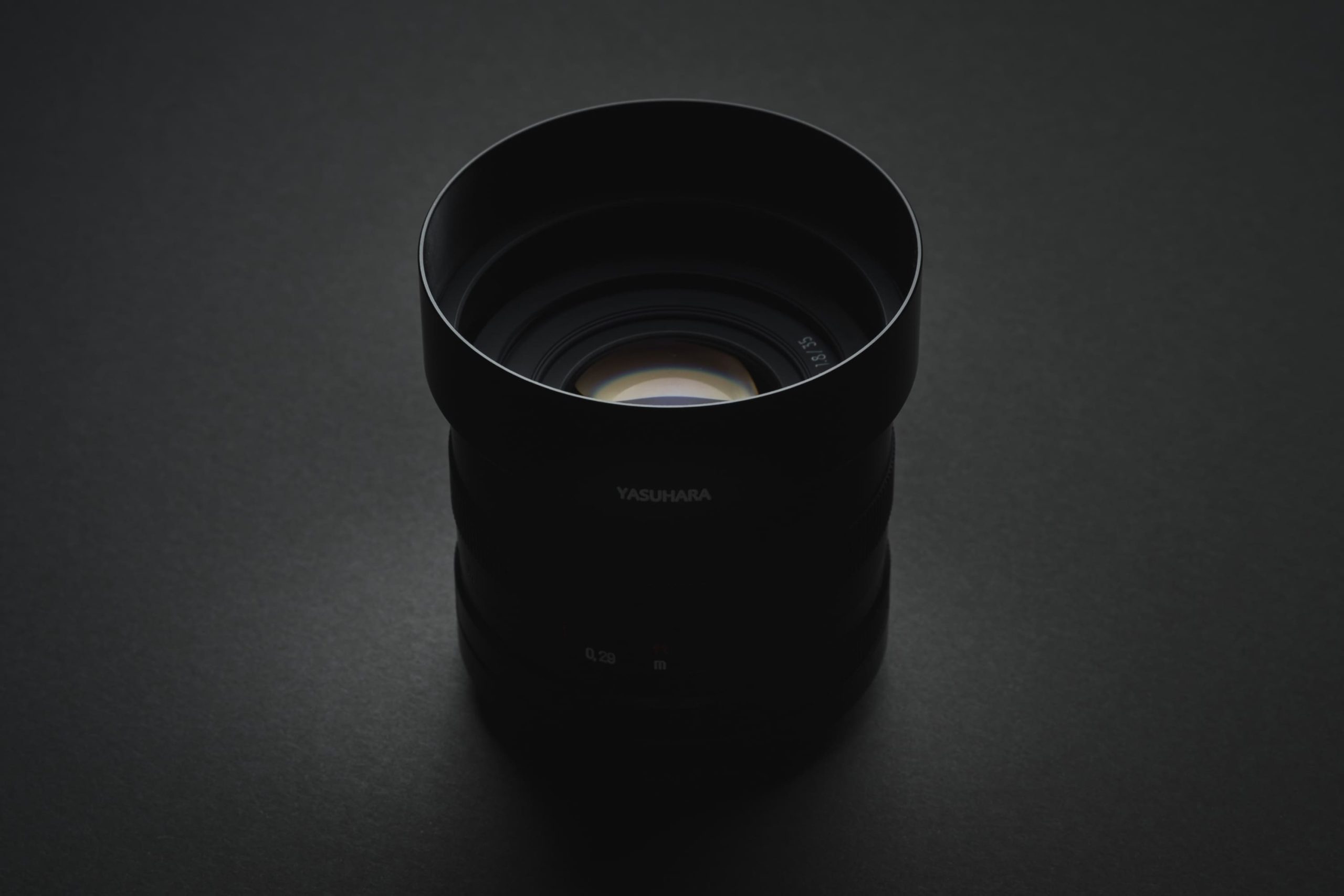
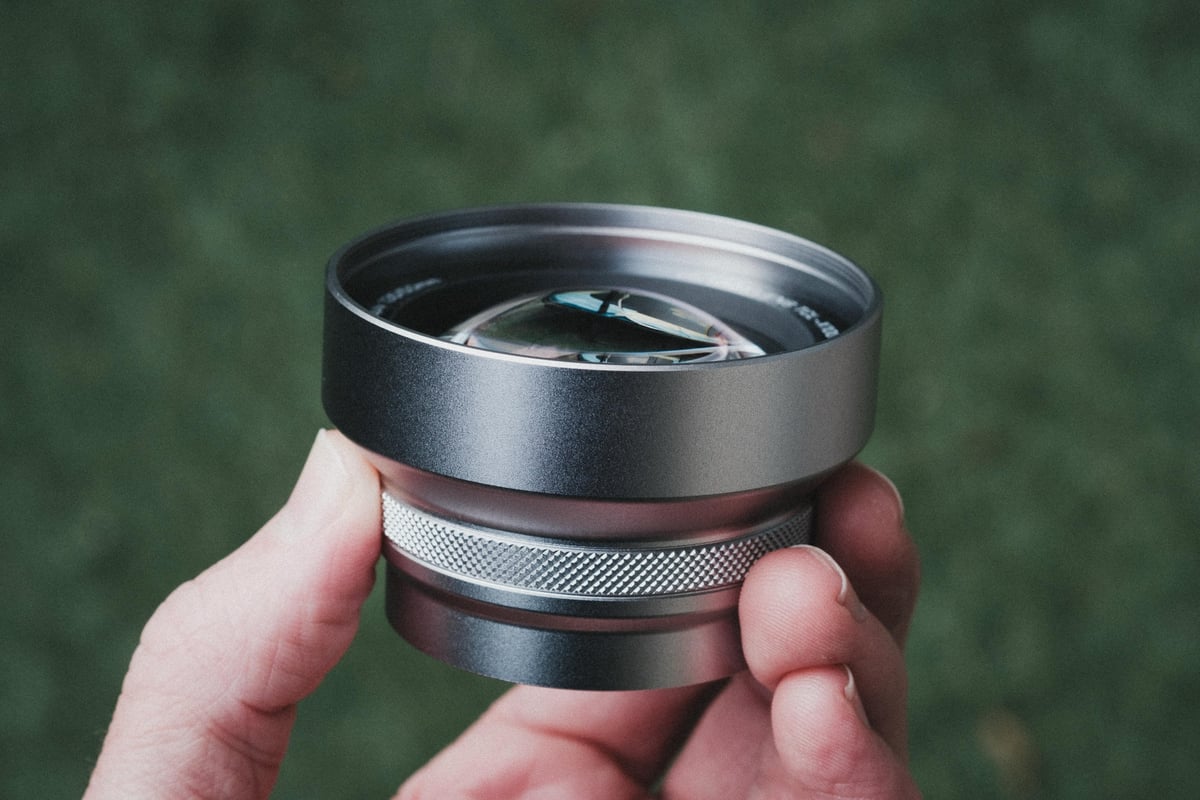
The lens includes a metal lens hood that slides out to protect the lens or slides back when you don’t need it. This is kind of cool because I like to work with flares sometimes, and this means you can just quickly slide the lens hood back if you want more flares or slide it up if you want more protection. Most lenses that do this don’t do it well, but I found this retractable lens hood to be very stable, and it does its job of staying in place.
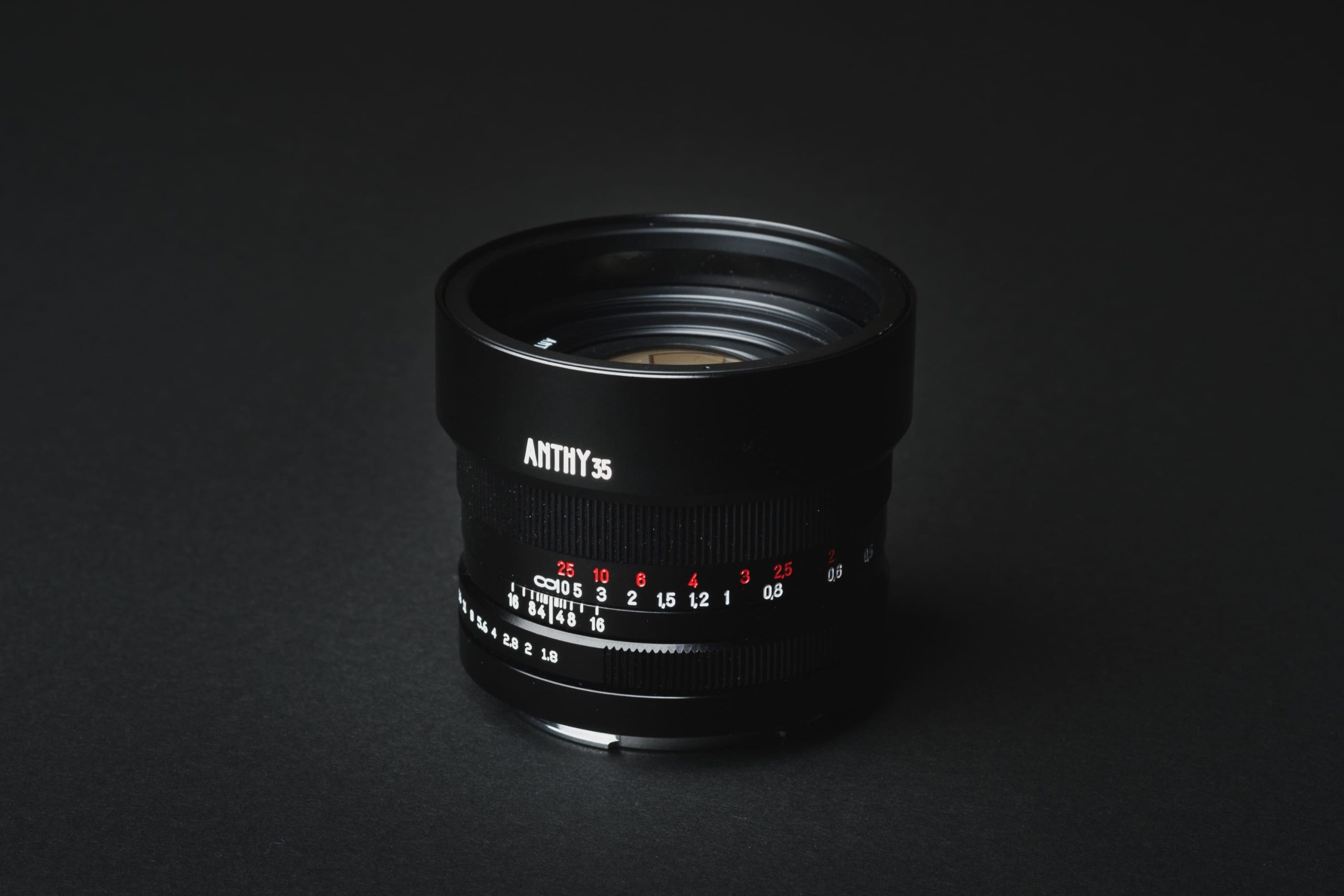
My main complaint with the build quality would probably come with the feel of the aperture and focus rings. The focus ring turns with the right amount of stiffness, it feels really good and smooth, however, the aperture ring doesn’t have this same feel. It’s a lot easier to turn. Actually, it is very similar to my Voigtlander 35mm f1.7, where the aperture ring is almost loose, but the focus is buttery smooth. It’s not a big deal, but it always feels weird to me when there is this big difference in feedback you get from the two different rings, and I keep this with a lot of lenses.

The overall design is good. I’ve taken the lens just about everywhere and have beat the hell out of it. I’ve shot with it the rain, I’ve taken it to the muddy beaches, I’ve done just about every terrible thing you should never do to a lens to this lens, and it’s still alive and going strong. I’m very impressed by how well it’s held up.

Technical Characteristics

Sharpness Chart
I shot a few runs to get the best sharpness and compiled them together. (It’s harder than you think)
I did not focus on the corners or the edges to see what sort of field curvature we were working with.
Overall, for a lens this small, the performance was not bad at all. It is a little softer in the corners, and it gradually improves as you stop down. There is this small drop at f2.8 again, subtle smearing that happens in the corners and edges, and then by f4, things are great.
At f5.6 and f8, overall sharpness is pretty good, both in the center and corners. This means a lot of the softness we see is likely from field curvature. So, if your subject is in the midframe and you’re focusing on the midframe instead of the center, you’ll likely see improved performance compared to what you see with my chart.
Center Sharpness

It’s a little soft wide open but stopped down to about f5.6 and the sharpness is good. It may be a touch better than the Canon RF 35mm f1.8 when stopped down, but the Canon 35 has significantly better sharpness at all other apertures. However, the Canon 35 f.18 has really bad astigmatism.
Mid-Frame Sharpness

Again, a little soft wide open, improved performance when stopped down.
Corner Sharpness
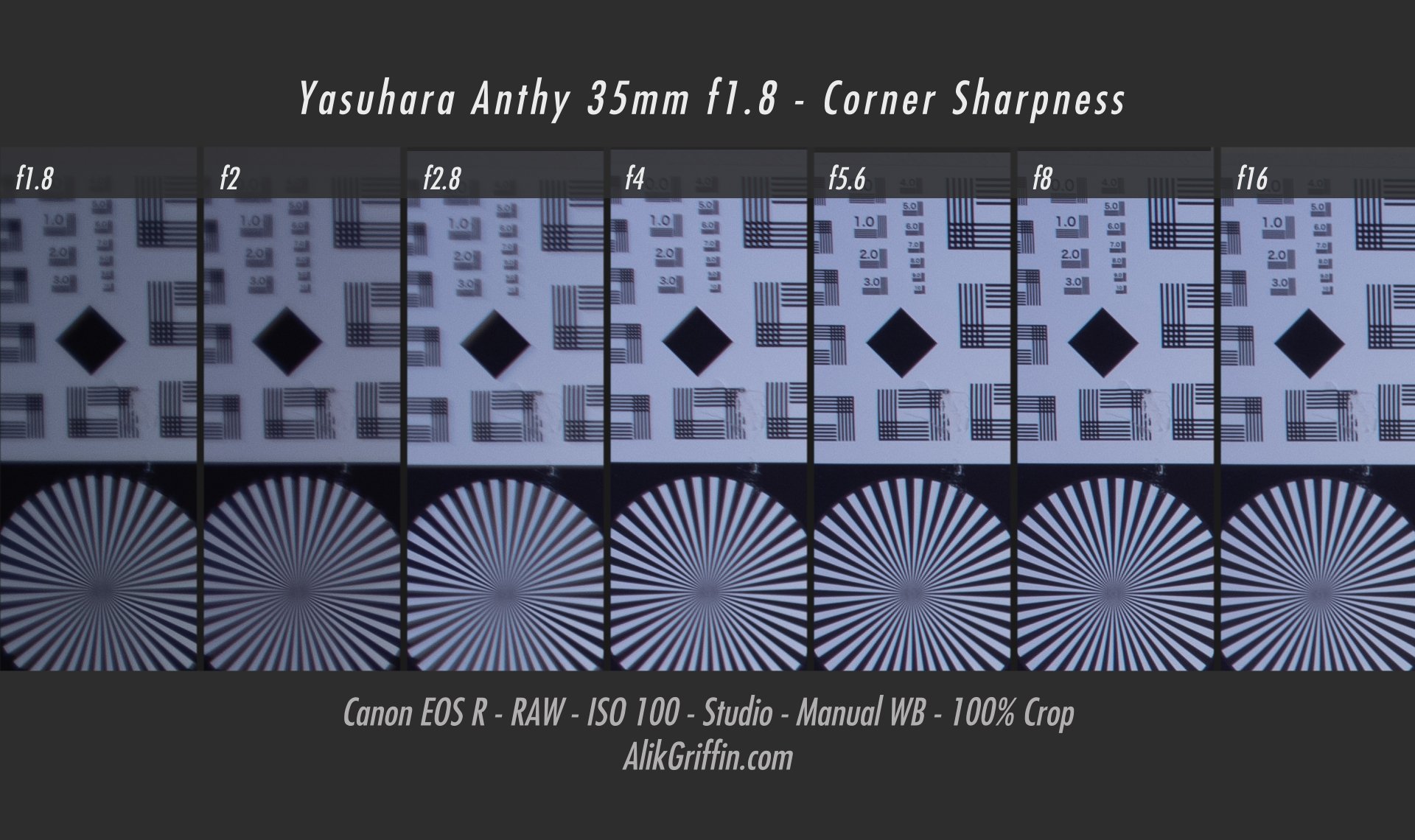
Some bad vignetting but is also fairly soft when wide open. By f5.6, corners are acceptable.
Edge Sharpness
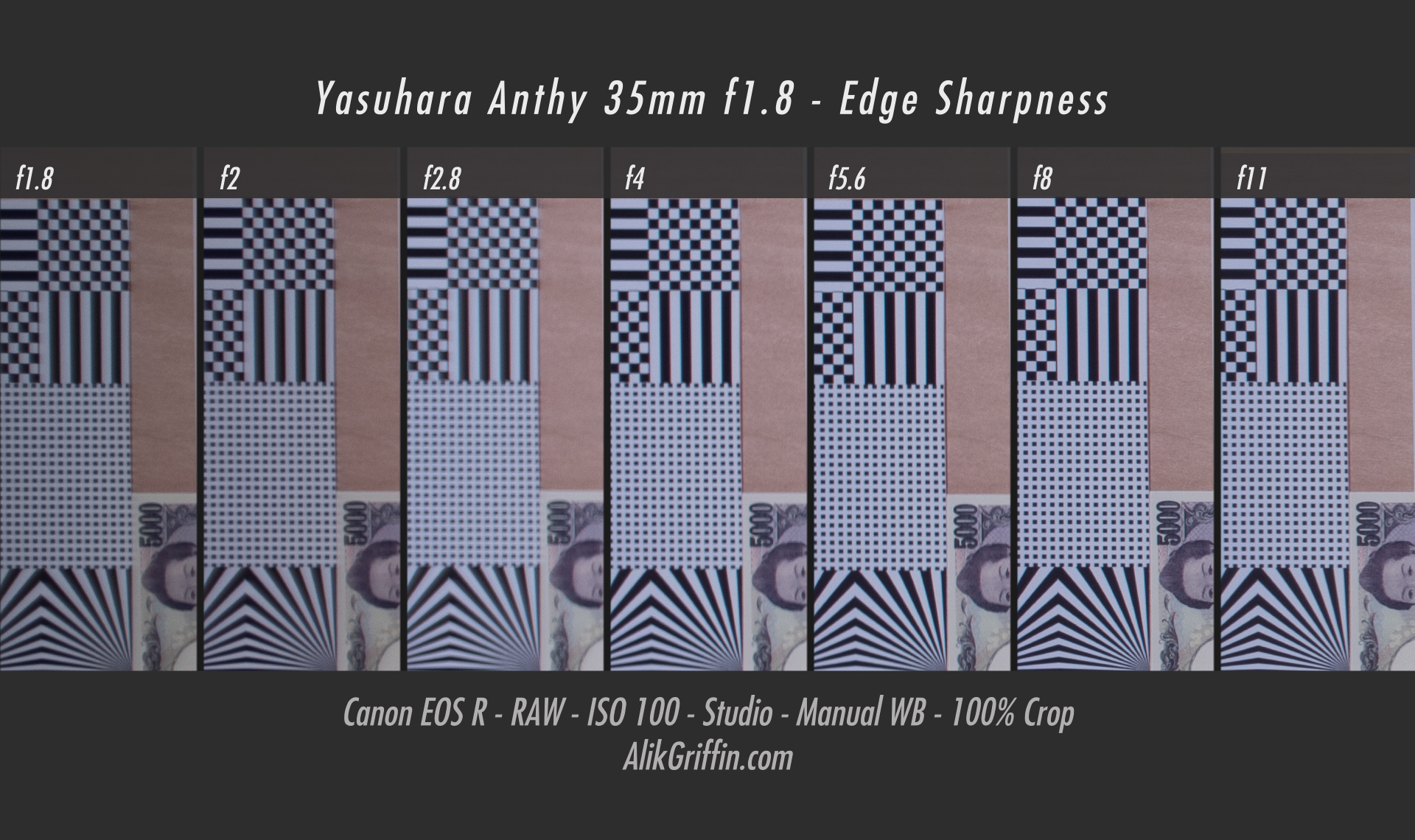
Good performance at f5.6, a fairly soft at those faster apertures.
Vignetting
Variable vignetting occurs here depending on the subject distance, your focus, and where the light source is.
I also get somewhat purple vignetting on the EOS R, but vignetting also fluctuates depending on light intensity and source angle. I think the purple vignetting only happens with the EOS R version since I’ve seen a few other lenses behave this way, but only on the EOS R, like the Voigtlander 35mm f1.7. I’ll try to confirm if the Nikon and Sony versions also have the purple vignette.

I wouldn’t call it a deal-breaker, but that purple vignetting is a little hard to fix because you have to build a circular gradient and shift the color balance to green, then use the vignetting correction tools to fix the regular vignetting. So you may want to make a preset.
It likely won’t be an issue if you’re buying this lens for APS-C systems, and even with the full-frame system, you also don’t see it in every shot, especially if you’re shooting at night.
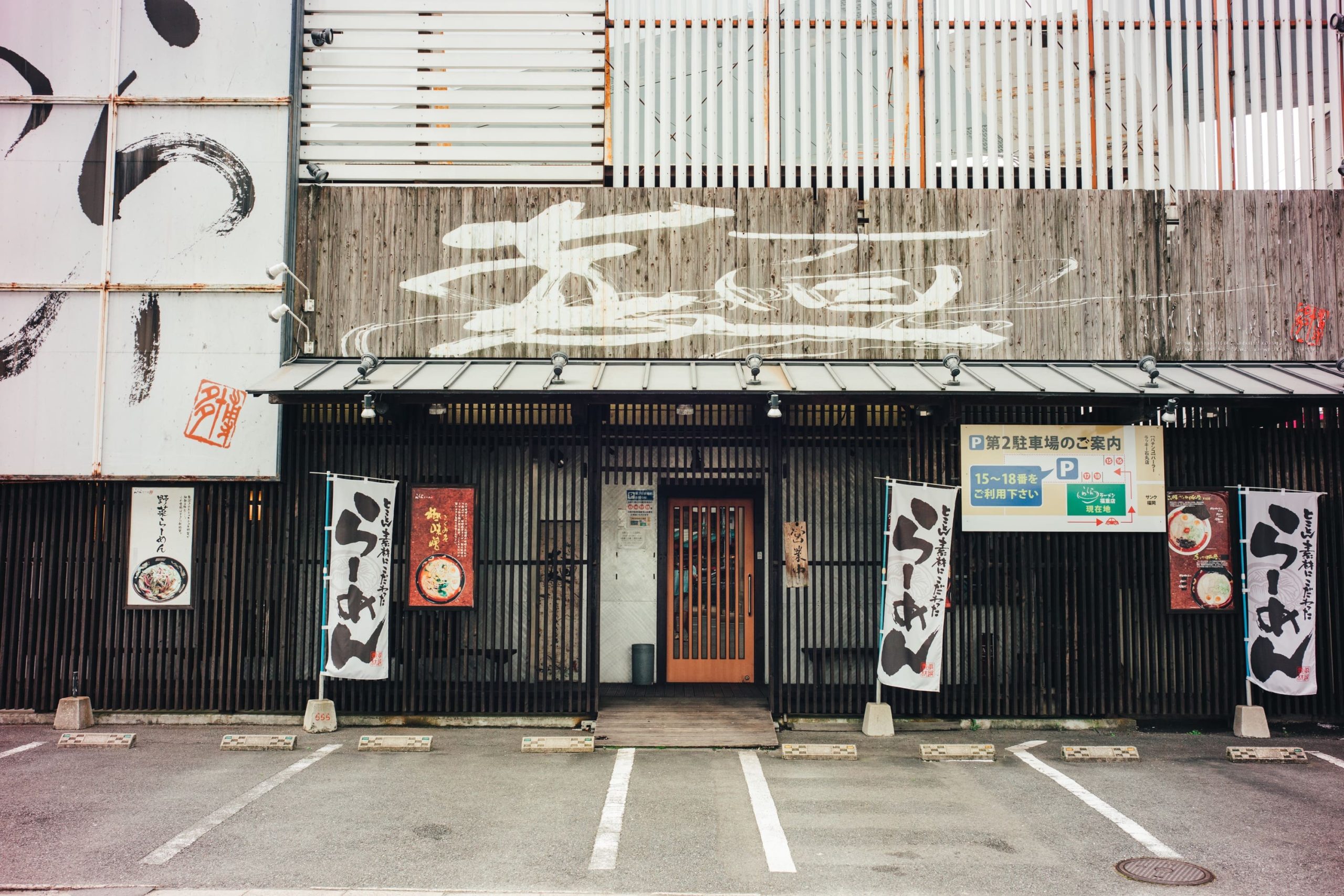

If you buy this lens, just know it can be a little crazy with the vignetting at times. Be ready to deal with that and correct it if you like shooting wide open. Otherwise, stop down to f2.8 and you won’t see as much vignetting, except some purple vignetting in some situations.
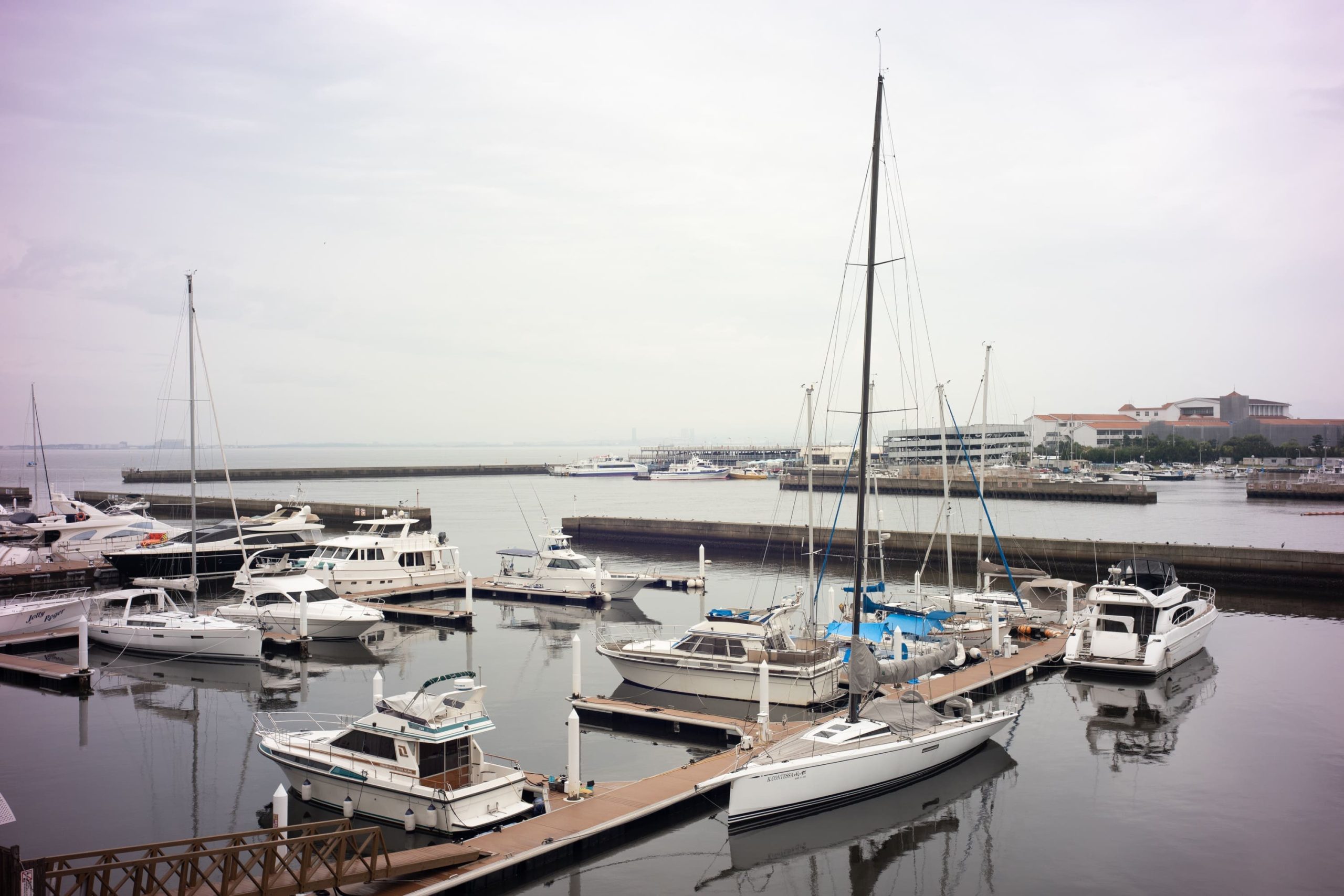
This was the worst-case scenario I could find.
I also want to note that in none of my samples posted on this review, did I clean up vignetting except the three landscape shots at the very end so you can see how it will affect real-world performance?
Distortion
It’s pretty close to zero distortion.
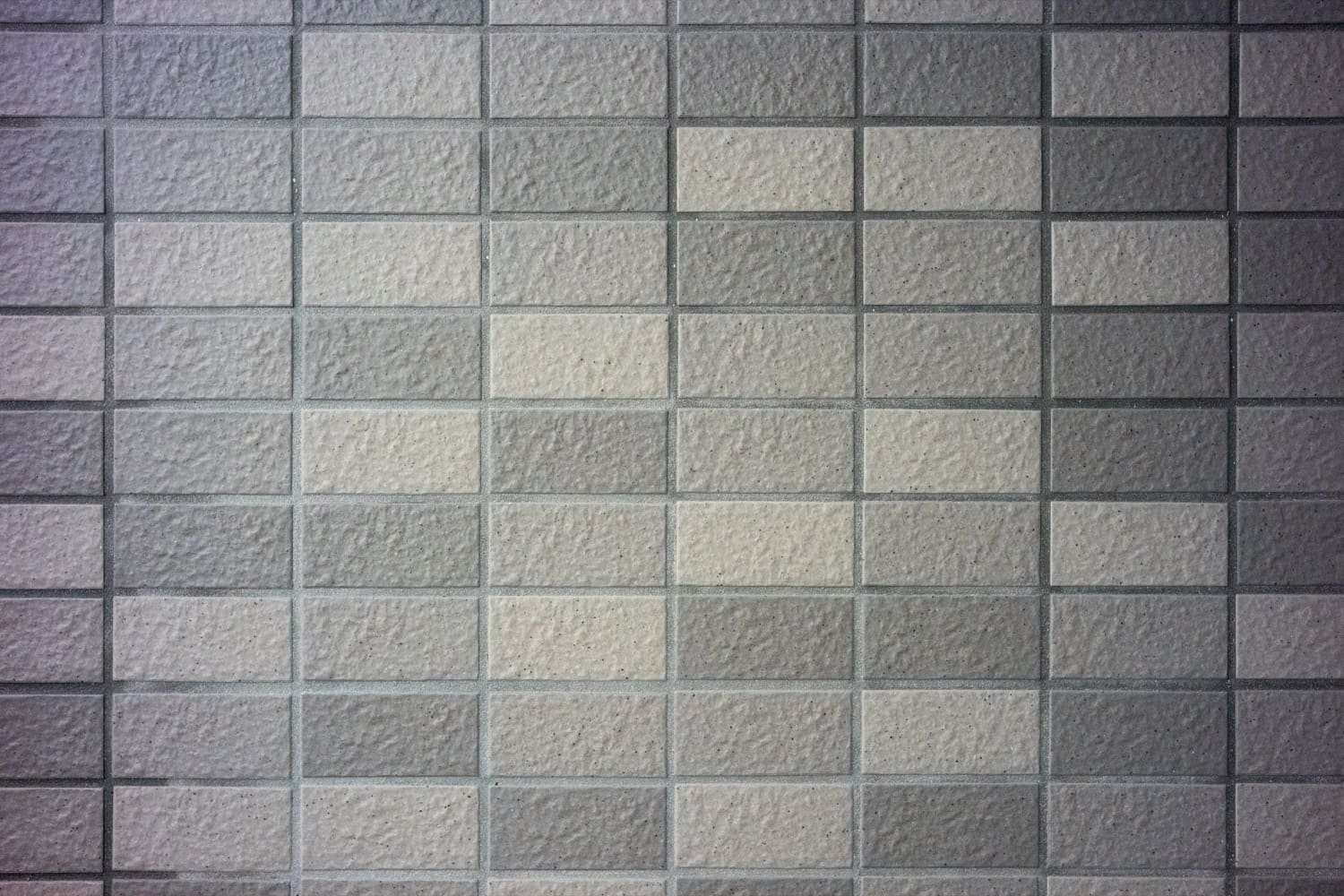
Chromatic Aberrations
There is a little Longitudinal CA, but nothing really worth posting. Overall, CA is very controlled.
Bokeh

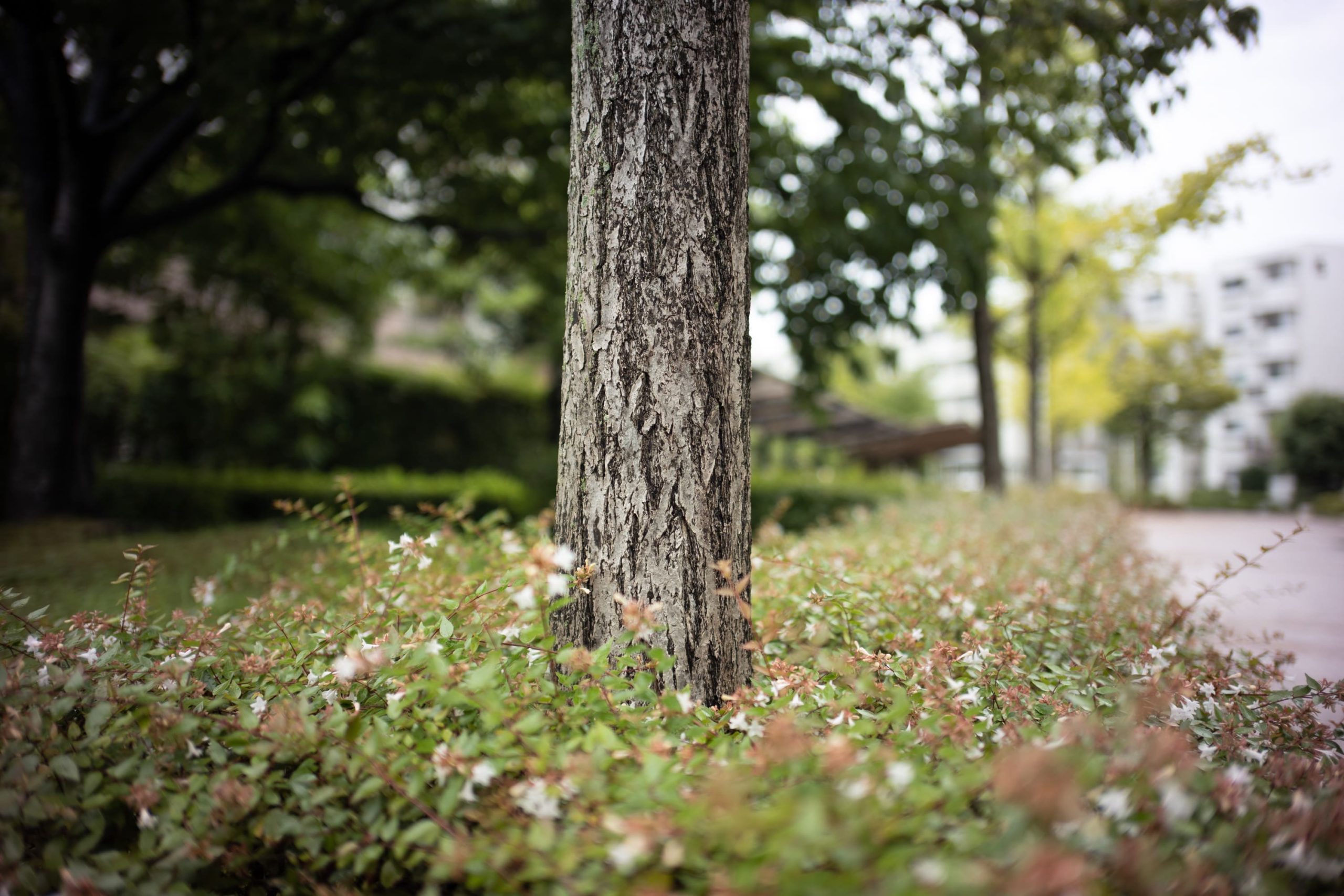
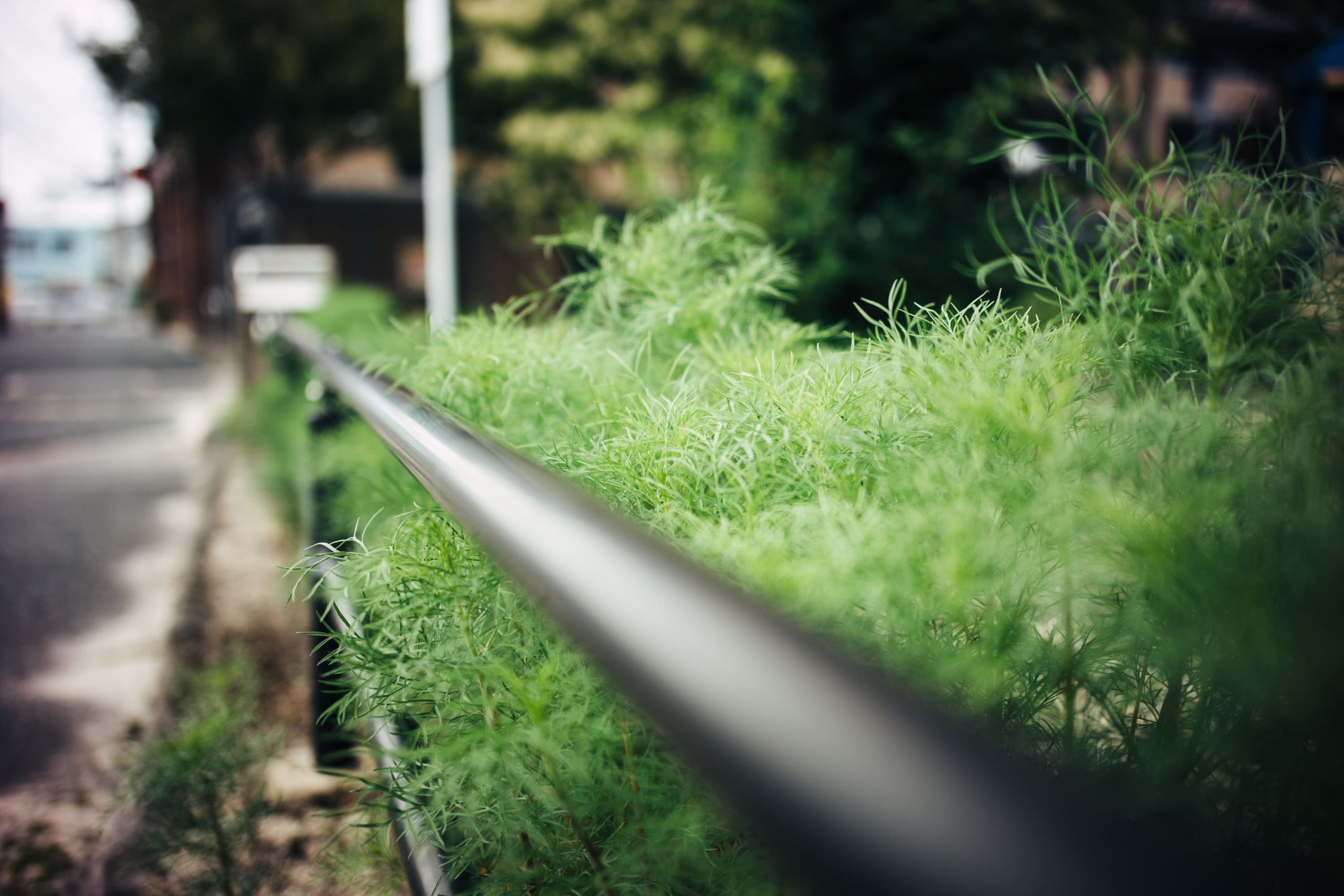
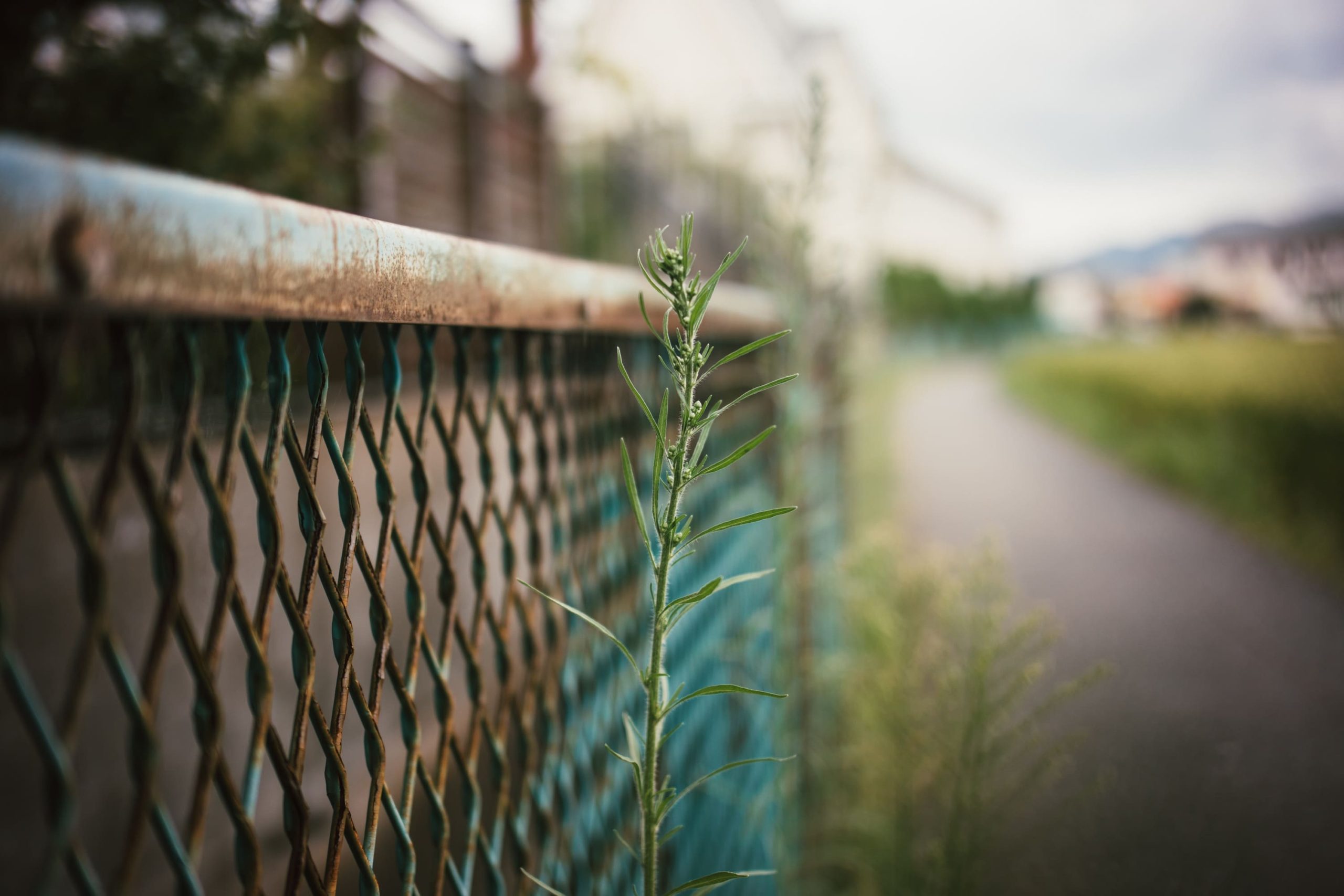
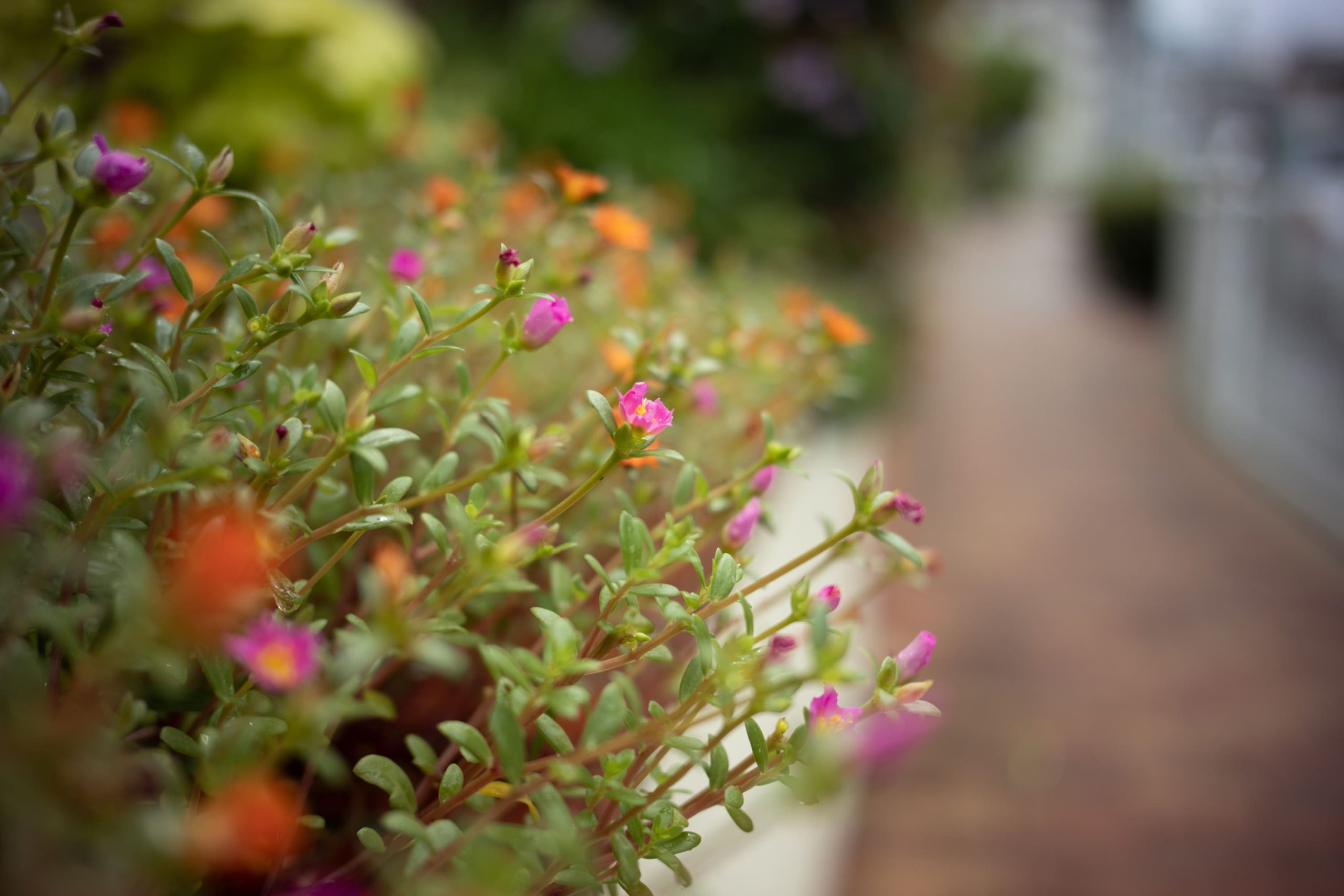
Bokeh looks great. If you’re outside shooting in bright areas and the subject is fairly far away, it can get a little gross, but when you’re just shooting people or portraits, it performs very well.





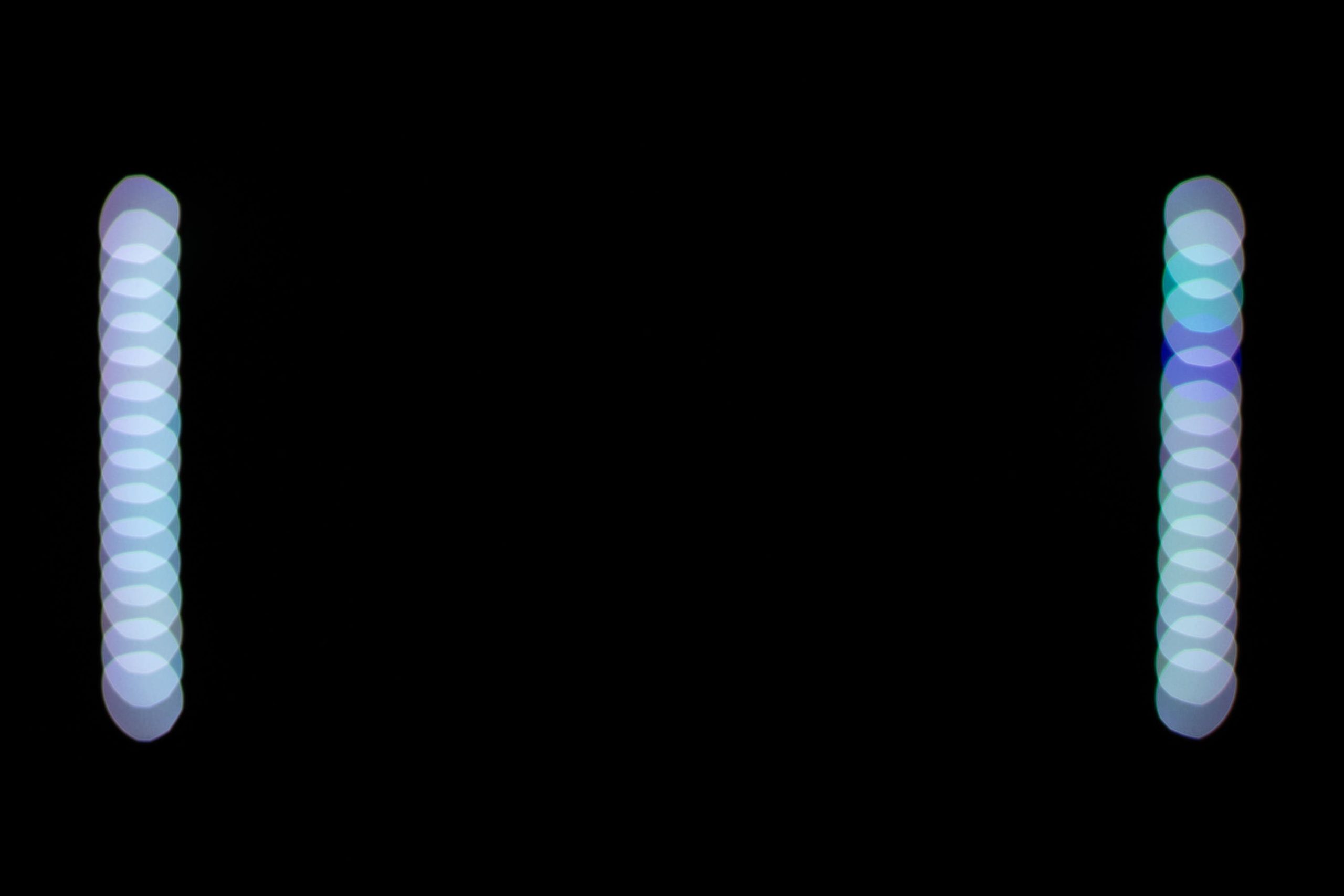
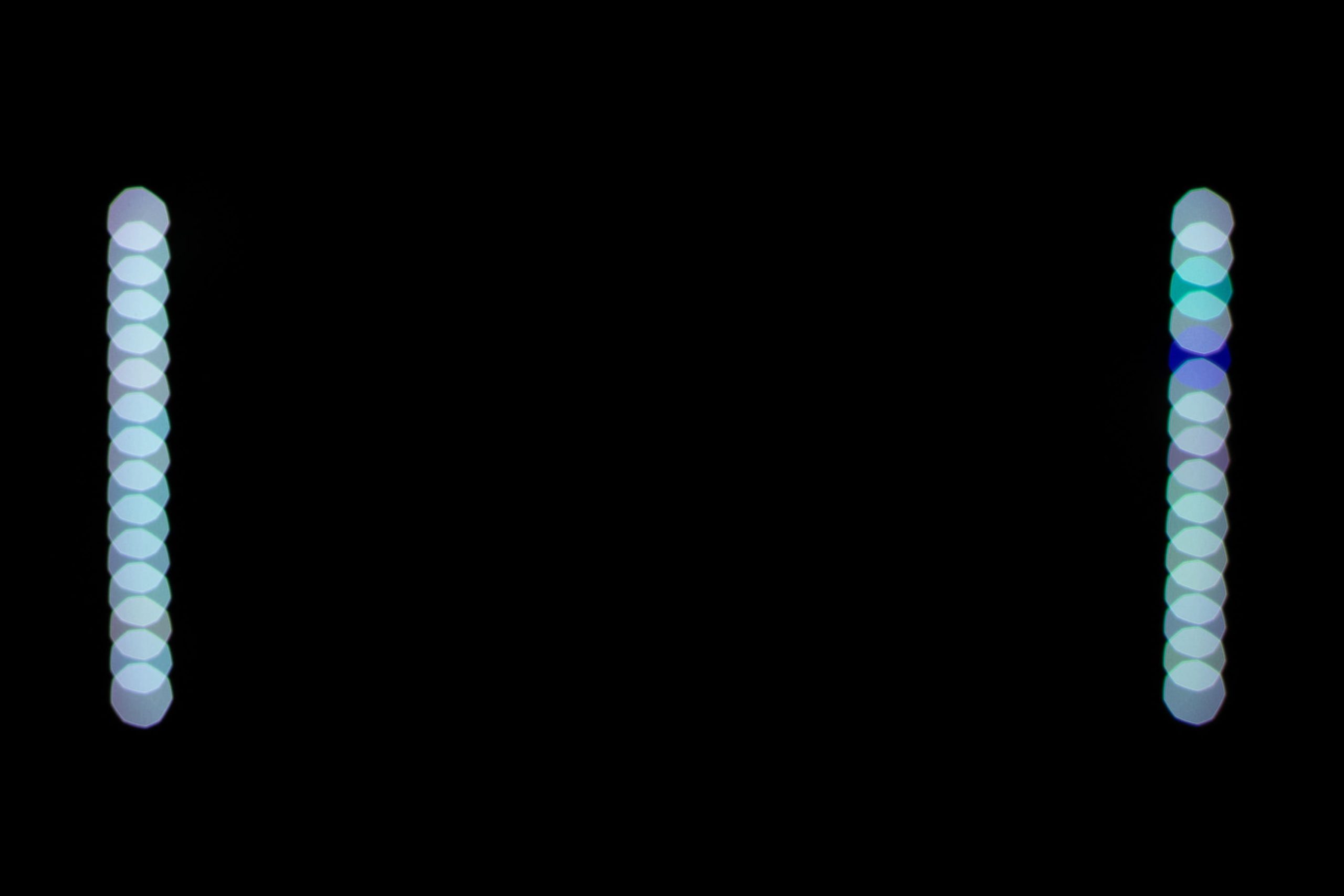
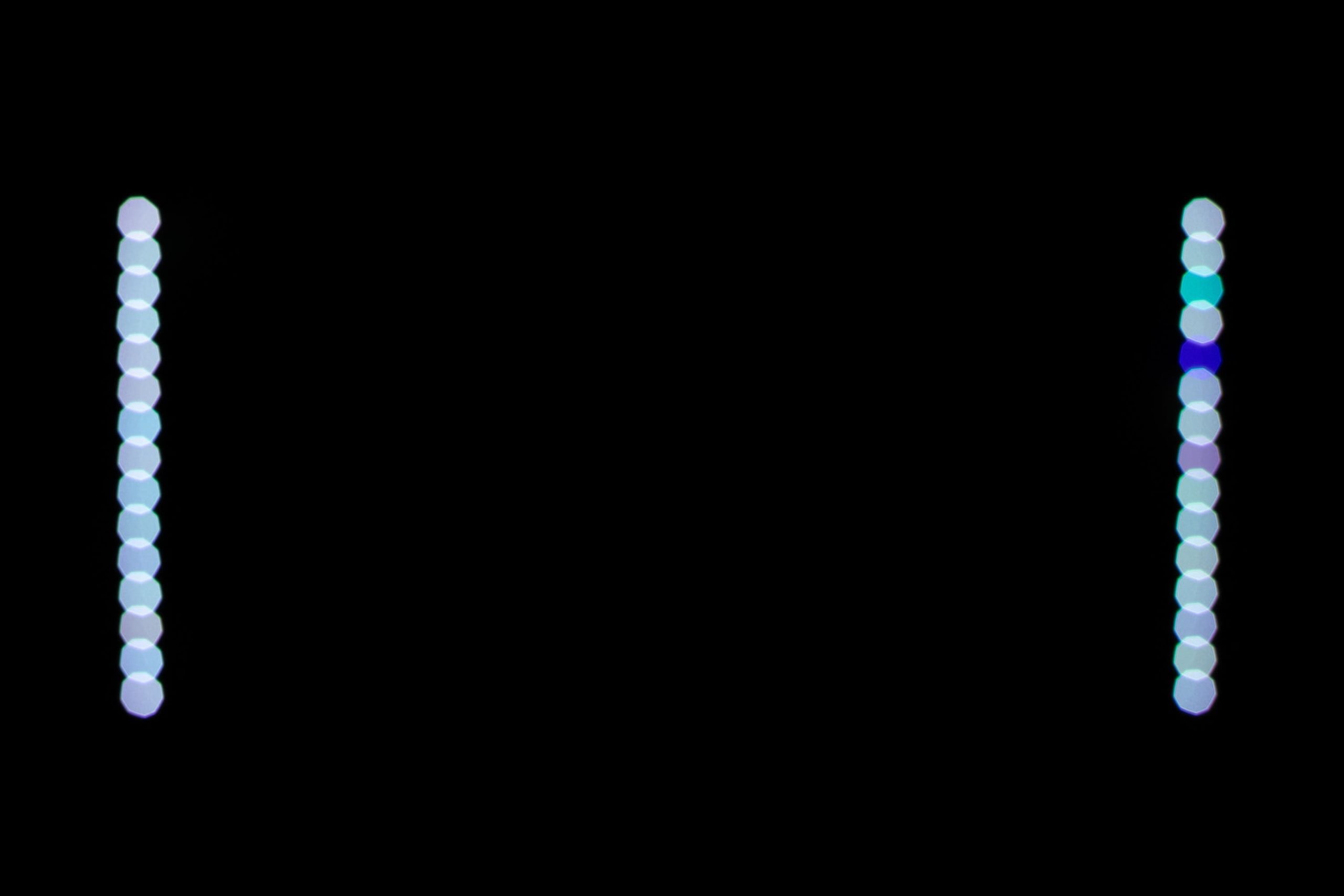
Coma Samples
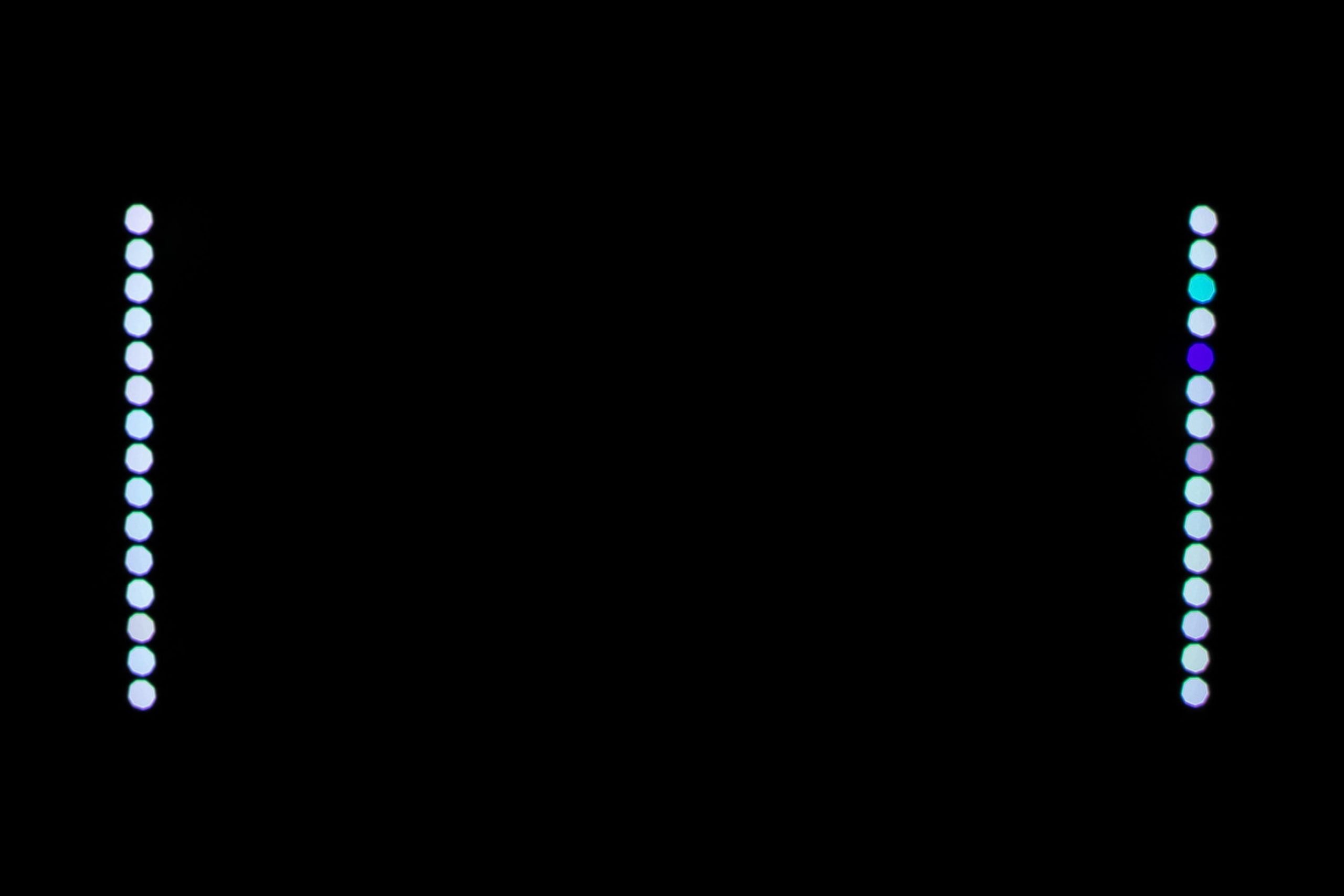
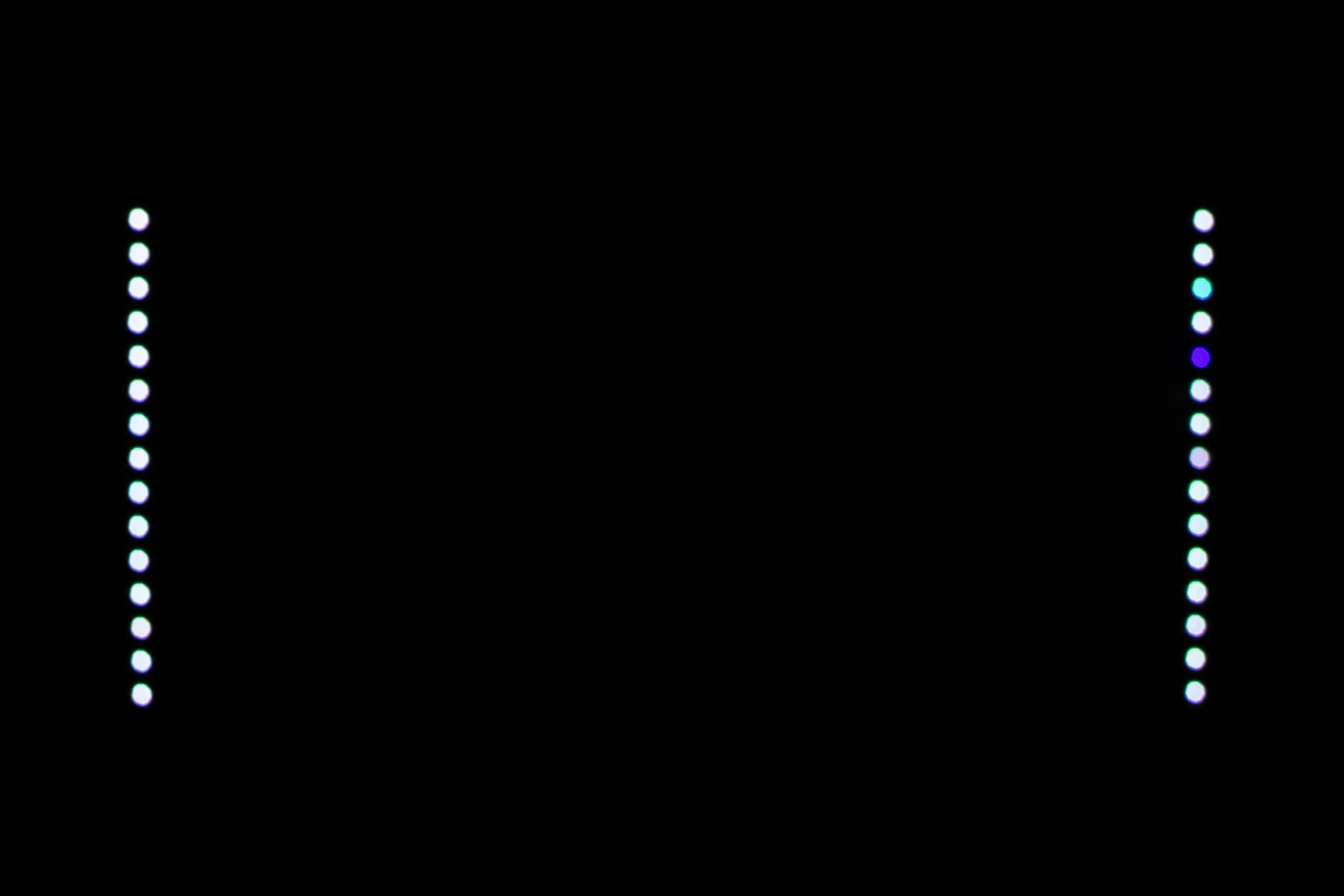
There are some minor onion rings along the edges of the bokeh. It’s not a big deal; many lenses, including most Fujinon lenses I’ve tested, do this.
The bokeh has some geometry even though it’s set to f1.8. This is likely from the aperture blades not being rounded.

Flaring & Reflections
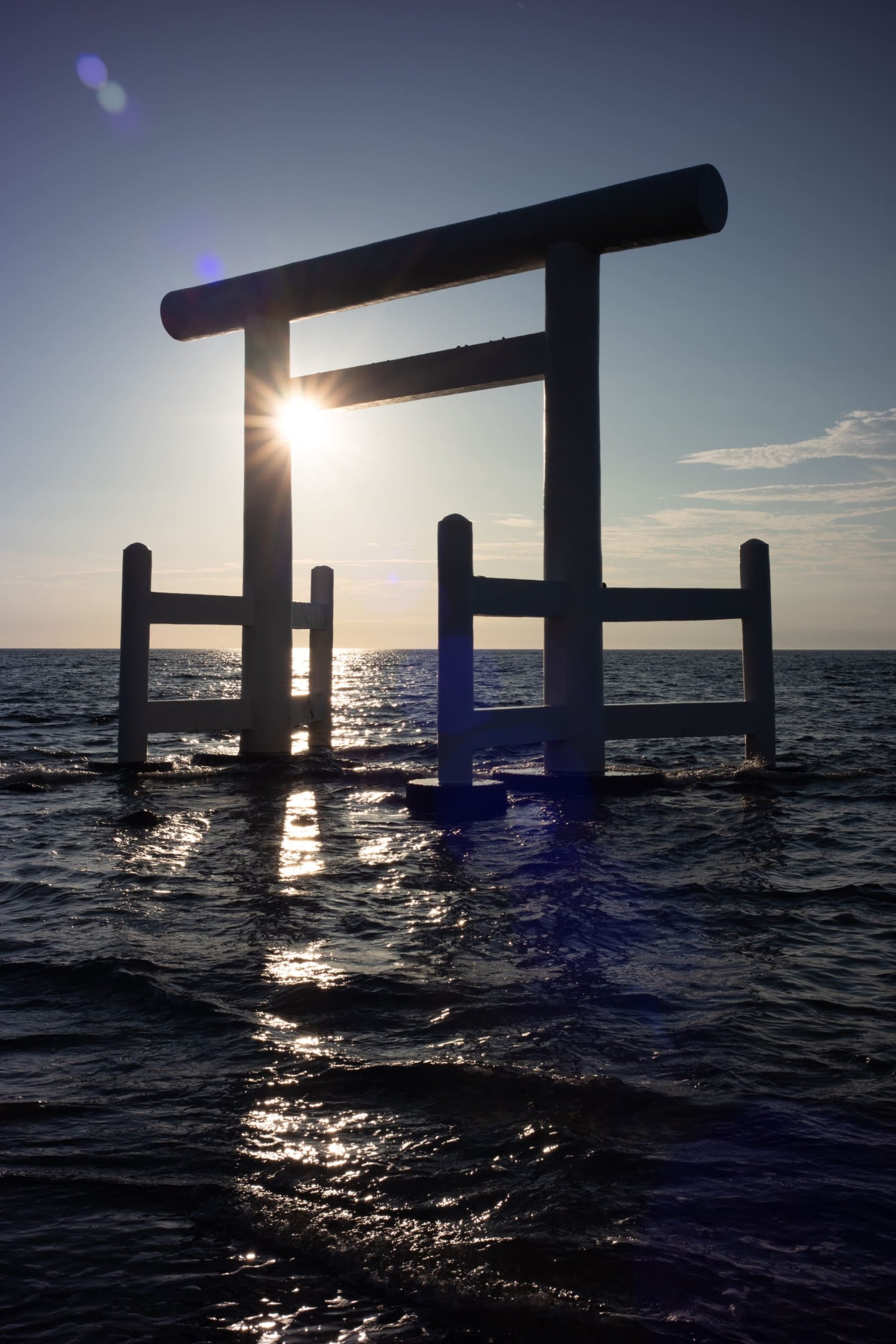
Flaring is actually really well controlled, and I rarely see flaring or reflections when shooting. Occasionally I’ll see a few little beads.
The lens also has a retractable lens hood, which helps when shooting outside.
You can see a few little flares here.
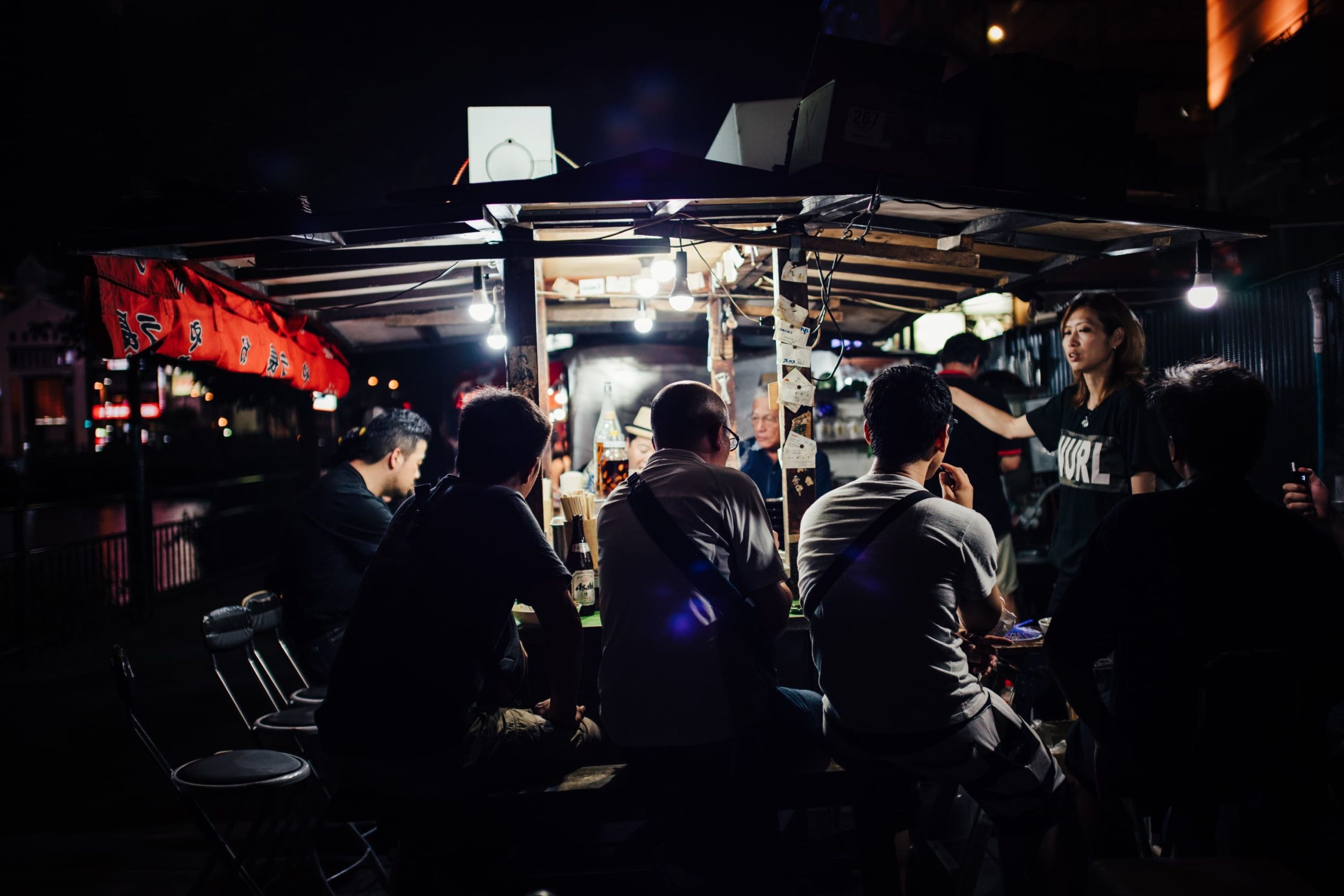
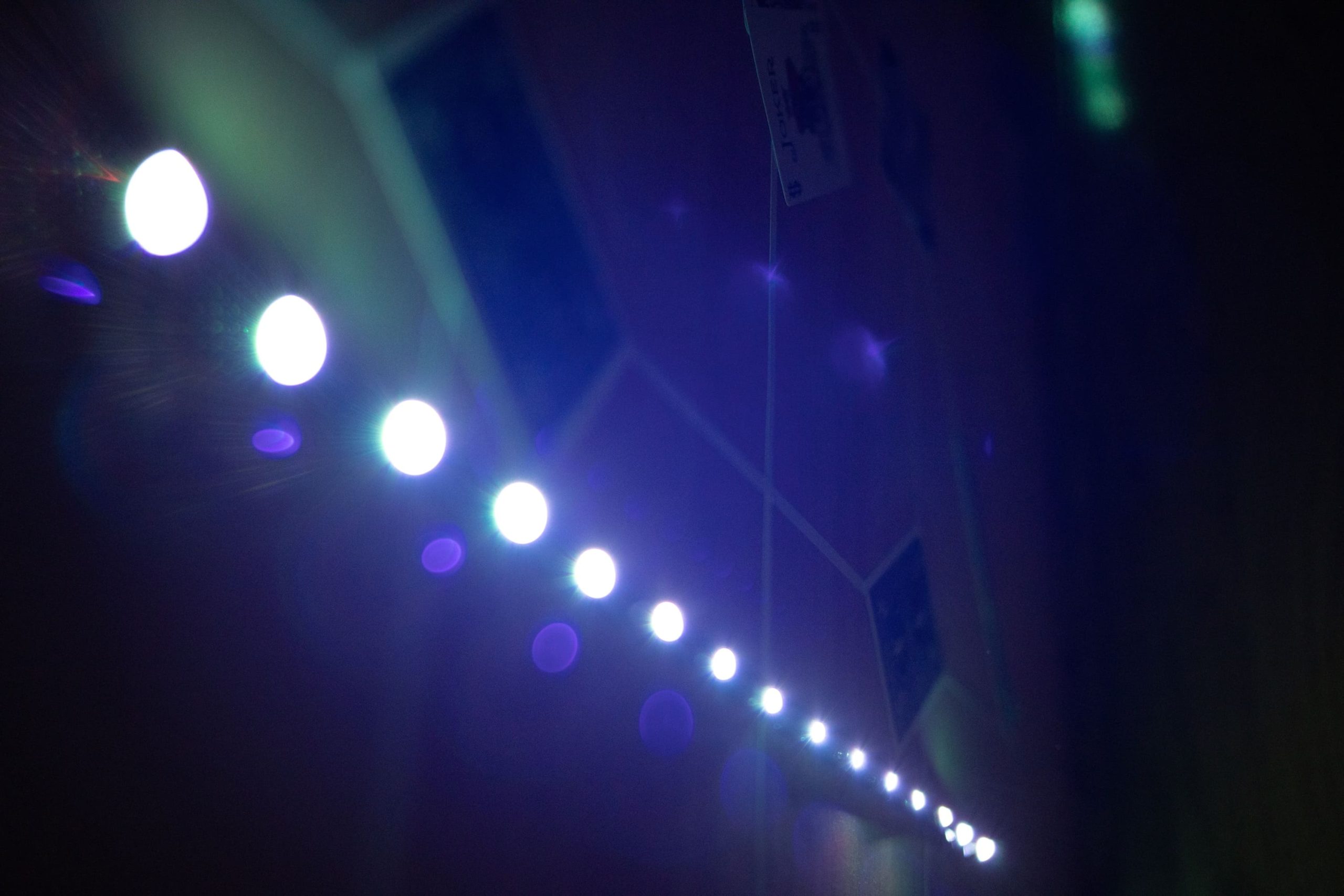
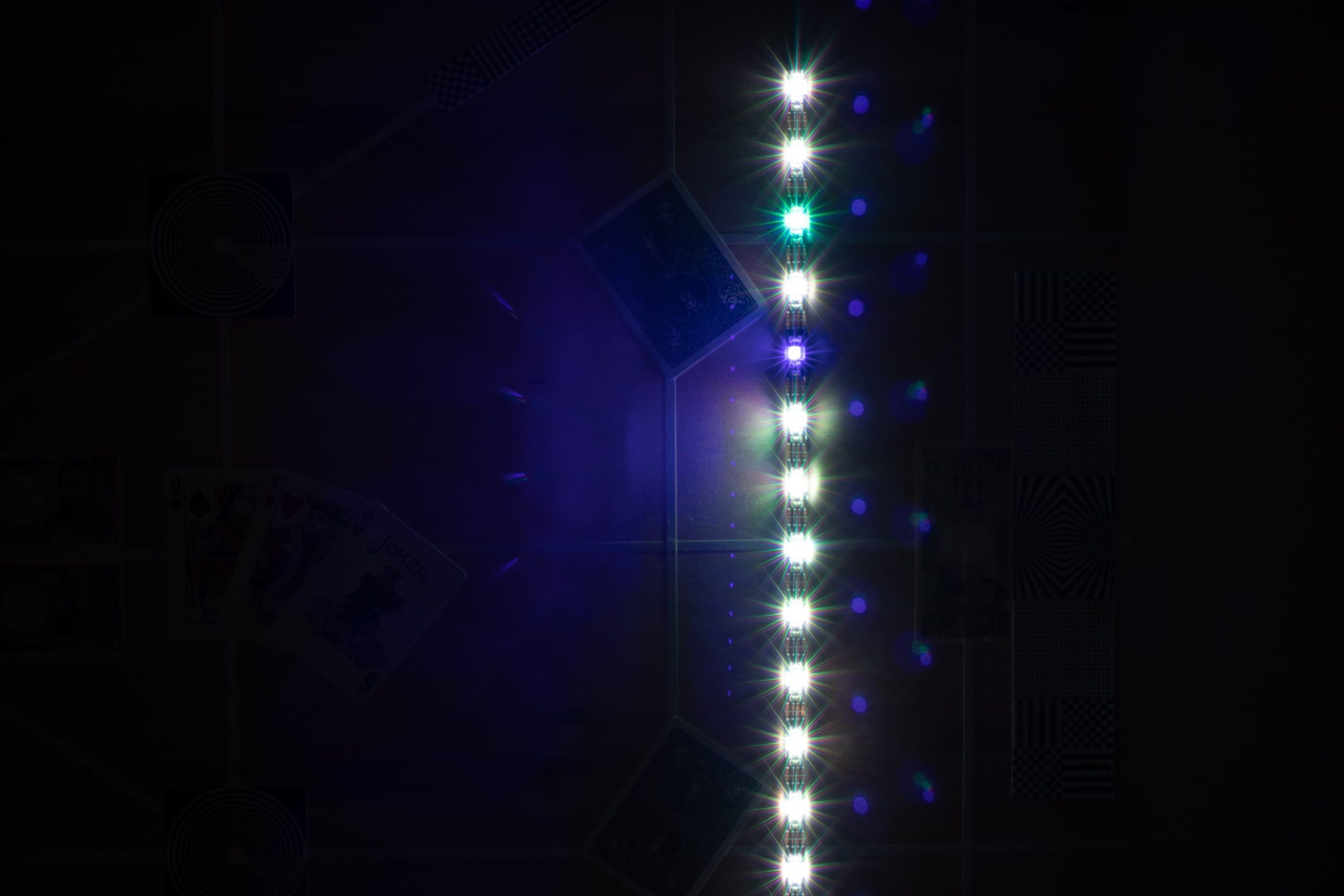
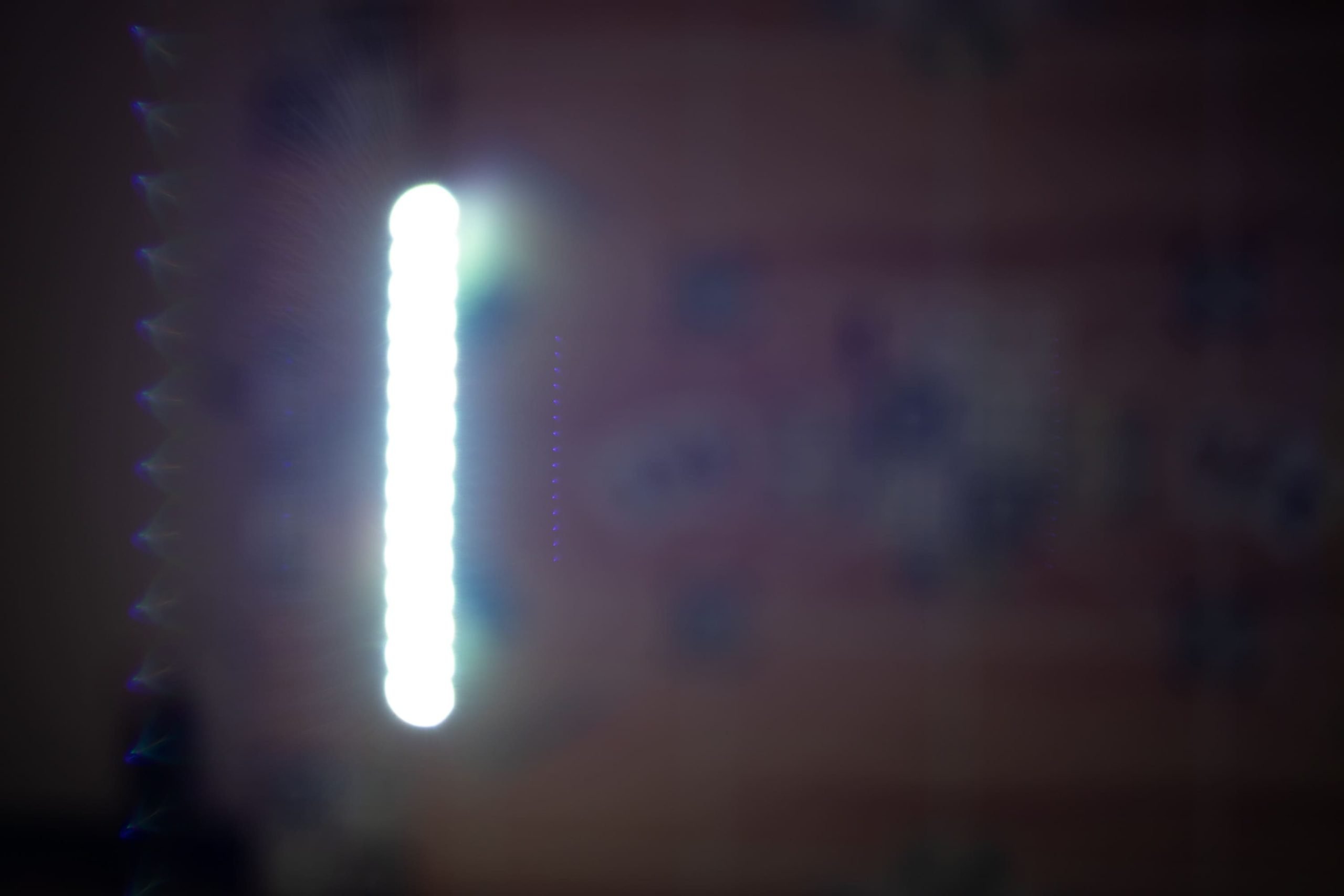
When I shot my charts, I did see a lot of reflections and streaks and what looked like rear element reflections, likely from that rear element being so close to the sensor or some internal elements being set with inferior coatings – I’m not sure exactly.
Art & Character
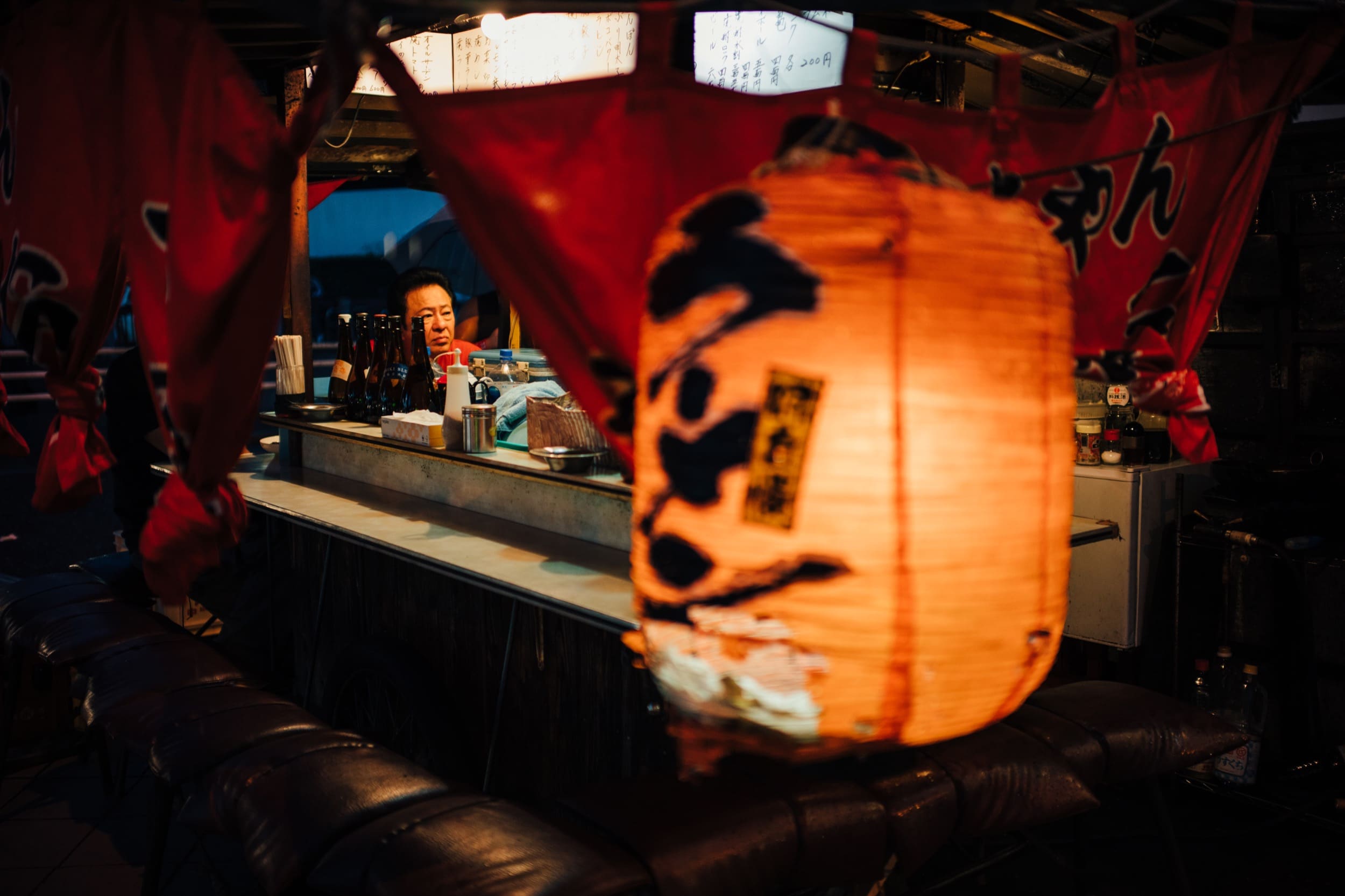
A lens can be technically perfect or imperfect, but does it produce good-looking images?
The technical charts show that the Anthy35 has a few issues, but are they deal breakers? That’s what this section is all about.
This lens produces a really nice look. The sharp, punchy contrast and saturation work very well with the nice bokeh for a very balanced look.
Like many lower and mid-budget lenses, you’ll have to learn what the lens likes and doesn’t like and work with it a little bit.
You have to also remember that smaller lenses are usually not as corrected, and I think this is the smallest full-frame mirrorless lens I’ve seen so far that is also this fast. It’s a touch smaller than the Sony Zeiss 35mm f2.8, a much slower lens.

While vignetting seems bad from the test charts, it actually adds a nice look to the image. I often add vignetting to my photos, so this isn’t a huge issue for me.
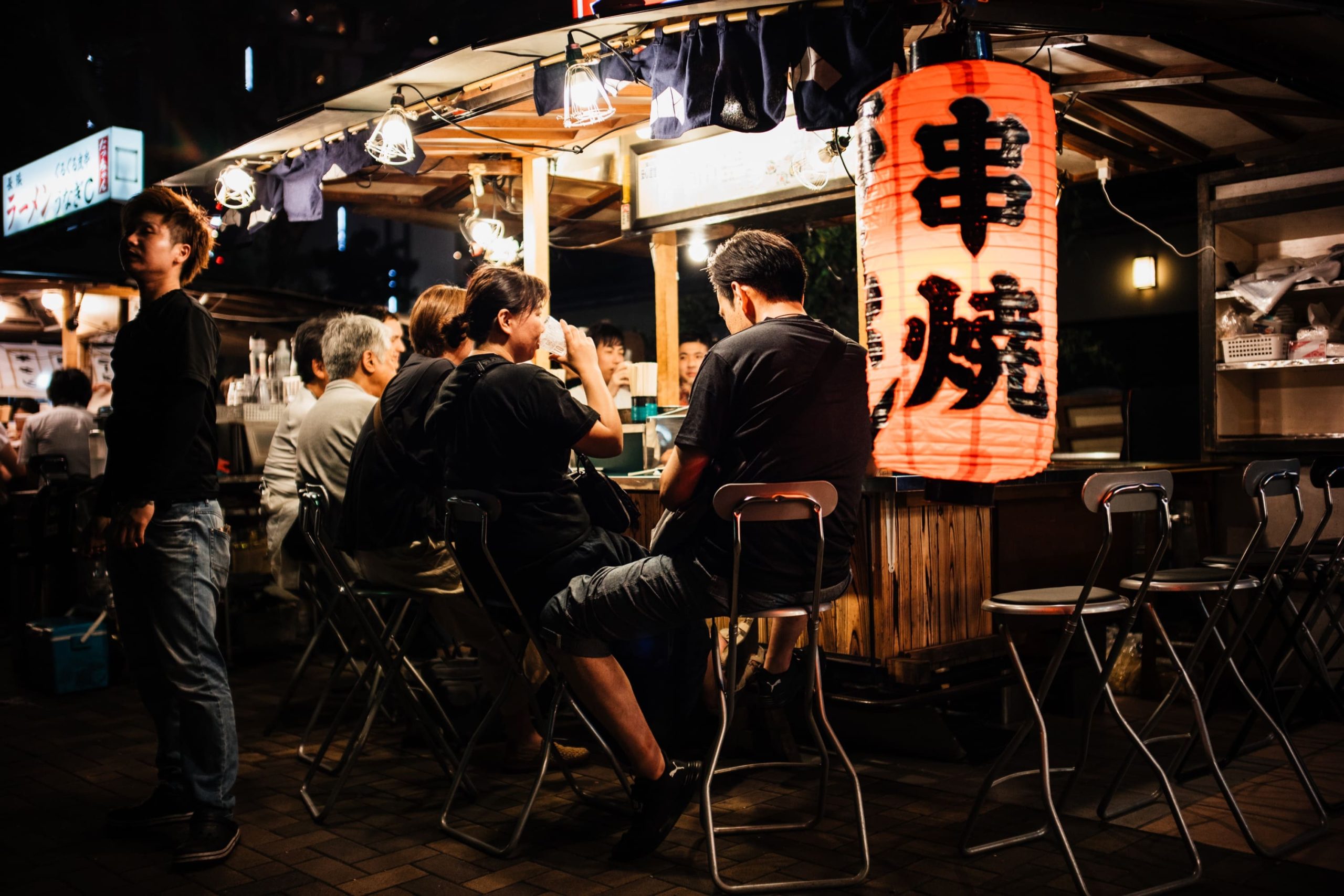
In real-world shooting conditions, I don’t see any crazy streaks or onion rings in the bokeh, and for the most part, everything just comes together nicely.
I would say this lens isn’t the best to use in very bright situations since it also really brings out that vignetting so you may want to grab a 3-Stop ND filter or polarizer for those situations.
Color & Rendering
Color rendering and contrast are where this lens excels over many other third-party lenses in this price range.
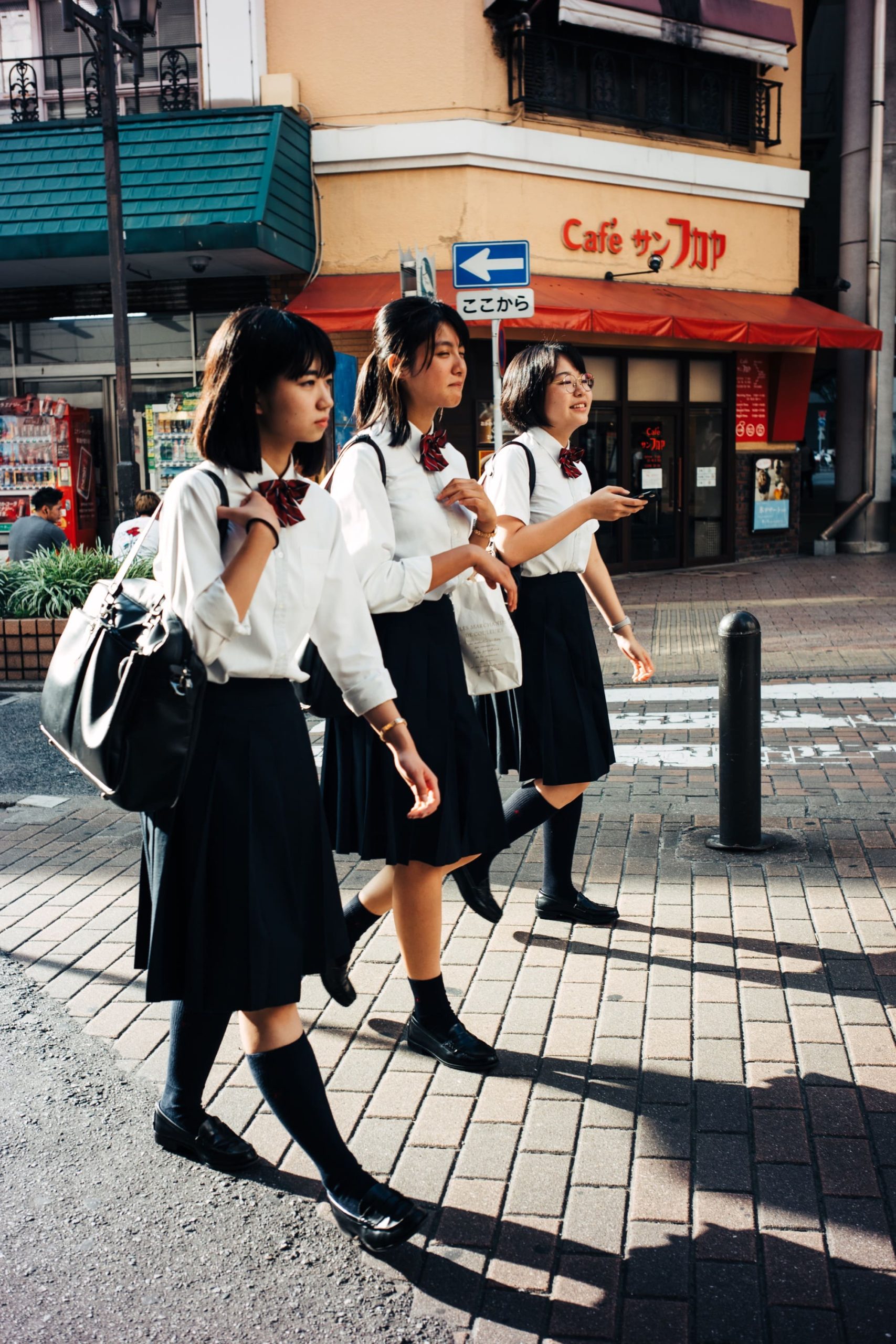
SOOC (Straight Out Of Camera Samples)

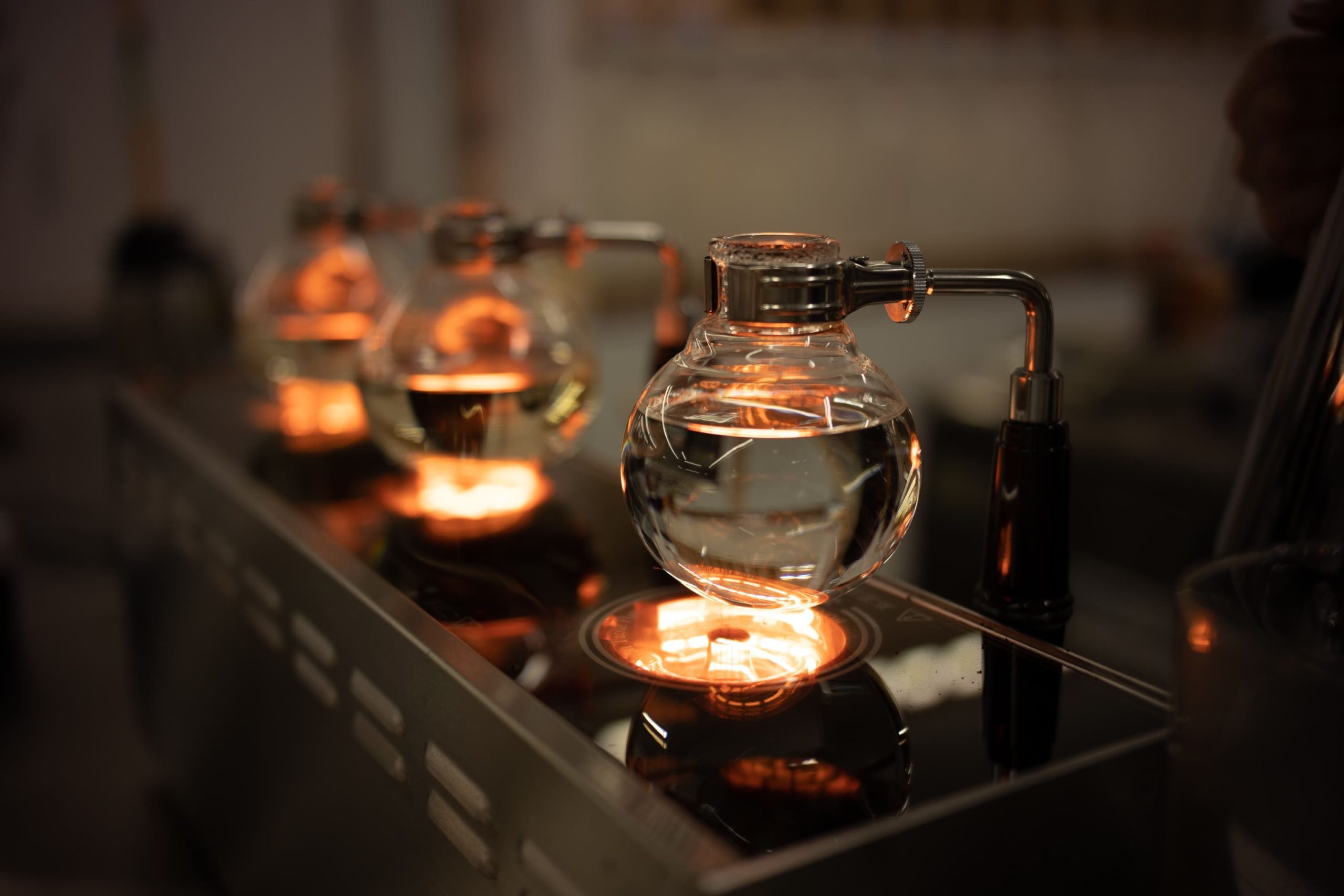
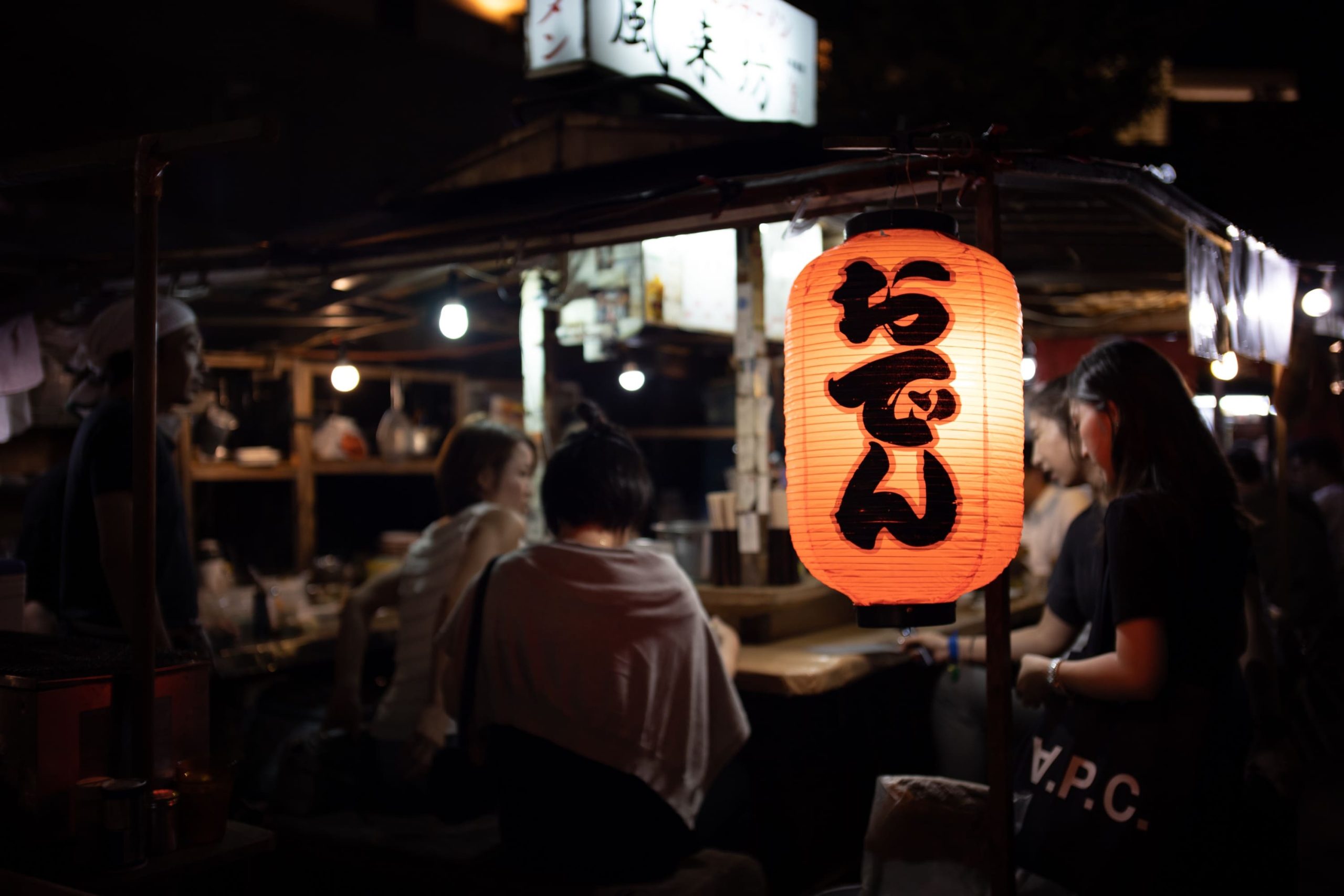


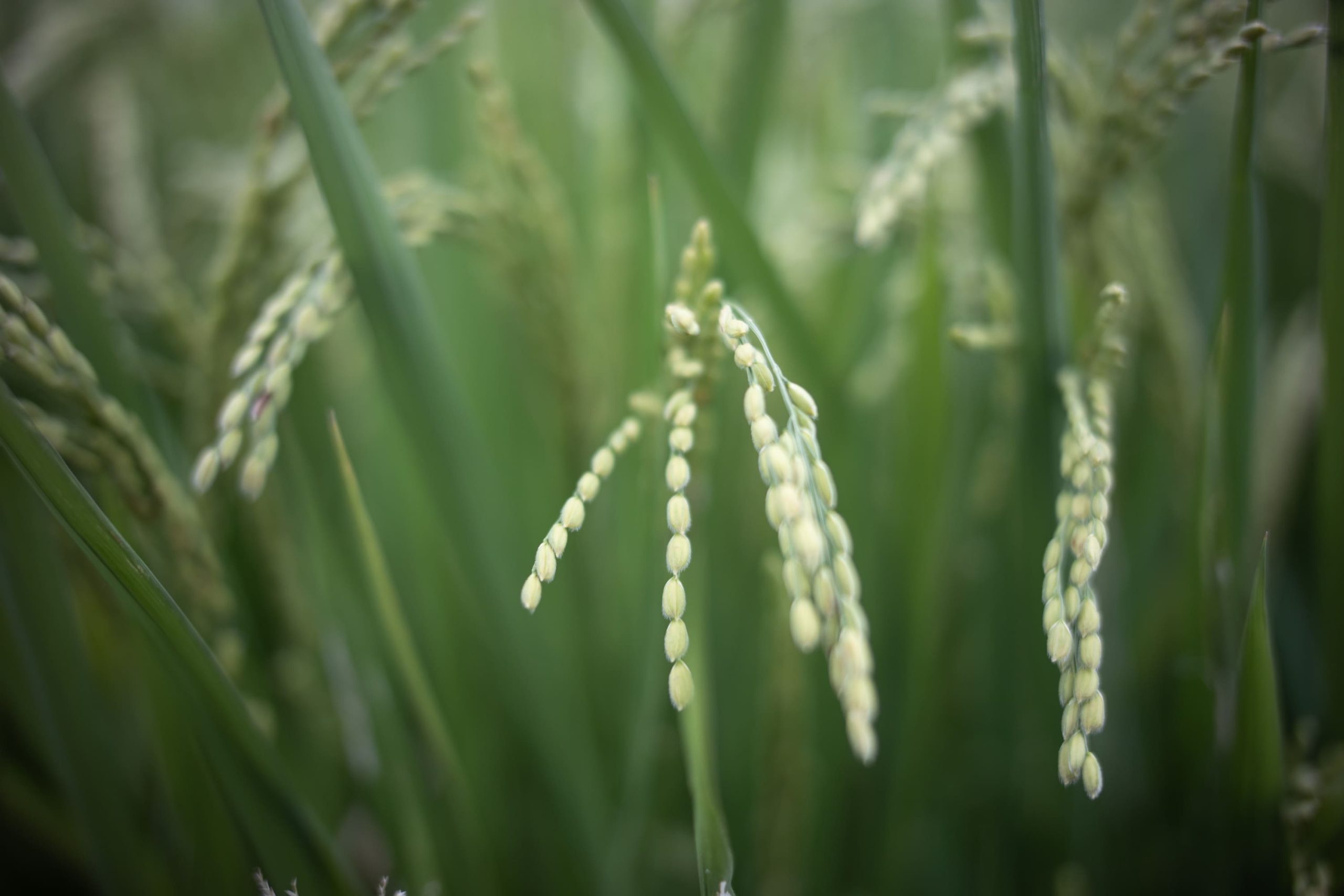
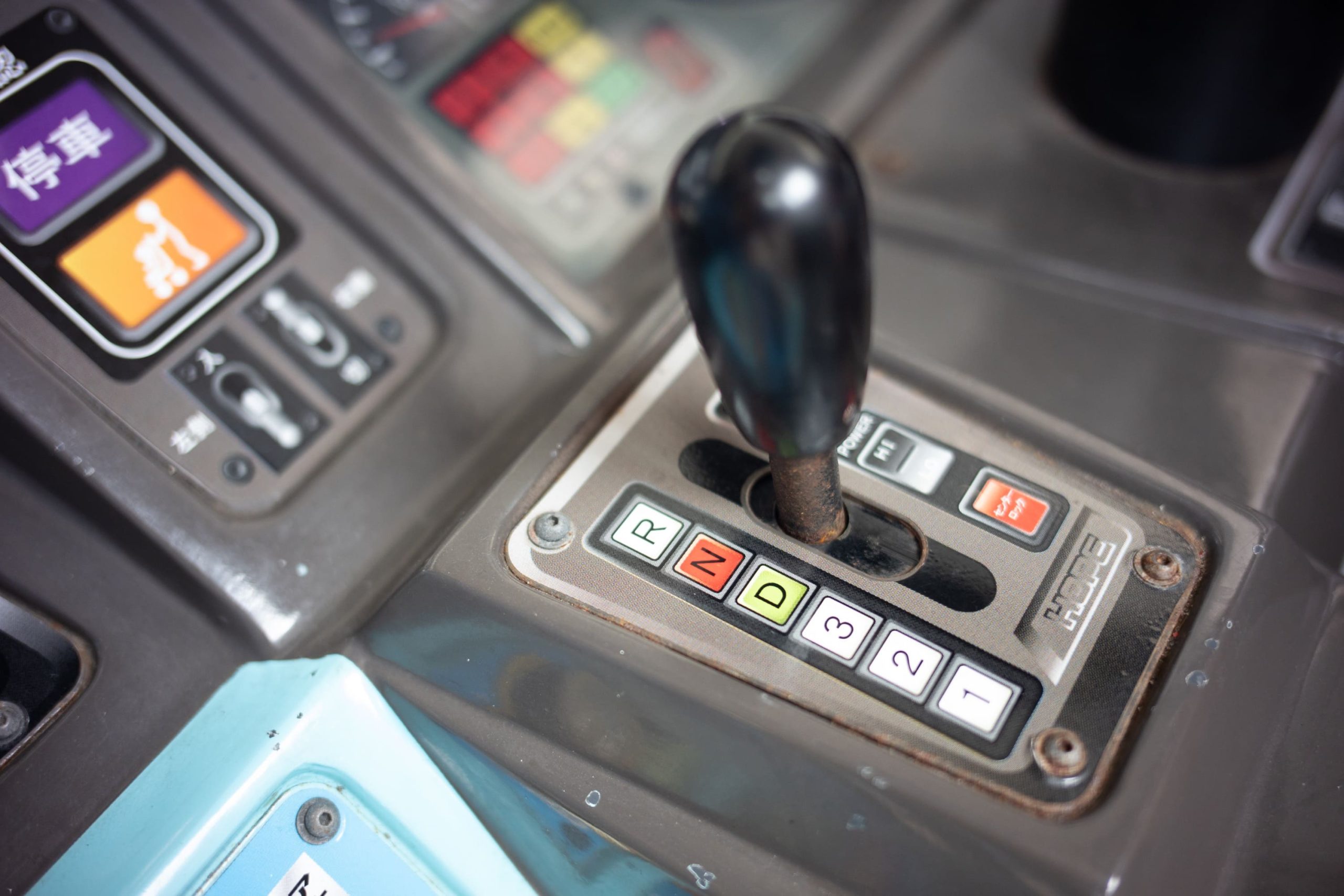
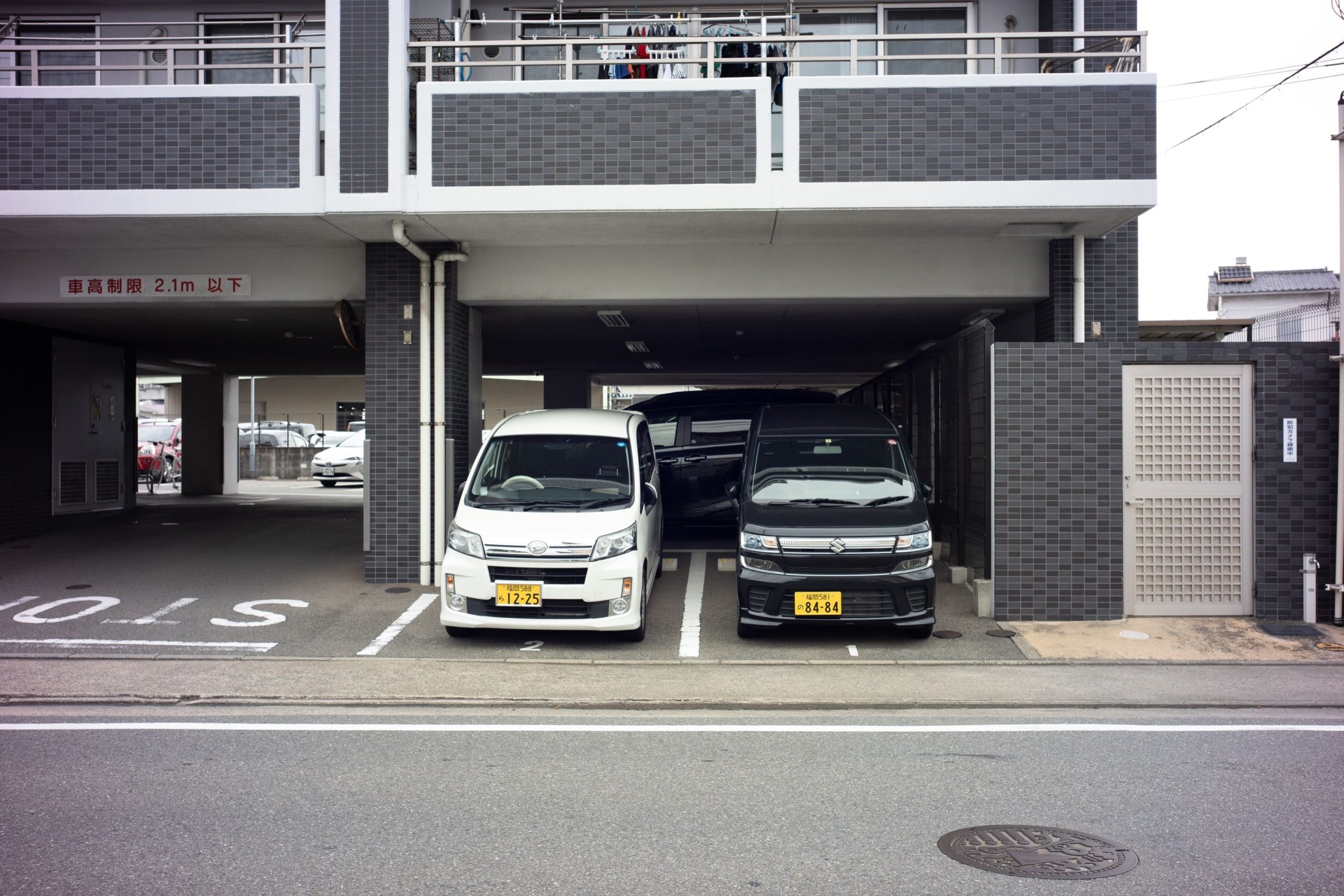
Contrast & Micro-Contrast

Micro-contrast or lens pop, I would say, is good, not amazing or anything, just good on par with what Voigtlander and Fujifilm are doing right now but better than what Nikon is doing with their Z f1.8 lenses.
I’ve seen better, but this is about average.
I actually find this lens to be fantastic for black-and-white photography. Most of the vignetting issues go away, and the tonal detail is better than that of a lot of the higher-element Canon and Nikon lenses.







Yasuhara Anthy 35mm f1.8 Bottom Line
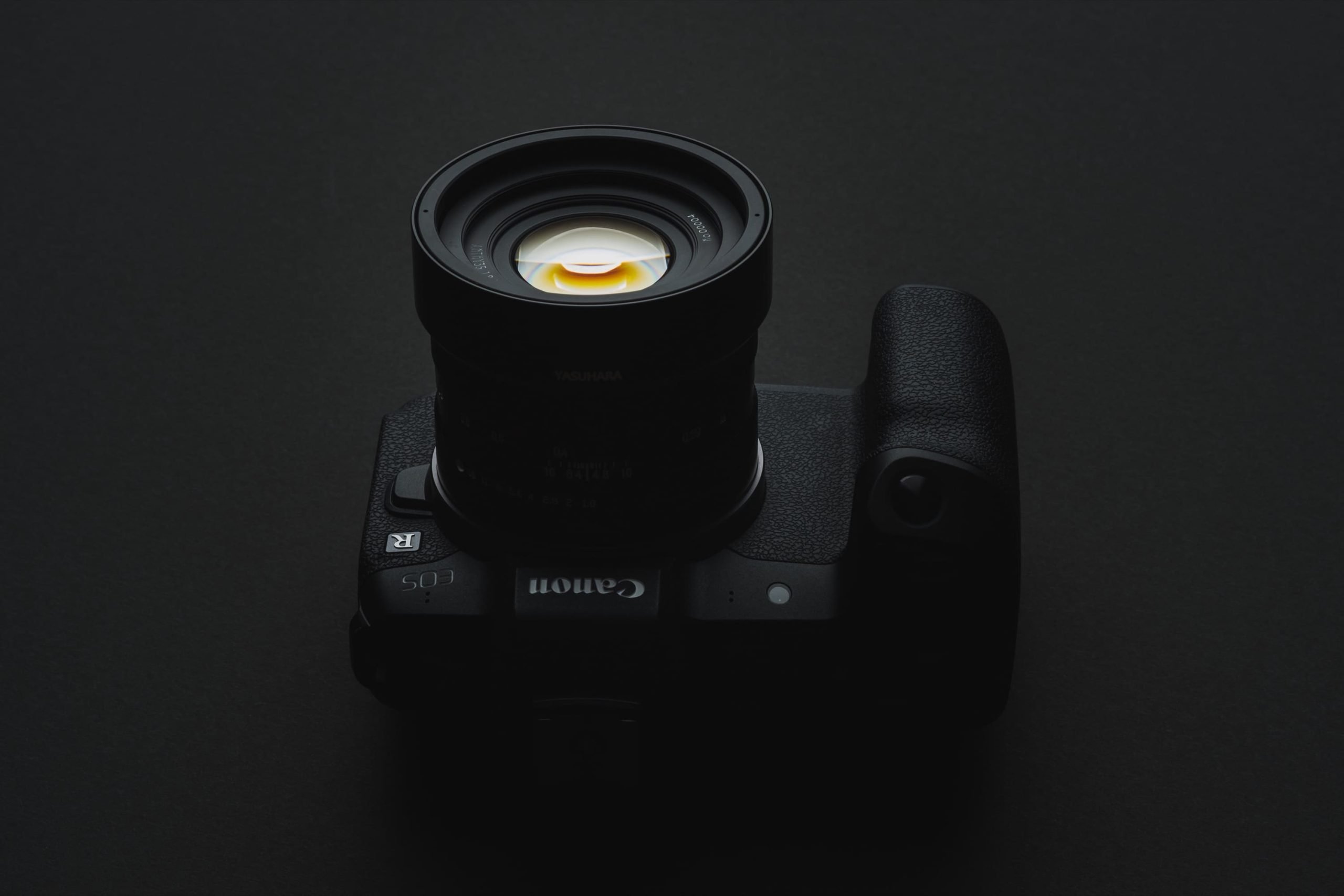
If you’re looking for a lens for shooting at night or for black and white photography, this lens is great, but for general use, it’s by no means perfect, and it does have quite a few flaws. Whether those flaws are deal-breaking or not, you’ll have to decide based on how you shoot.
Personally, I’ve been using it way more than I thought I would, simply because of its small size. There just aren’t many full-frame f1.8 lenses that can do what this lens does, and it’s also this small. The build quality is fantastic.

For night shooting it performs really well since you don’t see the vignetting, and it doesn’t have any serious issues with astigmatism like the Canon RF 35mm f1.8.
It does have some rear reflection thing going on that I showed in some test shots, but I haven’t seen it yet in real-world shooting.
The most annoying thing is the purple vignetting. It’s not easy to fix and requires quite a bit of noodling to completely remove. It’s best to just make a preset, which is what I’ve done.
As you can see from my samples, it’s not always an issue. I still think it’s a Canon issue since I haven’t seen it in any of the Sony samples on the Yasuharas website.
Here is what it looks like, fully corrected.

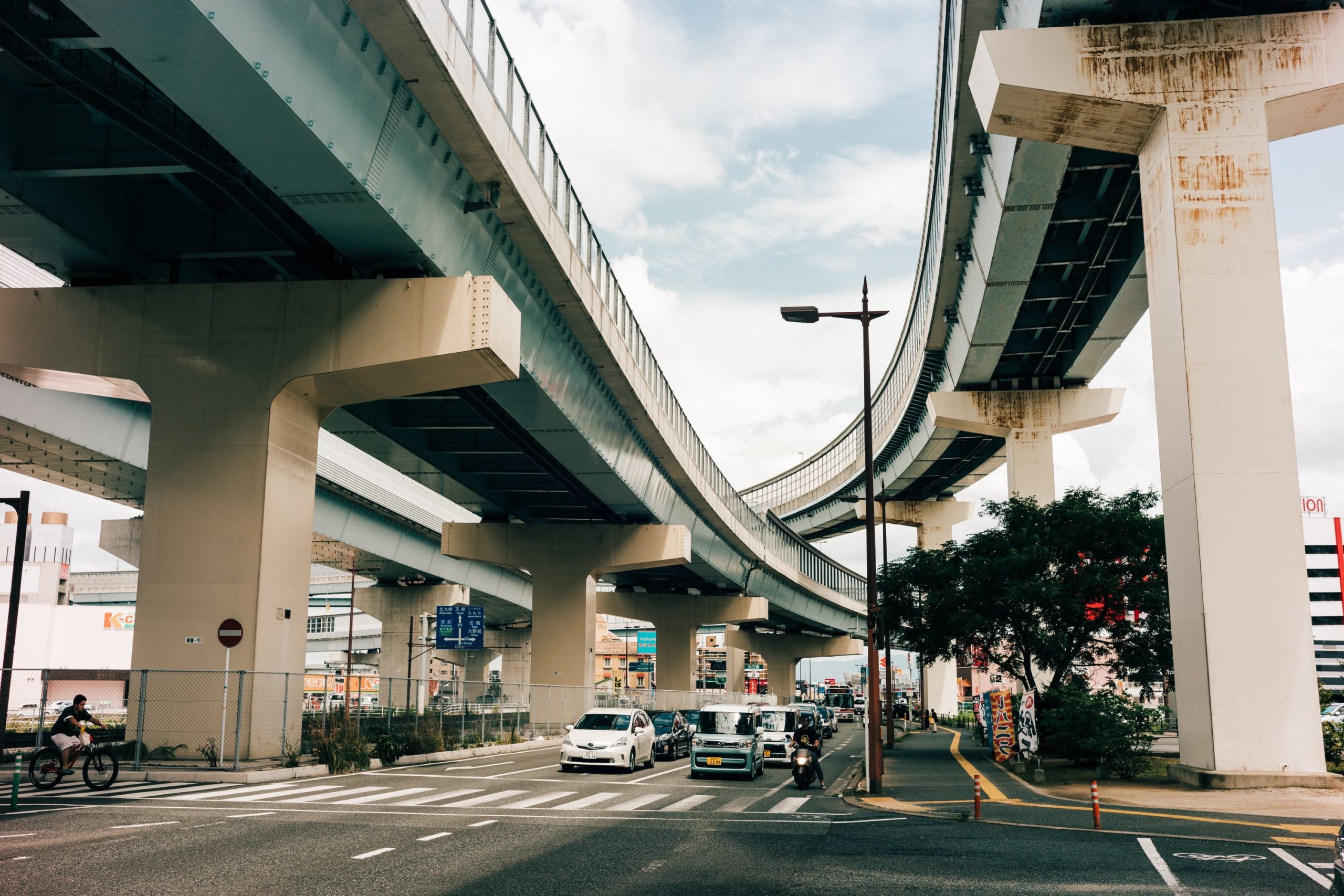
This lens could be an incredible option for shooters that shoot both full-frame and APS-C. Canon and Nikon haven’t released their APS-C cameras for their new mounts yet, but I could see this lens being a great lens for those cropped systems since you won’t see that purple vignetting when cropped, and you will see an improvement in those corners.
In terms of color, contrast, sharpness, and bokeh, for a lens this size, it’s really nice it’s, but it is a little soft wide open. For $299, this could be a pretty fun lens to mess around with, and once you learn to work with the strengths and avoid the weaknesses, you can really make it work. But for the full-frame shooter that’s just starting out, it could be challenging to work with.
For APS-C shooters, you will see slightly better contrast and color than what Meike and 7Artisans are doing, but with the Anthy35, you get a dramatically superior build. Of course, the price reflects this.
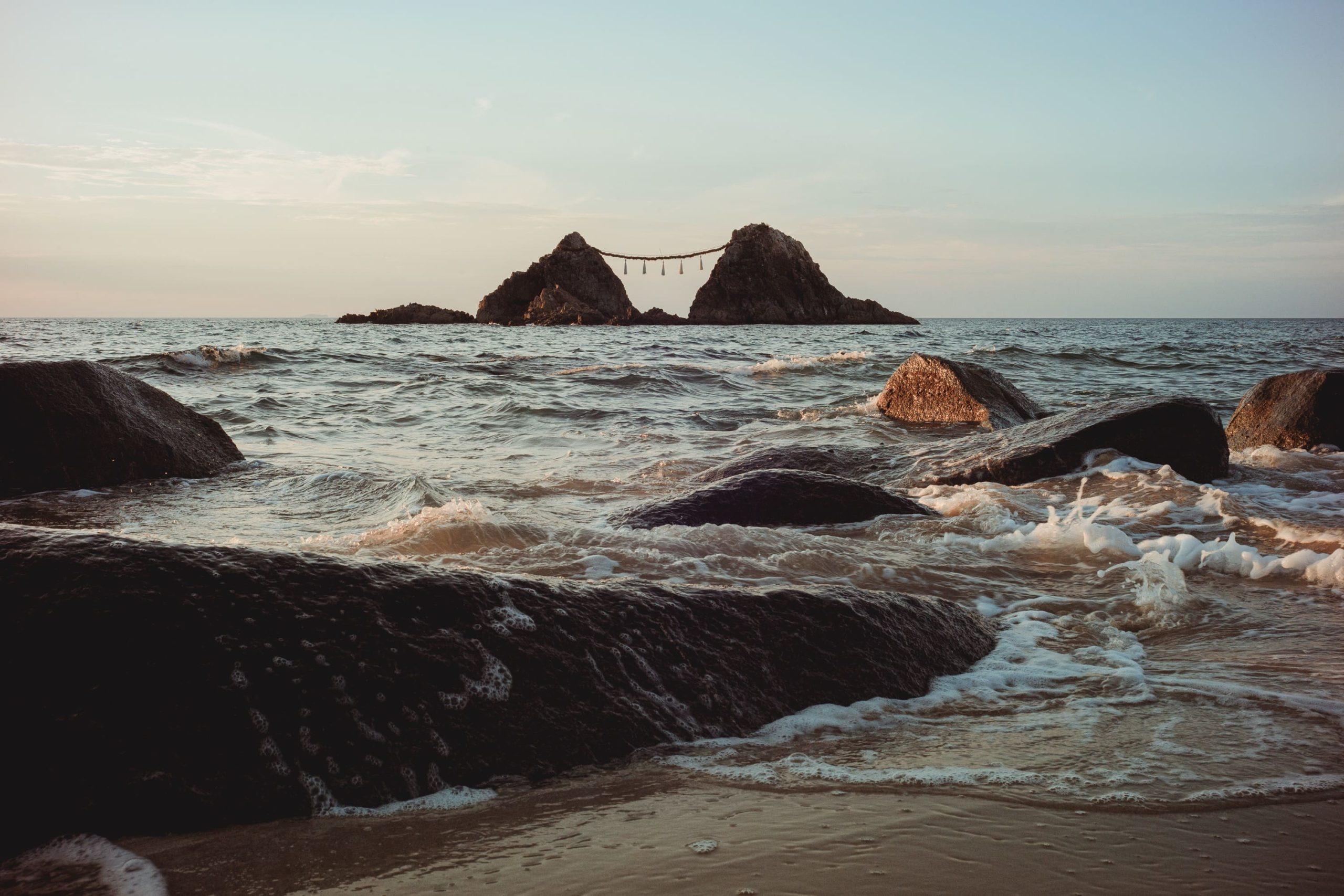
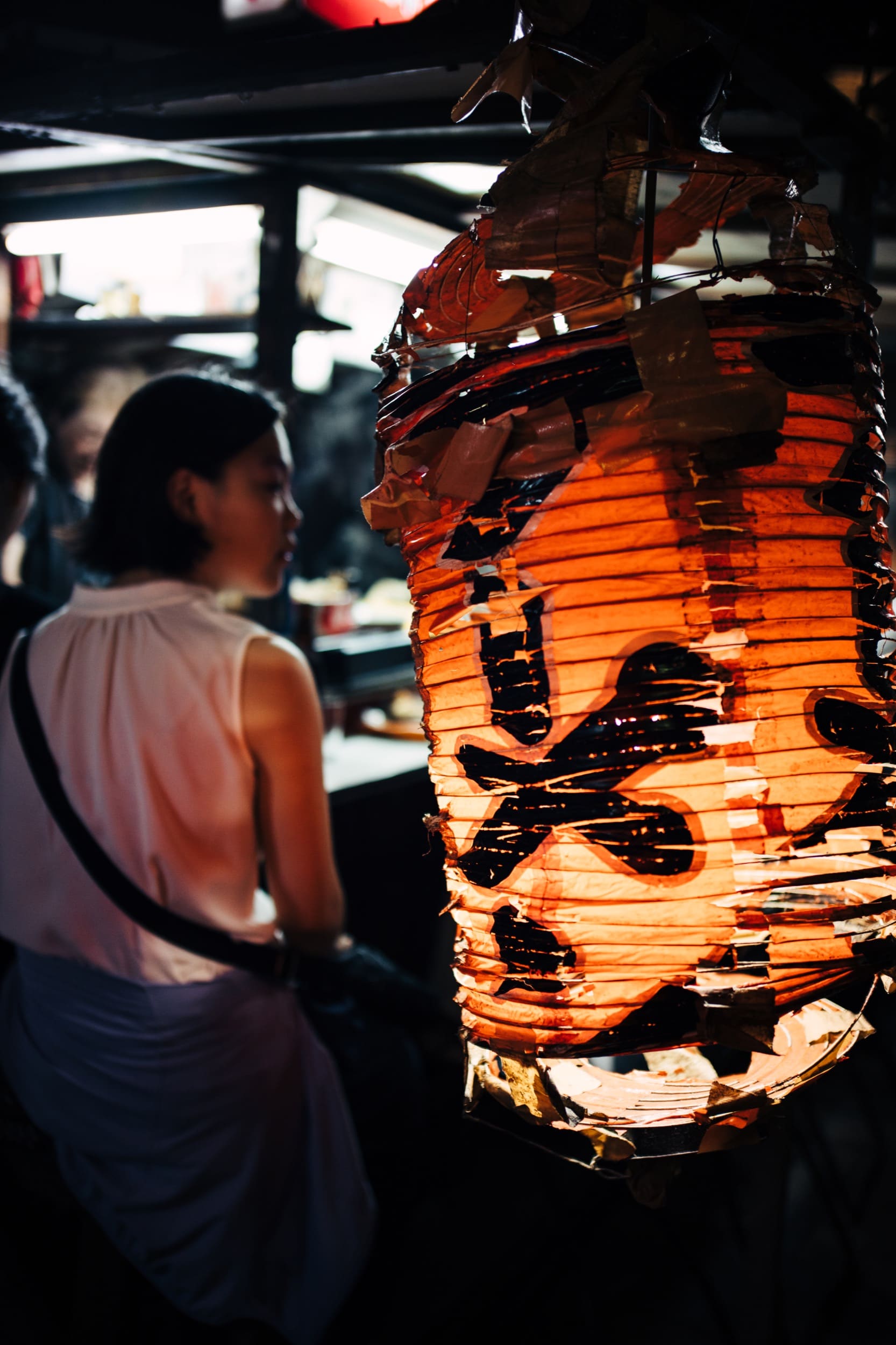
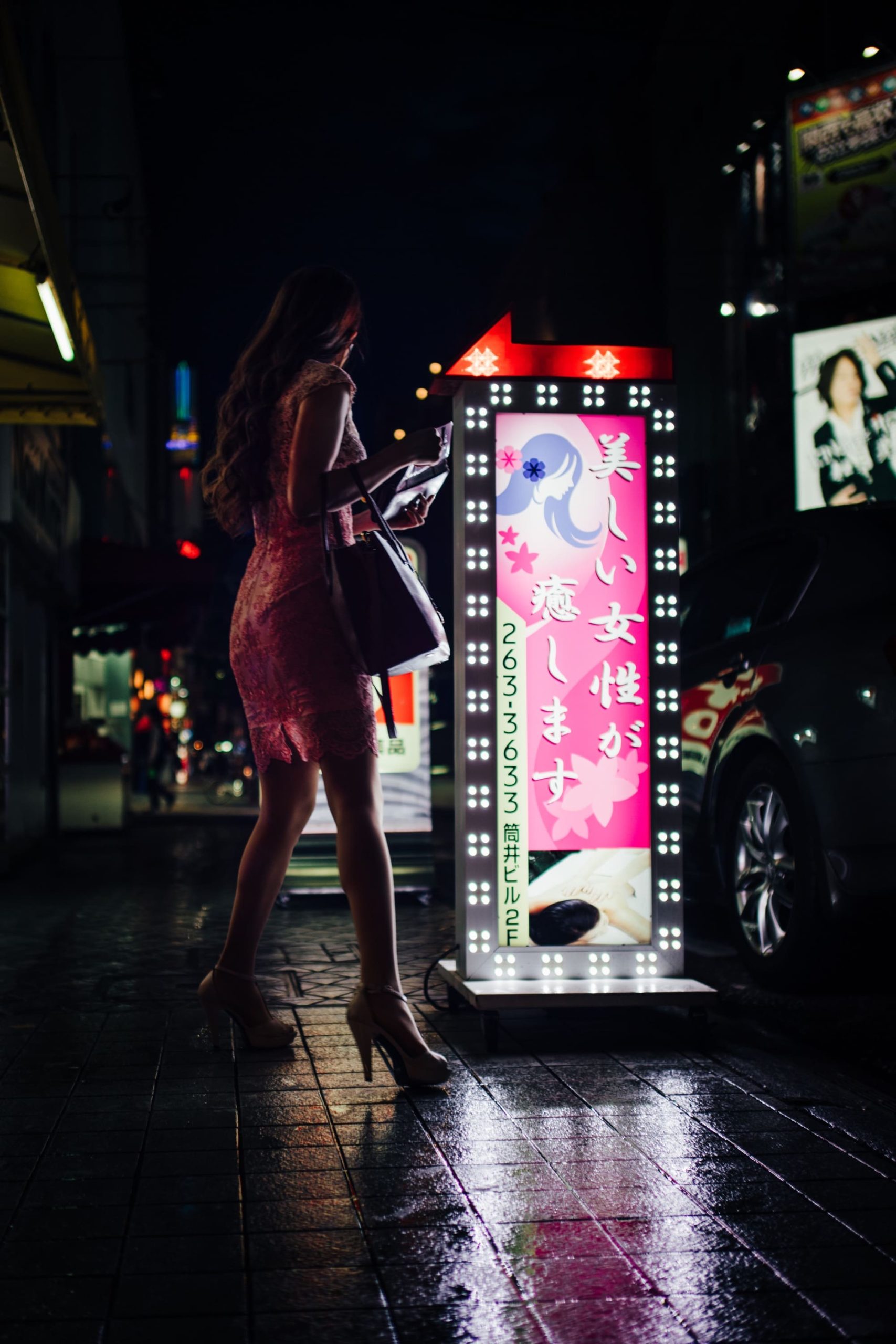
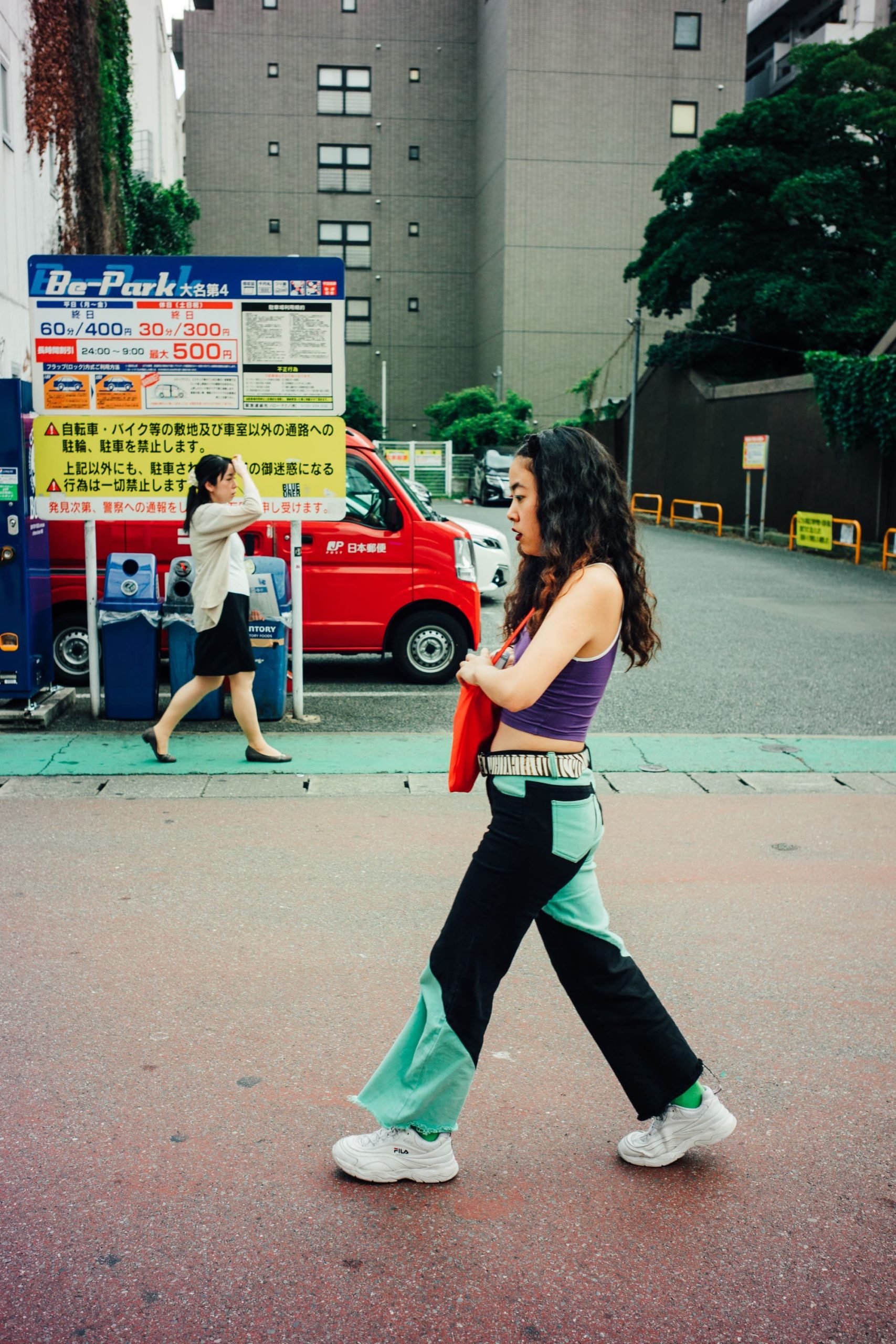
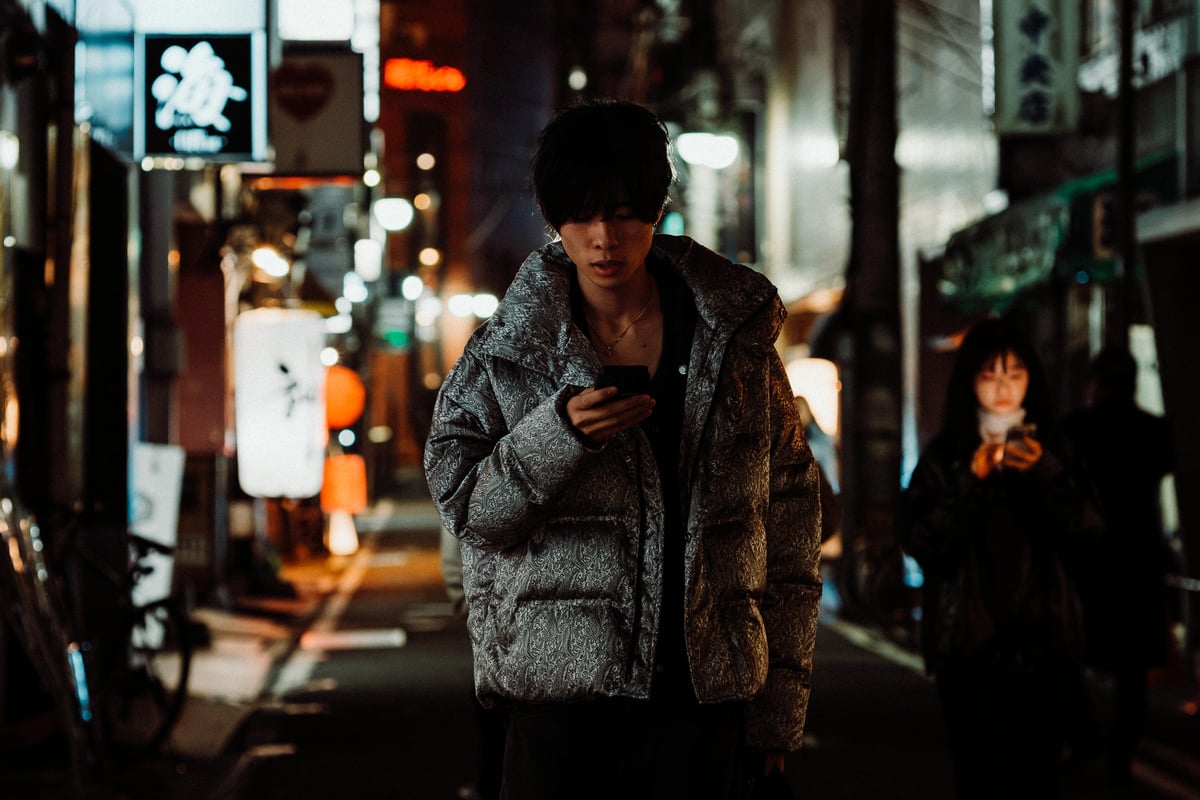
Yasuhara Anthy35mm f1.8 Sample Photos













Leave a Reply