
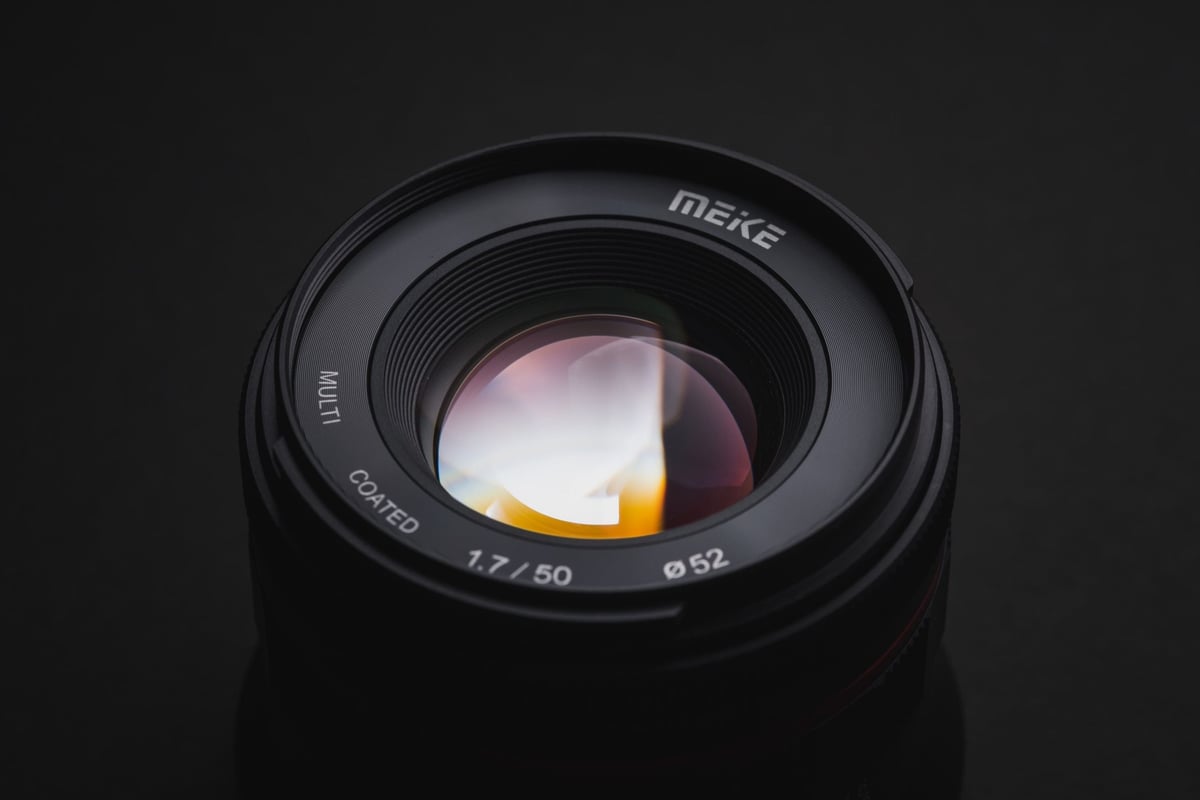
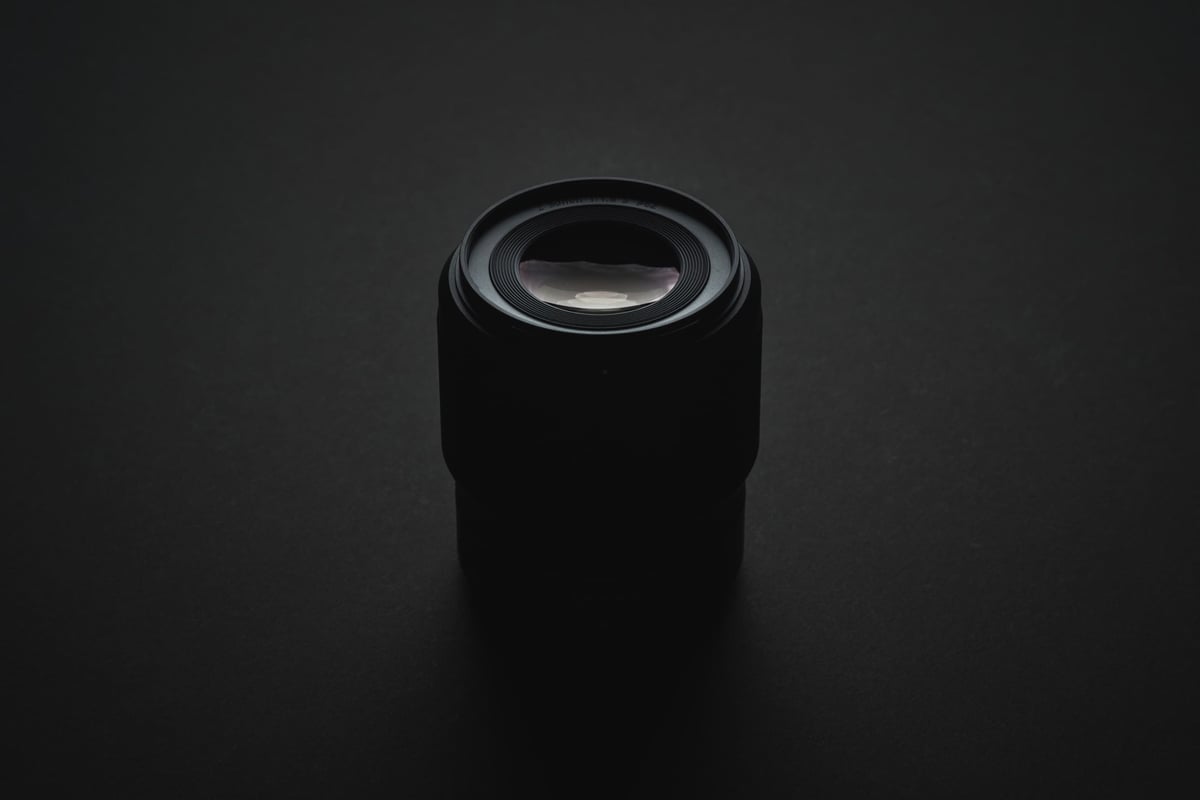
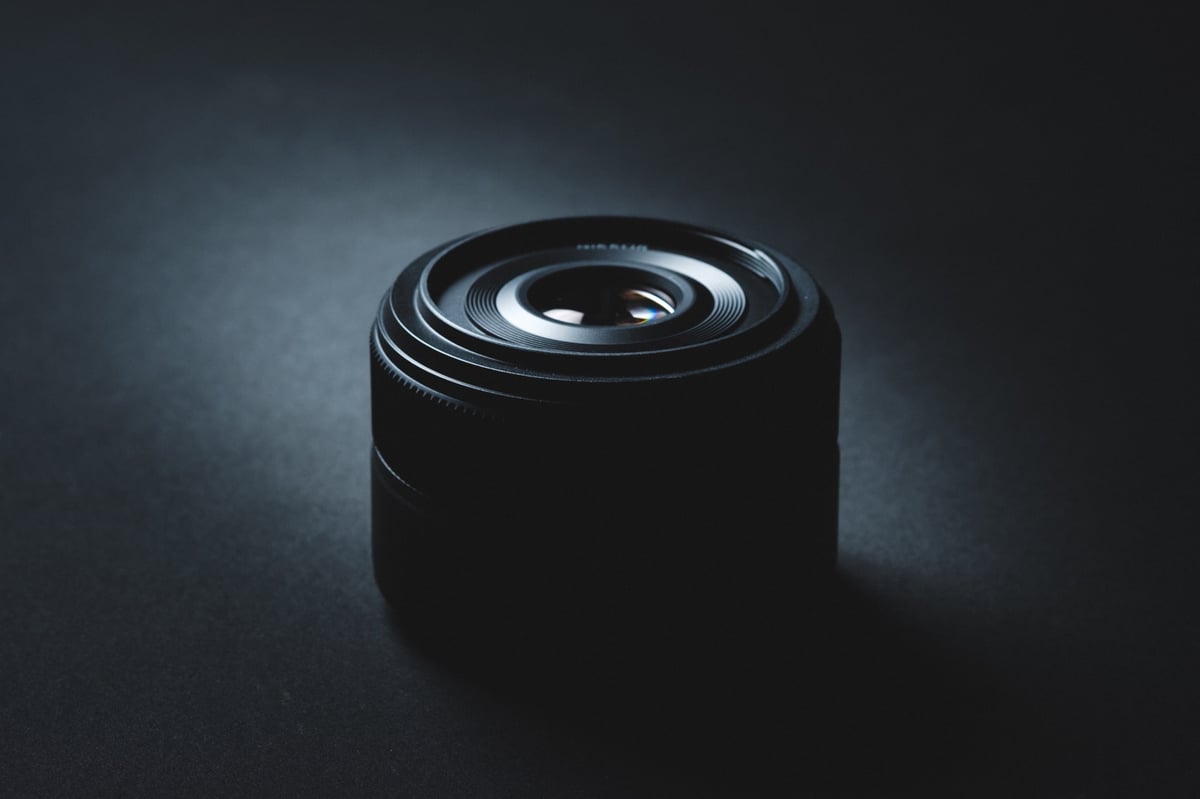
The Meike 50mm f1.7 is a fully manual full-frame mirrorless lens available in just about any mirrorless mount. Optically, it’s just a decent lens, but Meike lenses are more known for their classic rendering with a bit more character.
This lens features a 12-blade aperture for smooth bokeh even at slower apertures, a 6-element optical formula for smoother tonal depth and better micro-contrast, and an all-metal construction for long-term reliability.
It’s well suited for photographers looking for a decent lens that is capable of handling just about any situation and doesn’t want to spend a ton of cash.
I view a lens like this as a fun secondary lens with good enough image quality, and my more expensive lenses can stay at home when not needed. These lower-element lenses often offer a different look you just can’t get with the expensive, perfectly corrected glass, making them a lot of fun for casual photography. They’re also great for people looking to get into and learn manual focus.
Table of Contents
Meike 50mm f1.7 Specs
Focal Length: 50mm Full Frame
Aperture Blade: 12
Aperture: f1.7 – f22
Elements: 6 elements in 5 groups
Coatings: Nano Multicoated
Weather Sealed: No
Minimum Focus Distance: – 1.64′ / 50cm
Filter Threads: 52mm
Weight: 10.9 oz / 310 g
Pros – Good edge to edge sharpness, nice color and saturation, good contrast stopped down, good micro-contrast, cool sun stars, nice bokeh at medium to close range, good build quality, fairly small.
Cons – Bloomy highlights when wide open in bright environments, soft clarity wide open, some distortion, some mild lateral CA, flares, cheap lens hood, watch for decenteric issues.
Biggest Strengths – Great overall sharpness, Good micro-contrast ( better than most high-end primes), nice bokeh at all apertures because of the 12 bladed aperture.
Biggest Flaws – Lack of clarity wide open and bloomy highlights in bright environments.
Check prices; some places sell it for $99, some for $139
Meike 50mm f1.7 First Impressions

When looking at these cheap Chinese / Hong Kong lenses like the Meike 50mm f1.7, there often ends up being one or two categories they fall into –
A good lens for the price. Or, a bad lens you don’t have to spend much money on.
I think the Meike 50mm f1.7 is a good lens for the price—it’s not a bad lens. Meike lenses, for the most part, have been pretty cool, fun to use, and are usually well-built.
This lens doesn’t really compare to something like a Sony 50mm f1.8 or a Nikon 50mm f1.8 Z in terms of technical performance. Still, often cheaper lenses like this have some unique characteristics that can make them a ton of fun in the right situations.
Getting Used To It
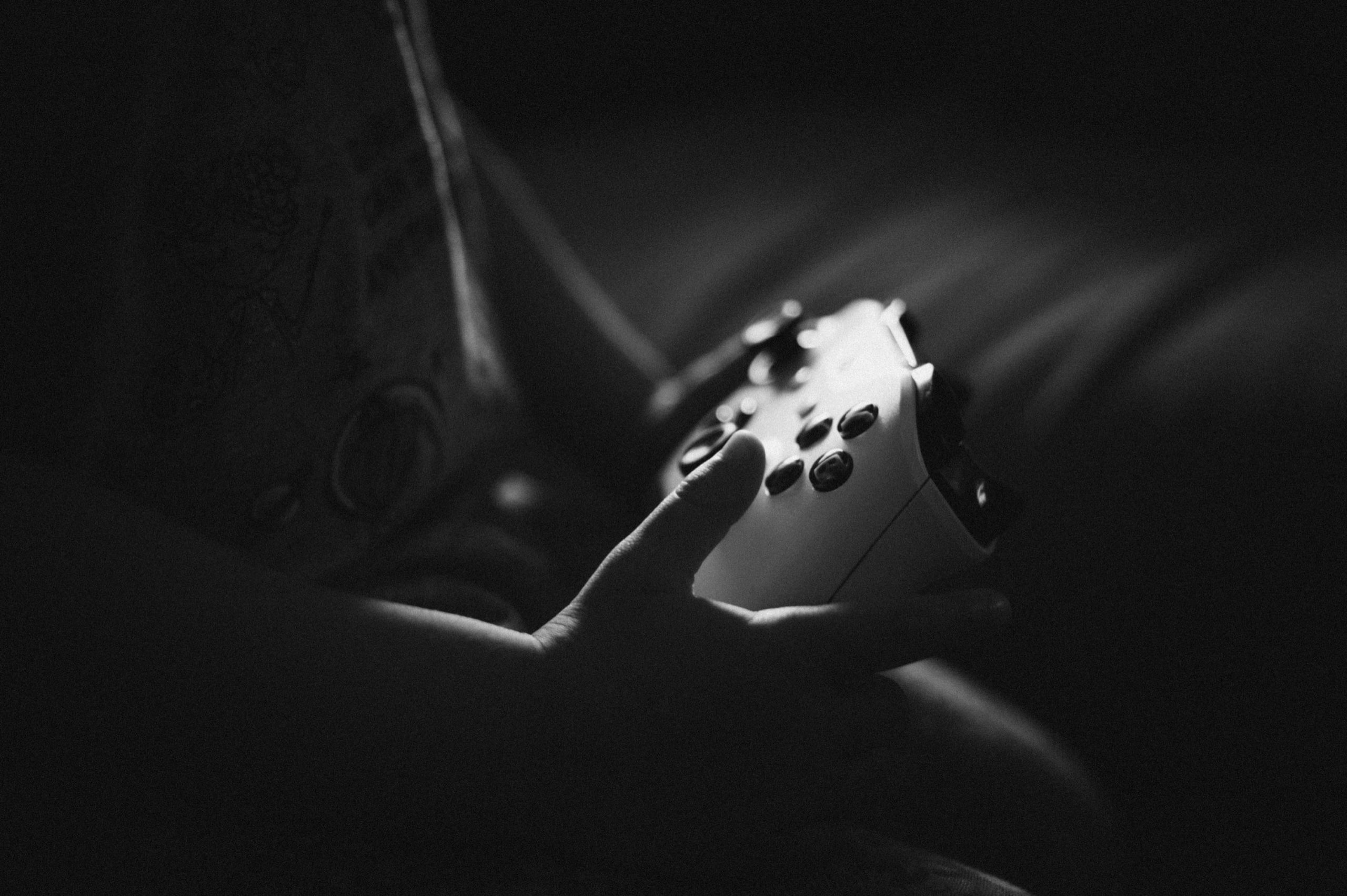
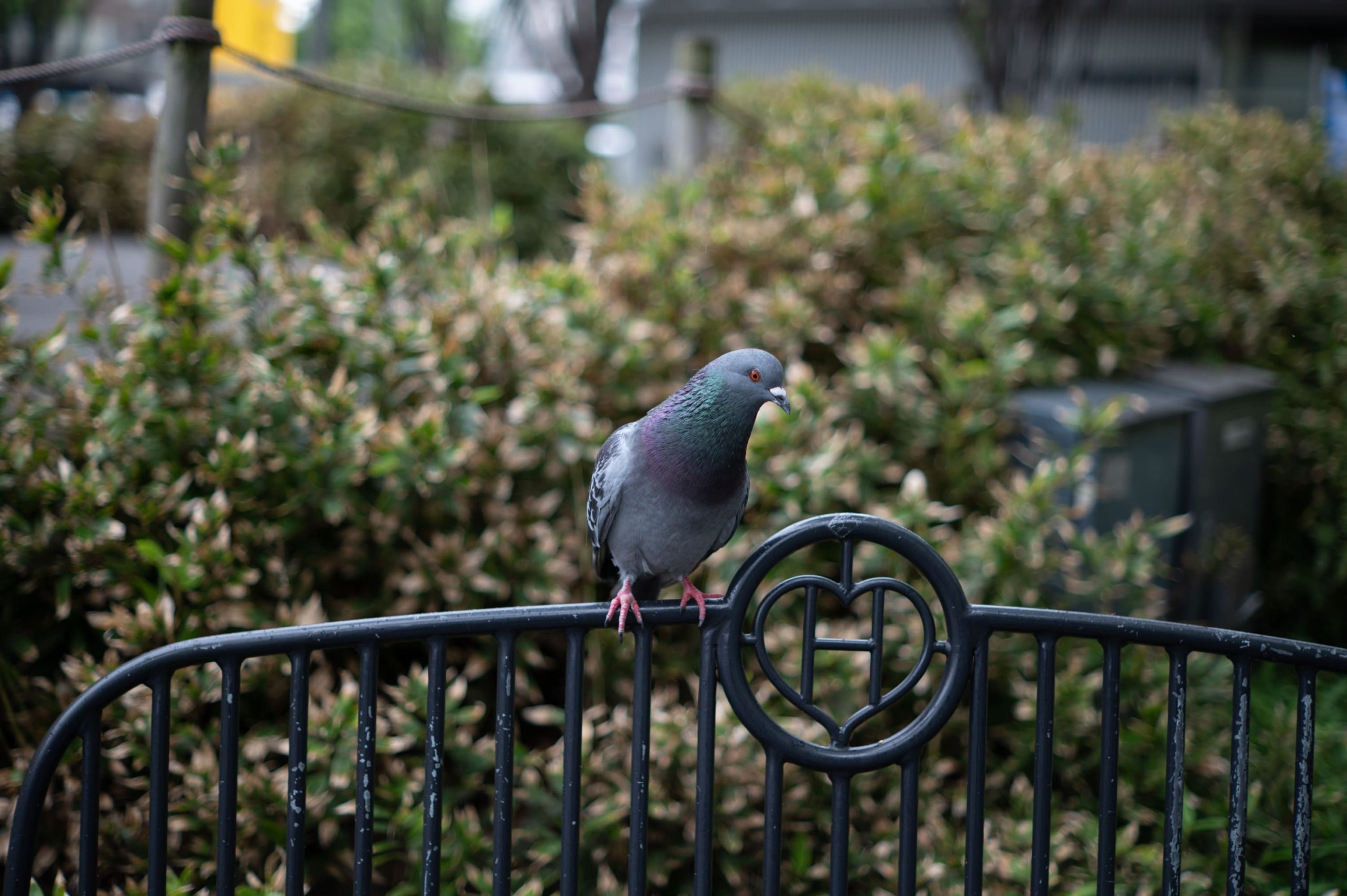
When using the Meike 50mm f1.7, I initially had a hard time getting keepers. The lens took me a few days to adjust to, especially since I was shooting a lot with the Nikon 50mm f1.8 Z before reviewing this lens.
There are a few problems you’ll have with this lens that you won’t see in the technical overview, and I’ll try to explain them as best I can.
First
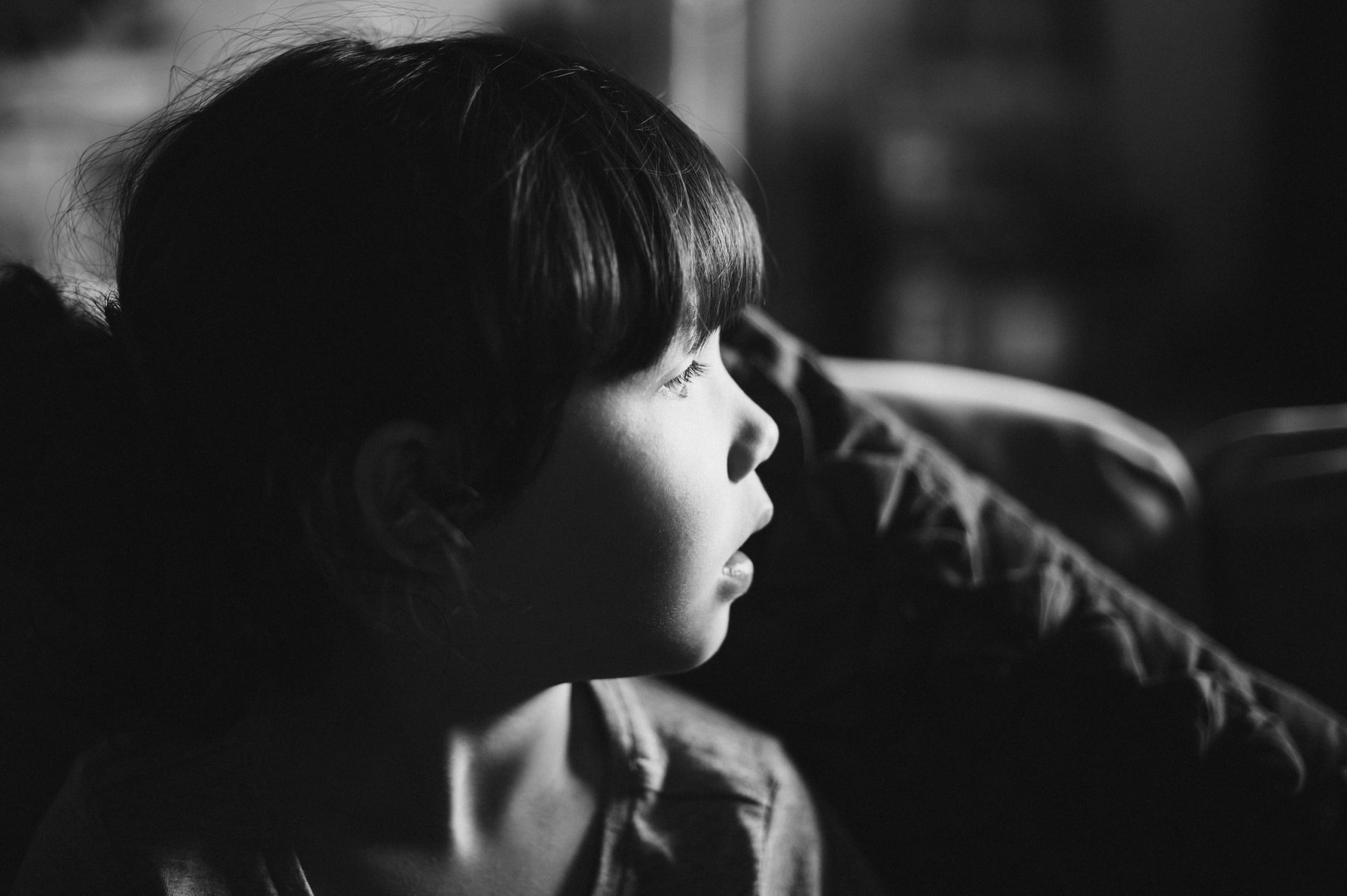
This lens really doesn’t like bright reflective areas when wide open, more so than the APS-C Meike lenses I’ve tested. But this time of year is a lot sunnier than when I tested those lenses, so that could affect my opinion.
I’ve found that it’s really tough to get nice images when I’m out shooting in the streets at midday at f1.7. The images lack contrast and clarity, and the highlights can bloom, causing ghosting along the edges.
It’s almost like there is a lot of internal light scattering inside the lens, possibly due to cheaper coating on the internal elements or internal light scattering from the inner lens barrel. Stopping down helps this.
Also, when you shoot wide open, you will see soft clarity, almost like you turn the clarity slider in Lightroom a little to the left.

When shooting overcast or indoors, f1.7 looks much better and is much more controllable, but still, there is a softer clarity wide open.
Second
The render depth sometimes bugs me, but only in some situations. I think it has to do with subject distance.

If the subject is somewhat far from the lens and you don’t nail focus, the just-out-of-focus area can look weird. This can be a problem if you slightly miss focus, which you will do sometimes.
In general, when shooting anything at about around 10-15 feet or further, the out-of-focus areas within about 1-2 feet from the focus point do not look good. There is this lack of clarity, this almost ghosting, so I’ve had to learn that when shooting subjects a little further away, I need to stop down the lens.
To summarize, stop down to at least f2.8 on bright sunny days. The subject is far from the lens; stop down f2.8 at least. I often see these characteristics in cheaper primes or ultra-fast expensive primes. I think it might be just an inherent flaw with small, fast lenses.
Compared To Other Lenses
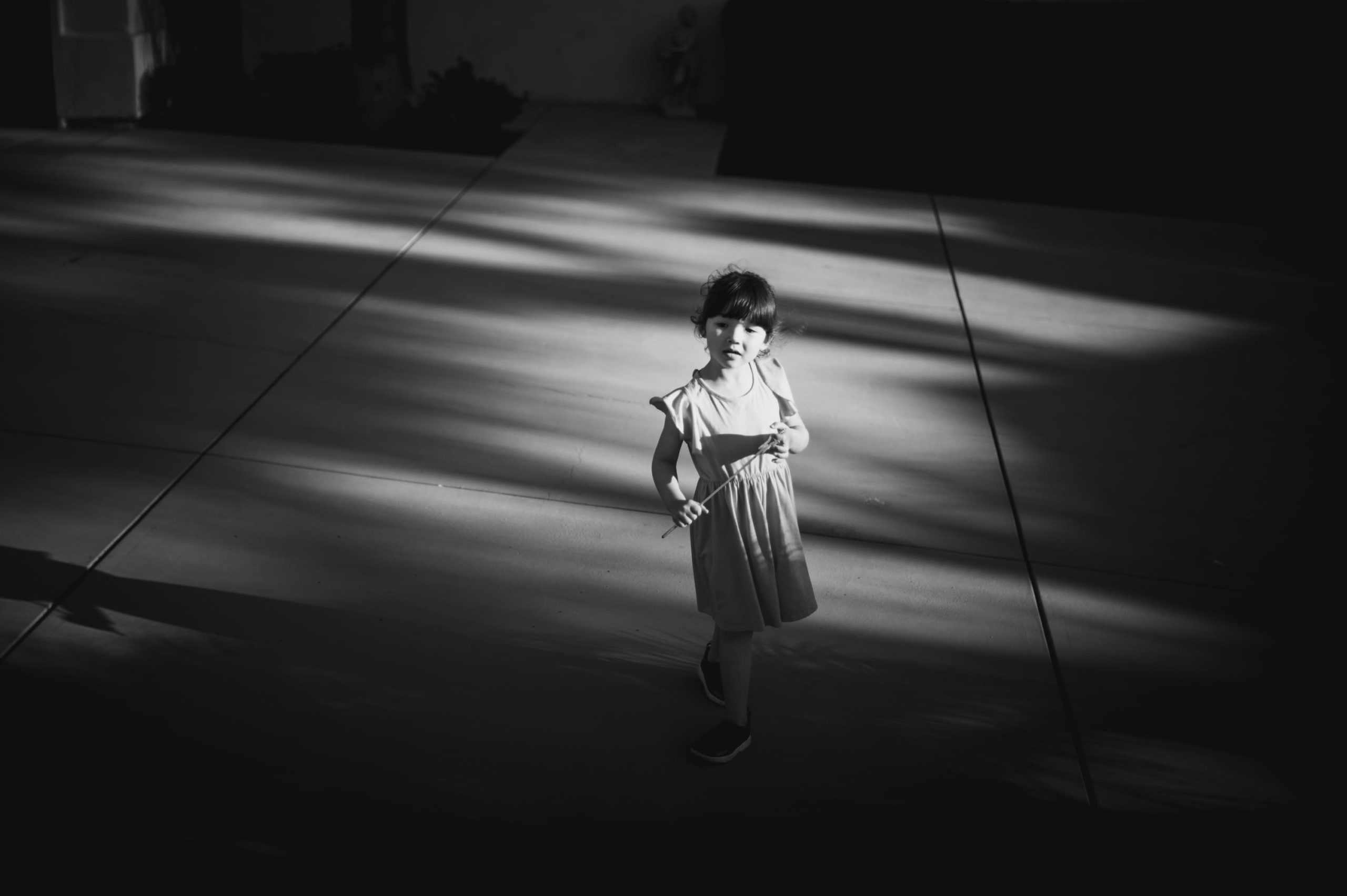
Some lenses you can just pick up and start using right away and everything looks good no matter the conditions. The Nikon 50mm f1.8 and the Sony 50mm f1.8 are like this. It takes a little time to learn what the Meike 50mm f1.7 likes and doesn’t like, and you have to shoot within those parameters to get really nice images, but you can get nice images.
I have this lens for the Nikon Z mount, and it’s been a ton of fun on the Z6, especially when I want more micro-contrast or a little bit more of that gritty mid-tone contrast.
You don’t get nearly as much punchy contrast as the Nikon 50mm f1.8 Z or the Sony 50mm f1.8, but it’s a fun little lens nonetheless.
This lens is also now available for the Sony E-Mount, Fujifilm X-mount, and Micro Four Third mounts. So, Fujifilm shooters will have a 75mm f1.7 equivalent lens, and Micro Four Thirds shooters will get a nice 100mm f1.7.
Canon shooters don’t really have too much to choose from yet in the Canon RF Mount in terms of affordable 50mm lenses, so this could be a fun option.
If you want a cheap manual lens, the Meike 50mm f1.7 can be a lot of fun once you learn it, just be aware it’s going to be a little softer on the clarity side and you do lose a little sharpness wide open.
Build Quality
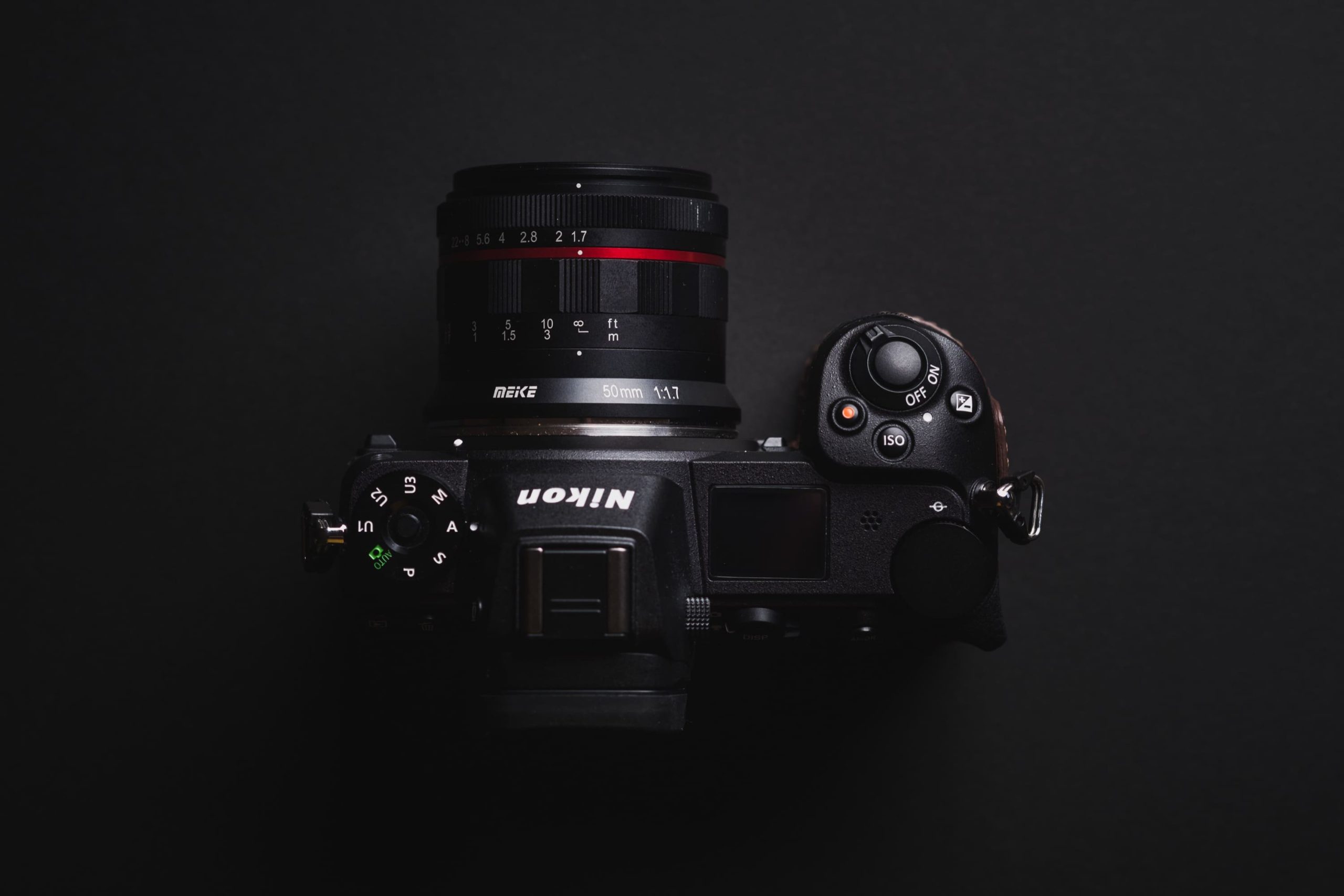
Meike has some of the nicer build quality of the cheap Chinese or even Korean lenses. I’ve only had one issue with one of their APS-C lenses, the 35mm f1.4. But who knows, could just be my luck and maybe they all come from the same factory.
The outer barrel of the 34mm f1.4 lens came loose after a few days, and I had to tighten it back down. The exact same thing happened to my 7Artisans 25mm f1.8.
So far, this 50mm f1.7 seems rock solid. I’ve taken it to the beach, gotten it sandy and muddy, twisted it, and torqued it, and it’s solid. Nothing has come loose; everything feels good and smooth.
My copy does have some decentric issues, so the left hemisphere is softer than the right.
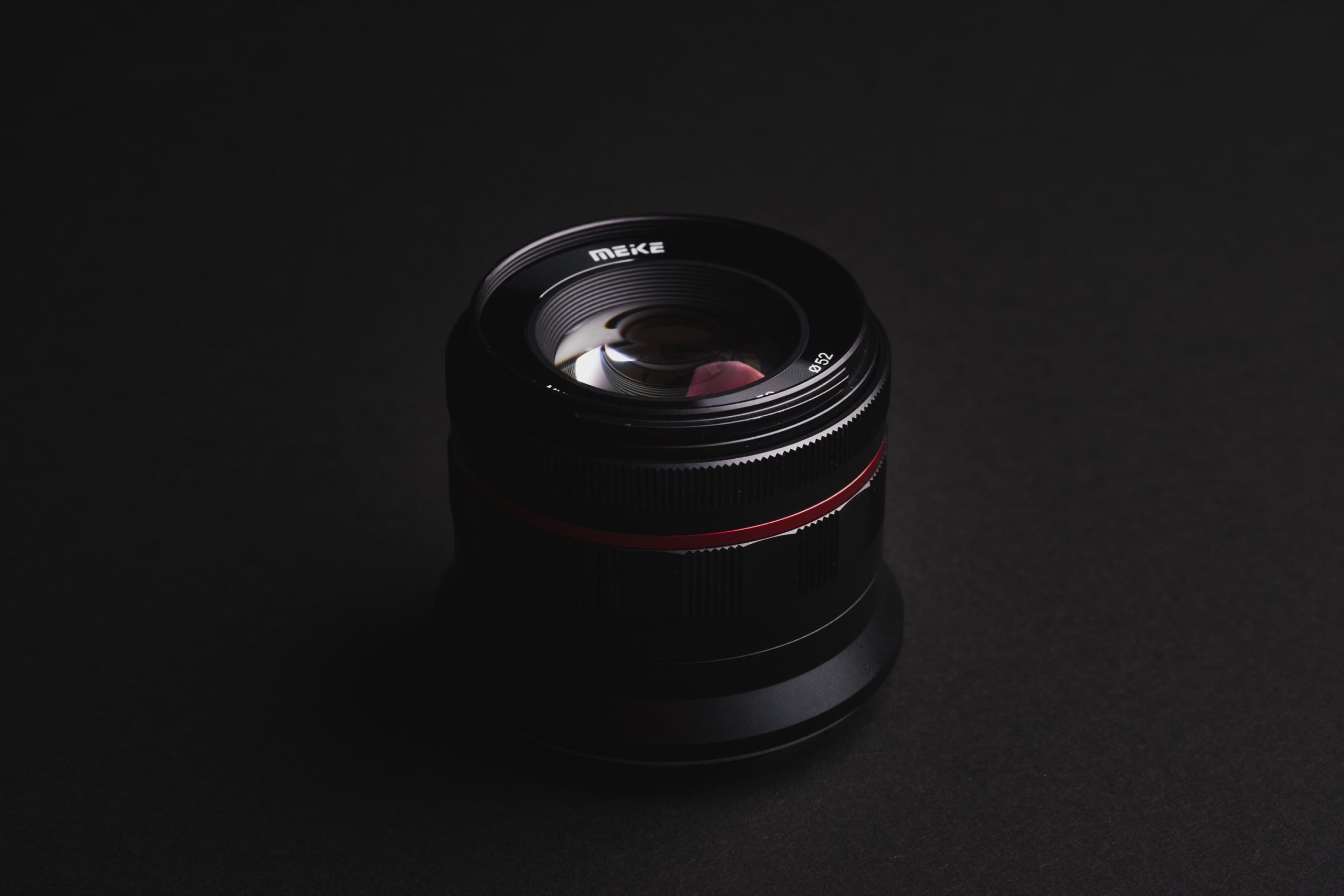
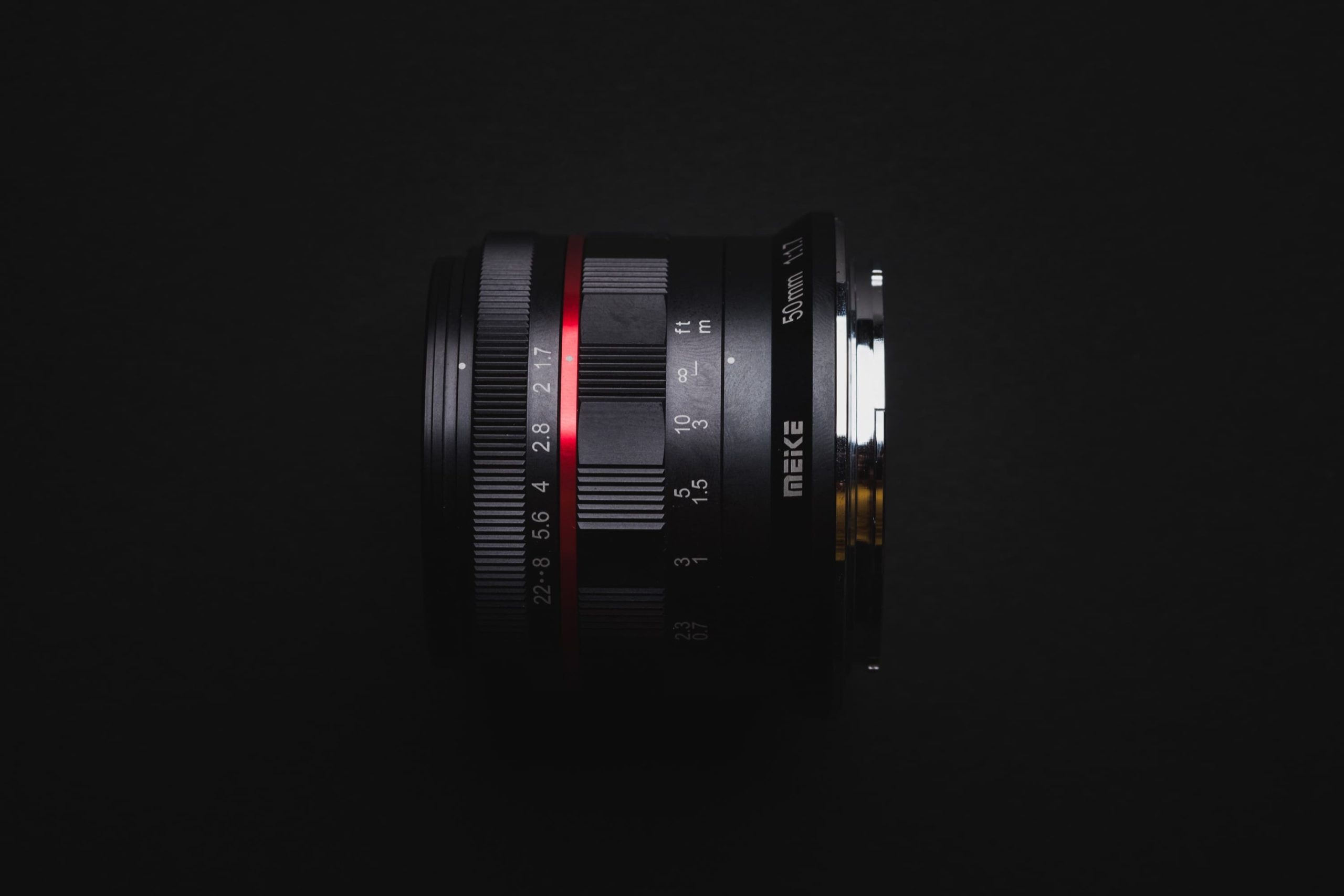
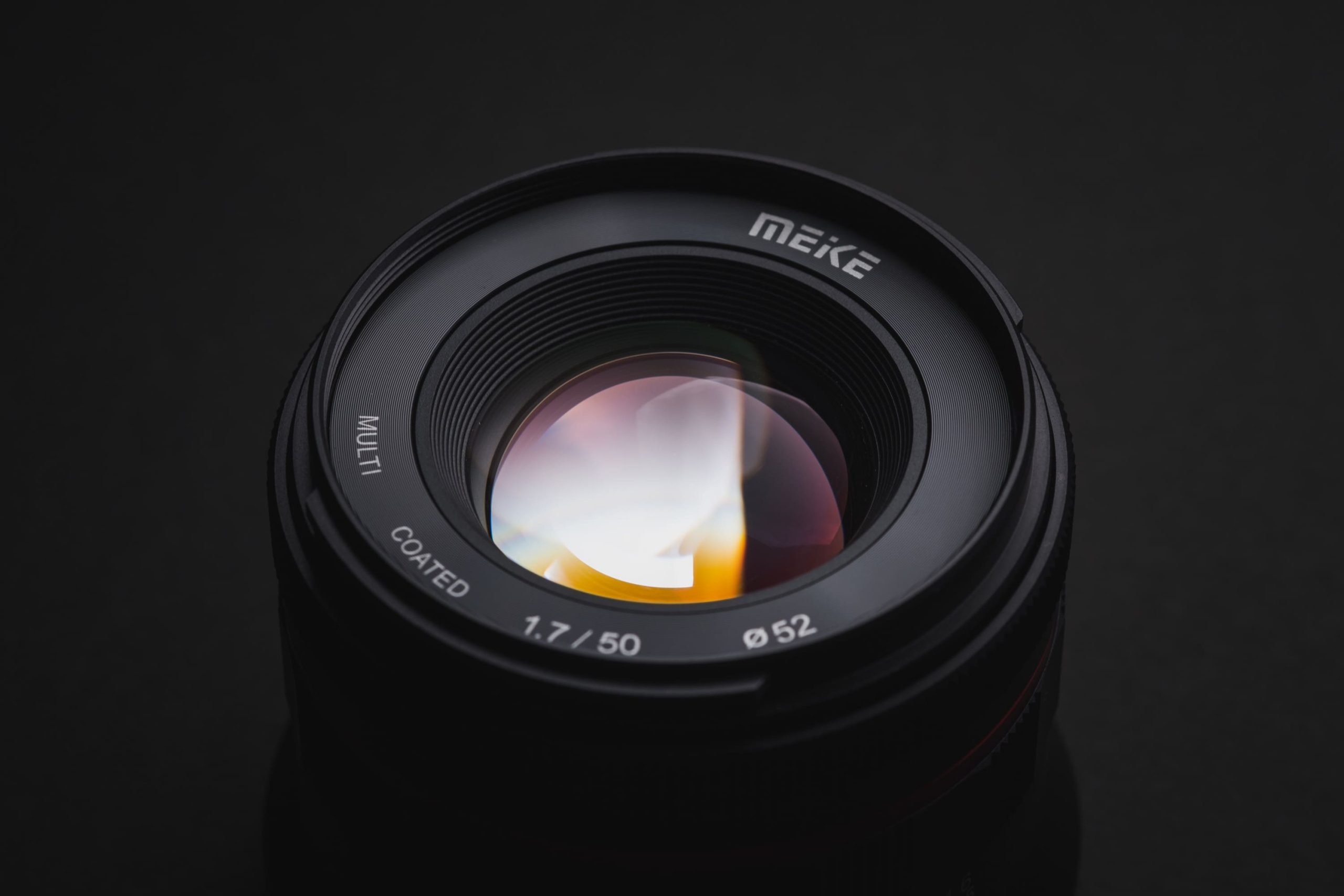
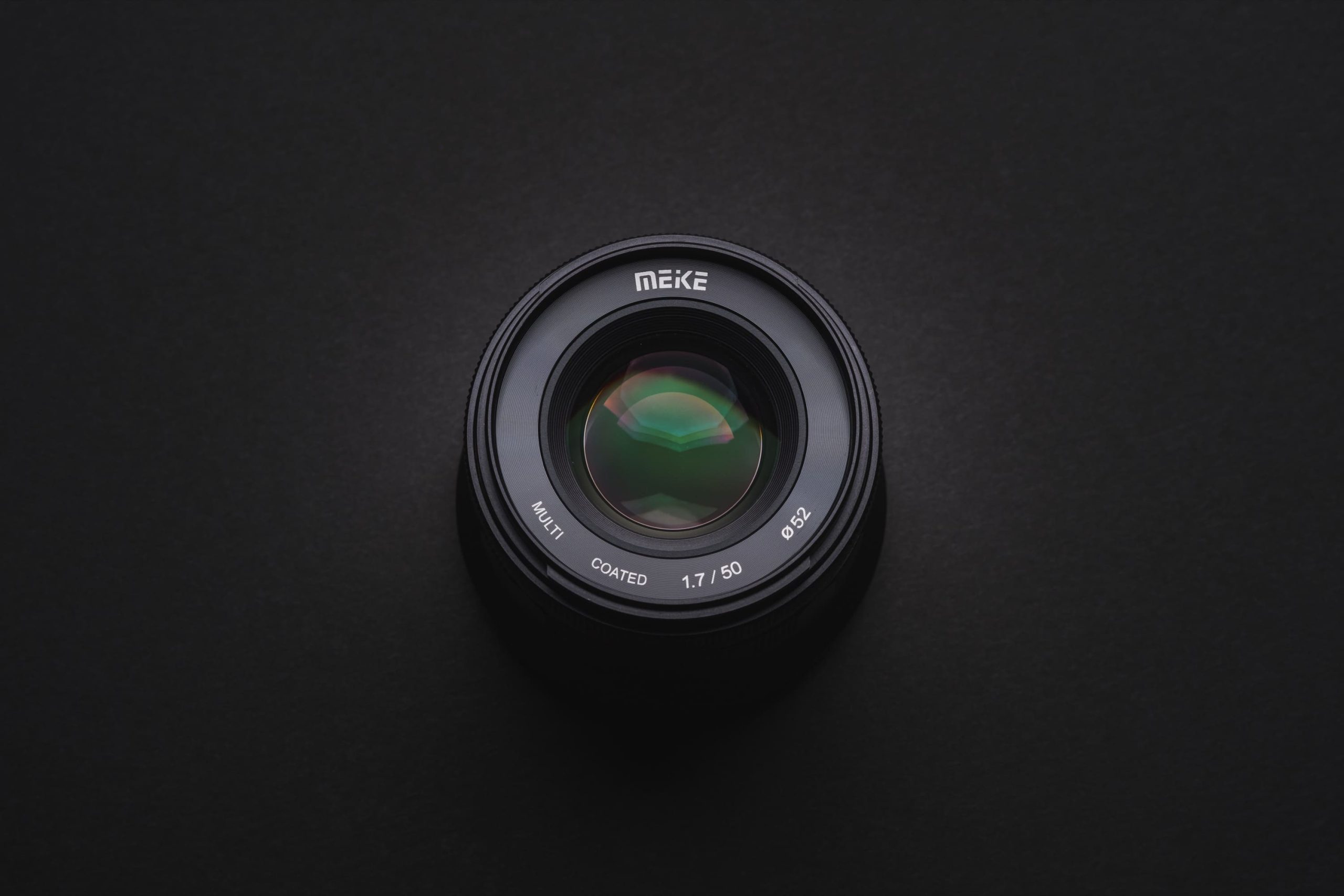
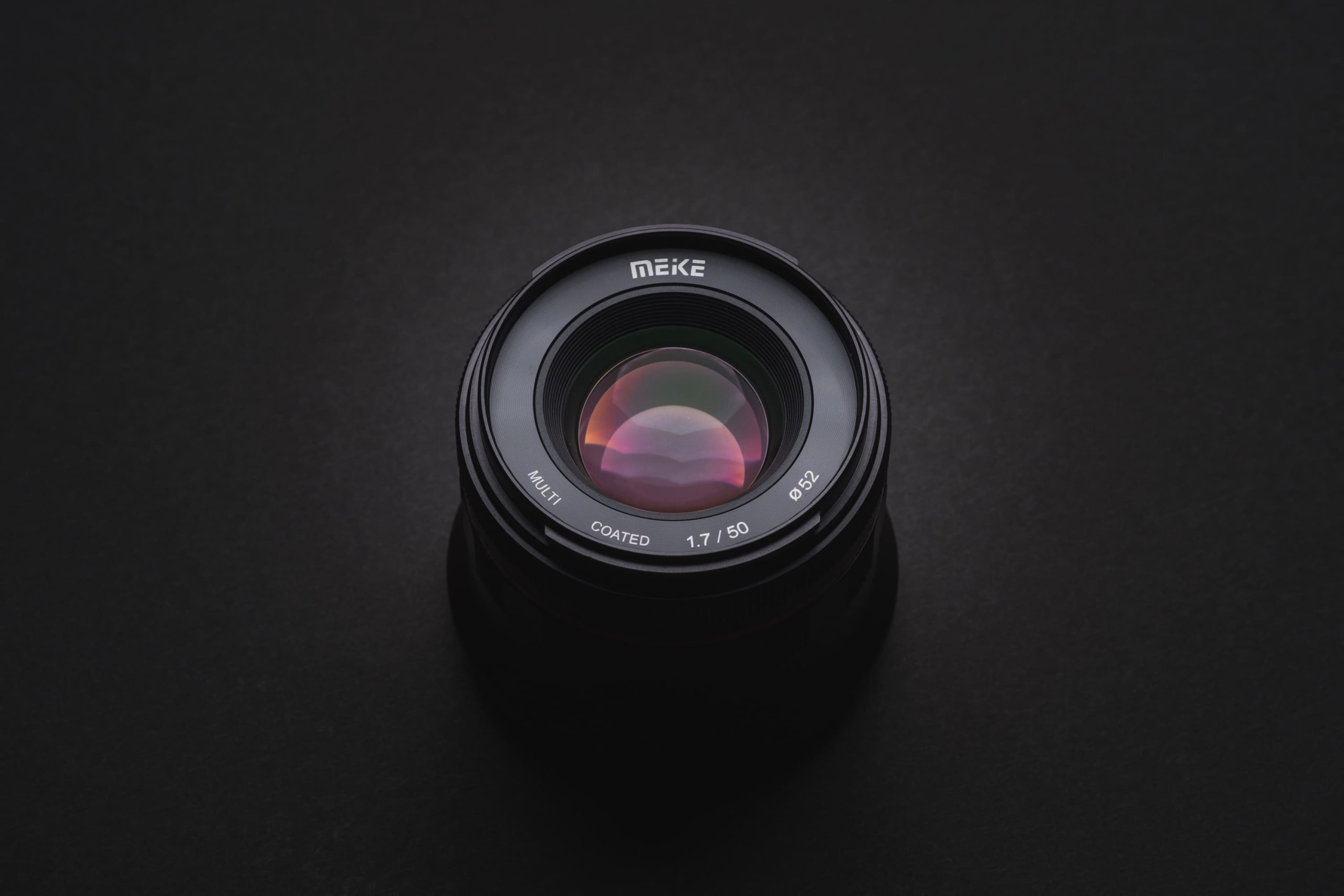
I’ve yet to see any other issues with Meike lenses, like oil on the aperture, dust in the lens, or anything like that, so I think quality control is under control. While my copy is decentered, this is a pretty common issue with most lens companies, including Fujifilm. Hopefully, it’s not a widespread issue where three out of four lenses are bad, as I have experienced with older SLR Magic lenses.
So far, I only have four lenses by Meike, and the only lens that gave me trouble besides this one was the 35mm f1.4, which had a problem with the main barrel not being screwed down tight enough. Something that was easy to fix with a small screwdriver. But yeah, I guess that’s a 50% hit rate for Meike on overall nailing quality shipments.
With Rokinon, about 1/4 of the lenses I buy are bad, with Fujifilm probably 1/5, 7Artisans 4/5, SLR Magic 4/5, and Kipon 1/4. I own a lot of lenses.
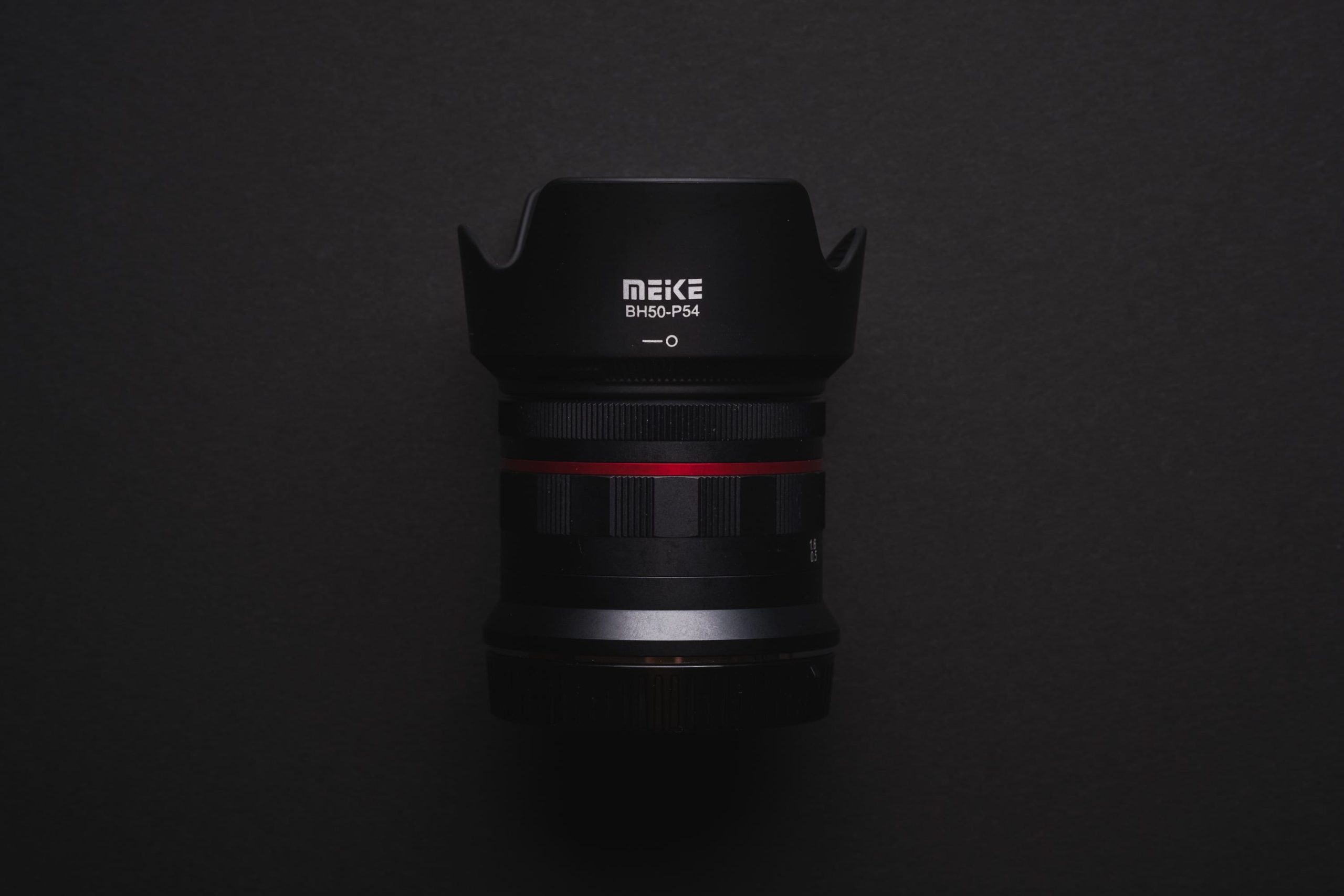
Decentric issues are pretty common, so my only complaint with the build of this lens is the crappy lens hood it comes with. It’s just light, cheap plastic and never fully clicks on, so it’s always rattling around.
Meike 50mm f1.7 Lens Specs
6 Elements 5 Groups
The Meike 50mm f1.7 has 6 elements in 5 groups. Usually, low elements in lenses like this are a good sign if you’re looking for nice micro-contrast and pop, and it’s tough to find lenses like this by Nikon or Canon. Sony has the 6-element 50mm f1.8, which is nice, and of course, there are some great character lenses by Fujifilm, Olympus, and Panasonic as well with fewer elements.
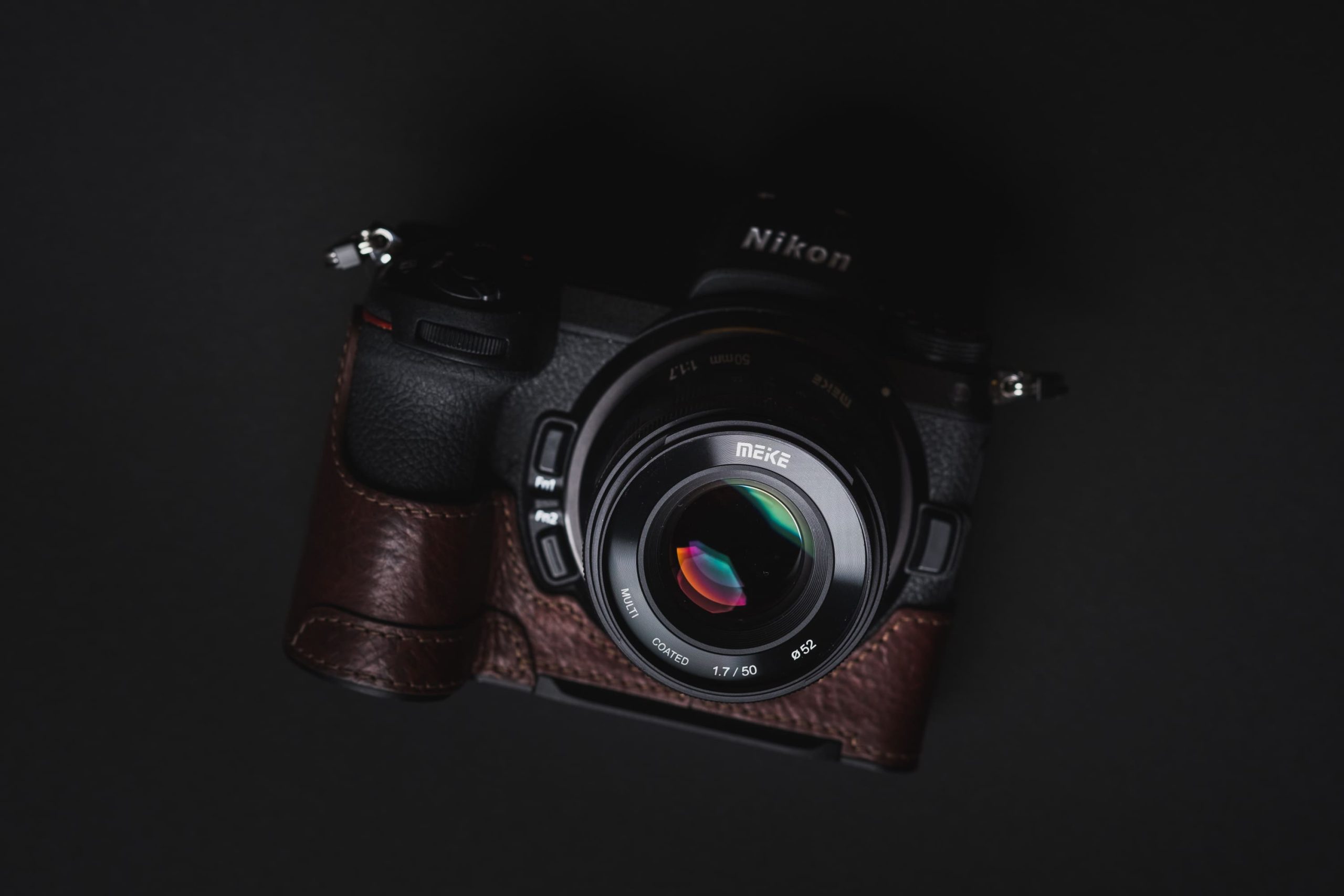
12 Aperture Blades
I can’t find specs on the aperture blades, so I counted. It looks like there are 12 aperture blades. You would think this would be a marketing point Meike would be pushing a little harder, but it’s not written on their website, on the BHphotos website, or an Adorama website.
The 12-aperture blade iris is cool because it means you get a nice bokeh shape even when stopped down to f5.6. This actually can be very useful for video shooters who aren’t always shooting wide open and still want smooth background bokeh without geometry.
You’ll see this a lot with SLR Magic lenses, which have 11-blade apertures. It’s a really nice feature.

Size / Weight / Mechanics
The Meike 50mm f1.7 is a heavy lens for its size—it’s even heavier than the Canon RF 35mm f1.8.
The lens is constructed with two barrels, and the front barrel does telescope out just a little when focusing.
The focusing and aperture are smooth. You won’t accidentally nudge the focus or the aperture.
Meike 50mm f1.7 Review | Technical Overview
Sharpness
Sharpness is pretty good with this lens, but it drops slightly when wide open.
As I mentioned earlier, my copy has some decentric issues. These samples for the sharpness chart are taken from the good side, which is the right hemisphere of my lens.
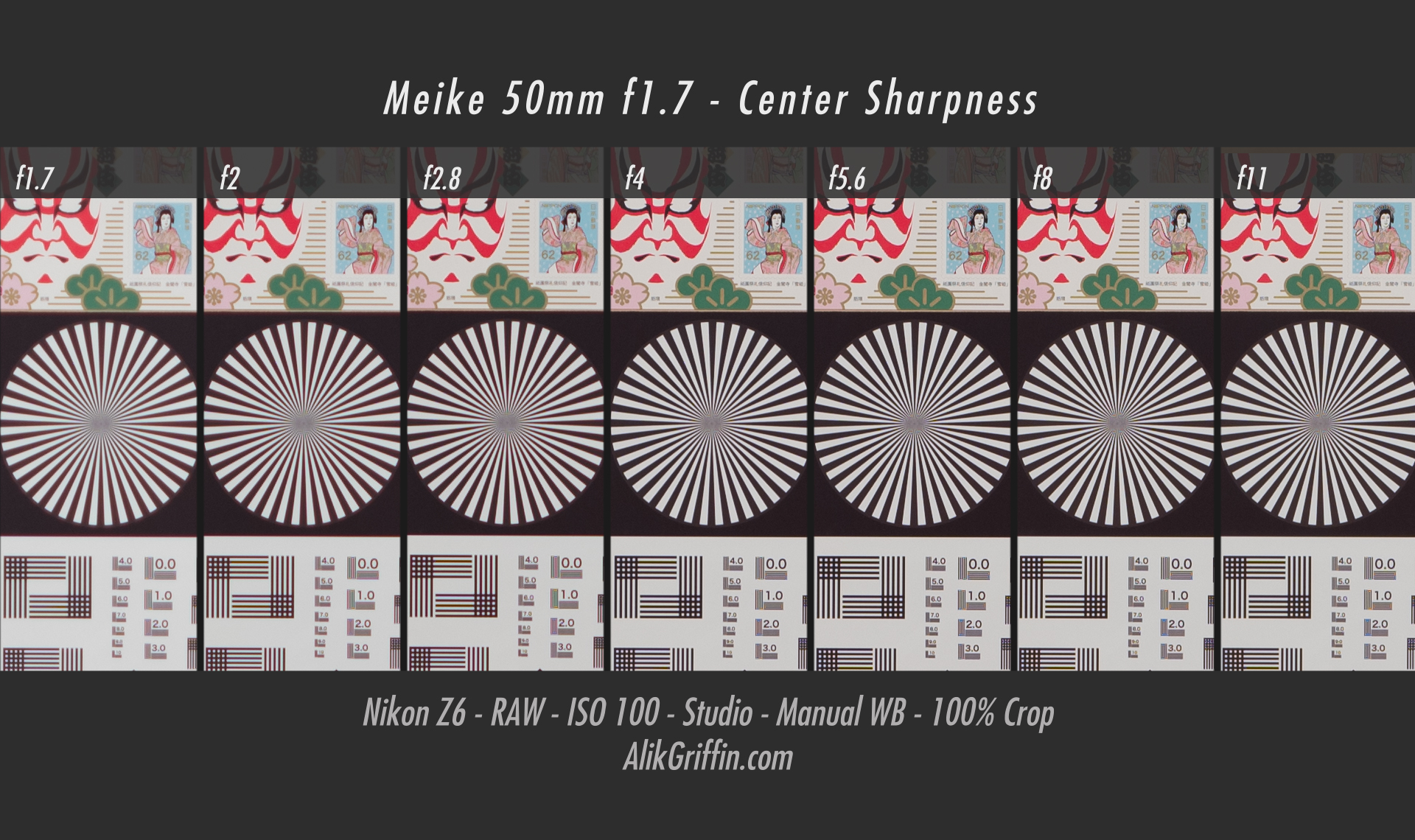
Center Sharpness
Center sharpness is decent and is best at around f5.6 to f8.
You can see some of that reduction in clarity at f1.7 and f2. It’s not too bad in a controlled environment like this studio scene.
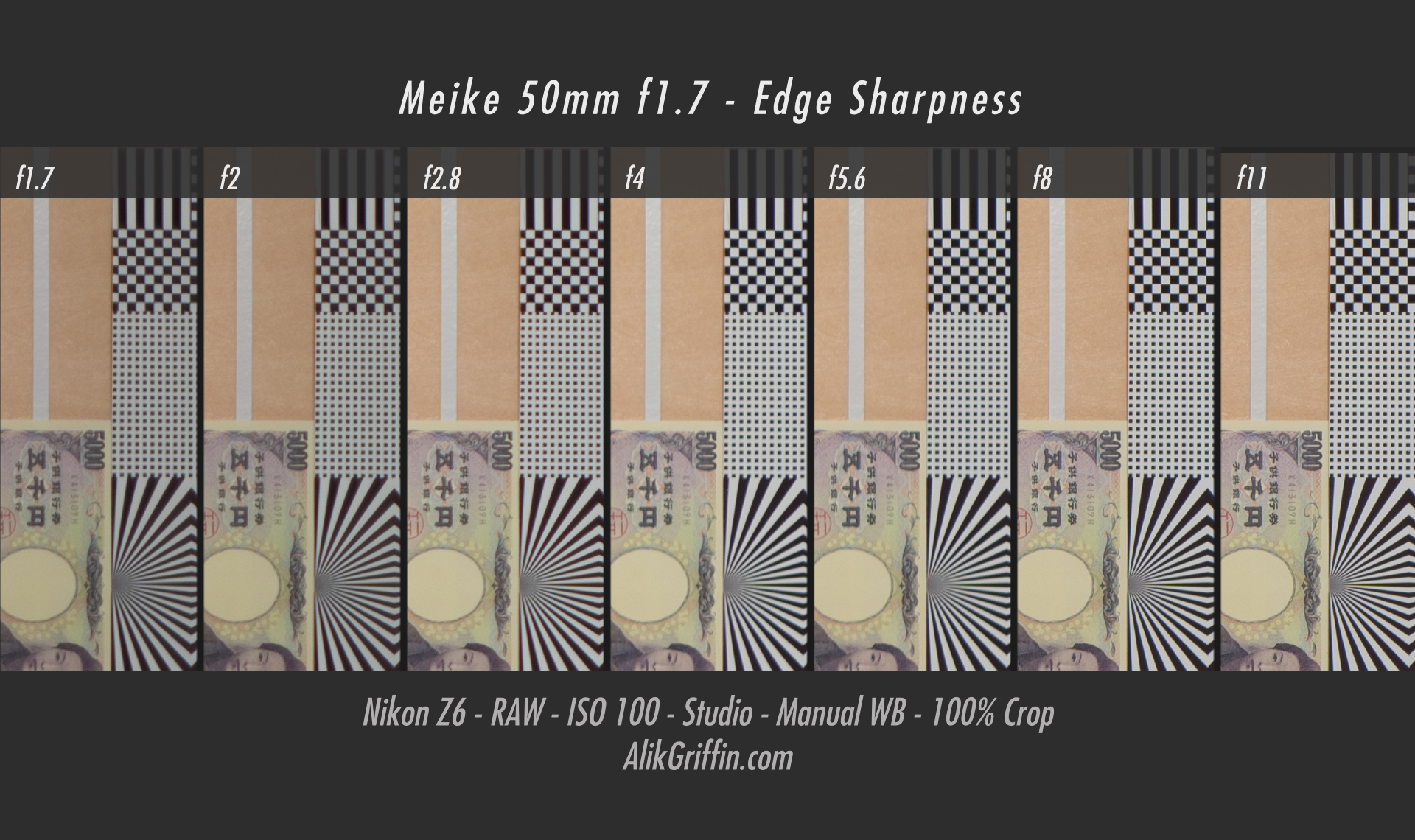
Edge Sharpness
Edge sharpness is pretty good and usable when stopped down to f8, so this lens could be used for landscapes if you were in a pinch.
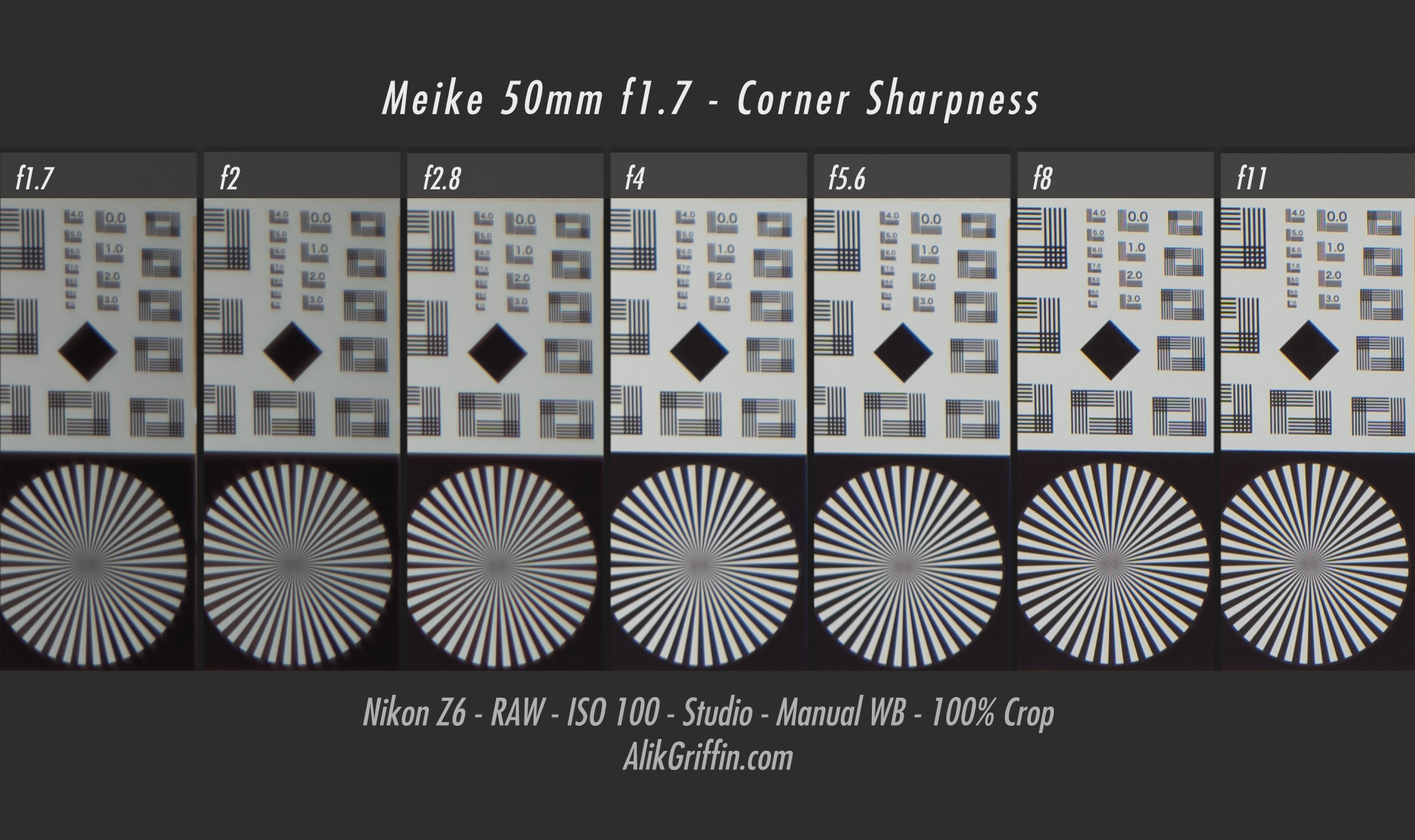
Corner Sharpness
Corner sharpness isn’t too bad either. It’s a little softer, not because the lens is bad, but because of the field curvature. In other words, the corners actually falling out of focus because the focus plane isn’t totally even across the lens. More expensive lenses go through a lot of trouble to fix this, by adding more elements with more glass and this can introduce new problems, like onion ring bokeh and a reduction in micro-contrast.
You will see better corner sharpness at infinity focus, or if you focus for the corners, which I do not do in these tests.
Distortion
There is a little bit of barrel distortion, but you probably won’t notice it unless you’re shooting architecture.
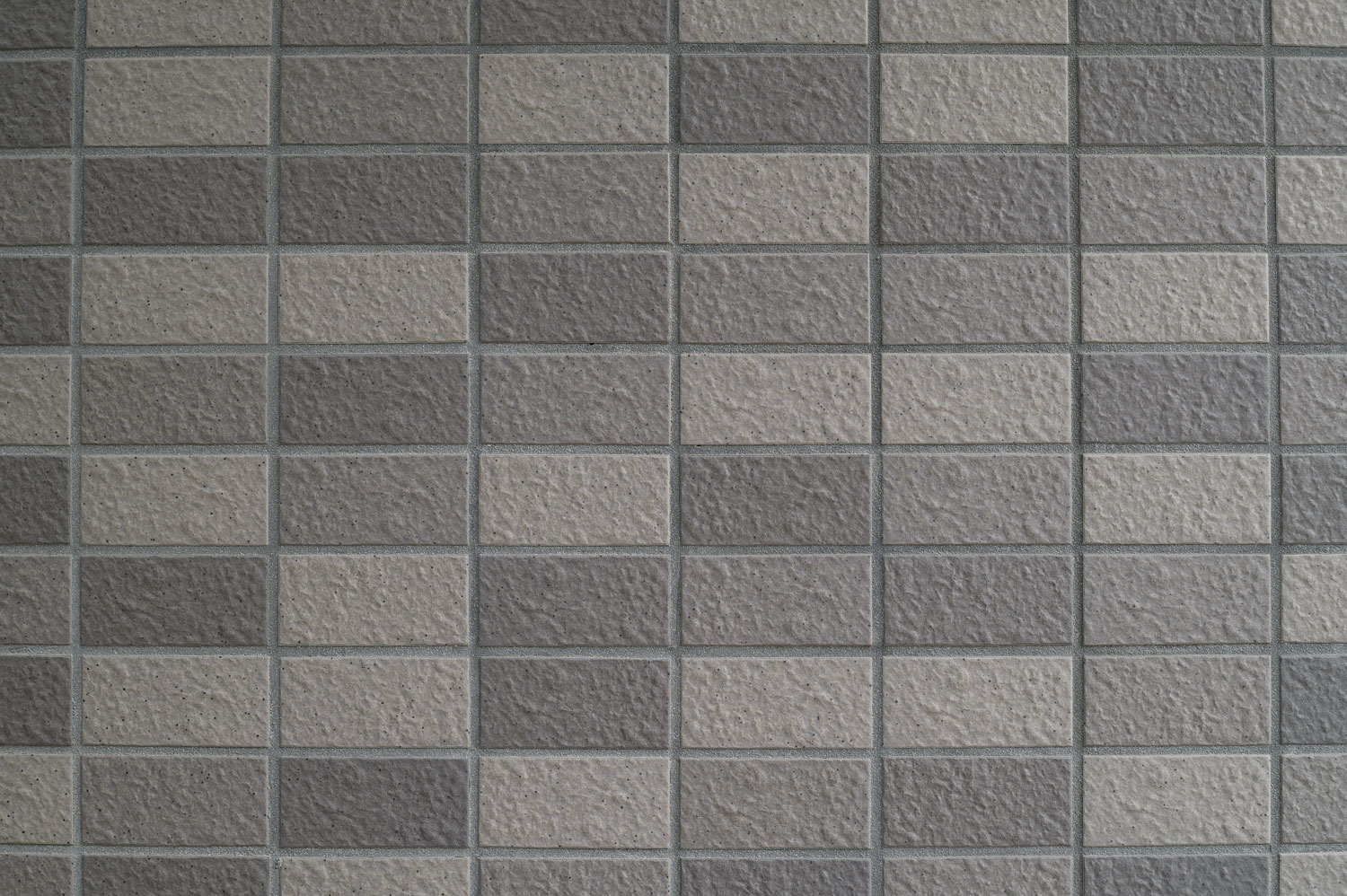
Vignetting
Vignetting is kept fairly under control and is mostly cleared up by f4.
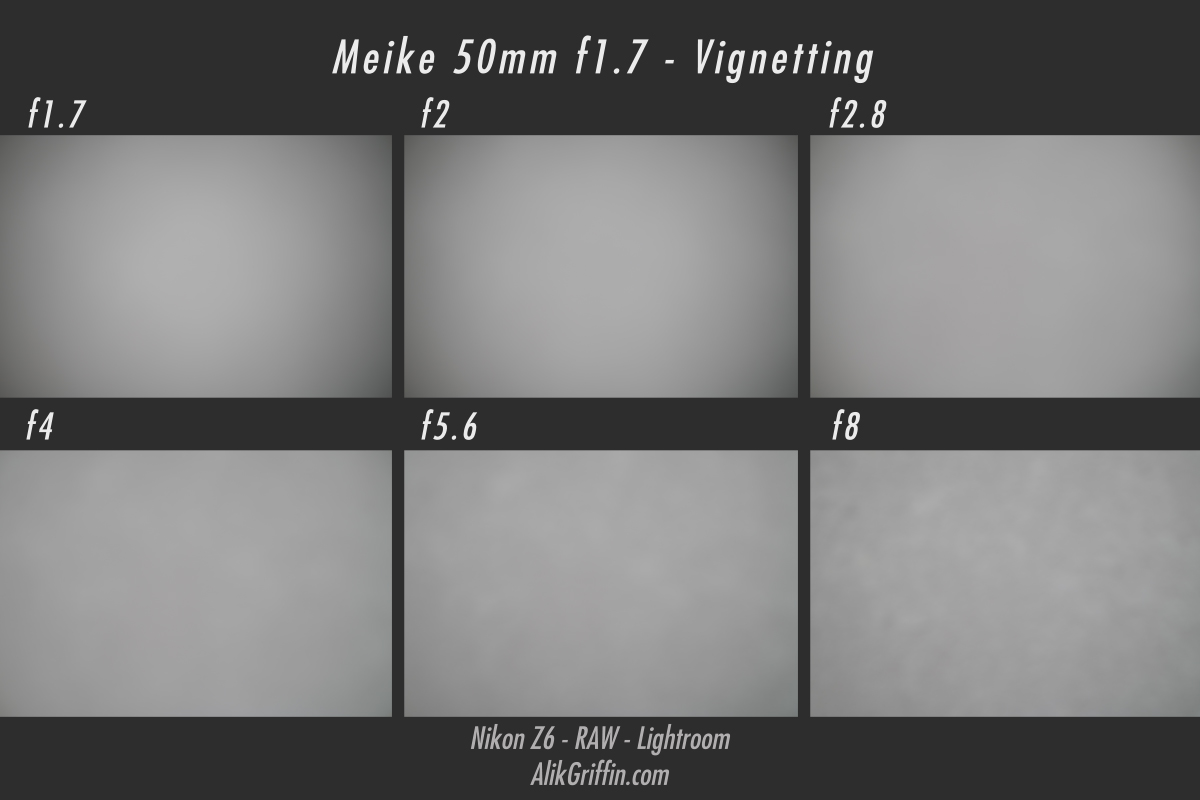
Ignore the texture seen at the higher apertures; the wall I shot was textured. I usually shoot the sky for this, but I haven’t had any clear days or perfectly overcast days.
Chromatic Aberrations
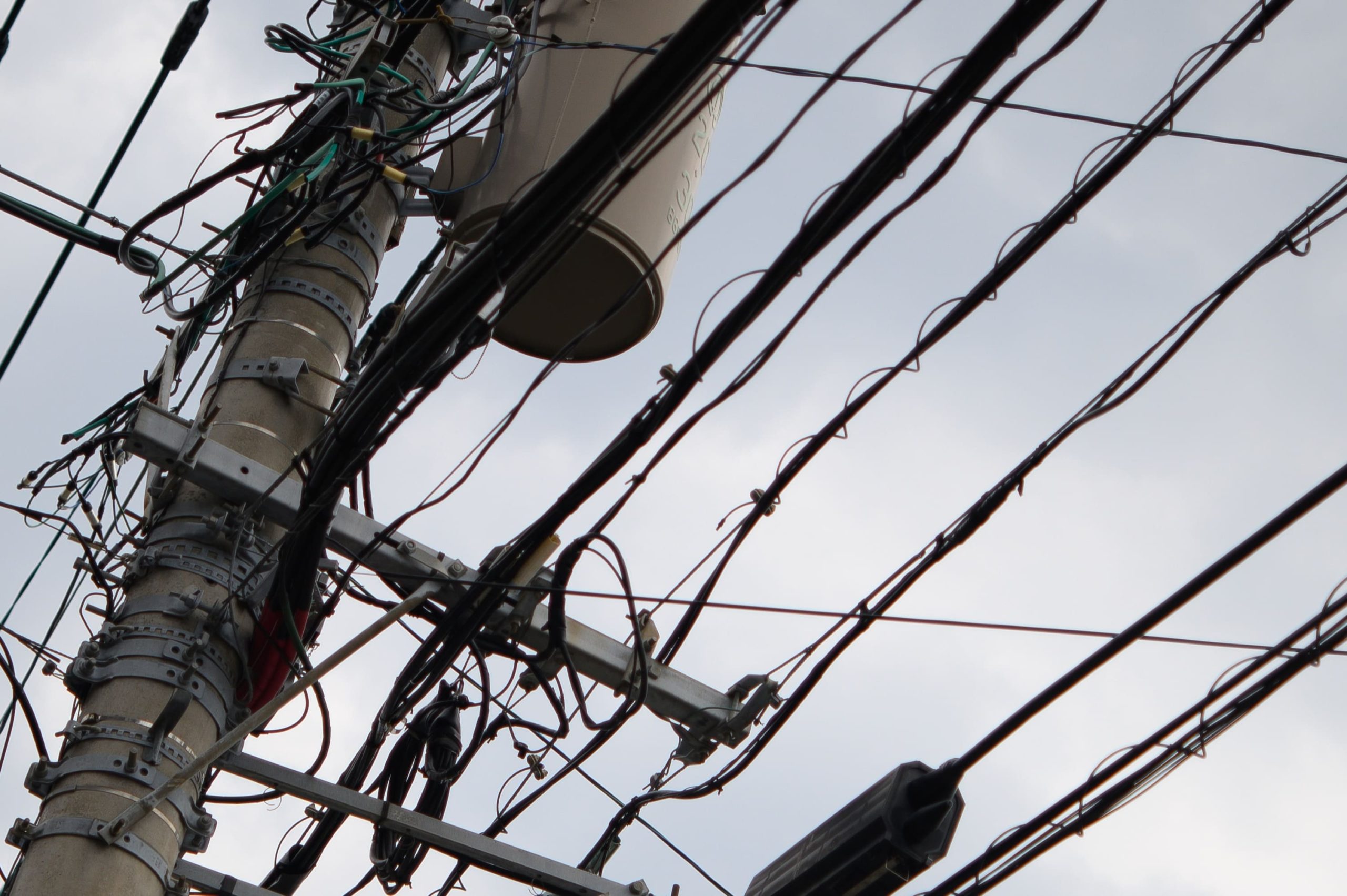
There is a little bit of CA, but nothing to really worry about. You’ll mostly only see it in the out-of-focus areas (longitudinal), not so much on high-contrast corners and edges (lateral).
Here is a cropped sample from the center of the lens.
Art & Character

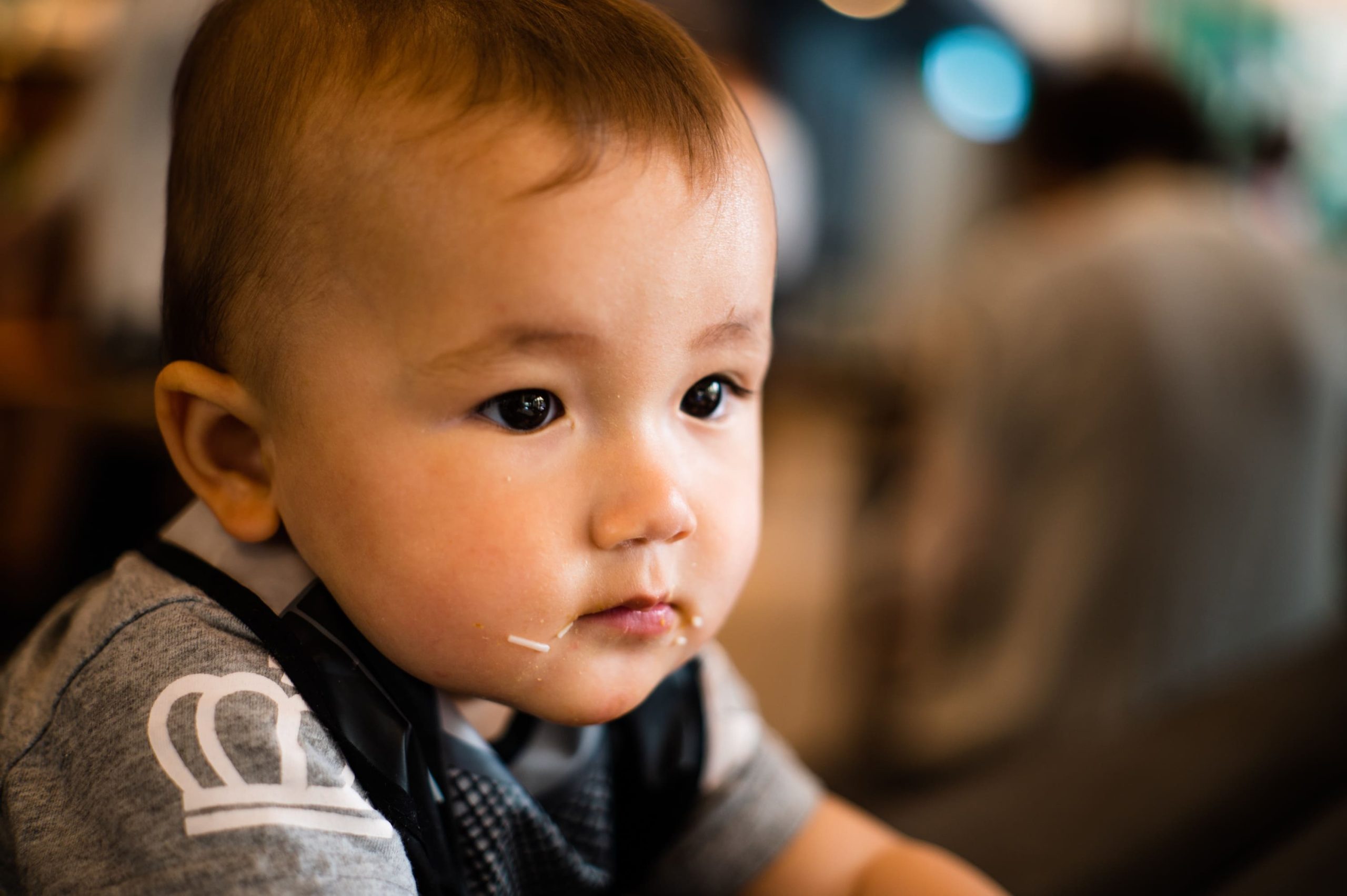
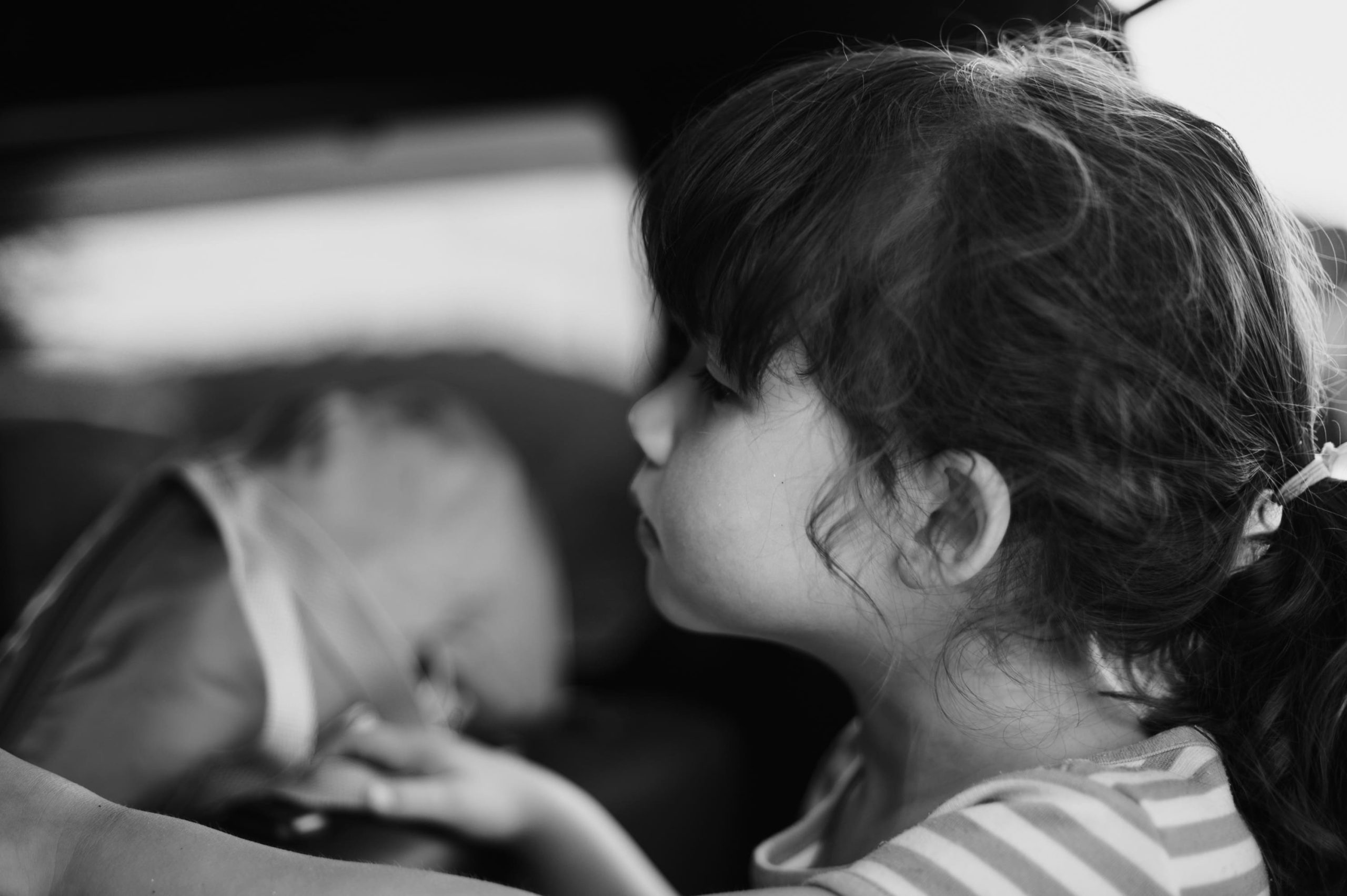
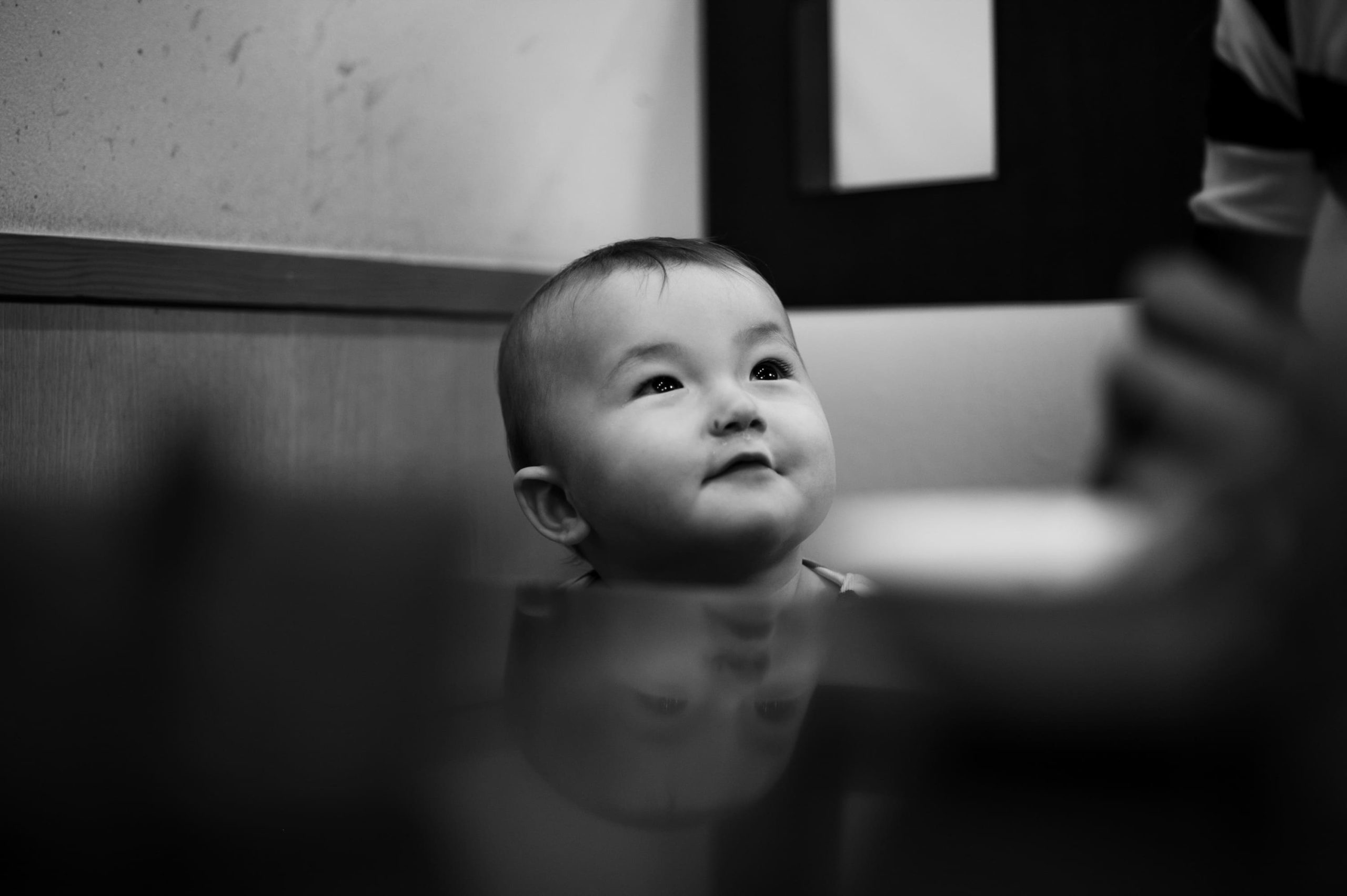
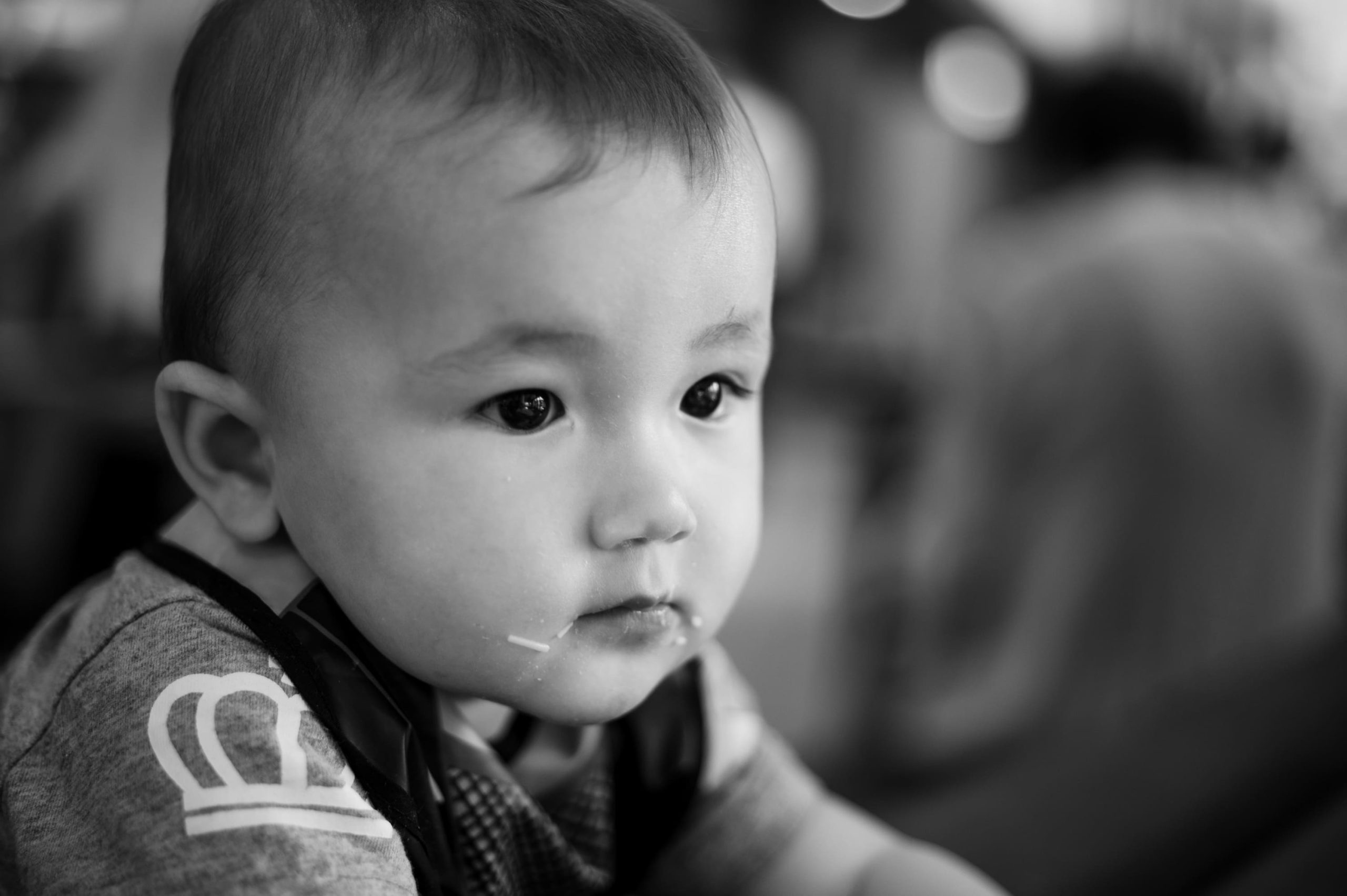
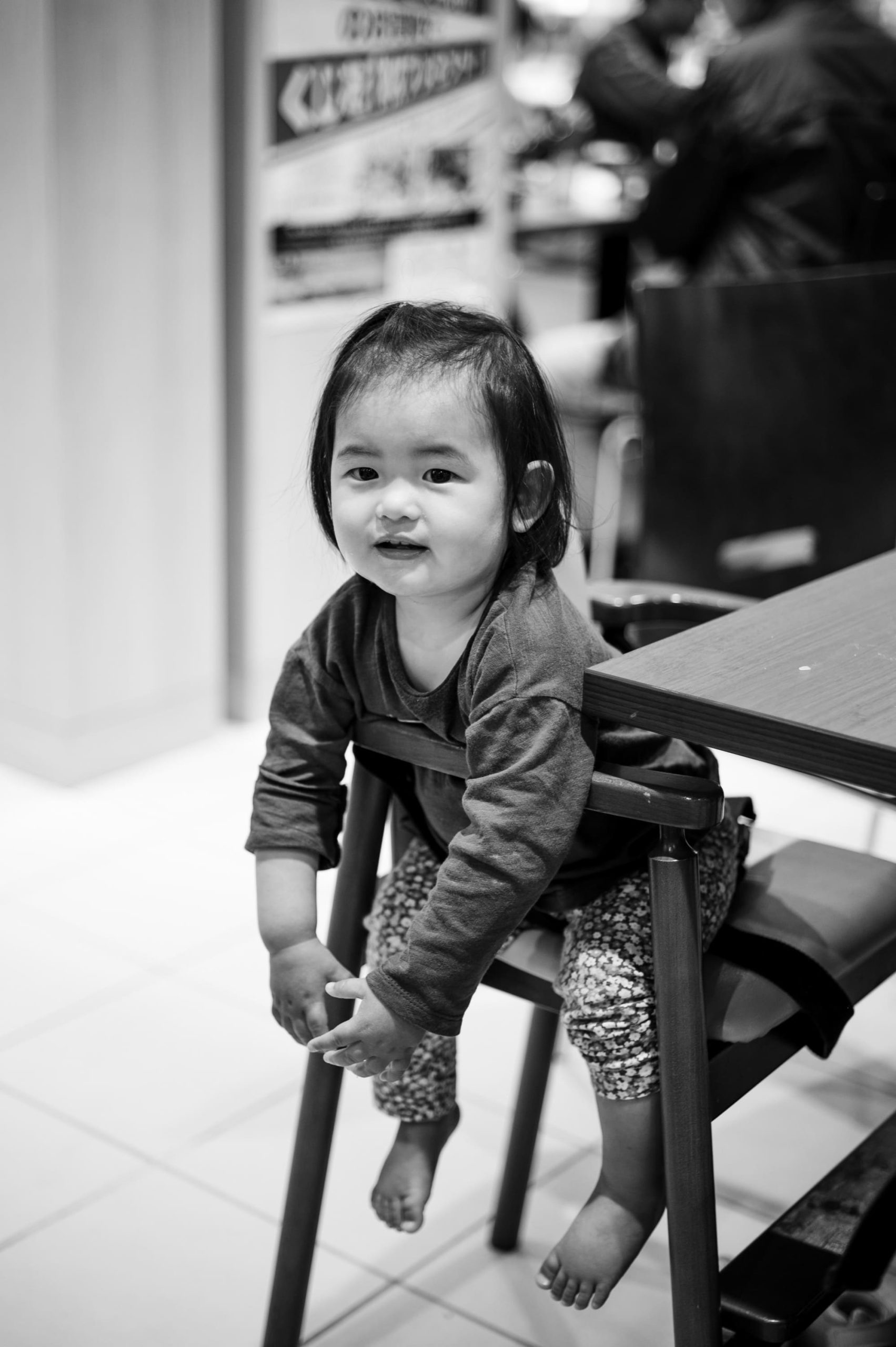
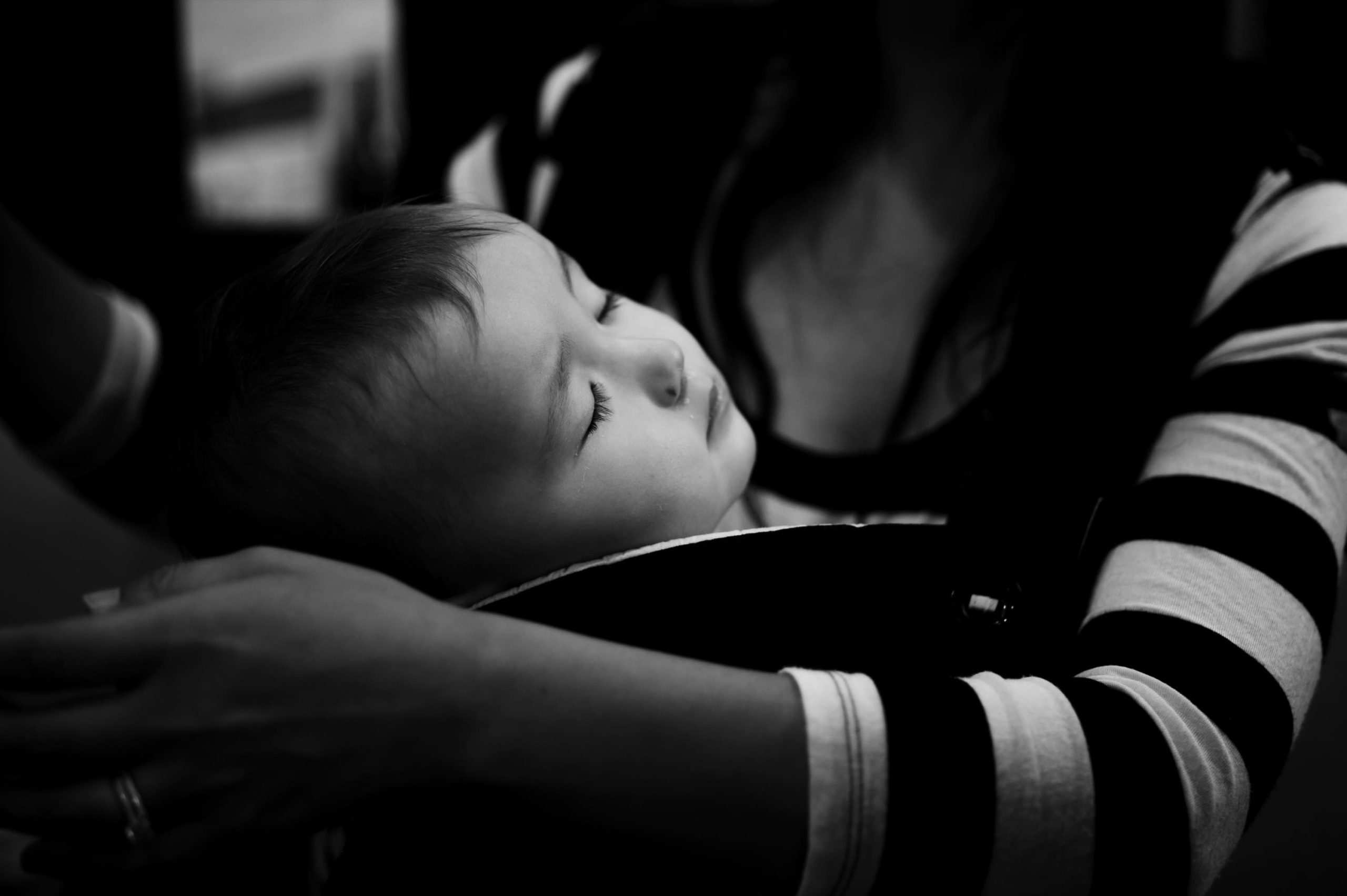
The biggest draw to a lens like this for me is the nice tonal detail you get. For example, when I’m shooting my daughter, you can see all the little details and tones in her skin, and you get smooth transitions from dark to light. This is different than sharpness or contrast.
Even when the image is not sharp or perfectly in focus, you can still see these nice tonal transitions and details, and that is something you only get from a low-element lens like this. Sometimes, I miss this when shooting with my Nikon 50mm f1.8 and especially my zoom lenses.
Render depth and focus falloff with this lens is nice, but only when the subject is close. Stick within the sweet spot of fifteen feet and closer and get some beautiful results.

I would say this lens is designed as a more up close and personal portrait lens when wide open, or more of a street lens when stopped down. The lens shows some good control over vignetting with a decent edge to edge sharpness when stopped down, while still retaining nice bokeh because of that 12 bladed aperture.
Color Rendering | SOOC
With Nikon, there really is no straight-out-of-camera RAW anymore since the camera passes on settings to Adobe.
I’ve restored everything to what Adobe Lightroom would default to with other brands so that these samples can be consistent across all my reviews with various brands of cameras.
I know some brands sharpen their RAW files more in the AD converter than others, which can give the illusion of sharper lenses, but this will at least give a solid baseline.
I typically max out sharpness in-camera to help with focus peaking. I had all my SOOC files uploaded and ready to go, but then I realized they all had 80 sharpness applied in Lightroom, and I had to redo everything.
I don’t usually mess with sharpness in my photos unless I’m doing landscapes, so if you see any samples in other areas of this review that seem over-sharpened, that is why.
Lightroom also defaults to turning on “Remove Chromatic Aberrations,” which I have turned off to see how this lens performs without correction.
Also note that Fujifilm and Nikon bake in lens correction to their brand lens, which will always create an illusion of better-performing lenses when you compare them to third-party lenses like this. Usually, this is correct for distortion, vignetting, color shifts, and sometimes CA.
The Bokeh section contains more SOOC samples that show how the lens performs on sunny and overcast days.
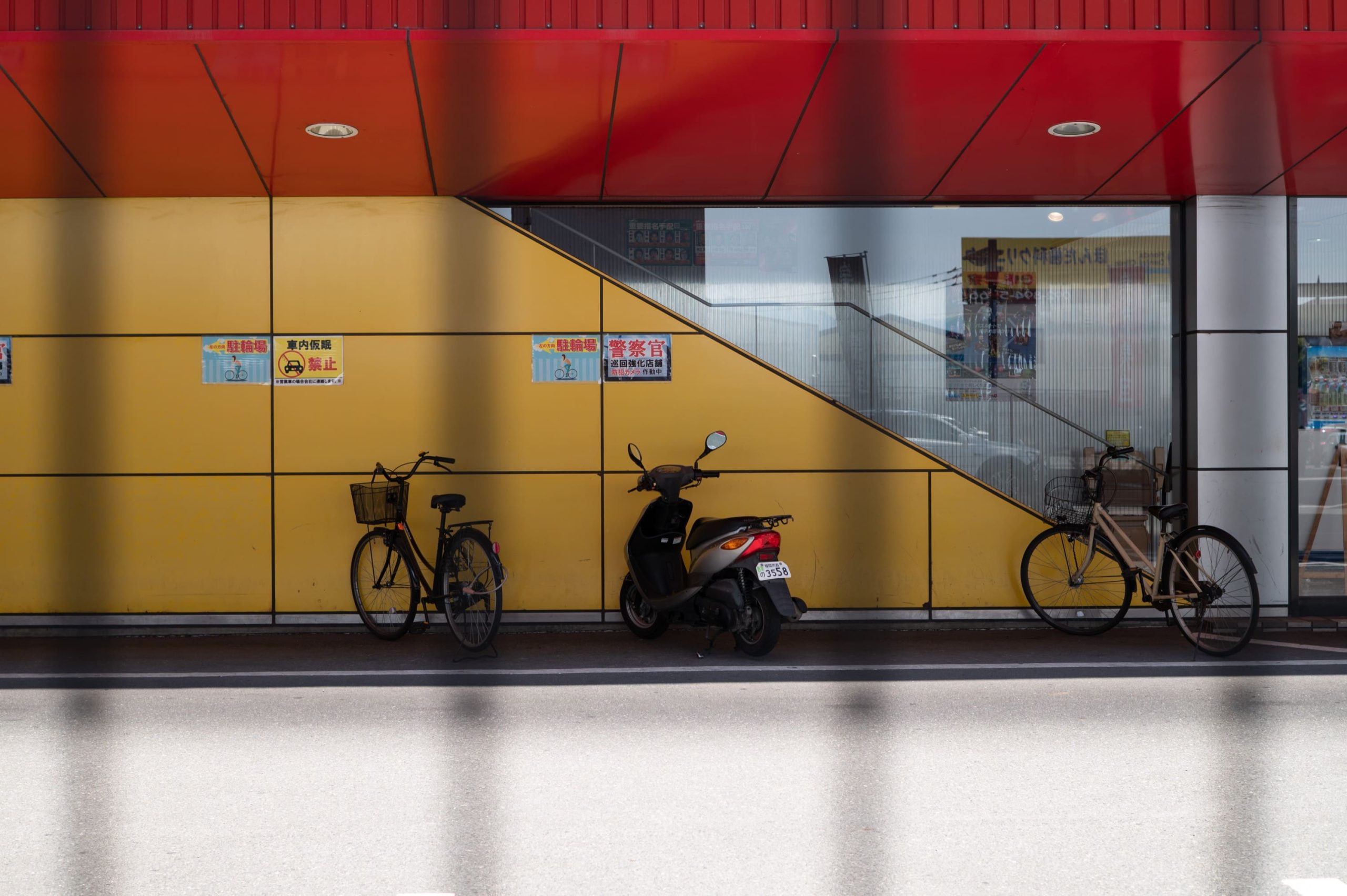
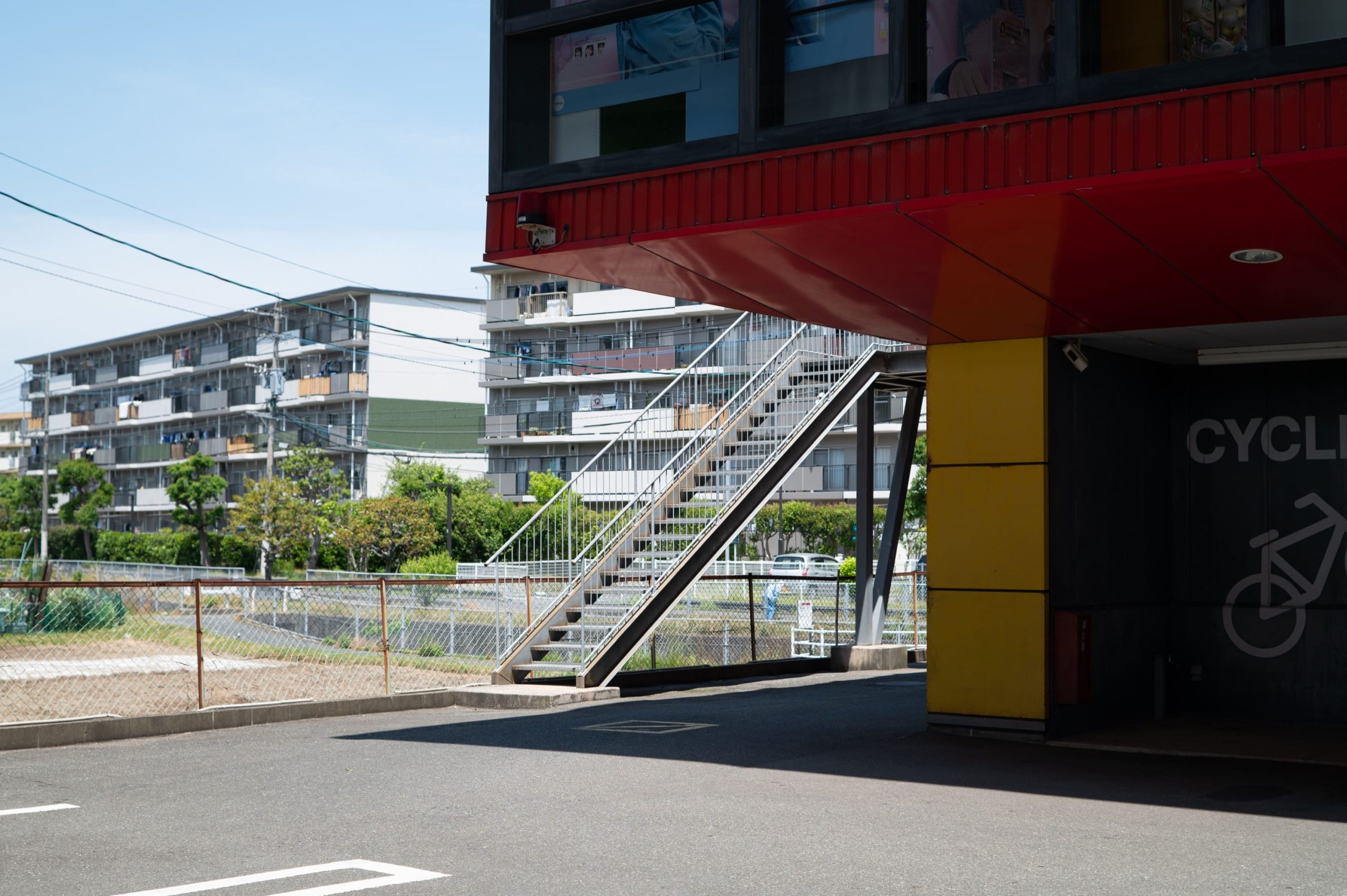
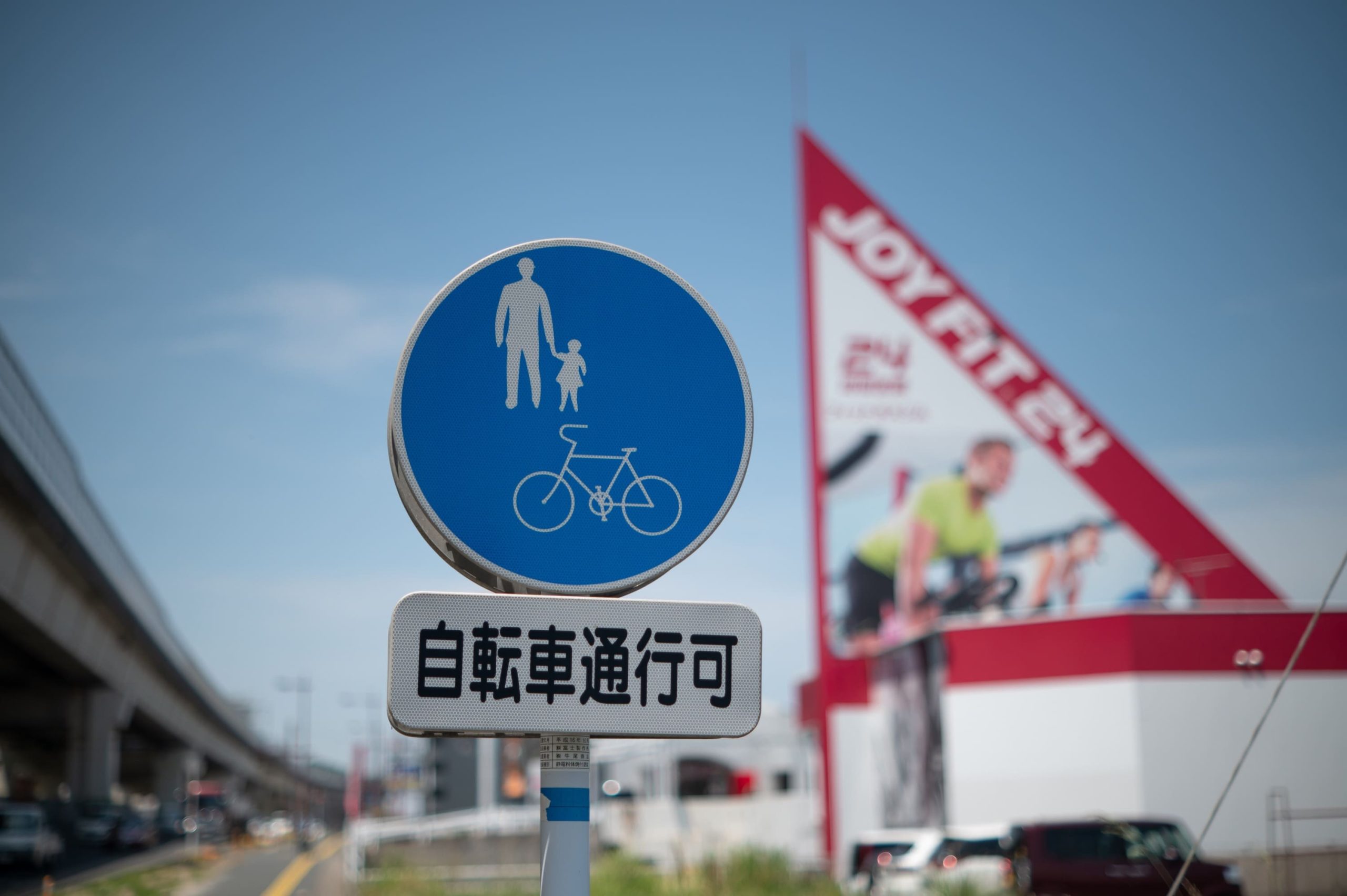
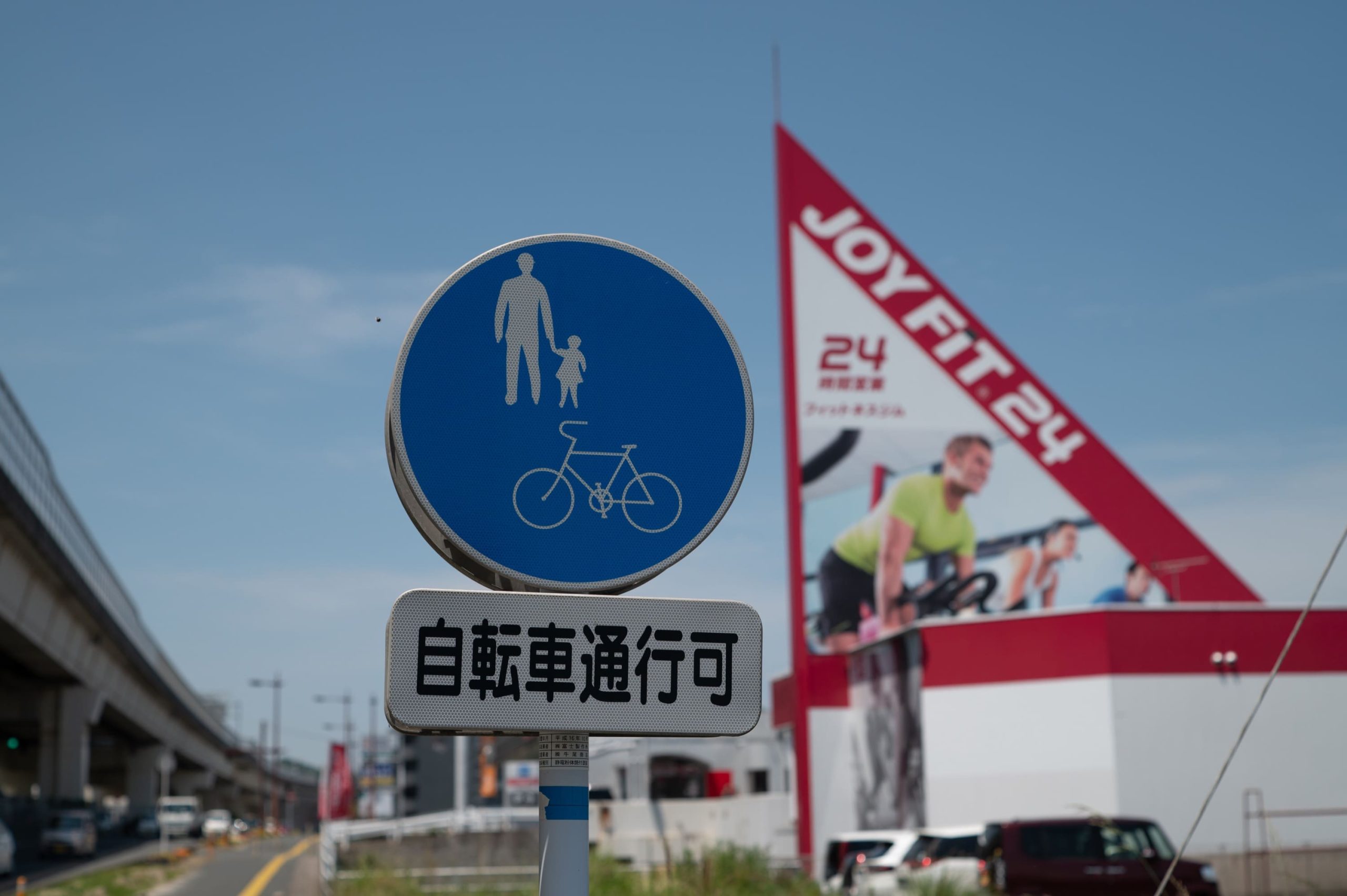
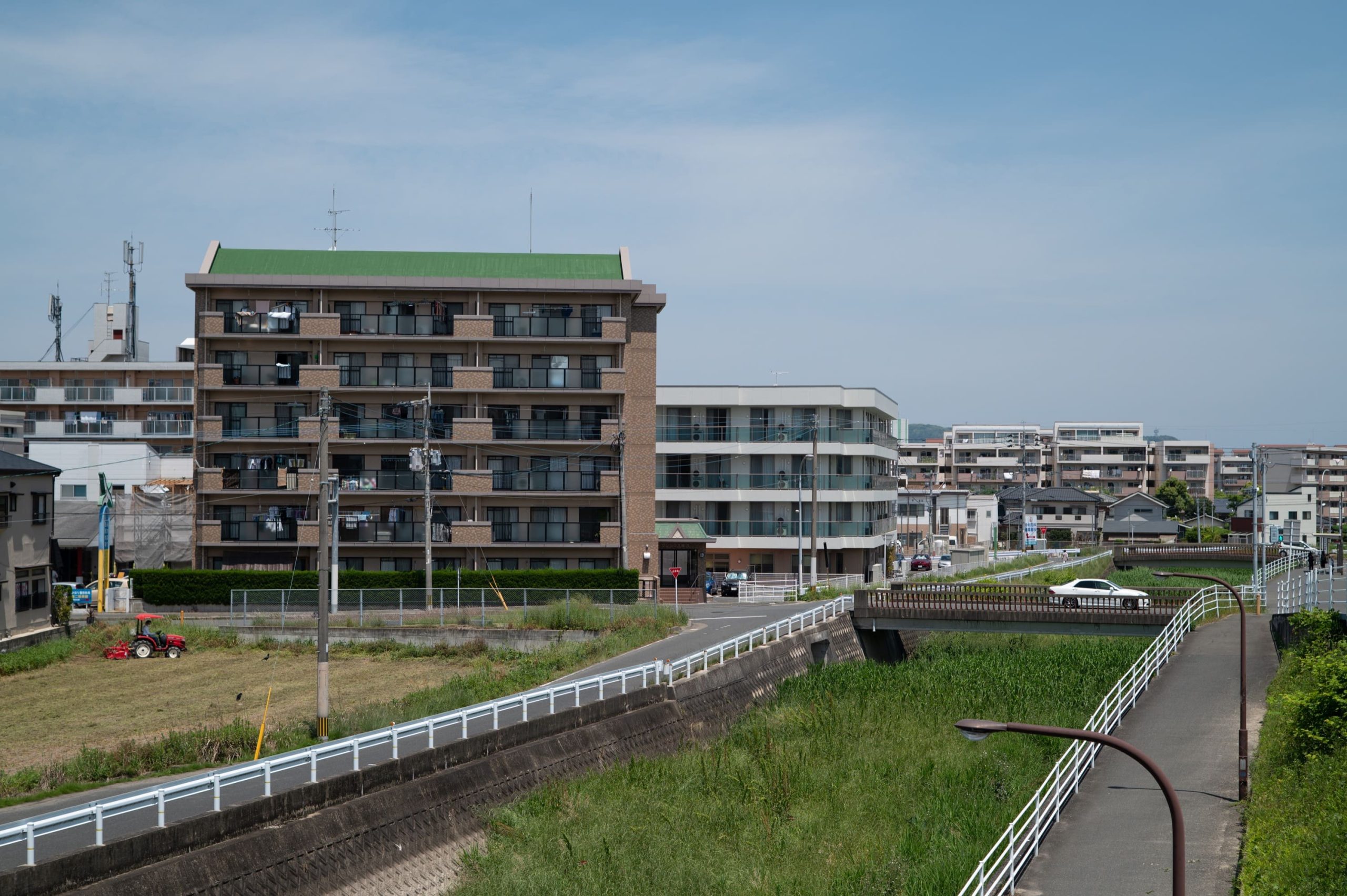
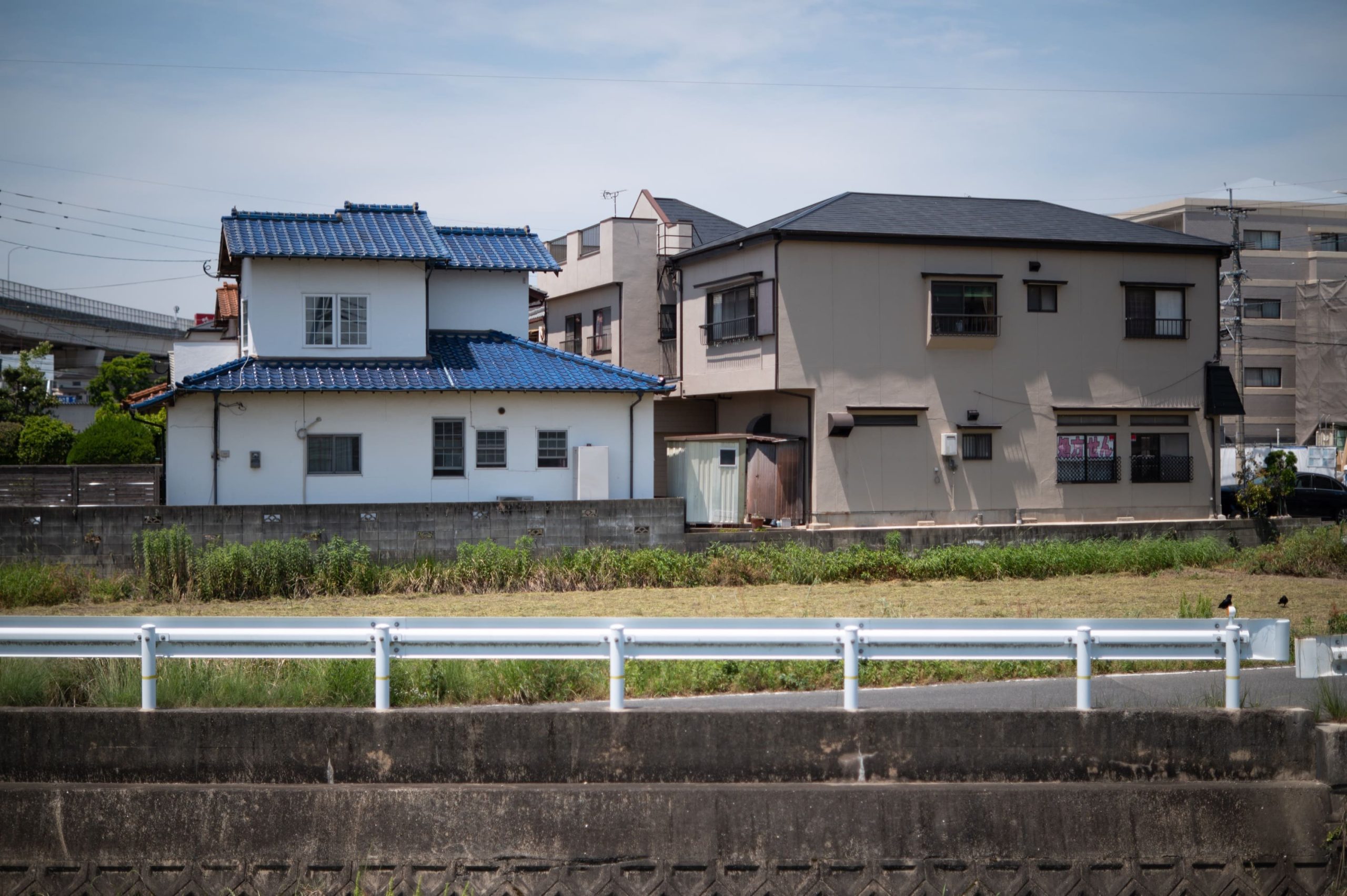
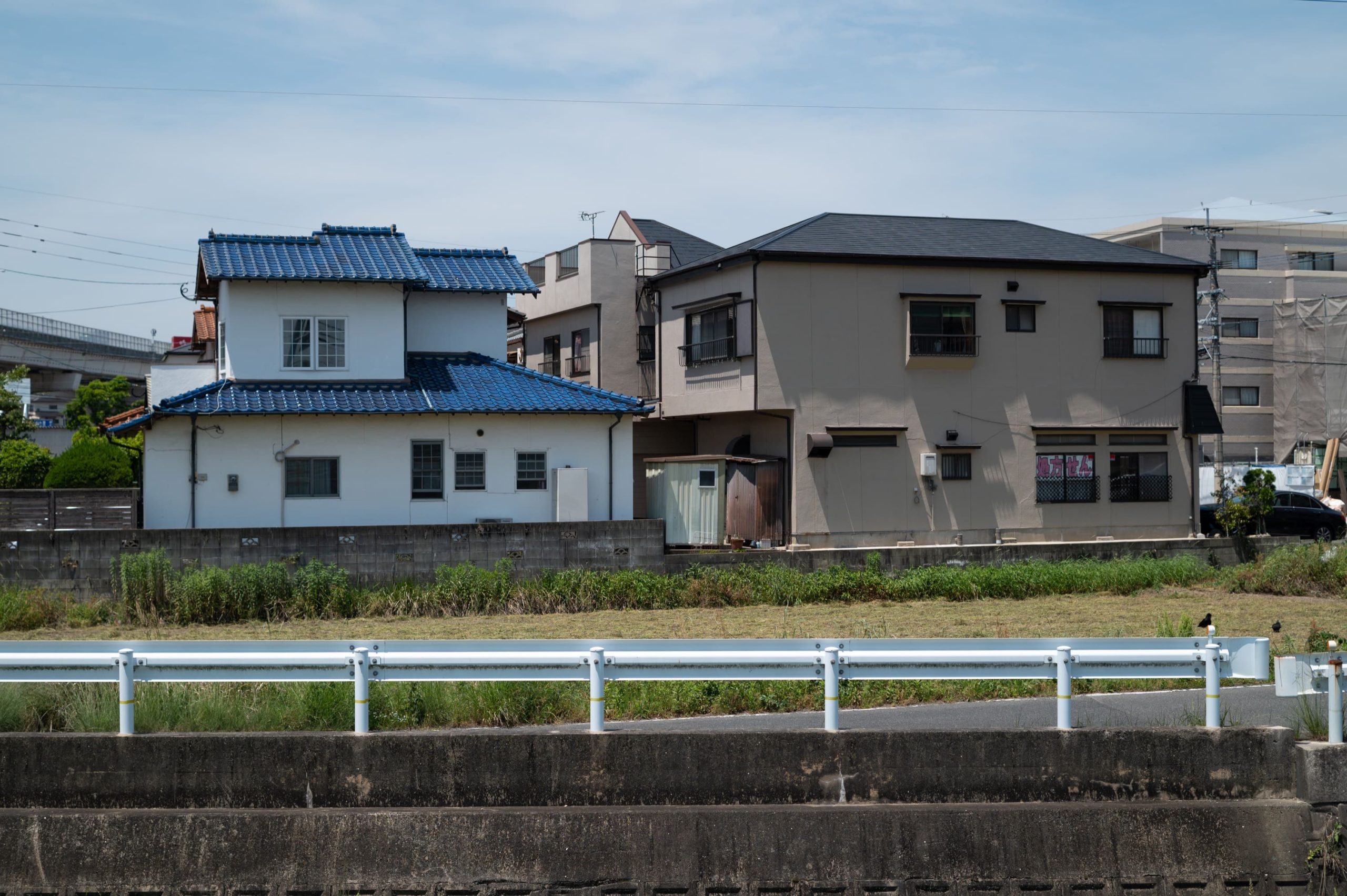
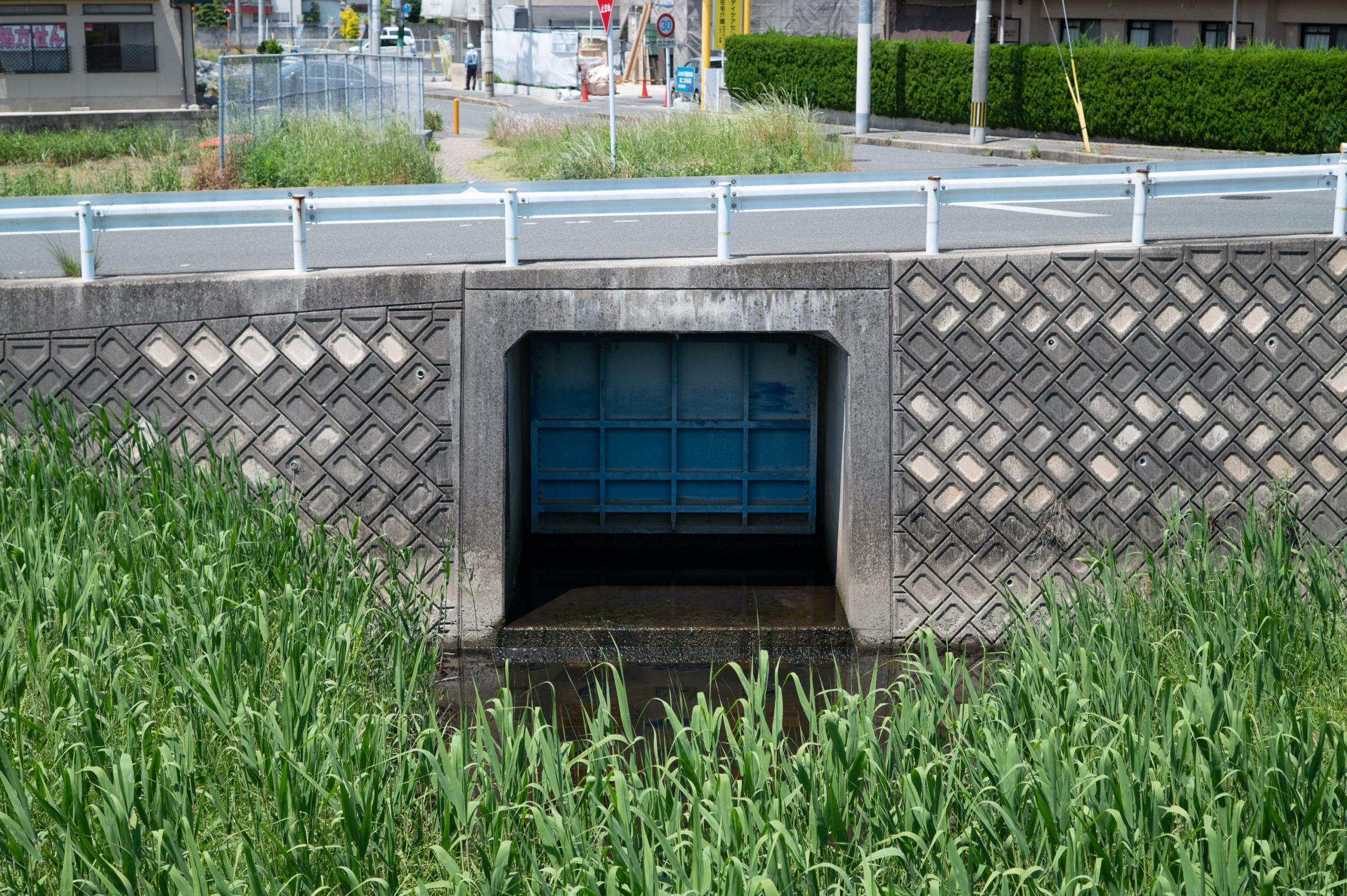
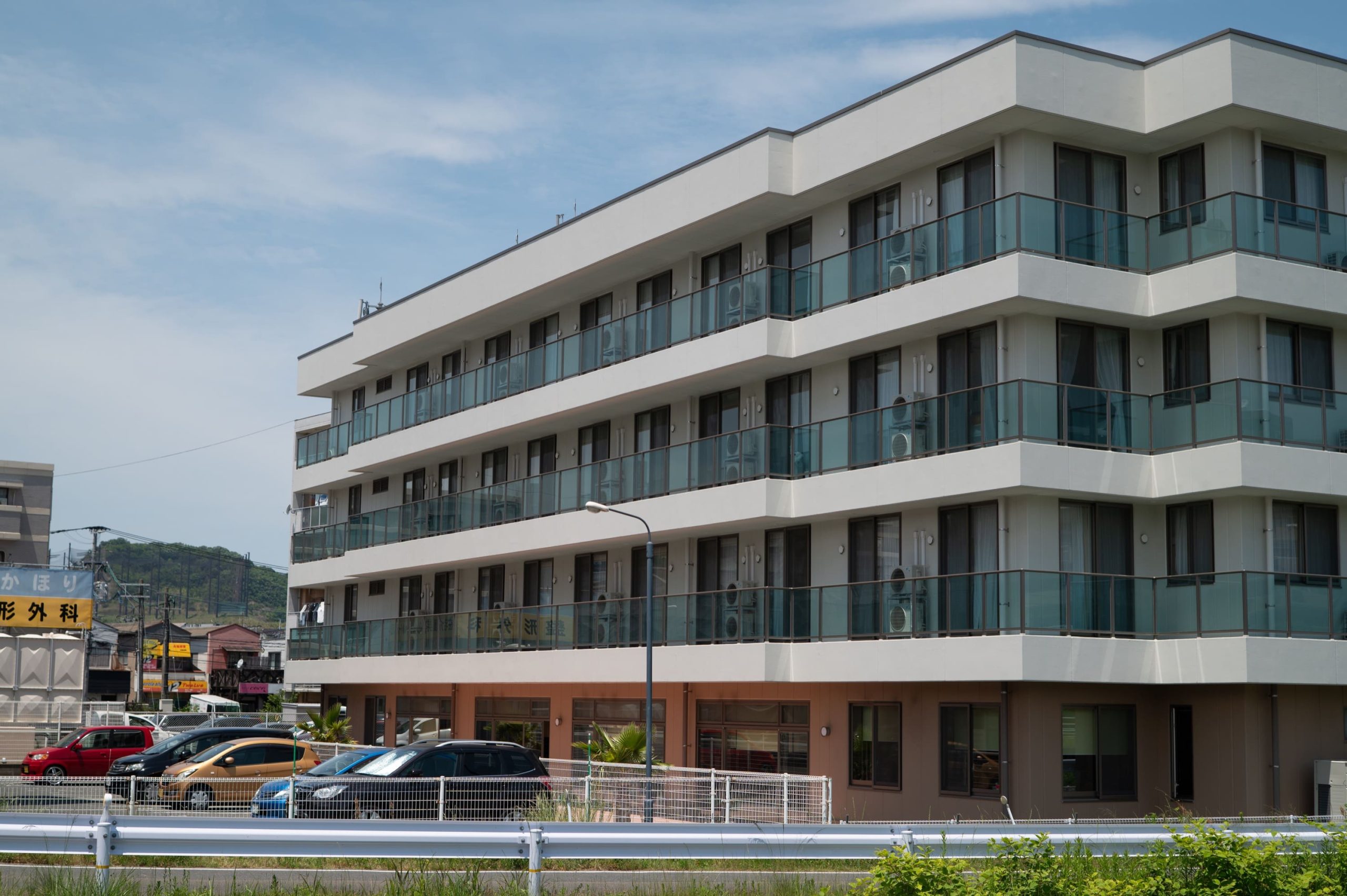
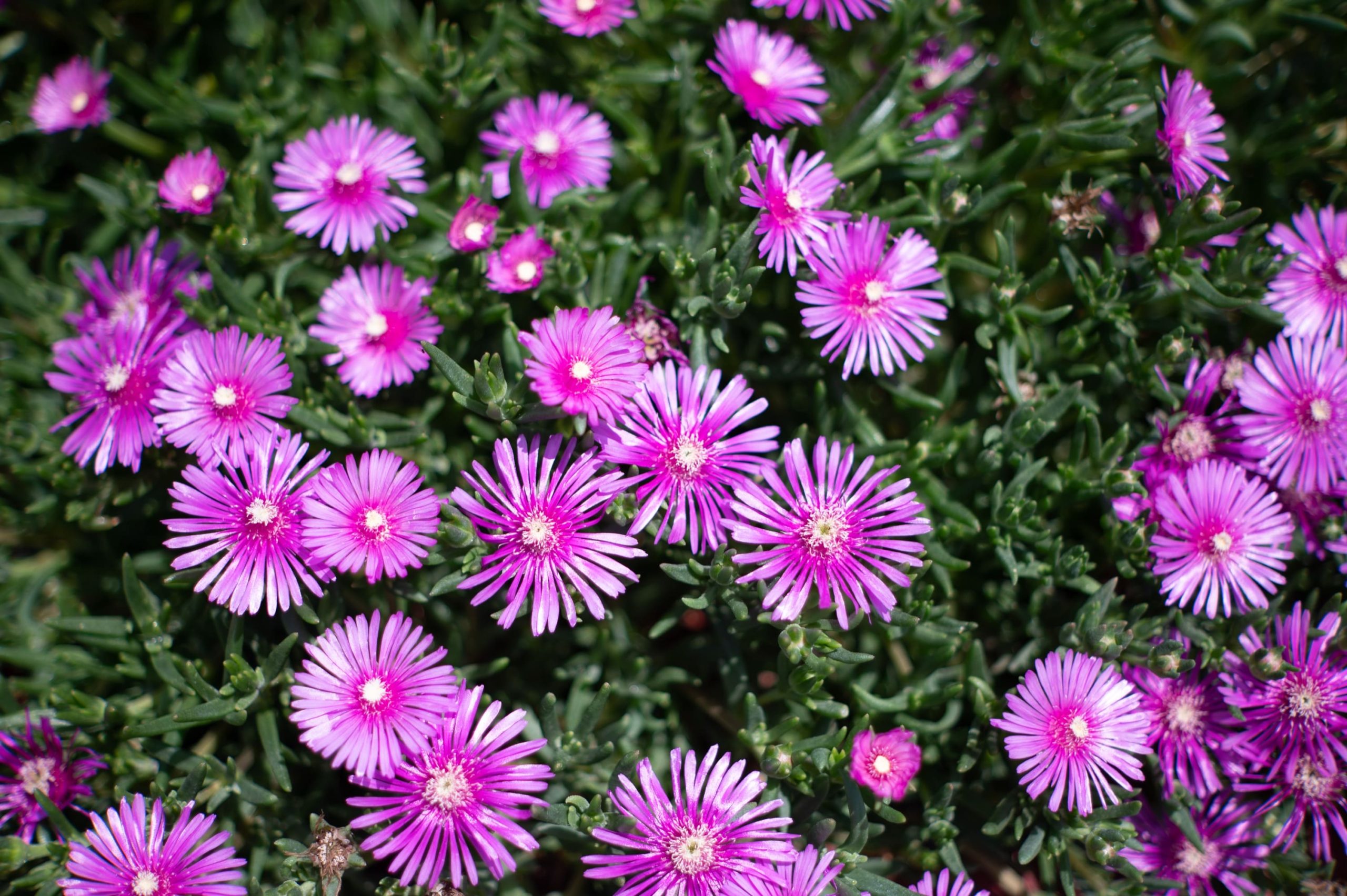
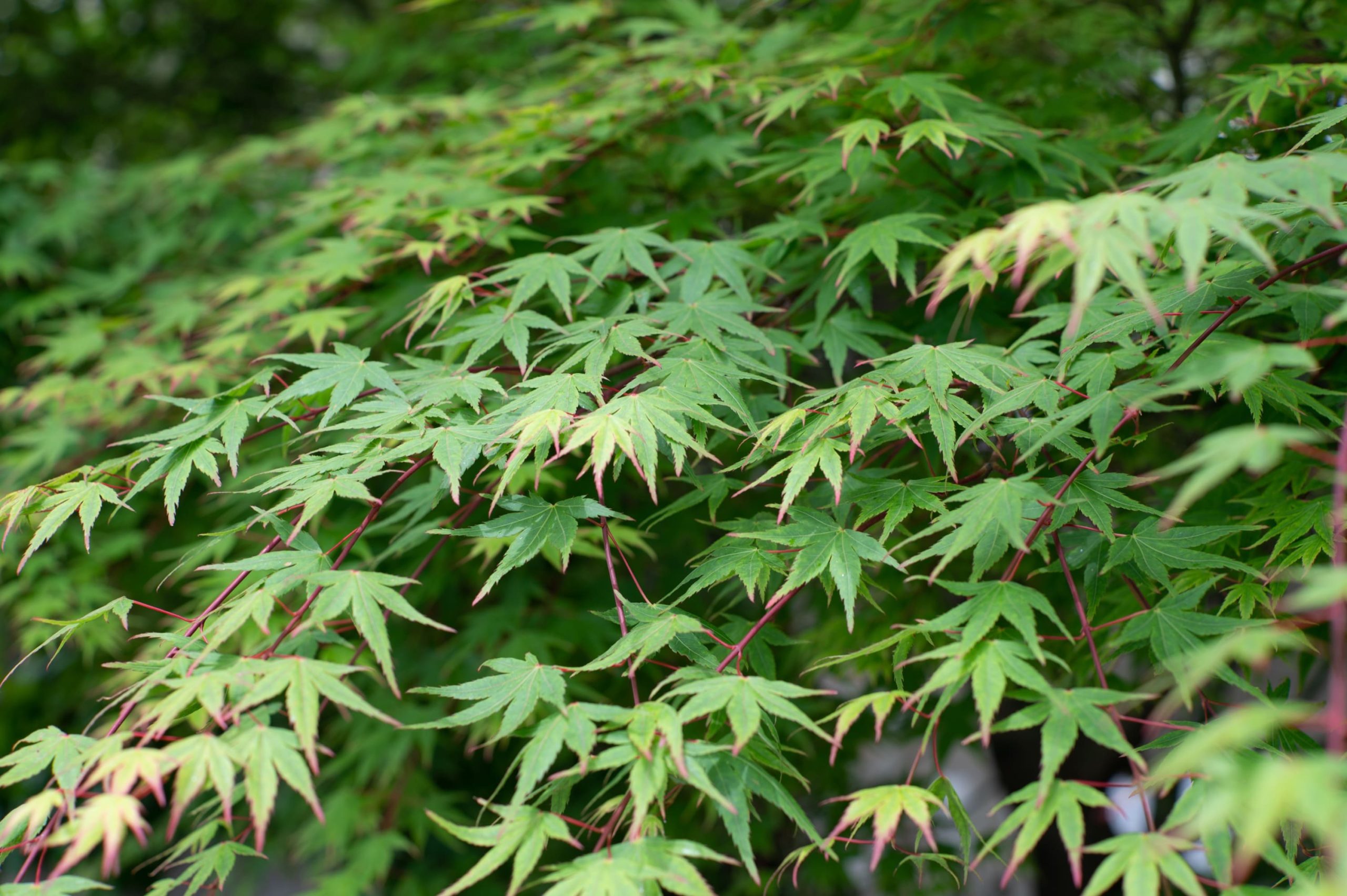

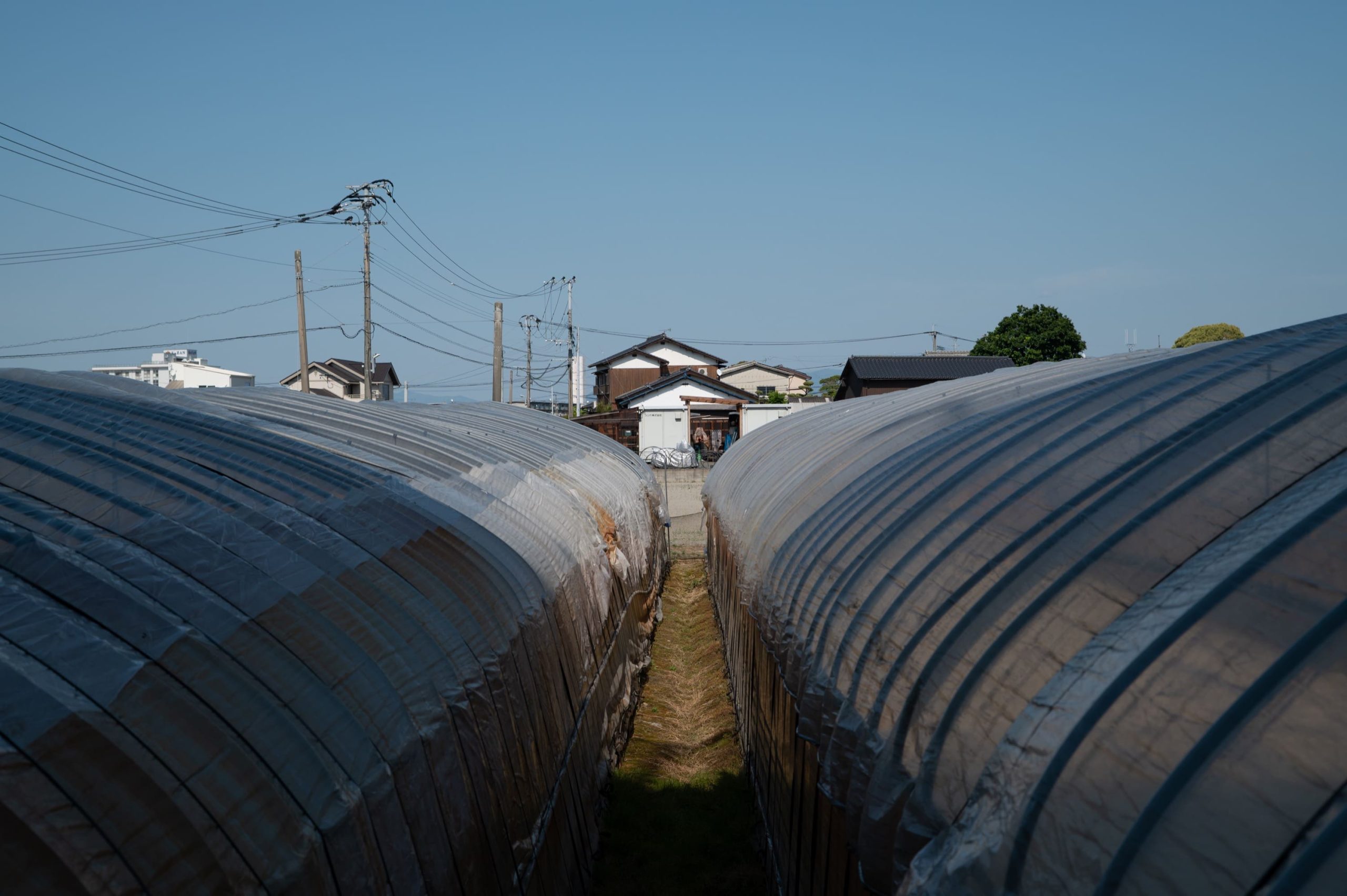
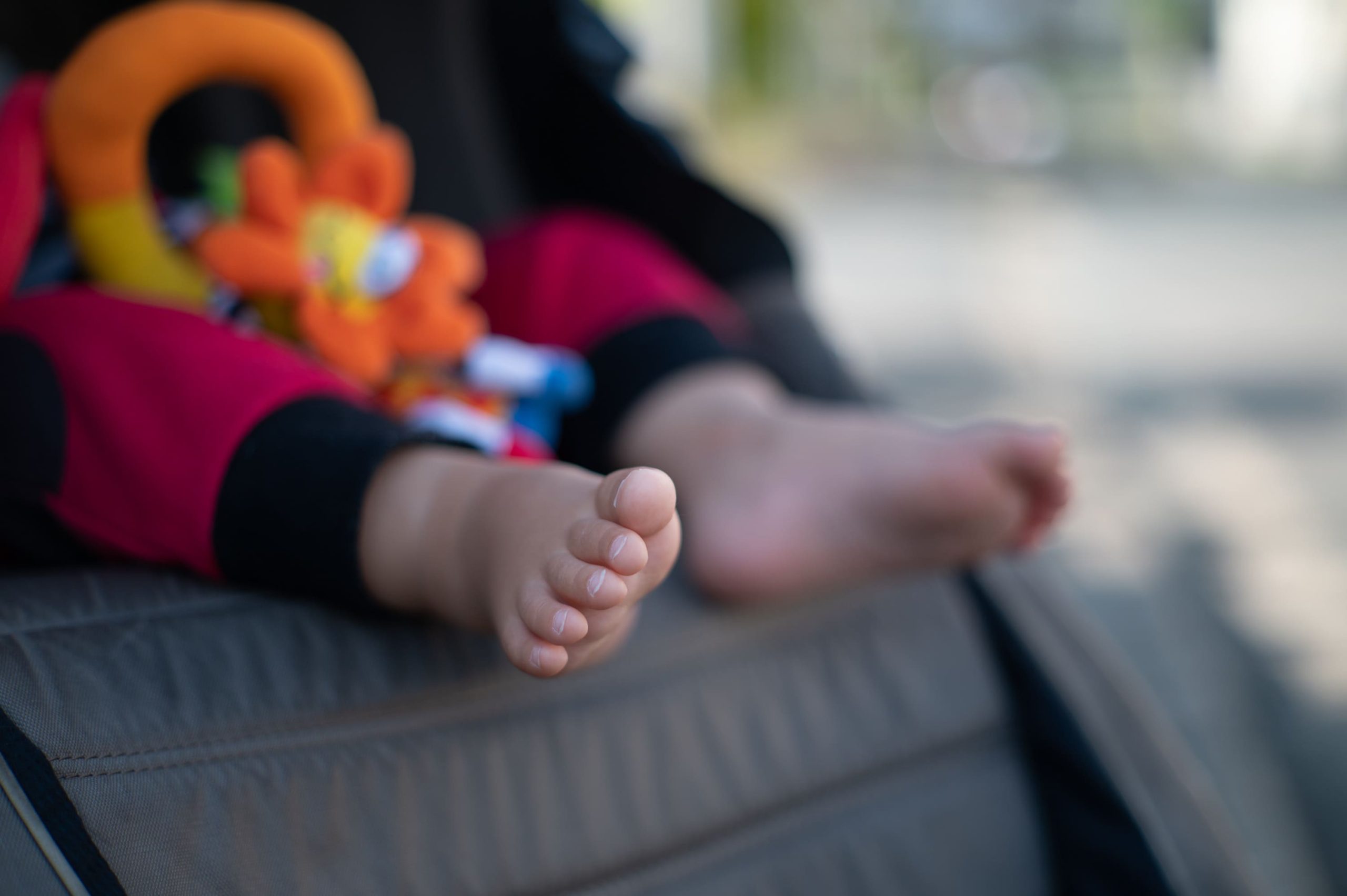
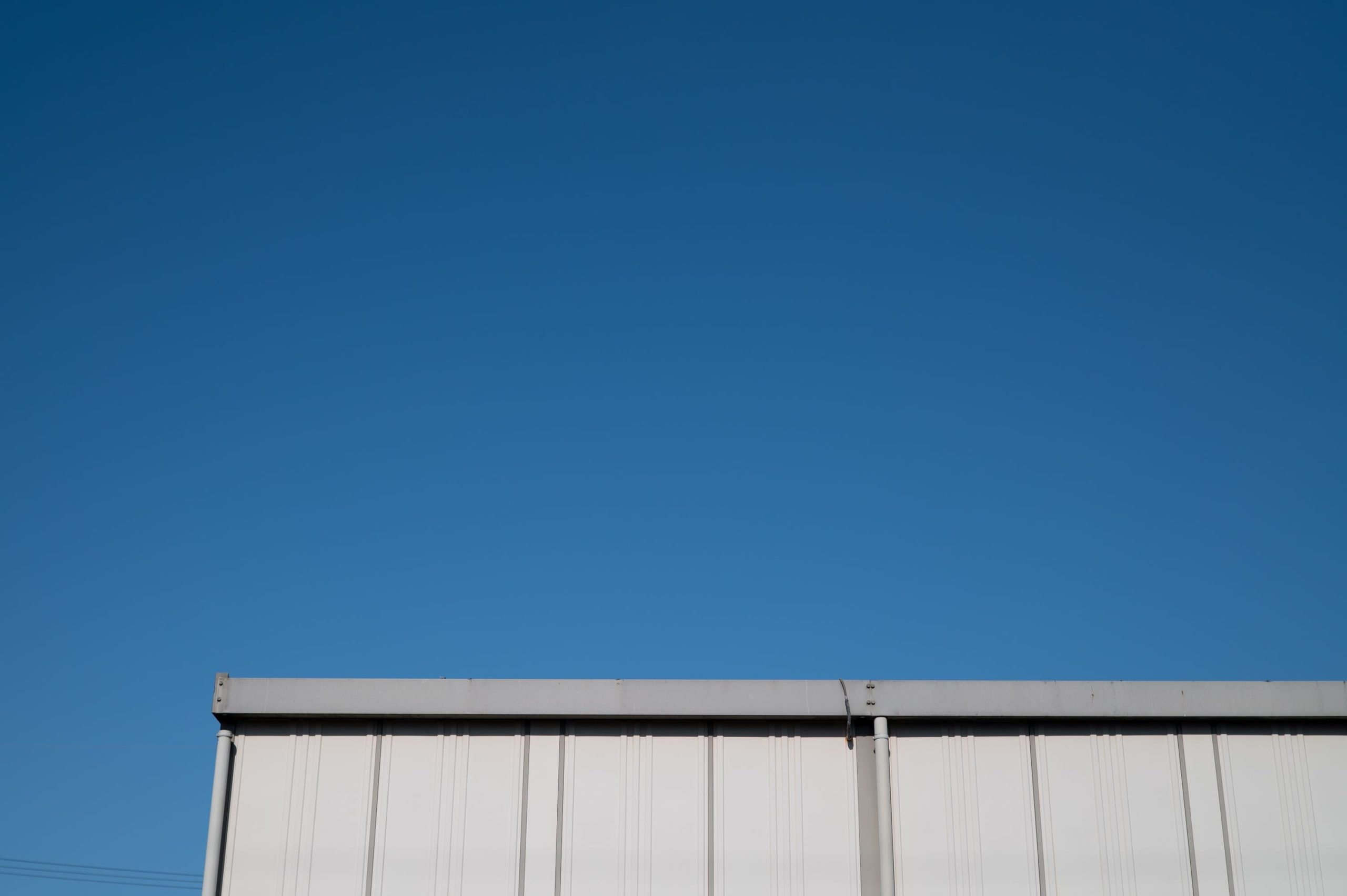
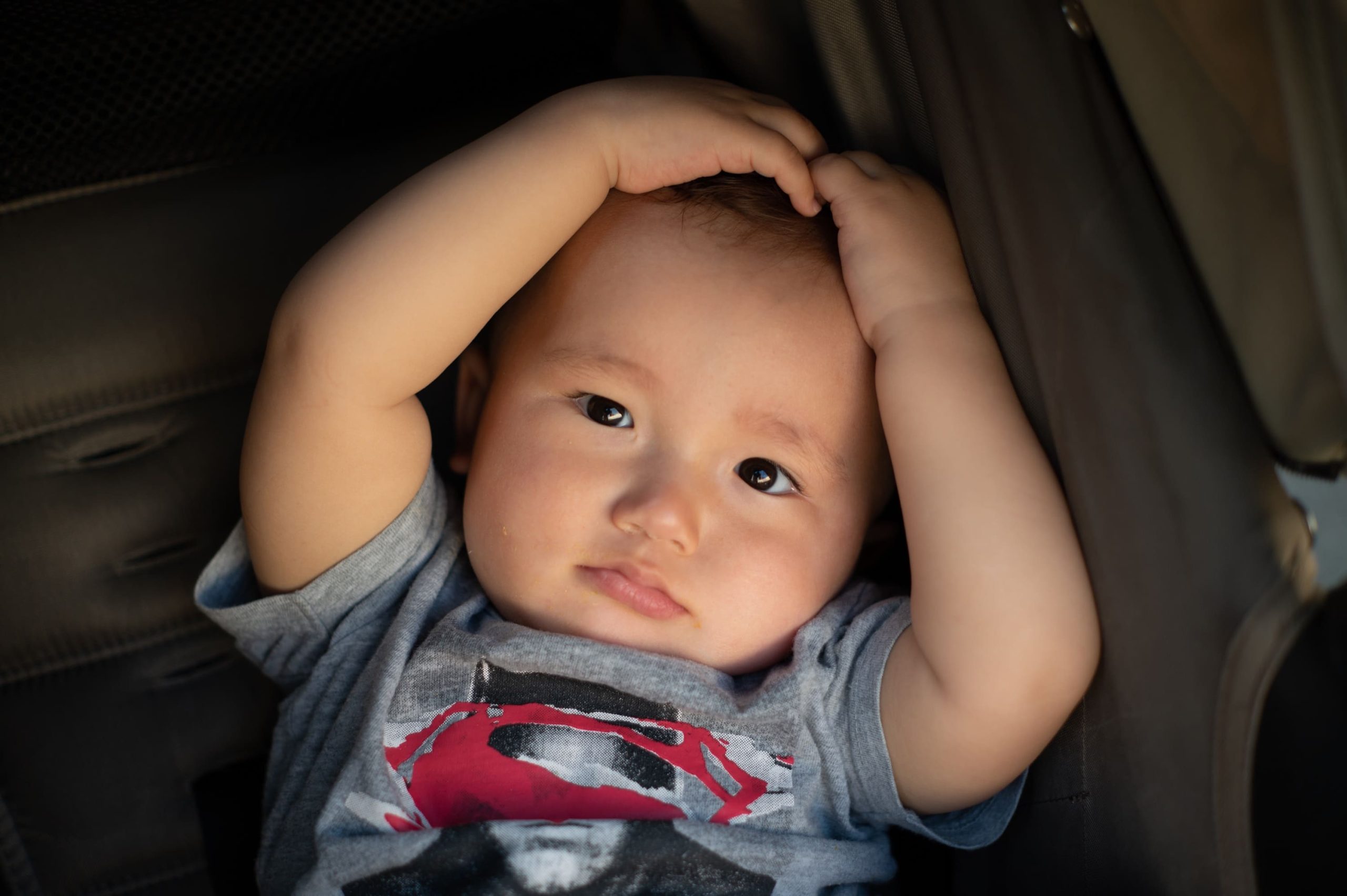
This lens produces very nice color reproduction. There are no strange shifts or weird color gradient issues or patterns.
Bokeh & Render Depth
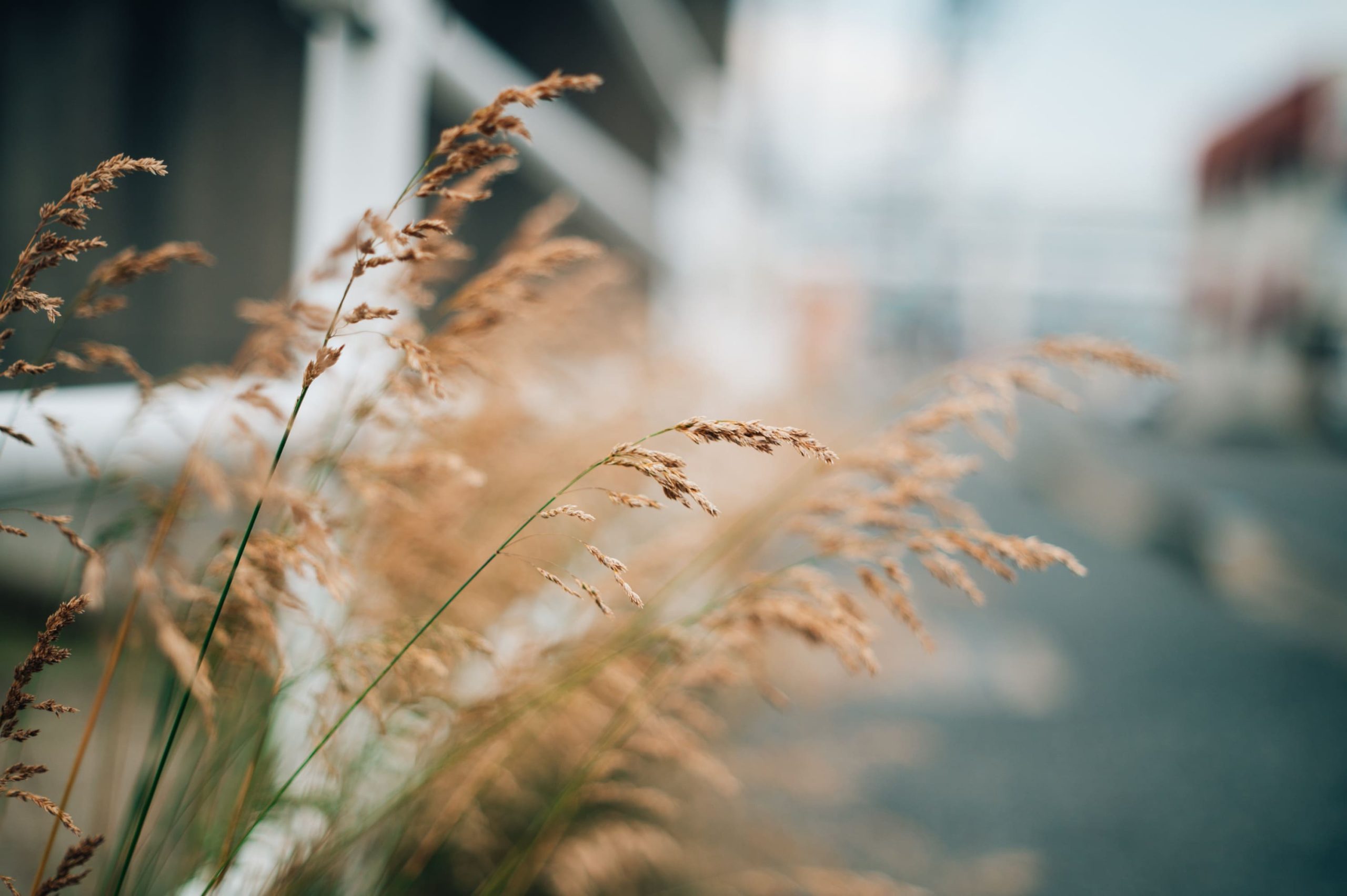
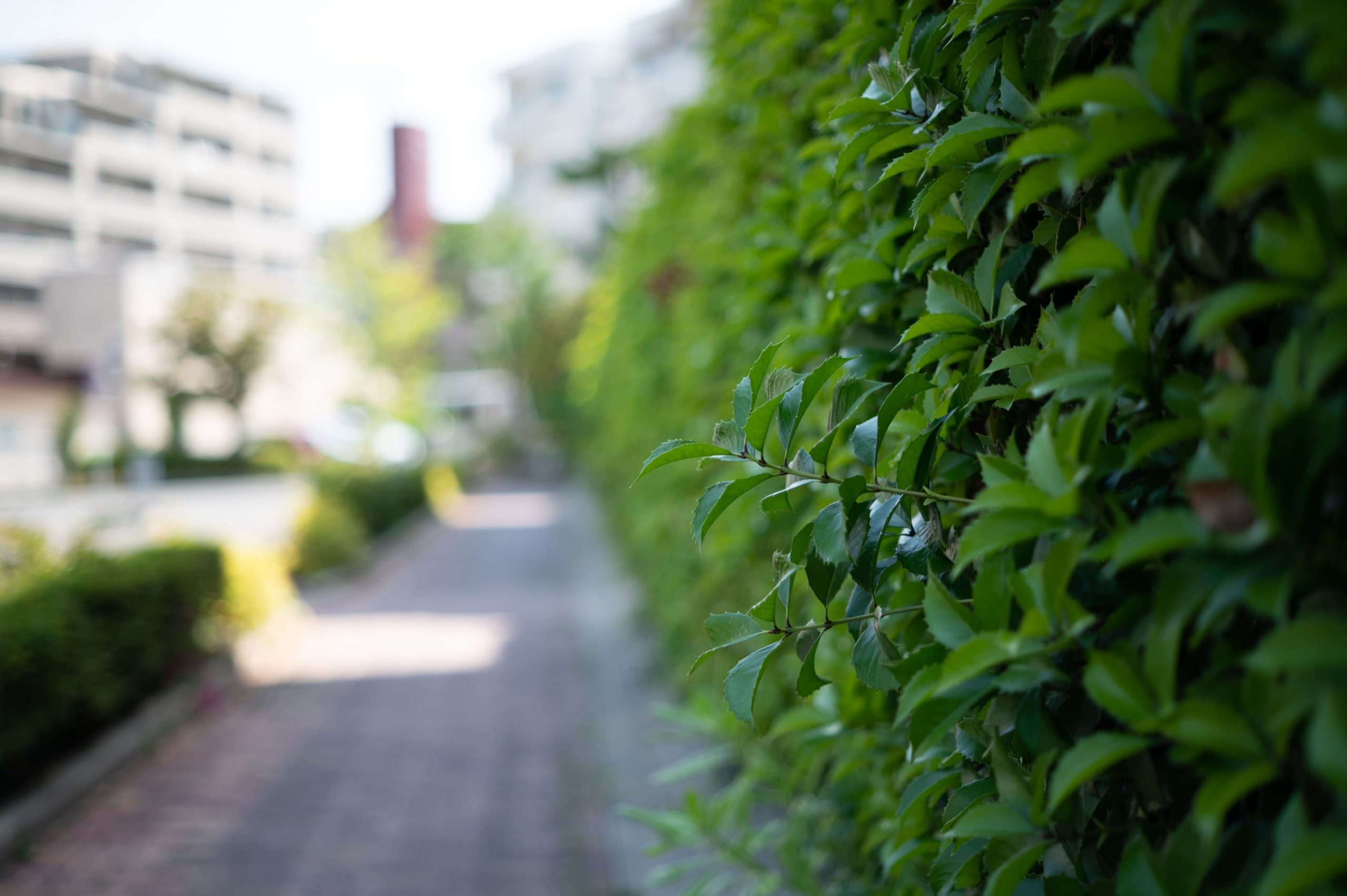
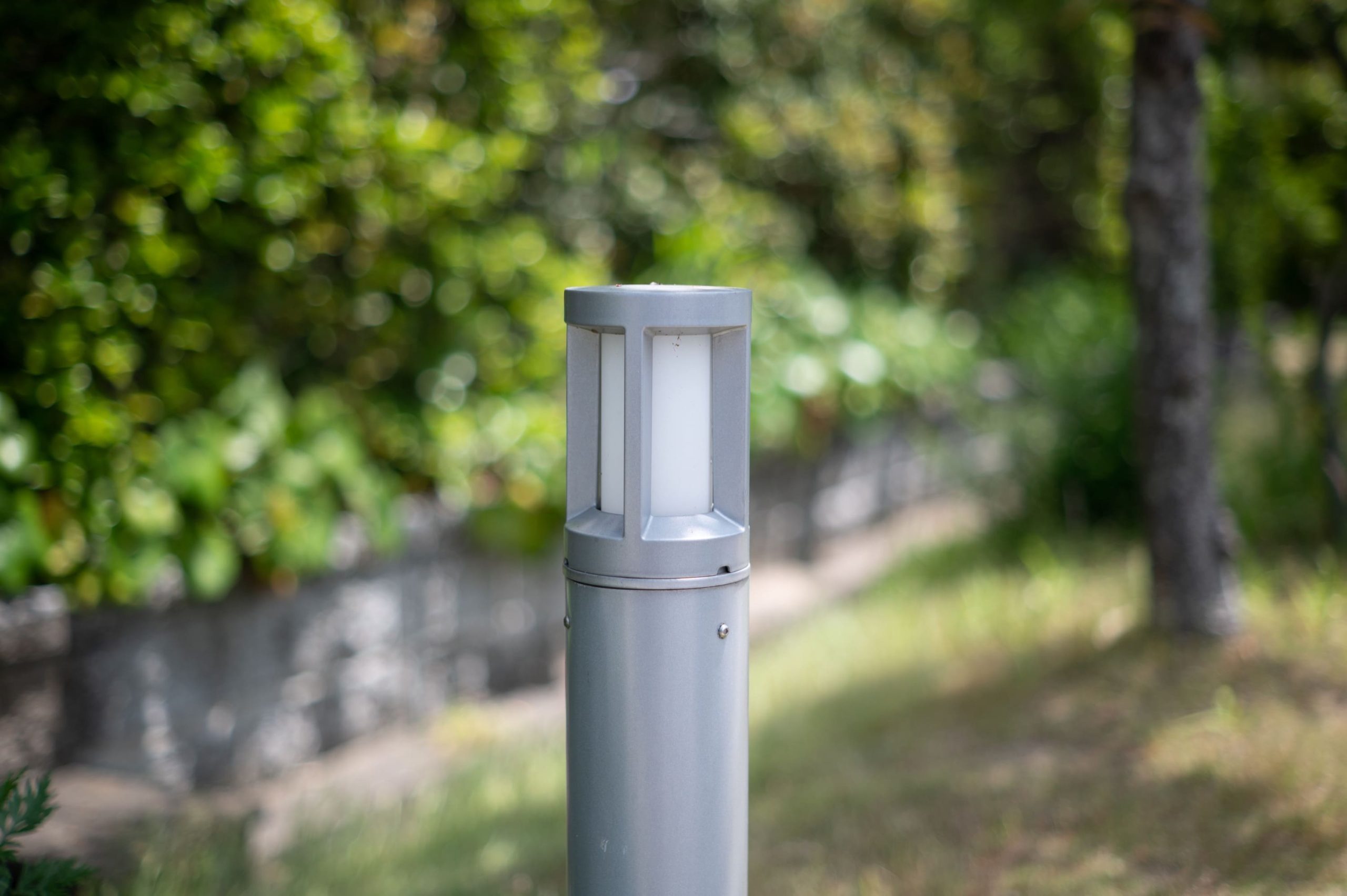
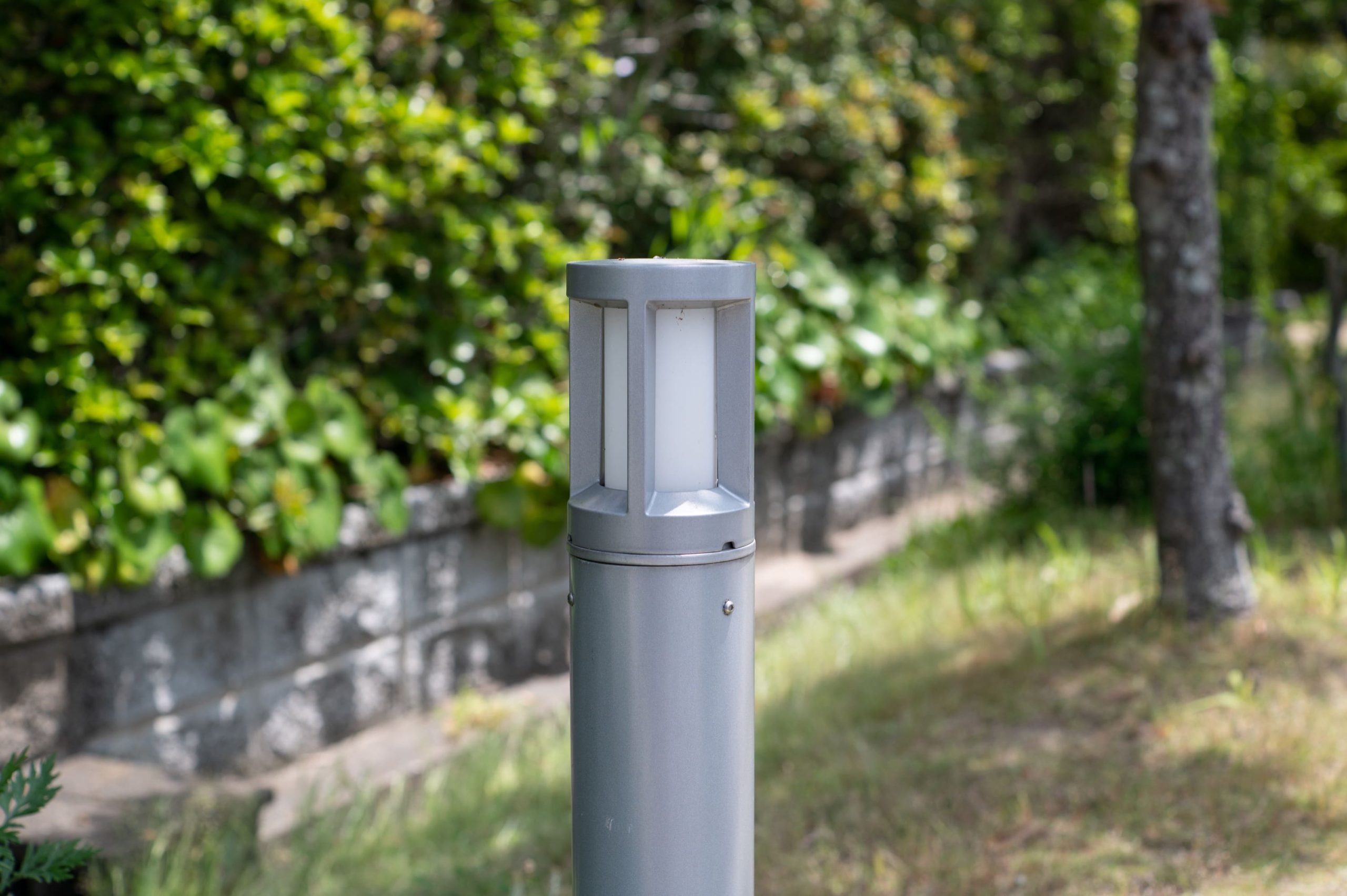
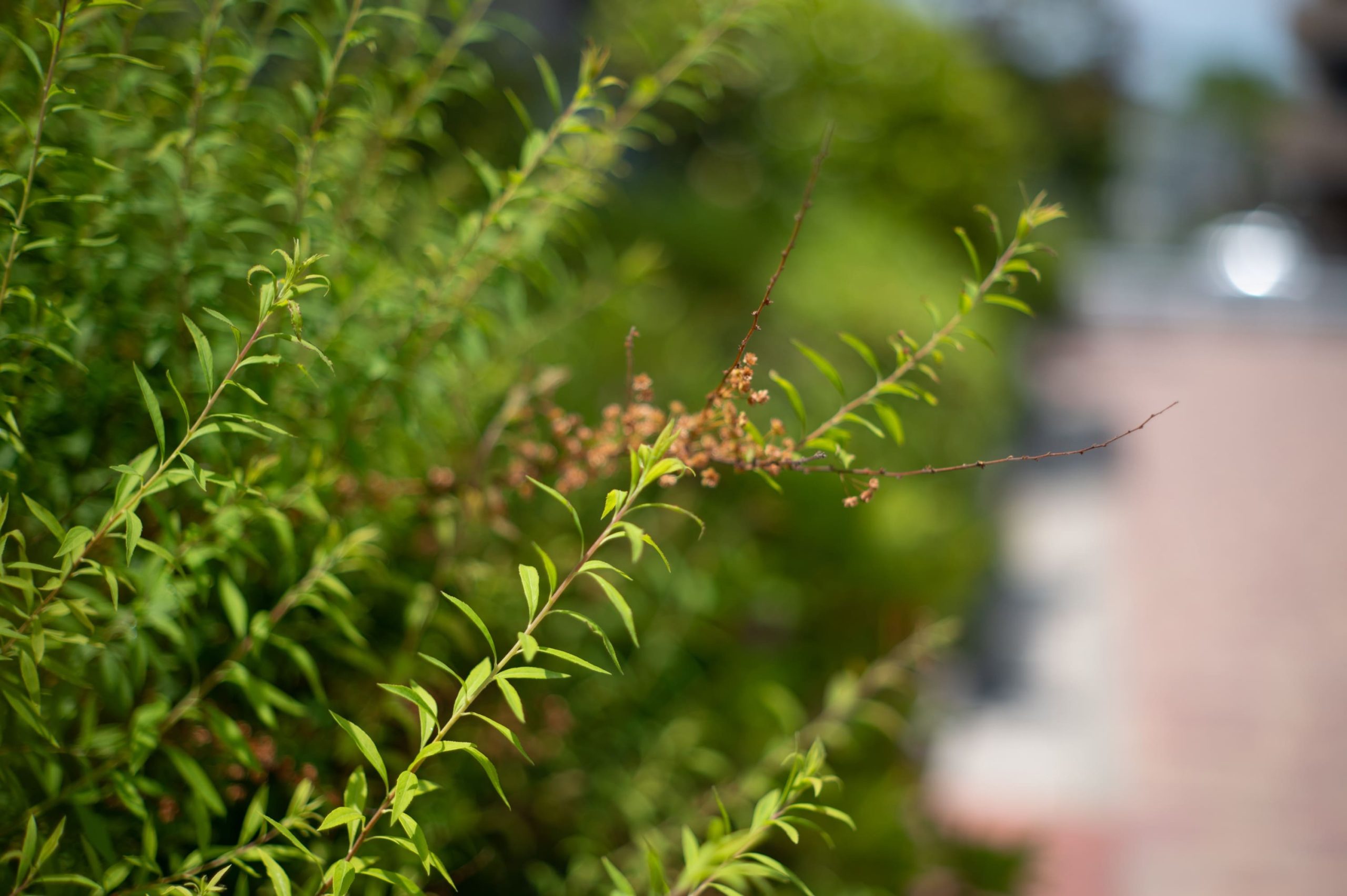
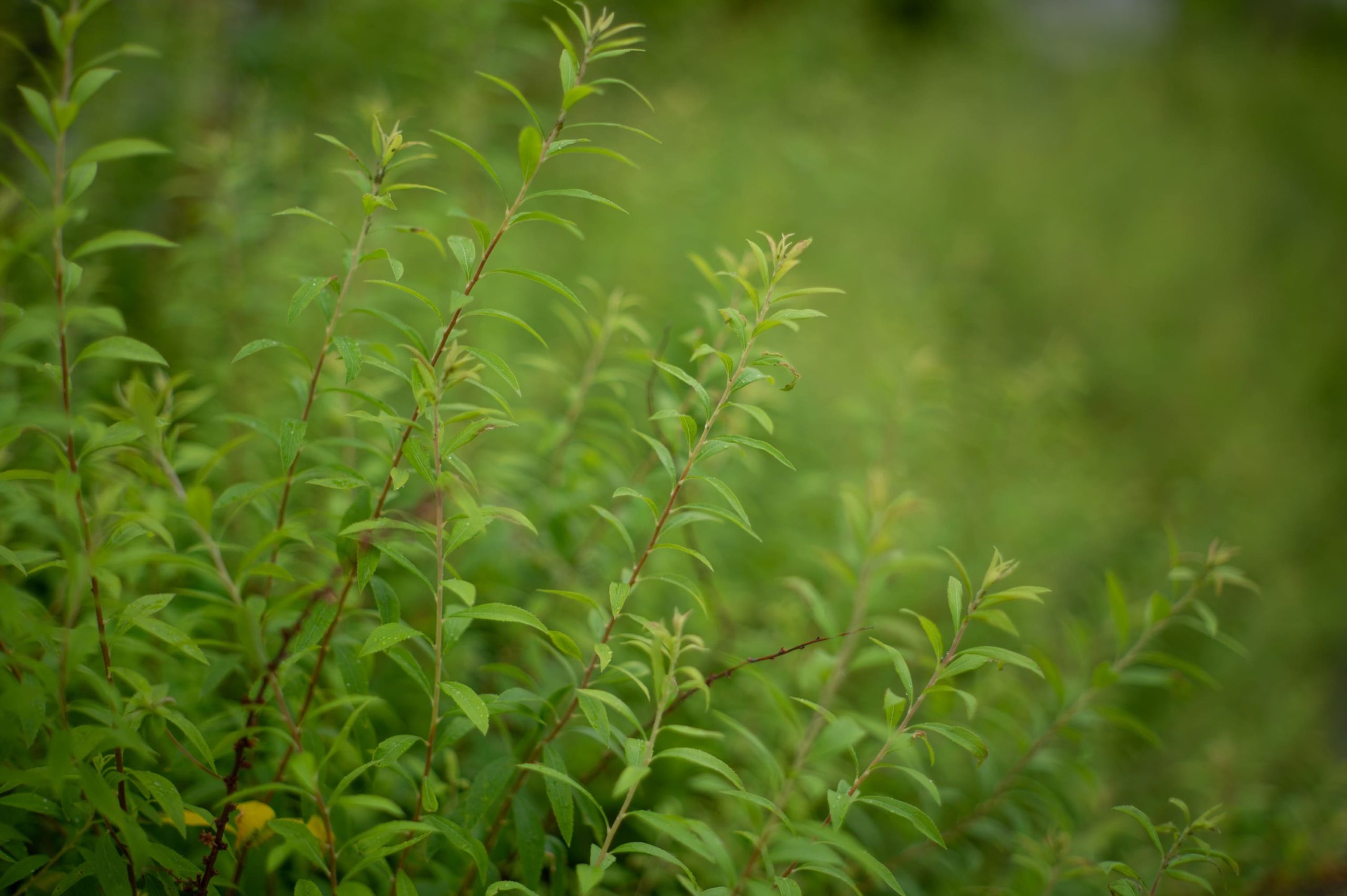
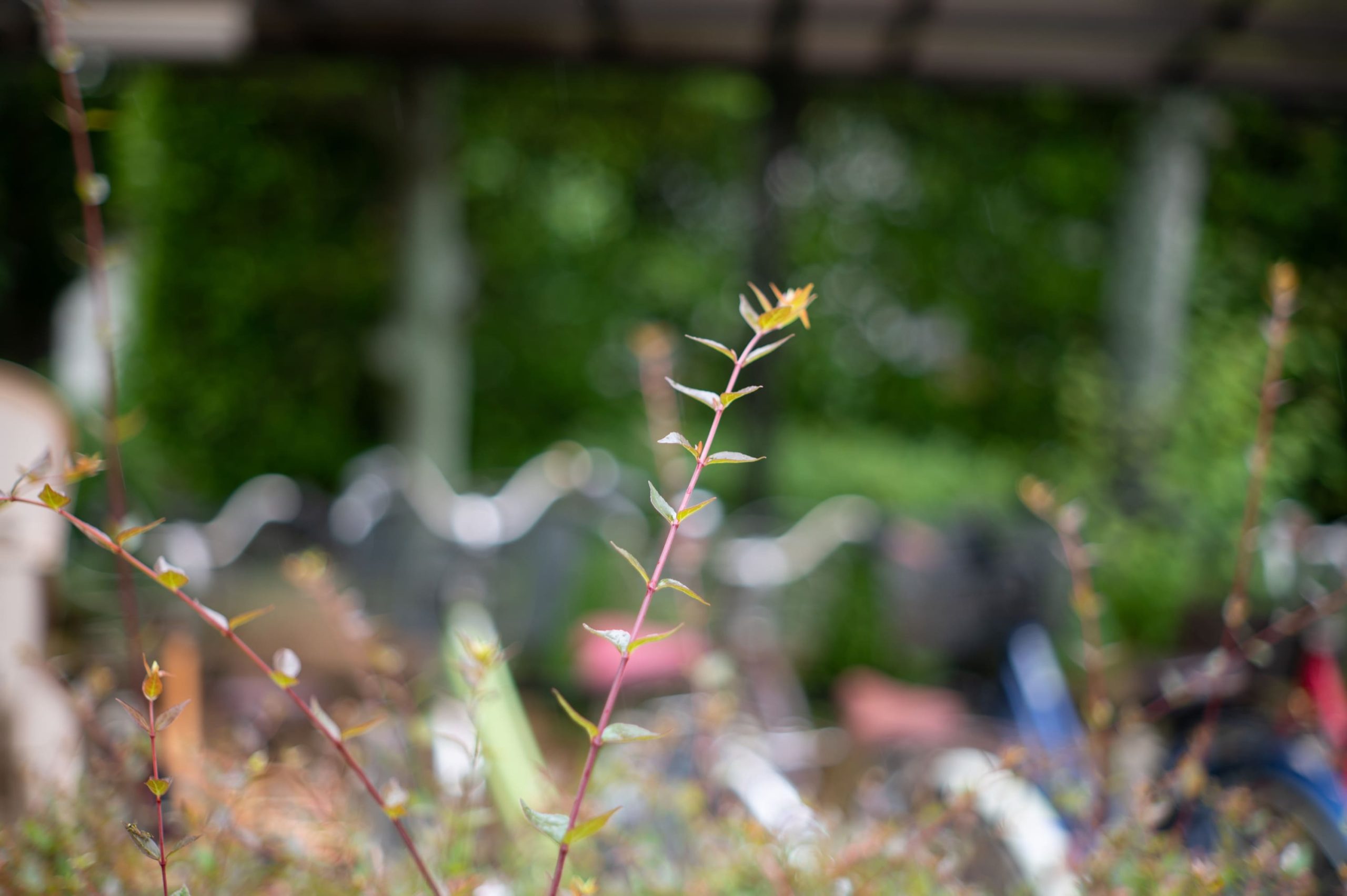
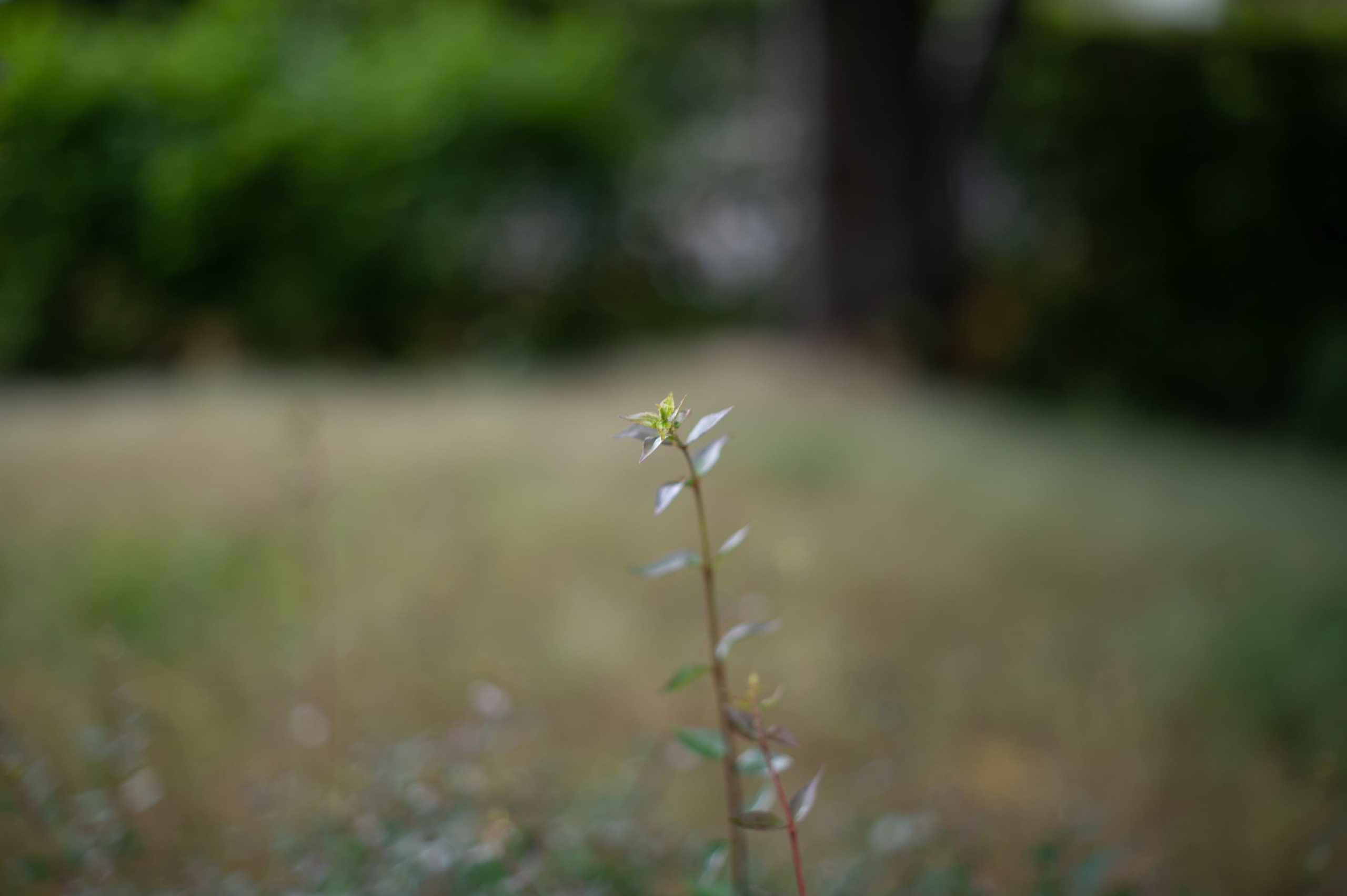
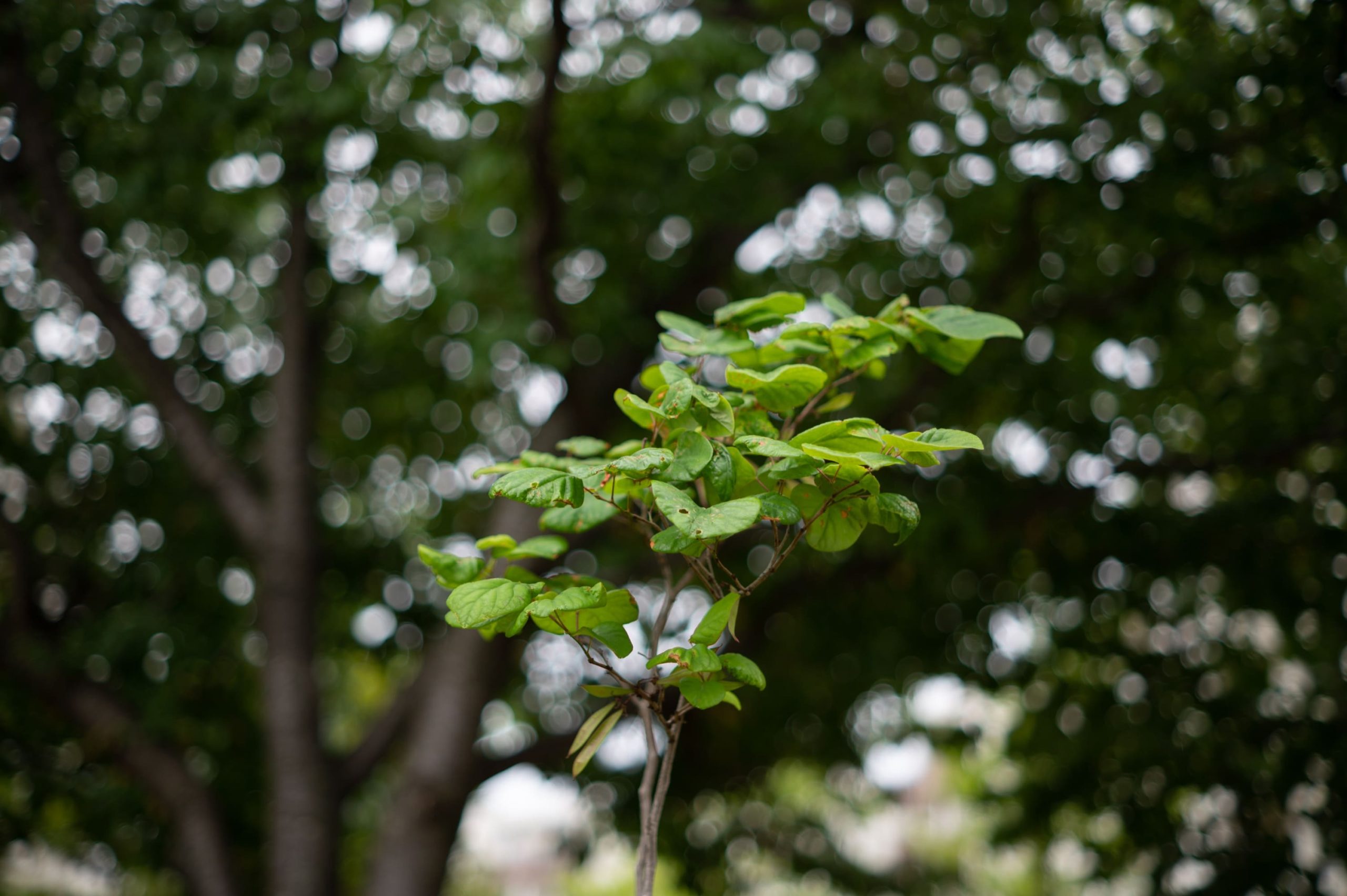
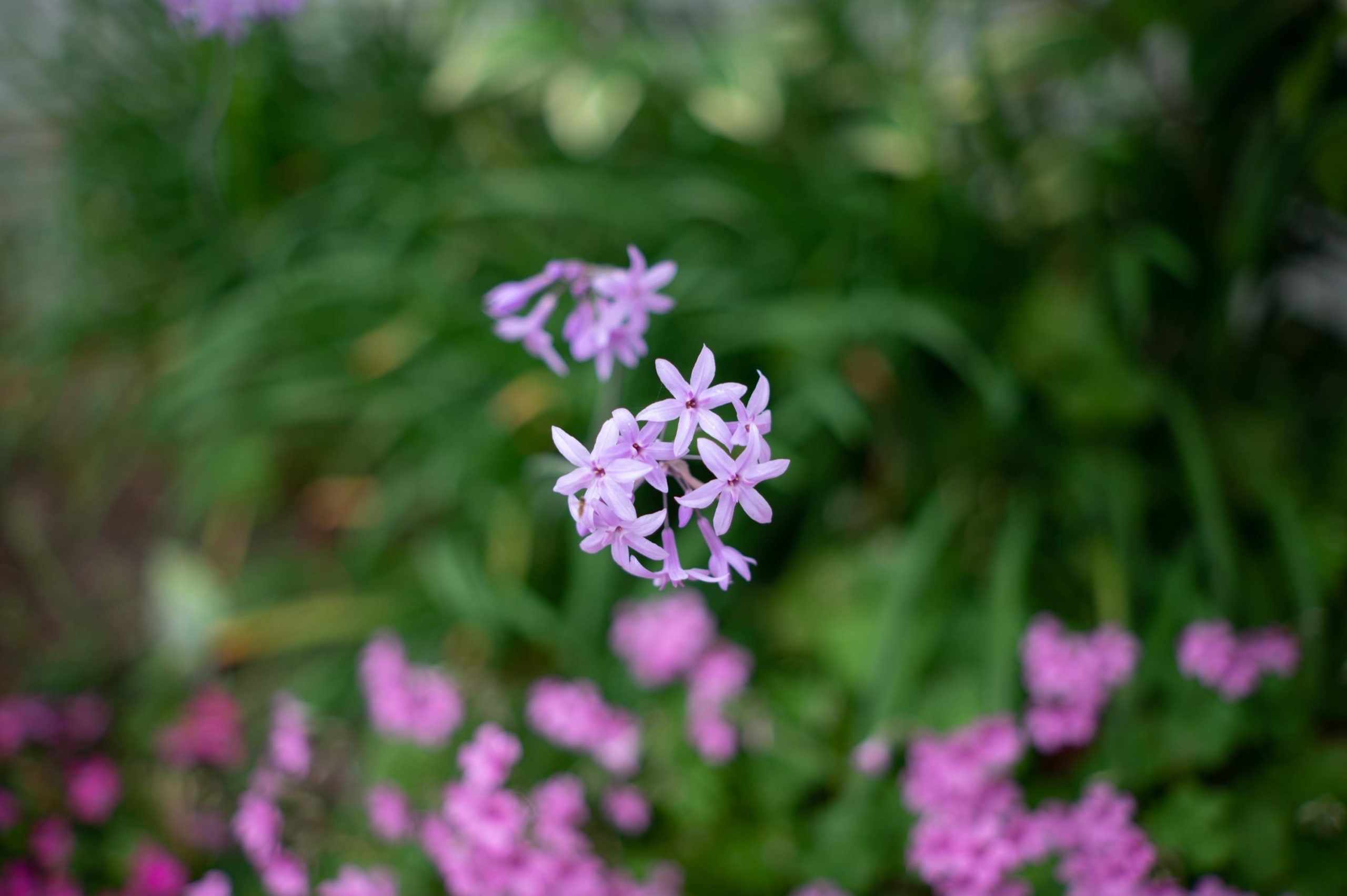
Bokeh is surprisingly pretty. There is no crazy swirl, some minor soap bubbles, and the geometry is well controlled because of the 12-bladed aperture. It’s actually a pretty lens with a very rich, smooth bokeh. I’d have to say this is one of the better bokeh lenses out there compared to all the cheaper lenses I’ve tested.
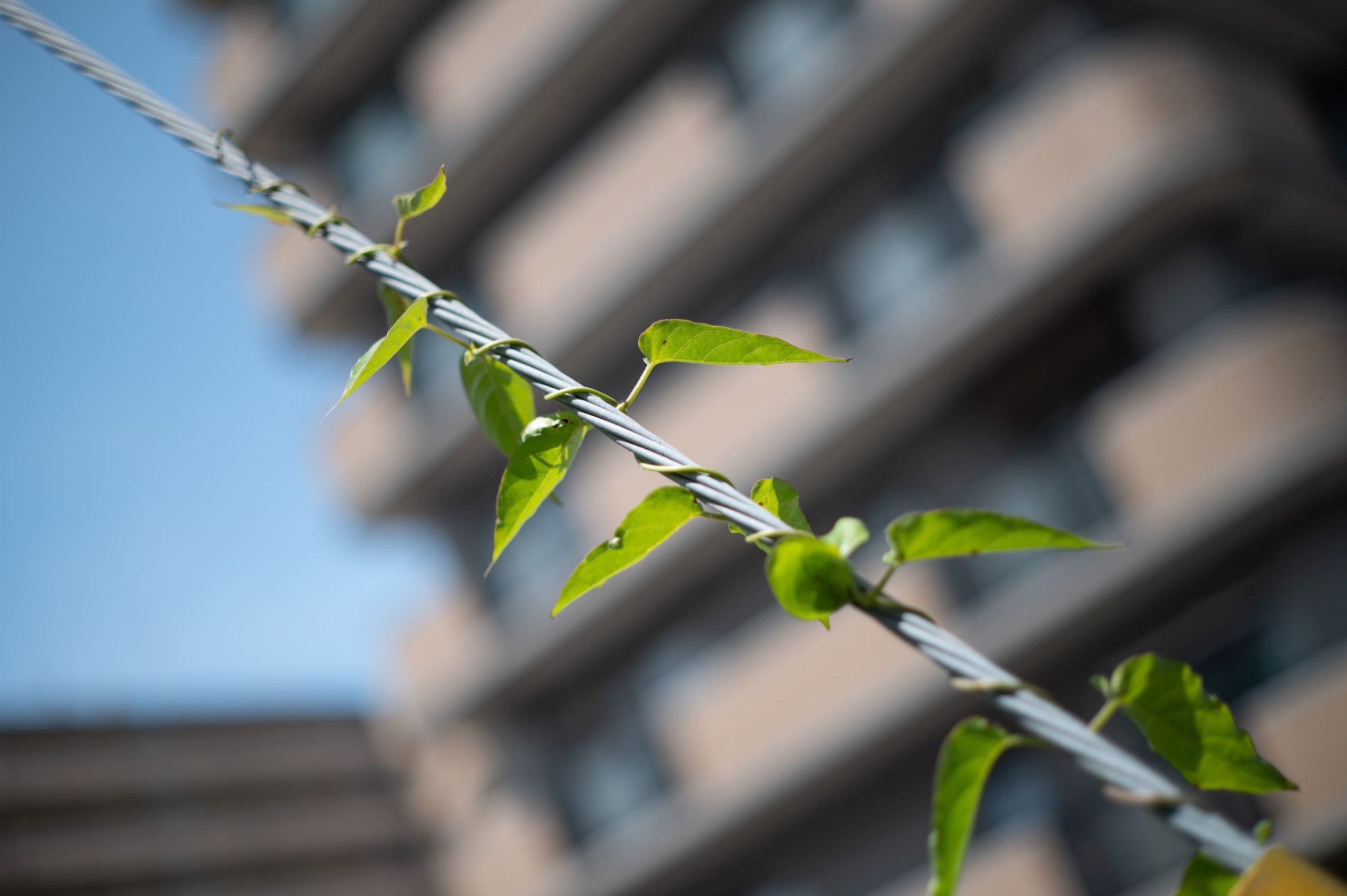
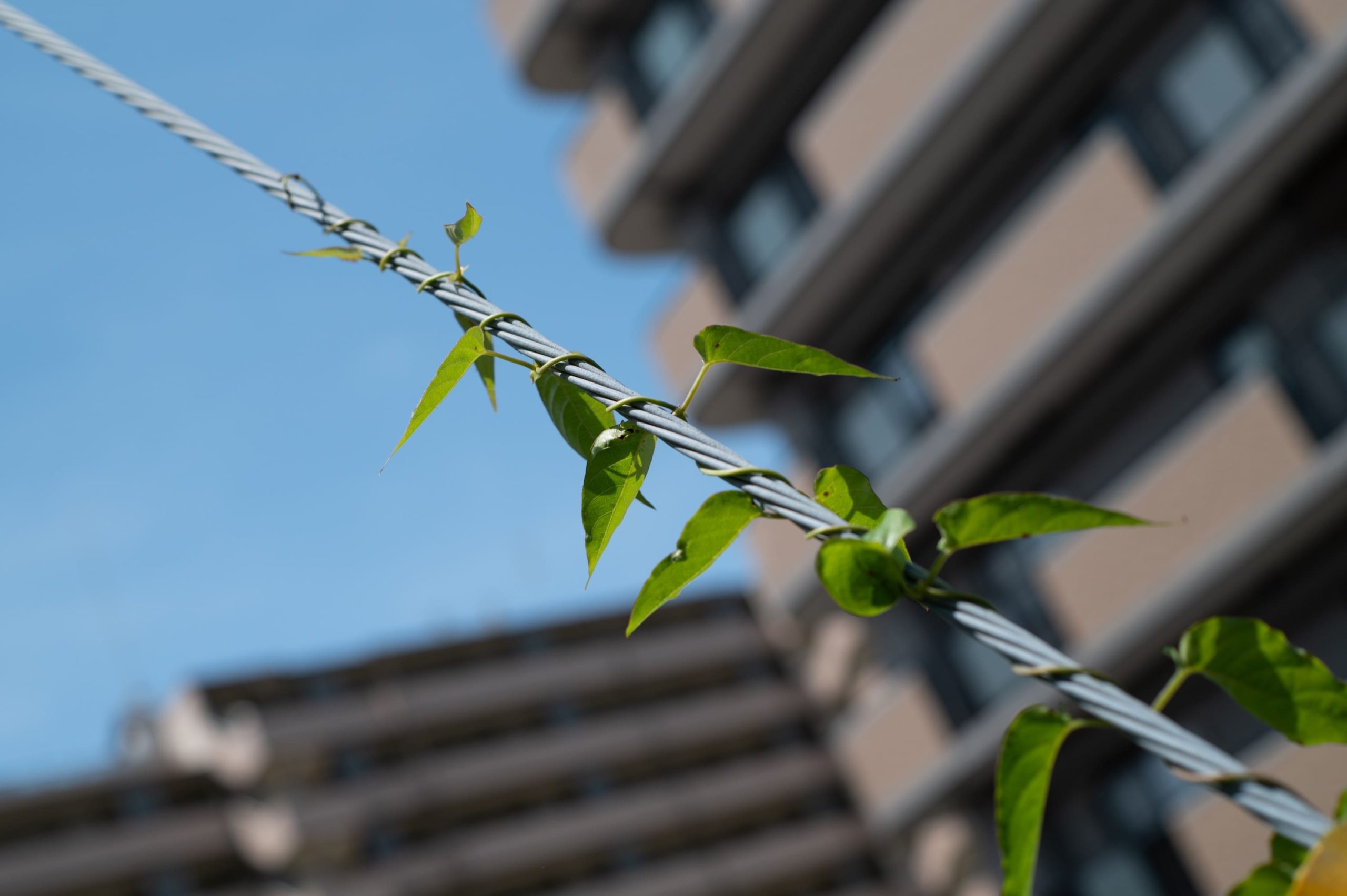
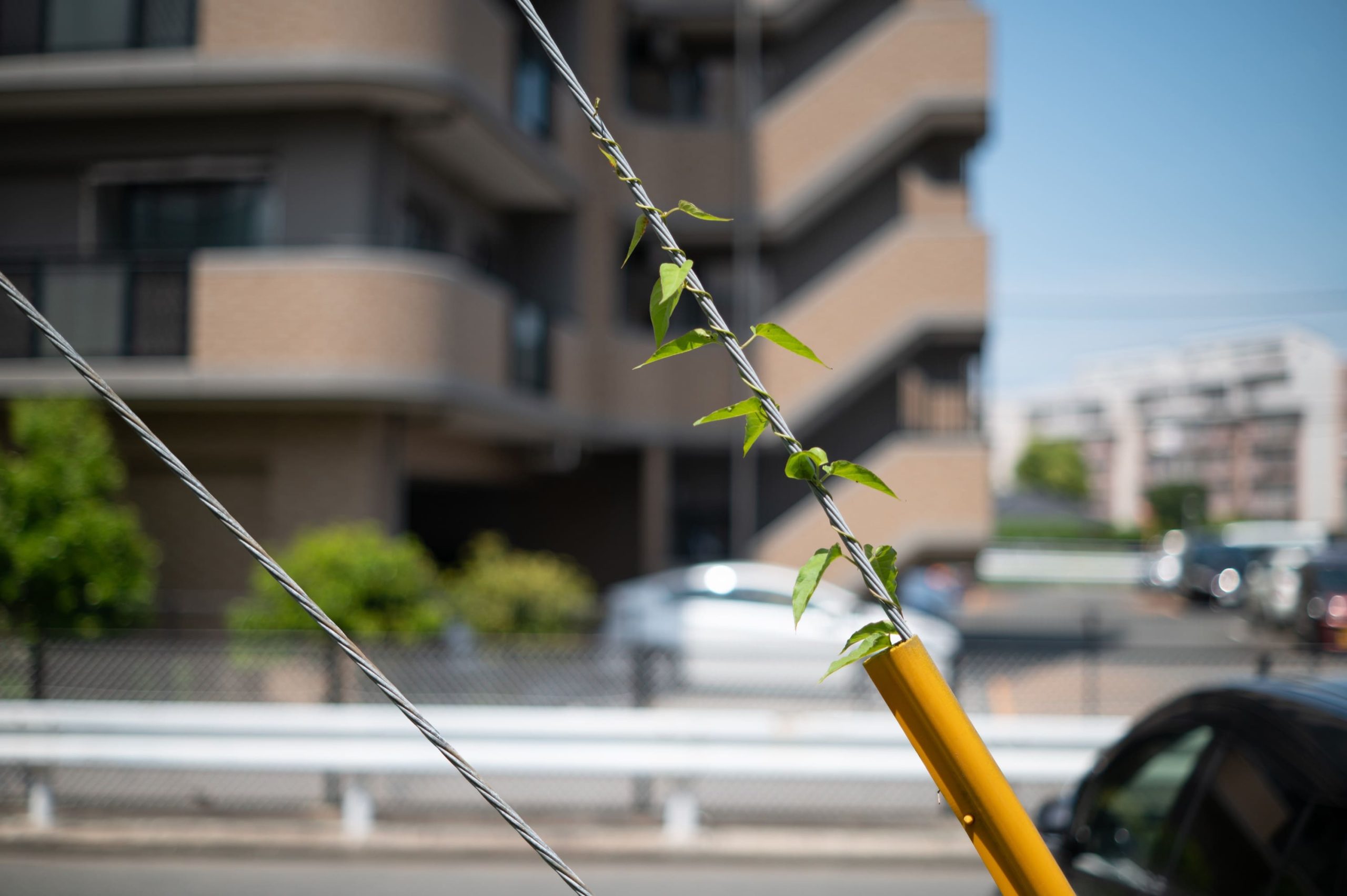
There are some minor issues with depth. The area just outside of what is in focus will not look great, especially if it has some intense highlights because there is some lateral CA that will mess things up, and you get this sort of nasty ghosting thing that happens with some edgy bokeh. It won’t happen in most images, but if you’re shooting some vines or twisty things, you might notice it, and the farther away, the worse the effect.
Like with this sample.
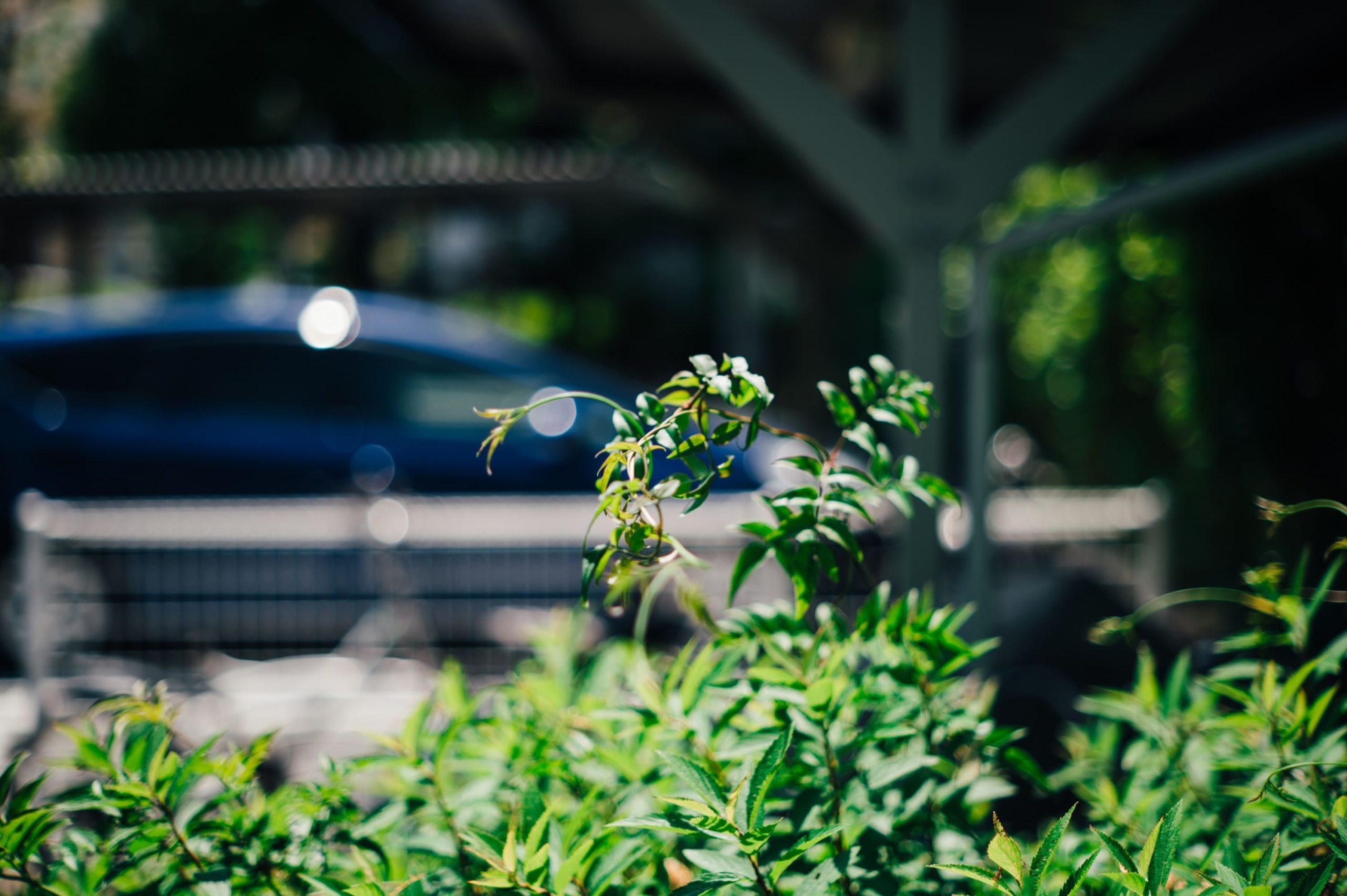
For the most part, if you don’t have something heavily detailed like a person’s face, the transition from in and out of focus is nice.
While this lens can focus to infinity fine at f1.7, it will not have great rendering at those distances. Really, anything about 30 feet (about 10 meters) and beyond won’t look great if you’re wide open, which is the biggest difference between a lens like this and a larger pro lens like the Nikon 50mm f1.8 S.
But it’s not unusual for a lens rendering to fall apart when wide open at far distances, especially one this small.
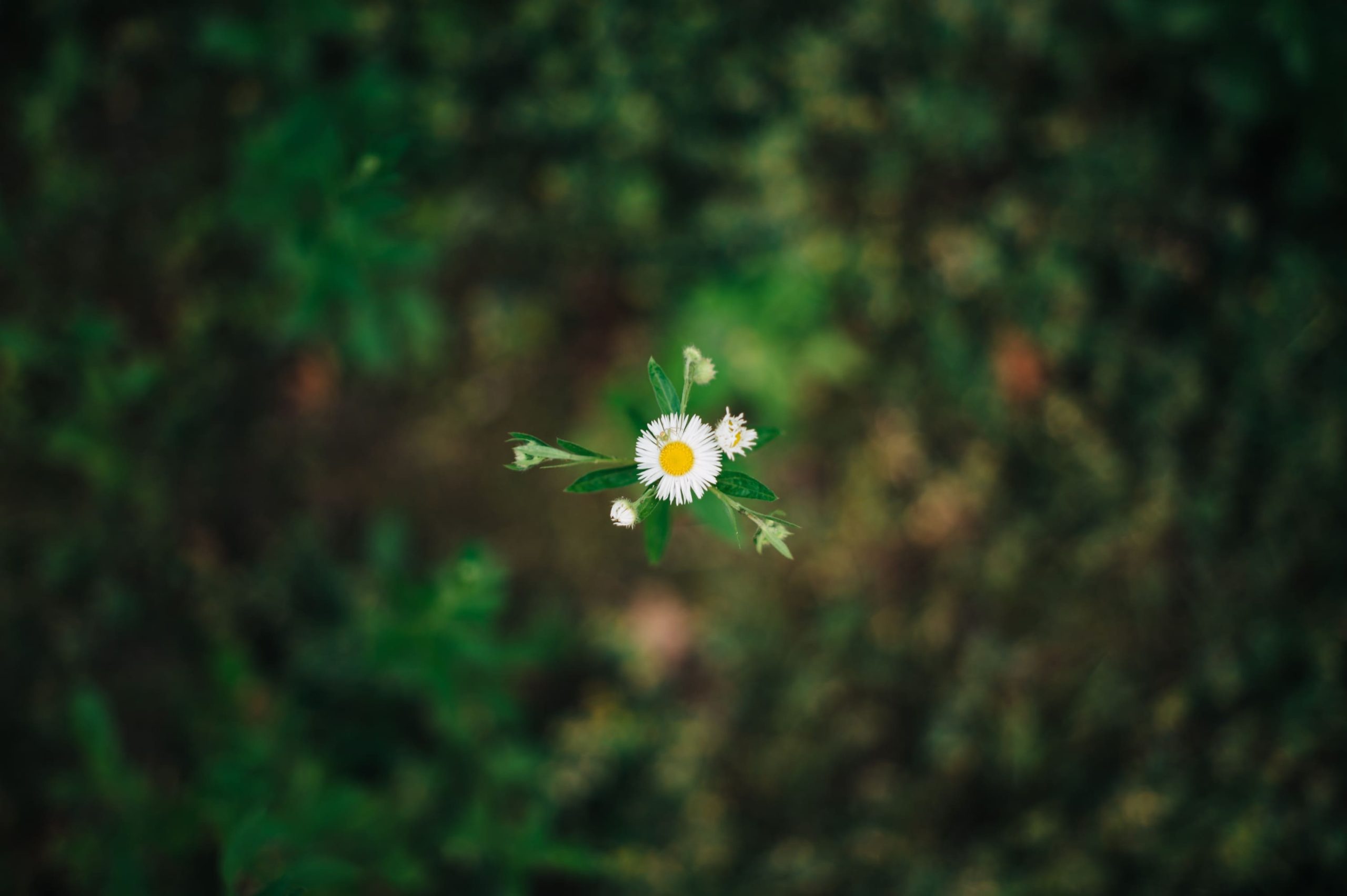
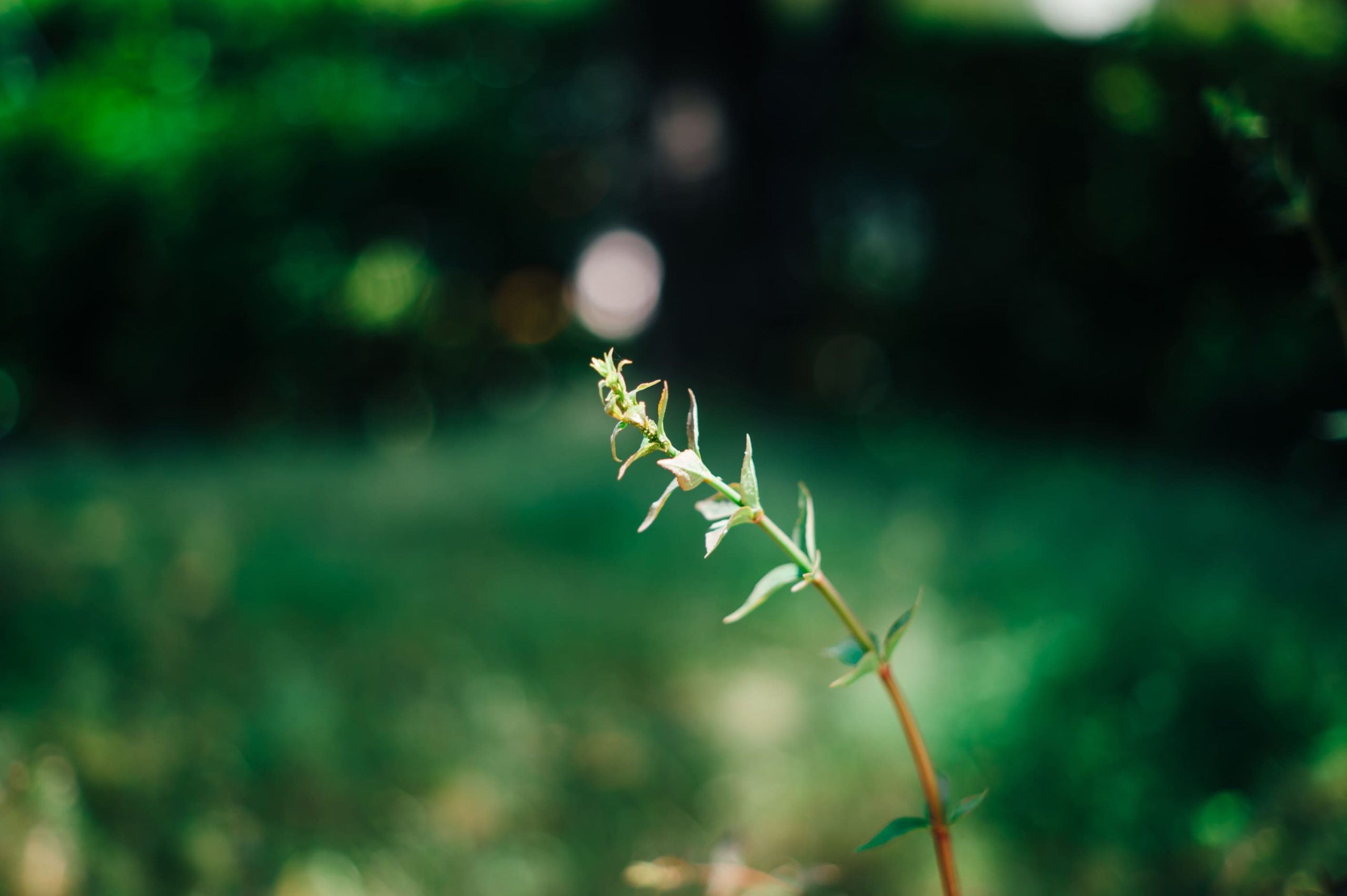
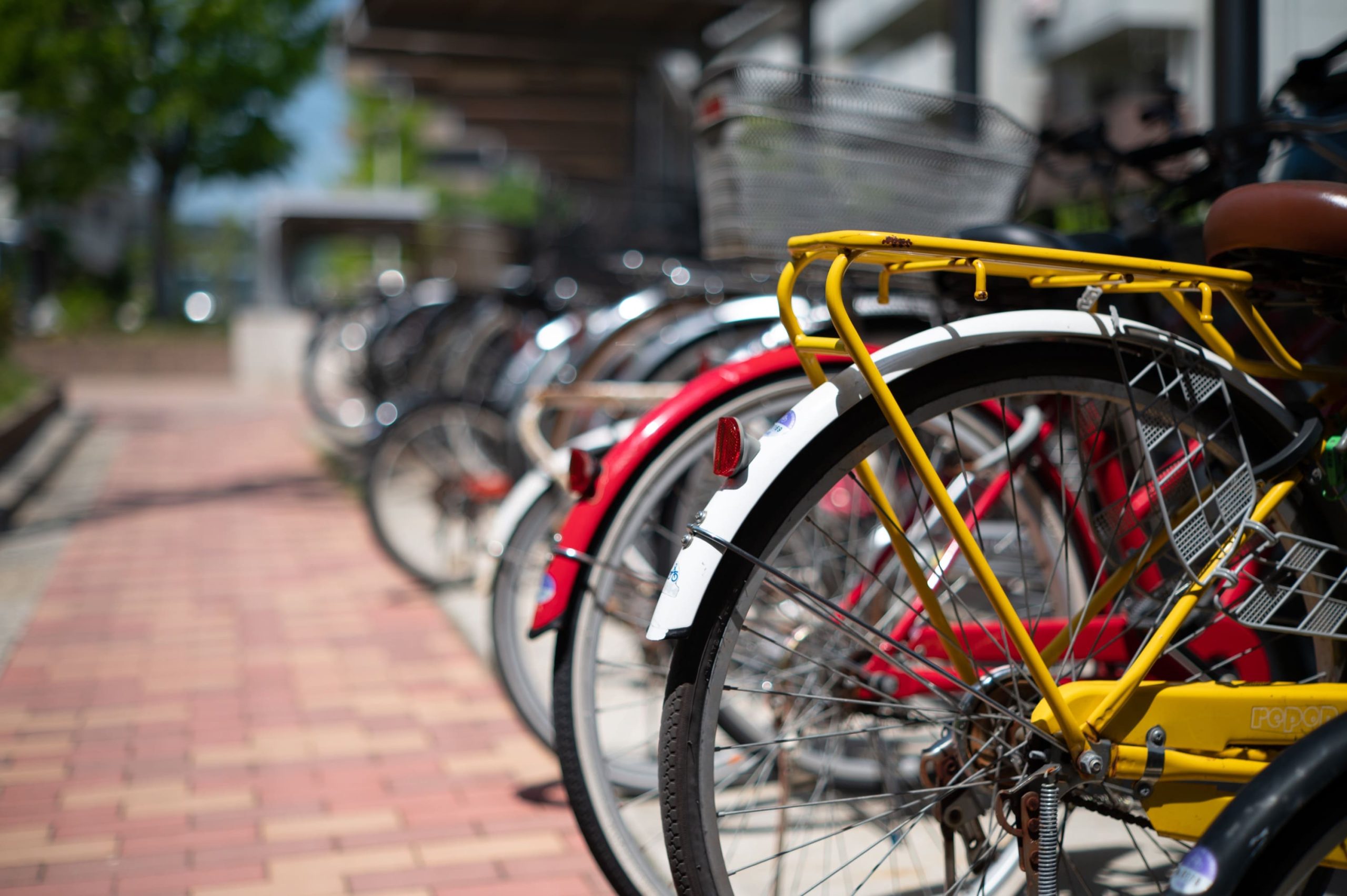
Some of these samples have been colored for effect. Most are SOOC (Adobe Defaults). The bottom six samples in this mix are taken on an overcast day, which produces nicer results.
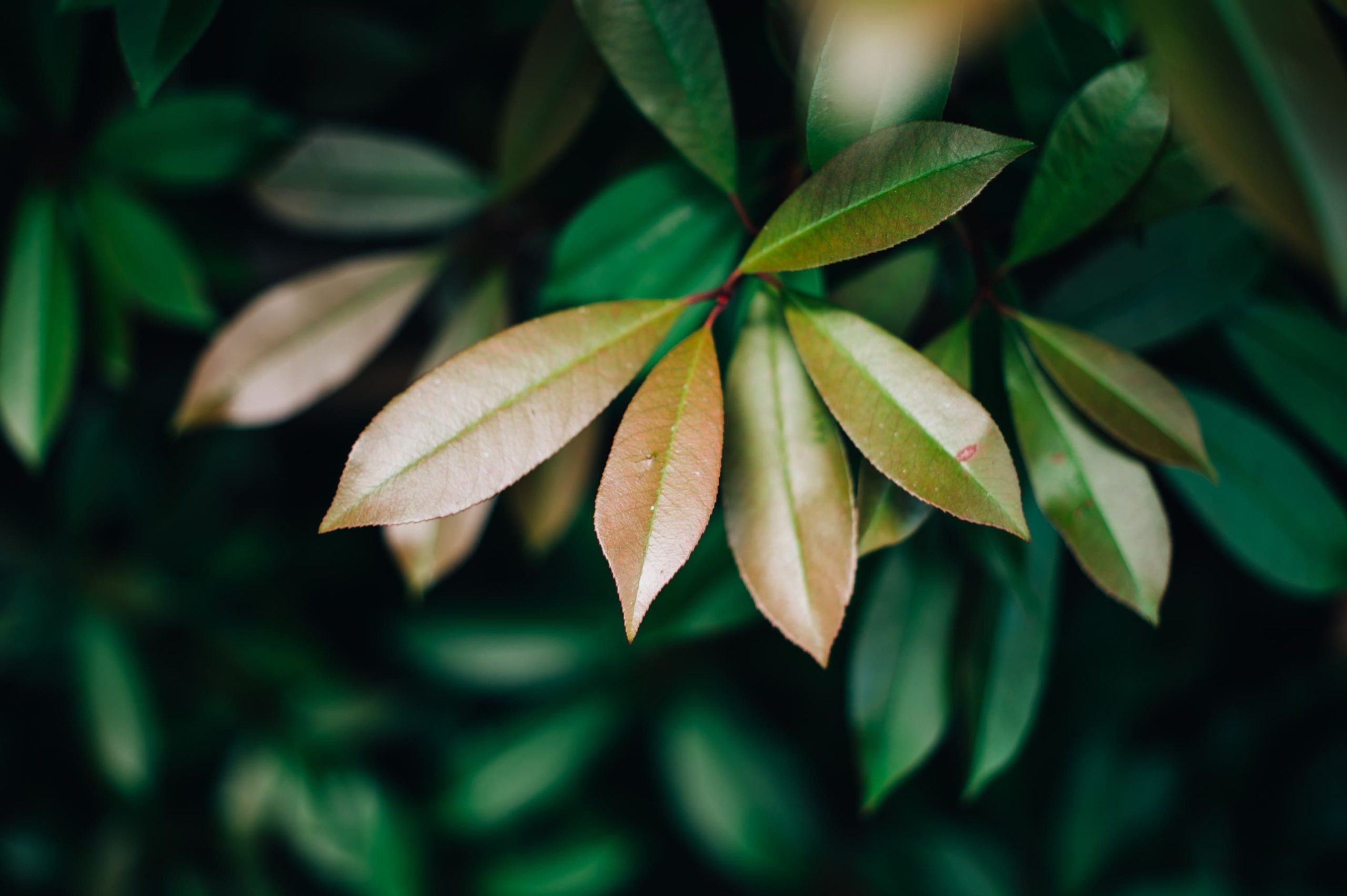
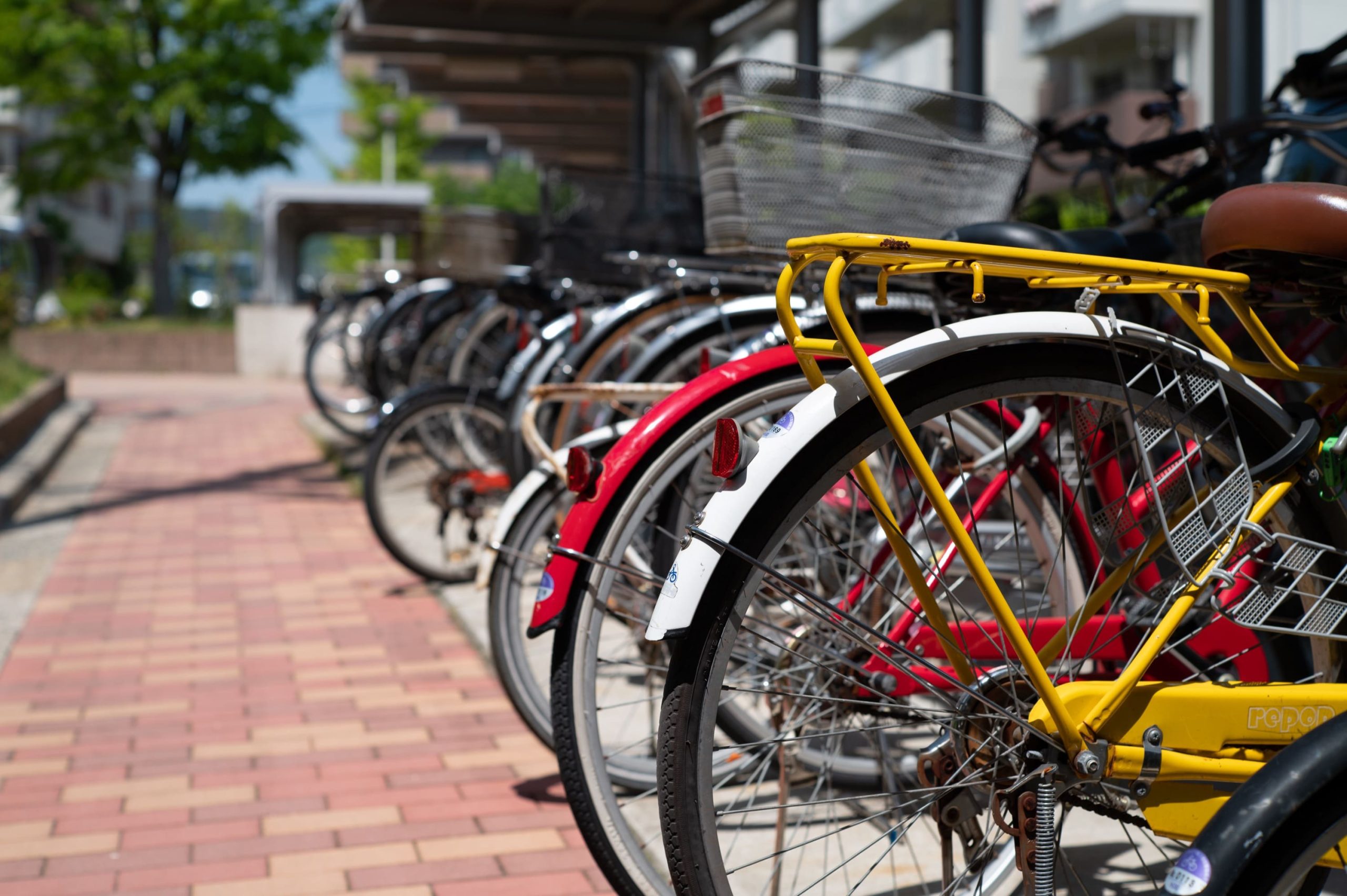
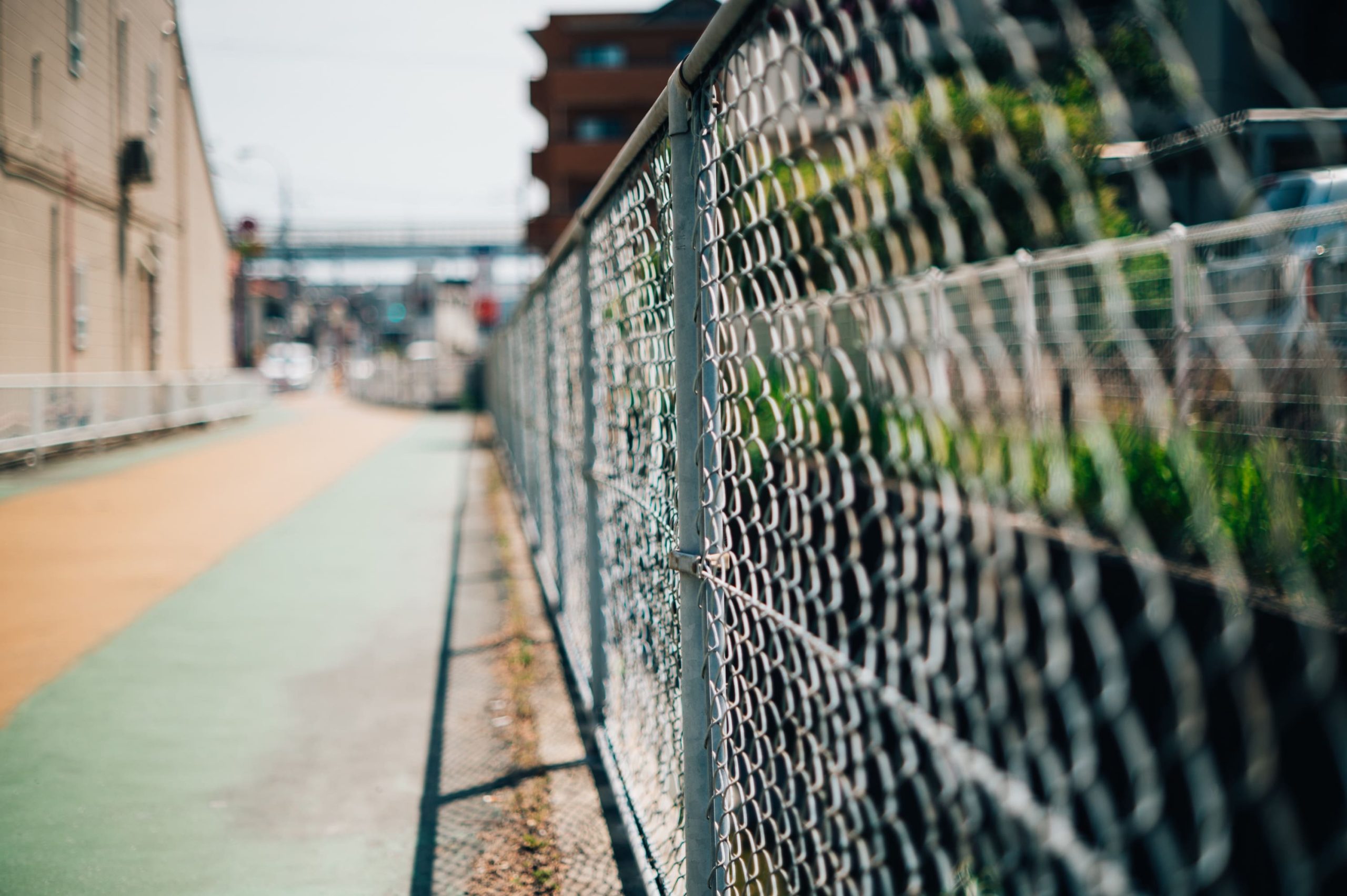
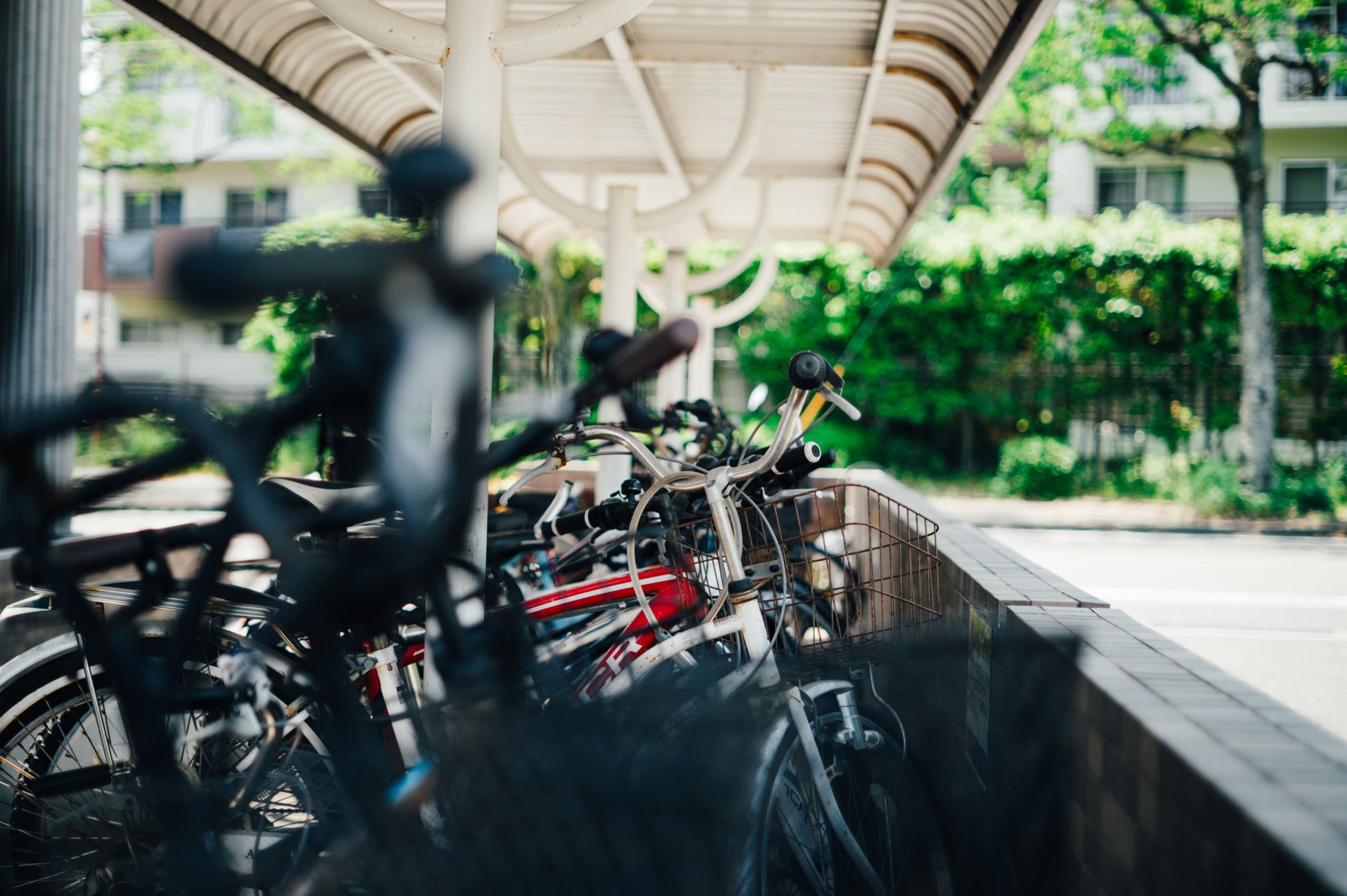

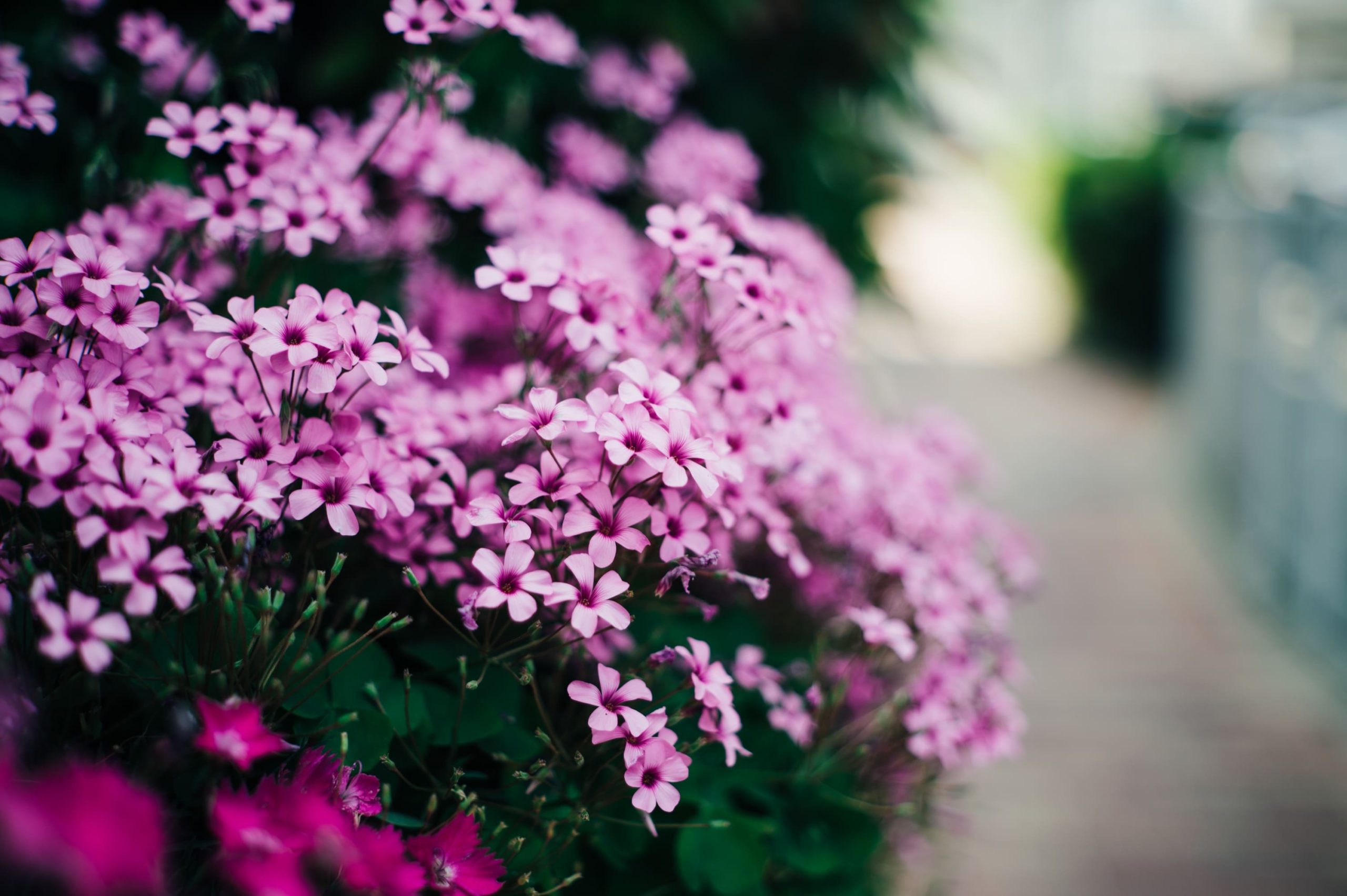
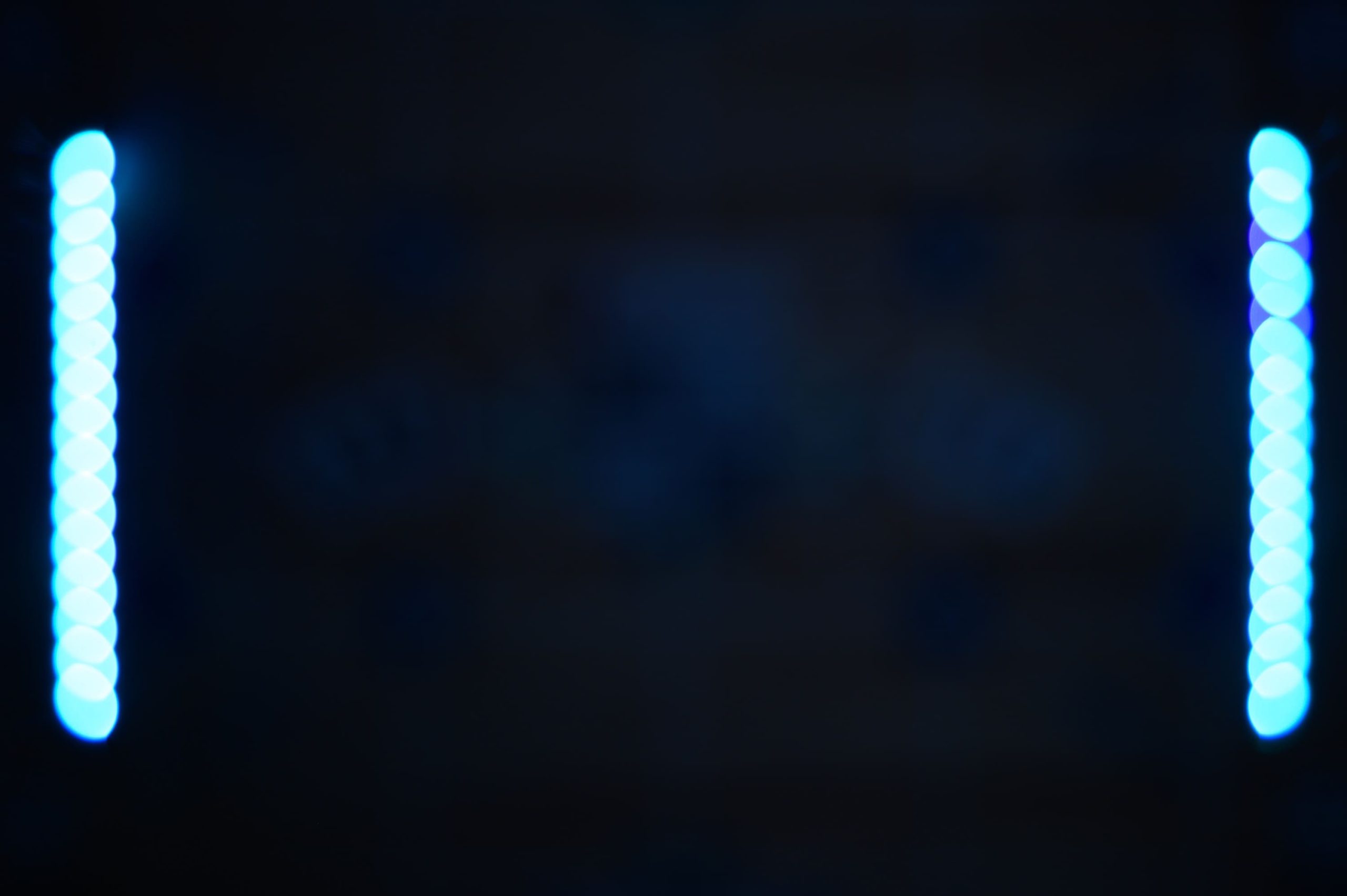
Bokeh Balls / Coma
Here are some bokeh ball and coma samples. Bokeh stays very round and clean until about 8 when it starts to start out.
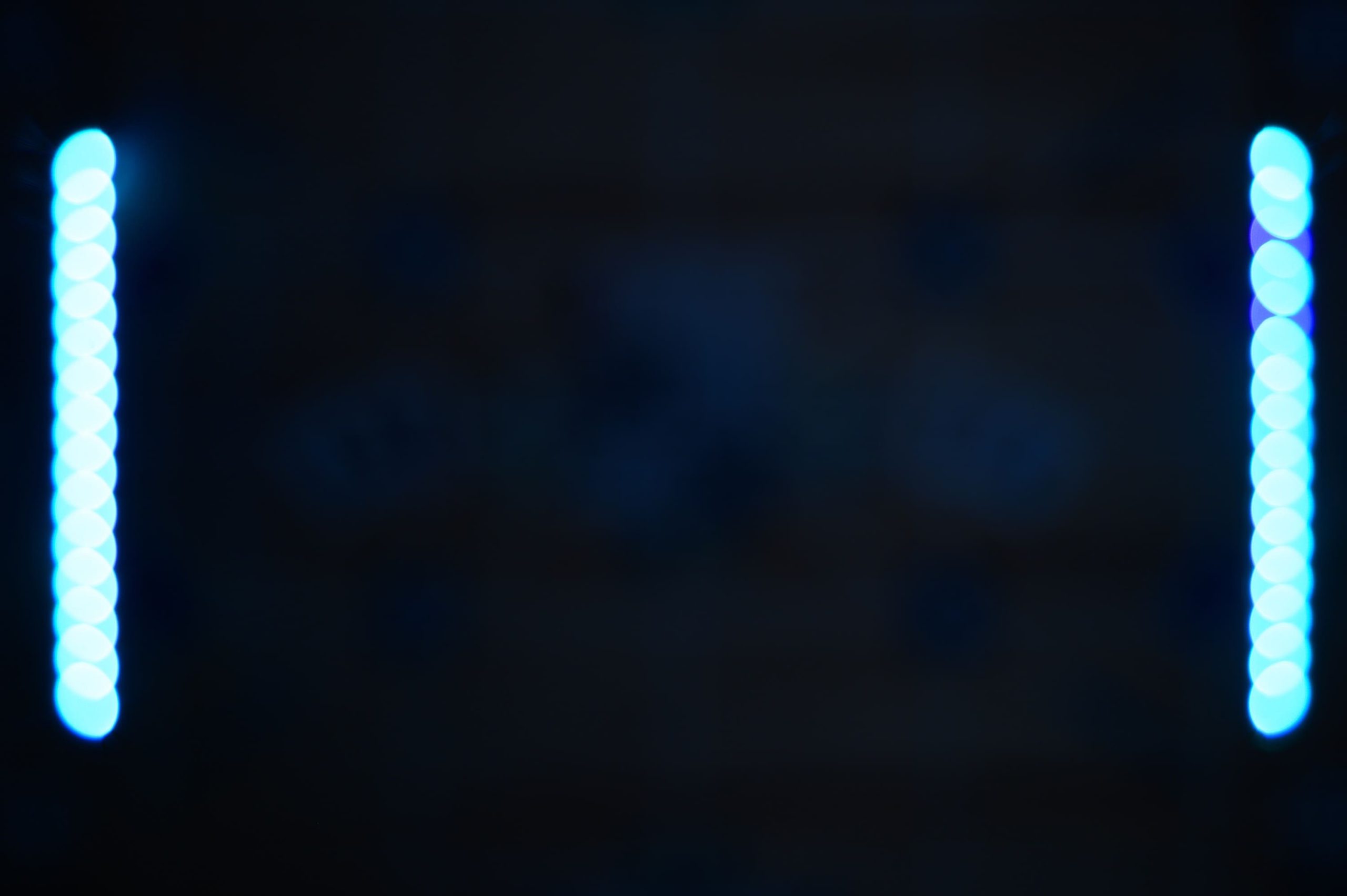
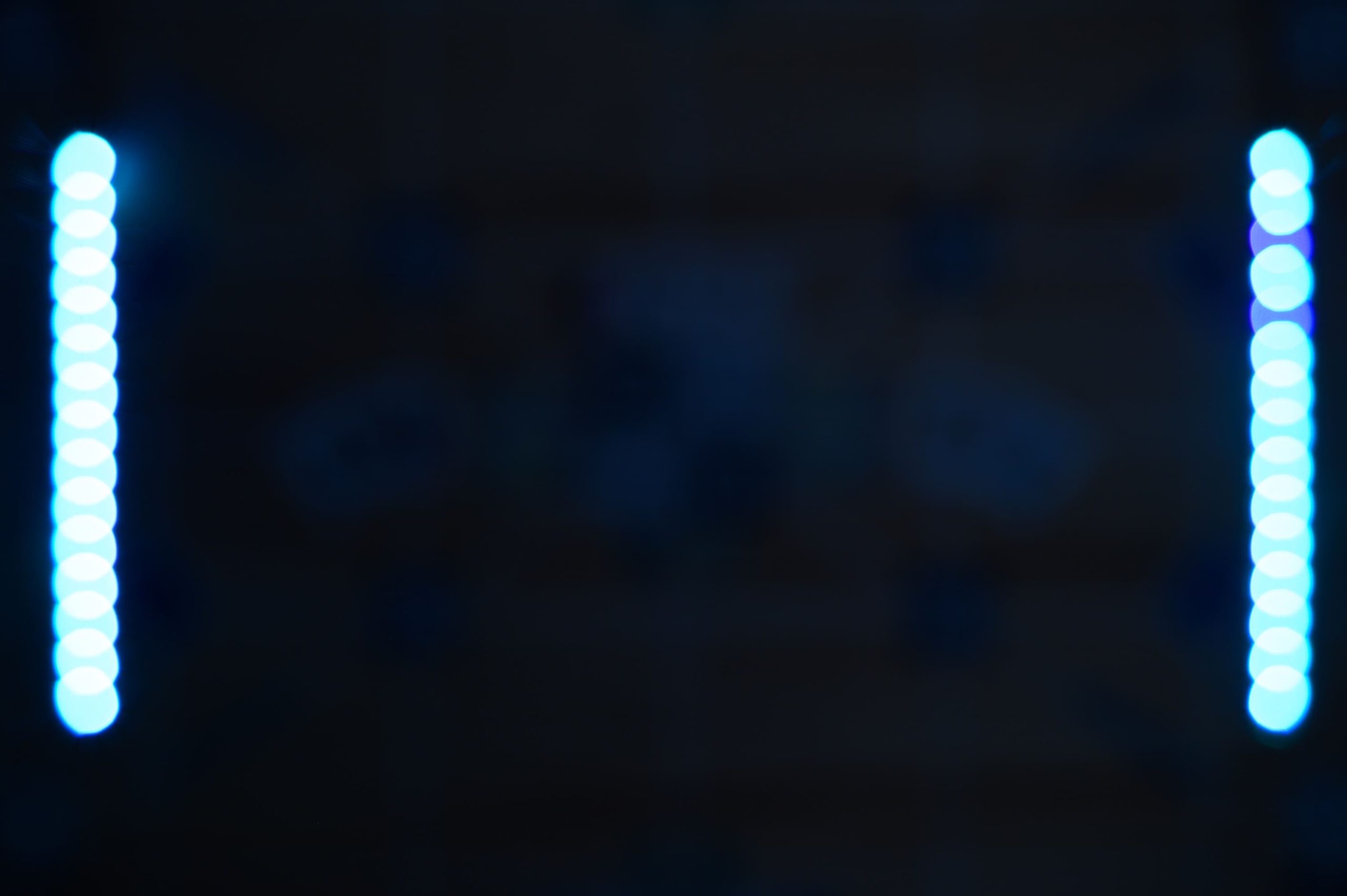
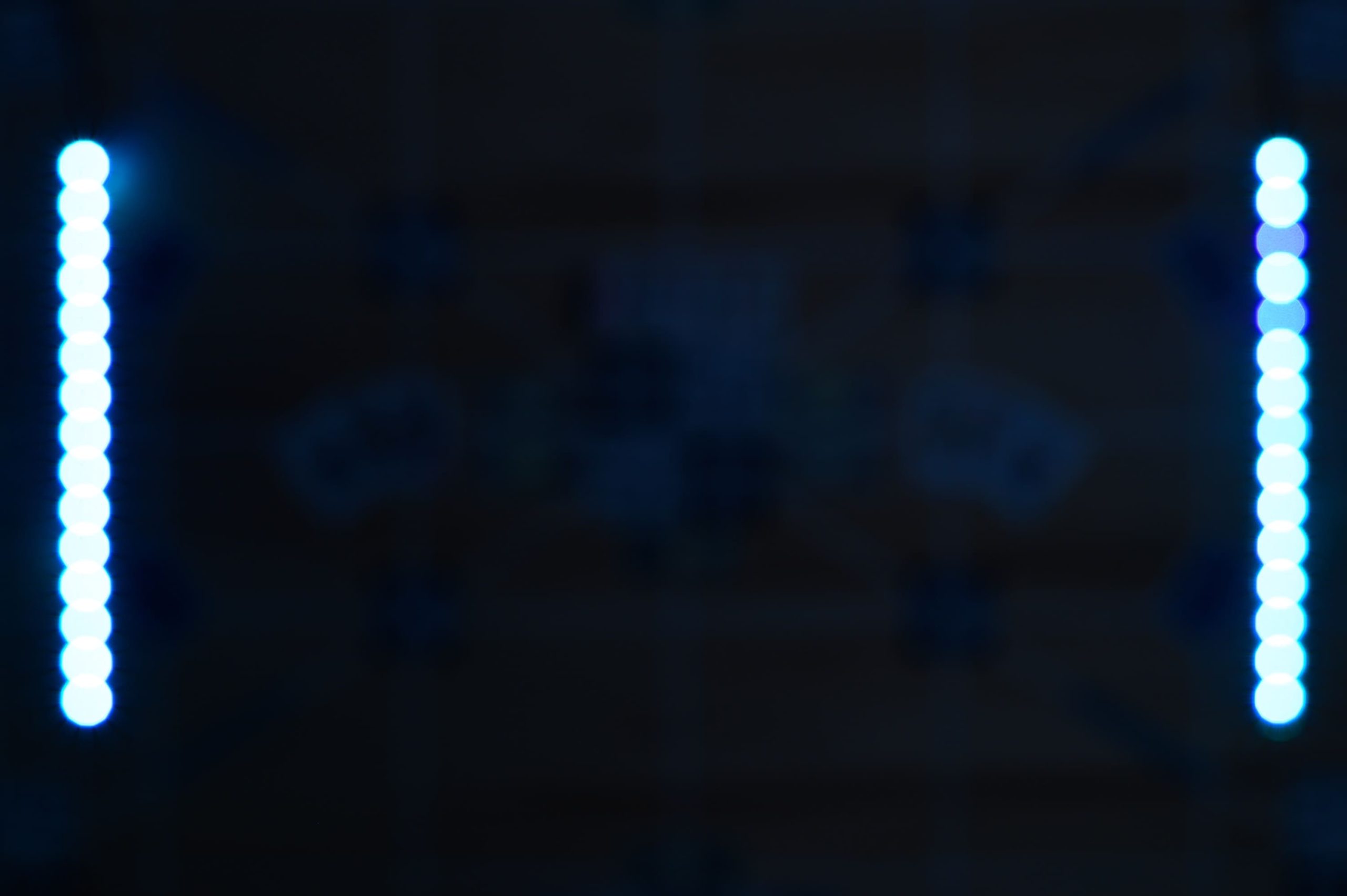

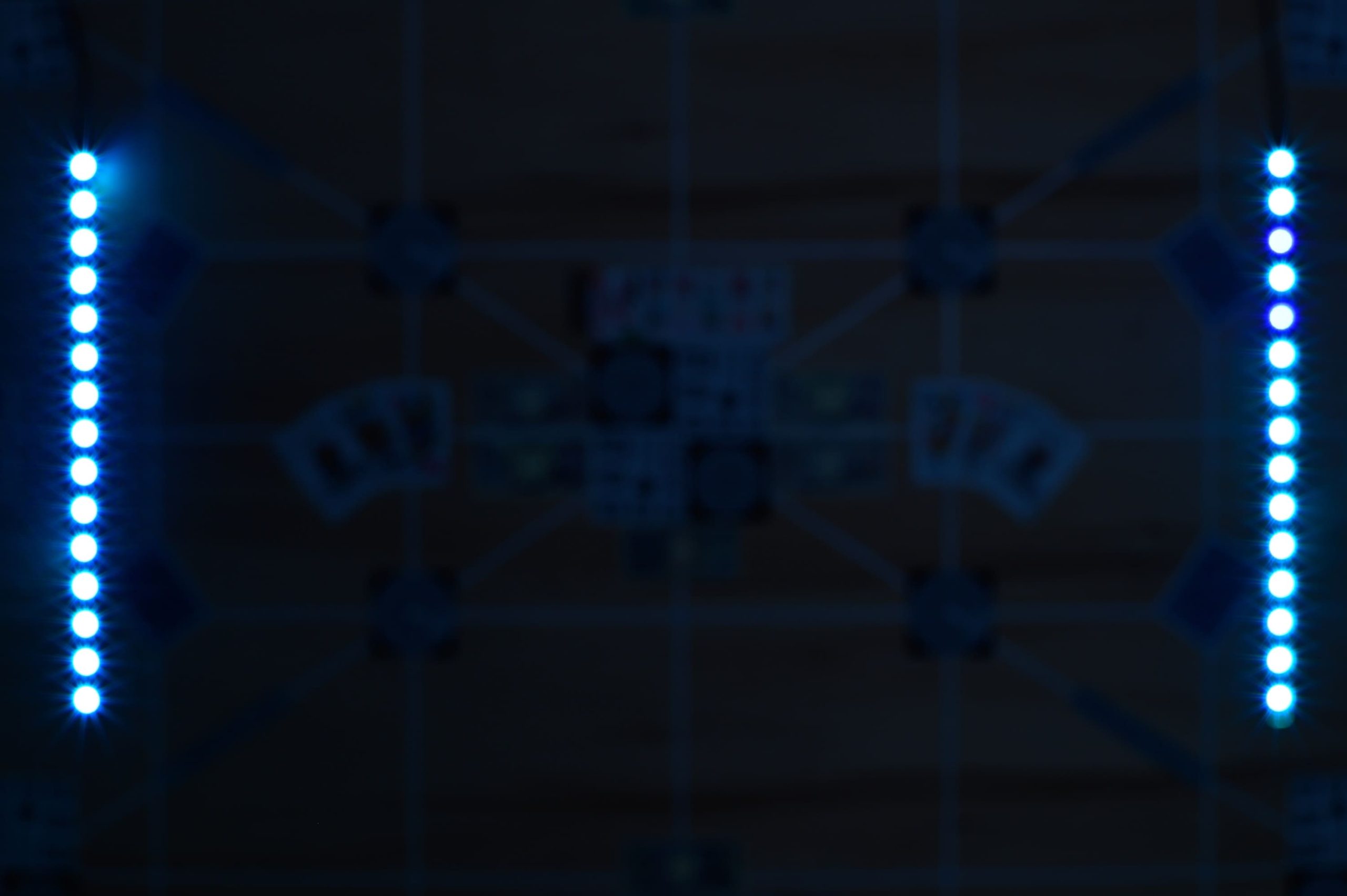
No onion rings or soap bubbles.
Flaring & Sunstars
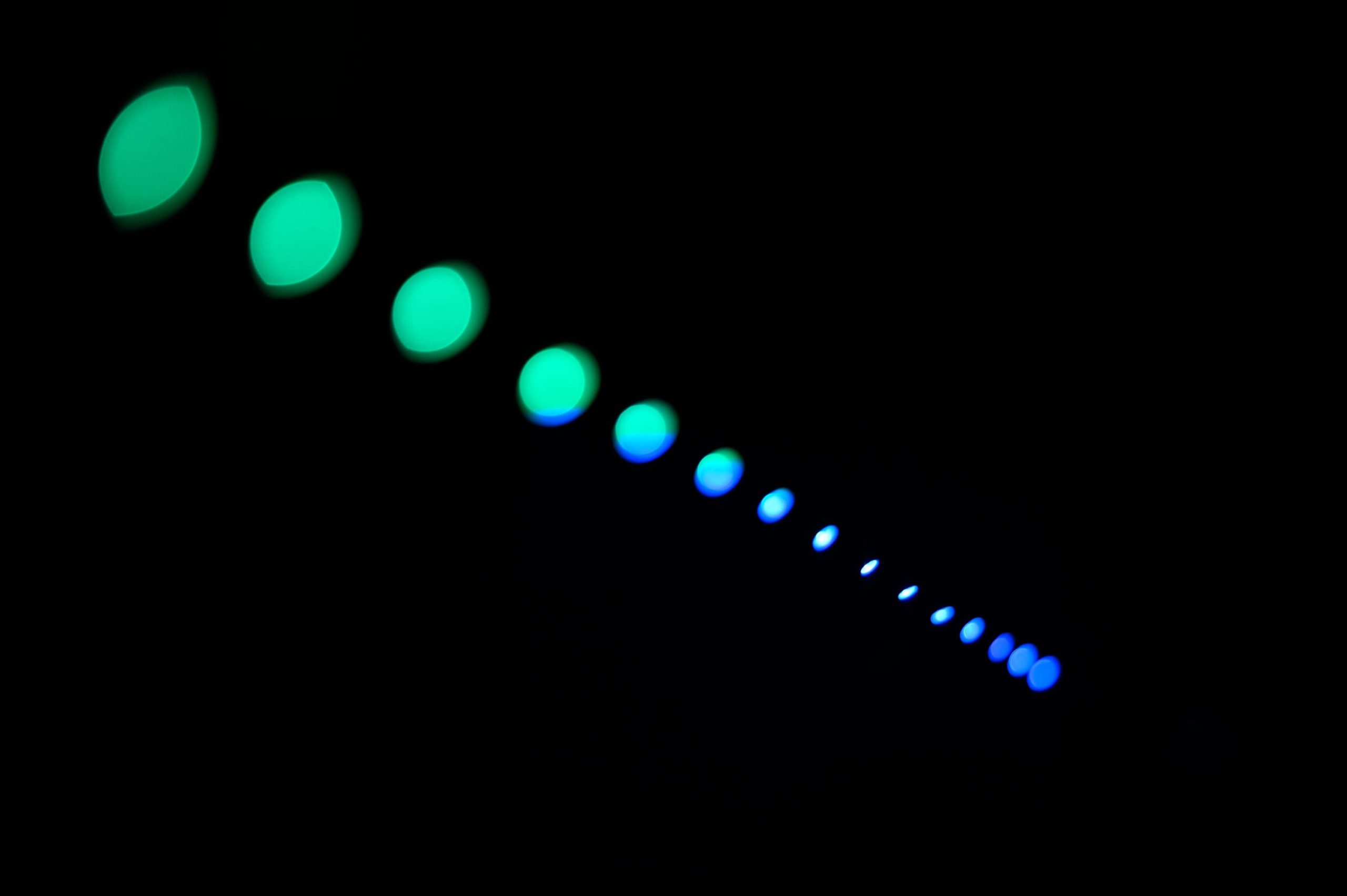
This lens does catch some flares if you’re pointing it toward a light source or if the sun is off to the edge.

When you’re not using a lens hood, you can get these little color streaks across the frame that look like this –
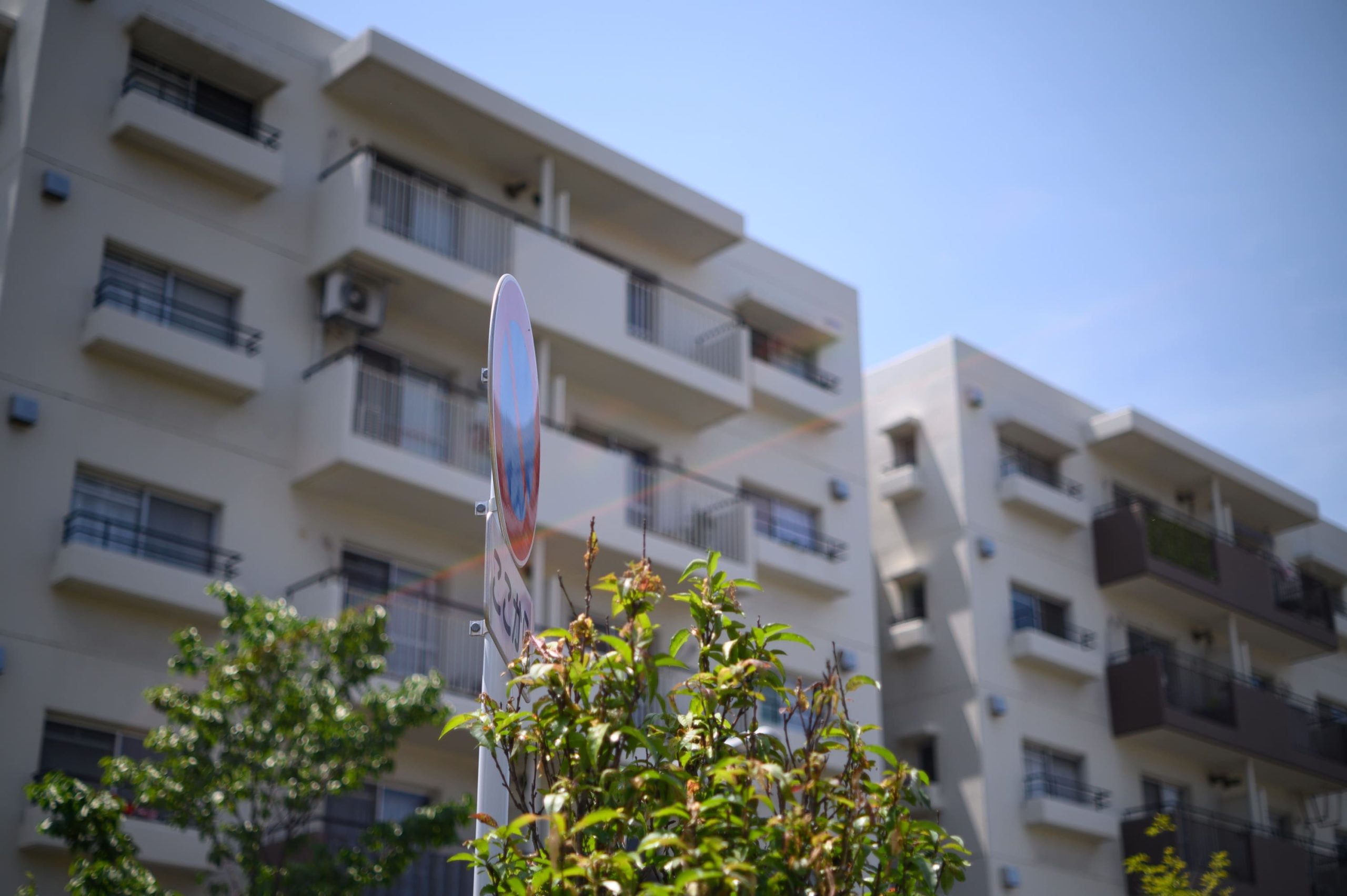

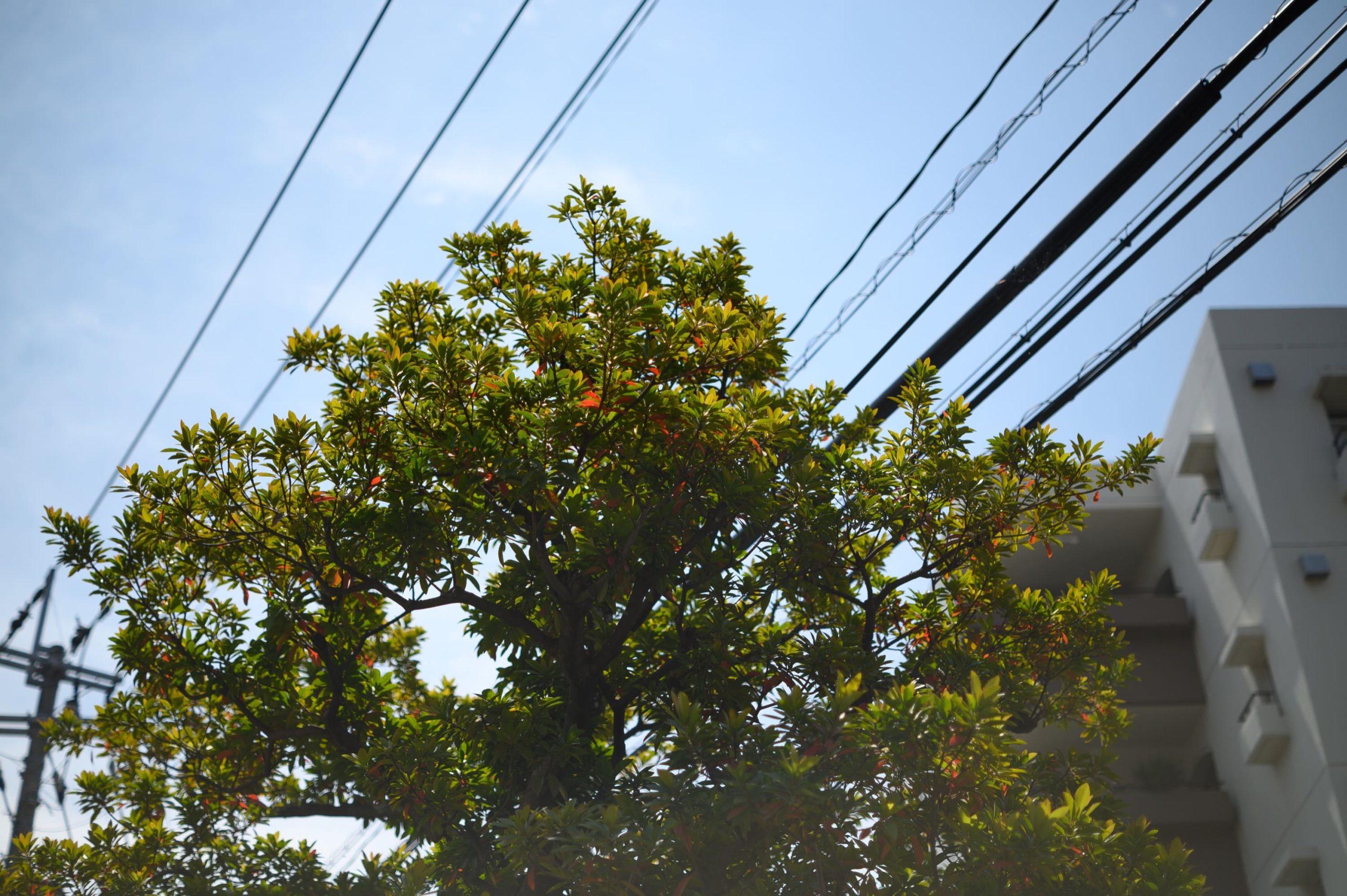
The Meike 50mm f1.7 produces some nice sun stars with a uniform pattern.

Contrast & Micro Contrast
Contrast overall is just so-so with this lens. I don’t consider this a deal breaker since it’s somewhat easy to bring back. You can also stop down to f2.8 or more to improve contrast.
It’s a pretty good micro-contrast lens, which helps give it that “classic” rendering, but other Mieke lenses are better.

When wide open, those bloomy highlights and that soft clarity can cut down the tonal depth by making the highlight transitions a little edgy.
But for the most part, it’s a decent micro-contrast lens, especially considering most big-name lens brands don’t have nice micro-contrast lenses except some Sony and Fujifilm lenses, or maybe that Canon 40mm.
Sony shooters also have the option to buy the fairly inexpensive 6-element Sony 50mm f1.8, which mostly outperforms this lens, but it doesn’t have that 12-blade aperture.
Most Fujifilm F2 lenses also have really good micro-contrast, but the Mieke lenses are usually a hair better.

With something like my Nikon 50mm f1.8 S, those shadow transitions are a little edgier, with slightly less tonal detail overall. Still, that lens is sharper and has more contrast, which definitely creates an illusion of better image quality. But it depends on your taste and what look you might be going for.
These samples also have good micro-contrast, but you can see in some of them how the blooming highlights interfere with it a little bit. They aren’t all perfectly in focus, but they still have a really nice tonal gradation.
Look at how smooth the transitions between tones are and at the tonal detail in those shadows. It’s a very pretty look, especially for black-and-white photography, and the softer clarity has a nice effect on these images.


Meike 50mm f1.7 Review | Bottom Line
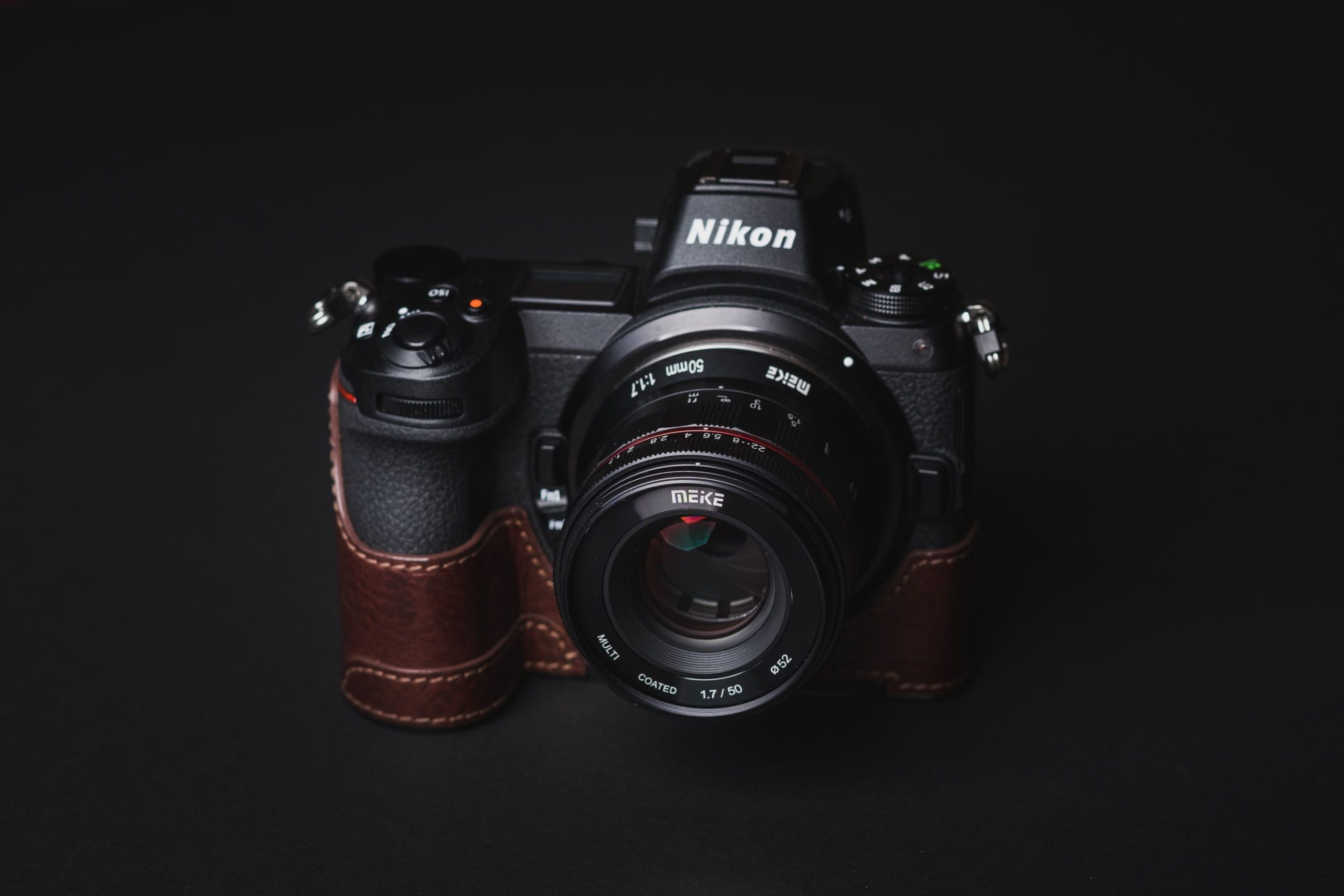
The Meike 50mm f1.7 is actually a pretty cool lens, especially for the price. It has a nice build, and it feels heavy and solid, which is good; it performs well technically and has a really nice bokeh.
Its main flaw is that softer clarity is wide open, which isn’t necessarily bad, but it might bug you if you buy this lens, not expecting that.
This lens does struggle wide open when shooting subjects at a distance, but this is pretty normal, especially for how small this lens is.
Smaller lenses usually come with an increase in imperfections, and the Meike 50mm f1.7 has a pretty nice balance between size and performance, especially considering the price.
Sometimes, these cheap Chinese lenses are a complete miss (7artisans 35mm f2), but Meike has a pretty nice lineup going so far with no big misses that I’ve seen yet.
It’s a fun lens to use all around, and I like lenses like this for casual photography, which allows me to minimize wear and tear on my more expensive lenses.
As with any cheap lens, double-check it for build quality issues. My lens is softer on the left side than the ride side, but it was hard to tell unless I was shooting something very detailed. As for how I use this lens, I’m not too worried about it.
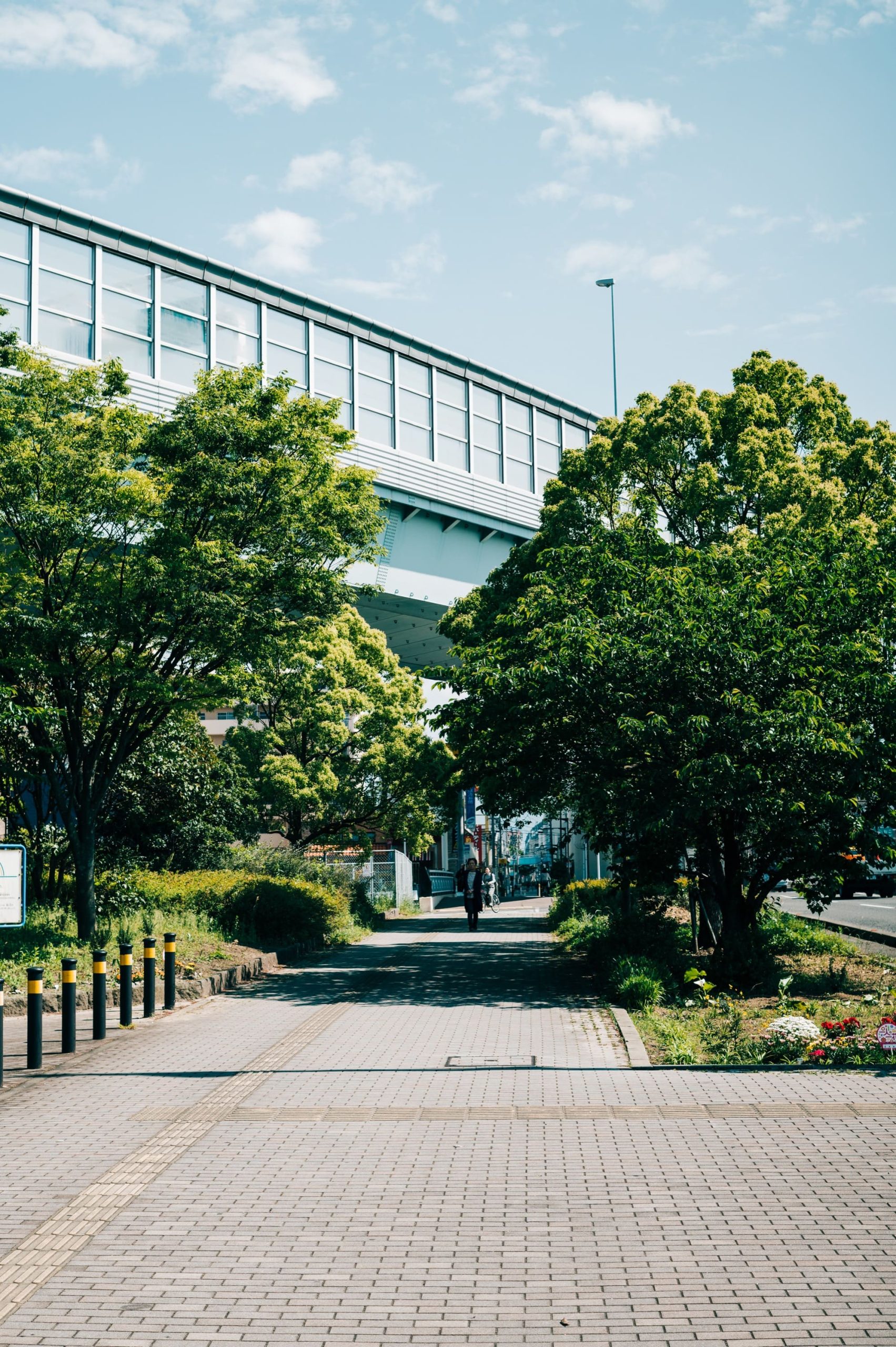
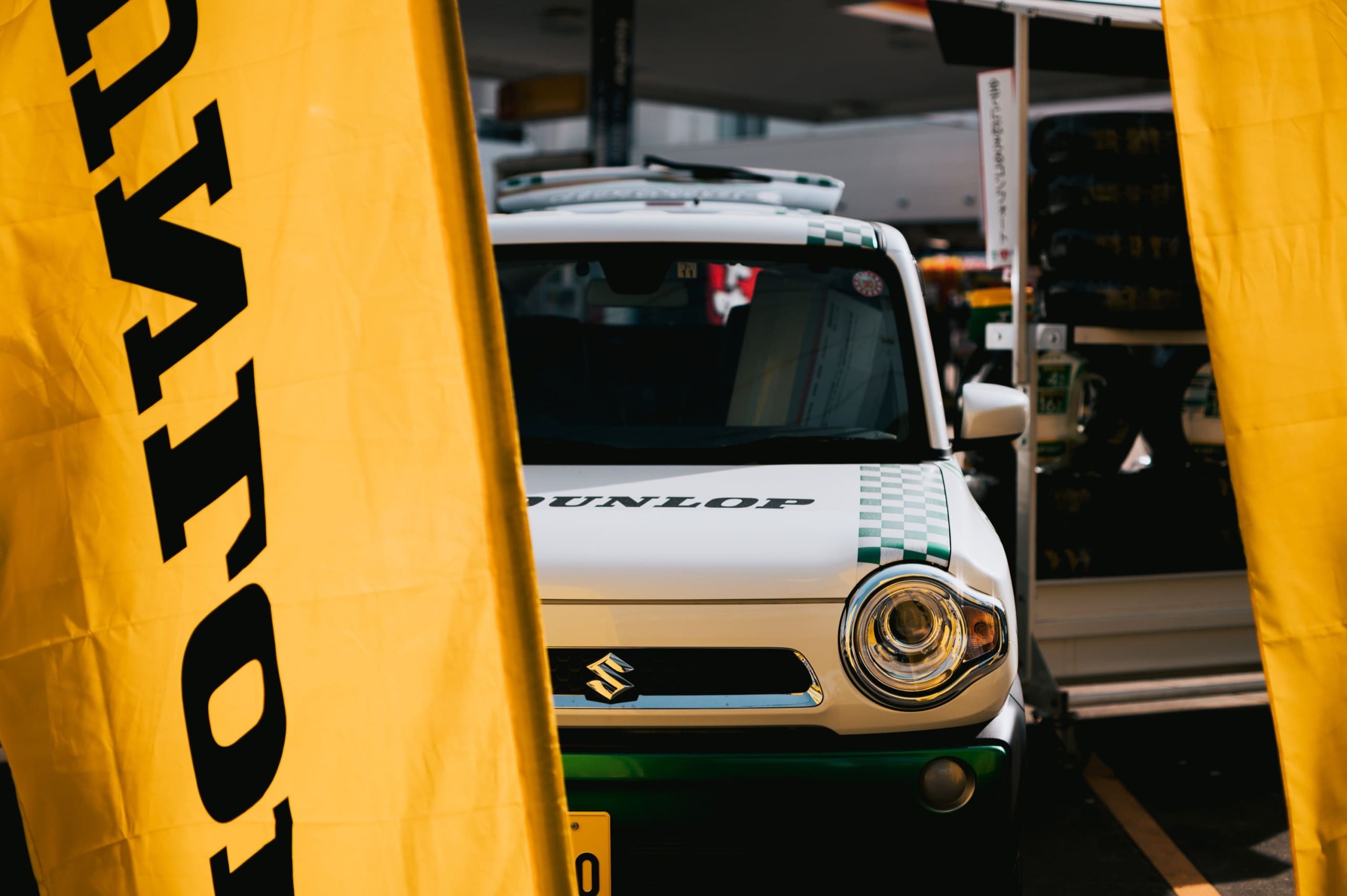
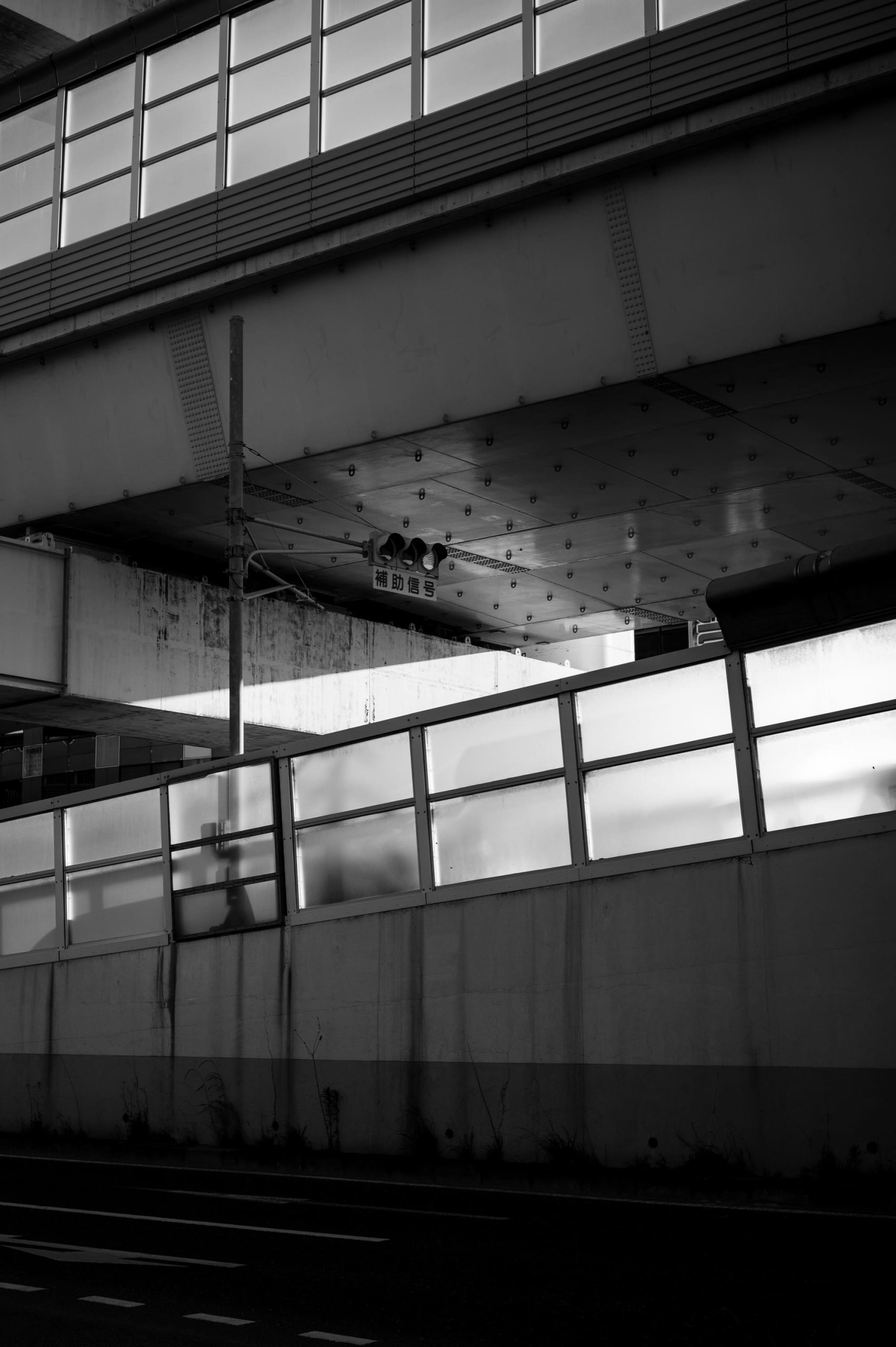
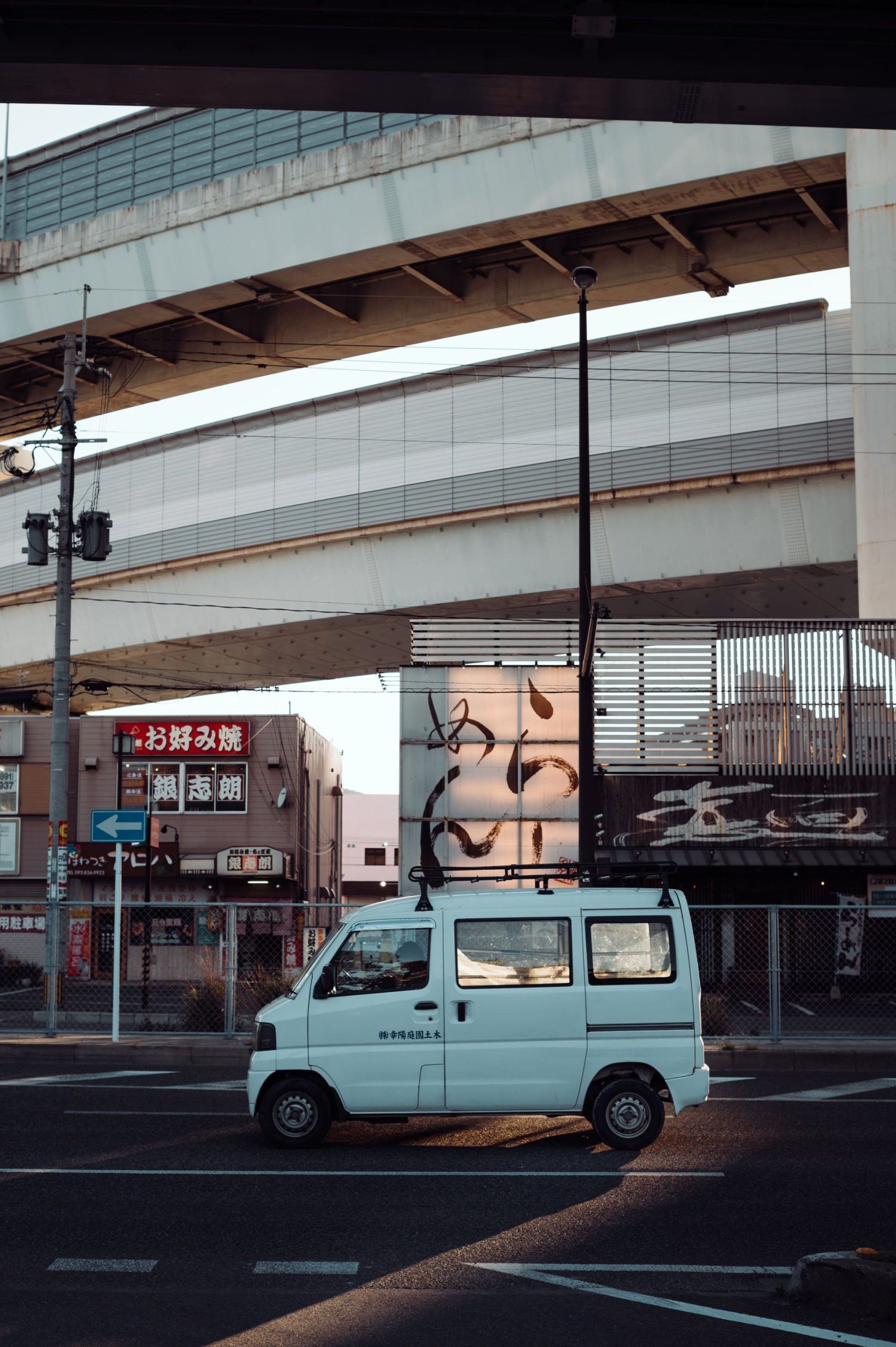
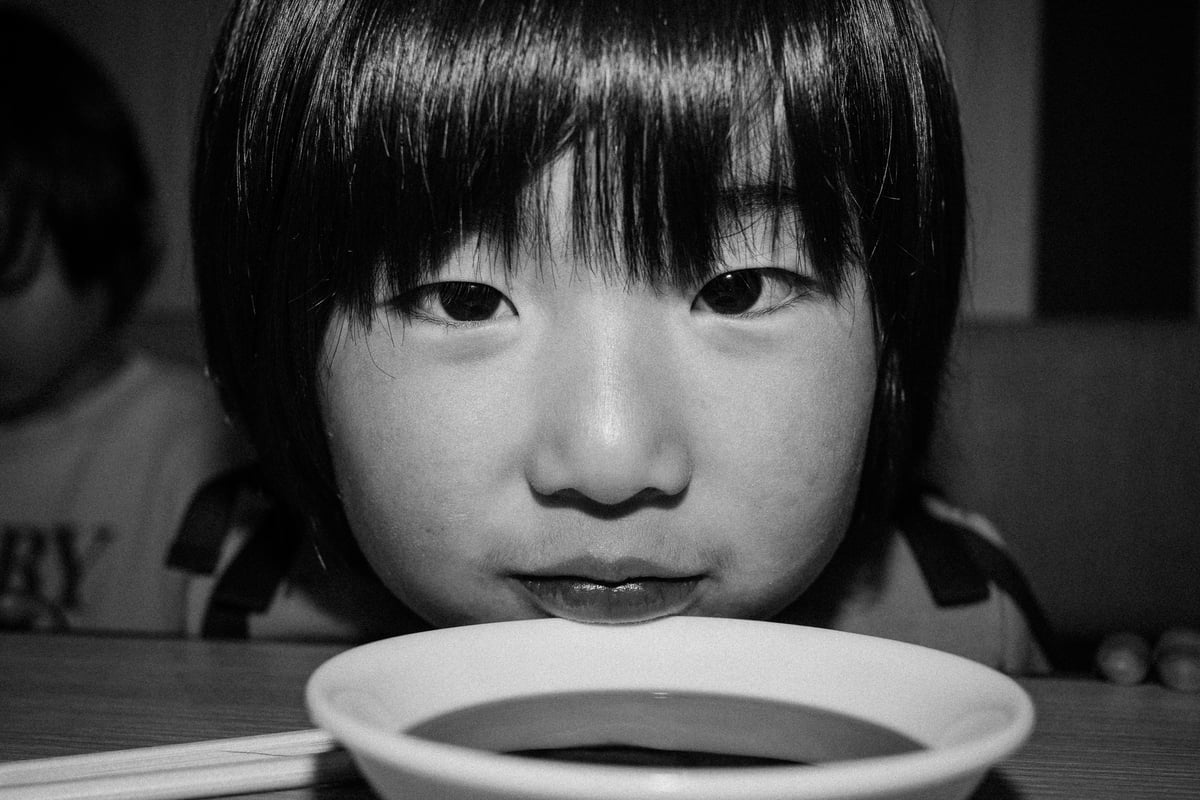
Meike 50mm f1.7 Sample Photos
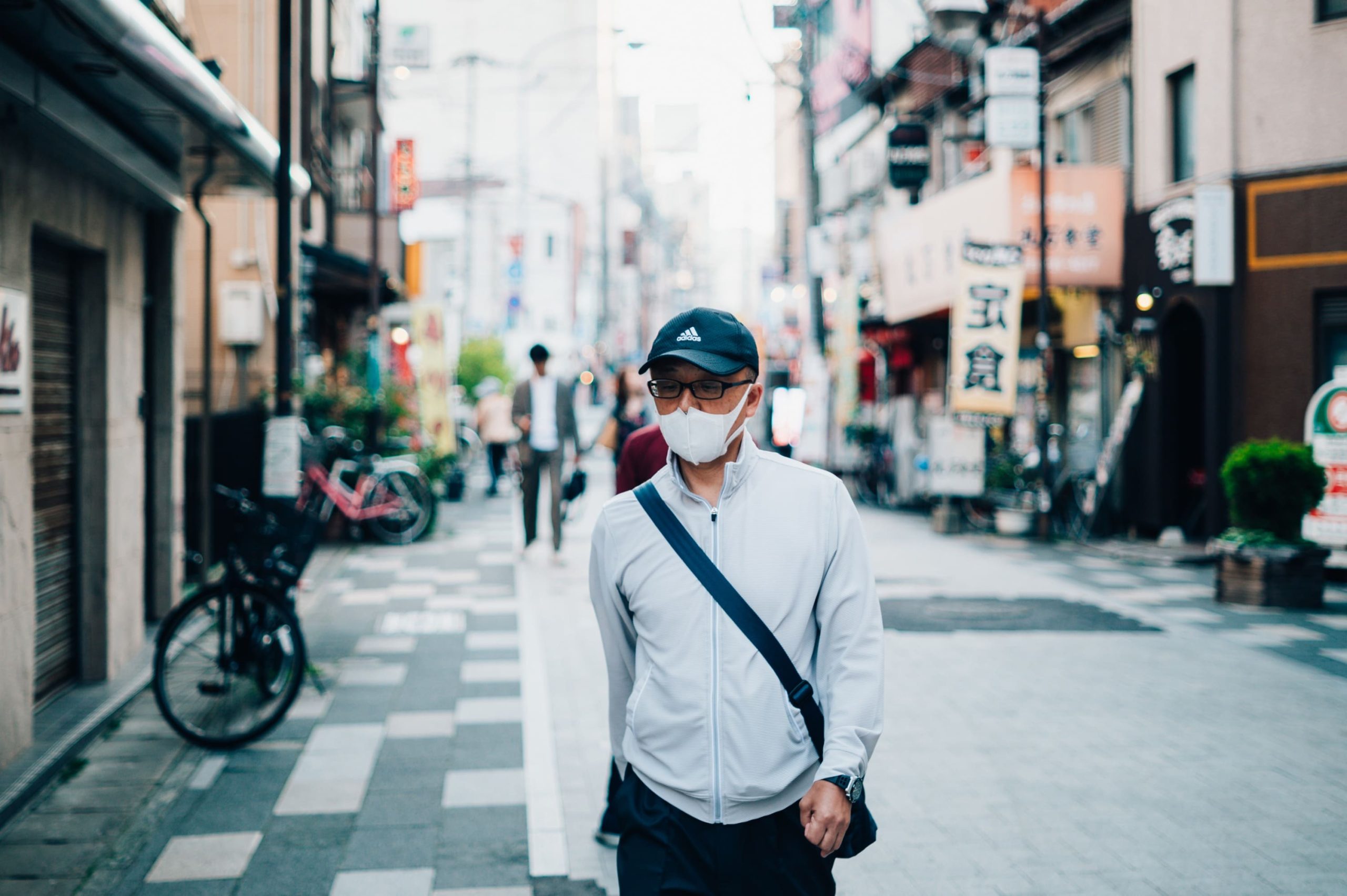
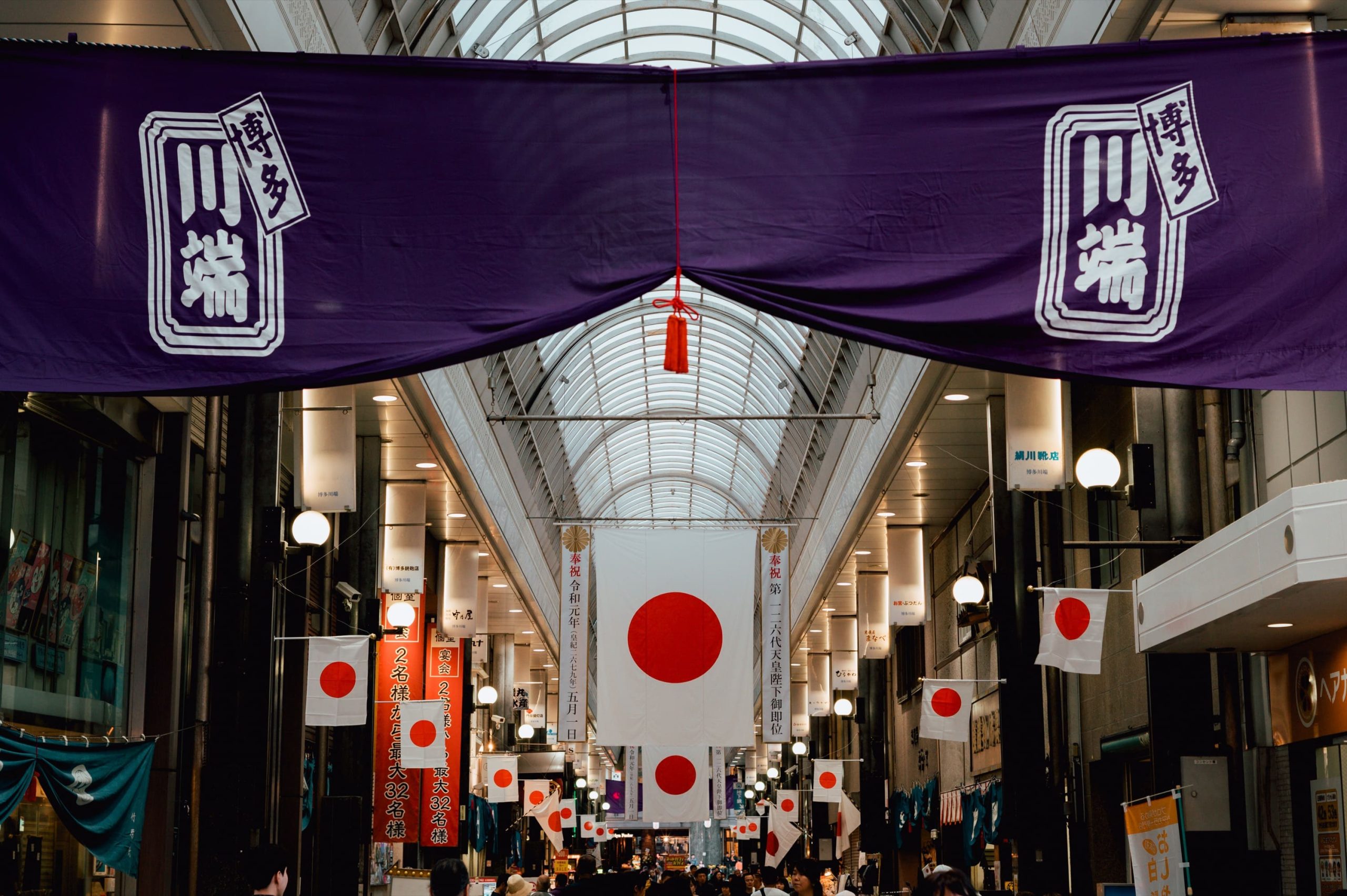
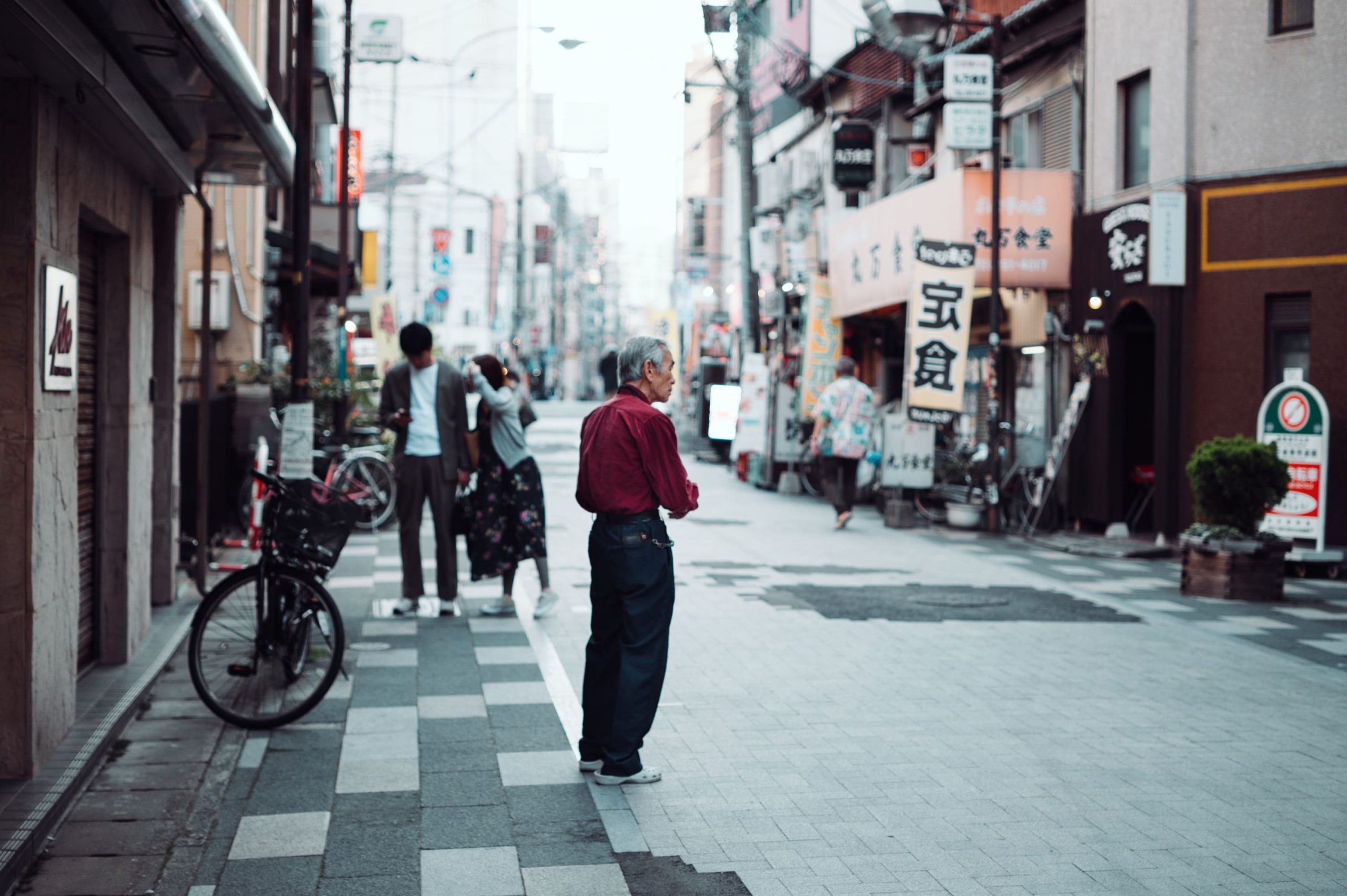
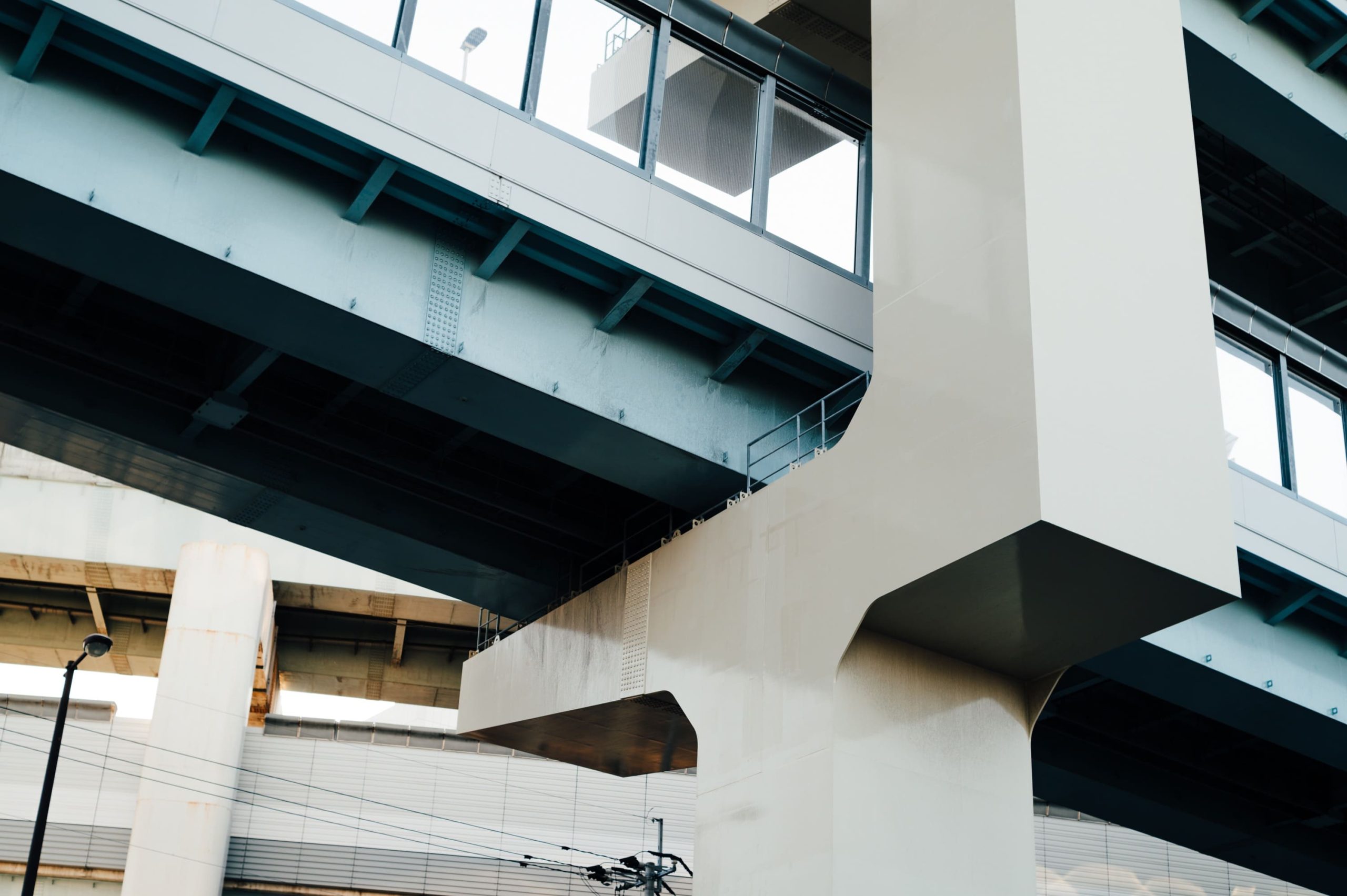
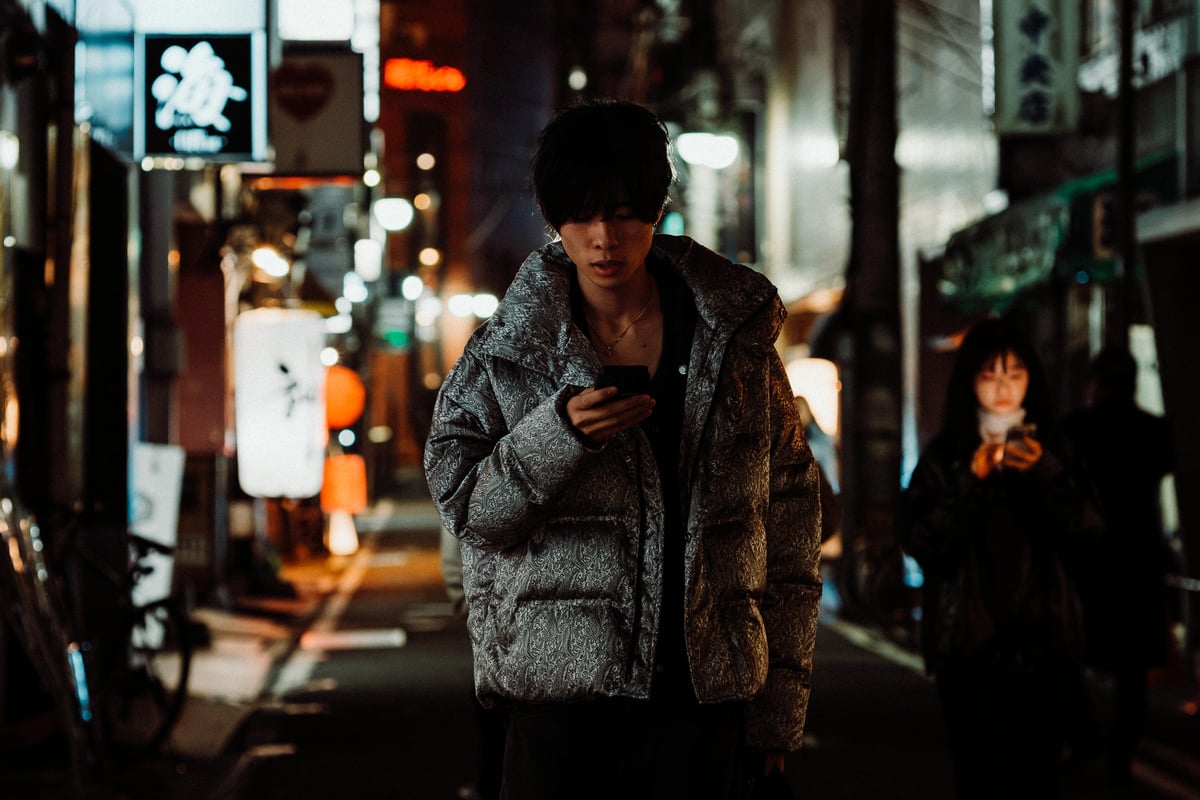
All were shot with the Nikon Z6 and colored in Lightroom.



Sorry for any grammar and spelling mistakes. Jetpack removed the only useful feature of their plugin (grammar), and now I’m looking for a better solution.
Now, I’m using Grammarly, which is making my articles look terrible. If you’re a writer and know of something better, please let me know. Copying and pasting into Word or another word processor is not an option since it messes up the formatting.







Leave a Reply to Salviana Tao Cancel reply