
Following the successful release of Simera primes, Thypoch has expanded to the Ksana line with a more compact, slower ultra-wide. The 21mm f3.5 is the first in the KSANA line. Short version: genuinely good for what it is, with real optical limitations worth knowing before buying.
While the Thypoch Simera 28mm f1.4 and 35mm f1.4 lenses are designed with wider apertures for low-light performance and shallow depth of field, the Ksana 21mm f3.5 represents a calculated pivot toward portability. It is a lens designed for casual shooters, and the “set it and forget it” hyperfocal shooting style that street photographers love.
Lens Specs
- Focal Length: 21mm
- Aperture Range: f3.5 – f22
- Aperture Blades: 9
- Optical Design: 8 Elements in 6 Groups – 1 aspherical, 2 extra-low-dispersion, and 3 high-refractive-index elements
- Minimum Focus Distance: 1.6′ / 0.5 m
- Filter Thread: 39mm
- Weight: 4.6oz / 131g
- Mount: Leica M (Easily adapted to E/Z/RF/X mounts – I recommend the Kipon Helicoid Adapters)
Thypoch Ksana 21mm f3.5 – Amazon / B&H / Thypoch Store
Use code AlikGriffin to get 5% of at the Thypoch Store.
Disclaimer: Thypoch did send me a copy of this lens, and as always, I will give you the full rundown in this review to manage your expectations as best I can. For the full context of where this lens sits in the M-mount ecosystem, the Leica M lenses list covers every native and third-party option.
Pros: Great build quality, a very useful focus tab for street photography, great flare resistance and chromatic aberration control. Moderately sharp in the center at f3.5 and very sharp at f5.6. Very acceptable edge-to-edge sharpness when stopped down, which makes it a great pocketable travel, landscape lens and street photography lens. The gold coating looks cool.
Cons: Some chattery bokeh in some situations, persistent vignetting (although it’s not that bad), drop in sharpness in the corners and edges (especially noticeable when shooting close subjects), there is field curvature, so when focusing for the center on a rangefinder, the mid frame and edges will not be consistent. Some noticeable barrel distortion.
Personal Thoughts: Pancake lenses like this always involve compromises, and this lens is no exception. It’s genuinely a fun lens when stopped down for street, travel and landscape. It does work well wide open as long as your subjects are centered in the frame, like in a portrait or street portrait, and the bokeh will look nice against a long background. Stick with working within the limitations of a lens like this, and you will love it.
Personally, I generally shoot with pancakes only when I’m traveling or when I’m just very casual and want to bring something extra I can toss into a backpack pocket. I know a lot of street photographers who almost exclusively shoot with pancake lenses like this, and this lens is actually great for that, one of the better ones I own, considering how wide it is. And I own – I don’t even know, at least 10-15 pancake lenses.

One important note about using filters:
I learned this while shooting with my Voigtlander 21mm f/3.5. When you’re dealing with lenses this small and this wide, if you put a filter directly on the filter threads, the light enters at a very steep angle at the corners and edges, and you will see a drop in image quality from the edges to the mid-frame. If you want to use a filter like a Tiffen Black Pro Mist, you might want to avoid a pancake lens this wide if you’re super picky about every little detail of performance. Obviously, if you’re using a mist filter, you’re not.
Now, with this Thypoch lens, when using a B+W UV filter, I notice a bit more vignetting and only a very slight drop in clarity when shooting resolution charts. It’s pretty subtle.
So my recommendation for this lens is to leave a UV filter on when shooting street or shooting with film, and take it off when shooting anything locked off, like a landscape photo. If you even use UV filters, I usually don’t.
The Science
The “steep angle” is a property of physics called the cosine fourth law. Towards the edges, the light strikes the filter’s flat surface at an angle, causing attenuation. As it passes through the filter, this introduces a few problems:
Refraction Errors: Light hitting the filter at a sharp angle travels a longer path through the glass than light hitting the center of the filter.
Internal Reflections: Also realize that when using any type of filter, light can bounce between the back of the filter and the front element of the lens. The further apart they are, the more room there is for these reflections to scatter and cause “ghosting” or a loss of contrast. What’s great about this lens is that the coatings are very good, and most UV filters have decent coatings as well, so you won’t have this problem with this lens as much.
By the way, the refraction errors are mostly a problem with ultra-wide pancake lenses because the front element is so close to the pupil, creating a pinched light path. I’ve also found pancake lenses get hit harder with diffraction than longer lenses with larger front elements.
In general, be careful when using filters on ultra-wide pancake lenses; they will all behave a little differently. I personally stopped doing it once I learned this, but if you want to use a mist filter or shoot on film, it’s not the end of the world.

Mechanical Precision: Build and Handling
The build quality is exceptional, maintaining the high standards found in the 75mm and 28mm models I have. It features an all-metal construction that feels substantial and premium. On rangefinder-style bodies like the Leica M or Fujifilm X-E5, the size and balance are perfect.
Optically, we have 1 aspherical element, 2 extra-low-dispersion (ED) elements that help with CA, and 3 high-refractive-index elements.
So, side tangent: I’m starting to notice that lenses with high-refractive-index elements often exhibit some funky performance (like warping and weirdness) when shooting at very close distances. So far, a lot of the HRI lenses I’ve tested do this. It usually doesn’t show up in the center but along the edges and midframes; however, the trade-off is that you get amazing results at medium and long distances along the corners and edges, so it’s probably worth it for most people. I haven’t scientifically investigated this, but this is just something I’m noticing. So like, just don’t shoot brick walls at the minimum focus distance and you’ll be fine.
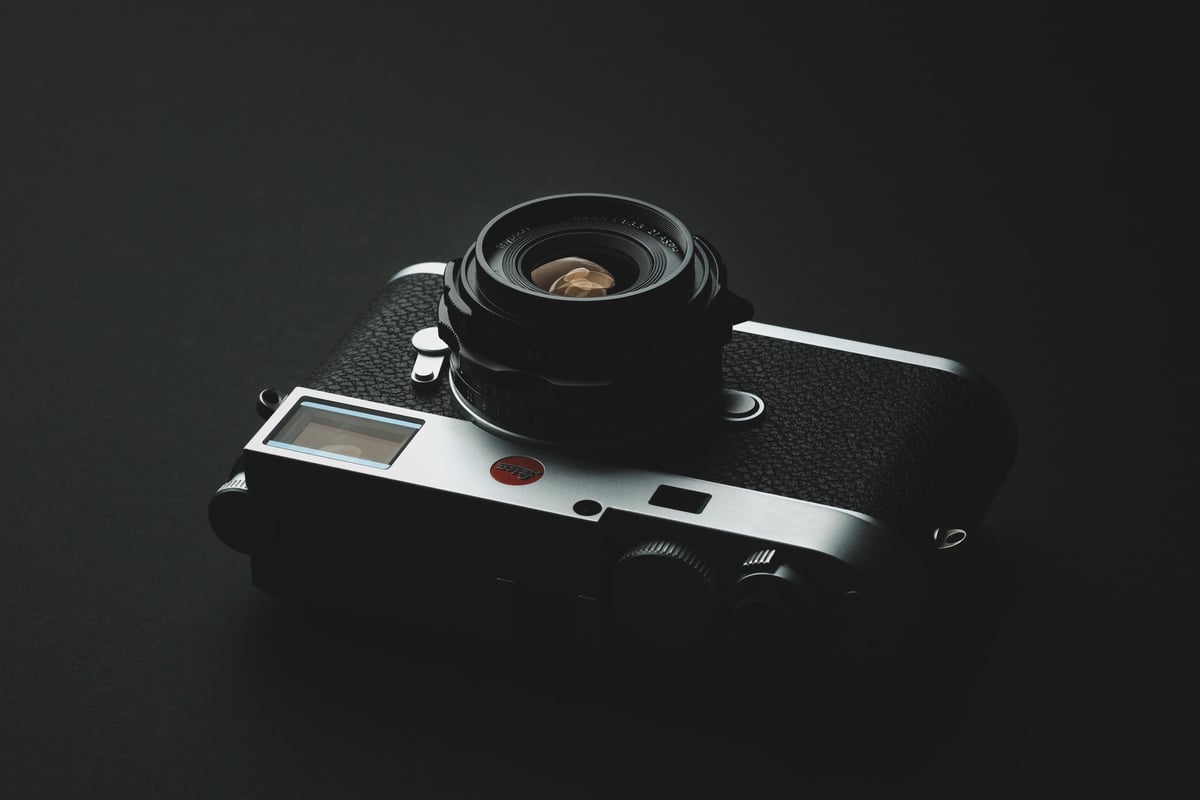
- The Aperture Ring: You don’t get the signature Thypoch click/de-click toggle on this lens, but the standard aperture clicks are firm and tactile for stills, with half-stop increments.

- Focusing: The focus throw is smooth and well-damped. For M-mount users, the lens includes a “crescent” focus tab, which is essential for “blind” tactile focusing during street photography. Similar to the other Thypoch lenses, we also have the 0.7m hapic click, which is nice. I actually like it a lot more with this lens than with some of the other lenses. On the 21mm, the 0.7m haptic is much milder and gentler than the 28mm f1.4 I have. With a lens like this or the 28mm, you’re often at that 0.7m range, and having that haptics feedback that’s too strong can actually be really annoying and interfere with the shooting experience, so I’m really happy that it’s so subtle on this lens.
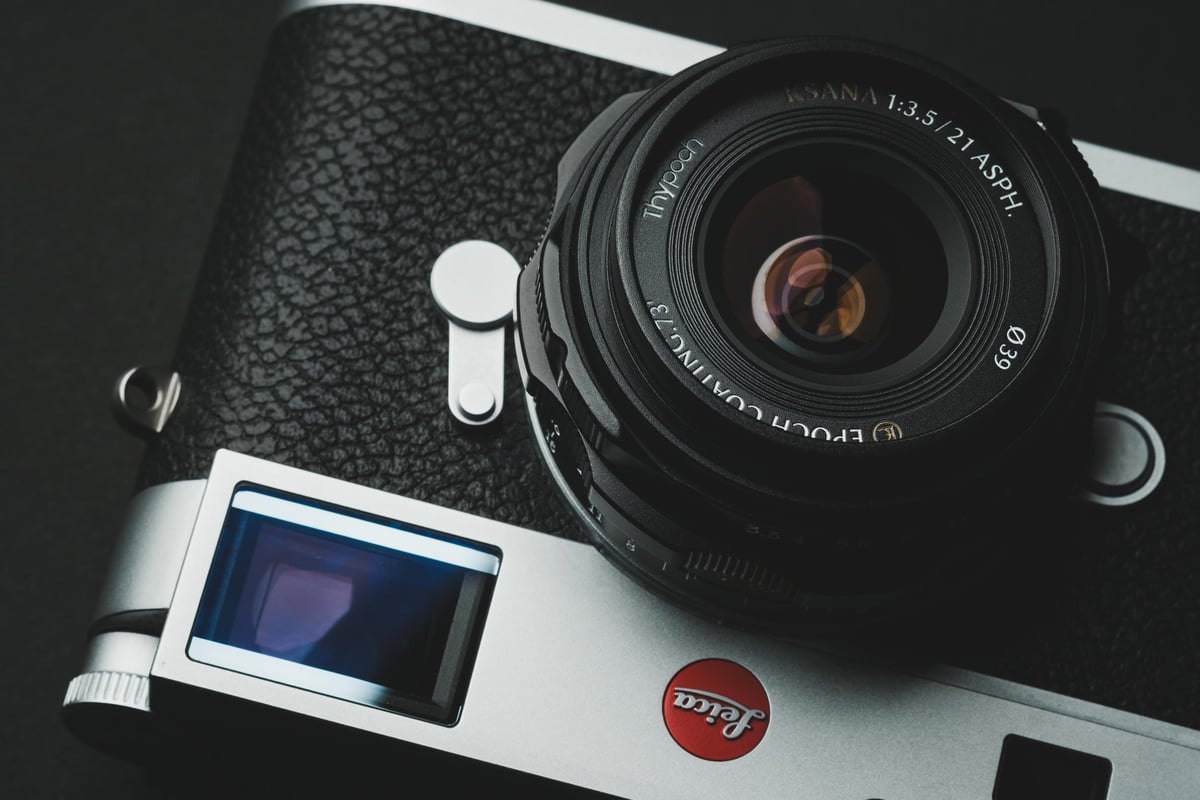
- Depth of Field Scale: We don’t get the distinctive Thypoch depth of field flourish, which is the depth-of-field indicator dots. Instead, we have the traditional depth-of-field scale, where the aperture and focus align with the range listed on the lens’s back ring. I’ve always found this easier to use, just because it’s traditional and there is nothing new to learn.
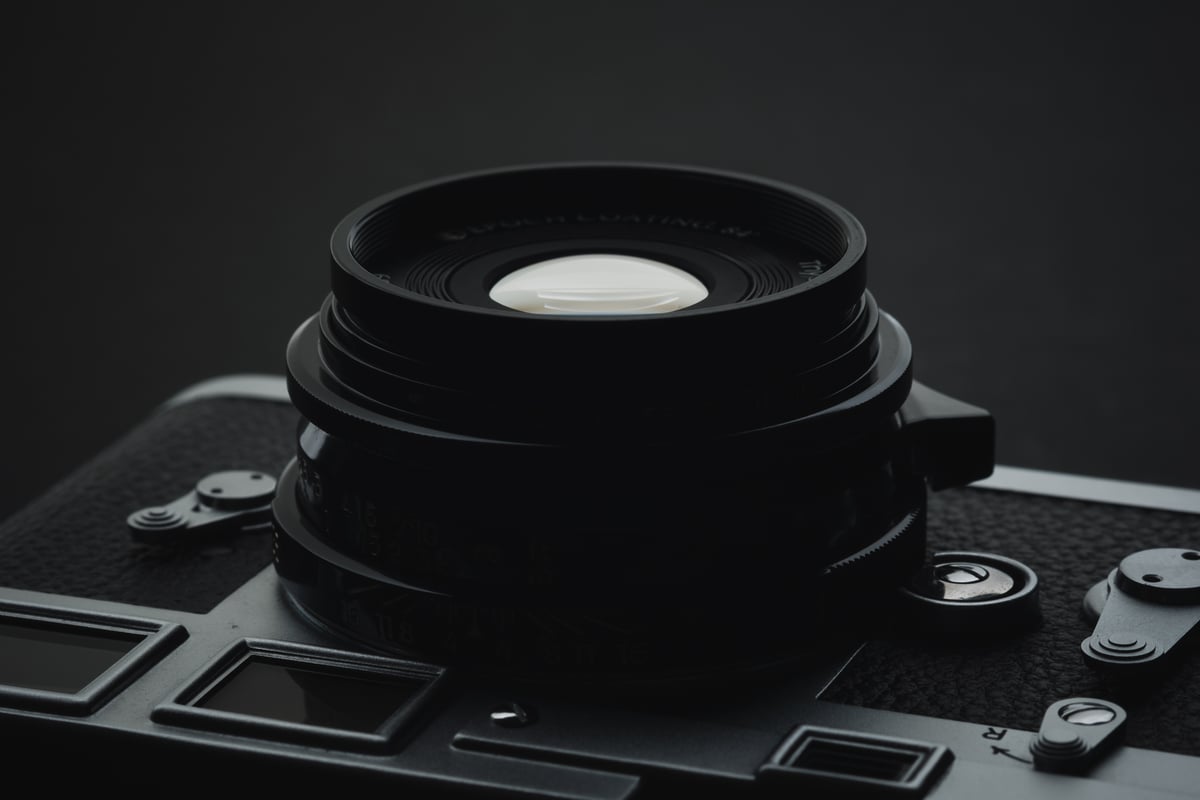
Orange coatings look amazing. It gives it that vintage, radioactive-element look.
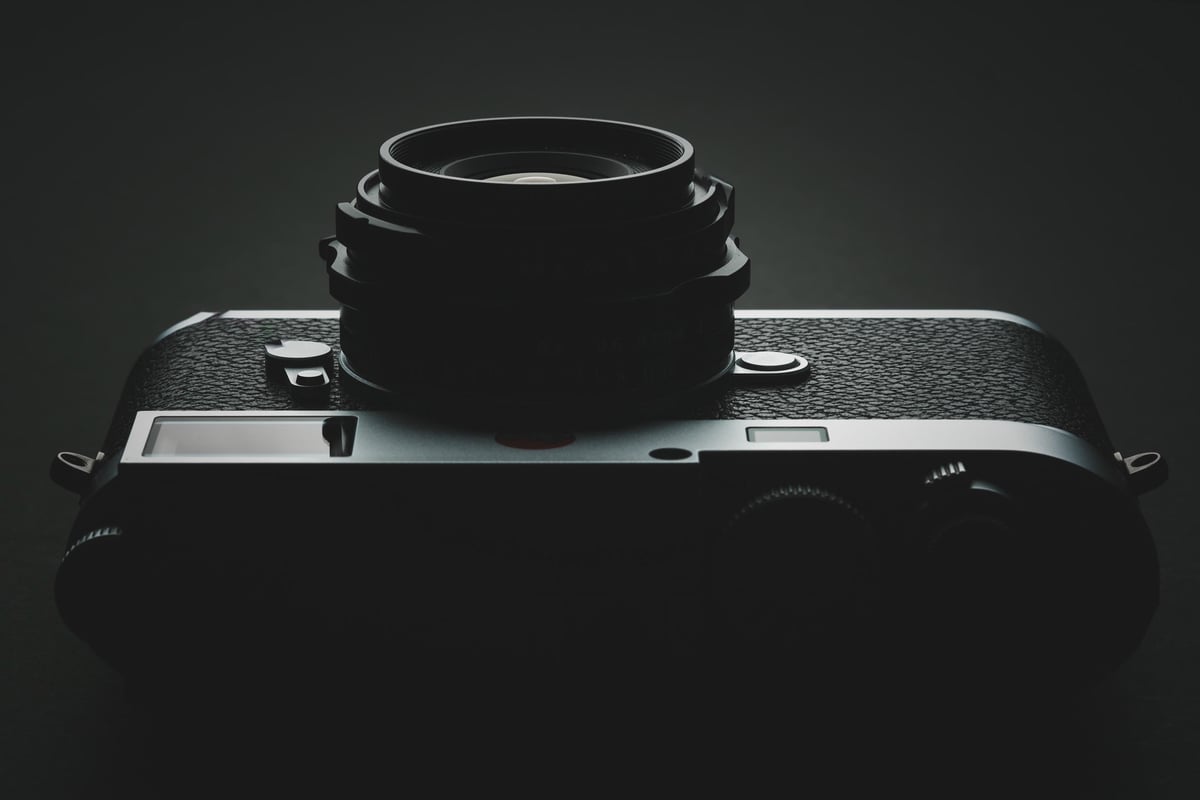
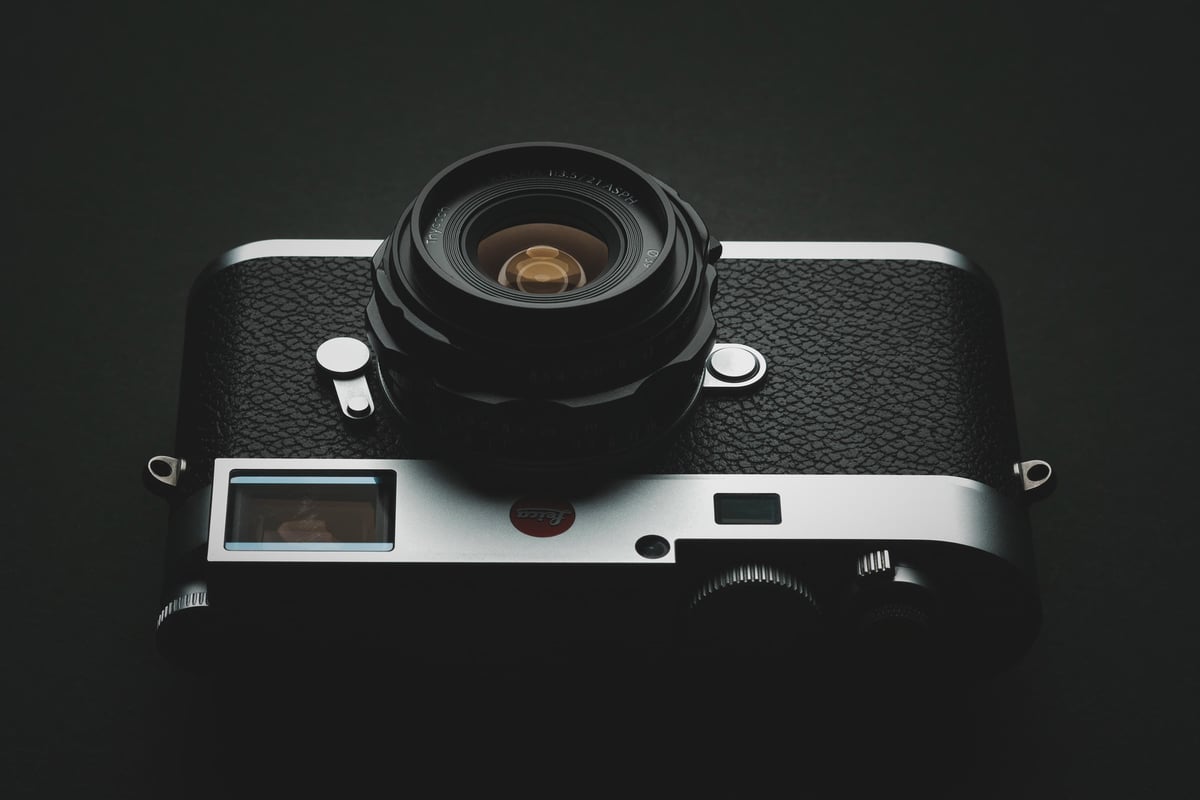
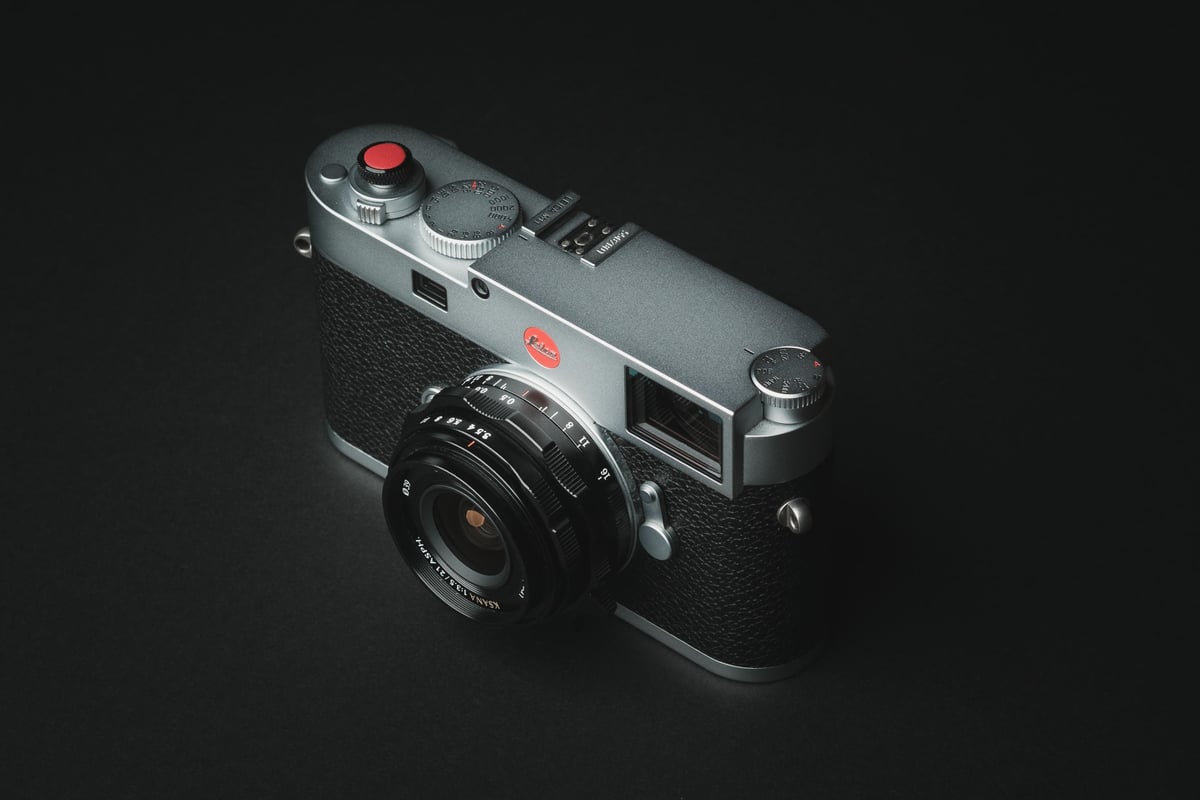

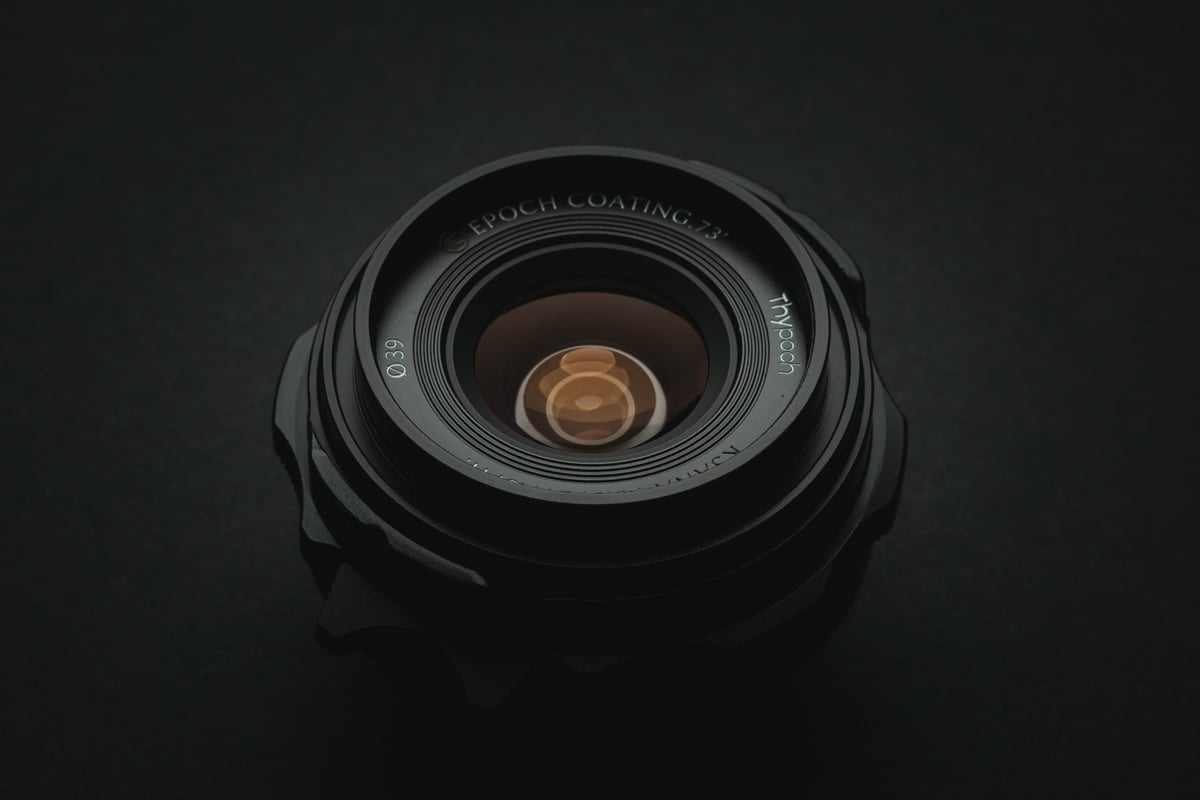
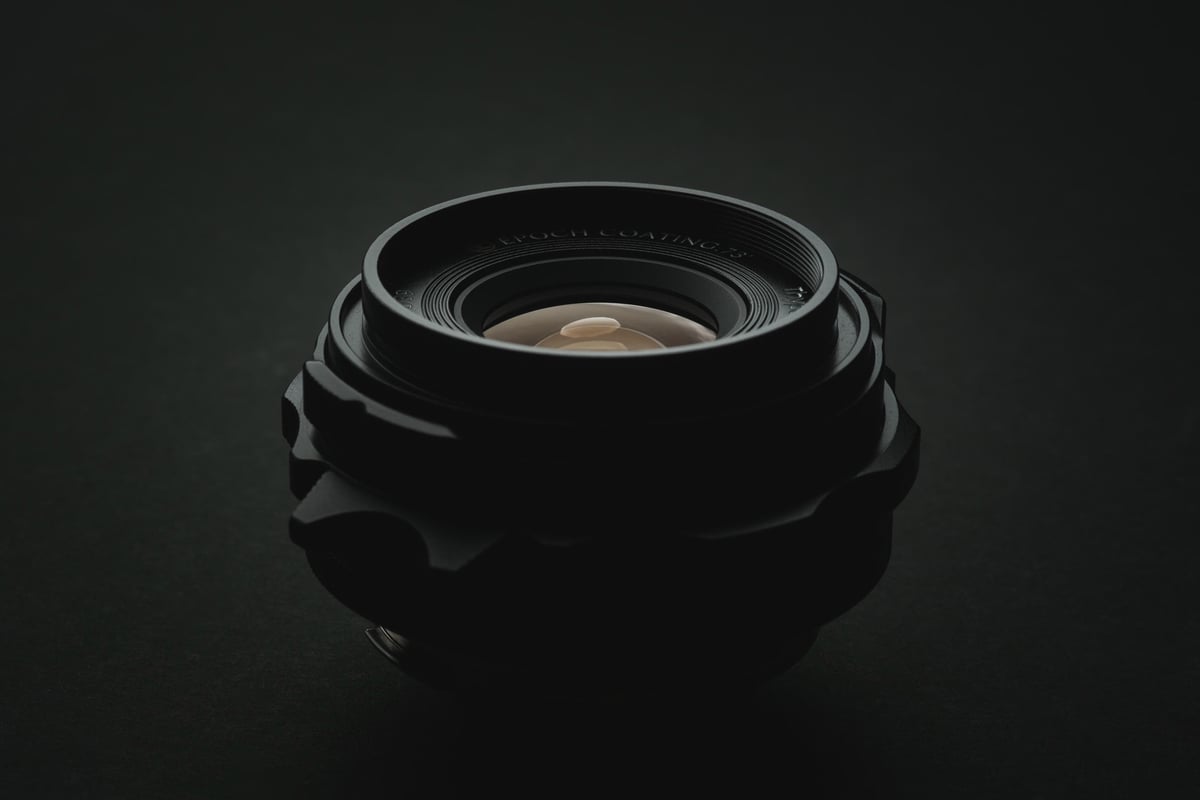
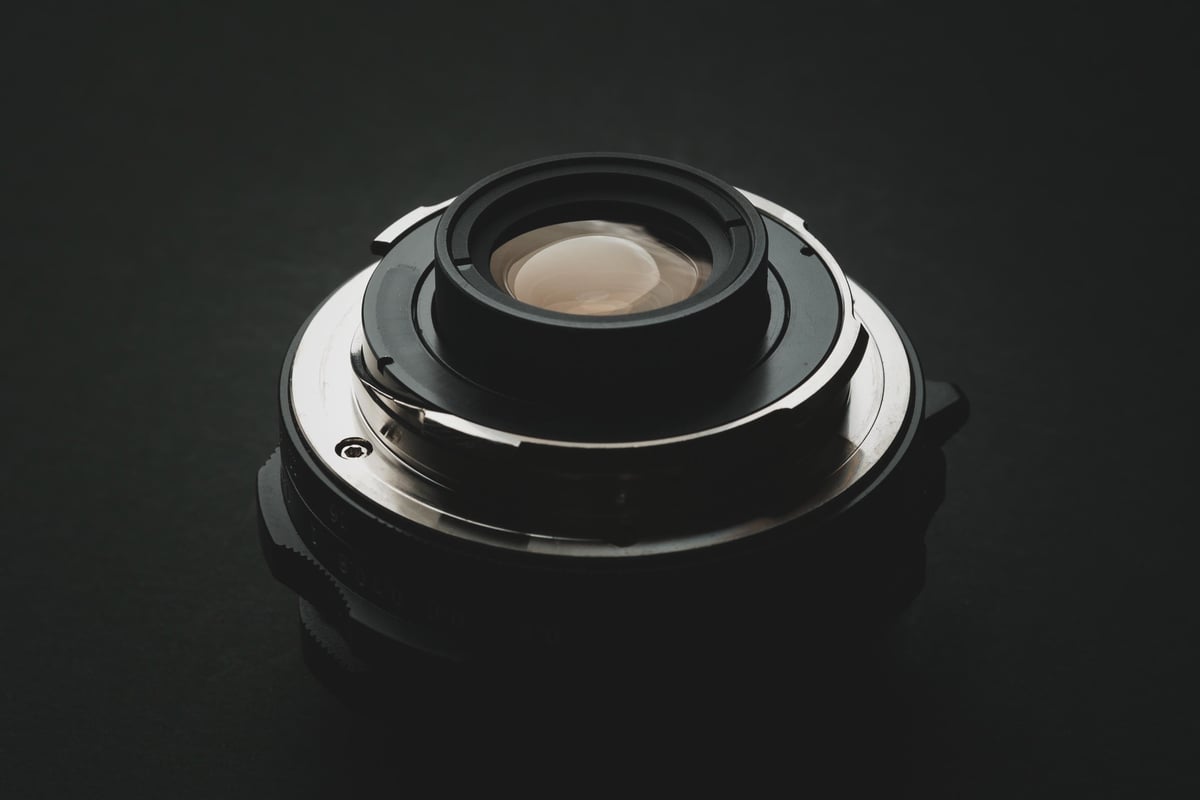
Image Quality: Modern Sharpness, Classic Soul
The Simera 21mm f3.5 is impressively sharp at f5.6 in the center. It also controls for CA very well, but there is some distortion of some persistent vignetting.
It is, of course, a pancake lens, so you don’t get that level of perfection as you would with a Simera or with some of the bigger Thypoch designs.
Sharpness
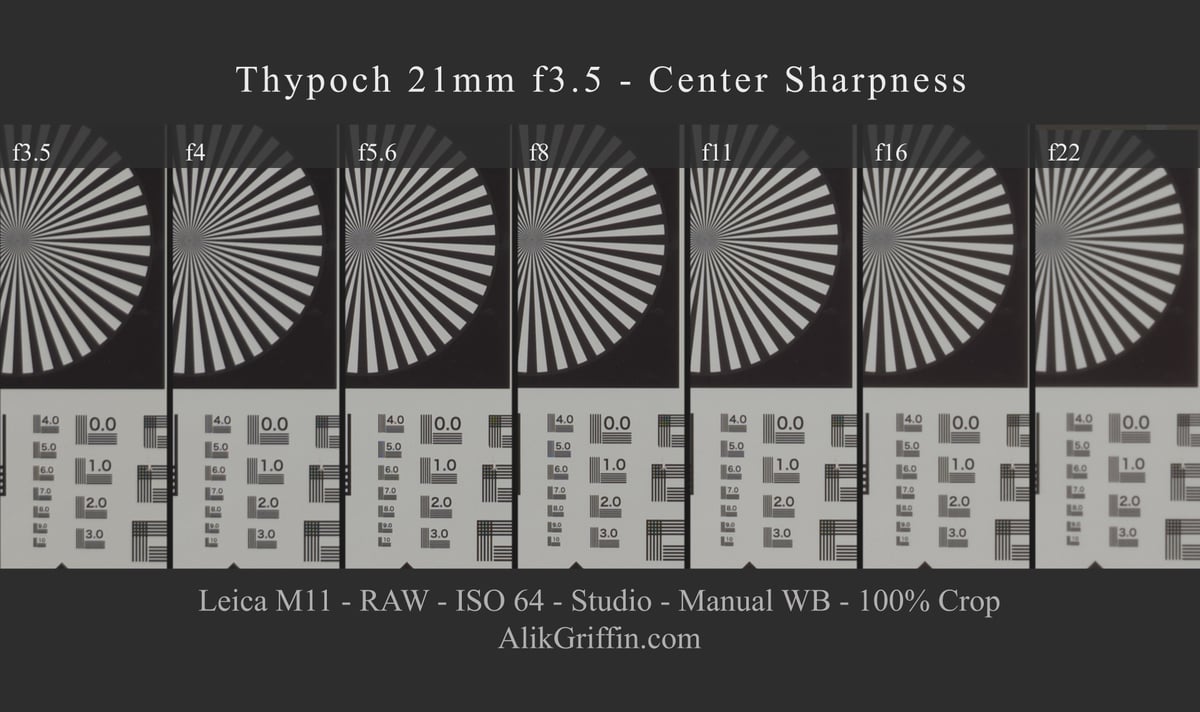
Important Note: I have a sharpness resolution chart and focused the lens at the center, so you will likely see some underperformance in the corners and edges compared to shooting at infinity, because field curvature is more apparent with some lenses, like this one. However, many people shoot close, so these charts are not irrelevant. I’ll post some infinity samples below as well.
Center sharpness is pretty decent at f3.5, but its sweet spot is definitely f5.6. However, the edges and corners, at least on my chart, which I’m shooting pretty close on a 21mm lens, will give you better results across the frame at f8 or f11, but you will lose overall total sharpness in the center because of diffraction. If you’re using a lower-resolution camera, this is totally fine; f8, or maybe even f11, is where you will want to be. I mostly shoot f8 unless I’m shooting at night, and I shoot at f8, especially with a flash. I feel like the images are outstandingly sharp.
The corners, mid-frame, and edges will never match those of a larger lens. This is a pancake lens after all, it’s behaving as expected.
Center Sharpness
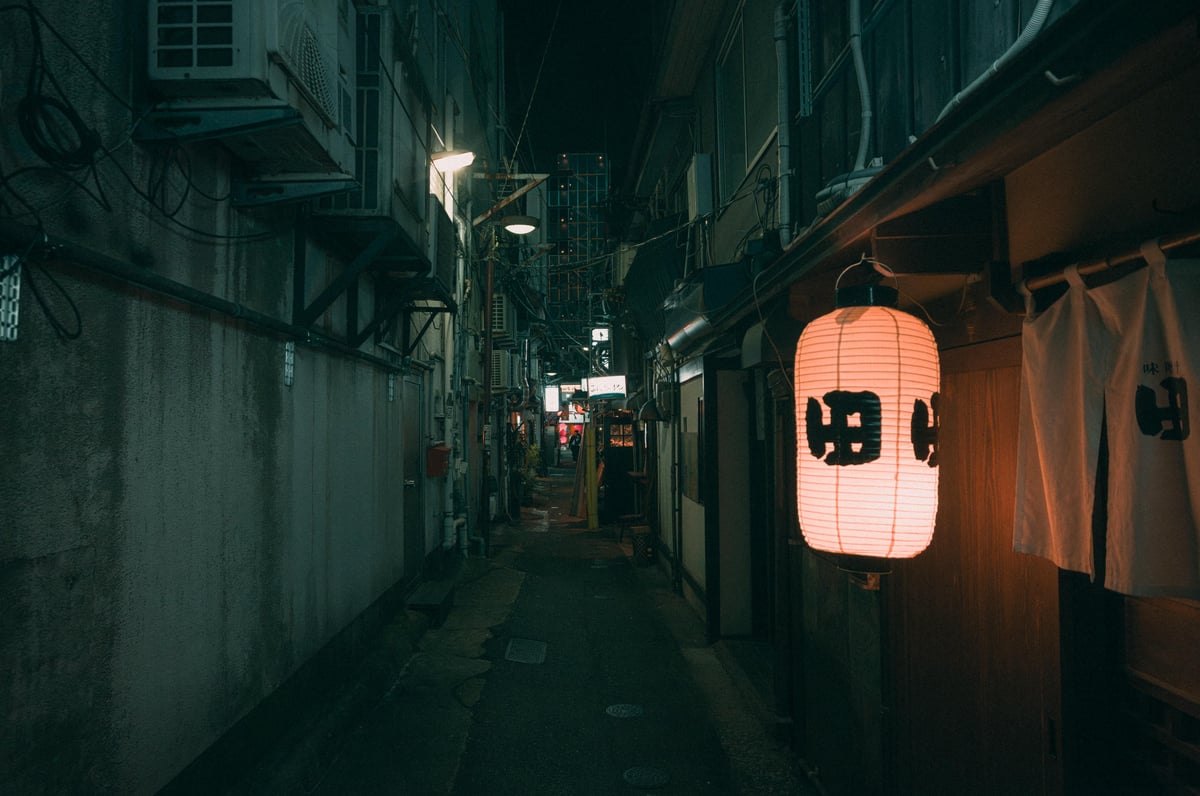
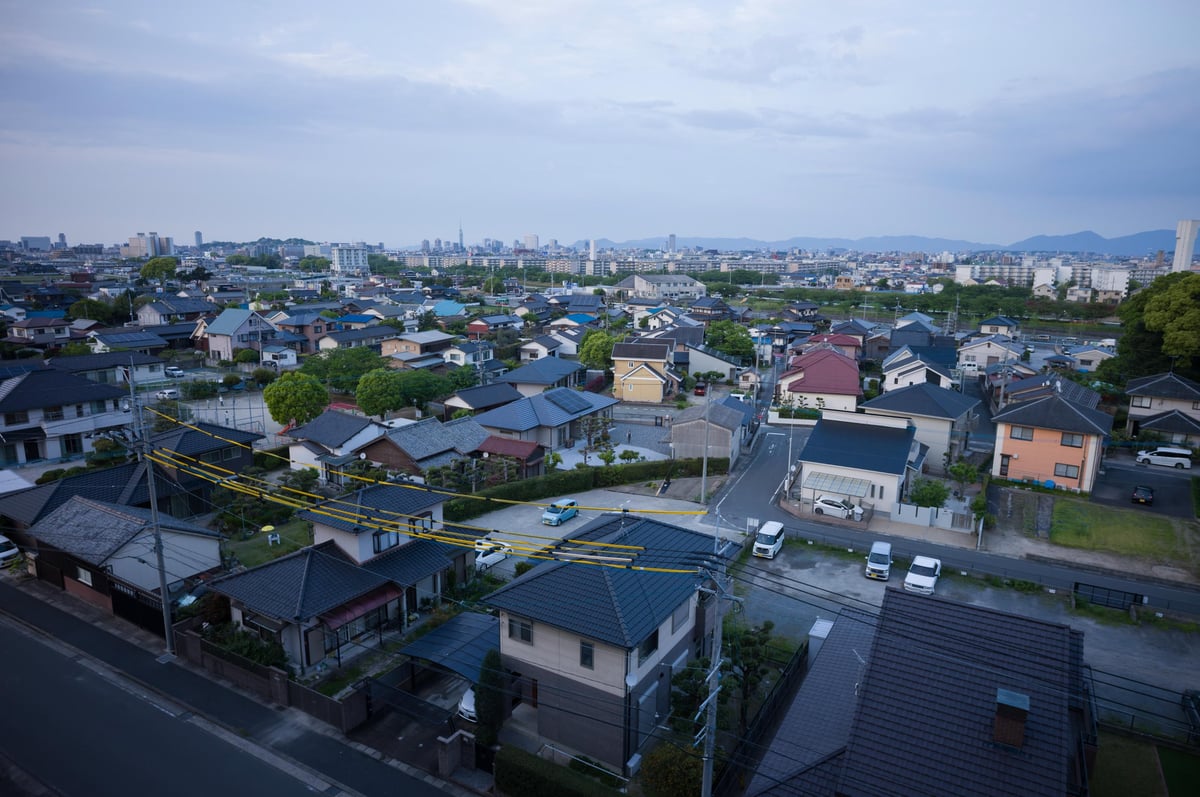
You can see in this sample, which is closer to infinity focus, that the edges and corners drop off a little, but it’s not huge. Overall, it’s pretty sharp; you just have to watch out for that field curvature at close distances.
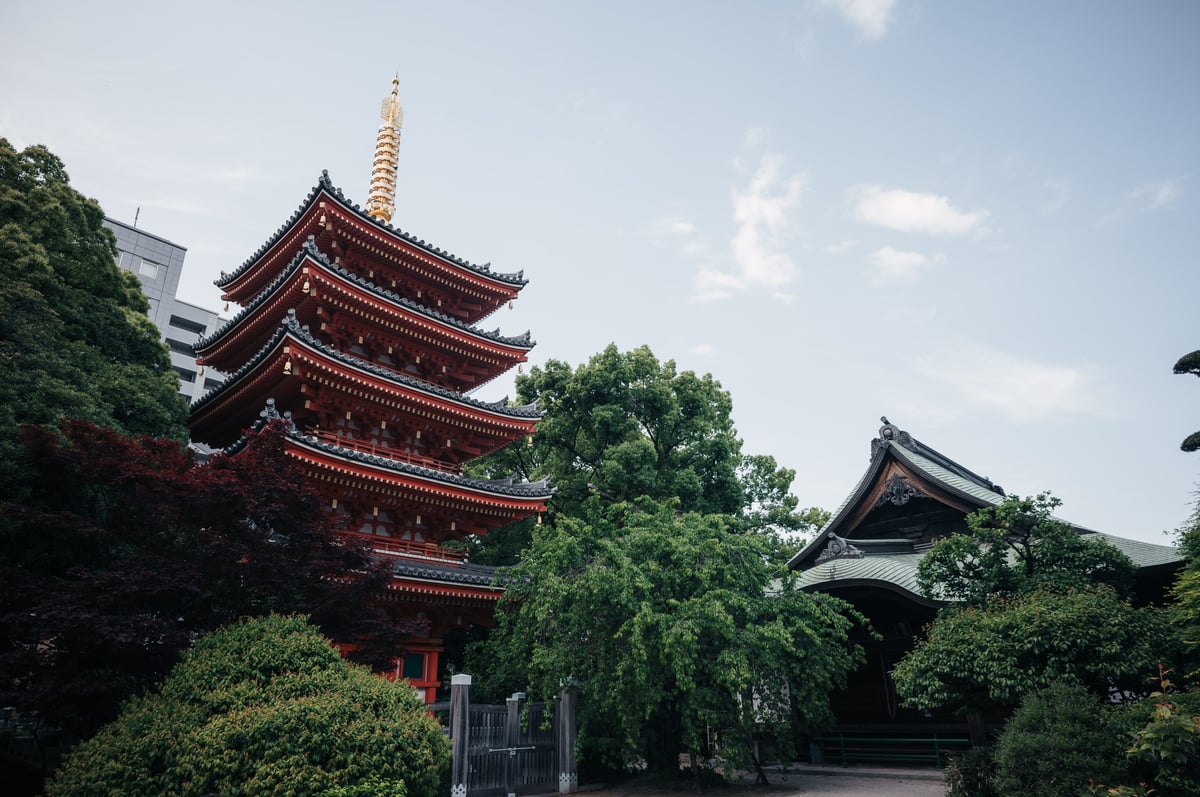
Check out this edge here at 100% crop. It’s very acceptably sharp for some light travel and landscape work. I believe this was at f8.
Make sure you click the photo to see the full sample with less compression. I’m using the default sharpness settings in Lightroom for the M11: Amount 40, Radius 1.0, and Detail 25. On the left side of the frame here, you can see each individual leaf with almost no smudging. This was handheld as well; it would probably look even nicer on a tripod. So this lens can be very good at f5.6 and f8.

Mid-Frame Sharpness
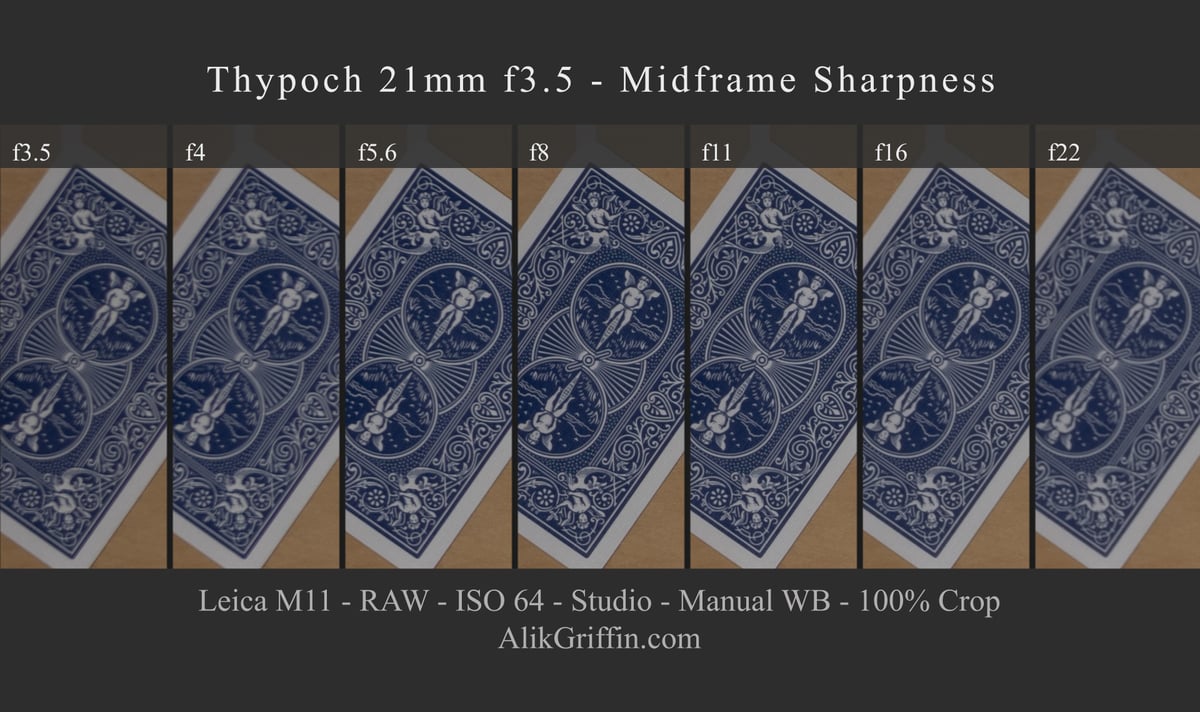
Again, as a reminder, the softness you’re seeing in the midframe is caused by field curvature. This lens does have some, so what we are getting is not so much that the mid-frame is soft, but that it’s just slightly out of focus. It’s important to keep this in mind because on a rangefinder camera like the M11, you’re mostly focusing with the center of the rangefinder. So if you’re shooting a portrait and you’re up close using the rangefinder, which focuses at the center only, you might get some focus drift towards the mid-frame, and in that case, you’ll need to double-check your focus on your screen or use a Visoflex 2. Especially on a high-resolution camera like the Leica M11.
Your best results here are at f8.
If you go to Thypoch’s website, you can also see their MTF charts. The MTF charts look much better because the charts are shot at infinity focus. But I’ll leave these charts up because this is a range finder center focus lens, so it’s important to know what it’s doing here.
Corner Sharpness
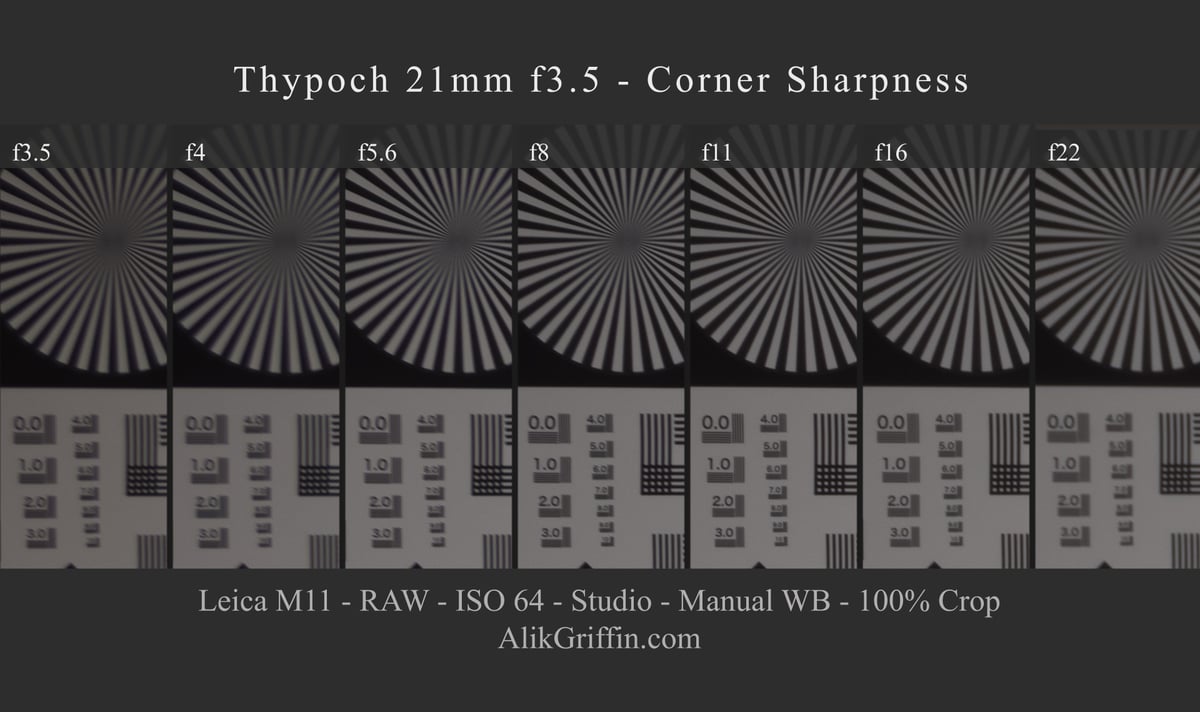
Same story here as the Mid-Frame, best results come in at around f8 and f11.
Sharpness Conclusions
After using this lens for a while, I’ve noticed it does a few really nice things. It performs well at f5.6 and f8 when shooting landscape travel photos, and it’s especially great for street and flash photography. If you are shooting wide open at f3.5, it does get a little squirly in terms of performance with the edges and corners, with some chattery, messy bokeh as well. So just work within those limitations and don’t expect miracles from a pancake, and you’ll have a good time.
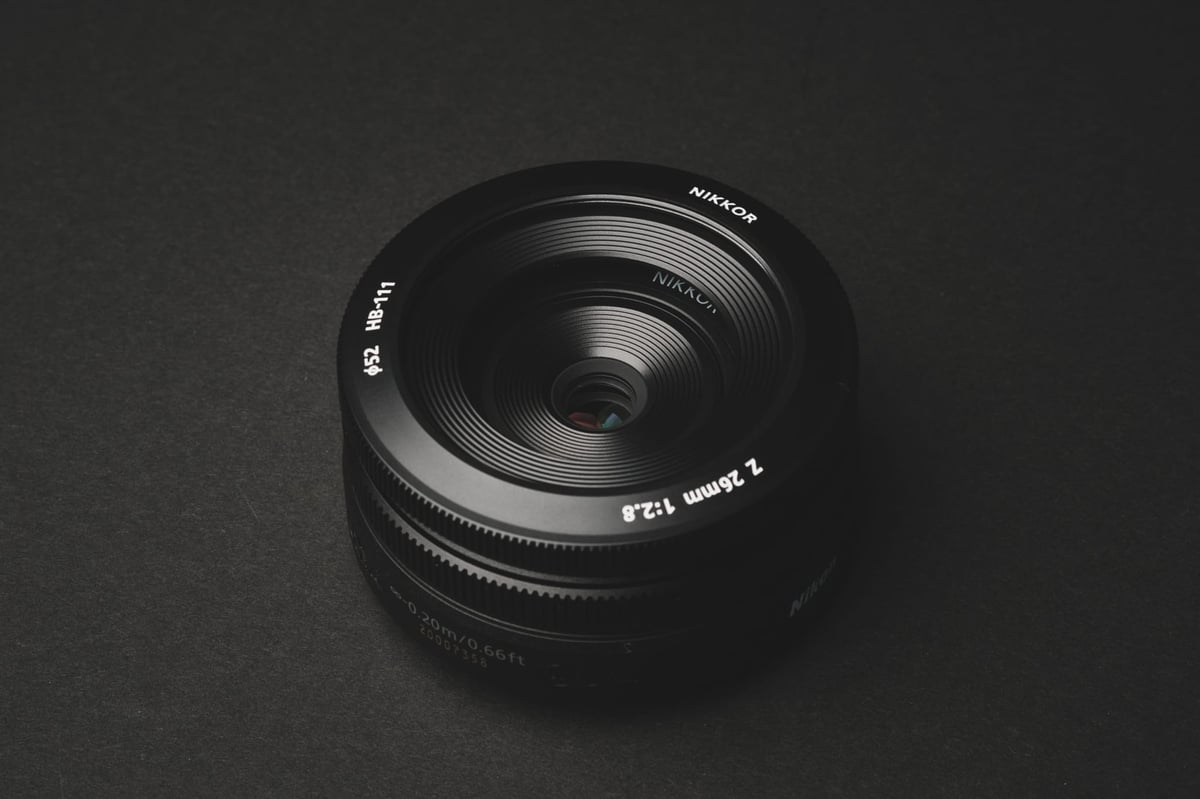
A lot of my wide-pancake lenses, like my Nikon 28mm f/2.8, have the same problems. The only one that doesn’t is probably the Nikon 26mm f2.8, but that’s because it’s an all-element focusing lens, so it has some really fancy tech to keep everything aligned at all distances, which wouldn’t be possible in a manual lens like this.
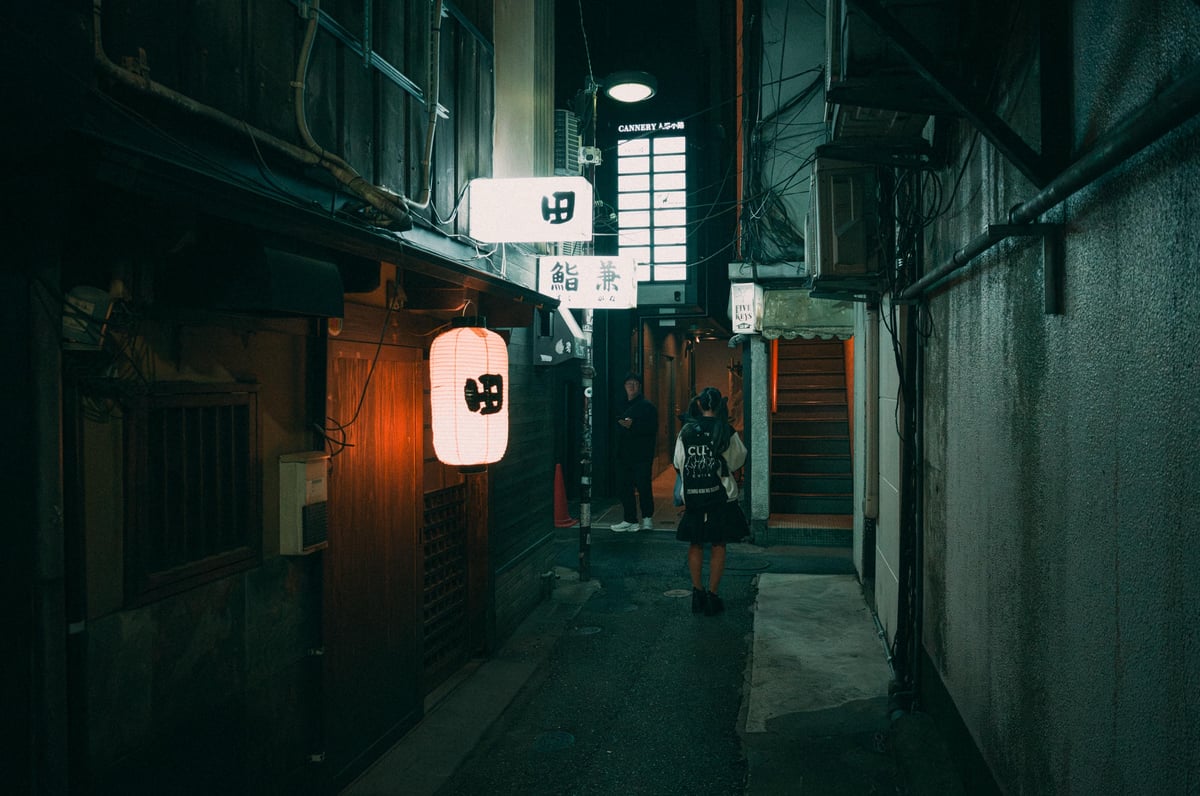
Here is a shot to manage your expectations of what you will get when shooting something wide open or close up. This lens really does like to be a little further back and stopped down a little.
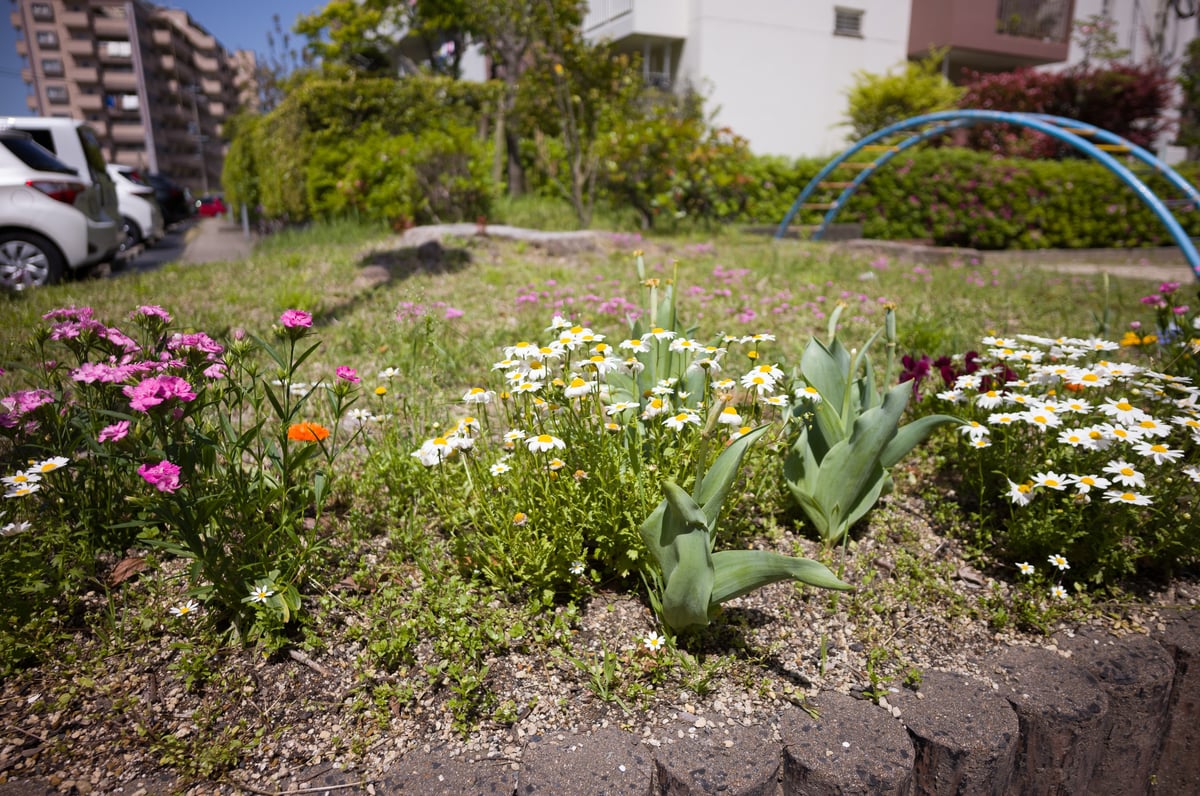
You can still shoot close; if you keep your subject centered and close with a long background, then it looks great.

Chromatic Aberrations
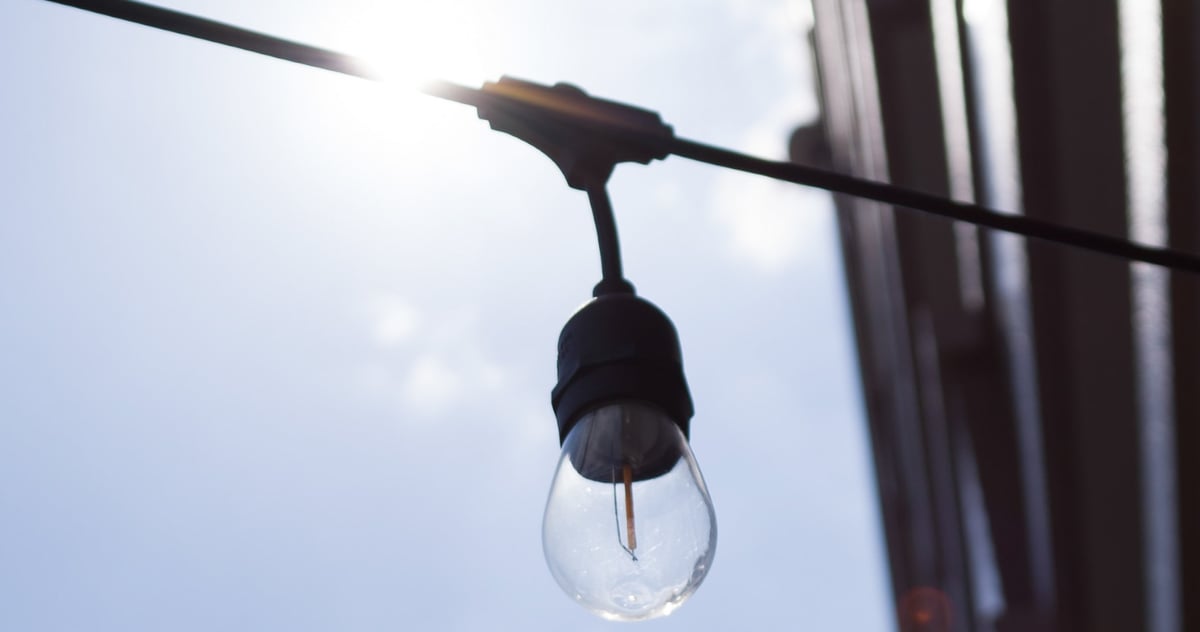
I’m not really finding any issues with Chromatic Aberrations on this lens. Here is a 100% crop with a pretty intense situation. Only some very mild green fringing that’s difficult to see, even at this zoomed-in level.
Flaring
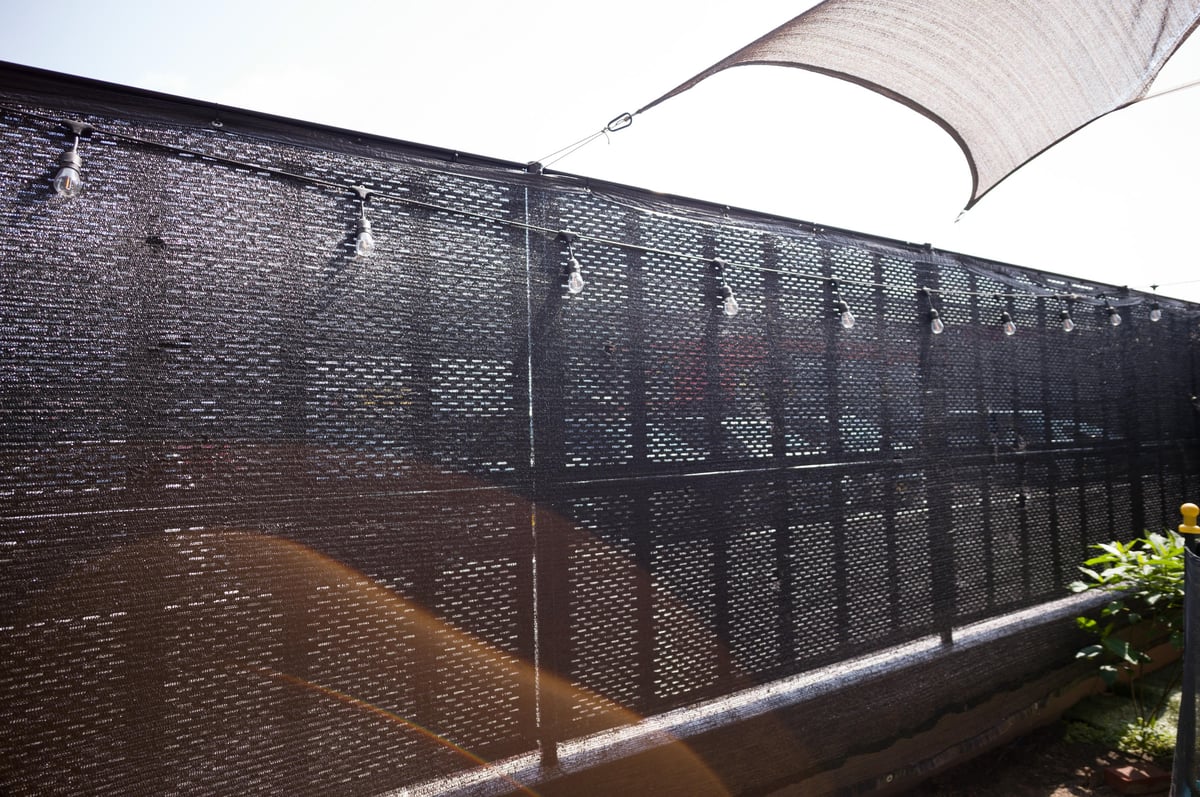
I have a really hard time getting this lens to flare. Only sometimes, when I point it into the sun, I can get some orbs, and only at the absolutely perfect angles can I get it to flare, like in this sample. There is a lens hood you can order with this lens, but my copy does not have it. Also, they use a gold coating, so you get gold flares, which is pretty cool and unique.
Distortion
Some barely noticeable barrel distortion with a light mustache shape. But nothing too extreme here.

Vignetting
This lens always has some mild vignetting across all the apertures, it seems. It never gets better or worse and is mostly consistent.

Bokeh and Fall-off
Achieving “creamy” bokeh on a 21mm f3.5 lens is not really a thing, but the 9-blade diaphragm ensures that out-of-focus highlights stay circular when you get close to your subject. The transition from sharp to out of focus can get a little “nervous”, but I mean, you’re not going to get super shallow depth of field like you would from a faster, longer lens, that’s not what this lens really is.
This is really all you can expect, just a little separation, but still better than a smartphone using fake bokeh.

Somewhat of a nervous, busy background when I’m focusing very closely.

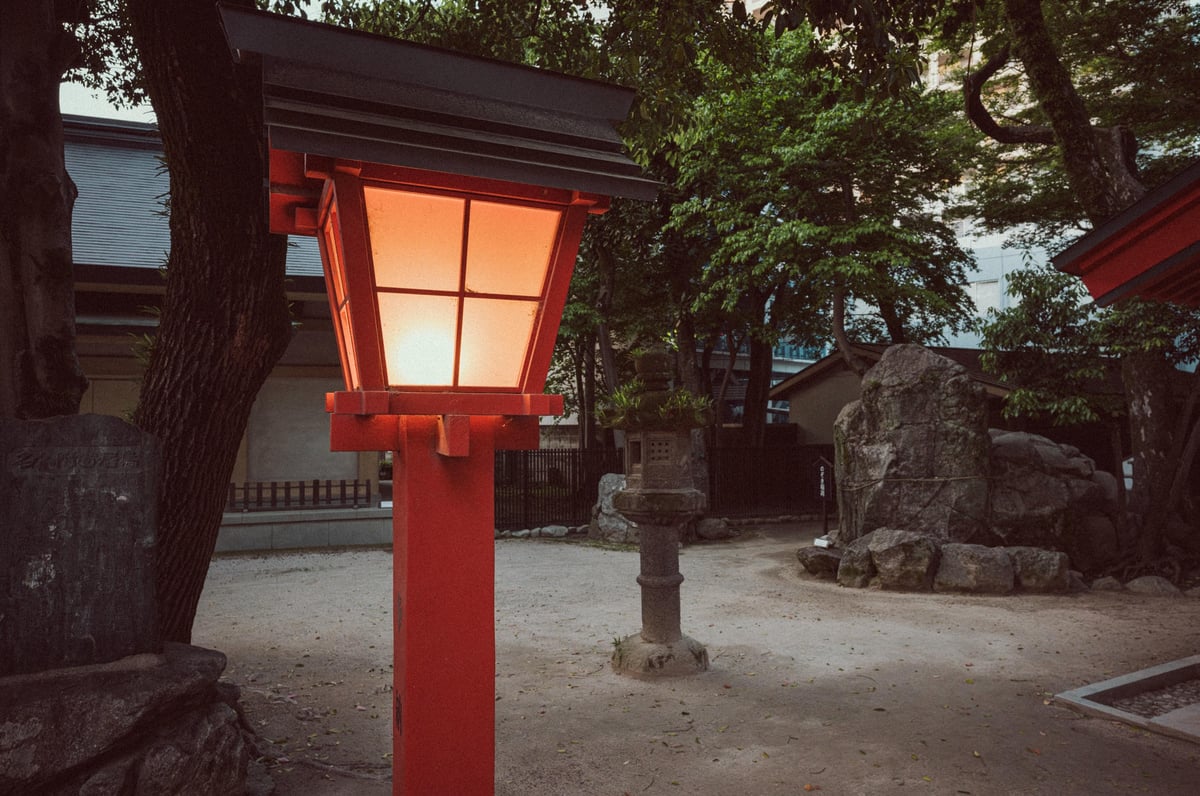
The focus here is a bit further back, and you still get a bit of that background separation. I think I may have stopped down a little on this shot, like f4, but it looks pretty good for a pancake in my opinion.
Color and Contrast
The coatings are excellent, producing punchy, saturated colors. Most of the Thypoch lenses I’ve tested so far have actually really nice colors with no strange tints, and the lens coatings seem pretty great.
With 8 elements, you get some decent micro-contrast, although with a pancake like this, I would probably favor advanced optics and performance over micro-contrast, so they did a good job balancing the compromises here.
This lens has 1 aspherical, 2 extra-low-dispersion, and 3 high-refractive-index elements. Even the much larger Zeiss 28mm f2.8 has 8 elements to keep it behaving. So we end up with a nice balance here on this Typoch 21mm, and the advanced optics really help keep it performing well for its size and focal length.

The High-MP Advantage & Panorama Perspective
In my experience, a 21mm focal length is great for high-megapixel cameras like the Leica M11. On the Leica, you can shoot with a 1.3x crop to achieve a field of view close to 28mm. When these are imported into Lightroom as DNG files, the software maintains the crop while still giving you access to the full 21mm frame if you need to adjust your framing. This flexibility is incredibly useful and fun for street, party, or lifestyle photography.
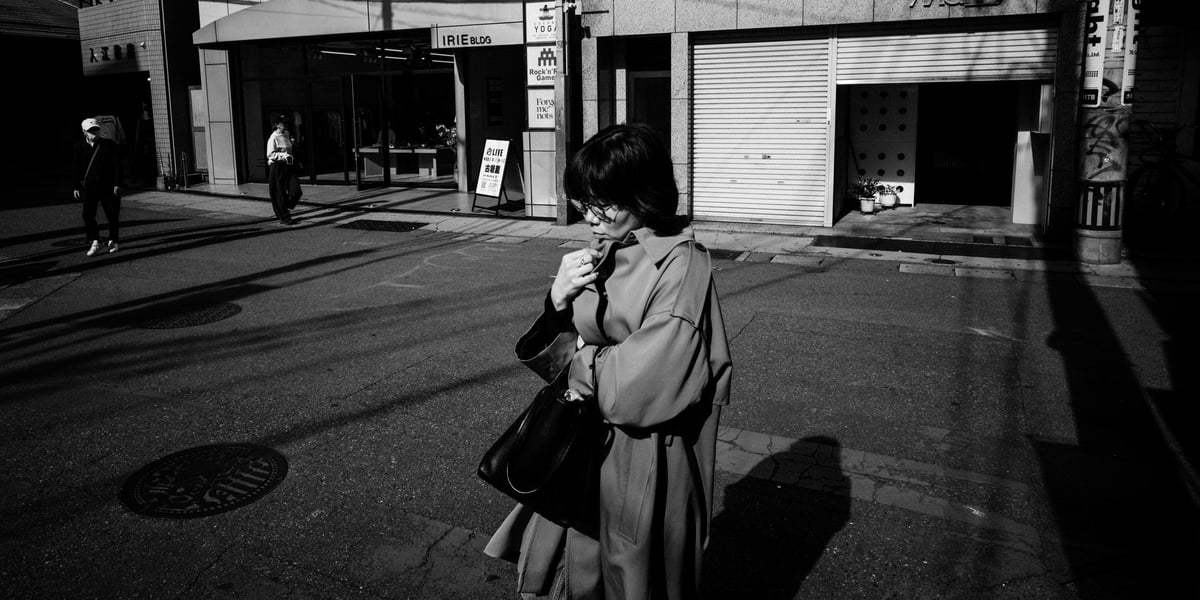
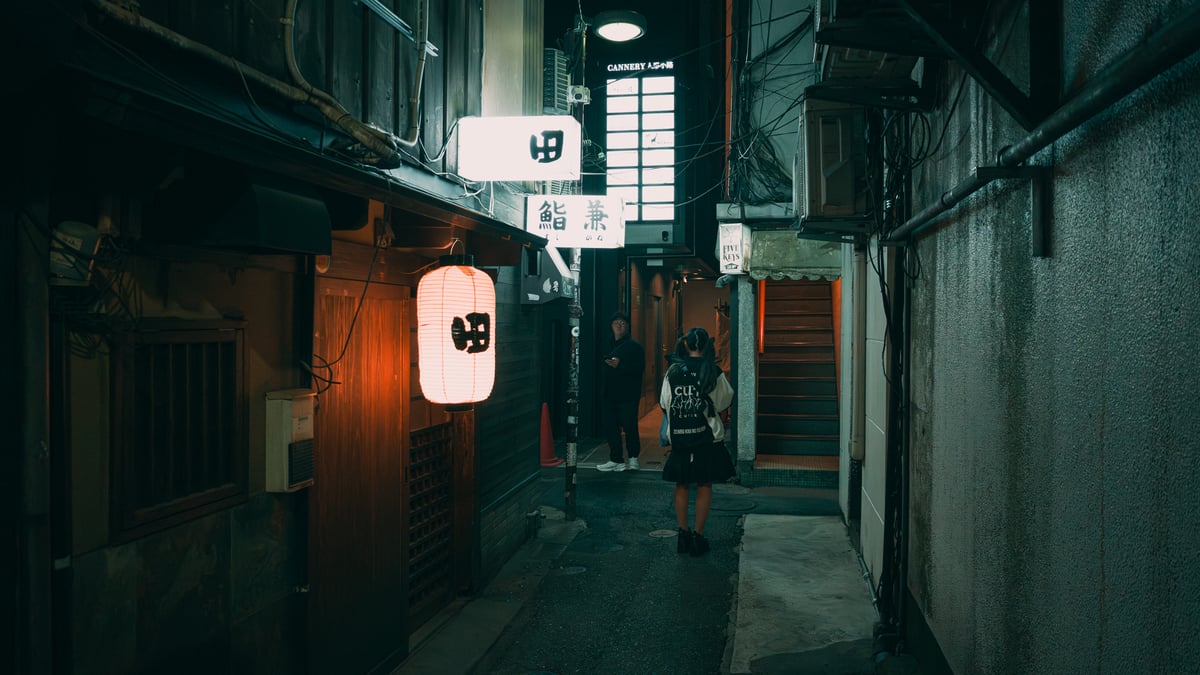
Additionally, this lens works great as a “panorama-type” tool. It is very fun with 16:9 or 2:1 crops, as the extra room on the left and right sides of the frame offers a unique perspective.
Thypoch Simera 21mm f3.5 Bottom Line
If the Thypoch 75mm f1.4 is the specialist and the 28mm is the workhorse, the Thypoch 21mm f3.5 is the minimalist’s choice. The build is premium, the optical compromises are real and predictable, and if you work within them it performs well.
It’s a genuinely good pancake lens — better than most at this focal length and size. For the full picture of what’s available in the M-mount, here’s a list of Leica M lenses — native Leica glass and every third-party option.

Tips for Best Results
To get the most out of this lens, you have to respect the inherent limitations of a pancake design:
- Stop Down: It performs best when stopped down a bit.
- Keep Distance: It shines when you shoot from a slightly further perspective.
- Embrace the Vibe: Treat it as a classic snapshot lens rather than a clinical wide-angle, and you’ll have a lot of fun with it.
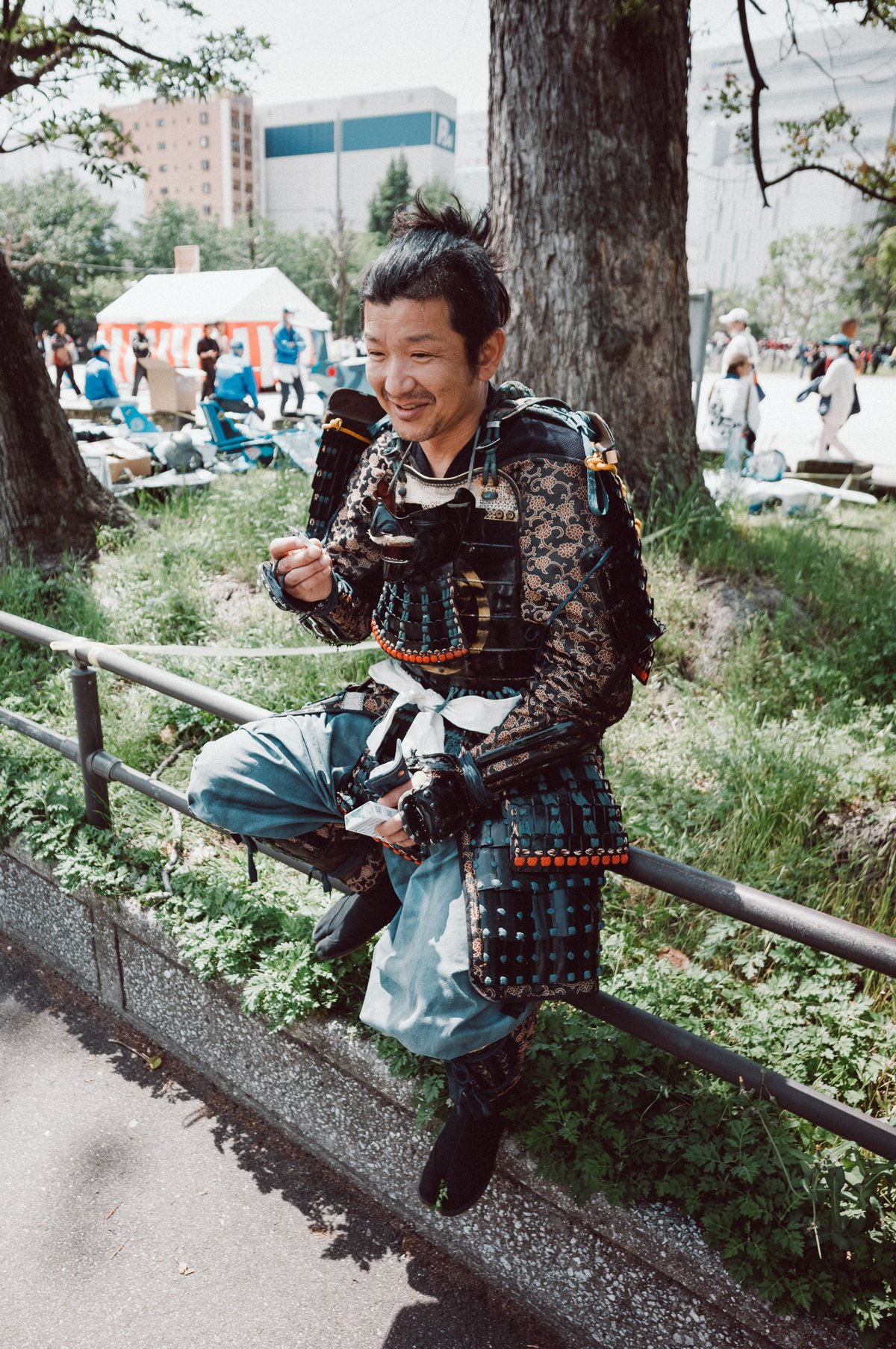
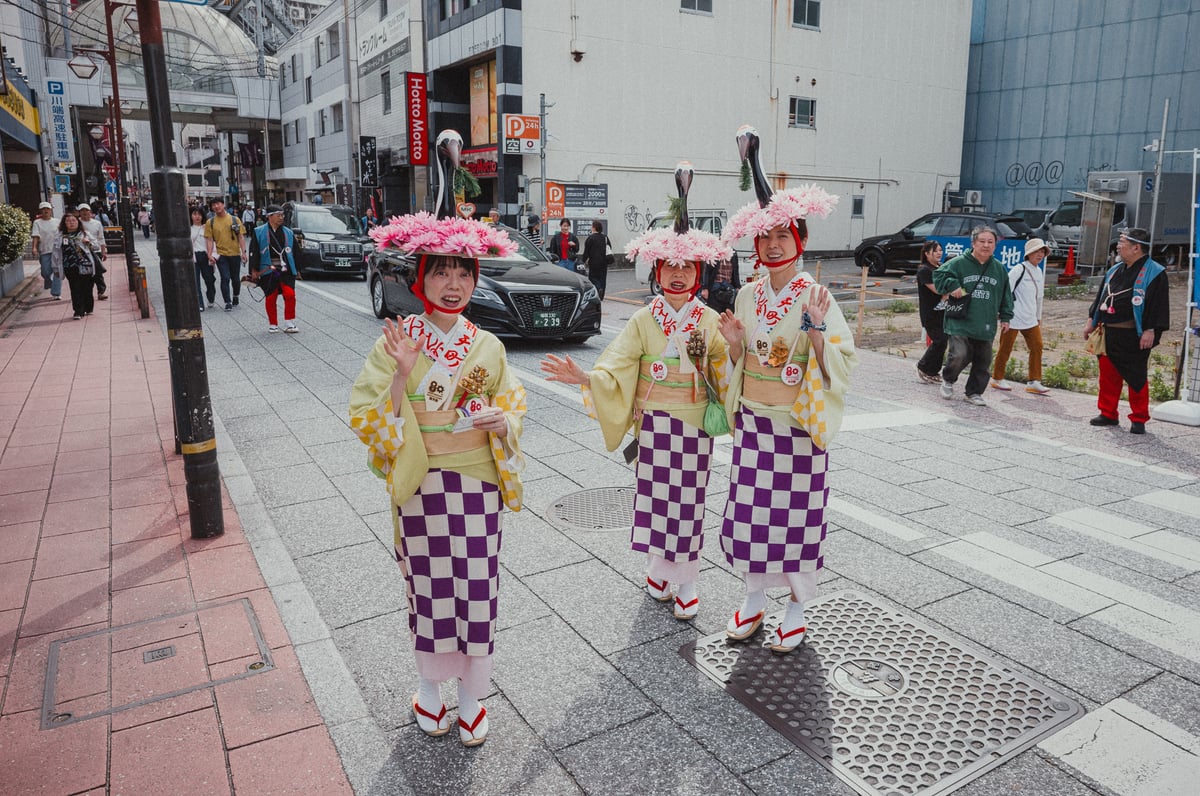
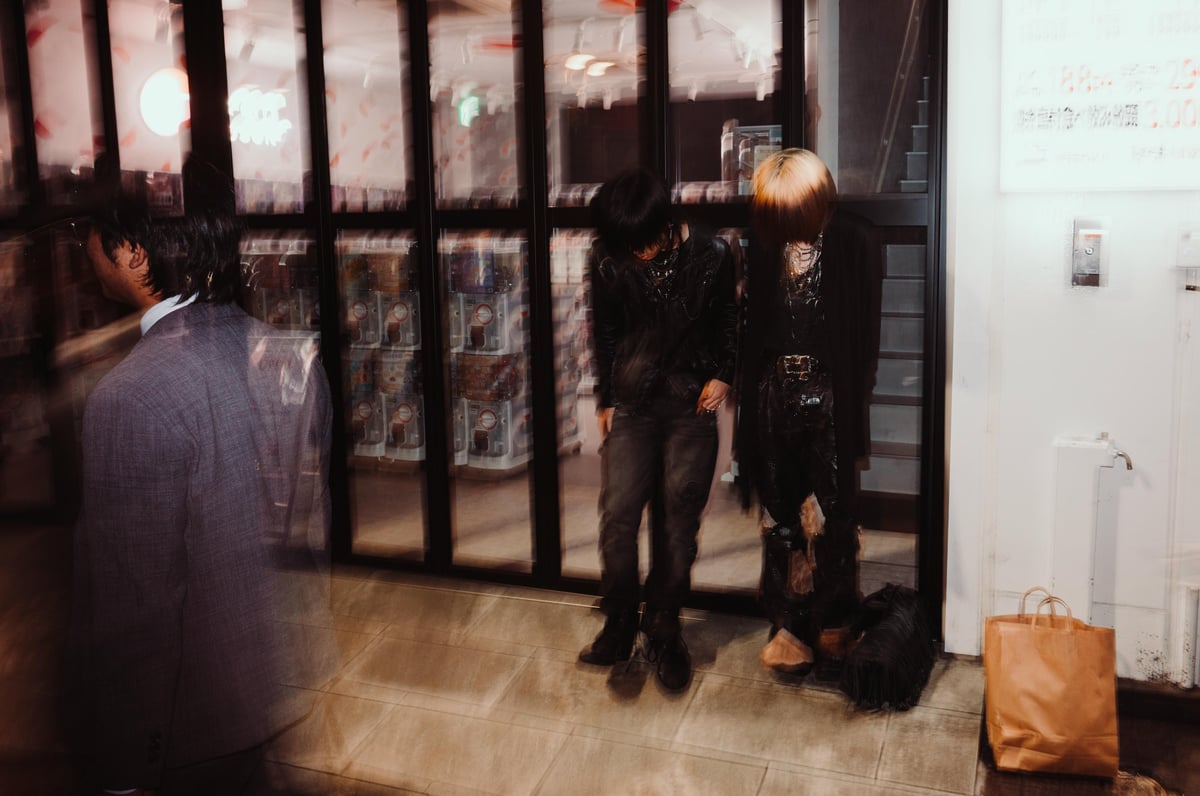
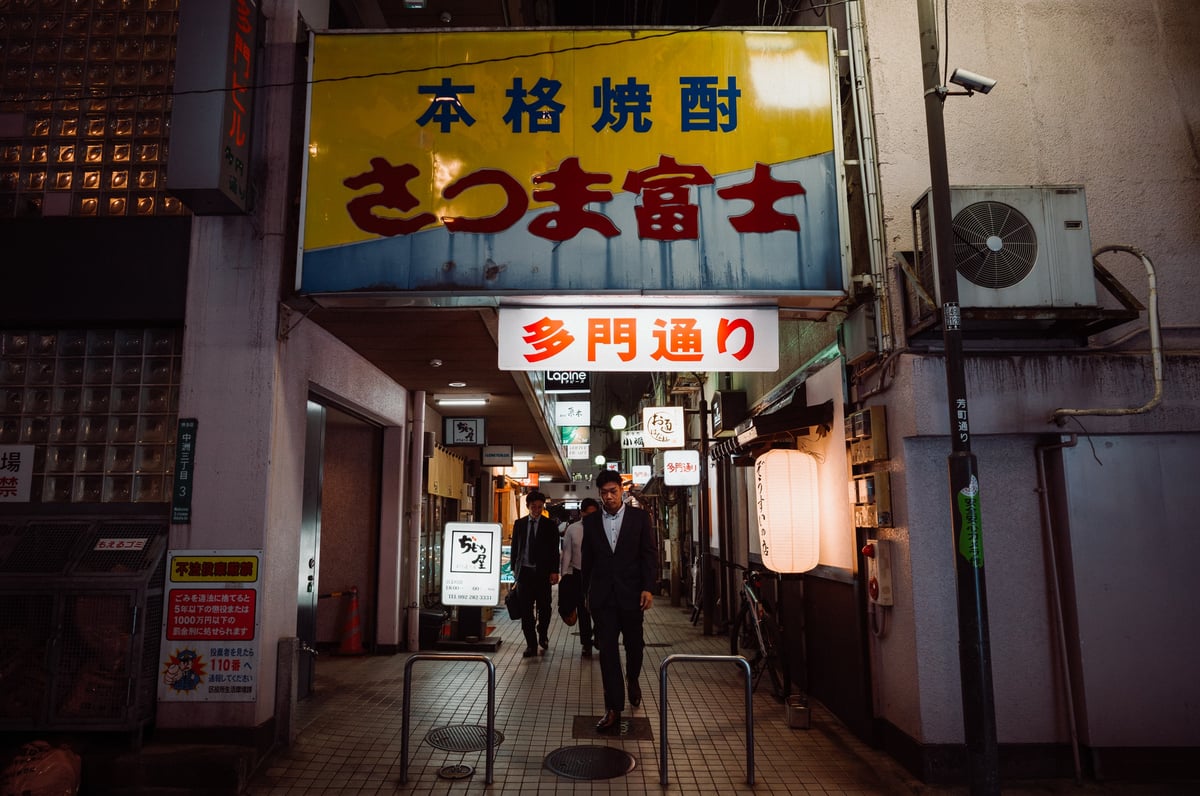
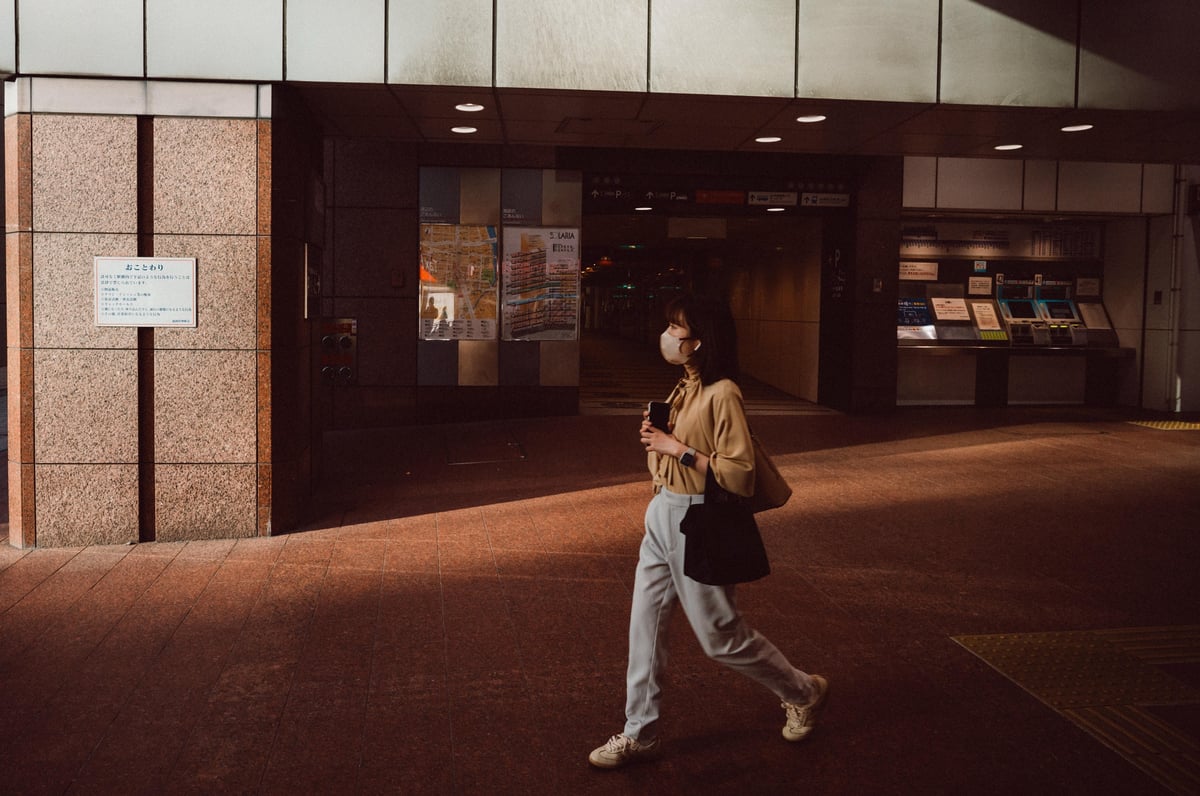
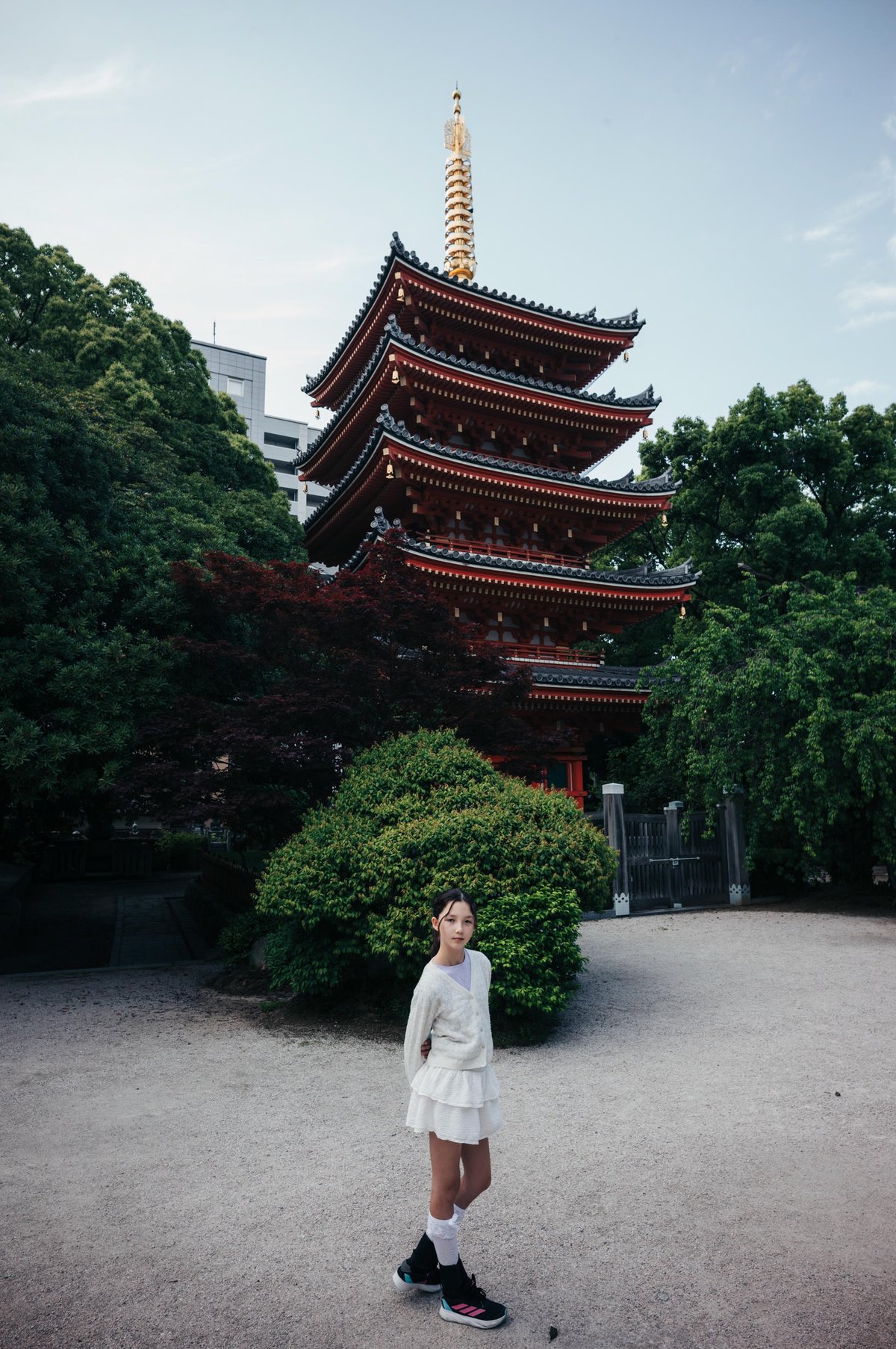
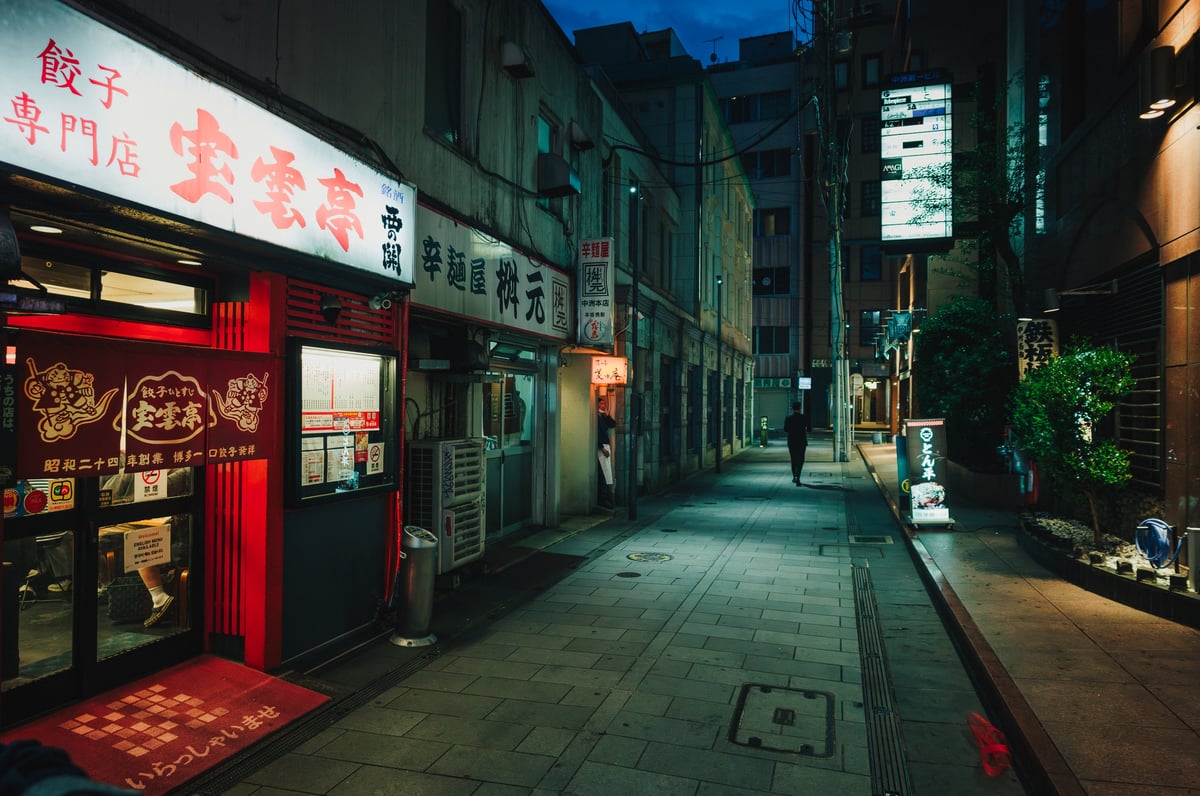
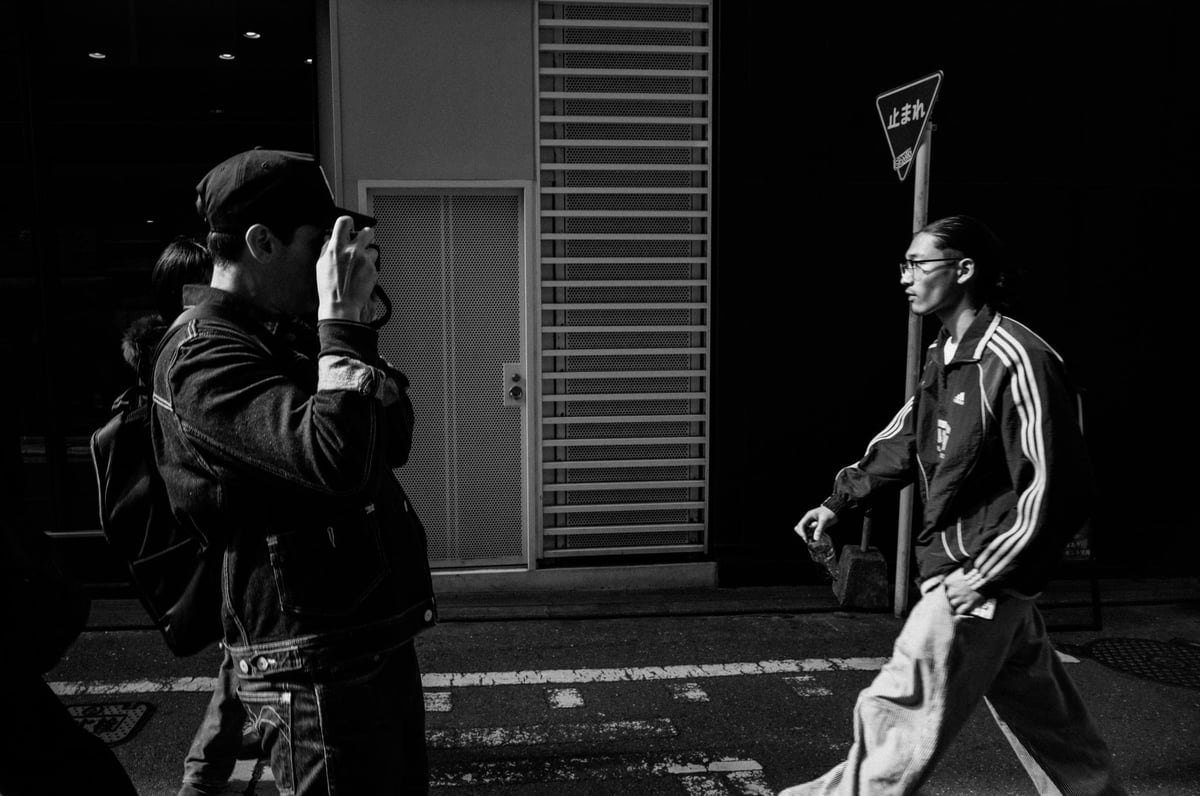
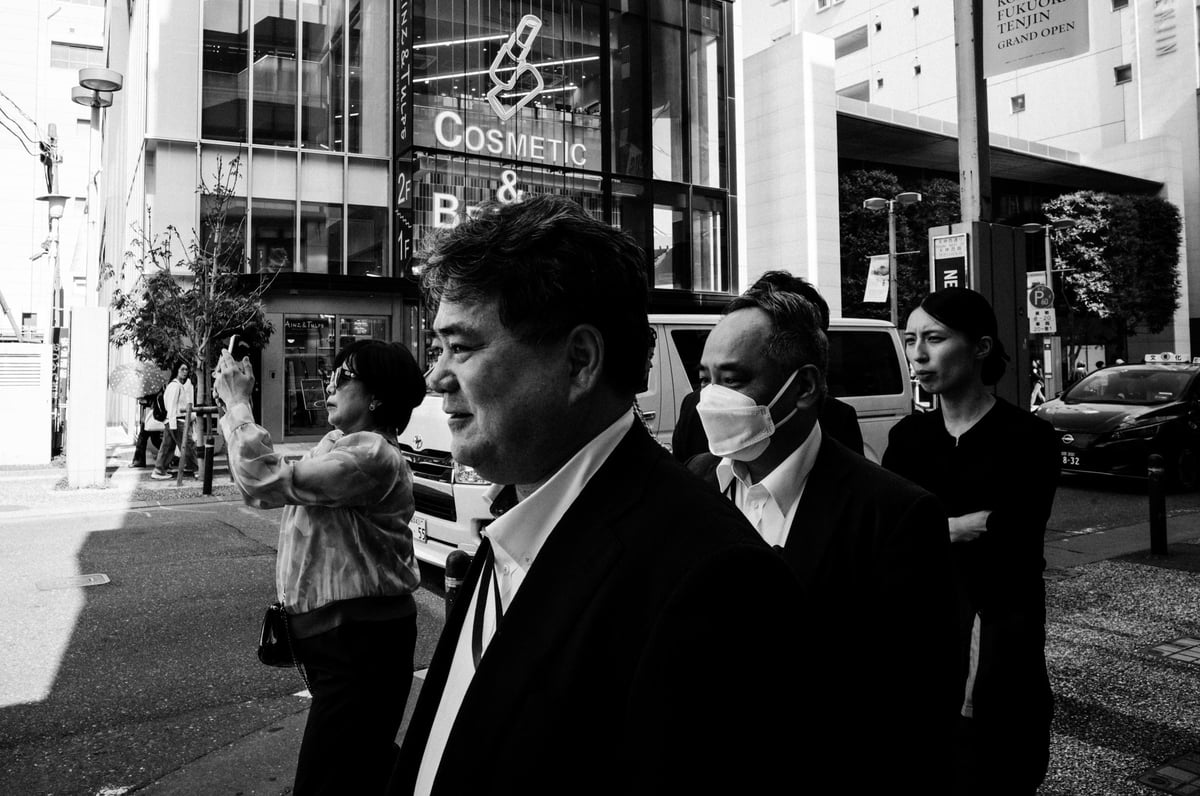
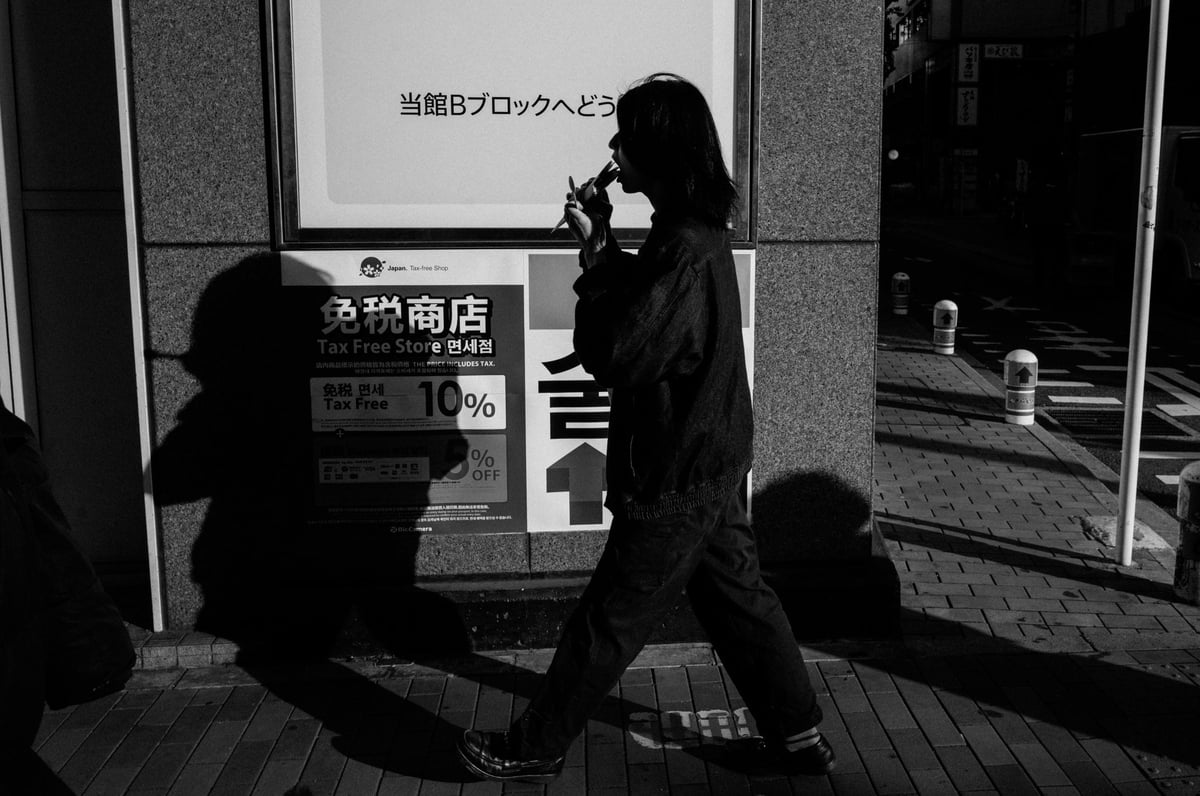
A note on the sample images: Many of these were captured using zone focusing at f/8 or f/11, with shutter speeds likely a bit too slow. As a result, some of the frames get a little “wild”—consider them a testament to the lens’s character rather than a laboratory test of its corner-to-corner sharpness. This is just how I like to shoot.
For the flash photo, I’m using the Viltrox Z2 on the Leica M11. I use the flash at full power without the diffuser; I keep ISO at 400, f/8, and 1/8 shutter speed. That’s the formula I really like.
Color with my presets. I’ve been getting a lot of sales with this, and I have to say thank you! The preset sales are the only way I can justify doing these lens reviews, which take a ton of time.









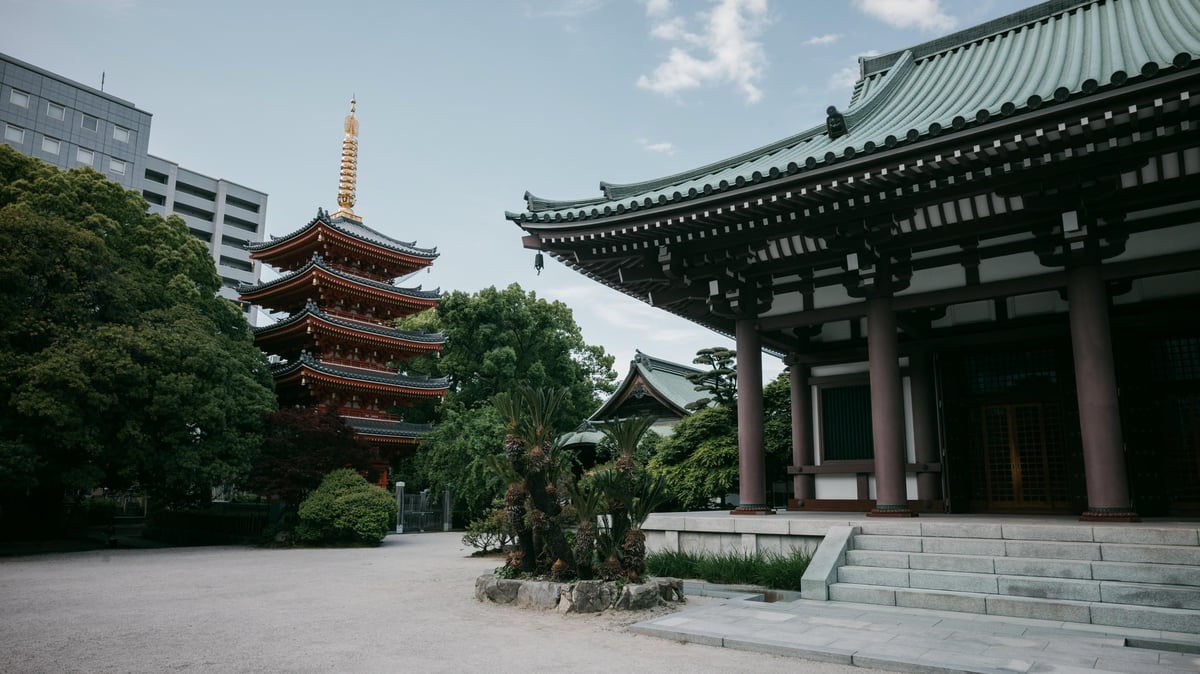

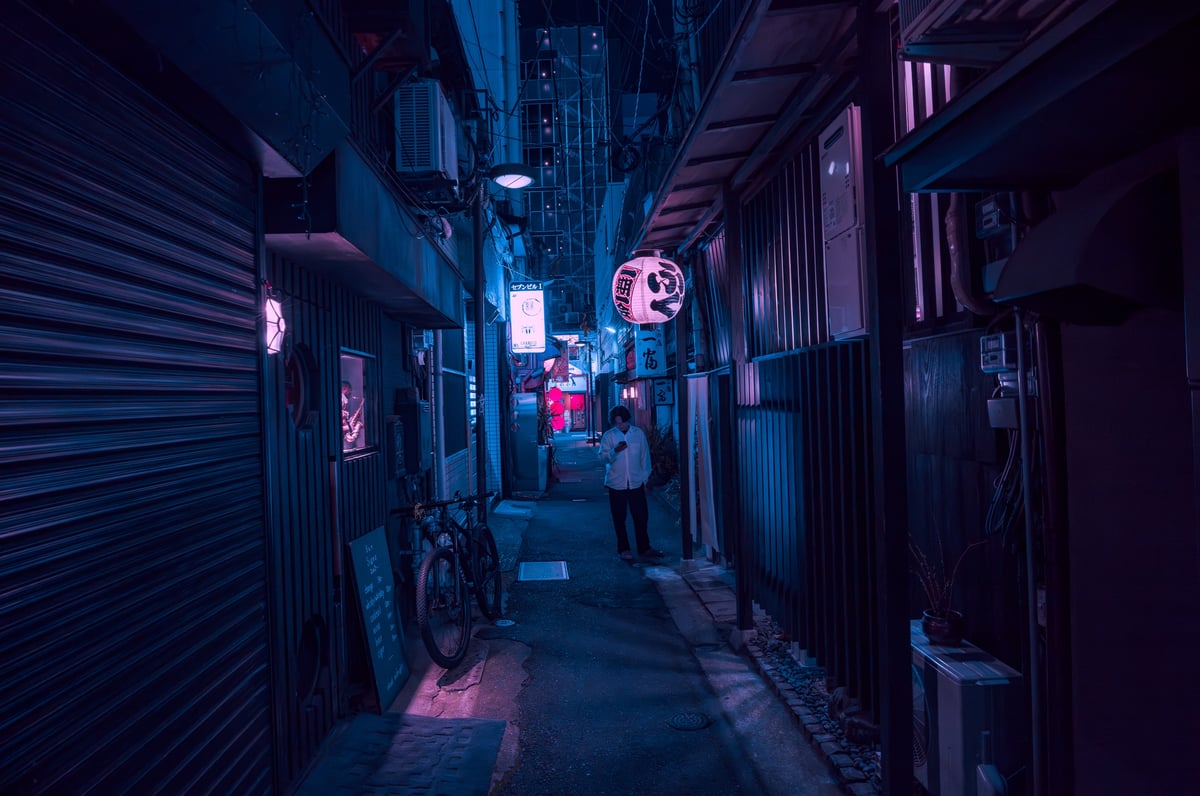
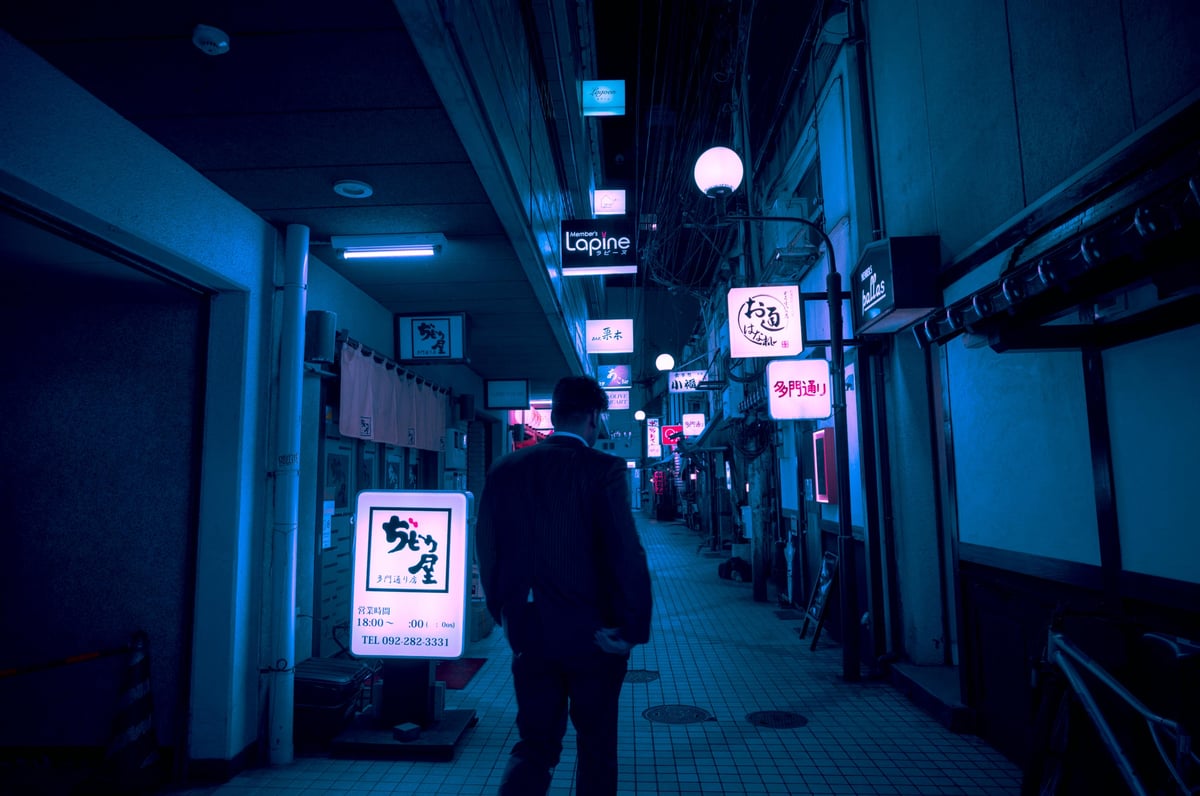

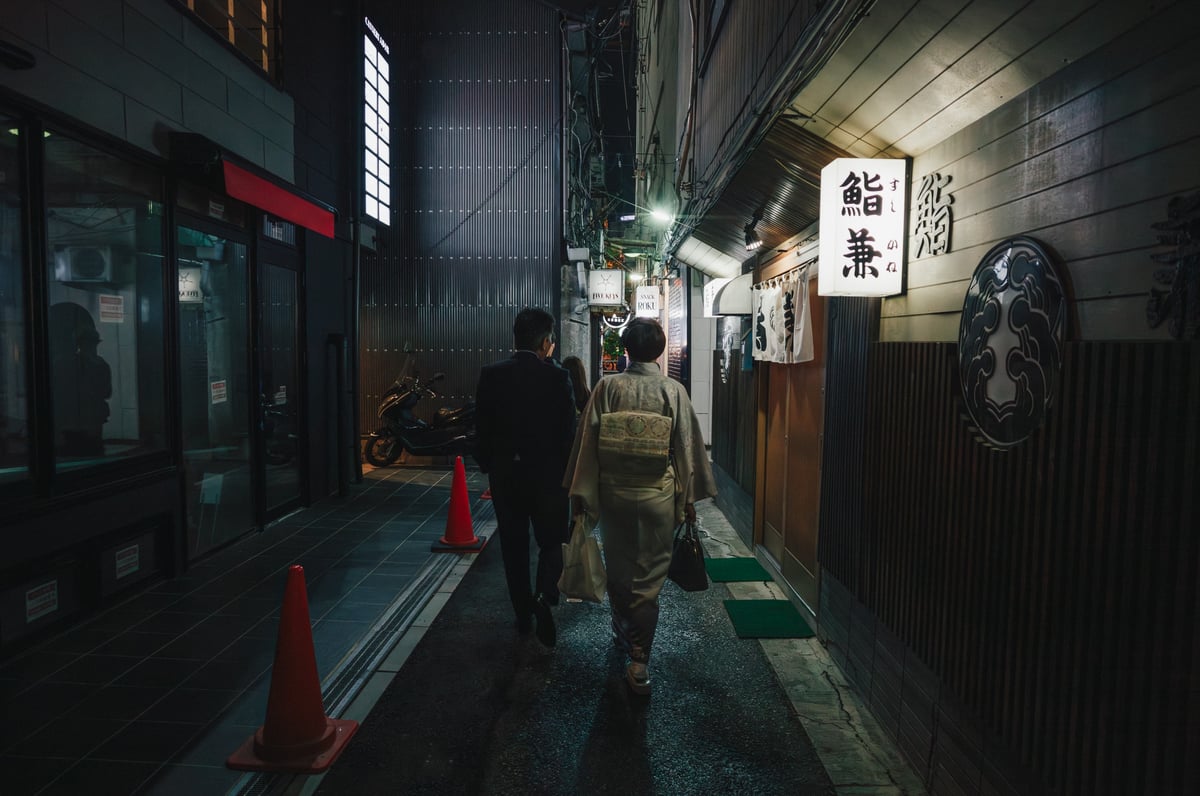

Thypoch 21mm f3.5 On The Fujifilm X-E5
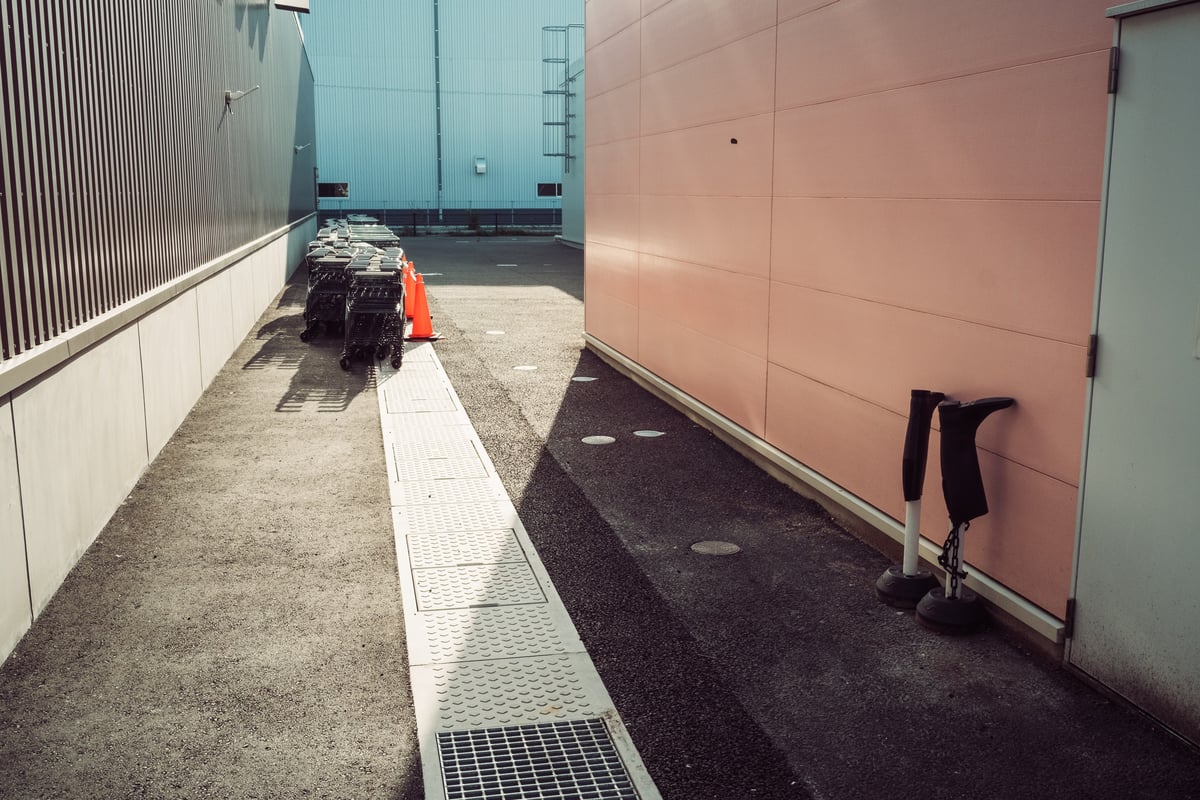
On the Fujifilm X-E5, the Thypoch 21mm becomes more like a 30mm lens, which is a ton of fun. I use the Kipon Macro adapters as well, so I can pull the close focus much into macro territory if I need it. This X-E5 with the macro adapter and some of these pancake lenses is some of the most fun I’ve ever had with photography.


















Leave a Reply