
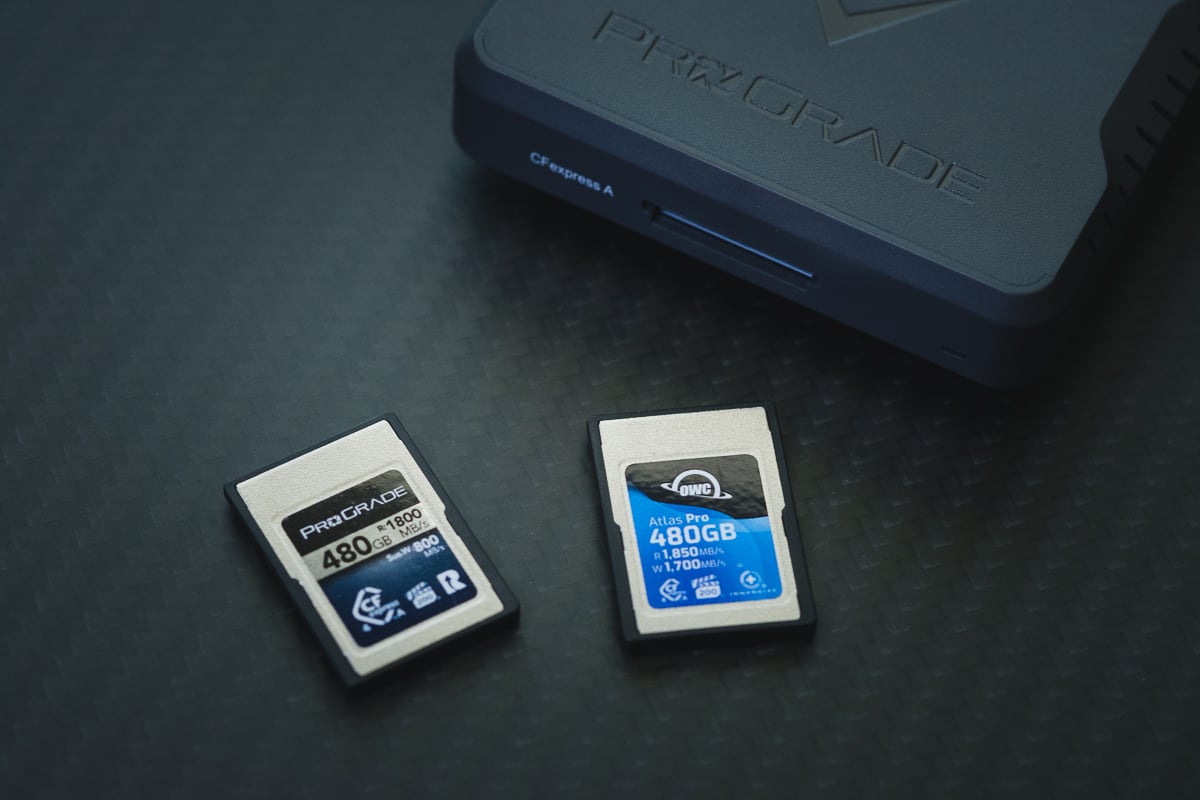
CFexpress Type-A memory cards, or CFxA & CFeA as often abbreviated, are a relatively new type of memory card that Sony has used for many of its new full-frame mirrorless cameras.
CFexpress Type-A cards are smaller but thicker and faster than UHS-II V90 SD memory cards.
Many CFexpress Type-A cards with larger capacities are now on the market, and their prices have decreased significantly. Some are now affordable enough to be considered a better value than V90 UHS-II SD memory cards.
New CF4.0 CFexpress Type-A Memory Cards
The CF4.0 interface is the latest technology in CFexpress Type-A memory cards. This new interface gives you about double the speed when accessing the flash on the card, but doesn’t increase the flash speed itself; it only reduces the access time. So when it comes to sustained speeds, our bottleneck is usually the slower flash type on the cards; this means it is mostly useful for photographers who burst a lot, since these cards mostly use the fast SLC-style cache.
No camera has yet taken advantage of this new standard. So, you don’t need to worry about buying CF4.0 cards if they are the most expensive. However, this is where everything is going, so if you find a great deal, you’ll have at least a card ready or a future camera.
CFexpress Type-A Memory Card Benchmarks
To find the best CFexpress Type-A memory cards, I benchmarked each with the AJA system test on a Windows 11 machine using the Prograde CFx Type-A reader, and I’m also using the Prograde CF4.0 Type-A reader for the new cards.
Remember, you’ll need a USB4.0-compatible computer and cable to use CF4.0 cards and readers.
AJA System Test settings: Resolution: 5120×2700 5k Red / Test File Size: 4GB / Codec Type 16bit RGBA. Speeds are shown in Megabytes per second.
CrystalDiskMark: 3 runs, 2 GiB.
CrystalDisk will pull more of the maximum or peak performance values. In contrast, AJA produces an average based on transfer request size for the codec type I’ve selected, so it is more relevant to camera usage, which is almost always sequential and often with larger write blocks.
| CFxA Memory Cards | Review Links | CrystalDisk | Rated Write | Rated Read | Rated Sustained | Tested Write | Tested Read | Tested Sustain | Links | |||
|---|---|---|---|---|---|---|---|---|---|---|---|---|
| CFExpress Type-A | Hide | |||||||||||
| Sandisk Pro-Cinema CF4.0 480/960GB | CFx-A 4.0 | 1650 | 1800 | B&H | ||||||||
| Sony G Tough CF4.0 240/480/960/1920GB | CFx-A 4.0 | 1700 | 1800 | B&H | ||||||||
| Sony M Tough 960GB | Sony M Tough CFExpress Type-A Review | — | CFx-A | 700 | 800 | Amazon / B&H | ||||||
| Sony G Tough 80/160/320/640GB | Sony G Tough CFExpress Type-A Review | 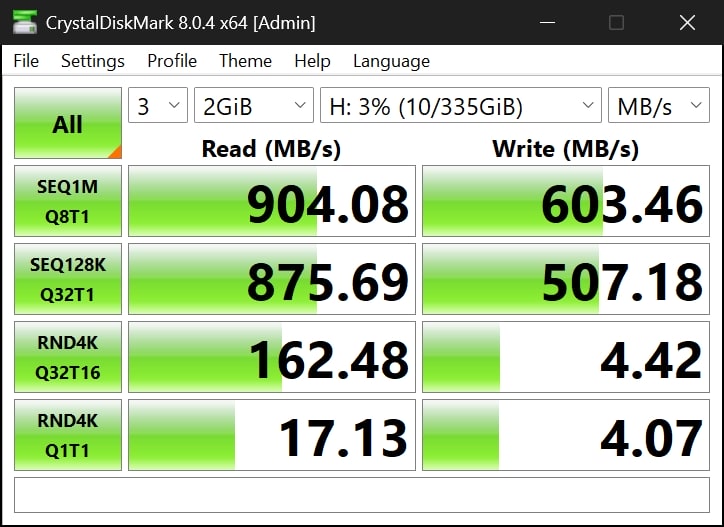 | CFx-A | 700 | 800 | 658 | 847 | 276 | Amazon / B&H | |||
| Lexar Gold CF4.0 640/1TB | CFx-A 4.0 | 1650 | 1800 | 1400 | B&H | |||||||
| Lexar Gold 80/160GB/320GB | 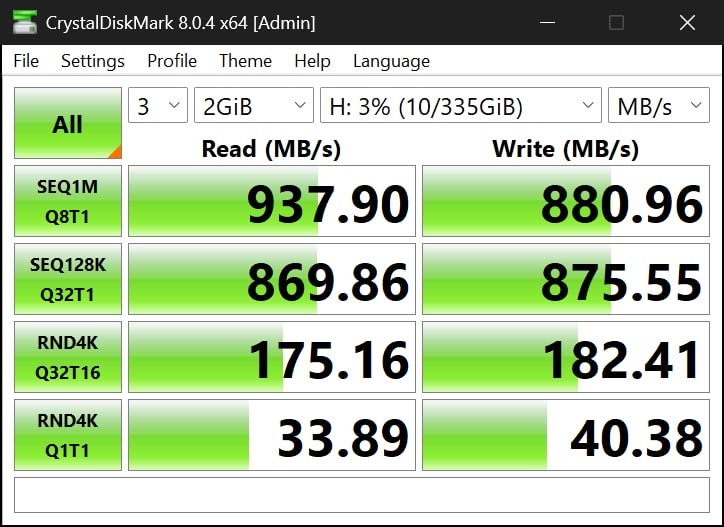 | CFx-A | 800 | 900 | 825 | 886 | 817 | Amazon / B&H | ||||
| Lexar Silver CF4.0 256/512/1TB/2TB | CFx-A 4.0 | 1650 | 1750 | Amazon | ||||||||
| Lexar Silver Series 160/320GB | 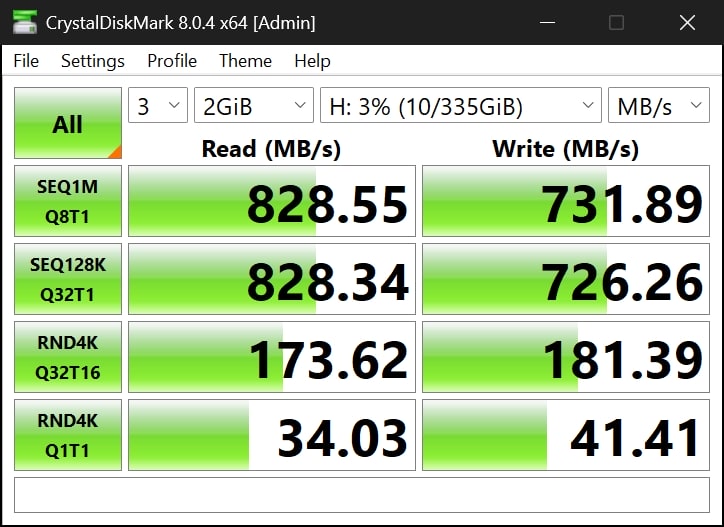 | CFx-A | 700 | 800 | 776 | 861 | 687 | X | Amazon | |||
| Delkin Black CF4.0 960GB | CFx-A 4.0 | 1740 | 1830 | 500 | B&H | |||||||
| Delkin Black CF4.0 480GB | CFx-A 4.0 | 1710 | 1830 | 500 | B&H | |||||||
| Delkin Black 160GB |  | CFx-A | 790 | 880 | 701 | 793 | 357 | Amazon / B&H | ||||
| Delkin Black 80GB |  | CFx-A | 730 | 880 | 654 | 845 | 134 | Amazon / B&H | ||||
| Delkin Power 160GB |  | CFx-A | 790 | 880 | 705 | 843 | 680 | Amazon / B&H | ||||
| Delkin Power 80GB | 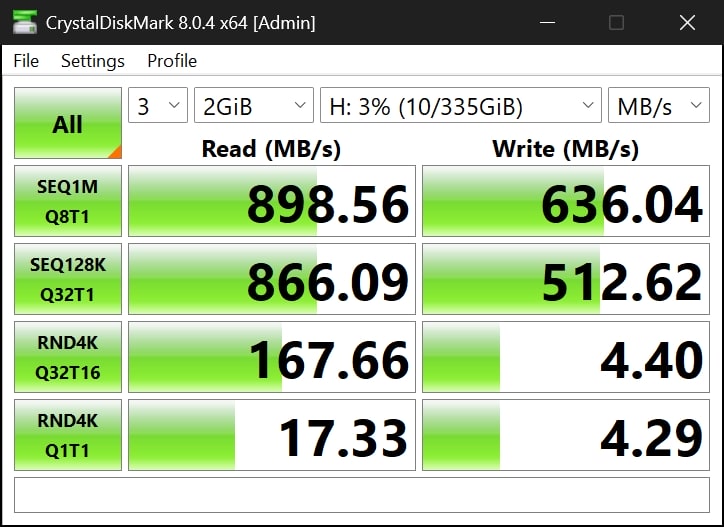 | CFx-A | 730 | 880 | 641 | 847 | 133 | Amazon / B&H | ||||
| ProGrade Iridium CF4.0 480-960GB | 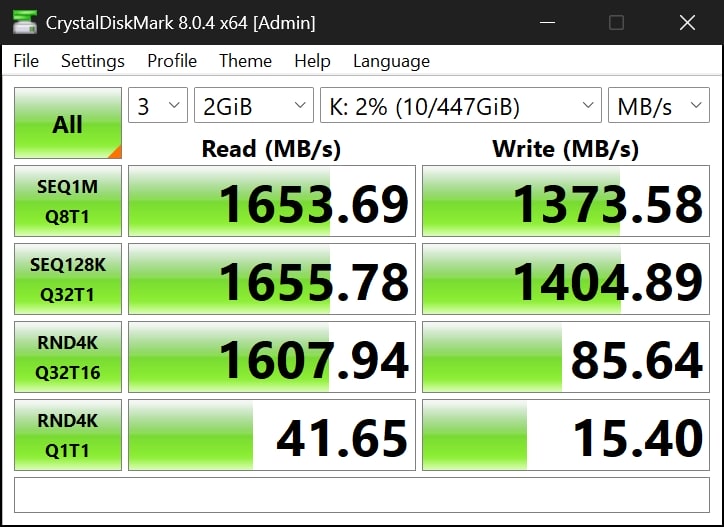 | CFx-A 4.0 | 1700 | 1800 | 1272 | 1532 | 687 | Amazon / B&H | ||||
| ProGrade Gold 240-480GB | 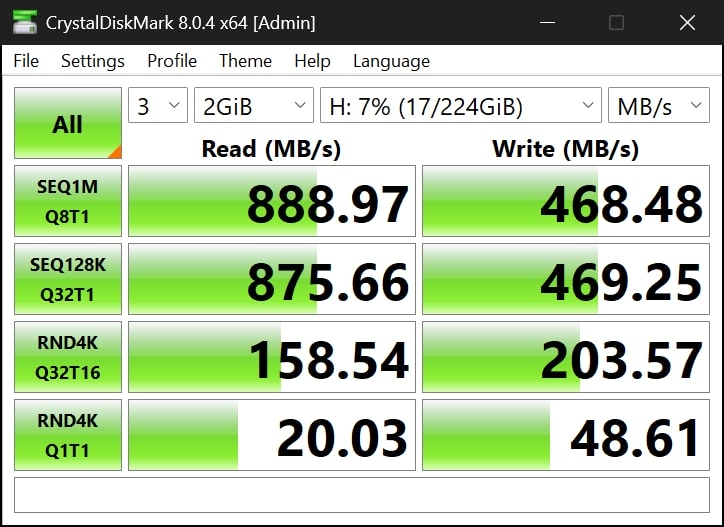 | CFx-A | 800 | 900 | 618 | 837 | 445 | Amazon / B&H | ||||
| AngelBird AV Pro CF4.0 256/512GB/1TB | CFx-A 4.0 | 1650 | 1800 | 800 | B&H | |||||||
| ProGrade 160GB – Discontinued | — | CFx-A | 700 | 800 | 691 | 845 | 148 | Amazon | ||||
| AngelBird AV Pro CF4.0 256/512GB/1TB | CFx-A 4.0 | 1800 | 1700 | B&H | ||||||||
| AngelBird AV Pro 1TB | — | CFx-A | 730 | 820 | 650 | Amazon / B&H | ||||||
| Angelbird 330GB AV PRO SE 330GB | CFx-A | 820 | 750 | B&H | ||||||||
| Wise Advanced MkII CF4.0 256GB-1TB | 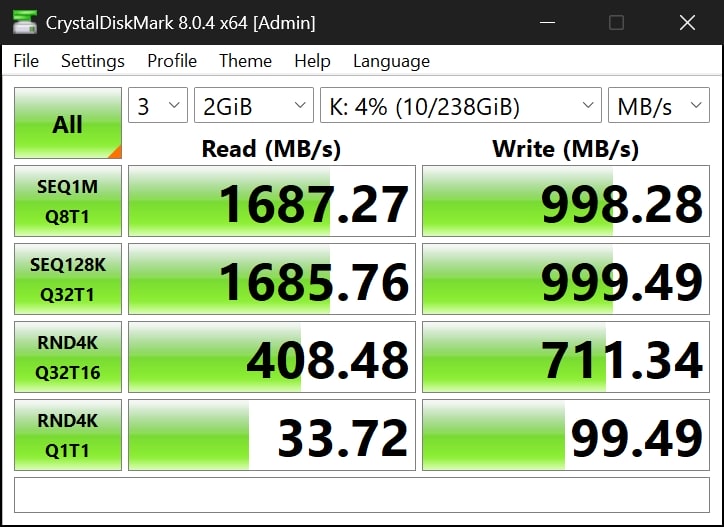 | CFx-A 4.0 | 1750 | 1865 | 1470 | 1630 | 832 | B&H | ||||
| Exascend Essential Pro CF4.0 1TB | — | CFx-A 4.0 | 1650 | 1800 | 1650 | Amazon / B&H | ||||||
| Exascend Essential Pro CF4.0 256/512GB | 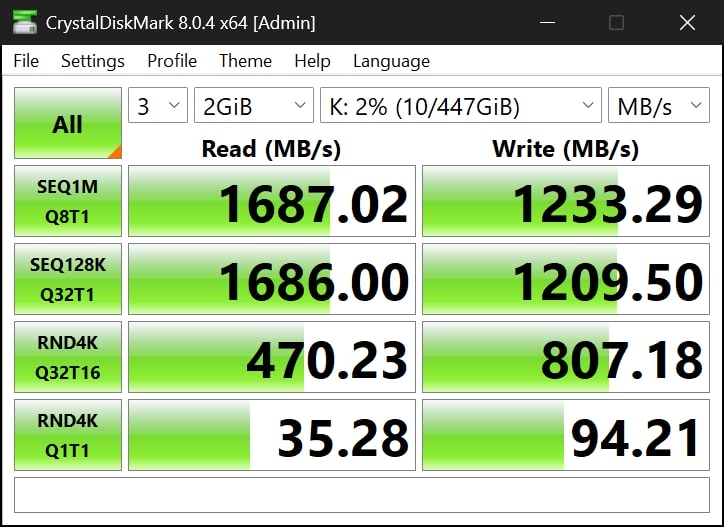 | CFx-A 4.0 | 1650 | 1800 | 850 | 1425 | 1635 | 1079 | Amazon / B&H | |||
| Exascend Essential 1TB | — | CFx-A | 850 | 900 | Amazon / B&H | |||||||
| Exascend Essential 360GB-1TB | 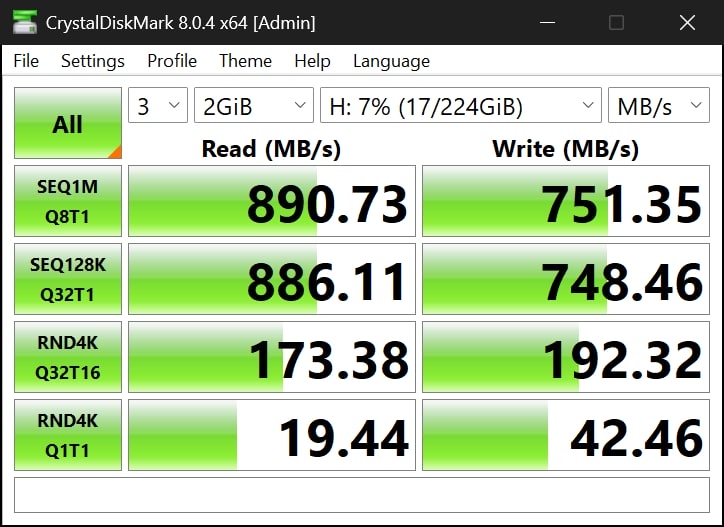 | CFx-A | 800 | 900 | 704 | 821 | 636 | Amazon / B&H | ||||
| Exascend Essential 120-240GB | 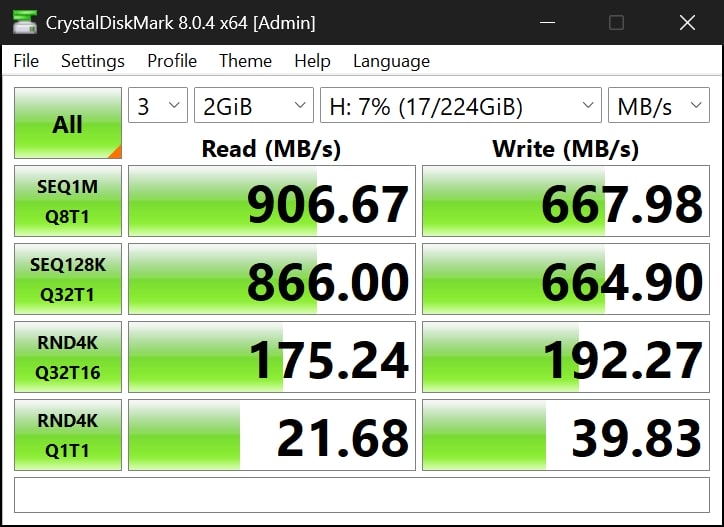 | CFx-A | 700 | 800 | 681 | 842 | 537 | Amazon / B&H | ||||
| OWC Atlas Pro CF4.0 480/960GB |  | CFx-A 4.0 | 1700 | 1850 | 1507 | 1624 | 561 | Amazon / B&H | ||||
| Nextorage NX-A2PRO CF4.0 160/320/640GB | CFx-A 4.0 | 1950 | 1900 | B&H | ||||||||
| Nextorage NX-A2AE CF4.0 1TB/2TB | CFx-A 4.0 | 1950 | 1700 | B&H | ||||||||
| Nextorage NX-A2AE CF4.0 500GB | CFx-A 4.0 | 1950 | 1900 | B&H | ||||||||
| Pergear Prime 1TB | — | CFx-A | 700 | 800 | 722 | Amazon | ||||||
| Pergear Prime 260GB/520GB | 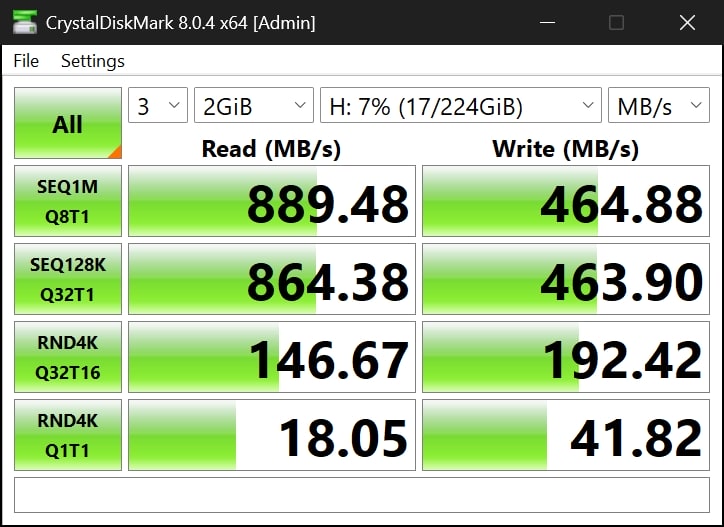 | CFx-A | 900 | 880 | 400 | 588 | 837 | 442 | Amazon | |||
| Pergear Prime 80GB | 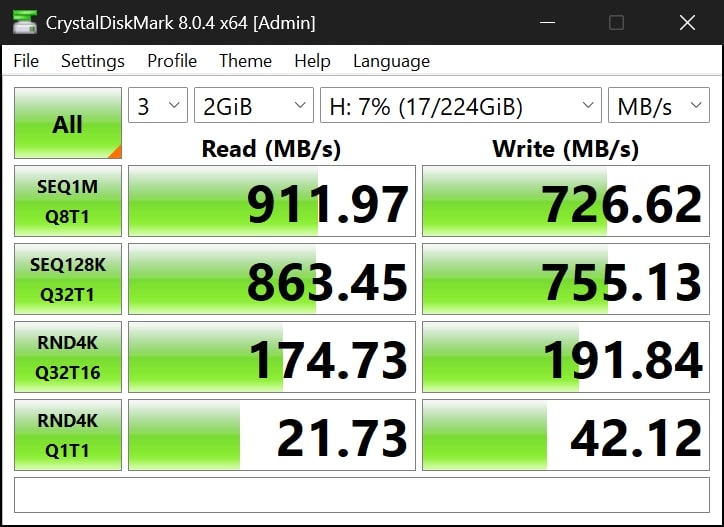 | CFx-A | 600 | 800 | 600 | 738 | 840 | 644 | Amazon | |||
| Pergear Standard 512GB | — | CFx-A | 780 | 800 | 380 | Amazon | ||||||
| Pergear Standard 256GB | Pergear Standard 256GB CFxA Review |  | CFx-A | 780 | 780 | 380 | 768 | 812 | 253 | Amazon |
You can see these benchmarked in various Sony Cameras.
You can check out this Sony Guide To Memory Cards to see which Sony cards support CFxA cards.
What To Look For With CFexpress Type-A Cards
These CFxA cars work similarly to the SSDs in our computers. They often use a fast SLC (Single-level cell) flash as an initial, quick cache that might be a few gigabytes. Once that cache fills up, the card starts writing to much slower memory, like MLC. This affects their sustain speeds.
You can see that working with the Sony Tough cards with the I/O transaction data below.

The faster SLC flash memory is initiated quickly, and write speeds are very quick, but once the SLC flash is filled, files and the fast cache write to slower memory until the SLC flash is cleared for another write cycle.
In addition, thermal throttling can occur when the cards get very hot. Although cards sometimes run better once they are a little warmed up. Flash memory likes being hot, but the controller inside it doesn’t.
To avoid negative reviews, memory card companies are now listing the guaranteed write speeds of these cards. For example, most CFxA cards list the 400 or 200-speed class. Similar to how we had V60 or V90 with our UHS-II SD cards.
If the card has a 400 rating (the little 400 inside the film clapboard), it is guaranteed to sustain an average of 400 MB/s.
How Are CFexpress Type A Cards Different Than CFexpress Type B?
The main difference between CFexpress Type A and CFExpress Type B cards, aside from their size, is that Type B cards have a two-lane bus for speeds up to 1700MB/s, while Type A cards have a one-lane bus for a top speed of 800MB/s.
With PCIe 4.0 now on the market, we can expect CFxA cards to get significantly faster. What’s cool is that we are starting to see PCIe 4.0 CFxA cards that are as fast as our current CF2.0 cards, CFxB cards, making this CFxA choice a pretty practical play by Sony, as the cards are much smaller and lighter. However, they could face more heat issues when running at blazing-fast PCIe 4.0 speeds on a single lane.









Leave a Reply