
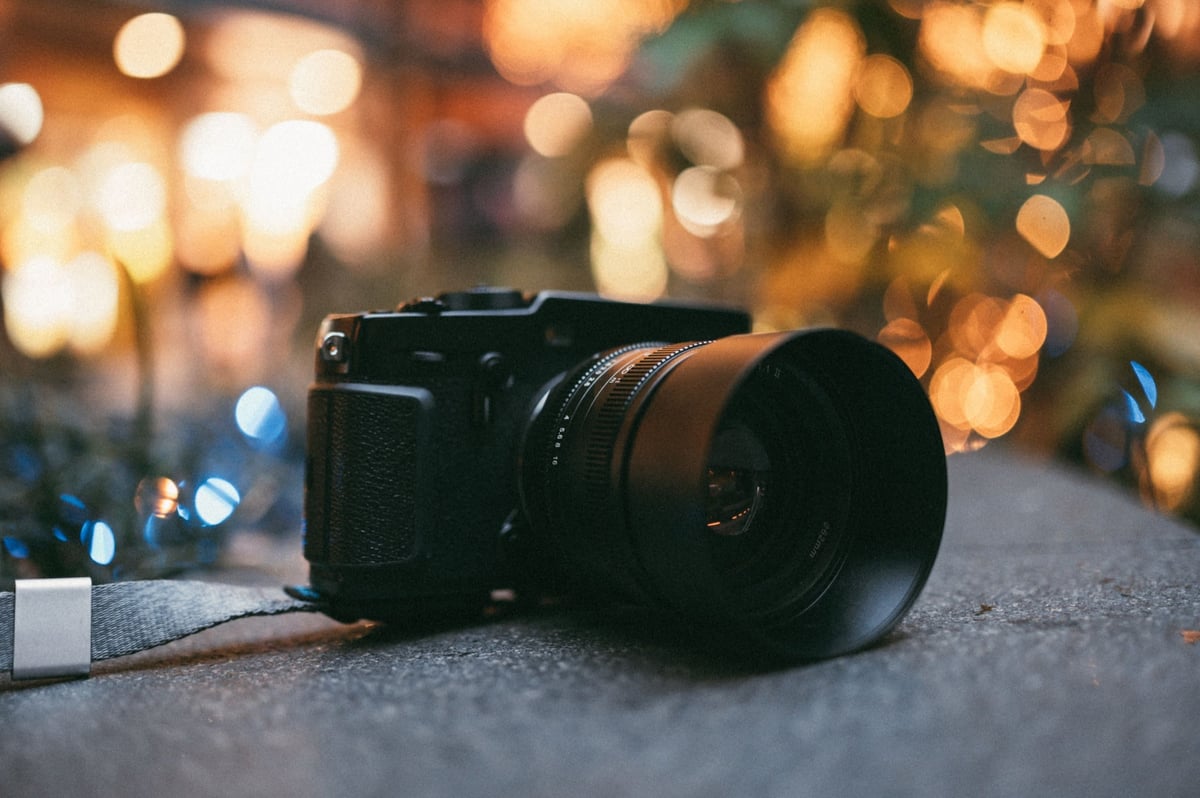
The X-Pro3 is perhaps the most controversial and rewarding digital camera Fuji has ever made. By hiding the rear LCD, Fujifilm forced us to slow down and stay in the moment—much like shooting with a Leica or an old film rangefinder.
Because this camera is built for a specific kind of “intentional” photography, my accessory choices lean toward improving the tactile feel and protecting that unique titanium finish. Whether you’re a street photographer or a hobbyist, these are the tools I use to make the X-Pro3 feel like a true extension of the eye.
Best Accessories Fujifilm X-Pro 3 | The Essentials
Protecting the Hidden Displays
The X-Pro3 is unique because it has two screens: the main “hidden” LCD and the small rear e-ink sub-monitor that displays your film simulation or settings.
-
The “Crystal Clear” Choice: Since you’ll spend most of your time with the main screen flipped closed, the risk of impact is low—but scratches from the hinge or debris are still possible. I recommend a thin, Crystal Clear or Glass Expert Shield. You can also grab other cheaper 9H Hardness screens on Amazon; they work great as well.
-
The Sub-Monitor: Don’t forget the small back screen. It’s the only part of the display system always exposed to the elements. A small protector here is cheap insurance against belt buckle or button scratches when the camera is hanging at your side.
Expert Shield Glass Screen Protector
Expert Shield screen protectors come in three styles: Crystal Clear, Glass, and Anti-Glare. Crystal Clear is a thin screen protector that offers basic protection, while glass is much thicker and better protects the screen from dings and scratches. Anti-Glare eliminates most reflections but slightly reduces display quality. I’m not seeing Anti-Glare screen protectors for this camera anymore, but they were my favorite for street photography cameras. |

Best Batteries Fujifilm X-Pro 3
You will need multiple batteries for the X-Pro3. If you plan on shooting all day, you’ll likely need two or three, depending on how good you are at turning off your camera between shots. I mostly use official Fujifilm batteries since I often shoot with the X-T3 and the vertical grip, but third-party batteries have never given me any issues in my X-Pro2.
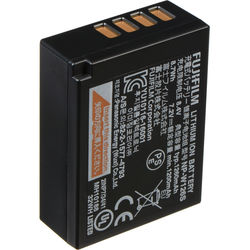
Official Fujifilm Batteries NP-W126S
These are Fujifilm’s official batteries. They changed them a few years ago to improve the discharge profile, so you will probably get better performance and less heat from these new batteries than from the older ones. |
 Available At:
Best Third-Party NP-W126S Batteries Wasabi
These are the latest Wasabi NP-W126S batteries for the Fujifilm system. Wasabi is one of the best third-party battery brands for Fujifilm. I’ve used them for years, and their batteries have always been reliable. They are also very affordable. However, this doesn’t come with a charger. You can buy one separately, but for the best results, use the Fujifilm official charger that comes with your camera. I usually charge my batteries in my X-T3 vertical grip. If you have one, it makes a great dual-battery charger. |

Best Memory Cards Fujifilm X-Pro3
I haven’t tested the memory cards in the X-Pro3 yet, but the camera is very similar to the X-T3, so you can use that guide to find the memory cards.
Best Memory Cards Fujifilm X-Pro3
Fujifilm X-Pro 3 Cases & Grips
The Soft Shutter: A Tactile Essential
On a rangefinder-style body like the X-Pro3, a soft shutter release isn’t just for looks—it’s about mechanical advantage. It allows you to fire the shutter with the second joint of your finger for a smoother, vibration-free shot.
-
The “Rubber Washer” Rule: I’ve lost count of how many cheap shutter buttons I’ve had vibrate loose and disappear on the street. Lensmate was the first brand that I knew of to solve this with a tiny rubber o-ring that keeps the button locked in place, and now most brands have followed suit.
-
The Alternatives: Since Lensmate is no longer around, brands like QiangNi and VKO have finally started copying that rubber washer design. If you go with a wooden button (like VKO), it adds a warm, organic feel that perfectly complements the X-Pro body’s titanium “Dura” finishes.
QiangNi Soft Shutter
With this Soft Shutter, you get a 2-pack, and they are still cheaper than the Lensmate soft shutters. The design is simple and clean. These are likely now mass-produced out of China, and you can find them under several different company names. |

Foto&Tech Soft Shutter
Even Foto&Tech has started including the rubber washer on their soft shutters. These work well enough for the price, and they offer a lot of simple designs to choose from. So you can experiment to see which design you like better: concave or convex. It’s a very different feel. |

VKO Wood Soft Shutter
VKO has a few nice wood-soft-shutter designs. Mix and match these with your other accessories to stylize your camera. Two styles are available: concave or convex, in several different colors. These also include the rubber washer. |

The Half-Case: Form Meets Function
A titanium camera deserves a high-quality wrap. I’ve tested everything from silicone skins to luxury leather, and for the X-Pro series, it has to be leather.
-
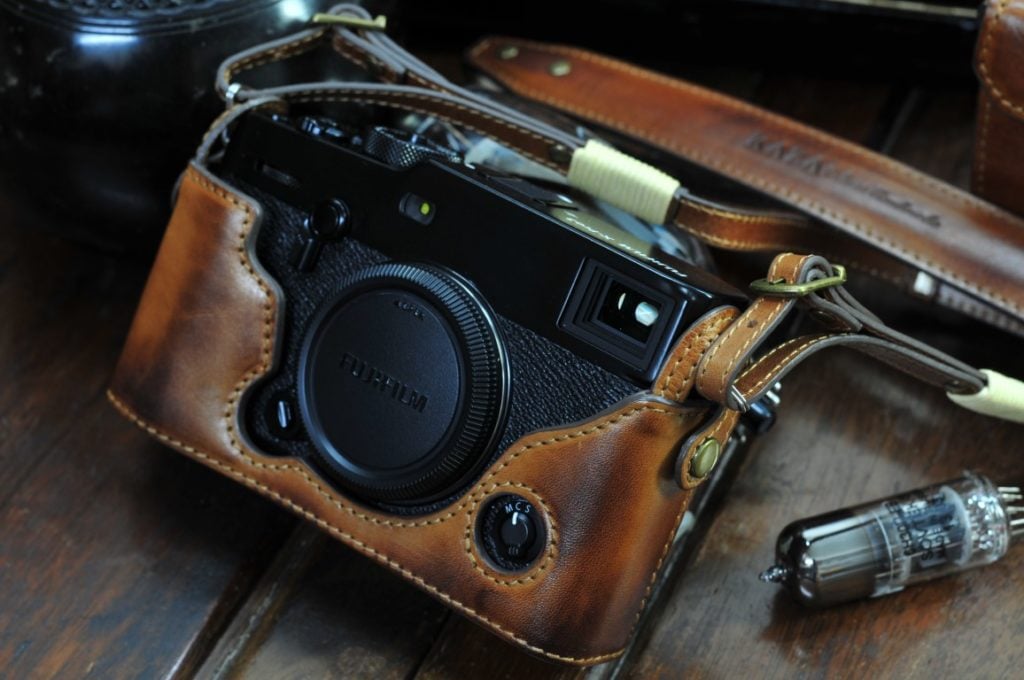
Kaza Deluxe: This is my personal favorite. It has a handmade, artisanal vibe that feels “correct” on a Fuji. The leather is thick enough to provide a better grip but thin enough not to ruin the camera’s slim profile.
-
Gariz: If you shoot a lot of tripod work, go with Gariz. The built-in aluminum baseplate is a lifesaver for stability. It also adds a bit of weight to the bottom of the camera, which I find helps balance out heavier XF lenses like the 23mm f/1.4 or 56mm f/1.2.
Gariz X-Pro 3 Leather Half Case
Gariz has a pretty genuine leather half-case for the X-Pro 3. I use the Kaza-Deluxe cases on my X-Pro 2 camera, but I have also used the Gariz cases on my X100 bodies before, and they are nice. The advantage you get with this case is the aluminum bottom. It extends the grip and gives the camera a more rigid base for nice support when on a tripod. |

Kaza-Deluxe Leather Case X-Pro3
The cases I’ve been using lately are from Kaza Deluxe. They have the best for the price, have a more handmade feel, and use much better materials. You can also get these bundled with a strap. I highly recommend them. |
 Available At:
Fujifilm X-Pro 3 Cleaning Essentials
Cleaning accessories are essential for every photographer to not overlook. Here are a few essentials.
But if you want to nerd out on cleaning gear, check out this guide to camera cleaning accessories.
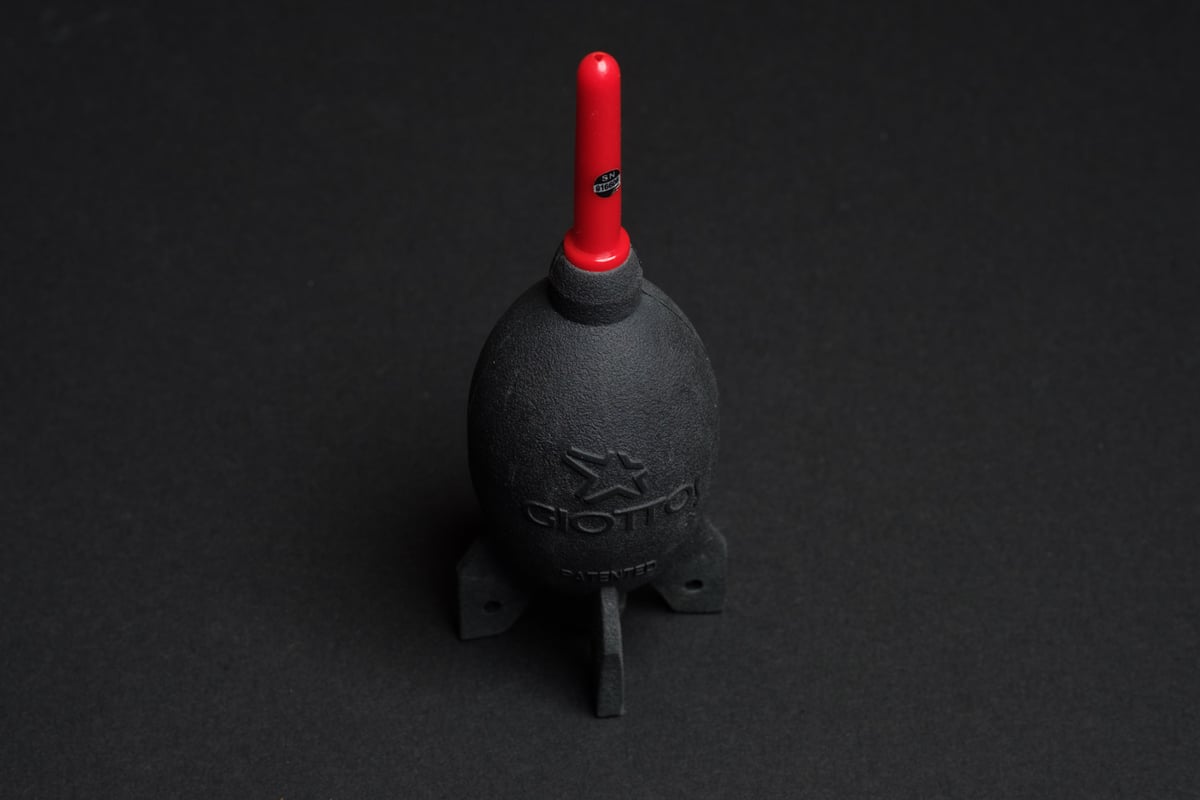
Rocket Air Blaster
There are many different styles of air blasters, but I’ve been using Rocket Air. I like the fins on the back that allow you to stand the blaster upright. I think the medium size is the best for APS-C mirrorless cameras, but the small ones are also good if you like to carry one in your bag. |
 Available At:
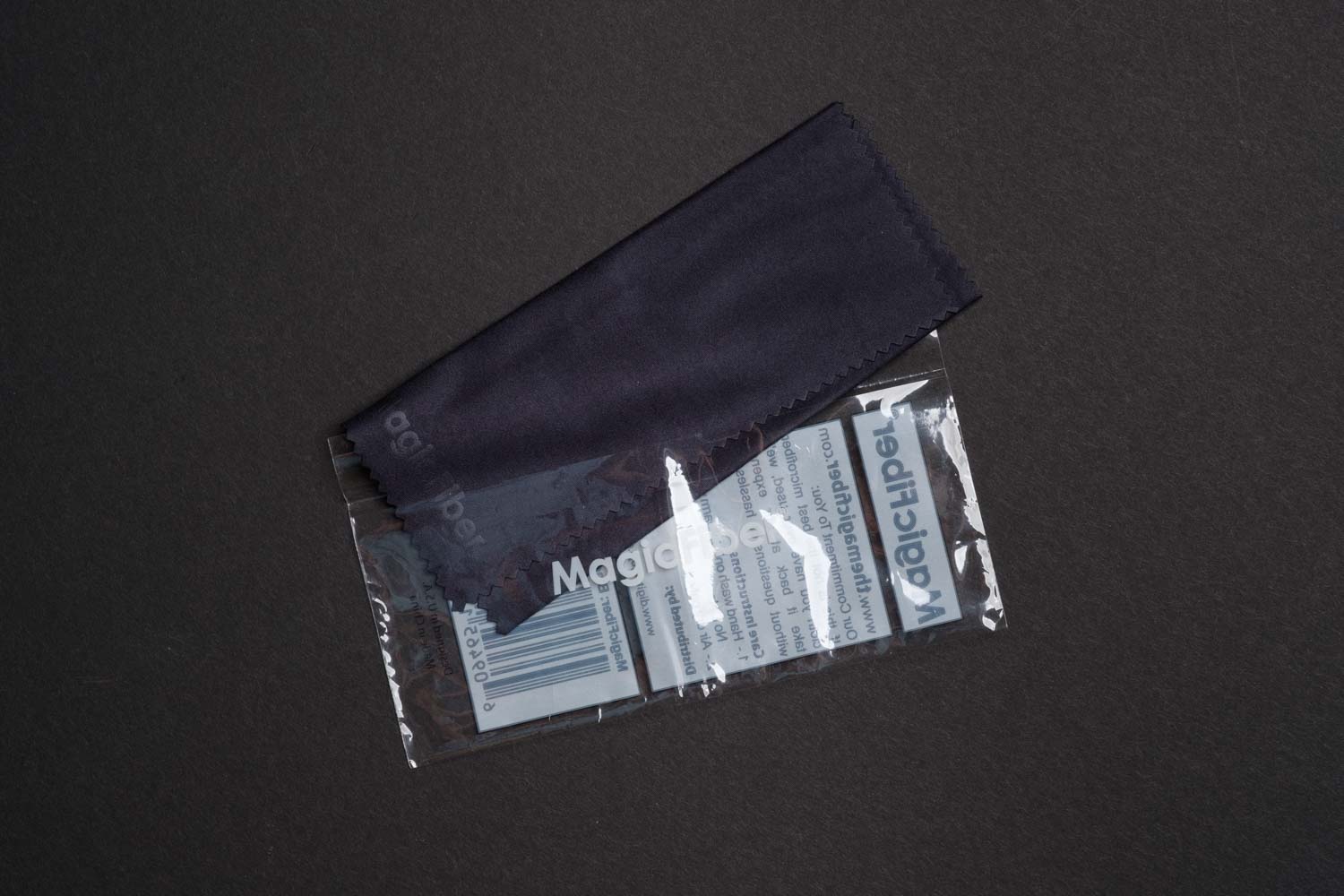
Micro-Fiber Cleaning Cloths 6-Pack
Microfiber cleaning cloths are the best way to clean your camera and lenses. I find my T-shirt works fine for wiping off my lenses, UV filters, or LCD screen when out and about, but every so often, I like to give my gear a good cleaning, and the only way to do that effectively is with microfiber. Here is a cool six-pack. |
Sensor Brush
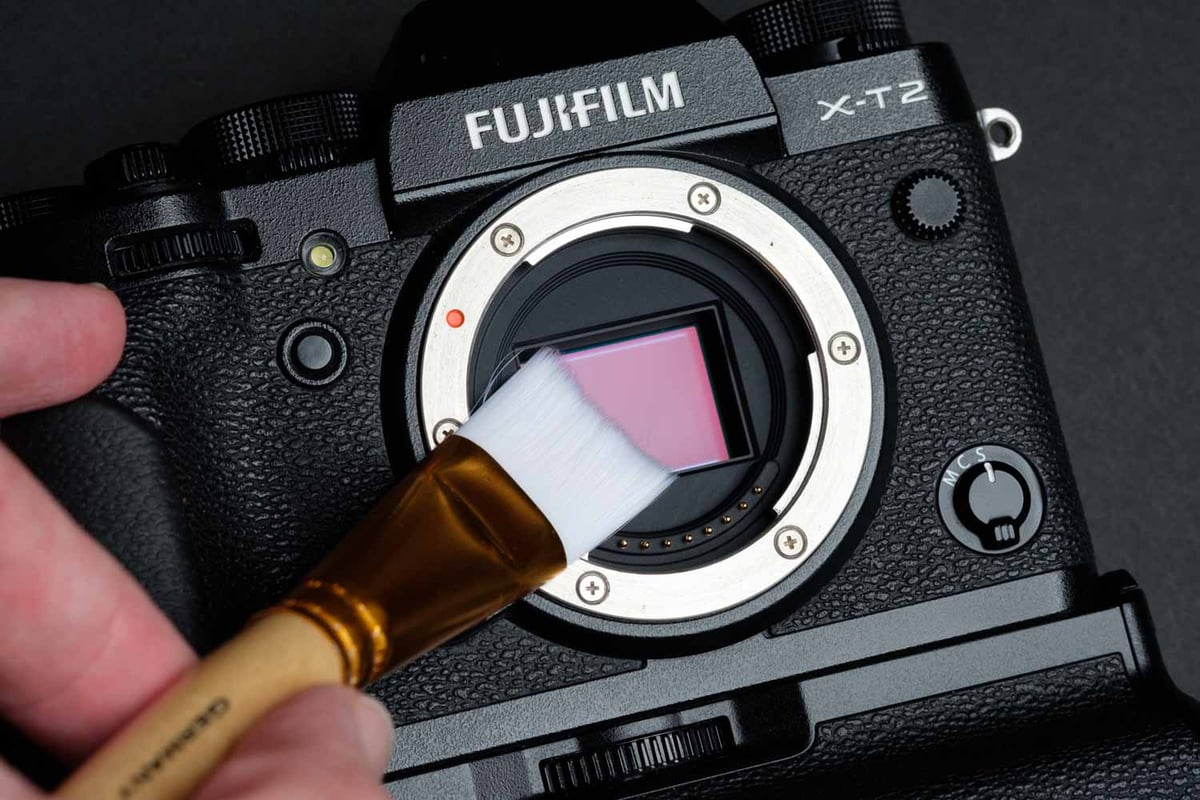
Many people will scare you with the dangers of cleaning your sensor and recommend terrible products. You don’t need much to clean your sensor, and as long as you haven’t touched it or gotten oil on it, a sensor brush is all you ever need to get annoying dust or debris off. Keep these sensor brushes in their bag and blast them a few times with the rocket air above before applying them to your sensor. They work so well. Don’t mess with the wet method or those sticky gel sticks. |
 Available At:
Best Accessories Fujifilm X-Pro 3 Conclusions
I’ll continue to add to this list as more accessories hit the market.
Be sure to check out my massive list of available X-Mount lenses as well.









Leave a Reply to Alik Griffin Cancel reply