
The Viltrox 75mm f/1.8 EVO is the latest addition to Viltrox’s rapidly expanding autofocus APS-C lineup. Offering a 112mm full-frame equivalent field of view paired with a moderately fast aperture, it lands right in the classic portrait focal range. Positioned between their existing tiers, the EVO line seems geared toward delivering high-end optical performance in a more streamlined package than the brand’s massive PRO series.
I’ve been testing an early version of this lens around Fukuoka, shooting primarily on the Fujifilm X-E5. The way this lens renders contrast and color from that sensor is remarkable. It has quickly become one of my favorite options for the Fujifilm system—let’s take a closer look at why.
Viltrox AF 75mm f1.8 EVO (E, Z or X) –Viltrox – Use Coupon Code ALIKGRIFFIN for 5% off at Viltrox
Quick Disclaimer: Viltrox sent me an early sample of this lens for this review.
Pros
Excellent edge-to-edge sharpness, beautiful bokeh falloff, solid color rendition and contrast, quiet autofocus, compact yet fantastic build quality, and no noticeable distortion.
Cons
When you turn off profile corrections in Lightroom, there is quite a bit of vignetting up to about f/4. Sunstars do not have clean, straight points. Minor pincushion distortion.
Viltrox 75mm f1.8 EVO Lens Review
A 75mm f1.8 is an interesting focal length on an APS-C camera. It’s slightly punchier than your standard 50mm, but not quite as compressed as an 85mm or 90mm. For street portraits or tightening up a landscape scene, it’s a magical middle ground. In terms of a full-frame equivalency, this lens would sit right around 112mm.

For the Fujifilm system, there really is no in-between lens here. I have the XF 56mm f1.2; the 60mm f2.4, which is a slow macro lens. Then there is also the 80mm, a massive macro lens and the ultra-fast but fairly large linear-focus 90mm f2, which is great. But we never really had that solid compact middle ground, and it was just this void in the middle of Fujifilm’s lineup that Viltrox filled perfectly.
We’re in this place now where Viltrox and many third-party lenses are so good that, honestly, buying first-party lenses almost doesn’t make sense anymore for your casual photography (I say almost, because third-party firmware sometimes causes little hiccups, more on this later, and they can’t do as much with the baked-in profiles that a lot of Fujifilm native lenses are loaded with for all sorts of behind the scenes corrections).
What stands out immediately about the EVO is the contrast and especially the sharpness. We aren’t really missing much compared to the big boys here. Colors are rich, and the micro-contrast gives images a nice pop that you simply don’t always see in third-party glass at this price point.
Viltrox 75mm f1.8 EVO Build Quality
Since this is the EVO line, the build quality feels a step up from the Air series, but without the absolute bulk of the f1.2 PRO lenses. You get a solid metal mount and a very smooth focus ring. In my opinion, the build and overall feel of this EVO lens are edging dangerously close to the Sony G series. That might be how we could look at their lineup as well. The Pro line is more like the GM series; it has all the bells and whistles, and the EVO line is more like the G. I’m serious here, this EVO build is very impressive. I like it more than most of my Nikon lenses.
It’s also very compact without the hood on.
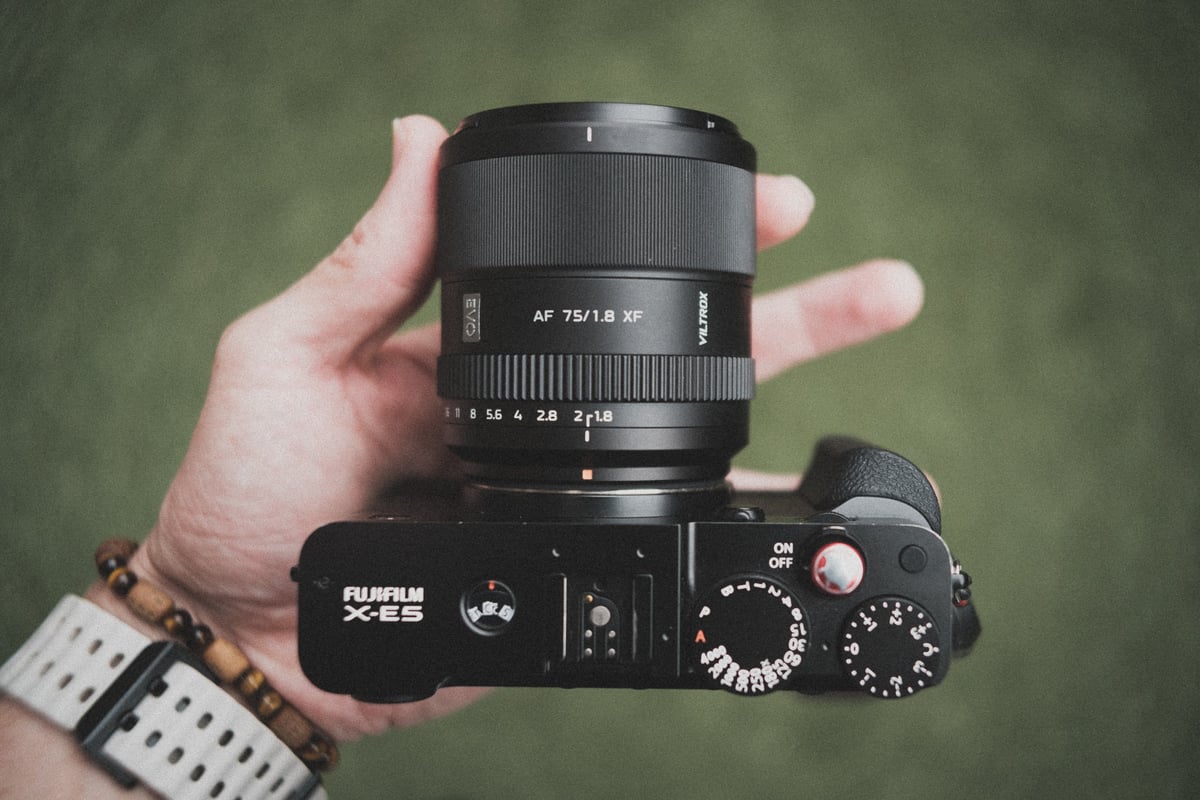
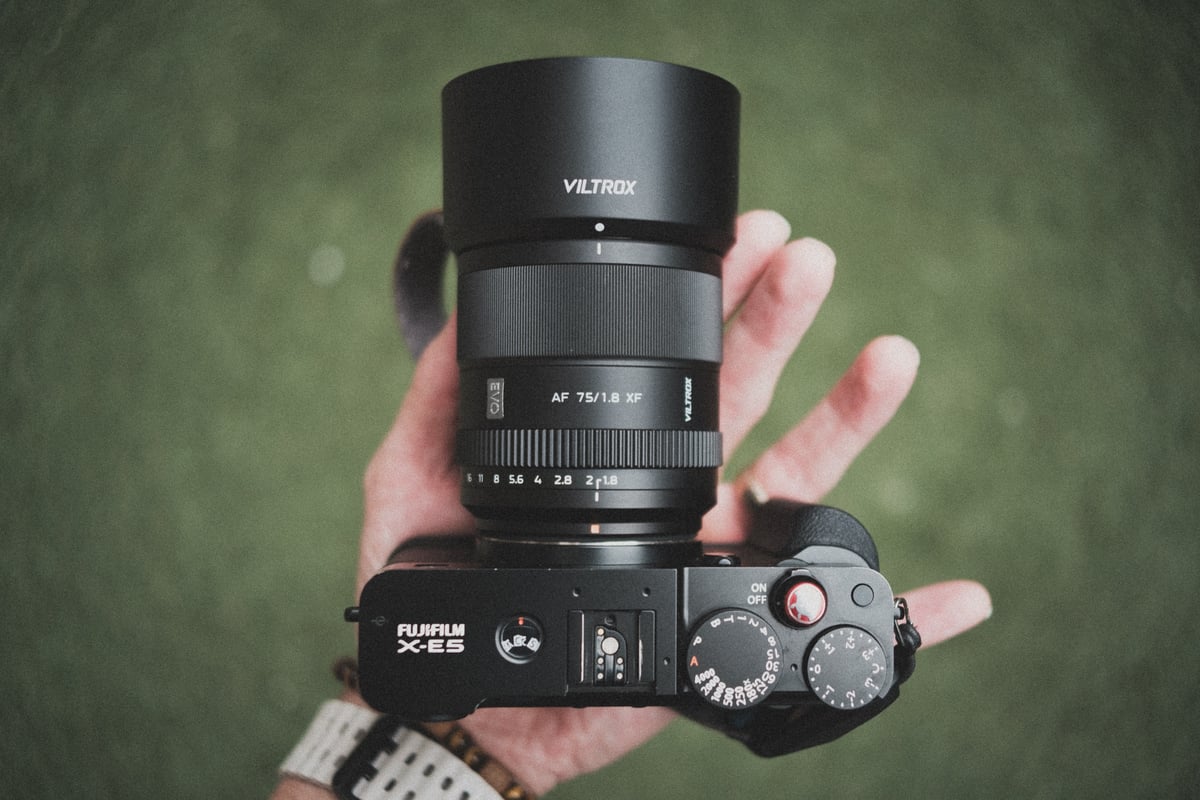
The tactile experience of the lens is impressive. The aperture ring feels secure and deliberate, eliminating the risk of accidental adjustments—a common grievance with many native Fujifilm lenses. Additionally, the manual focus ring operates with a smooth, well-damped resistance. While the chassis utilizes a blend of aluminum and composite materials, it has a reassuring heft rather than a cheap, hollow feel. The overall build quality punches well above its weight, closely mirroring the premium feel of a Sony G Master lens.
I’m serious here: when I first unboxed it, I was like, “Wow, this is something different.” The Viltrox Lab lenses are amazing in this regard as well. I did some hands-on testing with the Viltrox 135mm, and it was phenomenal as well.
Here are the current specs.
- Focal Length: 75mm
- Aperture Blade: 9
- Aperture: f1.8 – 16
- Elements: 11/9 – 2 HR, 2 ED
- AF: Yes – STM
- Minimum Focus Distance: 0.74m
- Filter Threads: 58mm
- Weight: 325g
Externally, it feels premium in the hand. We still get a USB-C port on the metal mount for firmware updates.
Quick Firmware Update Caution: Make sure you don’t have a third-party lens attached when installing firmware updates for your camera, as this can cause issues with Nikon cameras. Also, be sure to follow the instructions for updating your lens’s firmware by taking it off the body first.
Firmware for Fujifilm: the Fujifilm X-E5 is currently experiencing glitches with various lenses. I’m not going to blame the Viltrox lens here, since the Fujifilm X-E5 also has issues with some Fujifilm lenses. Basically, the camera sometimes freezes after you click out of image preview, so you end up having to power cycle the camera to break out of it, but only if you’re previewing with the LCD screen; if you preview only on the EVF, everything seems to be fine. There is a significant delay also with the XF 23mm f2.8, so again, I’m not sure Viltrox is to blame here; this camera just has some issues right now. I’ll also point out that it works flawlessly on the Fujifilm X-T3.
Sharpness
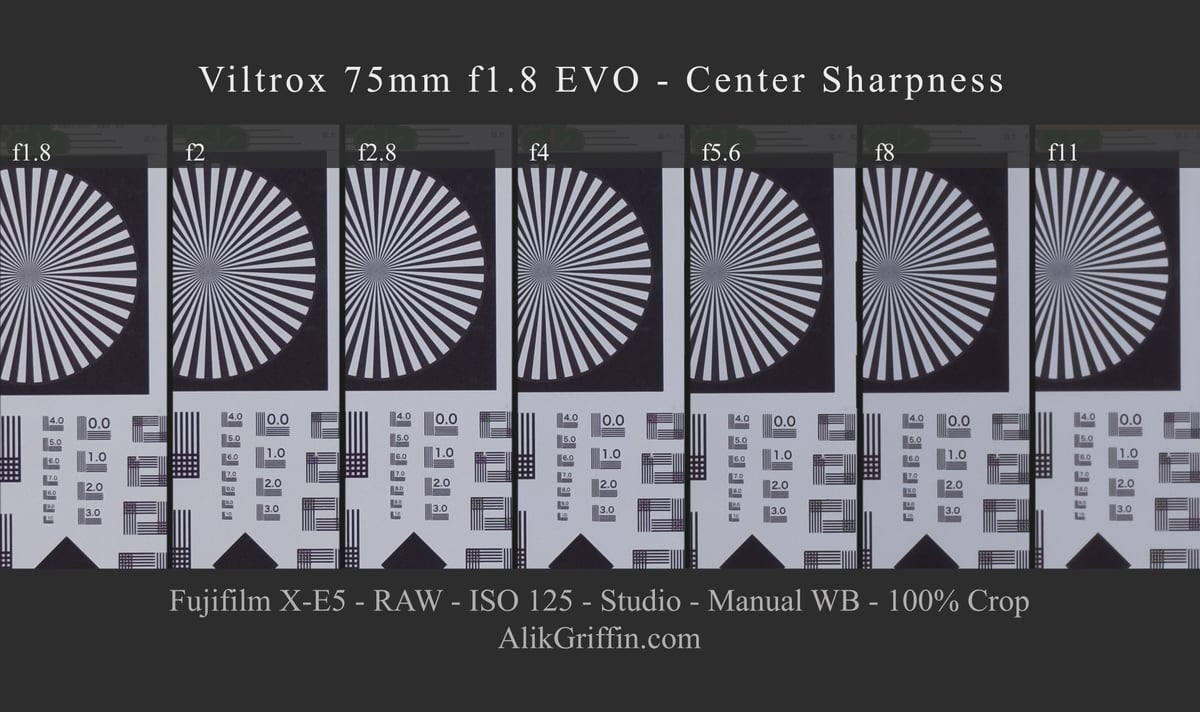
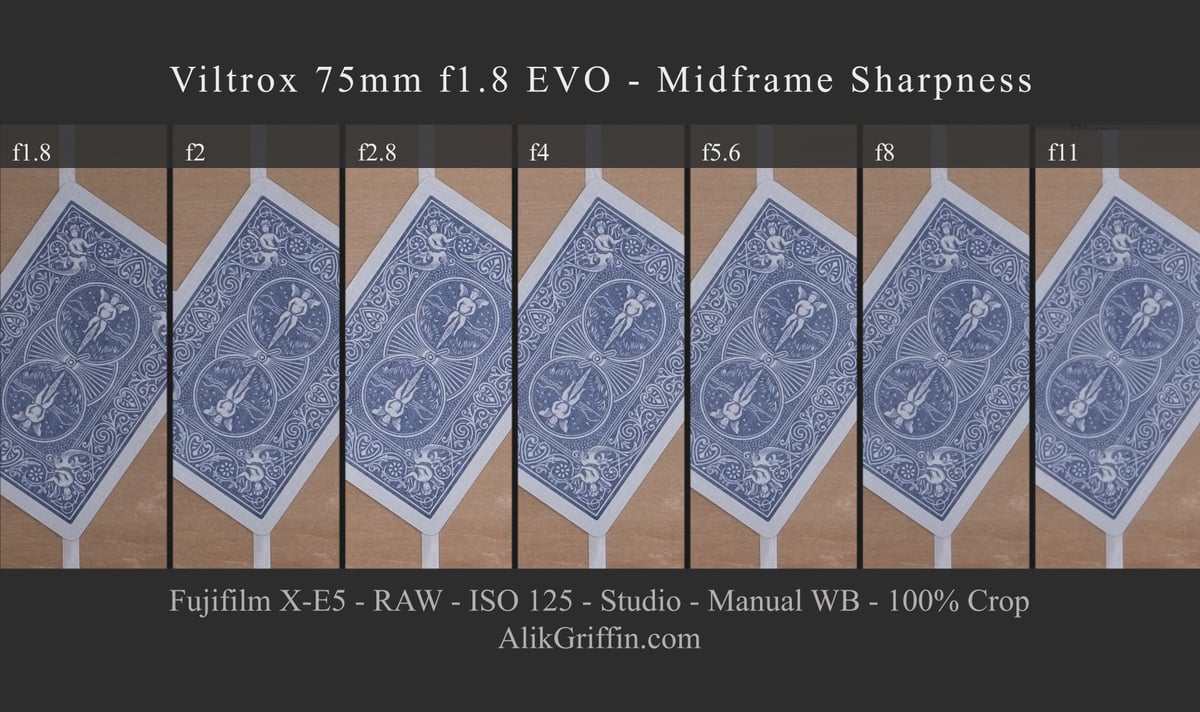
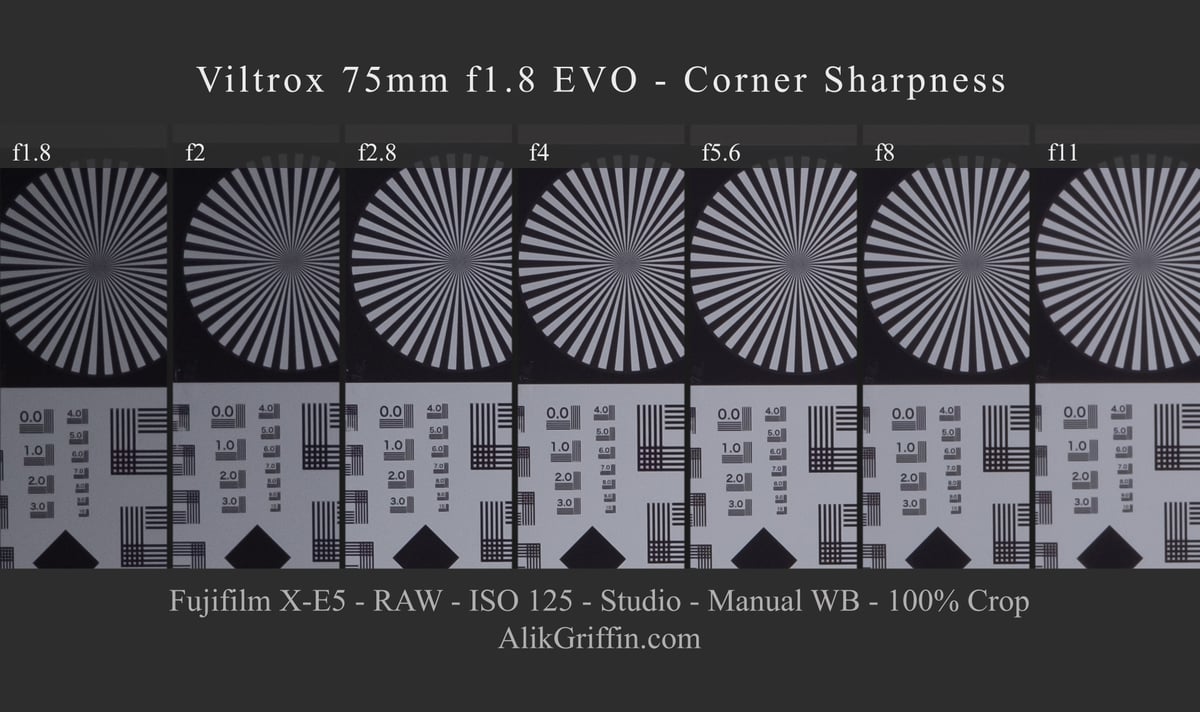
Sharpness is exactly what you’d want for a modern portrait lens. Wide open at f1.8, the center is razor-sharp, and even the corners are impressive, easily resolving plenty of detail for the Fujifilm X-E5’s demanding 40MP sensor.
Center Sharpness
It’s impressively sharp at f1.8 all the way until about f8, when diffraction starts to show.
Mid-Frame Sharpness
Fantastically sharp at mid-frame.
Corner Sharpness
There is hardly a noticeable drop in sharpness from the center to the corners. You can see some of the vignetting at play here as well.
Distortion
There is some pincushion distortion. Really only noticeable if you’re shooting brick walls.

Vignetting
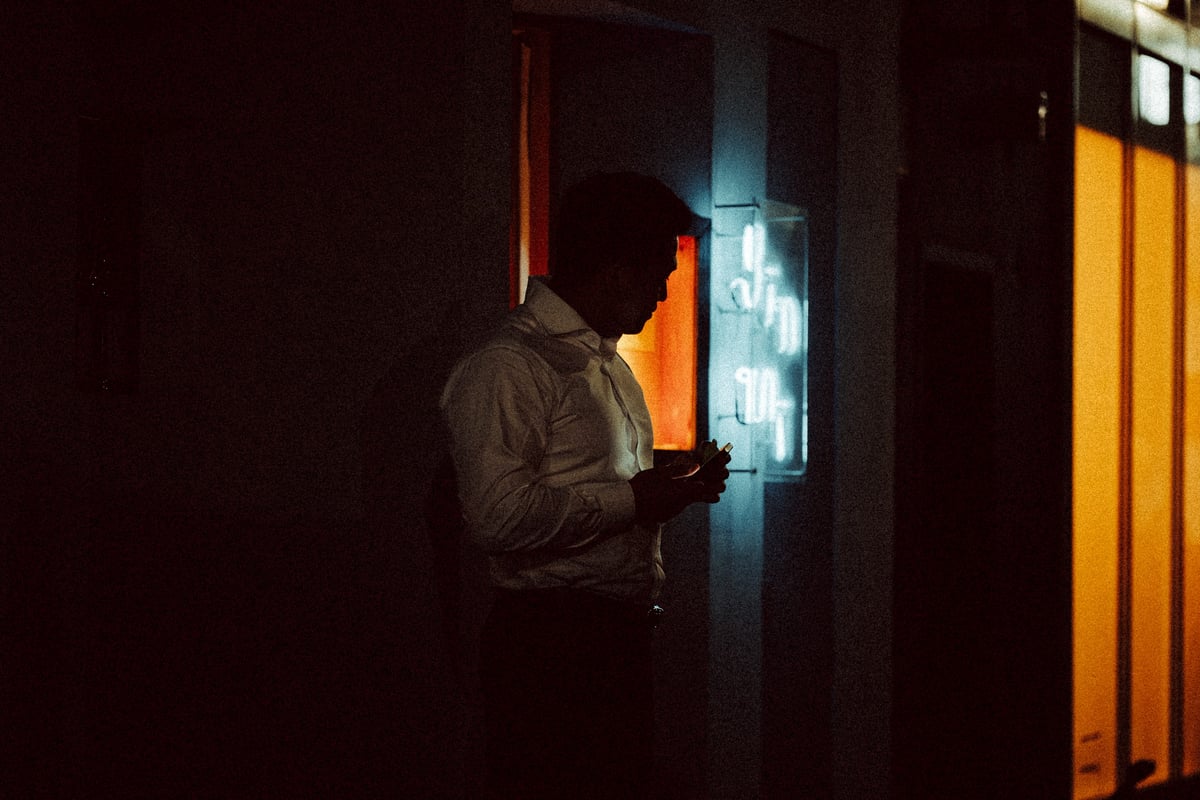
Vignetting is definitely present at f1.8. It gives a natural, moody vignette that I actually tend to leave in for portraits. If you want edge-to-edge brightness, stopping down to f4 cleans it up significantly.
Keep in mind that the vignetting extends pretty deep toward the center of the image, so if you’re using center-weighted auto exposure, your images may come out feeling a little dark. Lightroom automatically loads a profile for this lens to correct most of it.
I shot dirty concrete. I usually shoot the blue sky to see vignetting at infinity, but we haven’t had any for a while. You can also look at the sharpness charts above to see how it affects the corners and mid-frame.

Ghosting & Lens Flares
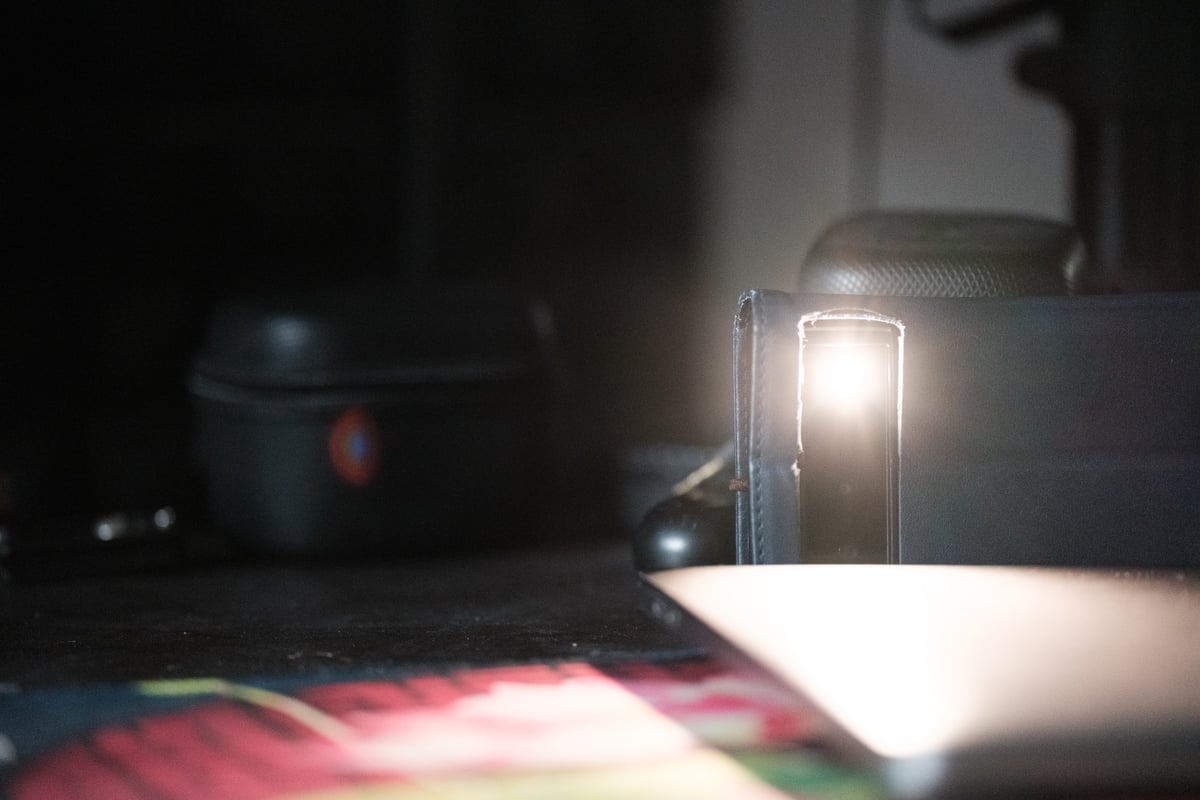
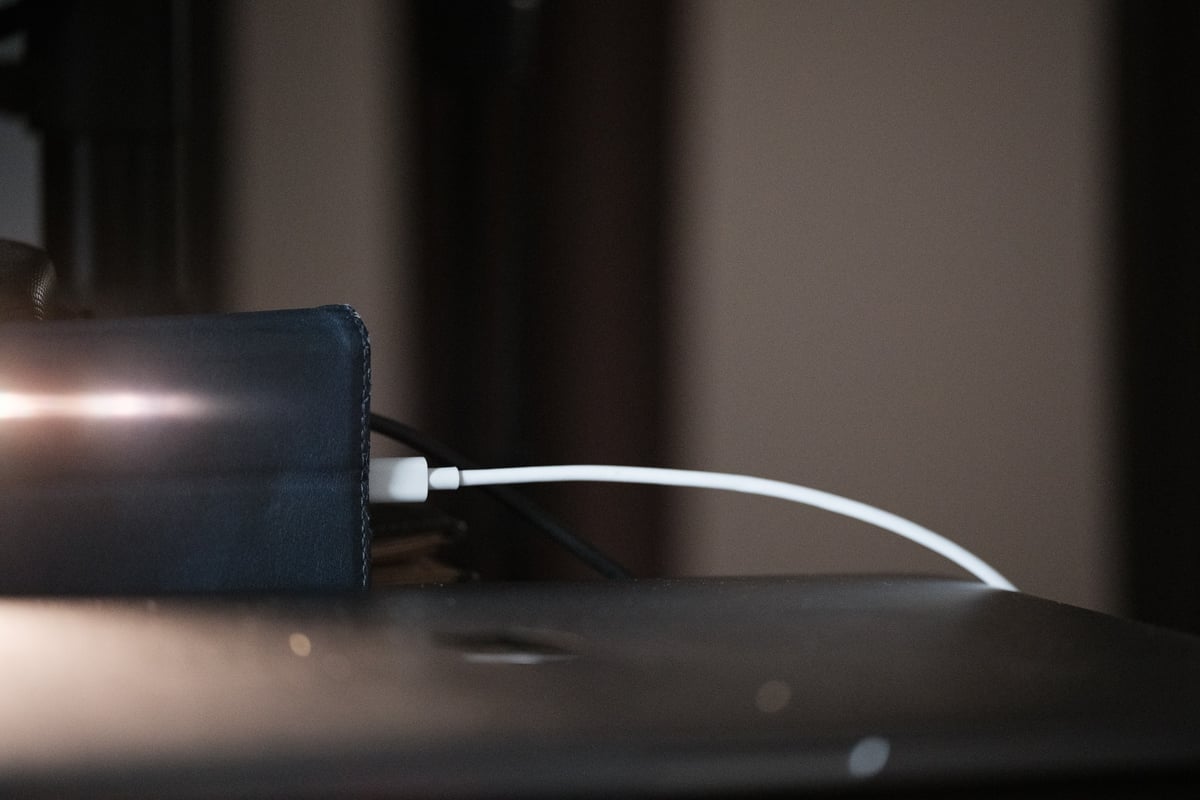
From my testing, flaring is reasonably well-controlled. You will get some veiling glare if the light is right on the edge of the frame, but we aren’t seeing massive, distracting color blobs washing out the entire image. You’d still get some of this with high-end native lenses as well.

Sun Stars
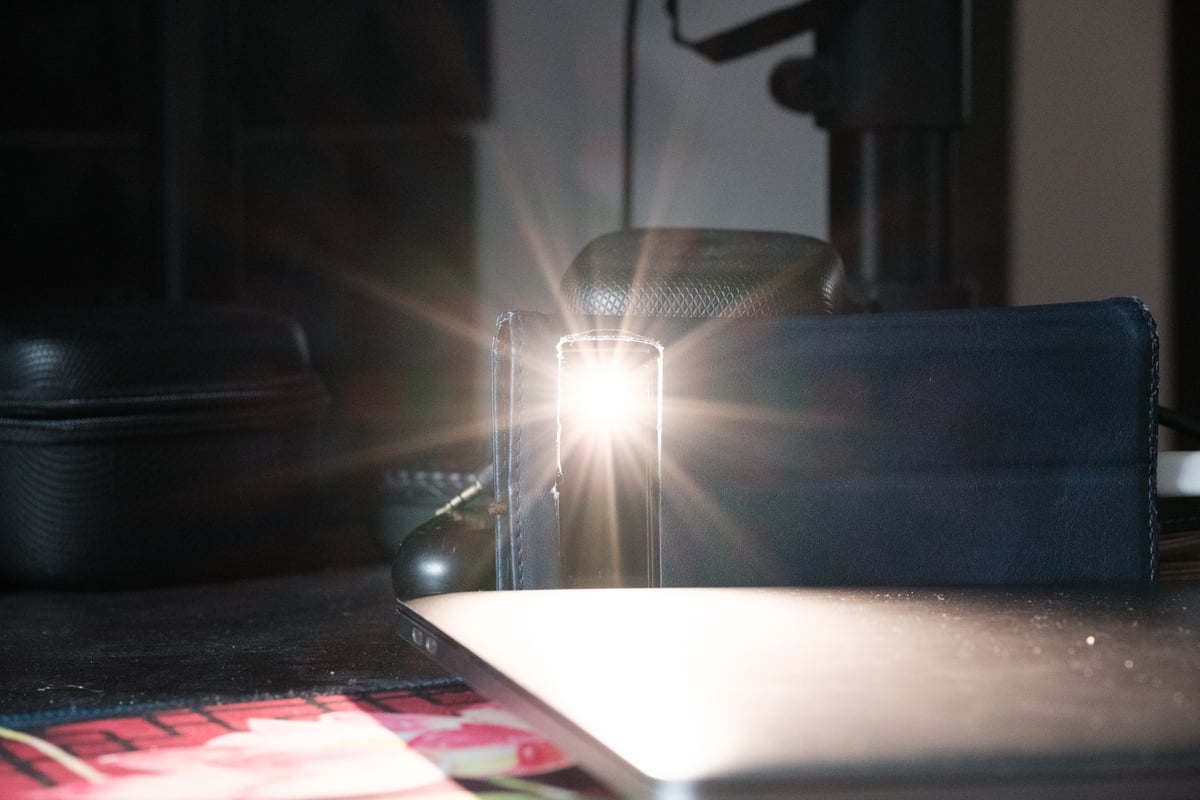
The sun stars are still a bit of a wildcard, depending on how you stop it down. From what I’m seeing here at f5.6, they are not the cleanest, but not too terrible either. This is pretty standard with most lenses, but ideally, I like it when they are very clean points as you get with a lot of the Voigtlander or Thypoch lenses.
Chromatic Aberrations
Without heavily stress-testing this lens, I’m not really seeing any issues with chromatic aberrations, not even in the out-of-focus high-contrast highlights.
Bokeh
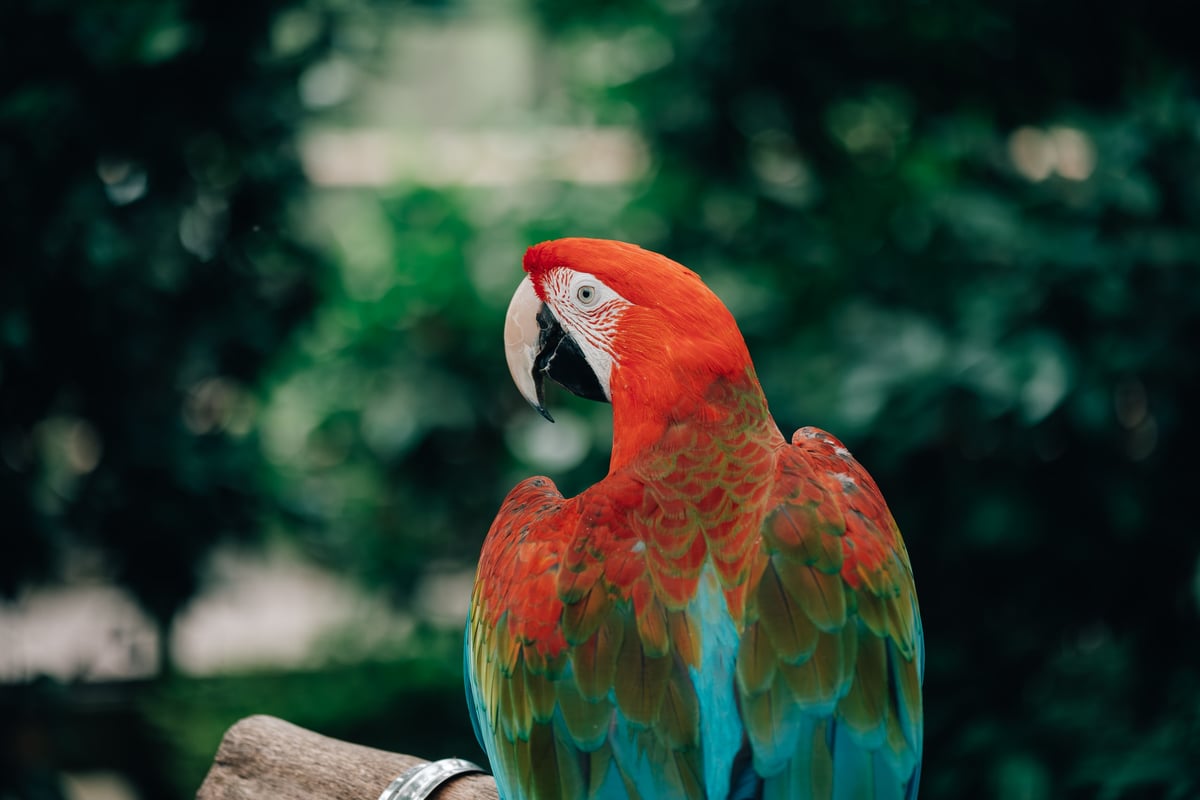
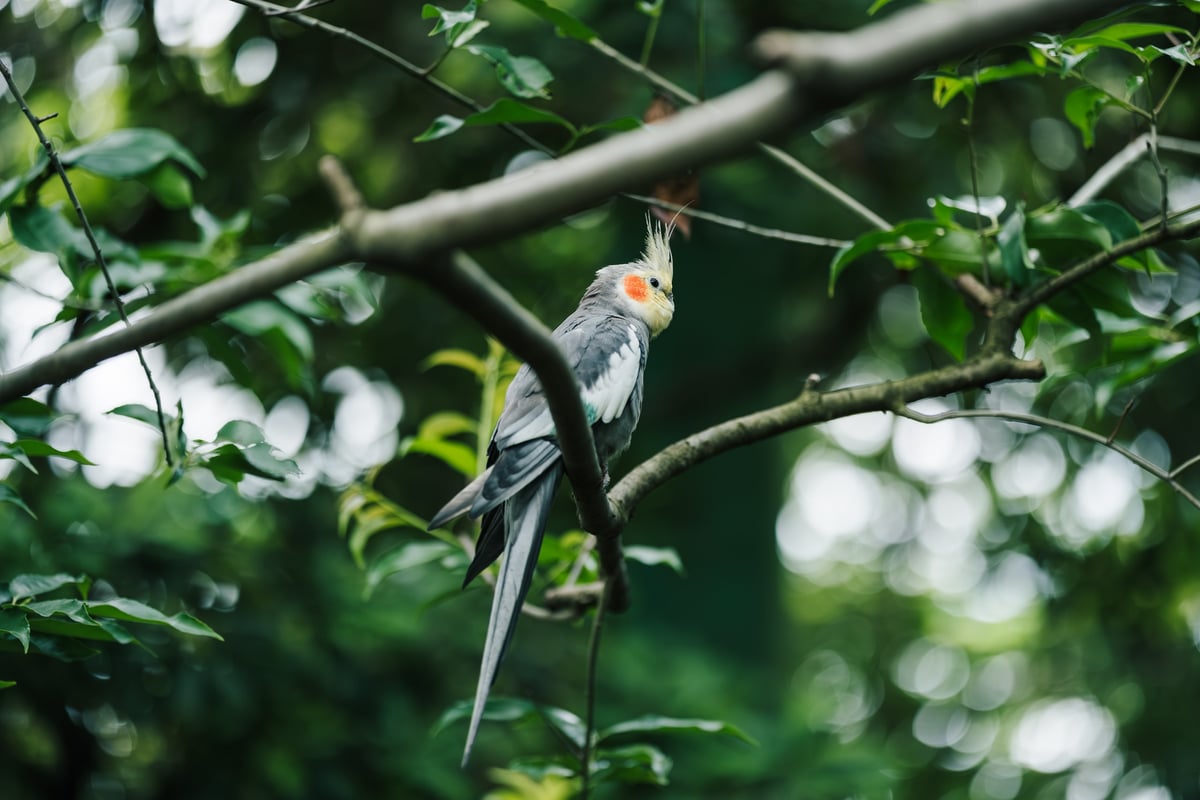
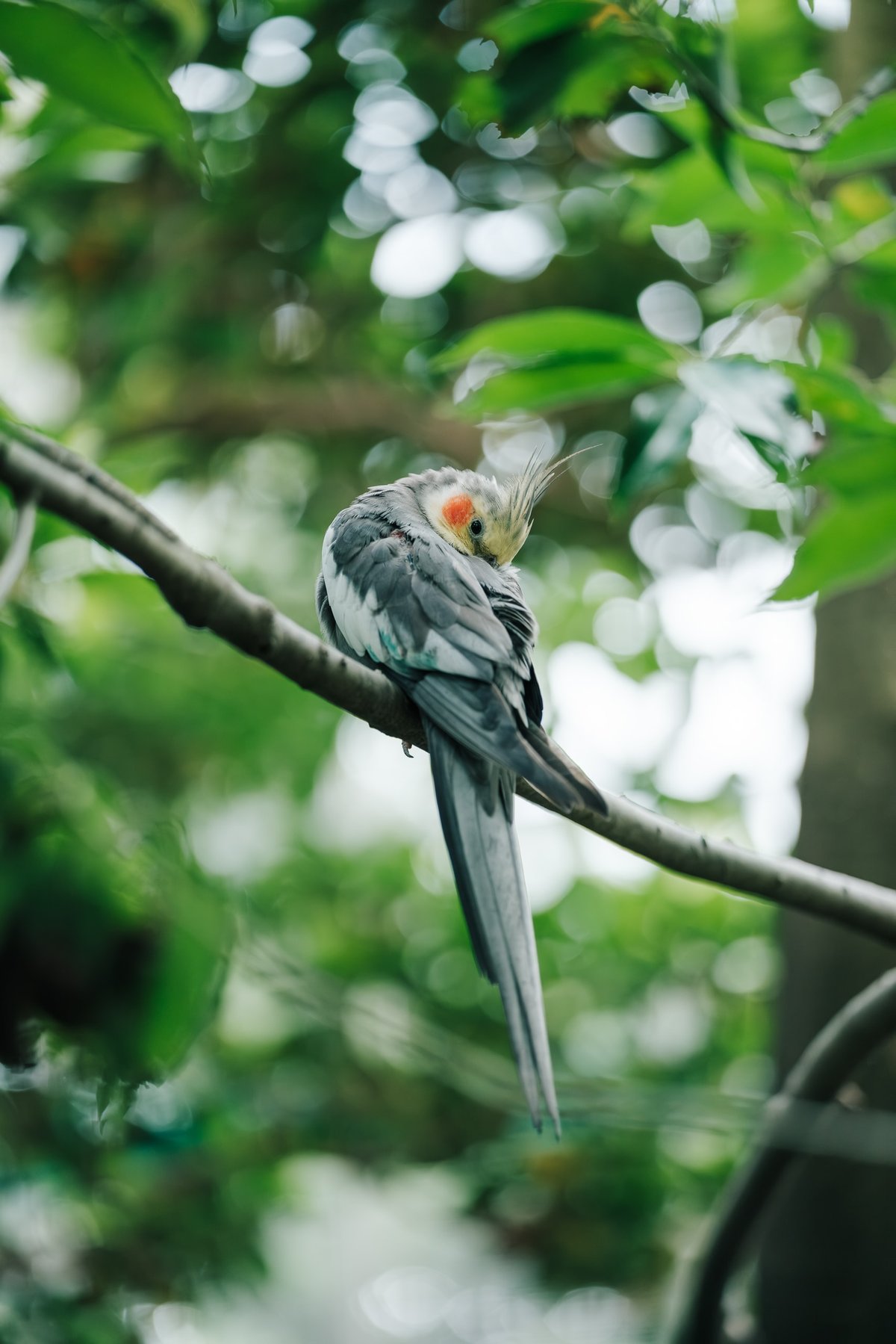
This is the main reason you buy a 75mm f1.8. The bokeh here is buttery and rich, with high saturation.

Because we have a slightly shorter focal length than an 85mm or 90mm, you get a little more environmental context, but the subject separation at f1.8 is fantastic. The transition zones are smooth, without nervous, jittery rendering in the background foliage. Cat-eye bokeh towards the edges is present wide open, but it gives the images character rather than making them look optically flawed. Also, I see no issues with CA in the high-contrast out-of-focus background areas.




Color & Contrast
Modern third-party manufacturers like Viltrox have mastered element coatings. While older third-party lenses frequently suffered from distinct purple or green color shifts, this Viltrox optic delivers remarkably neutral color rendering. Thanks to these high-quality coatings, internal light scattering is effectively minimized. Contrast remains stable and well-defined, even when shooting into harsh, direct light.

Micro-contrast isn’t anything spectacular with this one; you can see the highlights have a slight loss of clarity in some samples, but it’s by no means giving us the low micro-contrast glow you get from some high-element zoom lenses from Nikon and other brands. So for a prime, we get a nice middle ground, well-corrected characteristics without getting into that glowing territory.
Here is a B&W sample.

On a very high-micro-contrast lens, the shadows would look a little more stable, and the highlights would have more tonal detail, but you would get messier corner-to-corner sharpness and a lot of CA. So the trick is to find a good middle ground, which Viltrox seems to be doing, and I would say most people would think this rendering is great. But if you ever wanted more, you can always grab a Kipon 75mm lens or an old Zeiss 50mm for god-tier micro-contrast, but those lenses are much harder to use.
Then also remember that with these fast lenses like this Viltrox 75mm f1.8, you can stop down to f2 to tighten up the clarity a little if you want more of a corporate, crisp look.
Viltrox 75mm f1.8 EVO Bottom Line
Viltrox continues to demonstrate that professional-level rendering does not require a $1,500 investment. While the lens leans toward a clean, modern aesthetic, it delivers outstanding performance wide open at f/1.8. Positioned to bridge the gap between the compact Air series and the larger PRO lineup, the 75mm EVO hits an ideal sweet spot in both form factor and capability.
The lens balances incredibly well on compact APS-C bodies, and the autofocus tracks swiftly without hunting. Aside from some early Fujifilm X-E5 firmware quirks, I have encountered zero issues with its rendering or overall performance. Viltrox’s engineering has matured remarkably, and this lens is highly recommended—particularly for portraiture, long-lens street photography, and even lifestyle photography.
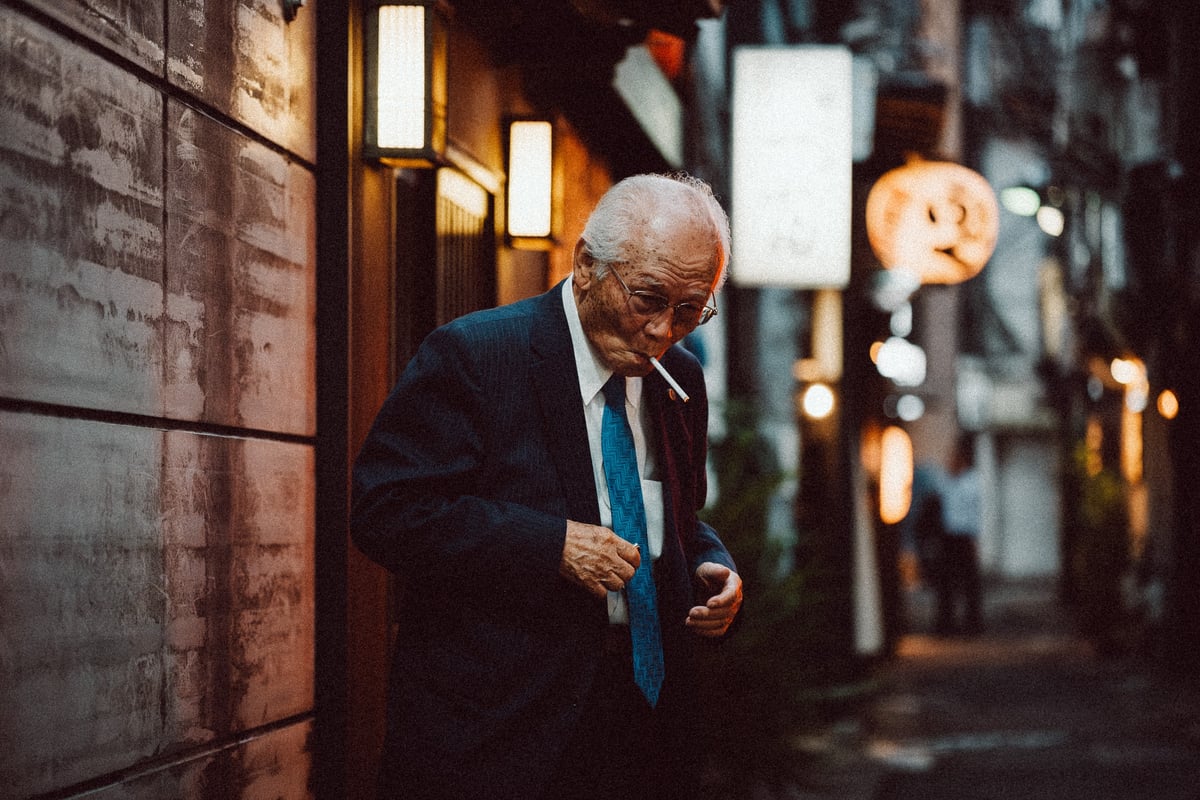
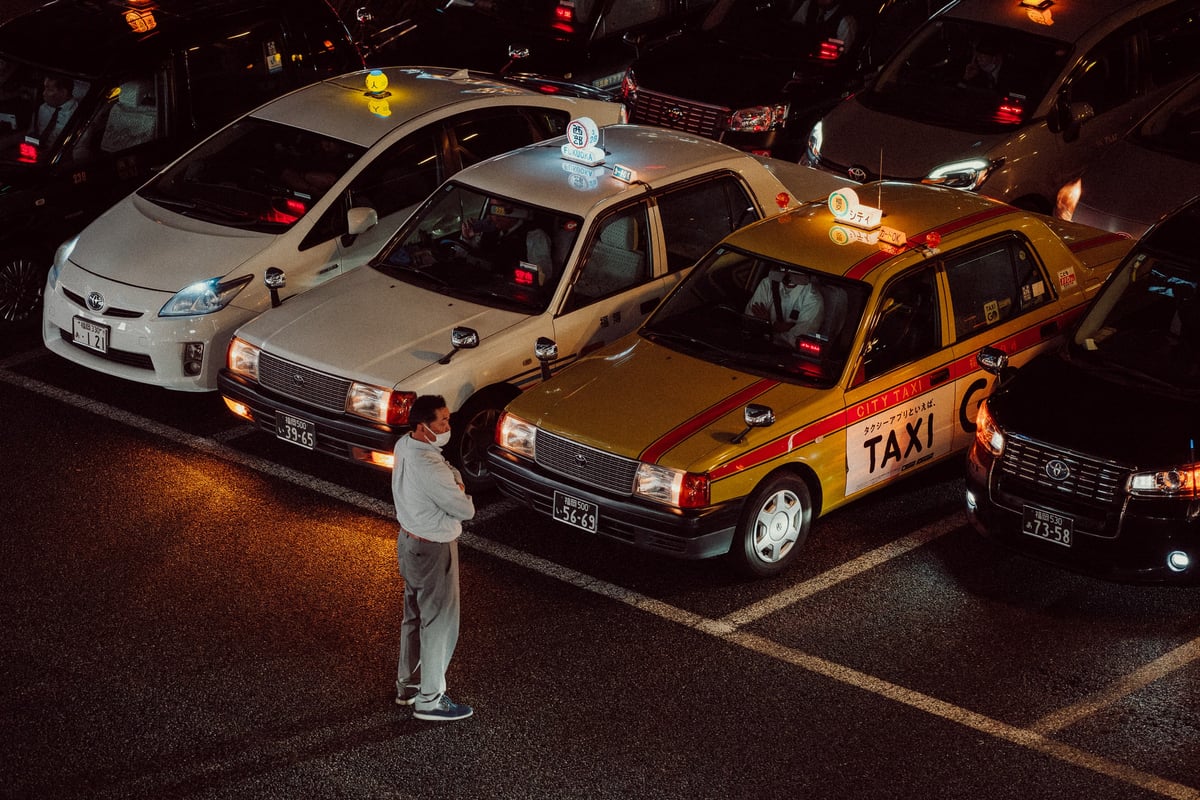
In dense urban environments like Japan, a 75mm focal length represents the practical upper limit for street work. Where a 90mm lens often feels too restrictive for tight city layouts, the 75mm focal length offers the perfect balance. For portrait applications, the 112mm full-frame equivalent field of view allows for a more comfortable, relaxed working distance during lifestyle sessions. However, for photographers seeking the highly compressed, signature aesthetic of a traditional 135mm lens for editorial fashion, Viltrox’s simultaneous release of the 90mm f/2.2 EVO is an excellent alternative worth checking out.
Some More Personal Thoughts About APS-C
In the past, I’ve noted that investing in the Fujifilm APS-C ecosystem didn’t always make practical sense. For their premium lenses, you often paid full-frame prices, and bodies like the X-H2 and X-T5 rivaled full-frame Sony cameras in physical size. So I’ve always recommended just going to Nikon.
Lately, however, I’m really loving the format again because the ecosystem finally makes sense for its intended purpose. The release of a truly compact body like the Fujifilm X-E5 (that’s actually really good), paired with affordable, high-quality glass from third-party lineups like Viltrox, has completely changed the calculation. When you factor in the advanced AI noise reduction tools now standard in modern post-processing software, the traditional high-ISO penalties of a smaller sensor are easily mitigated. Full-frame still holds its obvious advantages, but for compact travel and lightweight daily shooting, the APS-C format is incredibly compelling right now—offering a genuinely excellent, cost-effective, and portable alternative.
Viltrox 75mm f1.8 EVO Sample Images
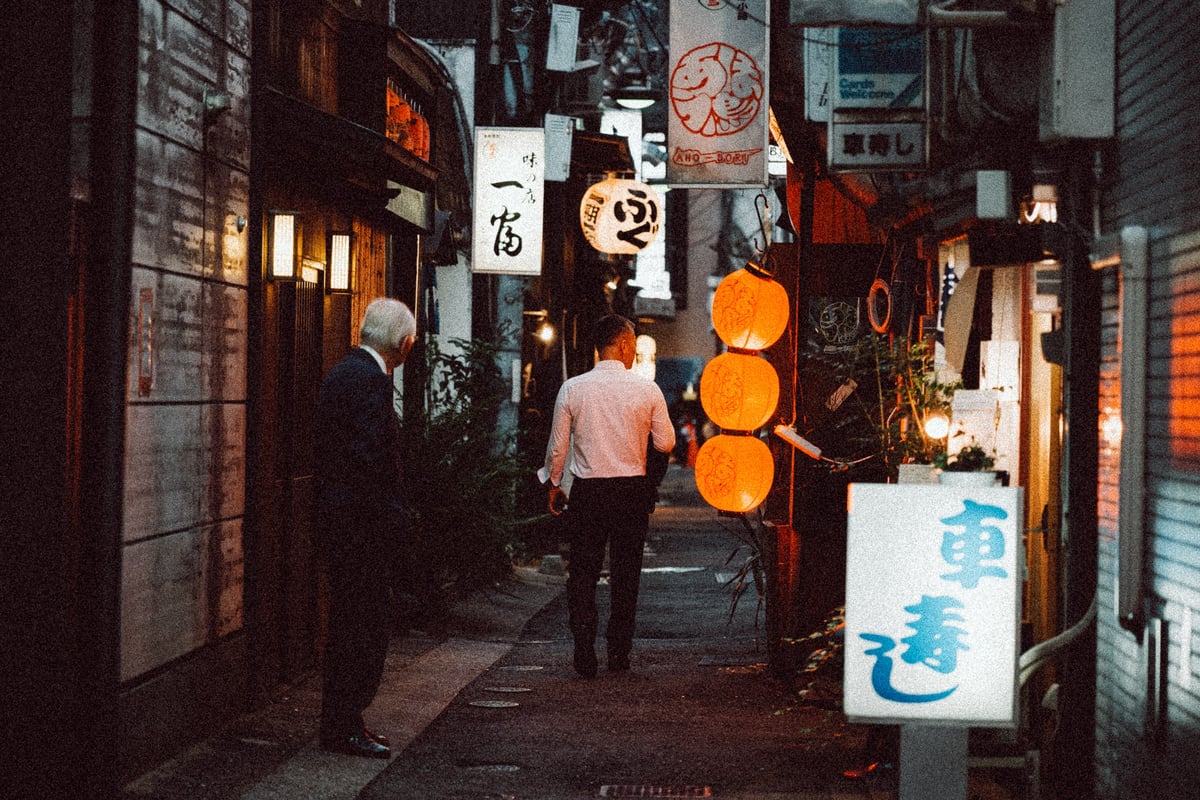
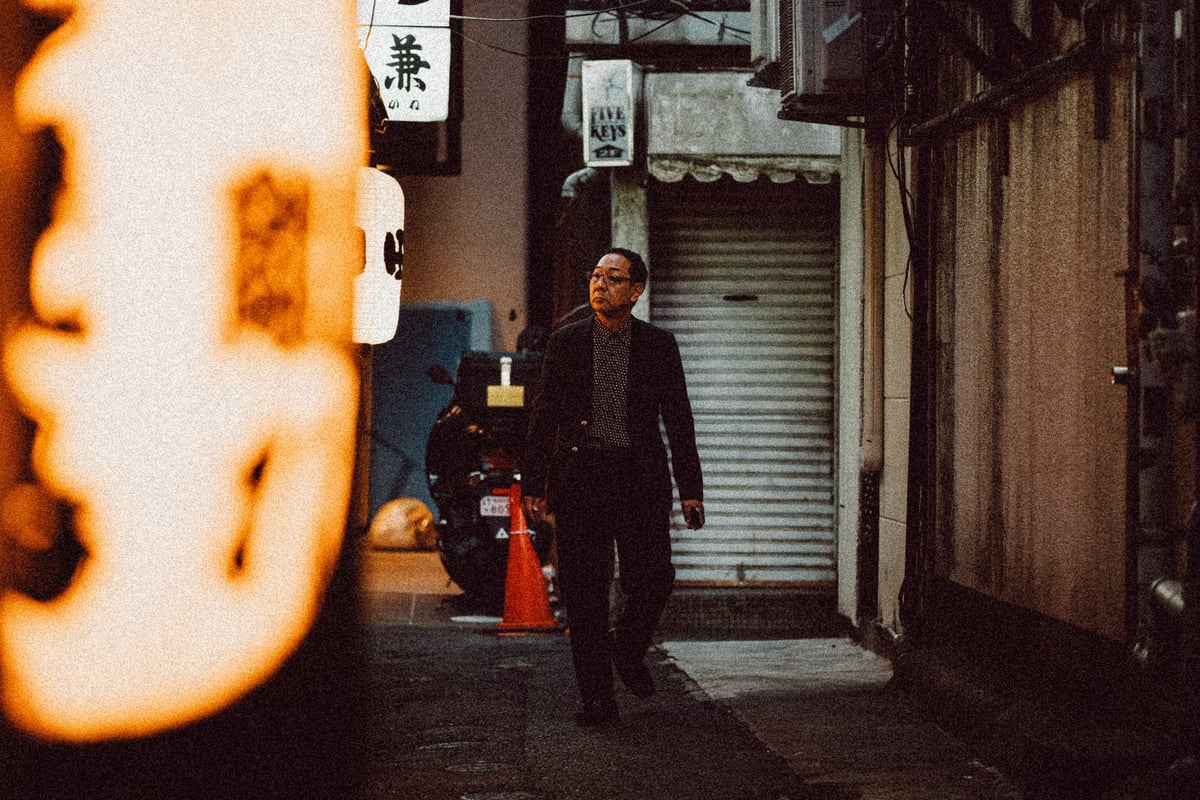
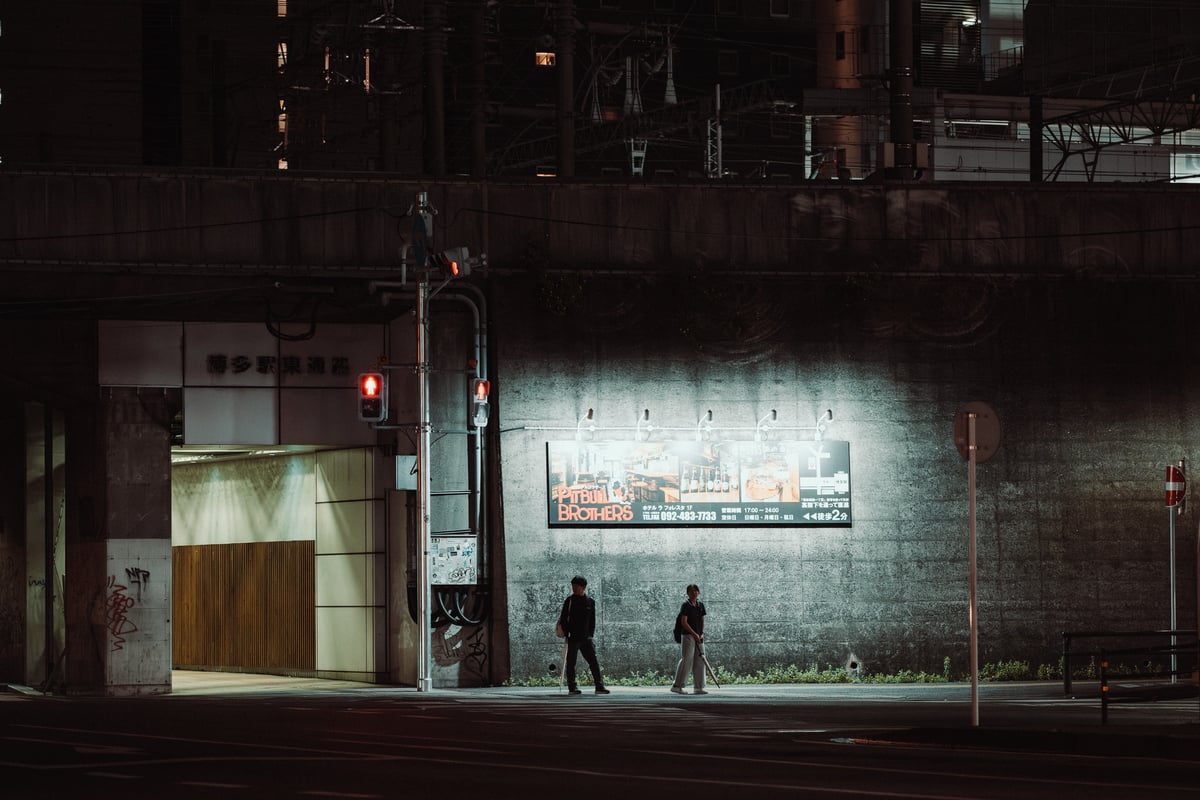
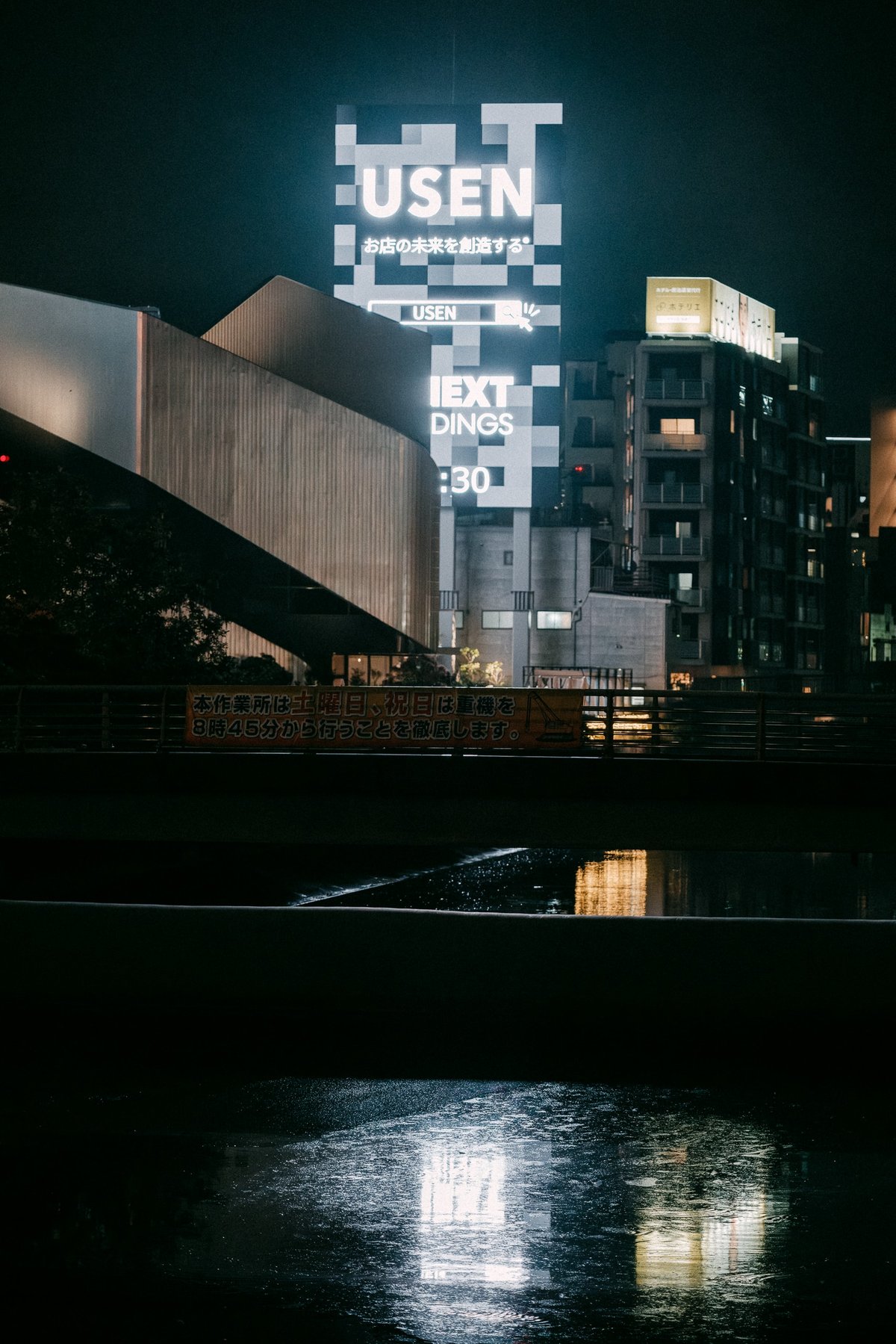
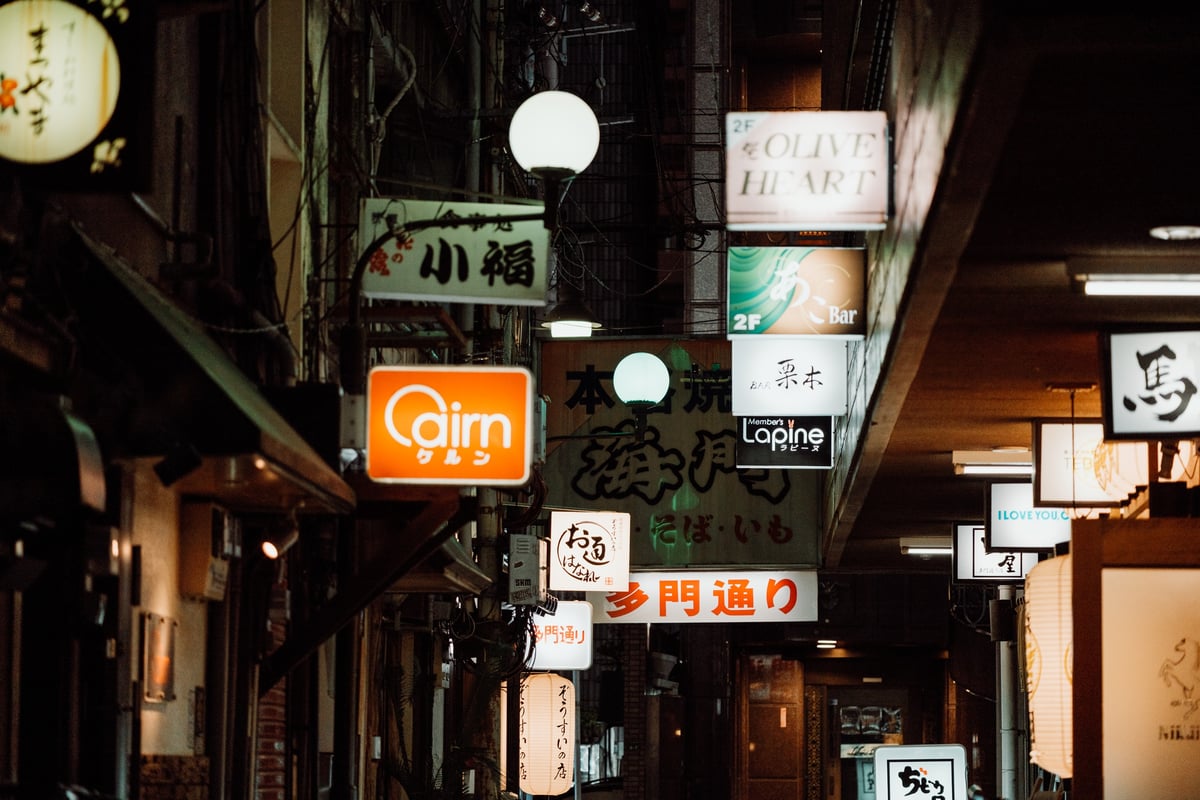
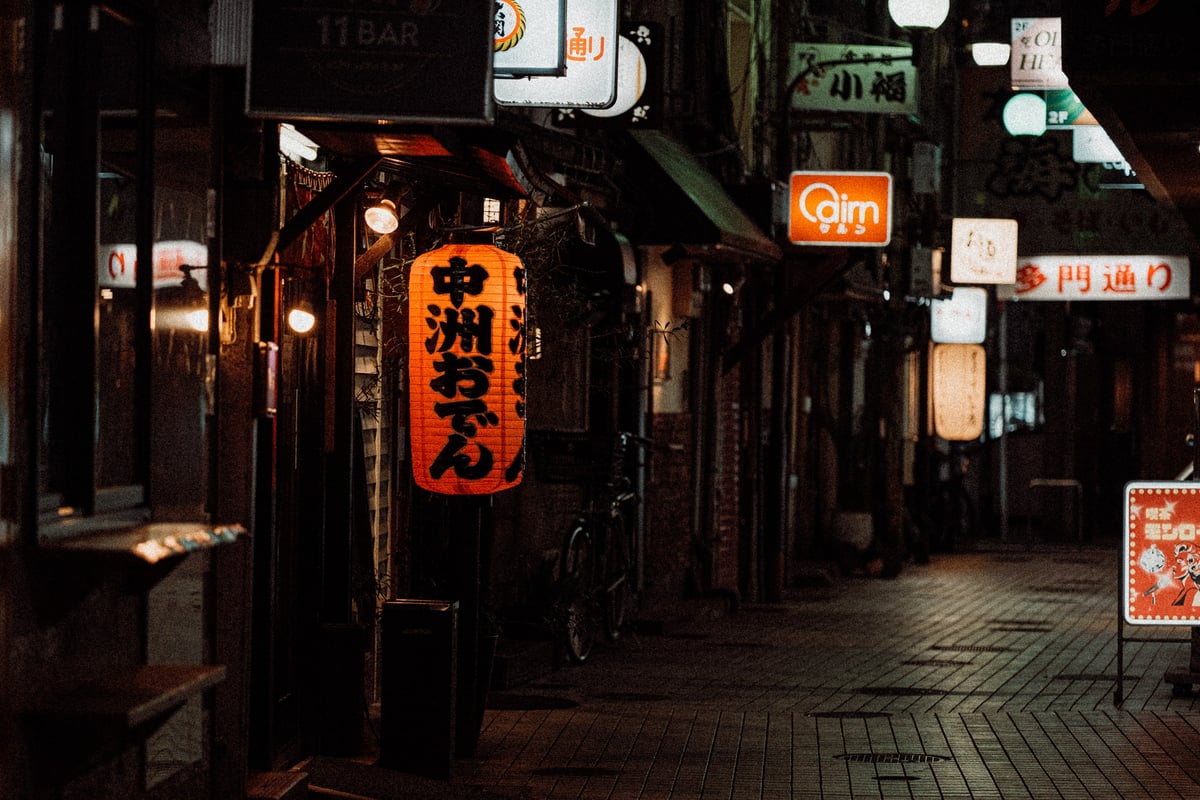
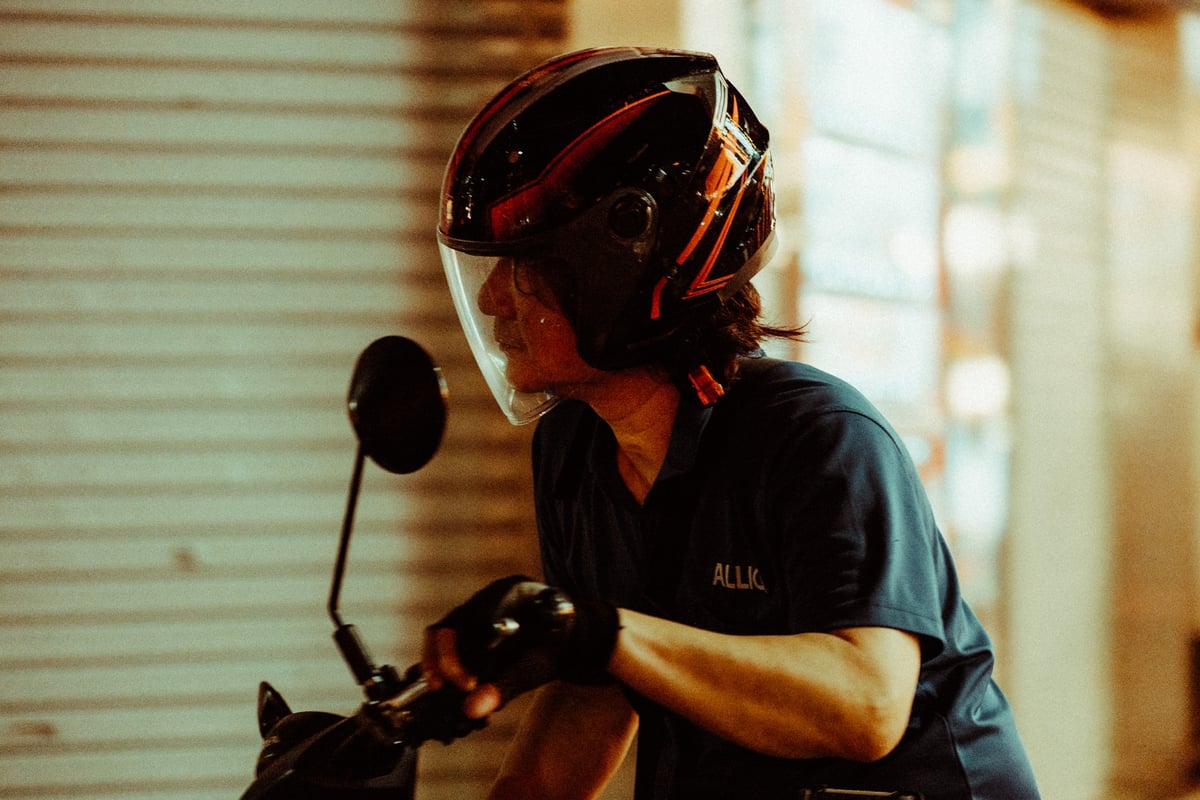
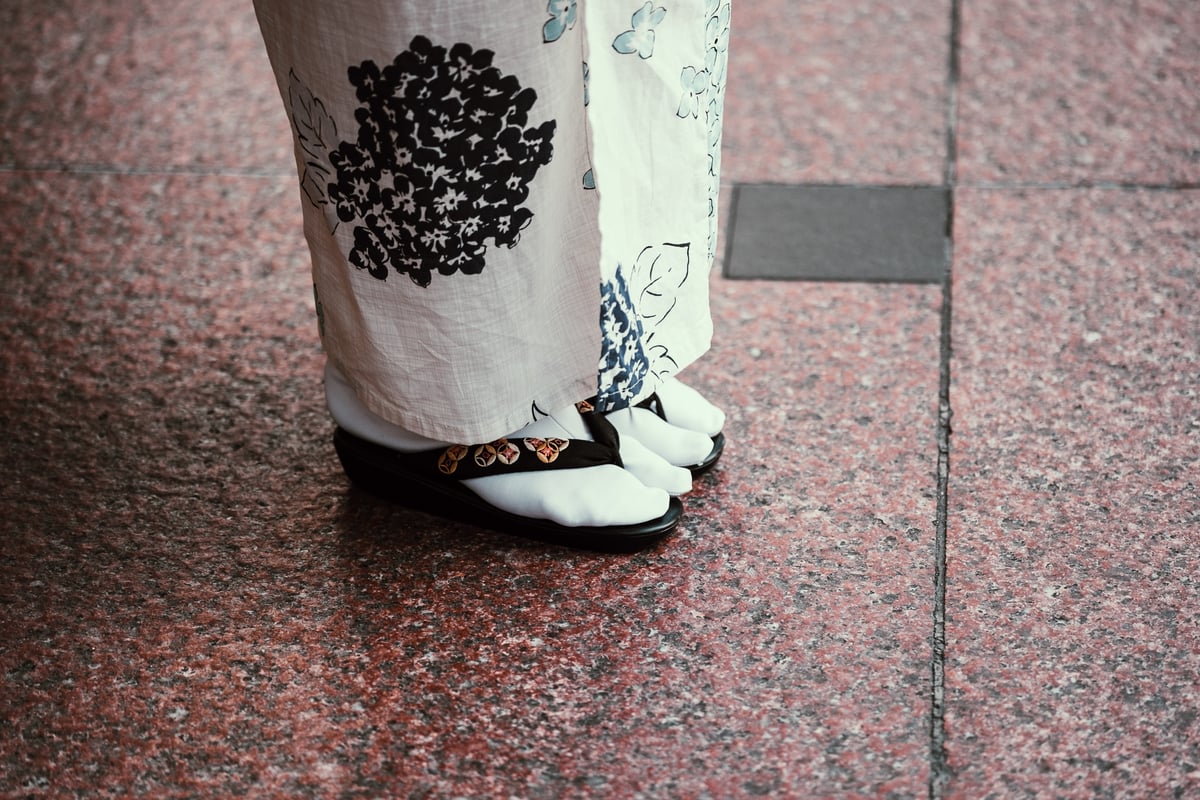
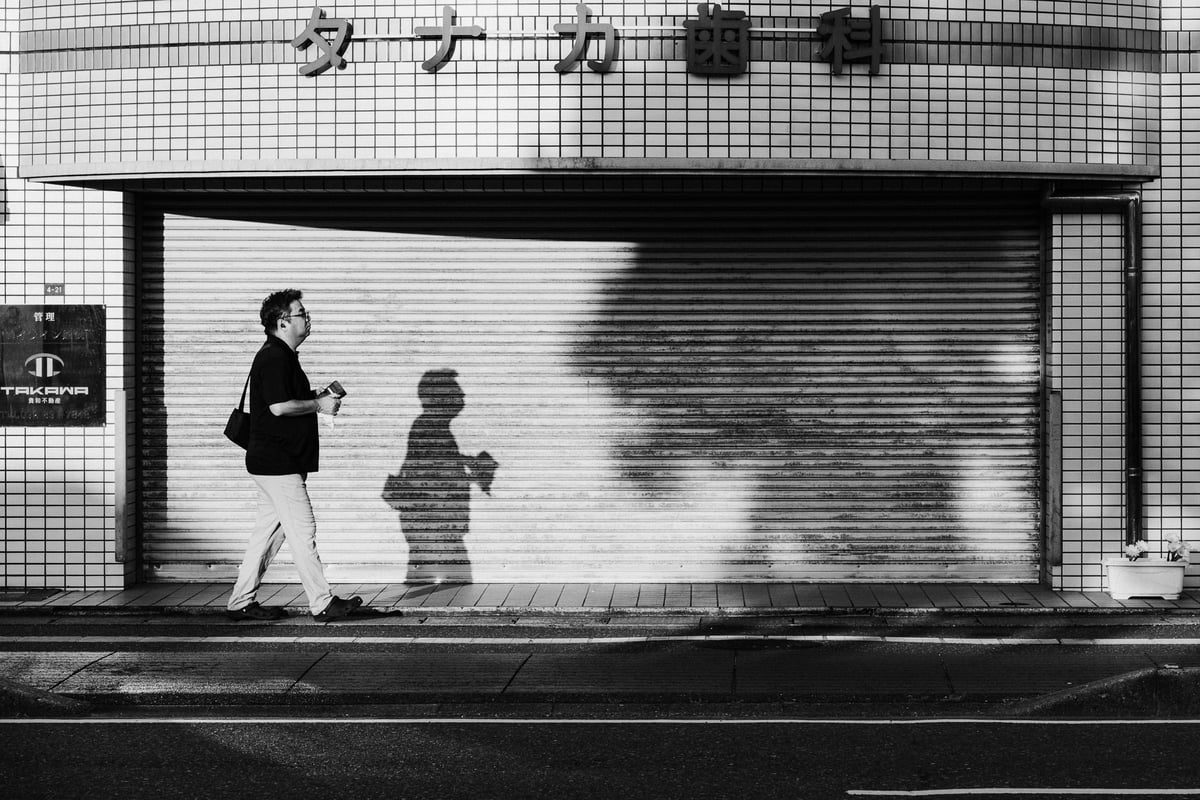
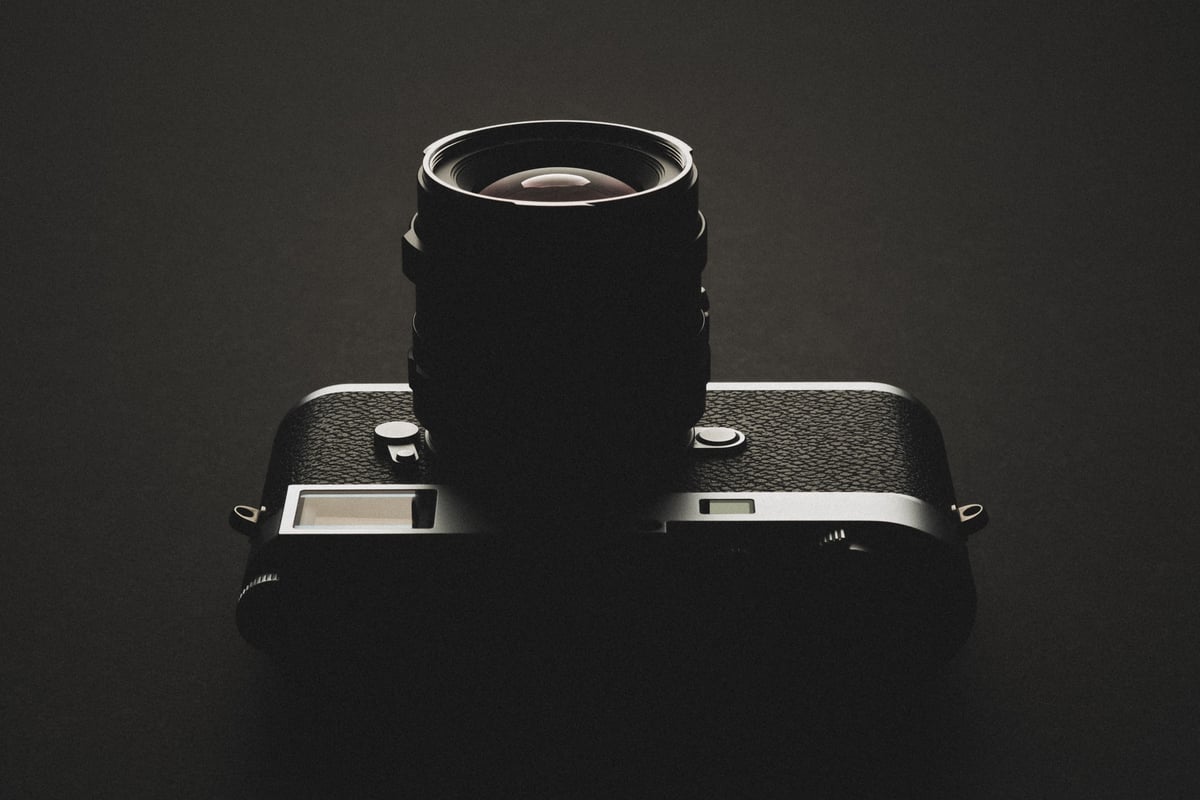
These samples use the Fujifilm X-E5 and my presets.


















Leave a Reply