
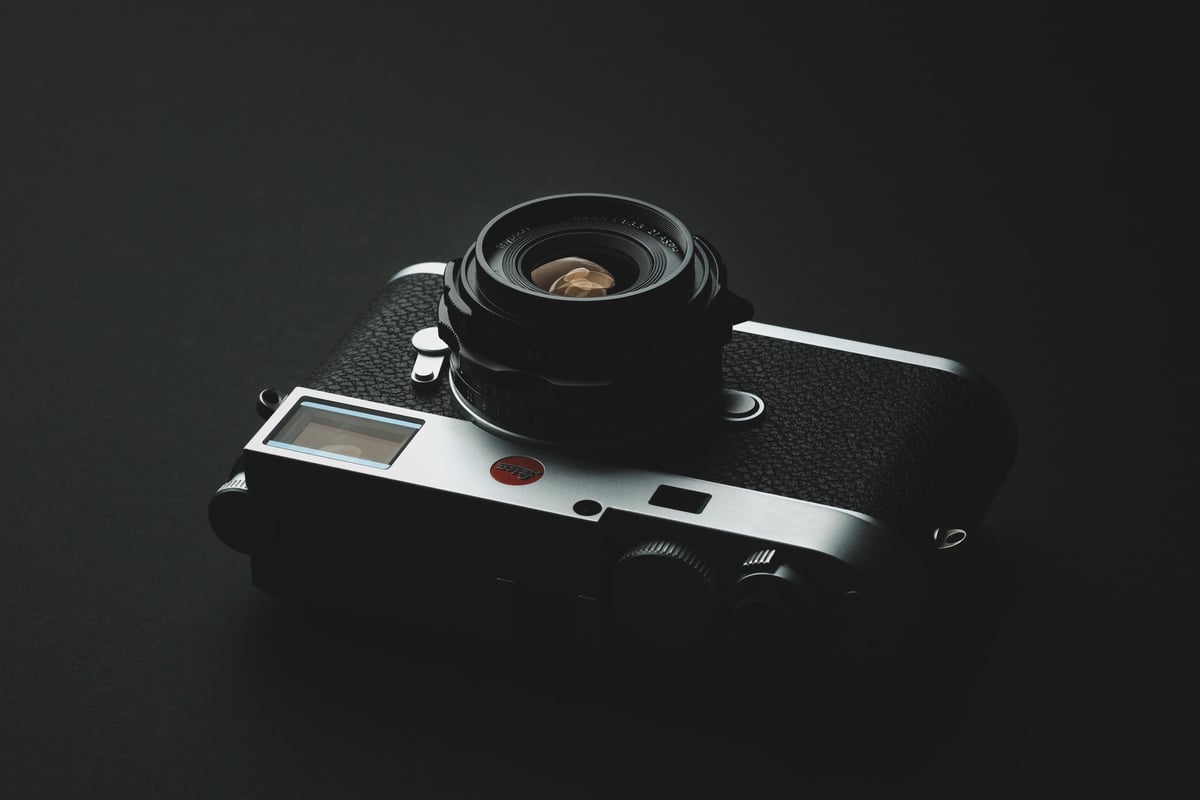
The Thypoch Simera 28mm f1.4 is one of my favorite M-mount lenses. It’s fast, well-built, and the most practically useful focal length Thypoch makes — I’ve shot it on the M11 and the X-E5 extensively. For comparisons, I’ve also reviewed the Thypoch Simera 75mm f1.4. For the full M-mount context, the Leica M-mount lenses list covers every native and third-party option.
After reviewing this lens, it’s exactly what I want from a fast 28mm — with a few caveats I’ll cover below.

Lens Specs
Focal Length: 28mm
Aperture Range: f1.4 – f16
Aperture Blades: 14
Optical Design: 11 Elements in 7 Groups (Includes 1 Aspherical, 3 ED, and 3 High Refractive Index elements)
Minimum Focus Distance: 0.4m (1.3ft)
Filter Thread: 49mm
Weight: Approx 340g
Mount: Leica M (Available for E/Z/RF/X via adapters or native mounts)
Available At:
Thypoch Simera 28mm 1.4 Type II – Amazon / B&H / Thypoch
Use Code: AlikGriffin for 5% off at the Thypoch Store.
Pros: Excellent vignetting control, excellent distortion control, great corner-to-corner sharpness. Very good CA control, excellent build quality and quality-of-life features.
Cons: Slightly on the softer side when shot at f1.4 with a 61MP camera, which could just be my copy, but it’s by no means “soft.”
Disclaimer: Thypoch gave me this lens. No strings attached. They did not require me to review it; however, I absolutely love this lens, so I had to. This lens is actually their older model, a very early reviewer sample. A few mechanical things have changed. Like, the focus tab has changed, and the springs on the lens hood aren’t working for me, so I’m going hood-free throughout this whole review. I did shoot with a Tiffen ProMist 1/4 filter for a lot of the street shots as well to see what kind of “film vibes” I could produce.
This is pretty much a one-lens-does-it-all lens, and it is now definitely one of my favorites.
Mechanical Precision: Build and Handling
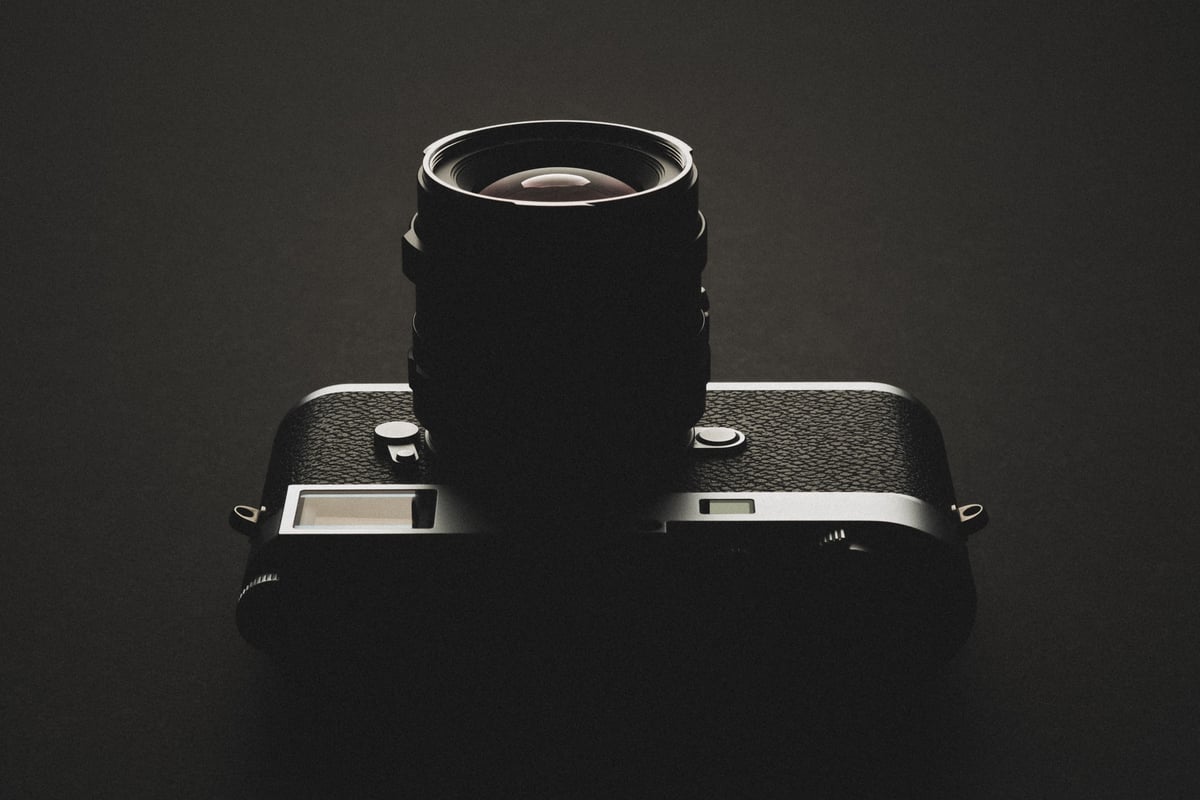
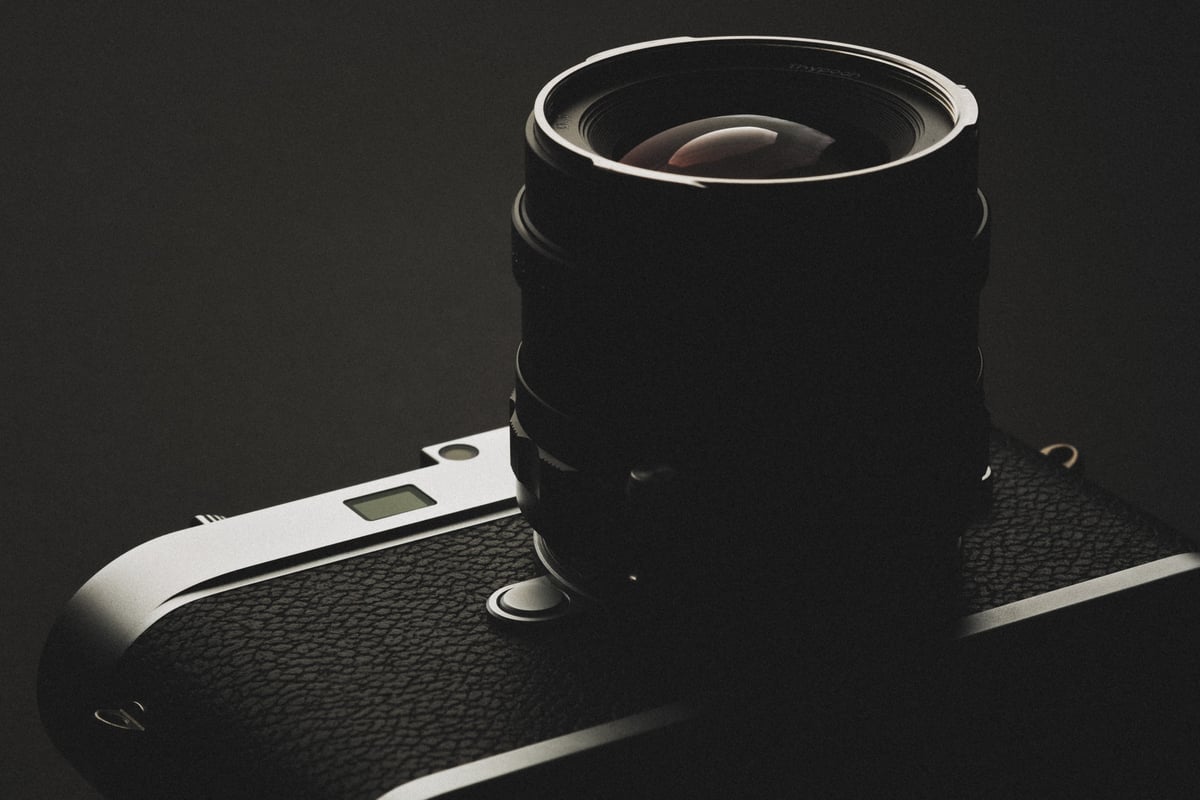
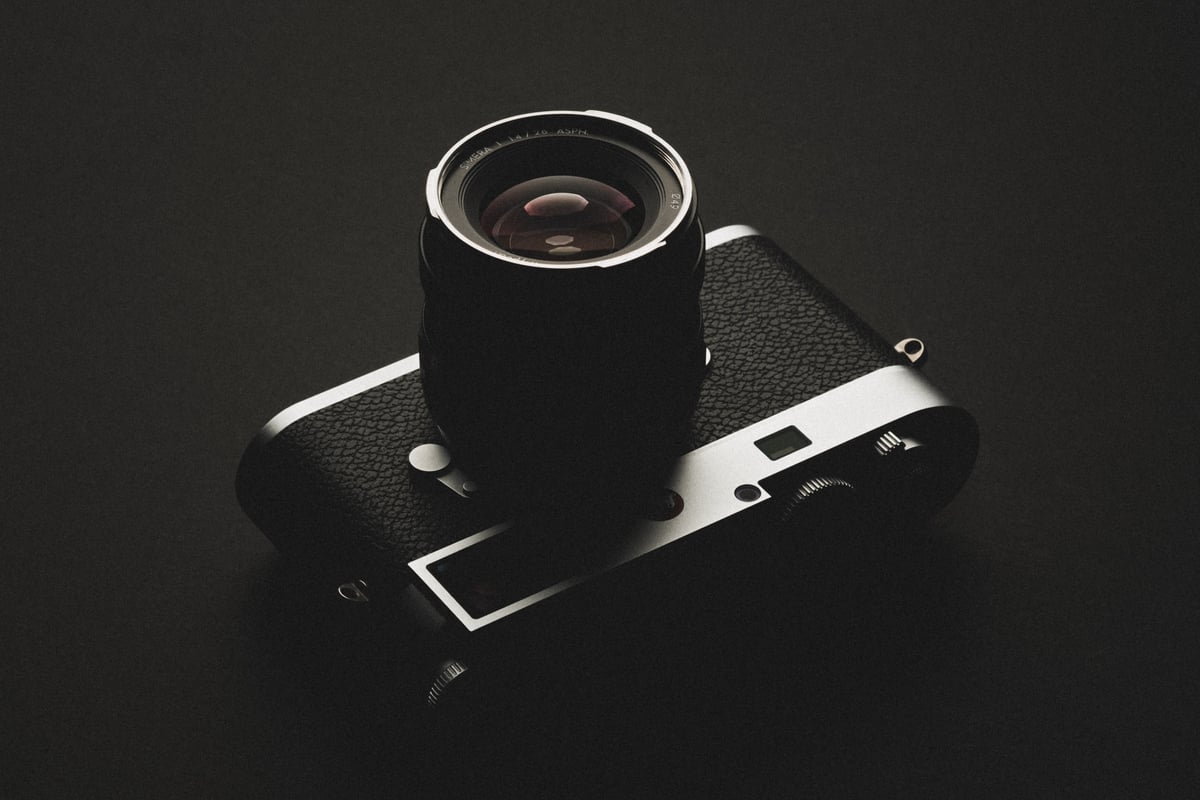
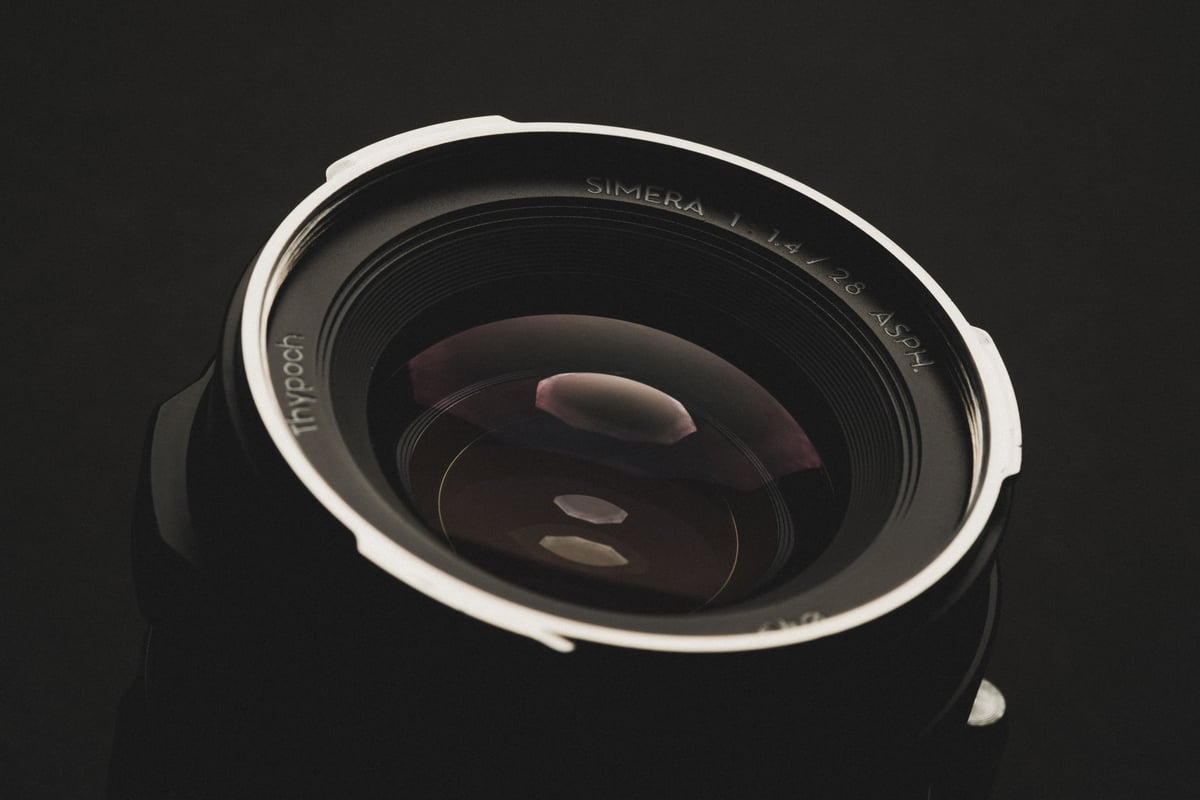
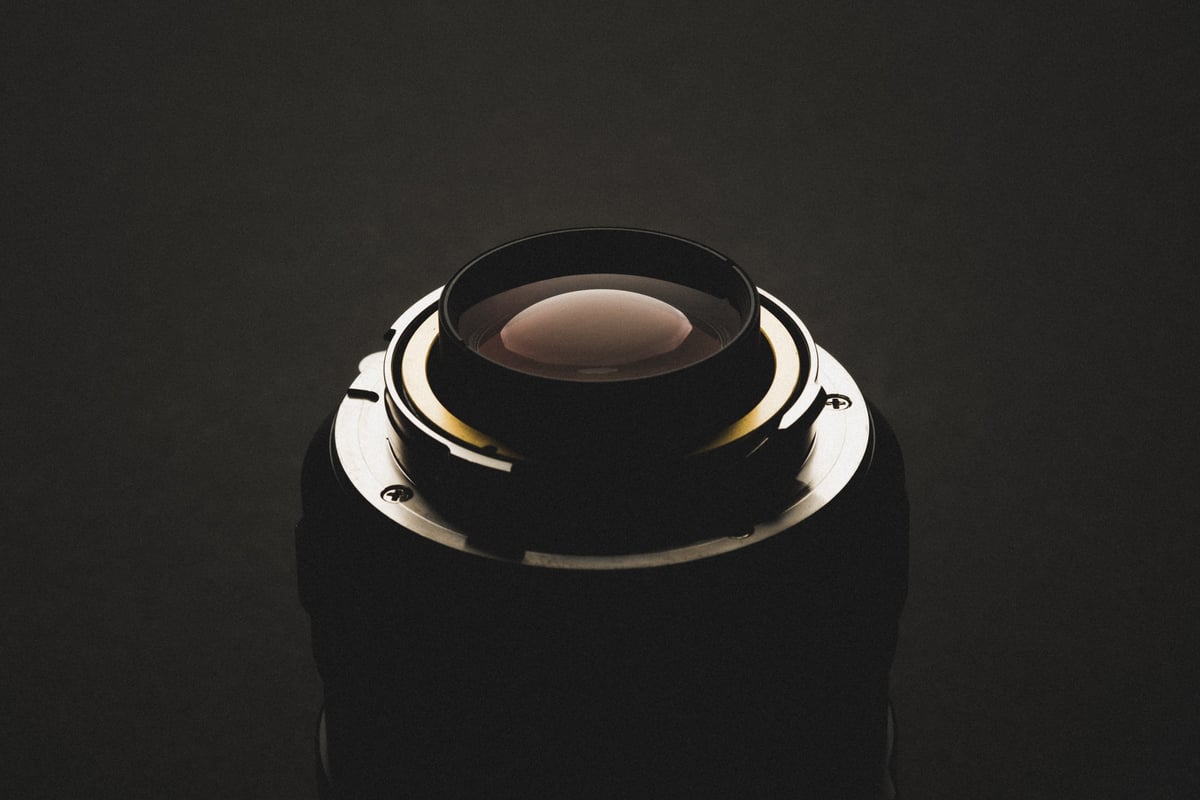
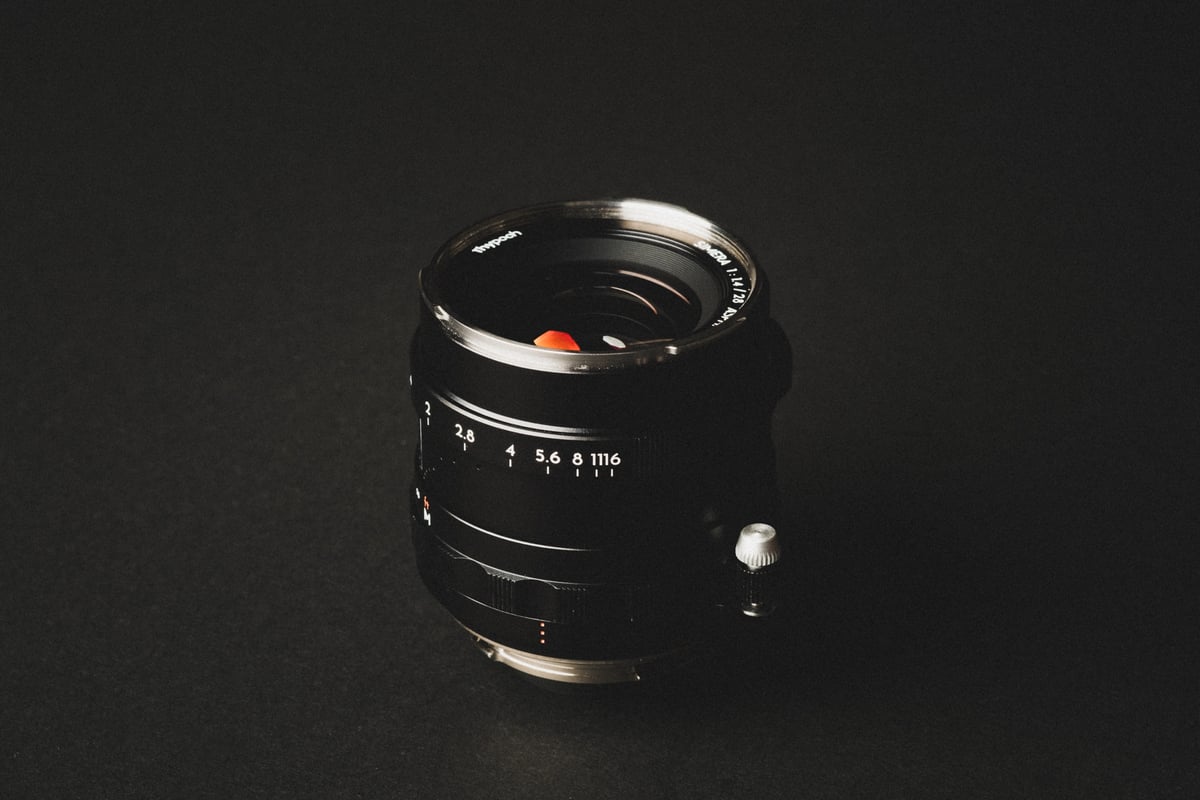
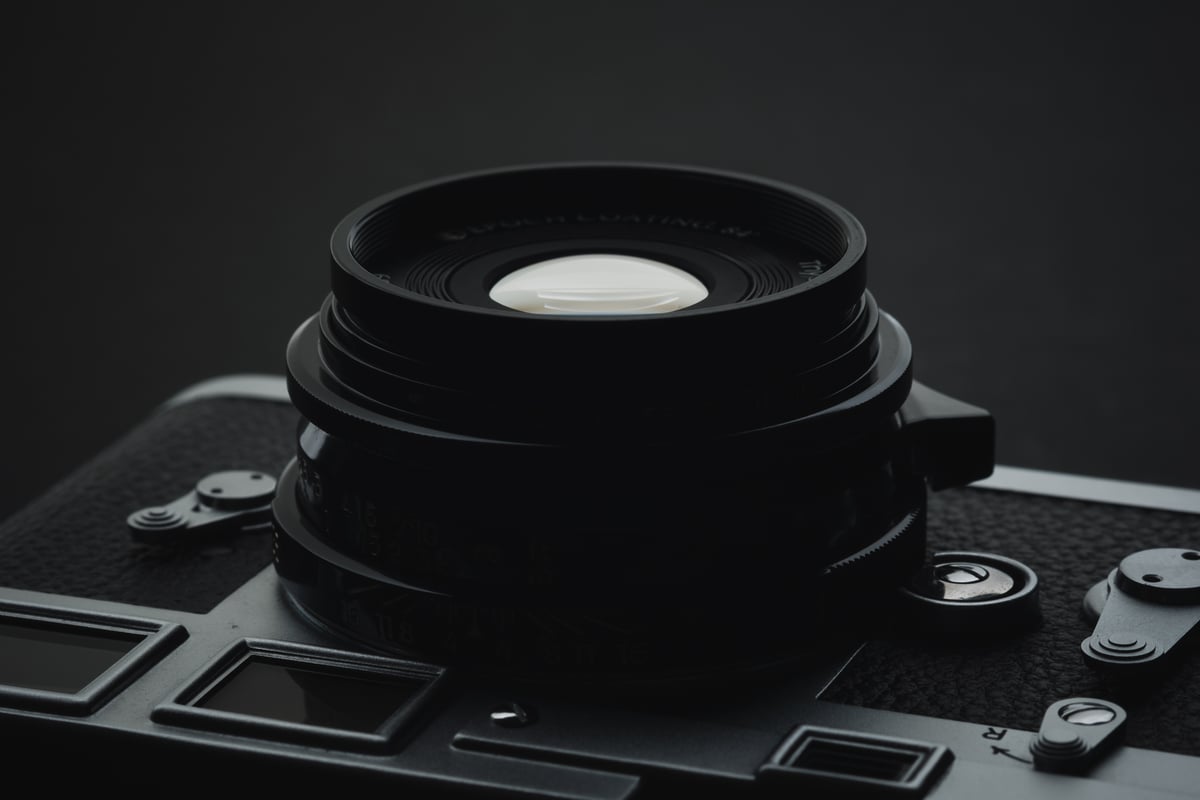
The build quality here is exceptional, mirroring the high standards of their other lenses. It features all-metal construction and a weight that feels substantial yet not cumbersome. On an X-Series body like the Fujifilm X-E5 or a Leica M11, it feels perfectly balanced.
The Aperture Ring: You get the same click/de-click toggle found on the other Simera lenses. The clicks are firm and tactile, but for those shooting video or wanting a seamless transition, the de-click option is a welcome professional touch.
Thypoch also packs this lens into cine housing if you need more cinematic features, such as 0.8 MOD gearing. See the Simera 28mm T1.5 Cine lens.
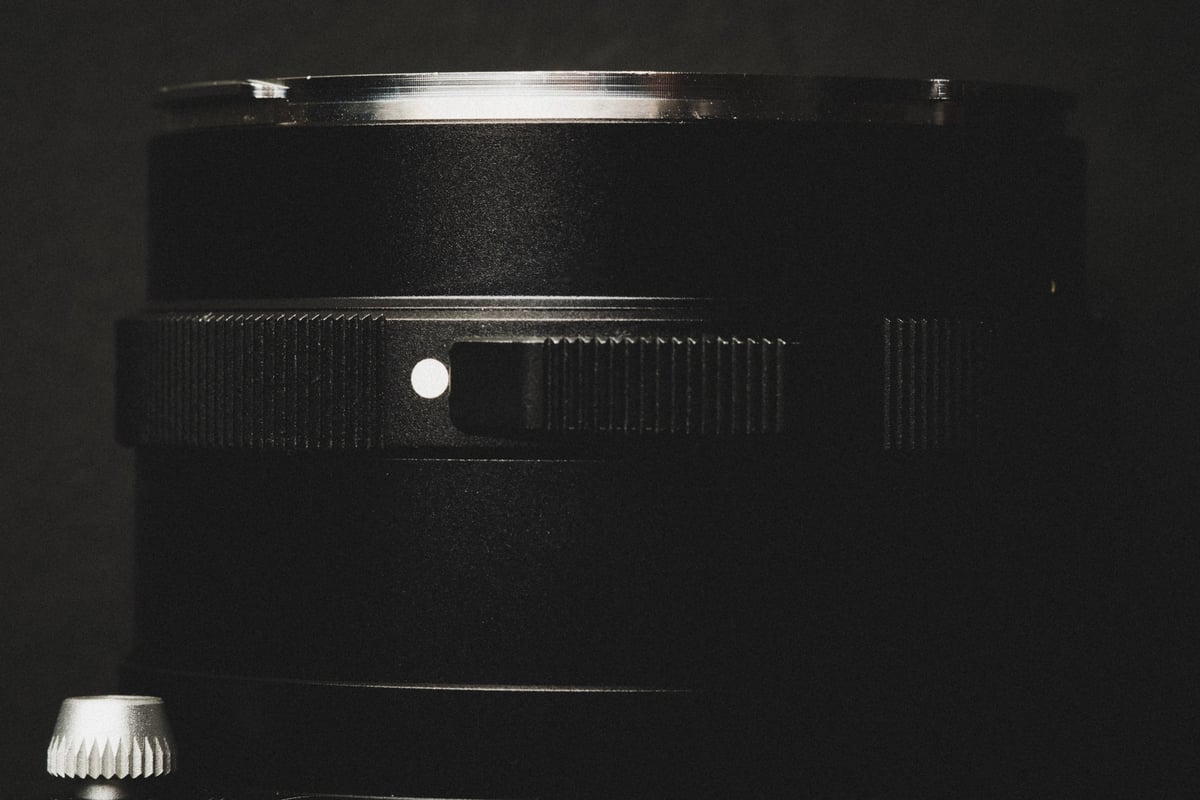
Focusing: The focus throw is smooth and well-damped. Unlike some earlier pre-production versions that featured an infinity lock, the retail versions that you can buy today have a cleaner focus ring with the crescent tab. So far, I notice that the focus throw and how the distance lines up match the Thypoch Ksana 21mm f3.5, and hopefully the new 28mm Ksana as well, so if you collect Thypoch lenses, you don’t have to relearn your focus tab muscle memory.
This lens also has the .7m haptic click that many film and OVF shooters absolutely love. For me, on this older Type-I version, it’s a little too strong, and I find myself getting almost stuck when shooting portraits at the .7m range, and it’s just enough to be annoying. This might vary from copy to copy since I notice my Thypoch 21mm f3.5 works much better. It’s not a huge deal; I’d prefer it there and slightly too strong than not having it at all.
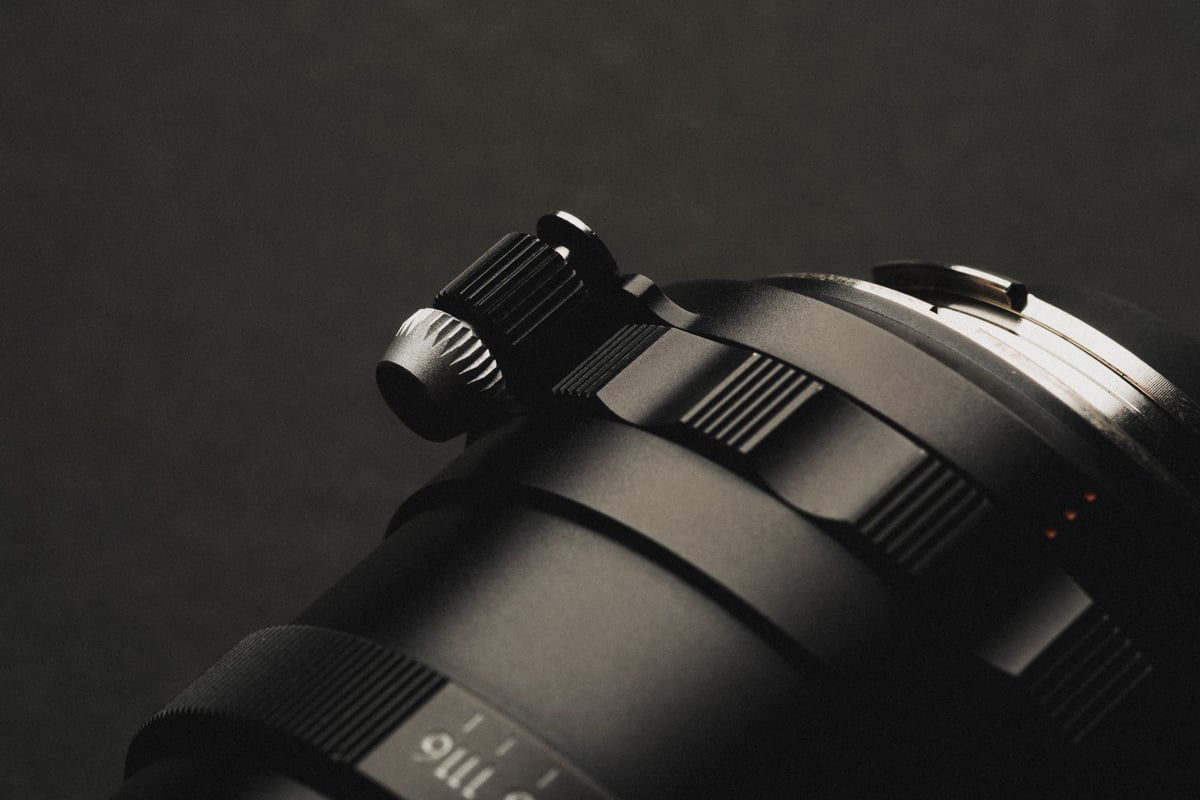
The Depth of Field Scale: One of the most distinctive “Thypoch” design flourishes is the depth-of-field indicator—those little dots that reveal themselves as you stop down. It’s a clever, retro-modern way to visualize your hyperfocal distance, which is particularly useful on a 28mm lens. Since I zone focus a lot, I find this flourish to be very useful.
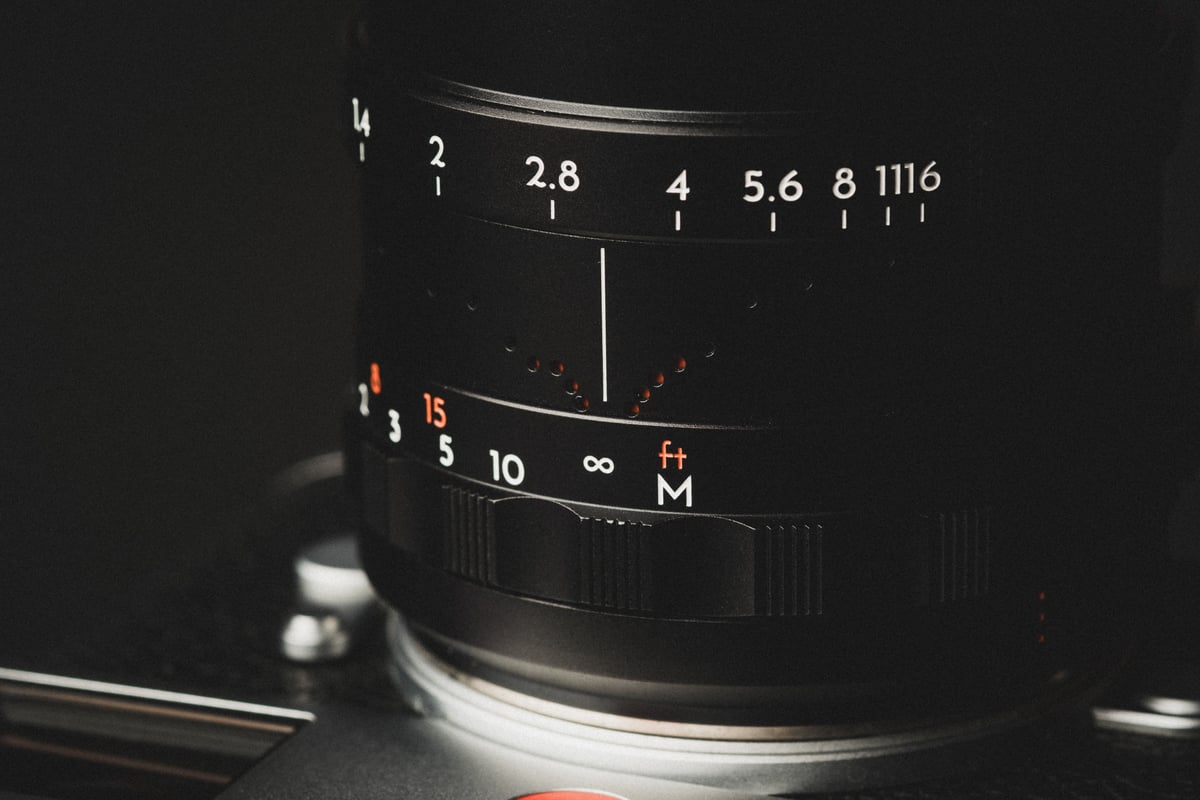
Image Quality: Modern Sharpness, Classic Soul
The Simera 28mm f1.4 is impressively sharp. Thypoch has utilized a complex optical formula with multiple specialized elements to ensure that even at f1.4, you aren’t just getting extreme character shots—you’re getting high-resolution performance.
Sharpness: Center sharpness is pretty good wide open. If this were a Nikkor or Sigma lens, I imagine it would be a little sharper wide open, but Nikkor would also make the lens twice the size. Also, I will say, nailing focus at f1.4 is challenging with a manual-focus lens, and you hear me say this a lot: you don’t always want a manual-focus portrait lens to be too sharp wide open, because it makes it way more obvious when you miss focus by just a little. The last thing you want is a perfect little crease of detail, just slightly off where it’s supposed to be.
Personally, I also think having a slightly softer wide-open lens feels more cinematic. My Nikon Z 35mm f1.8 S is slightly softer than it’s supposed to be, and it’s still one of my favorite, most pleasant-rendering lenses I own.
Like my Nikon Z 85mm f1.8 S, there is also a slight “glow” at f1.4 that gives skin tones a lovely, flattering quality, but the underlying detail is still very much there. By f2.8, the lens becomes tack-sharp across the frame.

Center Sharpness
Overall, the sharpness is very good for an f1.4 lens, making it an impressively useful fast 28mm f1.4.
At f/1.4, you can see the detail is still there; you just get a soft glow that envelops the image. For portraits, I think this is ok. If you need that extra sharpness and clarity, click it to f/2, and you’ll still have incredible bokeh thanks to the 14-blade aperture.
On the Leica M11 with the 60MP sensor, peak sharpness hits around f5.6, but by f8 you start to see diffraction. So your sweet spot will be around f4 and f8. For night cityscapes, I usually shoot at f4, but you could easily get away with f2.8 on this lens.
Keep in mind that I have a review sample that has been exchanged among multiple influencers – shipped around the world a few times, so your results with a new lens may vary.
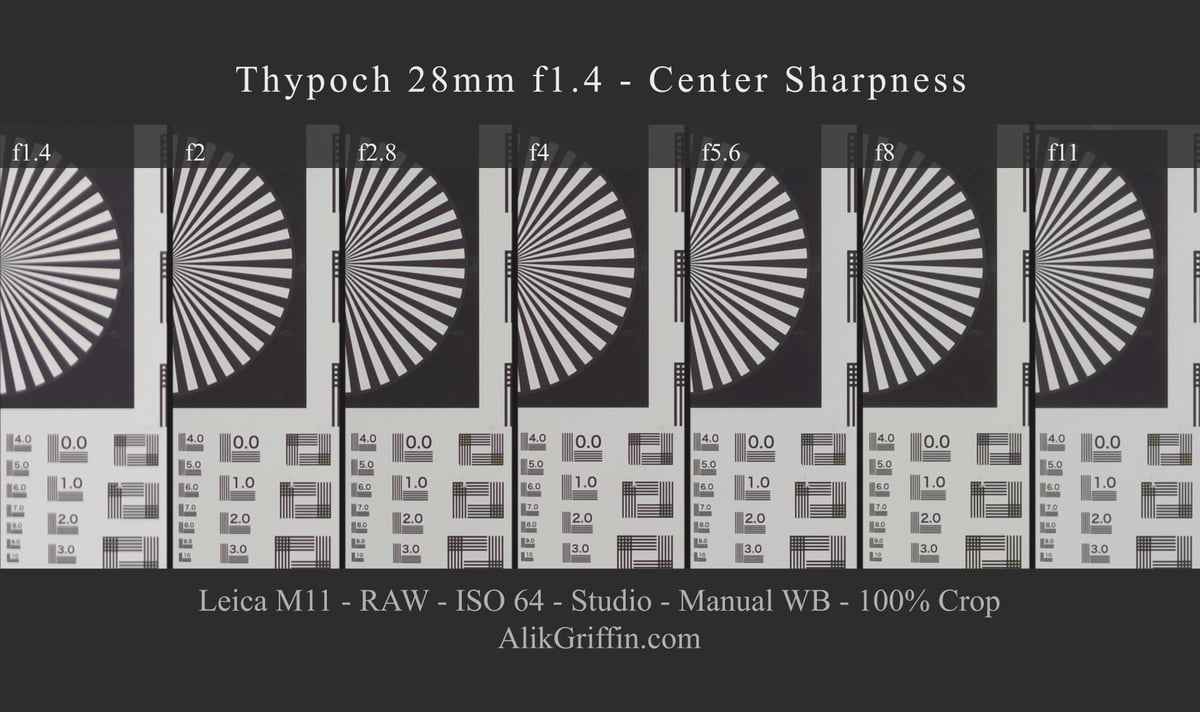
Ignore the little color shifts here; I manually white-balanced each shot with a grey patch, and I guess a few were off.
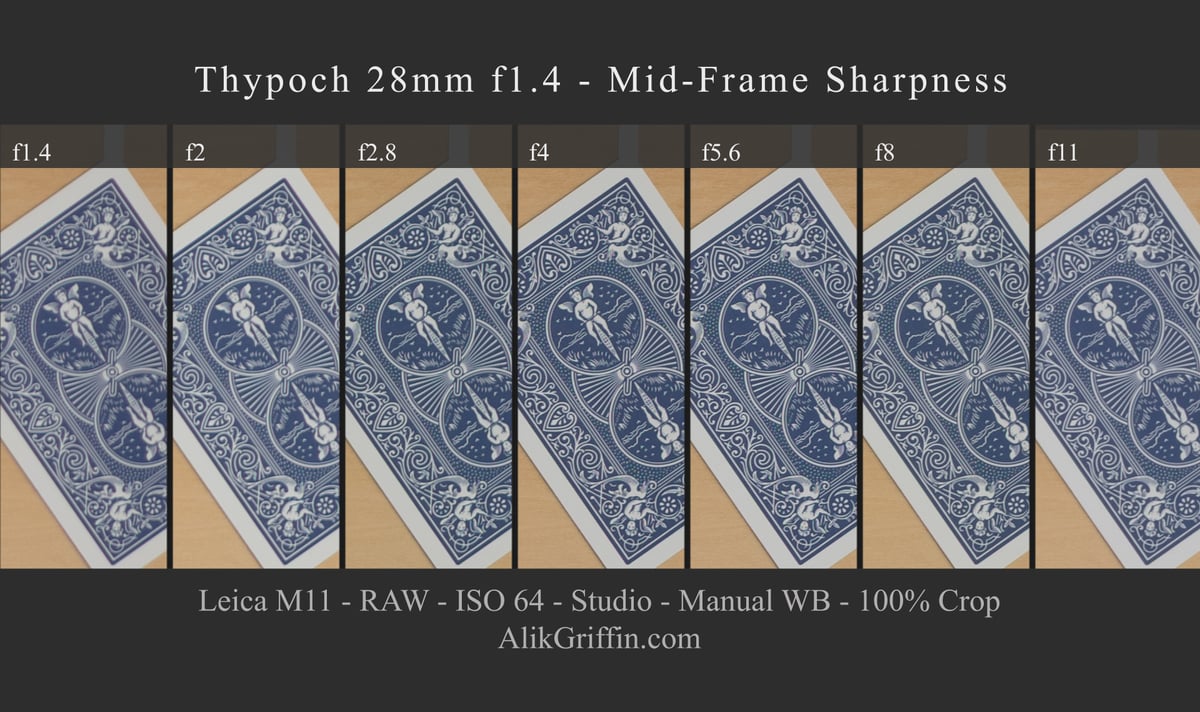
Mid-Frame Sharpness
Mid-Frame sharpness is also very solid here. In this sample, I actually took patches a little closer to the edge, so it’s a little past mid-frame.
You’ll notice the diffraction hitting things a little more obviously here with the color card. I generally try to shoot my street photography at f8 with zone focusing. As you can see, you do get an overall hit not just to sharpness but to clarity and contrast at f11. If you have an older, lower megapixel camera, this won’t matter as much. But if you’re a street shooter, try to keep it at f8 for the best results.
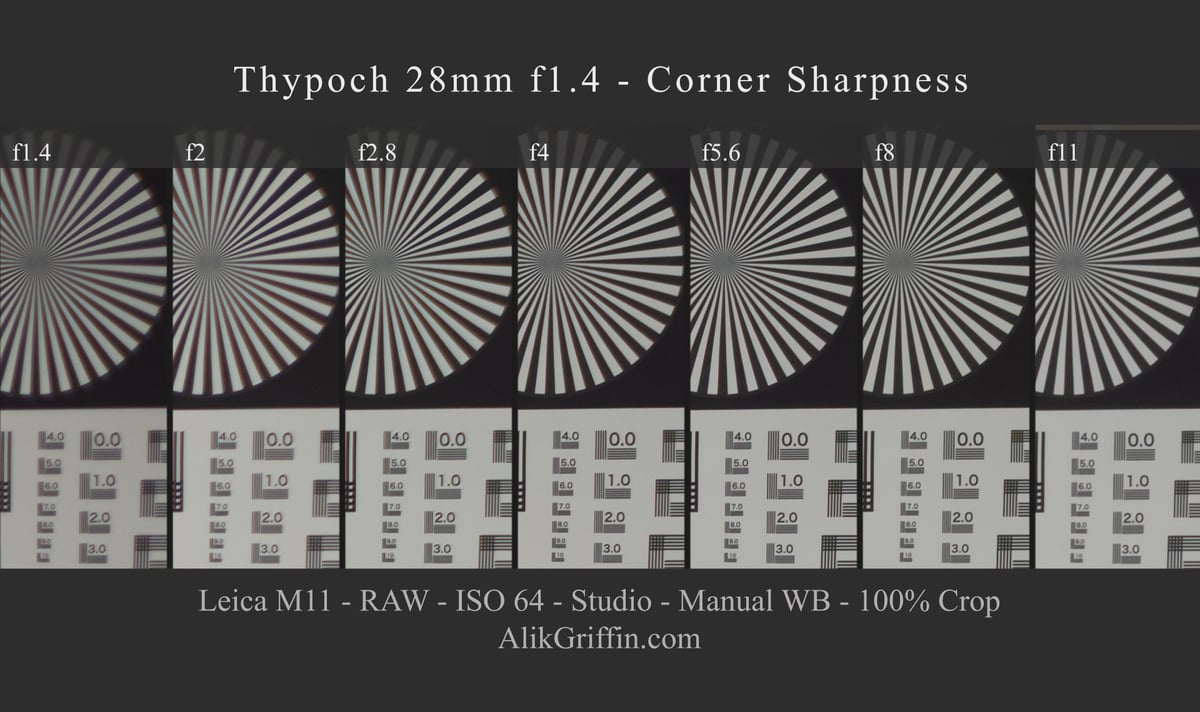
Corner Sharpness
Corner sharpness is actually very, very impressive for an f1.4 lens.
Vignetting
Some vignetting at f1.4, as you would expect, and it mostly clears up by f2. Pretty well controlled here overall.

Distortion
Very good distortion control, just a slight barrel bulge in the center. To me, this feels a little more like waviness, a byproduct of all the lens elements and the math working together to correct distortion, and you would probably never notice it in the real world. This is all pretty standard for a nearly distortion-free lens.

Chromatic Aberrations
Chromatic Aberrations are very well controlled, even under stress testing; we only see minimal fringing. It’s nice that we don’t see fringing in the bokeh, which is difficult to fix.
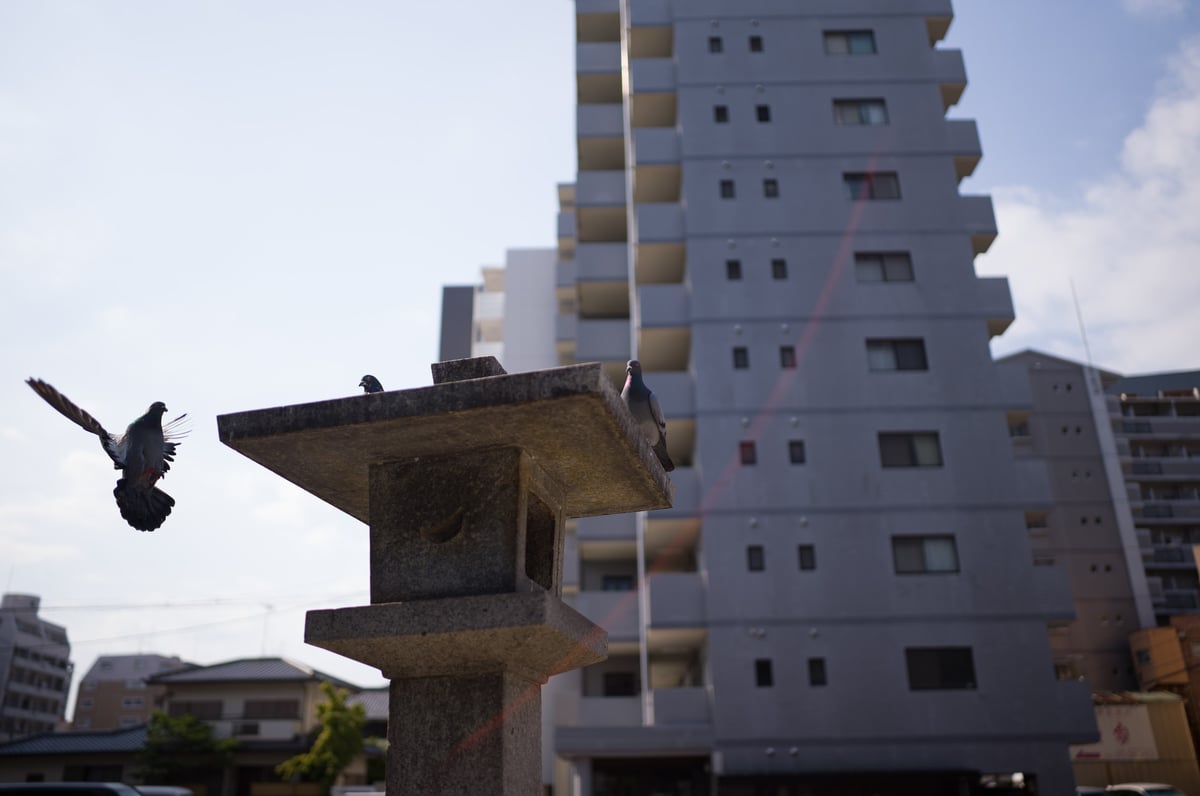
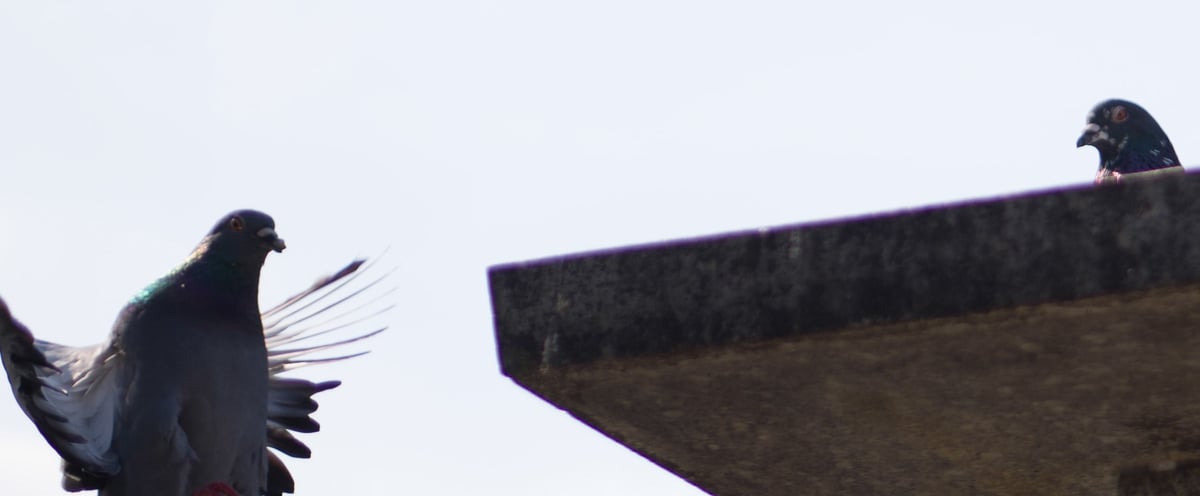
Here is a 100% crop of the worst case.
Thypoch Simera 28mm f1.4 As A Cine Lens
Since the Simera photo lenses are optically identical to the cine line (as far as I understand), there are a few things to be aware of across the line.
The Colors: They are very good and stable, accurate with the Thypoch Simera line, but keep in mind that Thypoch does not market these lenses as 100% matched across the whole line.
Focus Breathing: The 28mm does have some very slight focus breathing, but it only occurs at very close distances, from about 1.4 feet to 3 feet. After that, there is no focus breathing on this lens.
Art & Character
The Thypoch 28mm f1.4 isn’t a clinical lens by any means, and it’s not a super strong character lens either. But because of that super-fast f1.4 aperture and the 14-blade iris, you get some very artistic rendering when shooting at the faster apertures. You’re not getting a super-high micro-contrast lens, but thanks to Thypoch’s great coatings, you do get some really nice color. This lens’s performance is overall very stable and very capable, with very smooth bokeh and rendering.
Flaring
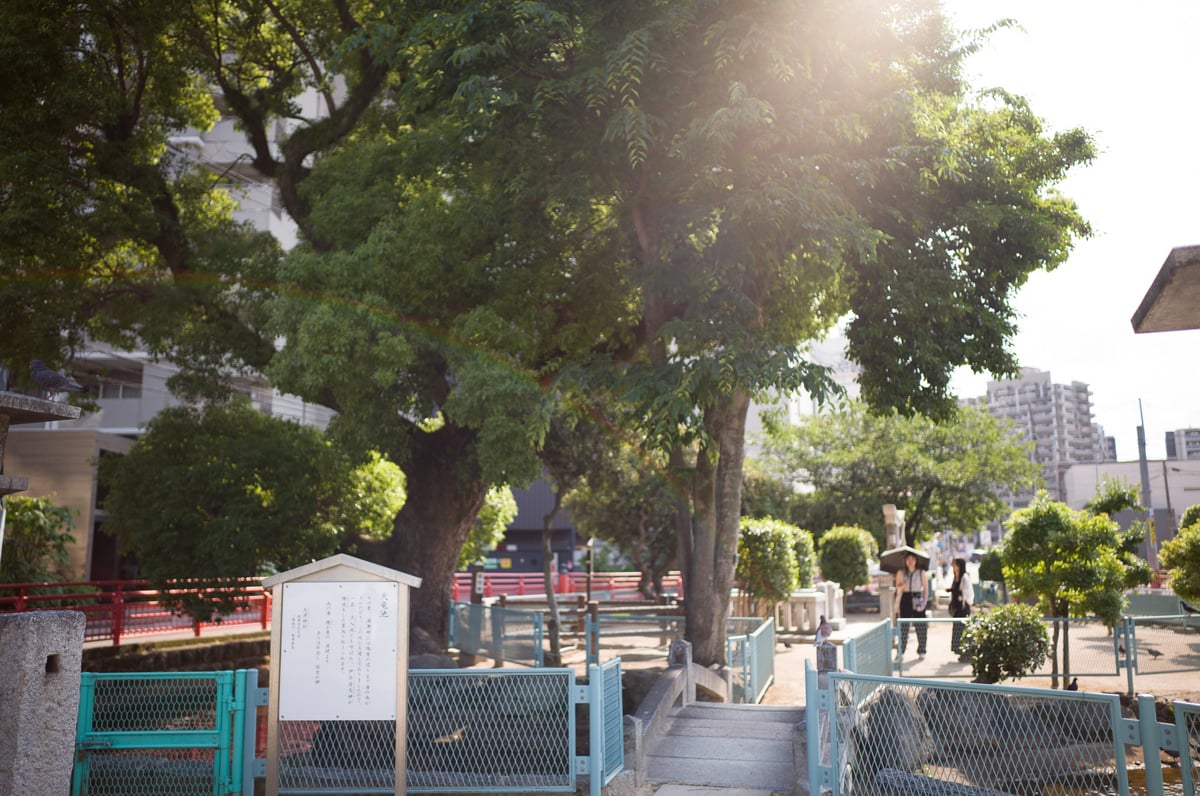
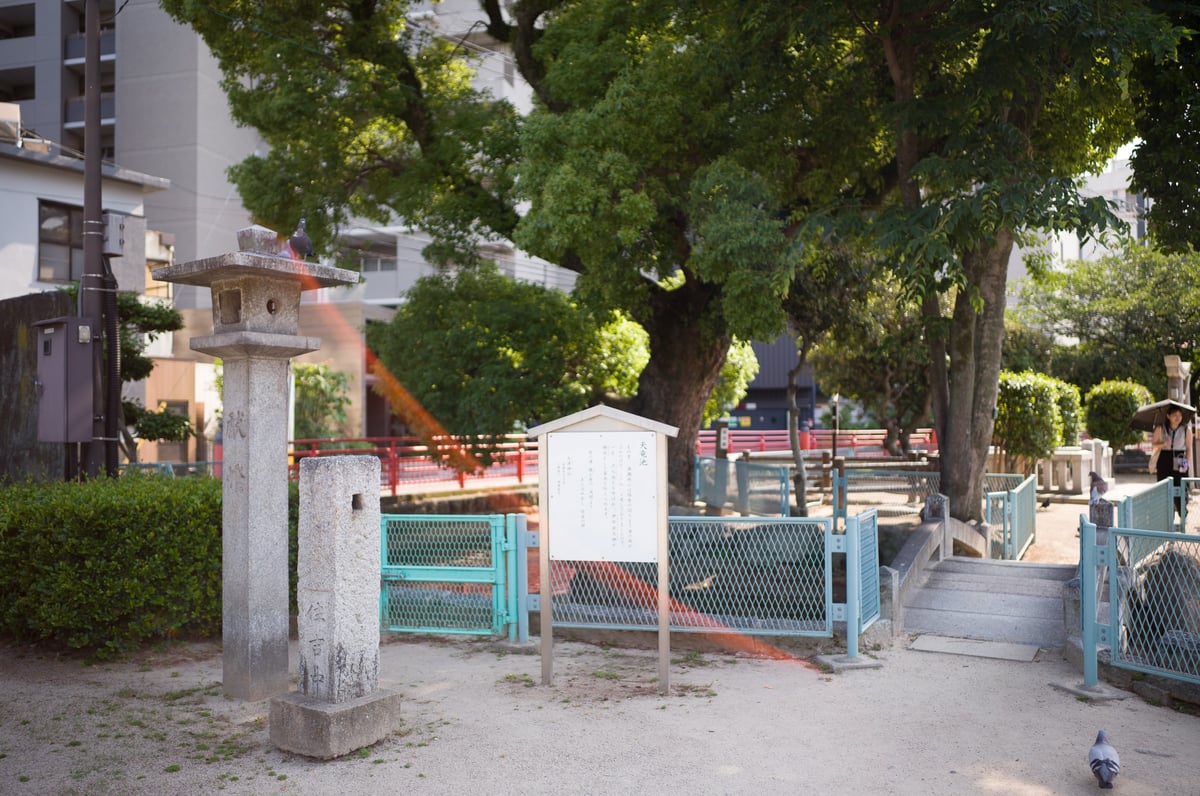
Flaring is very well controlled; only in extreme situations at certain angles does this lens flare. In general, Thypoch seems to have some of the better coatings among third-party brands.
With this lens, the flares are a white-and-purple bloom, and at some angles, you get an orange arch.

Bokeh
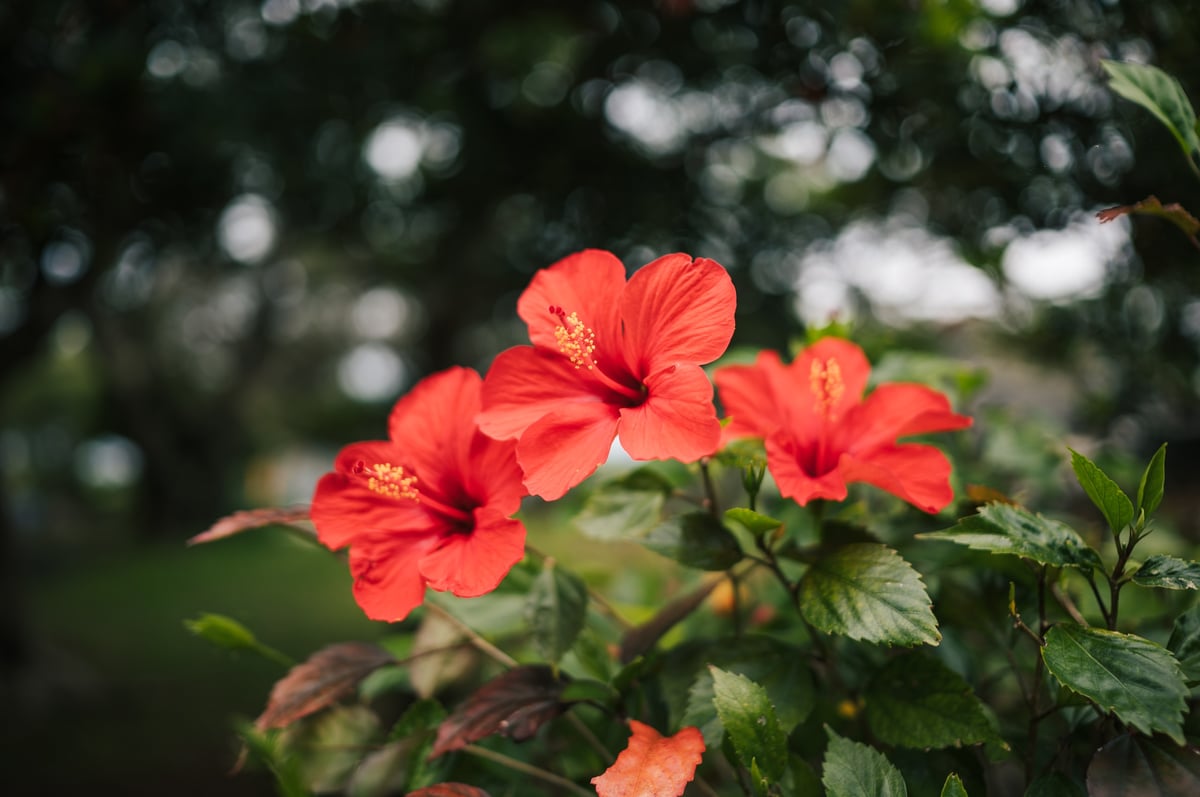
For most 28mm lenses, achieving “creamy” bokeh is difficult, but the f1.4 aperture, combined with the 14-blade diaphragm and the slightly larger build, makes this lens do a remarkable job. The fall-off is smooth, and the out-of-focus highlights stay circular even when stopped down slightly. It doesn’t have the “busy” or “nervous” background look often found in the smaller pancake wide-angles.
Bokeh is clean and fairly rich and vibrant, with little swirl or cat’s-eye effects.





Color and Contrast
The coatings on the Simera series are excellent. The colors are punchy and saturated, leaning slightly towards a warm, modern palette. Even contrast looks great when shooting for black and white.
It’s hard to nail f1.4 perfectly all the time. And f1.4 is a touch softer, so if you really want to click in the clarity, shoot f2, and it still looks great and adds a little more sharpness and clarity, that’s lovely.

Here in this sample, I’m using a Tiffen ProMist filter at 1/4 power, and it still looks amazing.


SunStars
You do get some really nice sunstars with this lens.

Thypoch Simera 28mm f1.4 Review – Bottom Line
The 28mm covers more situations than any other lens in the Thypoch lineup.
For portraits, you get a beautiful, creamy rendering at f1.4; then, by f2, all the extra clarity and contrast click into place, giving you a very versatile artistic tool. Stopped down, this lens excels for street or landscape work because of its consistent sharpness across the frame.

Thypoch 28mm f1.4 vs Other Options I Own
Overall, the Thypoch Simera 28mm f1.4 is the coolest 28mm lens I own. For a full rundown of what’s available in the M-mount, here’s a complete Leica M lens list — native glass and every third-party option. For manual focus M-Mount lenses, my two favorite 28mm lenses now are the Zeiss Biogon 28mm f2.8 and this one. I would go with the Zeiss if I really wanted to lean into a high contrast look, or if I was exclusively shooting film, and I would choose the Thypoch for everything else.
Thypoch also has a Thypoch Eureka 28mm f2.8 pancake lens that I haven’t tried yet, but it looks fairly similar to the tiny Brightin Star 28mm f2.8, but with a little built-in hood. Now, I love that Brightin Star as a super-compact pancake, but my problem with it is that the front element is so exposed that it constantly collects fingerprints. Also, I tend to accidentally move the aperture ring too much. It looks like the Thypoch Ksana 28mm f2.8 solves this problem at the cost of a slightly larger size. I’ll definitely try to grab a copy in the future, considering how well the Thypoch Ksana 21mm f3.5 performed as a pancake.
I also had the Voigtlander 28mm f2 Type-II Black Paint for a bit. Even though it’s an f2 lens, it really only delivers acceptable performance at f2.8. If you consider it an f2.8 lens, it’s also a lot of fun. And there is a Voigtlander 28mm f1.5 lens that looks promising, but you don’t get a .7m haptic click or the fun depth-of-field scale.
Thypoch 28mm f1.4 Sample Photos
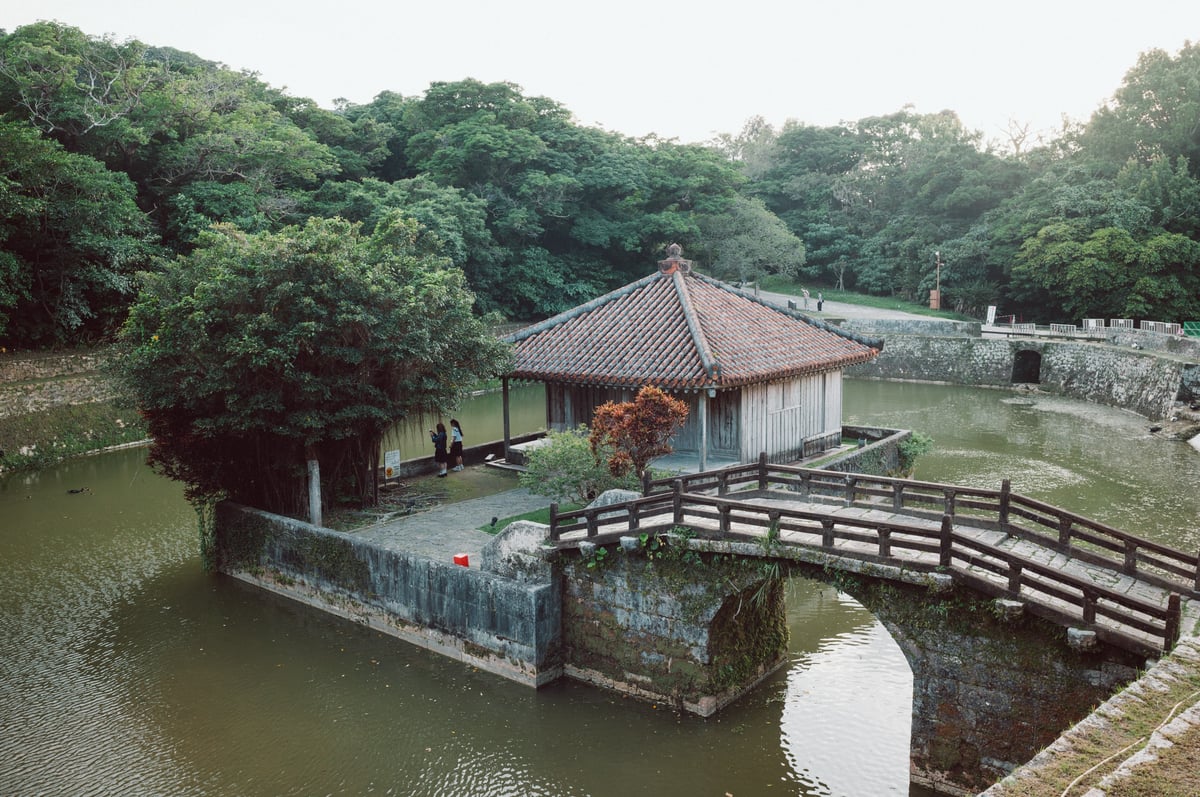
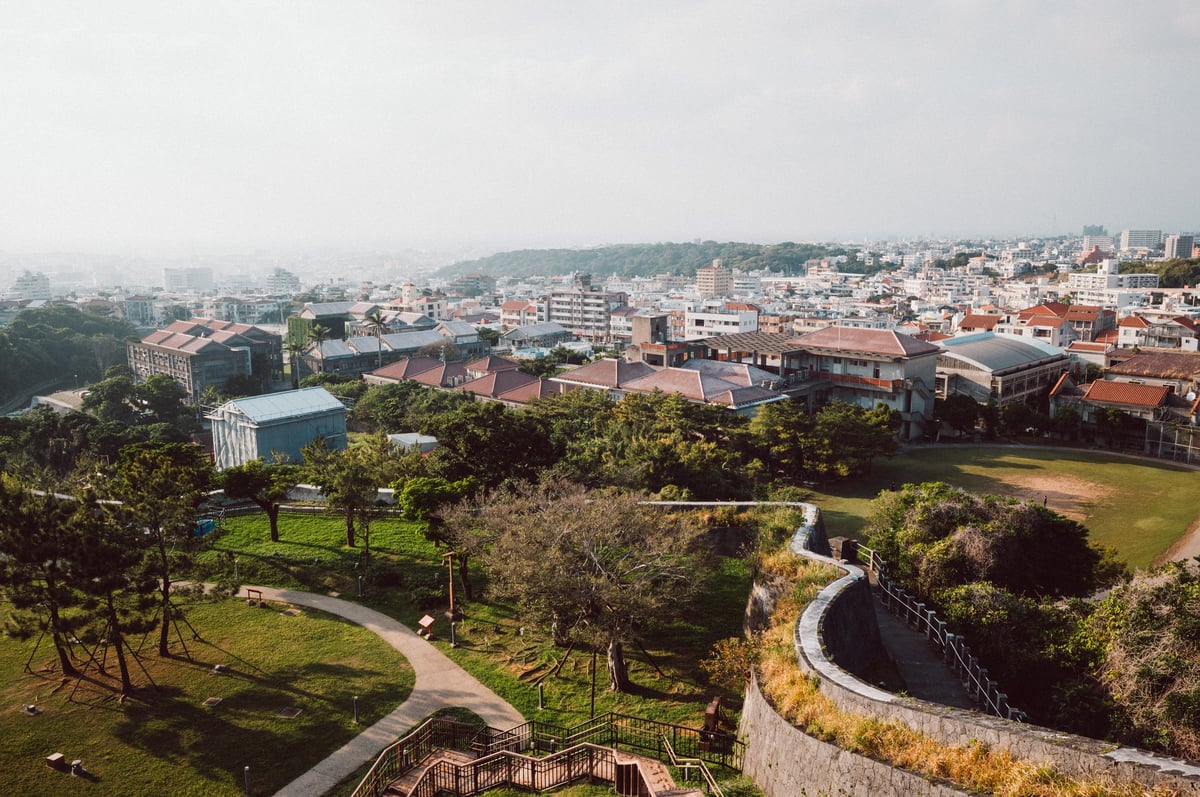
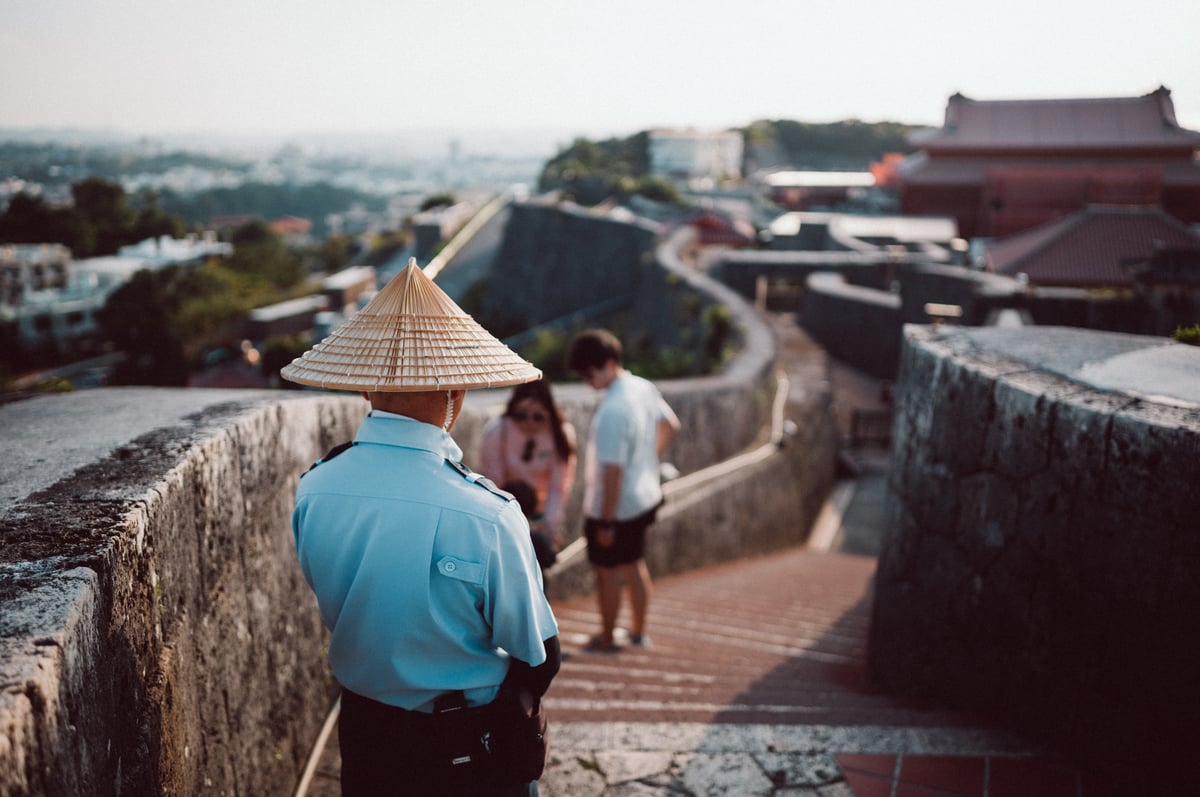
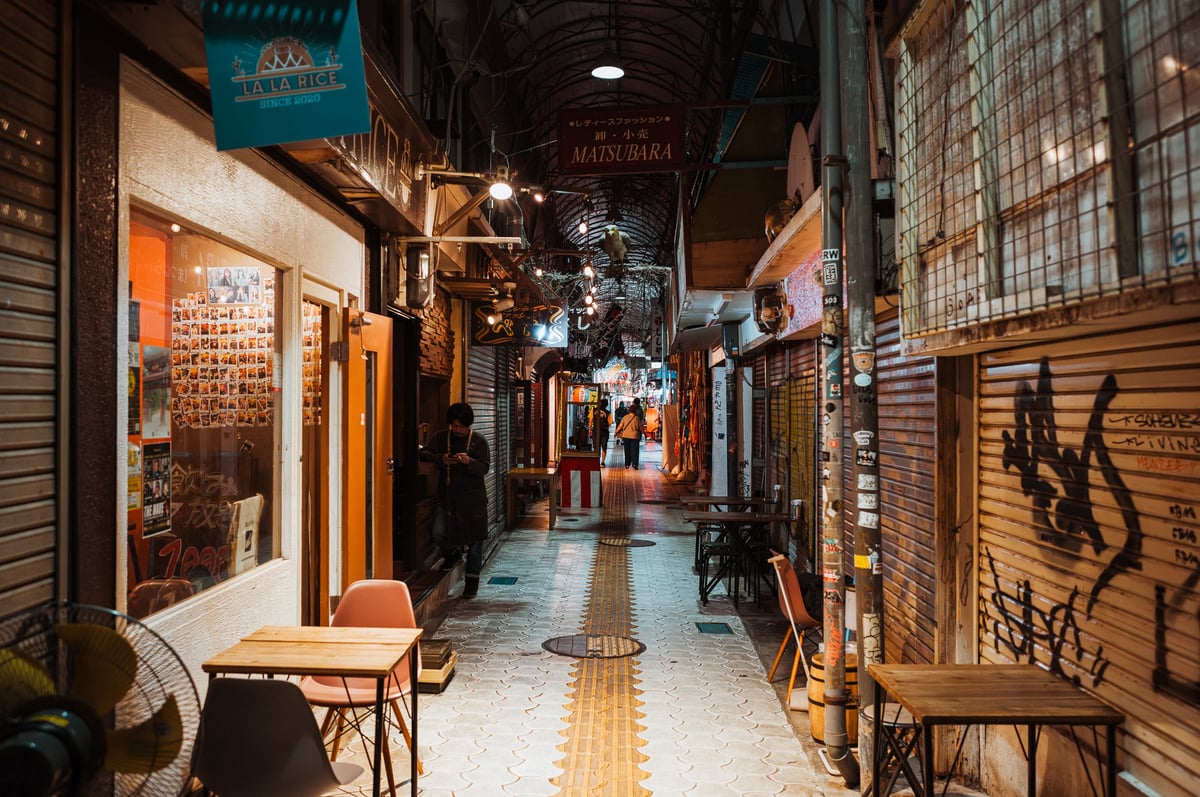
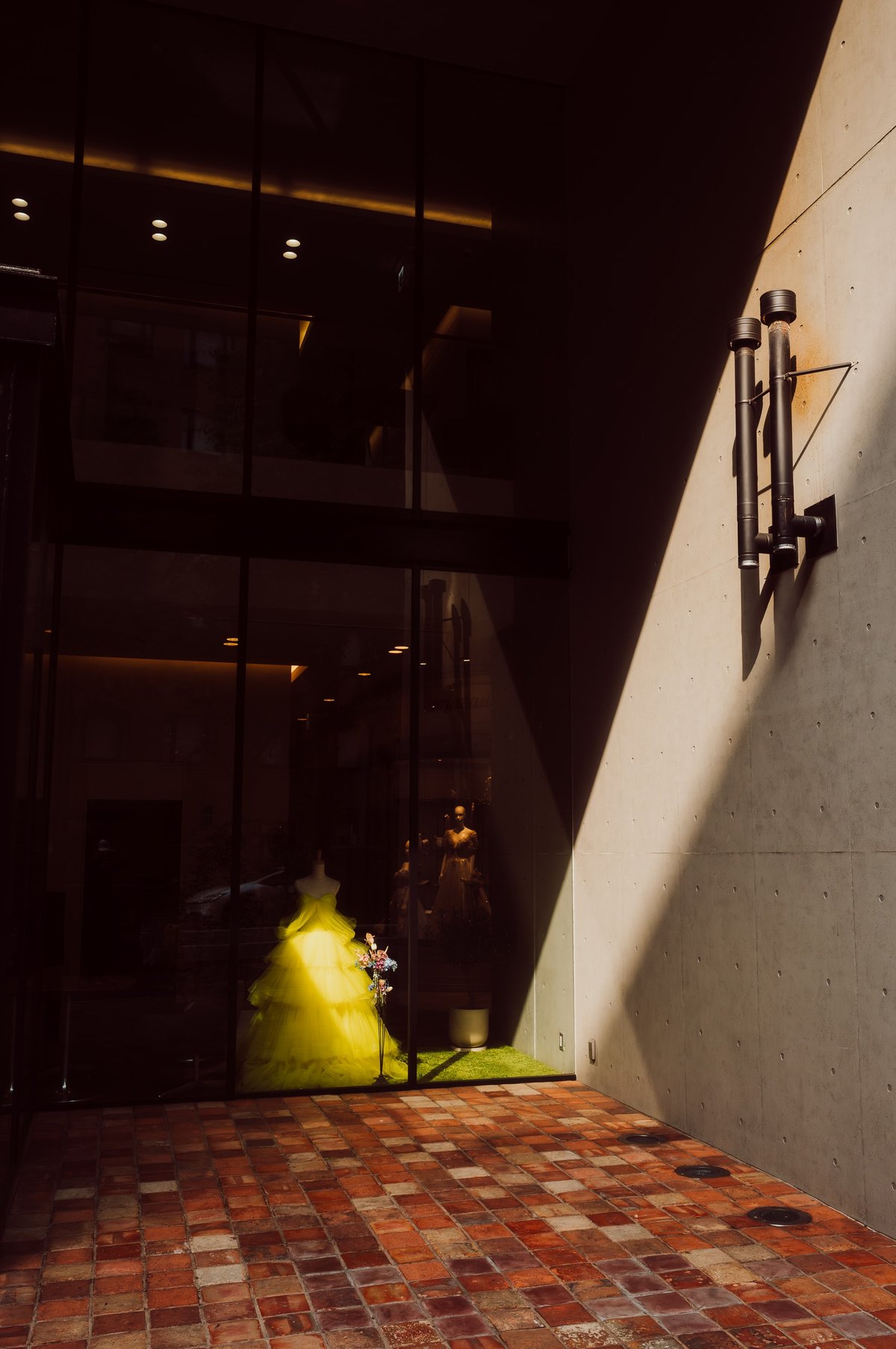
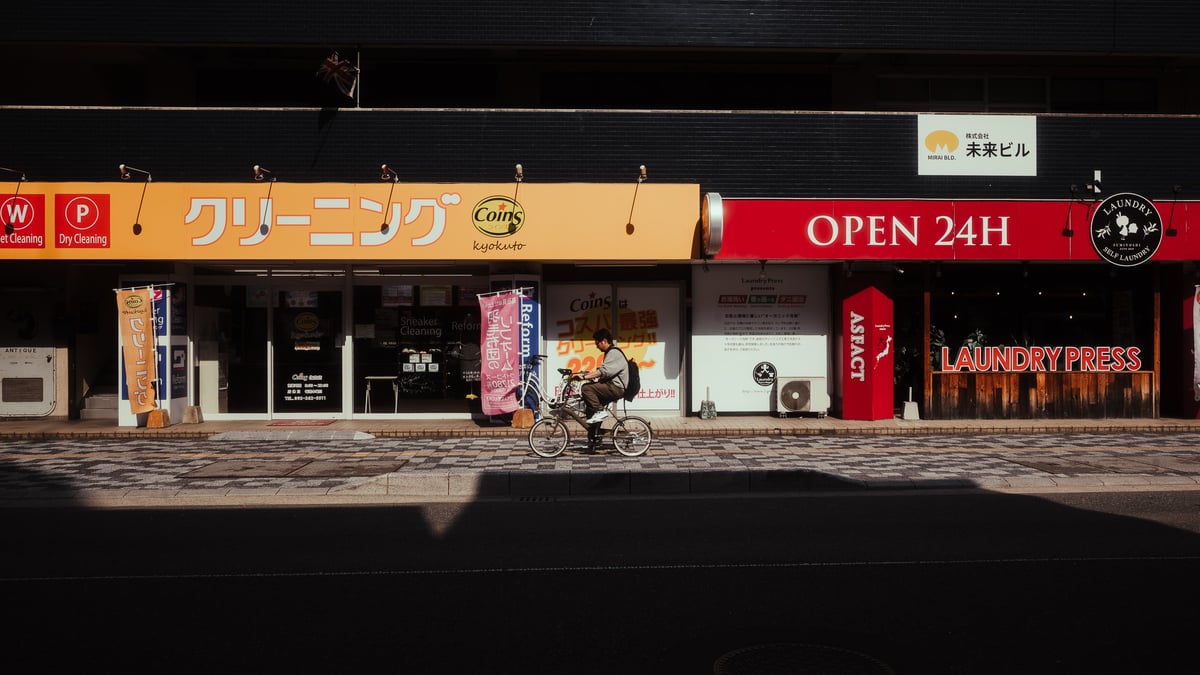
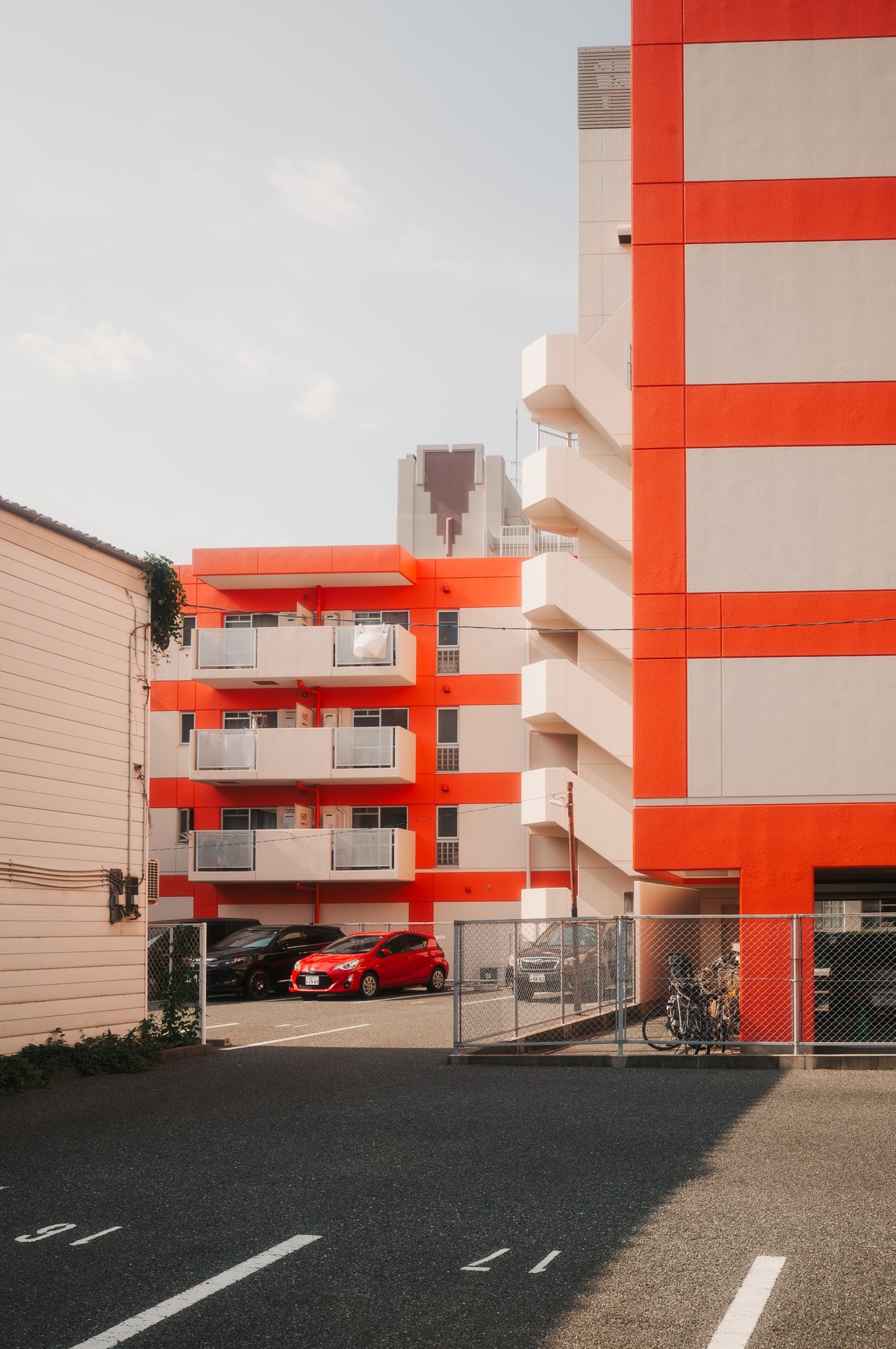
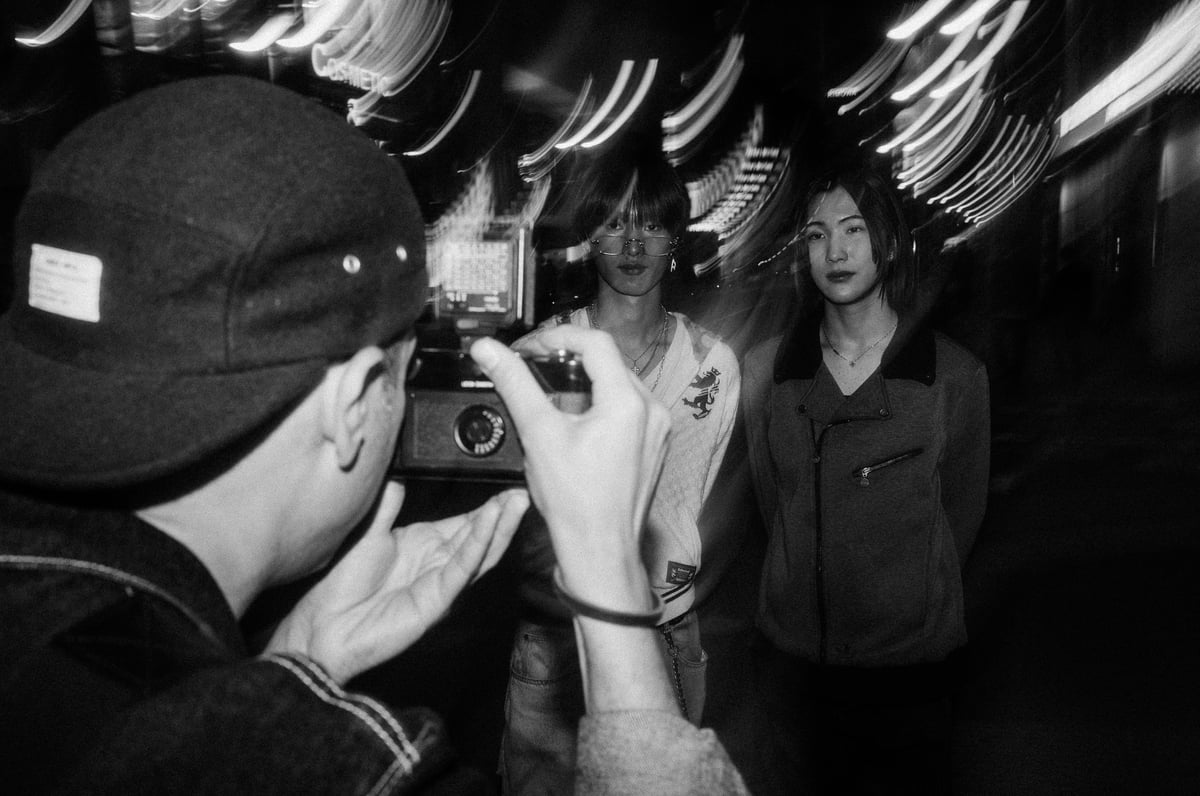
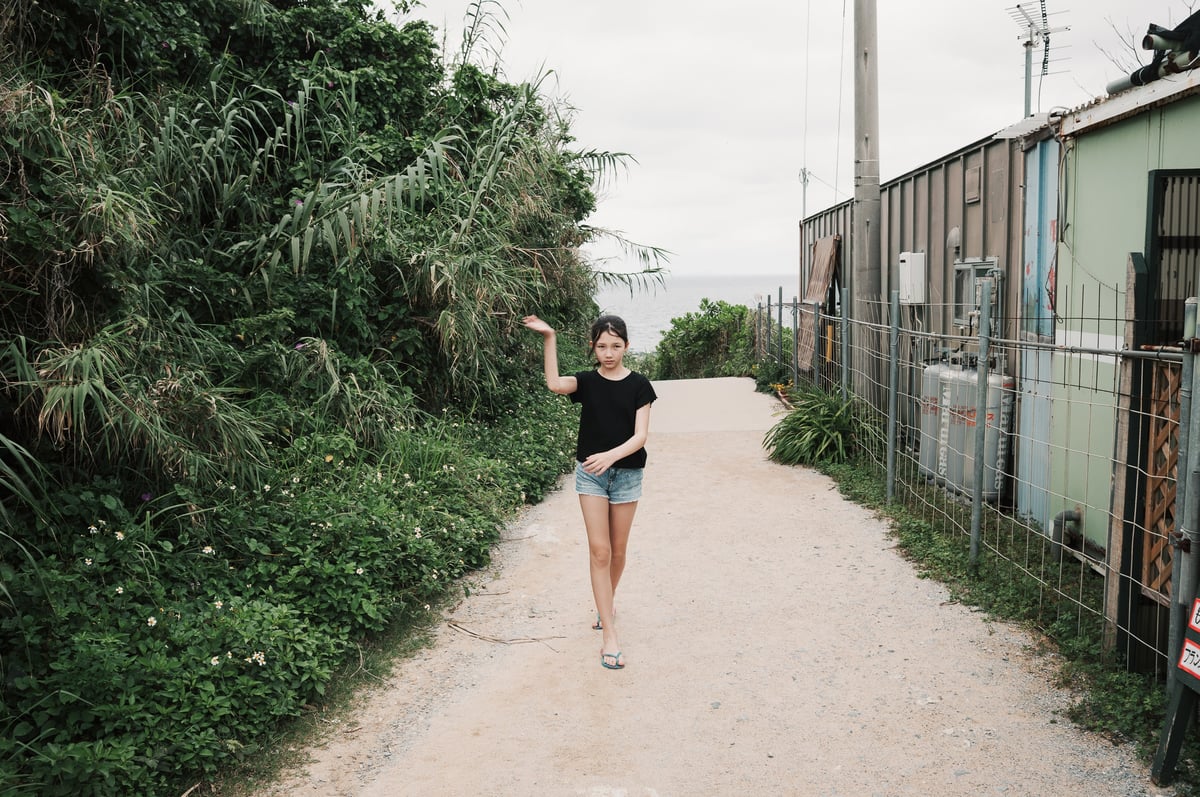
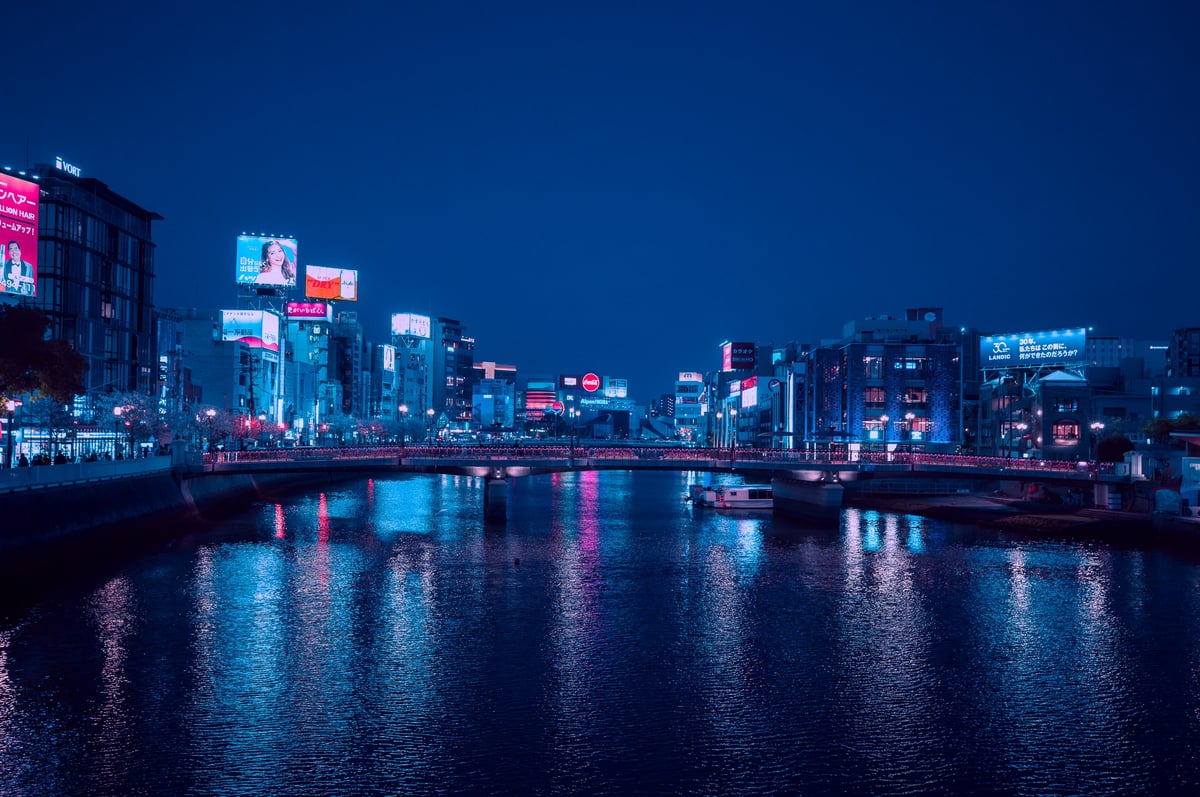
These are all shot on the M11, and for some of the street photos at night, I’m using the Viltrox Z2 flash and a Tiffen ProMist 1/4 filter. If you see any shots with that magical glow, this Tiffen ProMist filter is why. I use this lens a lot, so I experiment with many different configurations.
Note: A lot of the metadata will say I’m using a Leica lens, I’m not; it’s just the way the M11 works. You have to pick a lens for it to guess your aperture and provide digital image stabilization.




























Leave a Reply