
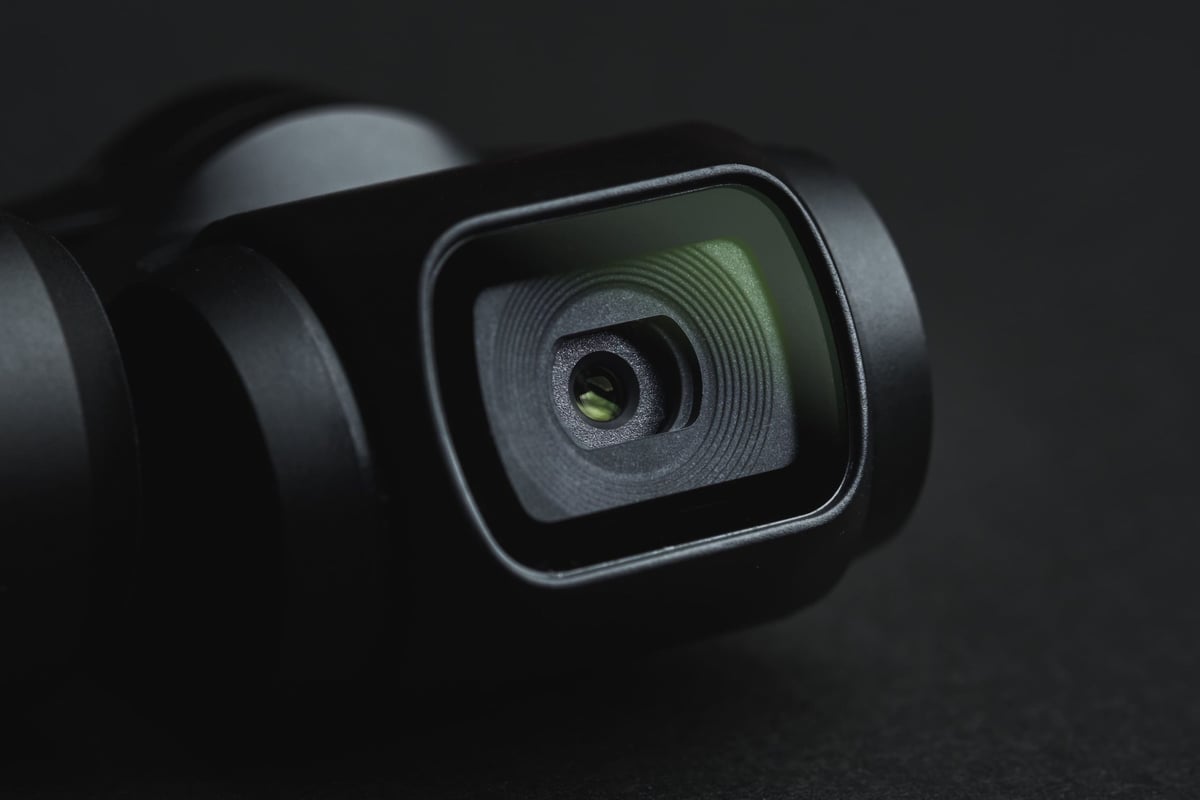
This guide covers microSD card recommendations for all four DJI Pocket cameras: the original Osmo Pocket, Pocket 2, Pocket 3, and the Pocket 4. All four use a UHS-I memory card slot with the same minimum spec — V30 or U3 — and none of them benefit from UHS-II cards in-camera, so there’s no reason to overspend. The card picks and compatibility notes below apply across the whole lineup. One thing worth knowing about the Pocket 4: it ships with 107GB of built-in storage, so a microSD card is optional rather than essential for most shooting. The slot is still there for extended trips or when you need more headroom. Note also that the Pocket 4 is not yet available through official US retail channels as of mid-2026 due to pending FCC authorization.
Do You Need A microSD card?
The Osmo Pocket can store photos and videos on the attached mobile device. So, as long as you are tethered to your smartphone, you don’t actually need a microSD memory card. However, a microSD memory card is required to update the firmware.
When you insert a microSD card into the Osmo Pocket, it will automatically write to the card rather than to the mobile device.
Recommended Memory Cards For Osmo Pocket
Although the Osmo Pocket will not require a fast memory card, it is still a good idea to buy memory cards with the proper specs to ensure everything functions correctly and reliably. Buy a card that is rated at least U3 or V30.
Quick Picks
Best overall: Lexar Silver Plus — the fastest UHS-I microSD I’ve tested at 151 MB/s write. DJI officially lists it for the Pocket 3, and it works across the full lineup.
Best value: Kingston Canvas Go! Plus — 128 MB/s write, V30/U3, on DJI’s official recommended list. The right pick for most shooters.
Budget pick: Samsung EVO Plus — 123 MB/s write, V30/A2. Meets the V30/U3 minimum and is consistently available at the lowest price.
| Recommended Cards | USB-C Write | USB-C Read | Check Price | |
|---|---|---|---|---|
| MicroSD Express | ||||
| Lexar PLAY PRO EX 256/512GB / 1TB | Amazon | |||
| Sandisk EX 128GB/256GB/512GB | Amazon | |||
| Sandisk EX 1TB | ||||
| Samsung EX 256GB | Amazon | |||
| PNY EX 128GB/256GB/512GB | Amazon | |||
| Adata Premier Extreme EX U3 | Amazon | |||
| Patriot EP EX V30 | Amazon | |||
| TeamGroup APEX EX V30 A1 128GB-1TB | Amazon | |||
| Transcend USD710S EX V30 A1 256GB/512GB | ||||
| UHS-II | ||||
| Lexar Gold V60 A1 | 103 | 280 | Amazon / B&H | |
| ProGrade V60 | 137 | 198 | Amazon / B&H | |
| Delkin Power V90 | 275 | 287 | Amazon / B&H | |
| Angel Bird A1 V60 | 142 | 267 | Amazon / B&H | |
| UHS-I | ||||
| Sandisk Extreme Pro U3 A2 | 96 | 173 | Amazon | X |
| Sandisk Outdoors 4k V30 A2 | 97 | 175 | Amazon / B&H | |
| Sandisk Extreme U3 A2 256GB-1TB | 124 | 175 | Amazon / B&H | |
| Sandisk Extreme U3 A2 128GB | 96 | 160 | Amazon / B&H | X |
| Sandisk Ultra U1 A1 – 0ld | 50 | 93 | B&H | |
| Sandisk Nintendo Switch V30 A1 | 95 | 158 | Amazon / B&H | |
| Sandisk High Endurance V30 | 82 | 92 | Amazon / B&H | |
| Sandisk Max Endurance V30 | 49 | 92 | Amazon / B&H | |
| Samsung Pro Ultimate v30 A2 | 130 | 179 | Amazon / B&H | |
| Samsung Pro Plus V30 A2 | 127 | 176 | Amazon / B&H | X |
| Samsung EVO Plus V30 A2 | 123 | 127 | Amazon / B&H | X |
| Samsung EVO Select V30 A2 | 124 | 126 | Amazon / B&H | |
| Samsung Pro Endurance V30 | 61 | 93 | Amazon / B&H | |
| Kingston Canvas Go! Plus V30 A2 256GB-1TB | ||||
| Kingston Canvas Go! Plus V30 A2 64GB-128GB | ||||
| Kingston Canvas Select Plus V30 A1 | 80 | 93 | Amazon / B&H | |
| Kingston Industrial V30 A1 | Amazon / B&H | |||
| Lexar Silver Plus V30 A2 | 151 | 177 | Amazon / B&H | X |
| Lexar Silver1066x A2 | 118 | 146 | Amazon / B&H | |
| Lexar Blue 633x V30 A1/A2 | 82 | 94 | Amazon / B&H | |
| Lexar FLY V30 A2 | 124 | 152 | Amazon / B&H | |
| Lexar PLAY U3 A2 512GB-1TB | Amazon / B&H | |||
| Lexar PLAY U3 A1 256GB | 102 | 152 | Amazon / B&H | |
| Lexar PLAY U1 A1 128GB | 20 | 144 | Amazon / B&H | |
| Lexar E-Series Plus U3 A2 | Amazon | |||
| Lexar E-Series U3 A1 | Amazon | |||
| Delkin Black V30 | 86 | 93 | B&H | |
| Delkin Hyperspeed V30 | 80 | 93 | Amazon / B&H | |
| Delkin Dashcard V30 | Amazon / B&H | |||
| Transcend 500S U3 | Amazon / B&H | |||
| Transcend 350V High Endurance U3 | Amazon / B&H | |||
| Transcend 340S Ultra Performance V30 A2 | Amazon / B&H | |||
| Transcend 330S High Performance V30 A2 | Amazon / B&H | |||
| Transcend 300s V30 A1 | 47 | 94 | Amazon / B&H | |
| PNY Premier-X A2 V30 | 84 | 93 | Amazon / B&H | |
| PNY PRO Elite U3 A2 | 83 | 93 | Amazon / B&H | |
| PNY PRO Elite U3 | 31 | 91 | Amazon / B&H | |
| PNY Elite-X V30 A1 | 48 | 94 | Amazon / B&H | |
| Patriot EP PRO U3 | Amazon | |||
| Patriot EP A1 V30 | 49 | 94 | Amazon / B&H | |
| Patriot High Endurance U3 | ||||
| Silicon Power Superior Pro | B&H | |||
| Silicon Power Superior V30 A2 | 41 | 94 | Amazon / B&H | |
| Silicon Power Superior V30 A1 | 60 | 94 | ||
| Silicon Power 3D NanD V30 A1 | 54 | 94 | Amazon / B&H | |
| Silicon Power GAME V30 A1 | 89 | 94 | Amazon / B&H | |
| Silicon Power High Endurance U3 | 87 | 94 | Amazon / B&H | |
| TeamGroup A2 Pro+ 256GB-1TB | Amazon | |||
| TeamGroup A2 Pro+ 128GB | Amazon | |||
| TeamGroup Go V30 A1 | Amazon | |||
| TeamGroup High Endurance V30 | Amazon | |||
| TeamGroup Ultra A2 V30 512GB-1TB | ||||
| TeamGroup Ultra A2 V30 256GB | ||||
| TeamGroup Ultra A2 V30 128GB | ||||
| TeamGroup ACE 8K V30 A2 256GB-1TB | ||||
| TeamGroup ACE 8K V30 A2 128GB | ||||
| Third-Party / OEM | ||||
| Amazon Basics V30 A2 | Amazon | |||
| Ritz Gear V30 A1 | 82 | 93 | Amazon | |
| Gigastone 4k Camera Extreme Max | Amazon | |||
| Gigastone 4k Camera Extreme | Amazon | |||
| Gigastone 4k Camera Pro Max V30 A2 | Amazon | |||
| Gigastone 4k Camera Pro V30 A2 | Amazon | |||
| Gigastone Camera Plus V30 A1 | Amazon | |||
| Gigastone 4k Game Turbo A2 U3 | Amazon | |||
| Gigastone Game Pro Max V30 A2 | ||||
| Gigastone 4k Game Pro V30 A2 | Amazon | |||
| Gigastone Gaming Plus A1 V30 | Amazon | |||
| Gigastone 10x High Endurance V30 | Amazon | |||
| Amplim 667X V30 A1 | 86 | 92 | Amazon | |
| Netac Pro A1 U3 | 50 | 92 | ||
| Addlink EX U3 | Amazon | |||
| Dato EX V30 A1 | Amazon | |||
| Gigastone EX V30 A1 256GB | Amazon | |||
| Discontinued | ||||
| Lexar 1800x V60 | 120 | 290 | ||
| Lexar 1000x V60 | Amazon | |||
| Sandisk Extreme Plus U3 A2 | 107 | 174 | Amazon / B&H | |
| Delkin Select V30 64GB | 83 | 93 | Amazon / B&H | |
| Kingston Canvas Go! Plus V30 A2 | 128 | 173 | Amazon / B&H | X |
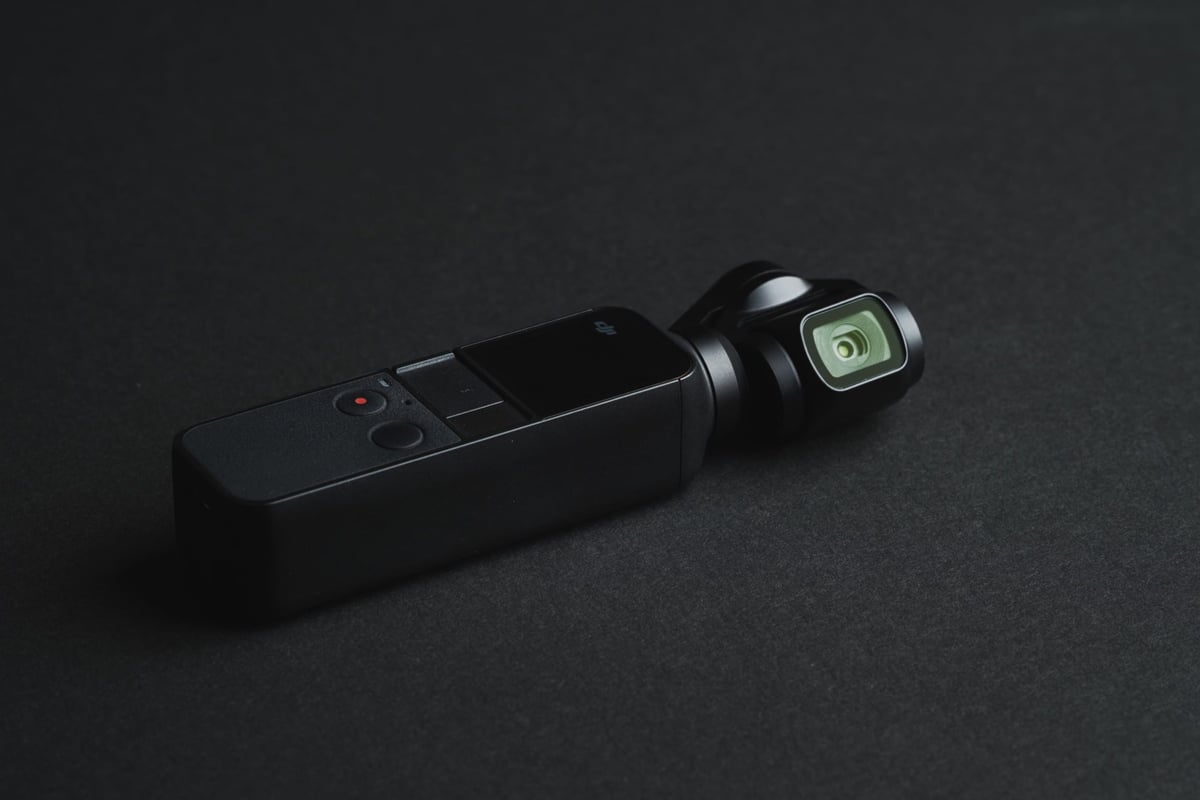
DJI Osmo Pocket Specs — All Models
All four cameras share the same card requirement: V30/U3 UHS-I minimum. The main differences from a storage standpoint are sensor size, max slow-motion capability, built-in storage (Pocket 4 only), and max card capacity.
How I Recommend Cards For The Osmo Pocket.
Before testing the Osmo Pocket, I first tested every card I had in the DJI Mavic Pro 2 and the DJI Osmo Action since both systems allow me to push the cards a little harder than the Osmo Pocket. With those cameras, I could shoot burst photos and then monitor how quickly the cameras cleared their buffers.
When testing cards in the Osmo Pocket, the camera lets me use any card without any issues. I took a really old, unreliable SanDisk Extreme and even a really slow, older Transcend card, and they let me record 4 K videos without any issues.
So it seems any card works with the Osmo for me. The Osmo may throttle the bitrate to match the card’s performance. The message that appears when you insert a slow card into some of their devices seems to indicate this, but I haven’t been able to validate it.

MicroSD Official Recommendations From DJI
These are DJI’s official recommended cards for the Osmo Pocket 3 — the most recent model with a published compatibility list. The same cards work across the entire Pocket lineup.
Max size: 256GB (original Osmo Pocket and Pocket 2); up to 1TB (Pocket 3 and Pocket 4)
SanDisk Extreme Pro 32GB V30 A1 UHS-I
Kingston Canvas Go! Plus 64GB UHS-I
Kingston Canvas Go! Plus 128GB UHS-I
Kingston Canvas Go! Plus 256GB UHS-I
Kingston Canvas Go! Plus 512GB UHS-I
Lexar Professional 1066x 256GB UHS-I V30
Lexar Professional 1066x 512GB UHS-I V30
Lexar Silver Plus 64GB UHS-I
Lexar Silver Plus 512GB UHS-I
Lexar Silver Plus 1TB UHS-I
Or a microSD card with a minimum write speed of 30MB/s.
Minimum & Maximum Required Spec
U3 or V30 – U3 or V30 means the microSD card will maintain a minimum write speed of 30MB/s. This means you can also use V60 or V90 cards, but avoid U1.
UHS-I vs UHS-II: All Pocket cameras use UHS-I internally, so UHS-II cards won’t improve in-camera performance — though they will give you faster transfer speeds when offloading to a UHS-II card reader.
SDXC or SDHC—The SDXC or SDHC refers to the file format. SDHC cards are formatted with a 32-bit filesystem, while SDXC cards can be formatted with a 64-bit filesystem. Either works.
Max Size: 256GB (Osmo Pocket and Pocket 2); up to 1TB (Pocket 3 and Pocket 4)

Conclusions
The DJI Pocket lineup has come a long way. The original Osmo Pocket barely taxed any card you put in it. The Pocket 3 and Pocket 4 are a different story — the Pocket 4, in particular, with 4K/240 fps slow motion, true 10-bit D-Log, and 37 MP stills, is a serious production tool in a pocketable body. What hasn’t changed across any of them is the card requirement: V30/U3 from a reputable brand is all you need. Stick with SanDisk, Delkin, or Kingston, and you’ll have no issues on any Pocket camera.
Always buy from a trusted retailer and check your card’s capacity before you use it.
If you buy a card that isn’t on the list, stick with at least V30/U3. On the original Osmo Pocket and Pocket 2, stay under 256GB. On the Pocket 3 or Pocket 4, cards up to 1TB work fine — and on the Pocket 4, the 107GB of built-in storage means a card is optional for most shooting anyway.
DJI Osmo Pocket Memory Card FAQ
If the Pocket 4 has 107GB built-in, do I actually need a microSD card?
For most day trips, no. The internal storage handles casual use without any accessories. A microSD card becomes useful for multi-day travel without access to a computer, extended slow-motion sessions that fill internal storage quickly, or when you want to hand off footage by physically removing the card rather than connecting via cable. A card is also required to update firmware on the original Osmo Pocket and Pocket 2.
What’s the maximum card size for each Pocket model?
The original Osmo Pocket and Pocket 2 support up to 256GB. The Pocket 3 and Pocket 4 support up to 1TB. Using a larger card than the supported maximum can cause format errors or recording failures — stick within the rated limits for each model.
Do UHS-II cards offer any advantage in the Pocket cameras?
Not for in-camera recording. All four Pocket cameras use UHS-I internally, so UHS-II cards run at UHS-I speeds. The one advantage of a UHS-II card is faster transfer to a UHS-II card reader on your computer when offloading footage — useful if you’re shooting large volumes and want to minimize offload time. For recording purposes, a good V30 UHS-I card is exactly as fast.
Can I use the same card in my Pocket and my phone?
Yes. The Pocket cameras write in exFAT format, which is compatible with both Android and iOS (via a Lightning or USB-C card reader). The card moves between devices without reformatting. Just make sure the card is V30/U3 rated — some budget phone-optimized cards skip the V30 rating and may trigger the Pocket’s low-speed warning during 4K recording.









Leave a Reply