
The Thypoch Ksana 35mm f/2 ASPH is one of the most interesting compact M-mount primes to hit the market recently. While Thypoch’s f/1.4 Simera series is built for speed, this second lens in the Ksana line delivers a highly portable, everyday-carry form factor without sacrificing modern optical precision. It sits alongside classic vintage Summicrons and compact Voigtländer alternatives like the Ultron 35mm f2, but with a few unique design twists that give it a distinct personality.
In this review, I am coloring the photos to give them a slightly more classic feel. The Ksana 35mm f2 allows for a bit more flare and glow, adding a little more character to the rendering, so I wanted to lean into those characteristics with a more classical, filmic color grade.

How this lens is different from the Voigtländer 35mm f2
Side by side, the Thypoch Ksana 35mm f/2 and the Voigtländer Vintage Line Ultron 35mm f/2 Aspherical Type II share a similar philosophy, yet each retains a distinct character. Both lenses have superb build quality, though the Ksana introduces a satisfying haptic click at the 0.7m focus detent, and the Ksana focus never sticks, so I’d say I prefer the Ksana build over the Voigtländer. Ksana uses 1 Aspherical element and 1 HRI element, while the Voigtländer uses only 1 Aspherical element.
Where they truly diverge is in rendering. The Ultron relies on modern, clean coatings for a pristine, clinical presentation. In contrast, the Ksana features an Epoch coating that invites a subtle warm orange glow and distinct character. Their bokeh profiles follow suit: the Voigtländer leans into a hint of optical swirl, while the Ksana maintains a slightly more controlled shape—though both render busy backgrounds with a lively, chatty texture. It looks like the Voigtländer is trying to be more artistically deliberate with the bokeh than the Ksana, which feels a bit less predictable.
Center sharpness between the two is remarkably close, with the Ksana holding a slight edge in wide-open contrast and resolution at f/2. However, the Ksana exhibits more field curvature at close distances, requiring deliberate micro-focus adjustments to pull the extreme edges into alignment with the center. By comparison, the Ultron yields a flatter field and more uniform edge-to-edge sharpness at close focus distances. This will only really affect the image when the depth of field is very shallow or when you’re at close range, and I think it is caused by the ultra-high refractive (HRI) elements; the Ksana has 1 HRI element, while the Ultron has none. Those ultra-high-refractive-index elements always cause weird behavior when shooting at close range, but the marketing teams love them because they make the MTF charts look great at infinity focus. I mention and notice them in almost all my reviews when brands use the elements. They really make these compact lenses perform very well, but they do introduce some issues.

Lens Specs
Here is a quick breakdown of what is going on inside the barrel. Despite the small footprint, it packs a fairly modern optical formula.
| Focal Length | 35mm |
| Mount | Leica M-Mount |
| Aperture | f/2 – f/16 |
| Optical Design | 8 elements in 5 groups (1 ED, 2 HRI, 1 ASPH) |
| Aperture Blades | 10 |
| Minimum Focus | 0.5m |
| Filter Thread | 39mm |
| Weight | ~196g – 198g (brass construction) |
| Length | 27mm |
Available At – Amazon / B&H / Thypoch
Get 5% off when ordering through Thypoch with the Coupon Code: GRIFFIN
Build Quality & Ergonomics
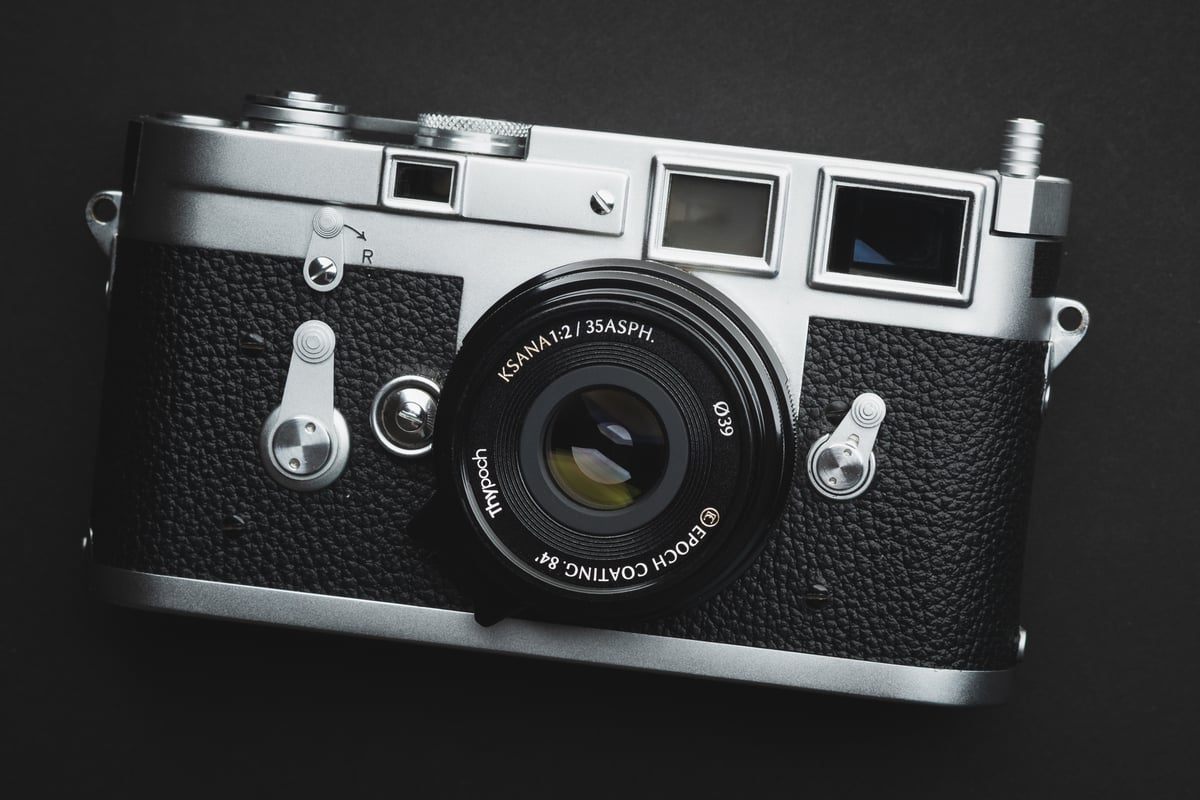
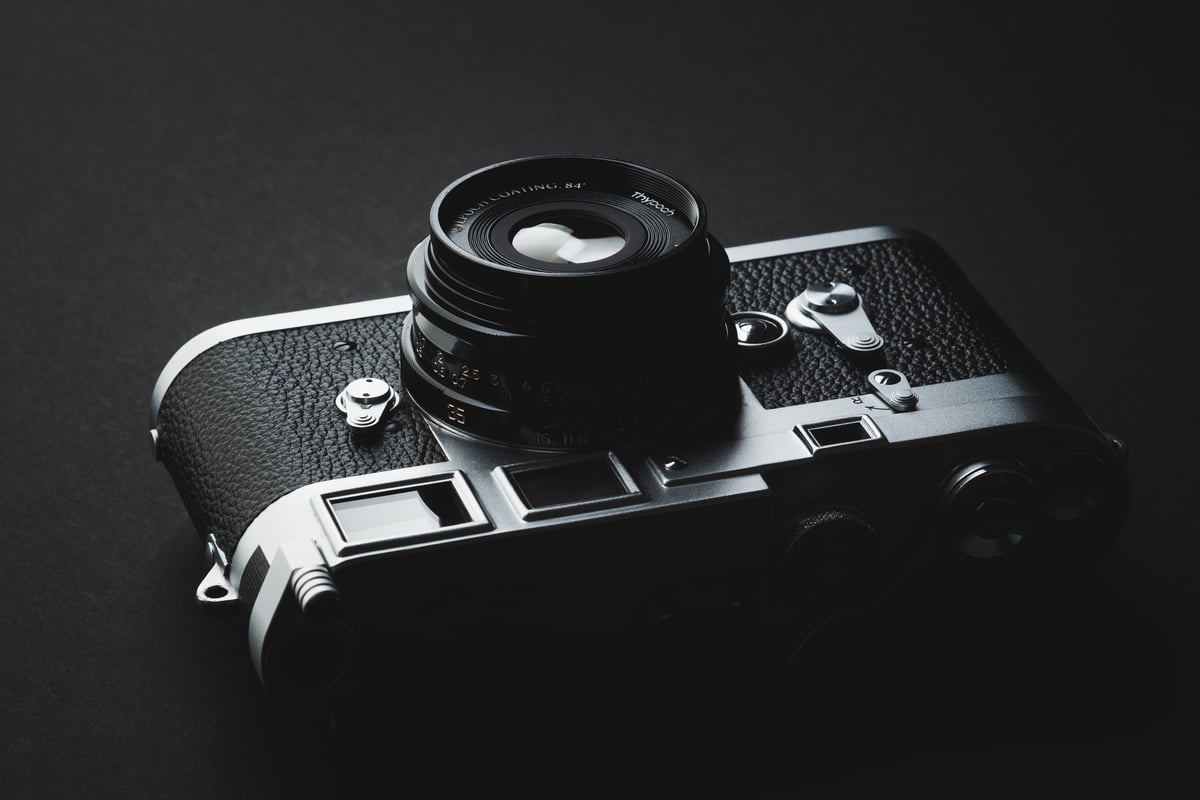
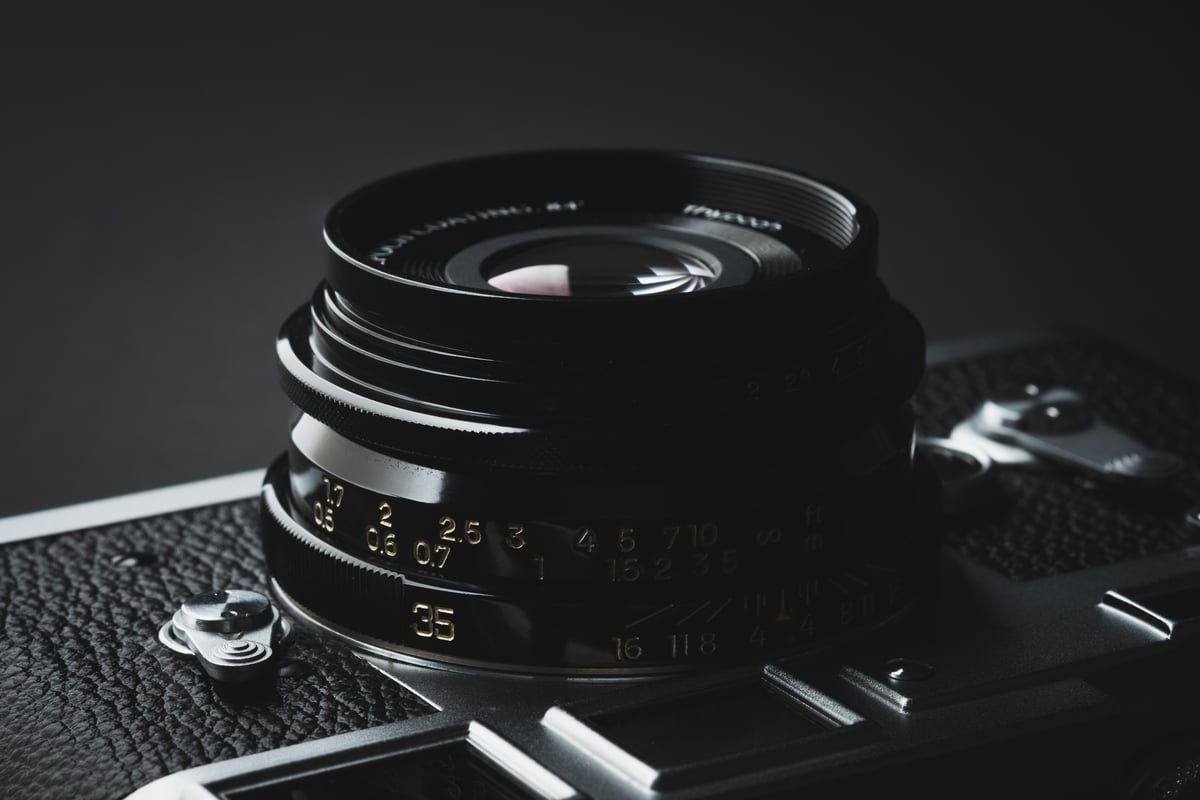
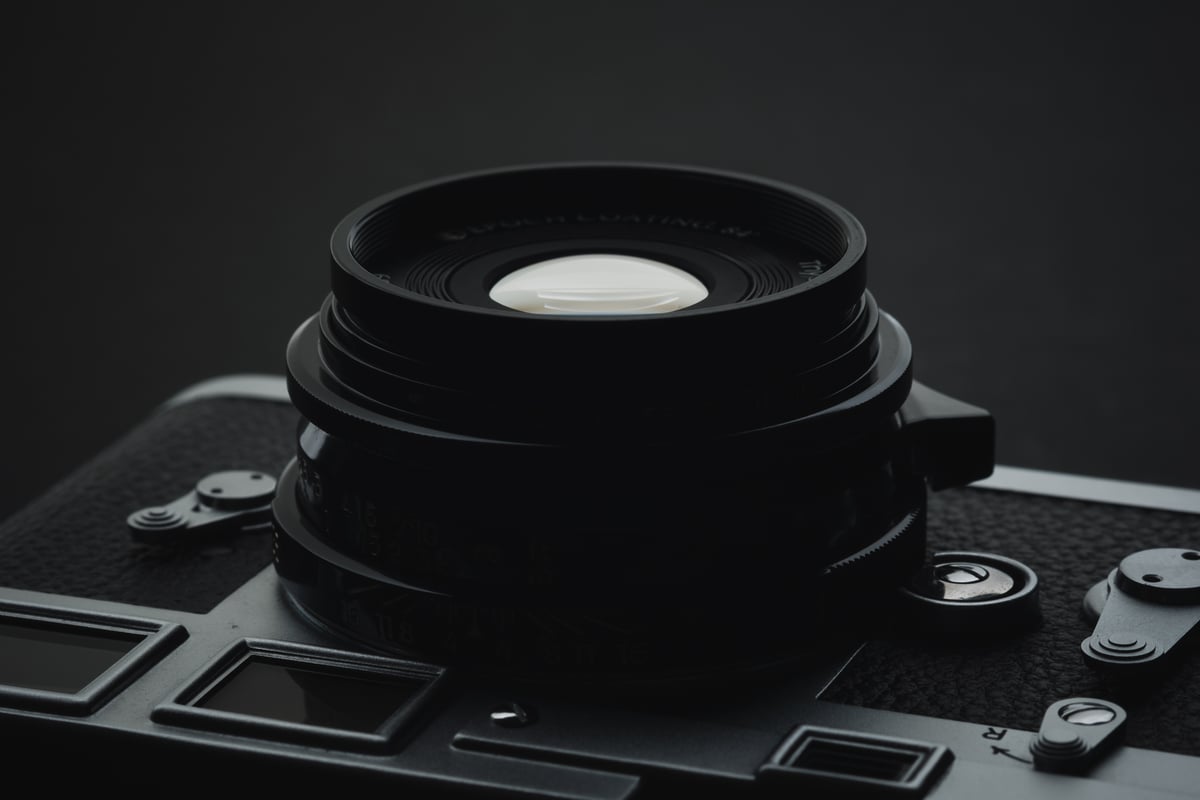
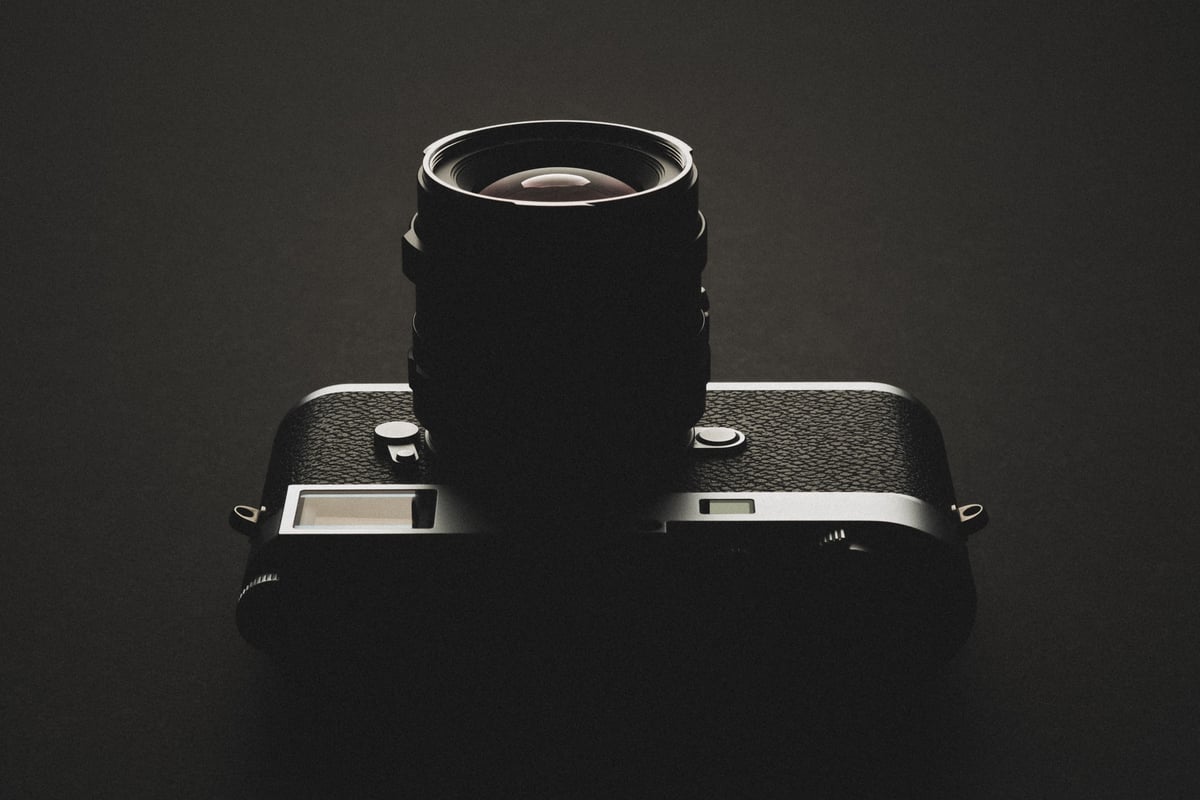
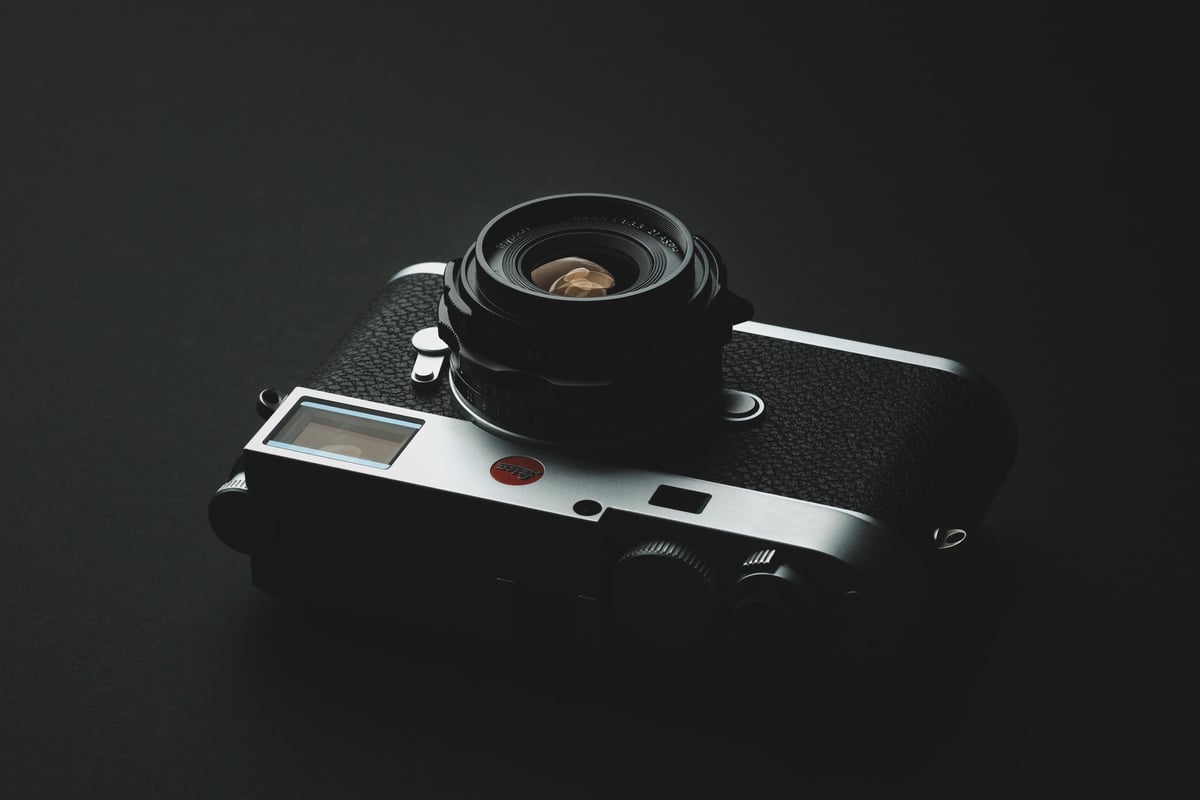
Physically, this is exactly what you want from a compact M-mount 35mm. Measuring just 27mm long from the flange and weighing under 200g, it balances beautifully and stays completely out of the way of your 35mm framelines. Its classic brass construction gives it a dense, premium feel without making the camera front-heavy.
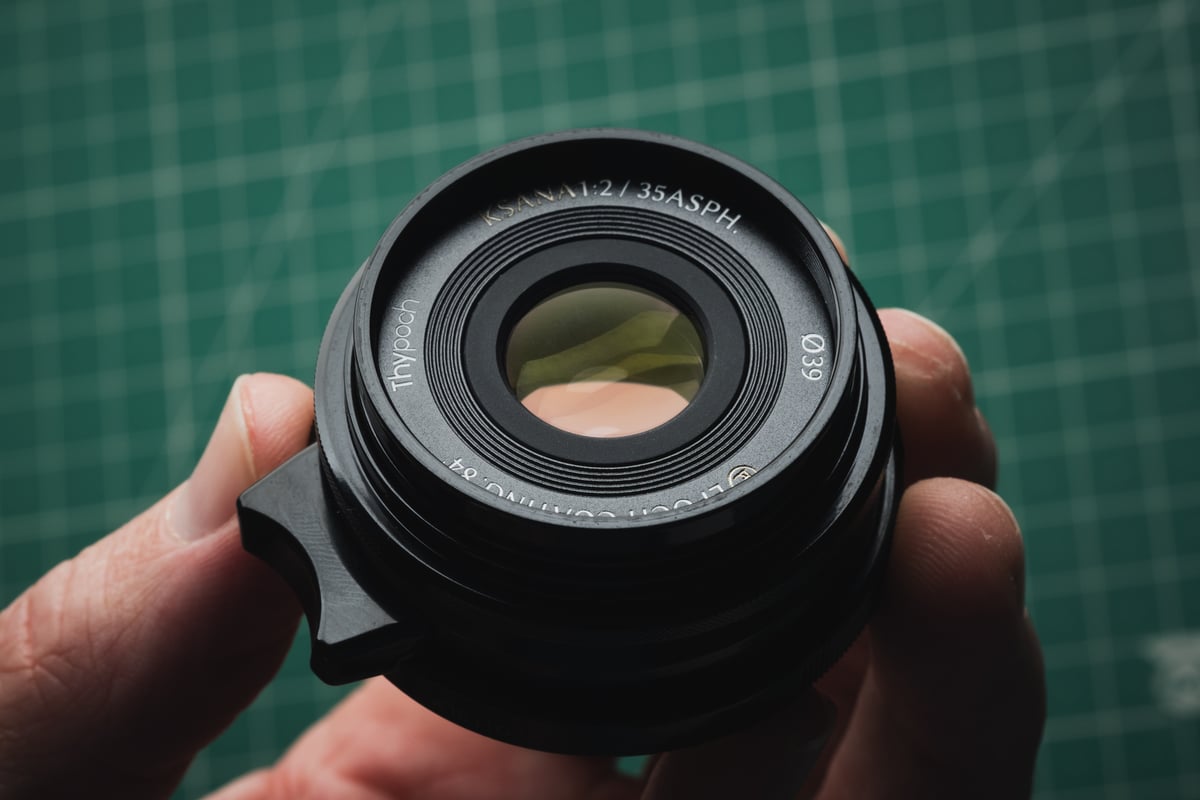
The ergonomics are excellent, built specifically with rangefinder shooters in mind:
- Focusing: The lens uses a classic crescent focusing tab with a short, 90-degree throw optimized for quick street photography.
- The 0.7m Bump: The minimum focus distance goes down to a very useful 0.5m. To handle the physical limitations of Leica rangefinders, Thypoch integrated a subtle tactile bump at 0.7m. You feel exactly when the rangefinder coupling disengages, cueing you to switch to your EVF or Live View for close-up work.
- Aperture Ring: It features uninterrupted knurling around the ring for easy one-finger adjustments.
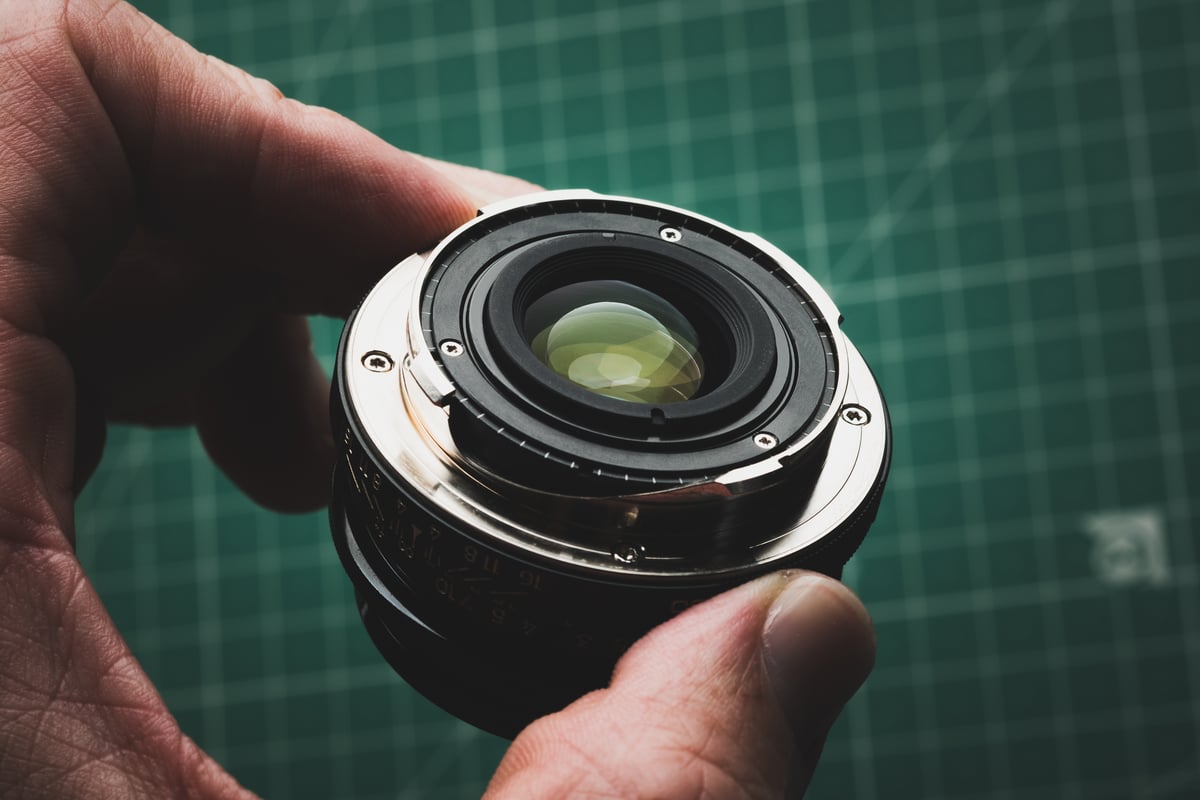
The only slight quirk is legibility; the engraved numbers run small, and the amber paint fill can be a bit tough to read when the light drops. I actually thought the lens was dirty at first, since the lens I am reviewing is not new, but this was by design. Some of these classic lenses, even my Voigtländer, had issues with the white paint turning yellow, so this seems to be the characteristic they were going for.
Optical Performance

The Ksana 35mm f/2 occupies a compelling niche. It avoids the soft, dreamlike flaws of a literal vintage homage, relying instead on modern glass for bite and clarity, while its coatings add distinct character and a golden flare.
Sharpness & Contrast
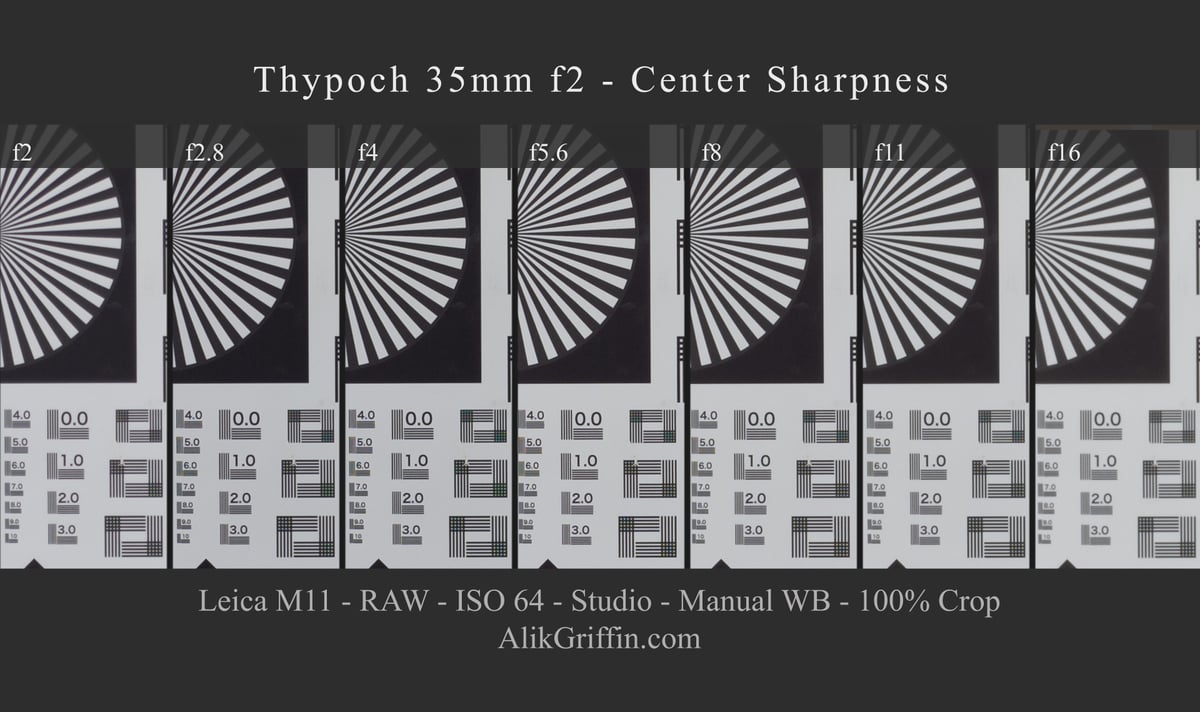
Sharpness is actually pretty good for the size of this lens. It’s impressively sharp at f2, and sharper than my other 35mm f2 compact lenses, like the Voigtlander. You’ll get some focus drift between apertures as you change them, so when shooting the sharpness chart, I had to refocus for each aperture. But the edges and corners would then drift out of focus due to field curvature. What’s interesting is that if I don’t refocus on the center for each aperture, the corners and edges stay in better focus, but the center drifts out of focus.
Center Sharpness
Thanks to the aspherical, extra-low-dispersion (ED), and high-refractive-index (HRI) elements, the lens delivers high contrast and sharp resolution straight out of the gate at f/2, although I am noticing some field curvature at the closer distances where my resolution chart sits.
To measure center sharpness, as mentioned above, I had to adjust the focus for each aperture change; this lens had quite a bit of drift. This is something I always do anyway, but this lens was interesting because the corners and edges got worse when I adjusted focus for the center. So there is some strange field curvature happening on this lens that you need to be mindful of.
Besides that, sharpness is pretty good at f2. It’s a little wispy and glowing, but that’s normal for most lenses, and it held onto its color and contrast at f2, better than my Voigtländer Ultron.
Mid-Frame Sharpness
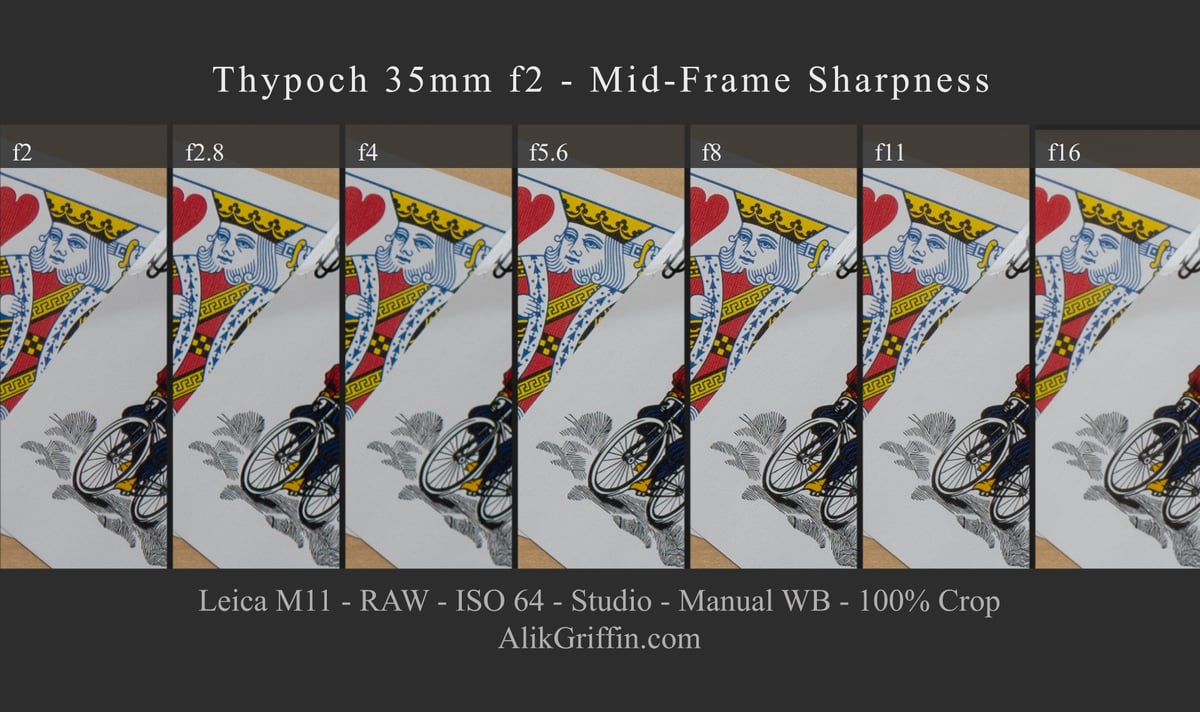
As with center sharpness, I had to change the focus with each aperture change for the best results.
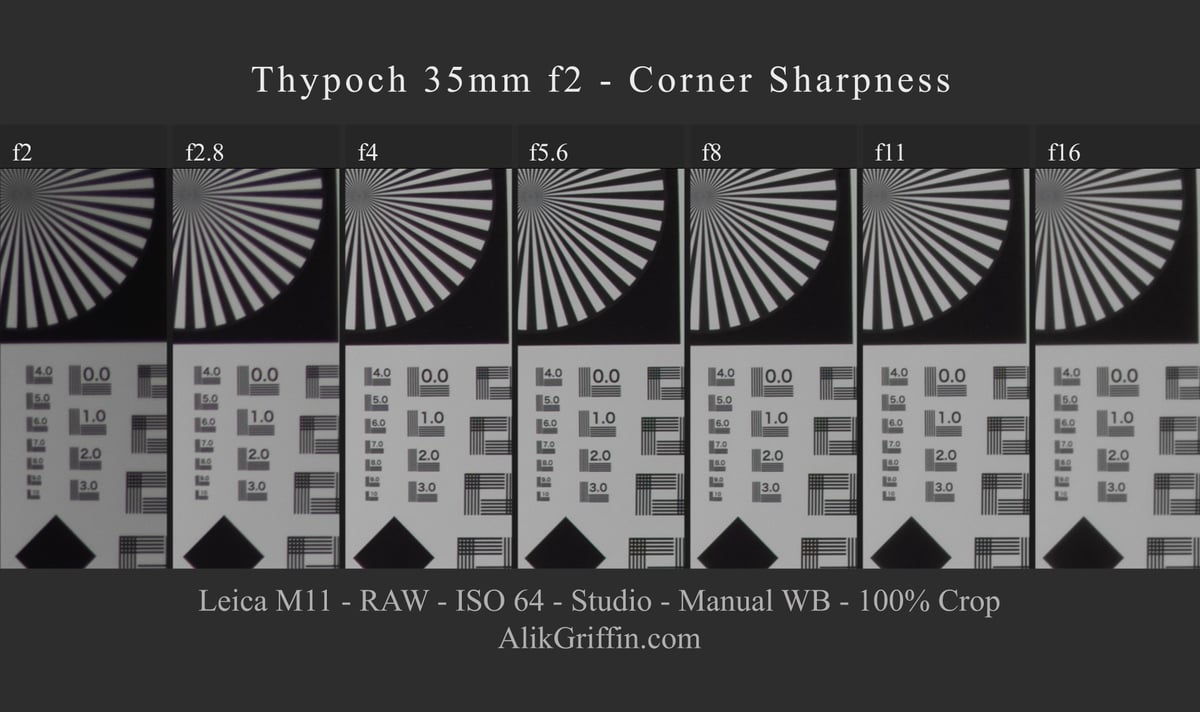
Corner Sharpness
For the corner sharpness, I did not change focus with each aperture change; this kept the corners sharpest. We actually have pretty decent results for how small this lens is.
My resolution chart with a 35mm lens is only about 5 feet away, so we have a pretty shallow depth of field at this distance, making the field curvature more apparent. MTF charts and many other reviewers will test resolution at infinity focus.
Distortion
Essentially no distortion, but be careful when using Lightroom; it will automatically load a Leica lens profile that attempts to correct distortion, and since this lens has none, it ends up adding distortion.

Chromatic Aberrations
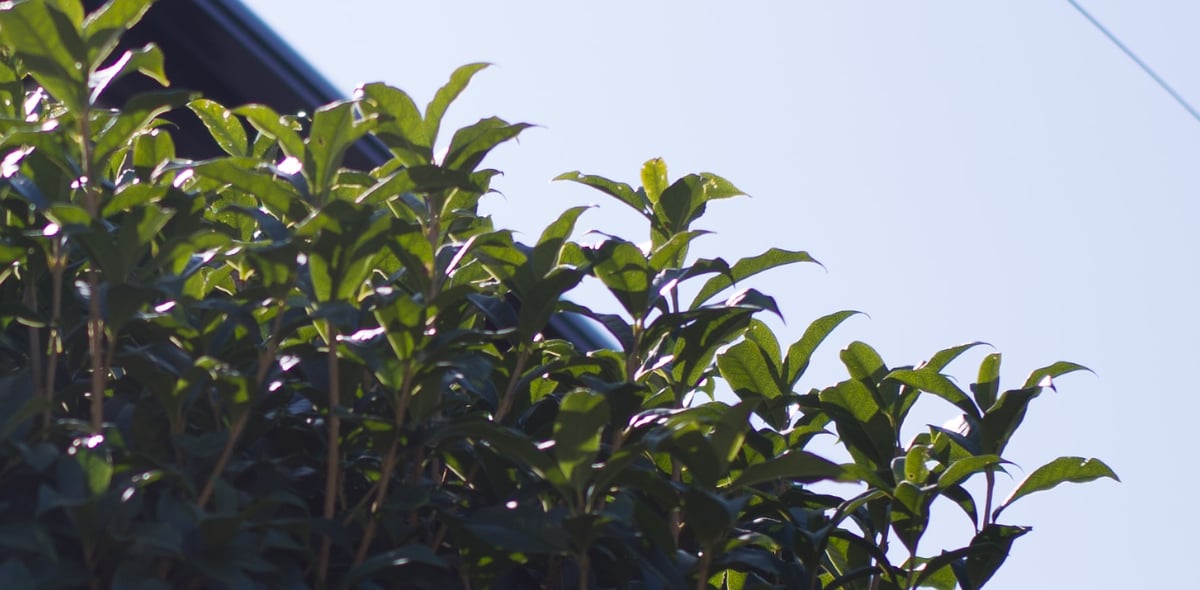
We are seeing a bit of fringing in the background out-of-focus areas; it shifts to a cyan-green color. It’s fairly well controlled but does shoot up from time to time in intense situations, especially in the background bokeh.
These first two samples are shown with a 100% crop.



Art & Character
Flare, Character & The “Epoch 84” Coating
This is where the lens gets its personality. Thypoch applied their proprietary “Epoch Coating 84,” which is directly inspired by the legendary 1980s Olympus Zuiko lenses. Instead of aggressively suppressing all light interactions, as most modern clinical lenses do, the Ksana allows a controlled amount of flare.
When you push it into strong backlighting, you get a gentle, atmospheric glow with distinctive golden and purple flare effects. The effect is pretty gentle and not nearly as aggressive as the Pergear 35mm f1.2 APS-C lens I’ve reviewed, or a classic lens like the Helios 44-2.

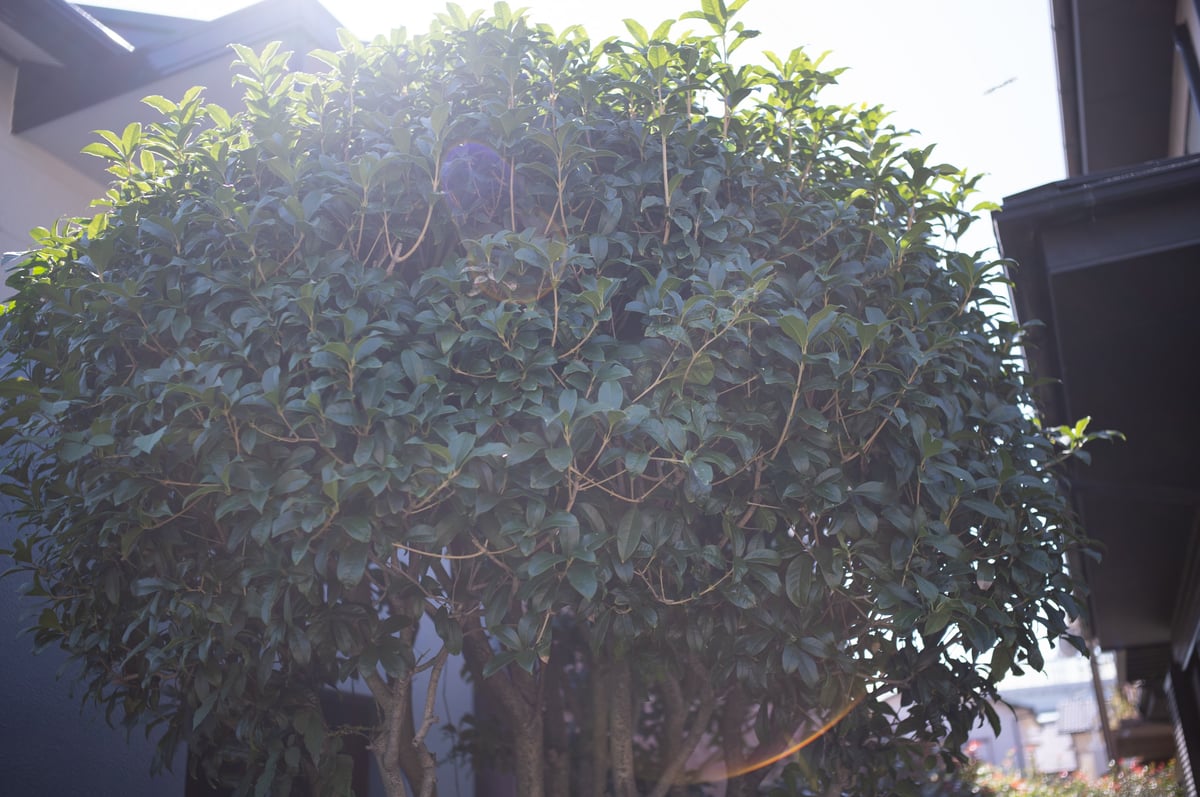
You can see a bit of that golden atmospheric glow in this shot. But if you don’t want it, there is a lens hood you can get for this lens. I just don’t have it. I personally like the orange glow.

Bokeh

Bokeh can get a little chaotic with this lens. In some situations, there is a swirling effect similar to the Voigtländer 35mm f2, but I think this lens swirls a bit less than the Voigtländer.





Color & Contrast, Micro-Contrast
The more elements used in construction, the more angles, the more material light has to pass through, the more likely it is to be scattered, diffracted, or perturbed. Modern coatings and optical chemistry have helped companies get away with using more elements without heavy consequences; however, fewer elements are still usually a little nicer when it comes to color and tonal resolution (this is different than global contrast) — think 8-bit vs 10-bit vs 12-bit. This is how it almost feels to me when I look at high-micro-contrast lenses with only a few elements vs. low-micro-contrast lenses.
Overall, the color and contrast of all the Thypoch lenses I’ve reviewed have been pretty good so far.

This particular Thypoch Ksana 35mm f2 doesn’t really pop out to me as a high-micro-contrast lens; it’s about average for a prime, but the contrast and color contrast still stand out as good. At f2, the images will pop out from the background, and there is enough contrast and micro-contrast to give the overall image a really nice punch. Some of the bigger, more expensive lenses do this better, but for a compact lens, it seems to sit right up there with Voigtländer in terms of performance here. In other words, it’s dang pretty good for the size and the price.


Final Thoughts
The Thypoch Ksana 35mm f/2 ASPH is a highly practical, beautifully built daily driver. It hits the absolute sweet spot for street and travel photographers who need a tiny footprint and modern center-to-corner sharpness, but who still want their images to carry a bit of atmospheric soul when shooting into the light. The lens is sharp enough and has some nice color rendering. Bokeh can get a little busy in some situations, and some out-of-focus areas can show green fringing, but other than that it’s a great little travel lens and was pretty much the only lens I used all summer.
Compared to the Voigtländer, I like some of the lens’s usability and controls more; focus never sticks like the Voigtländer, and the sharpness and rendering are a little more controlled wide open, but I like the bokeh on the Voigtländer a bit more, although both are pretty chaotic when it comes to bokeh.
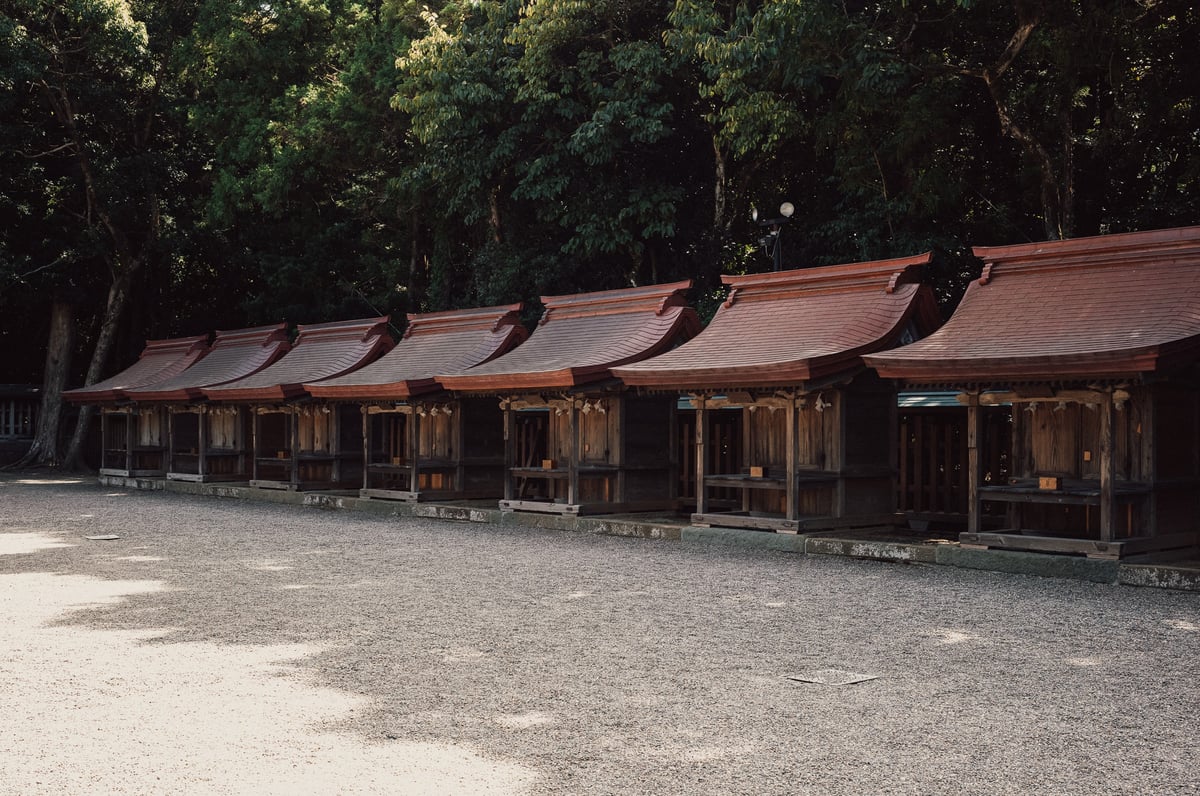
Thypoch Ksana 35mm f2 Sample Images
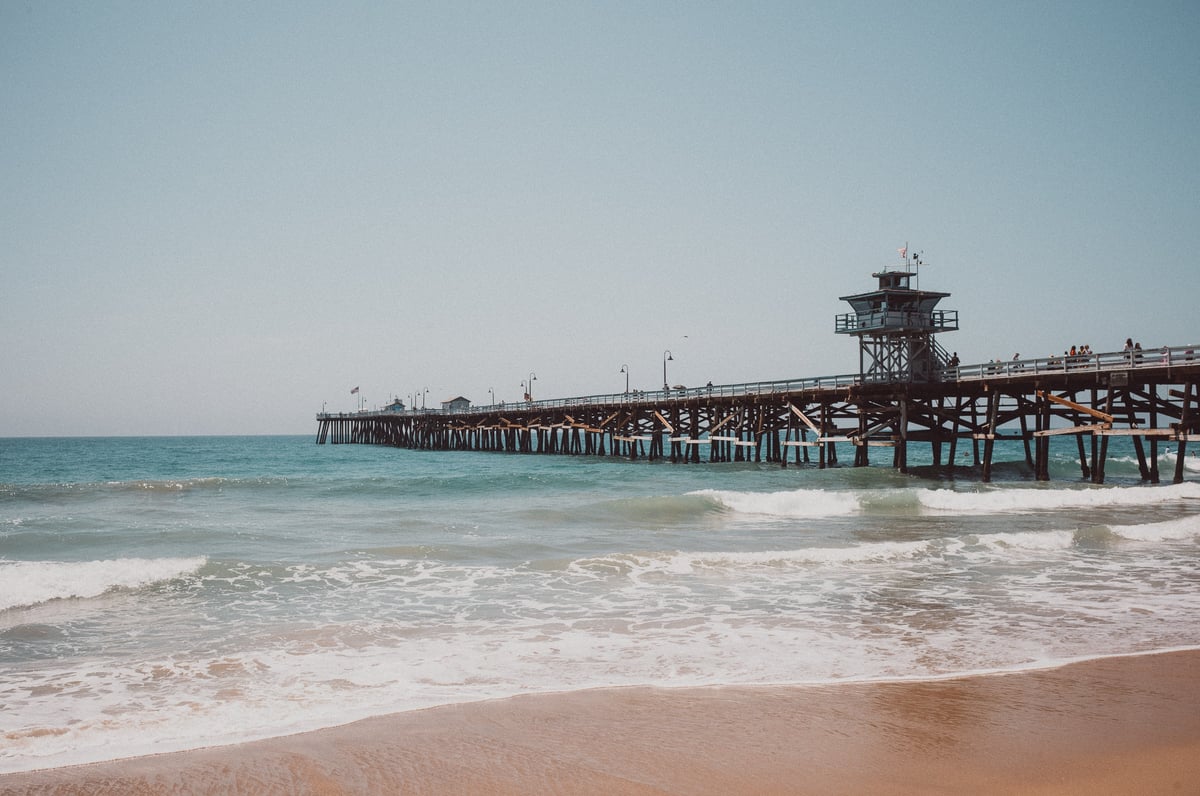
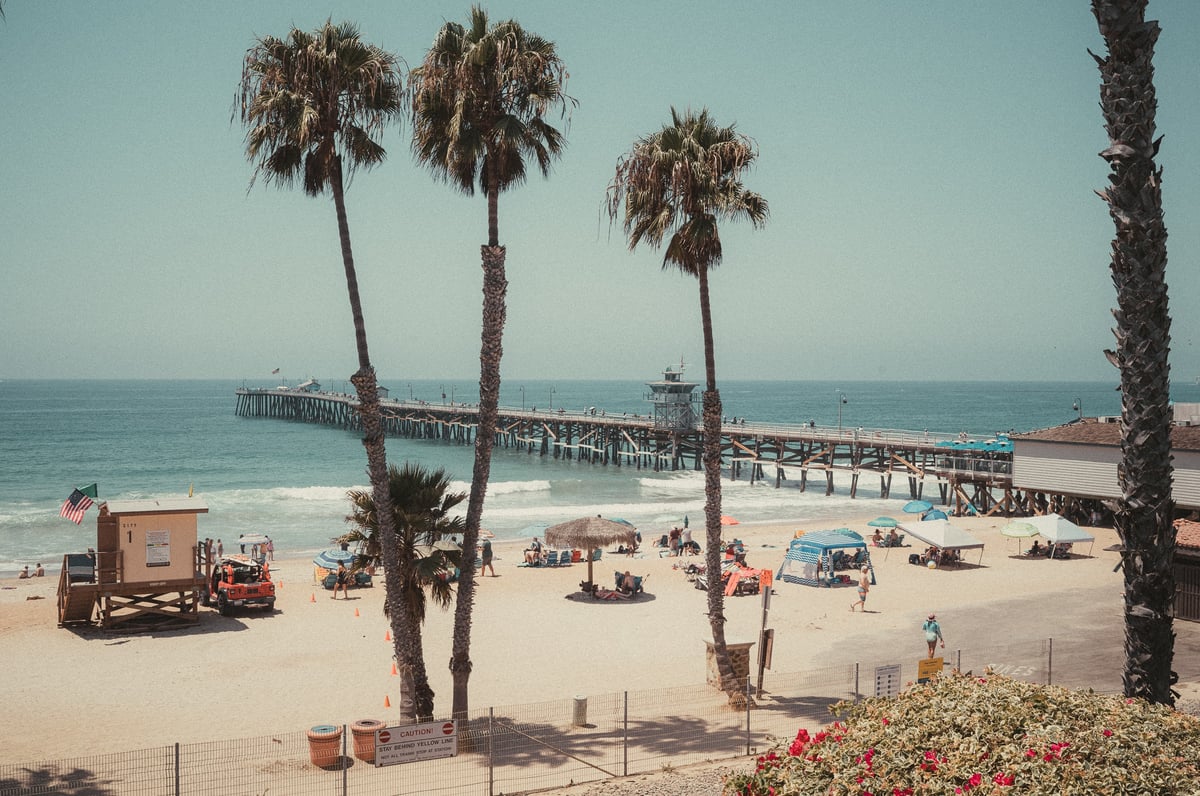
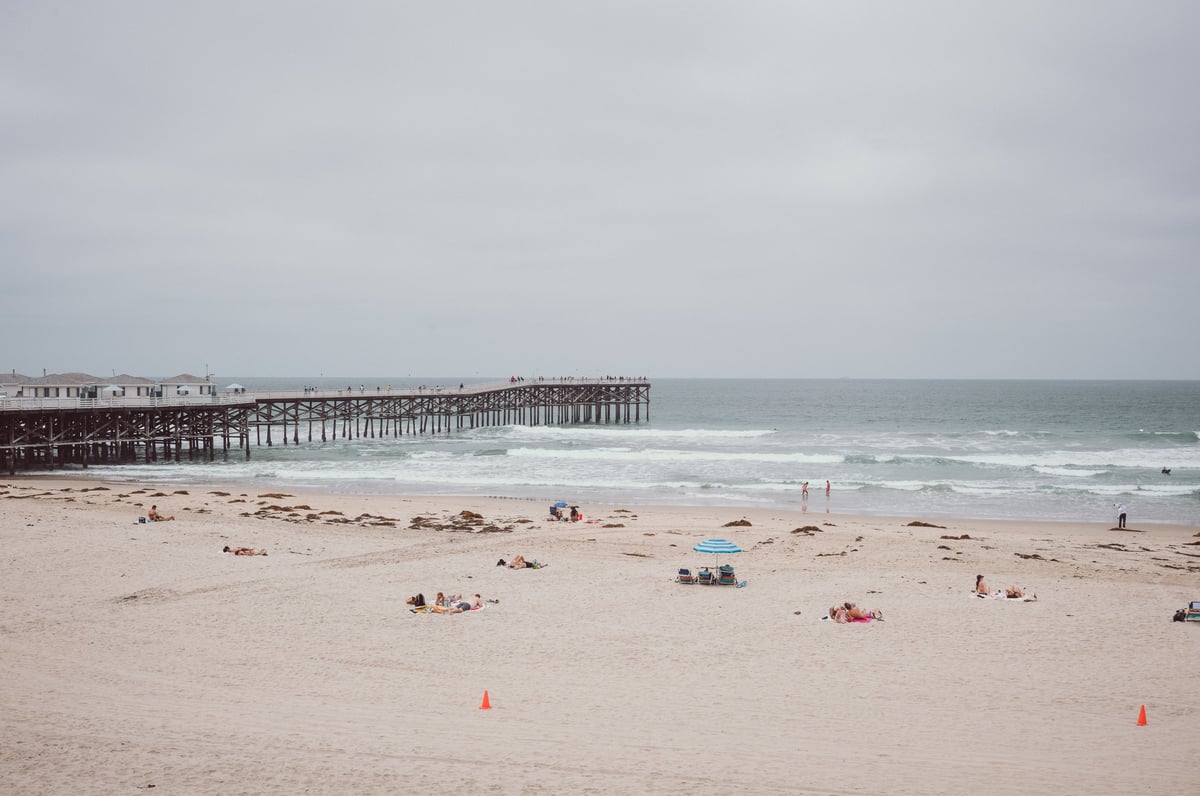
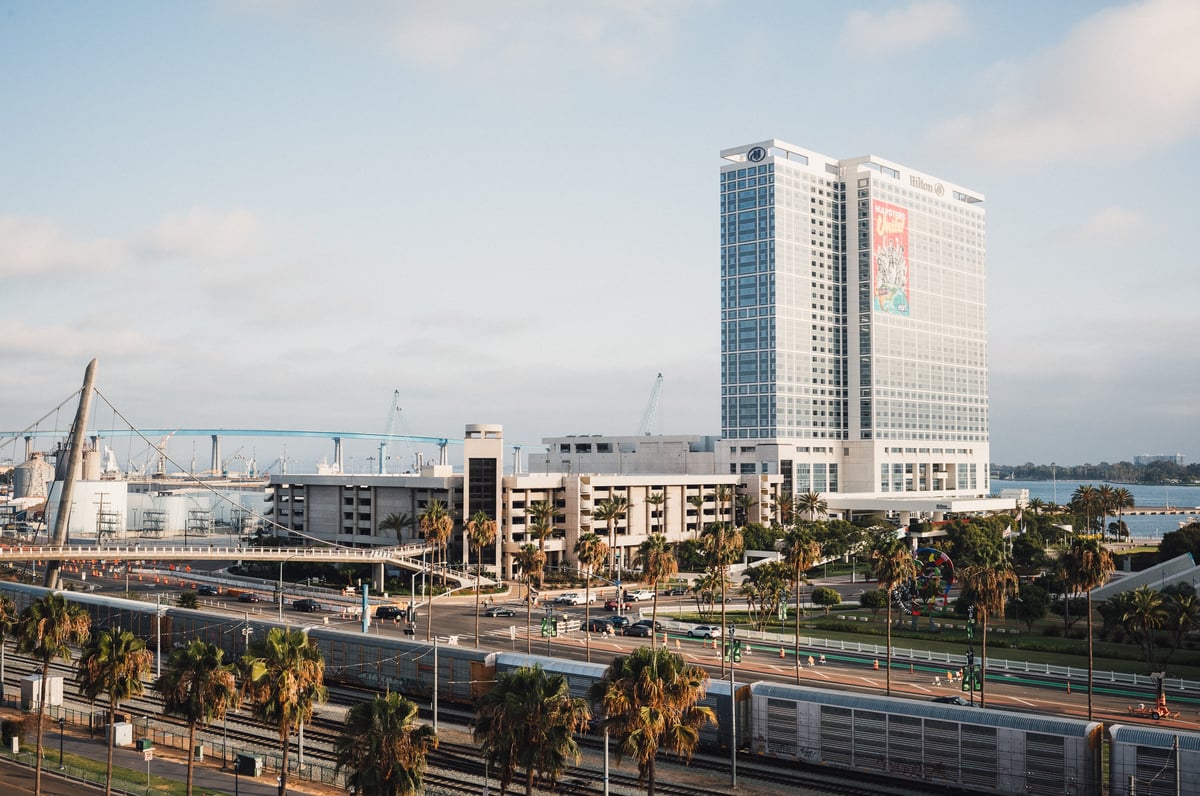
All shot on the Leica M11, colored with my presets.














Leave a Reply