
A quick disclaimer: Thypoch and Kipon provided me with the Ksana 21mm and the helicoid adapter. Some links in this article are affiliate links, which help support the site at no extra cost to you.
I’ve owned an X100 since the X100T. Every generation, I upgraded. The X100VI is the first one I didn’t.
That’s not because it’s a bad camera. It’s a very good camera. It’s because somewhere along the way, the X100 stopped being about photography and turned into a membership card. It’s hard to find, it sells well over what it should cost, and owning one now mostly tells people you’re in with the crowd. Sticker-tattoo sleeve, tote bag from a bookstore that closed in 2019, Pabst in the other hand, Classic Chrome recipe you found on TikTok. You know the one.

What I actually loved about the X100 (here’s my X100VI review if you want the full take) was never the hype. It was photography, and a small camera that could wear a lot of hats. Today, the Fujifilm X-E5 does almost everything the X100VI does. Sometimes a little more, sometimes a little less. And with the right lens, you get something the X100 never really gave you: a fully manual, connected shooting experience.
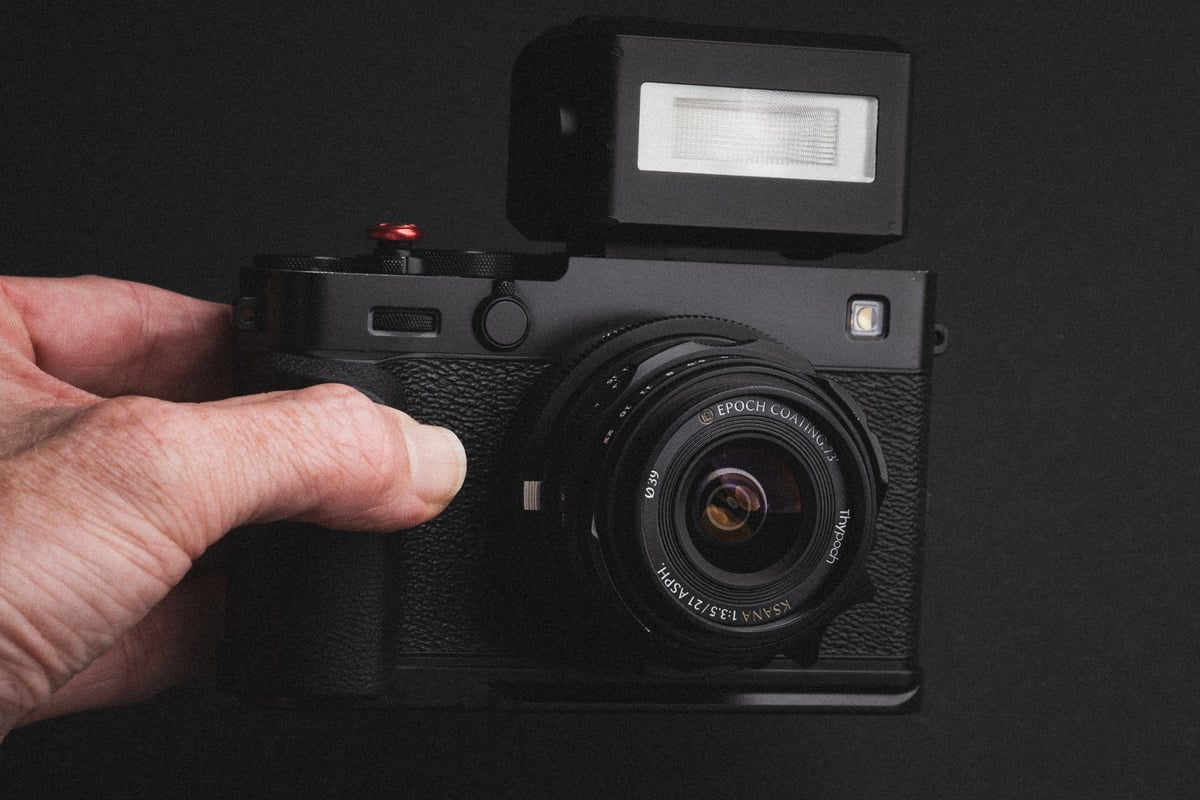
I covered the X-E5 basics in my review. This article takes a different angle. I want to show you one of the setups I’ve been having the most fun with, and it’s one the Fujifilm community has been doing for a long time: adapting Leica M lenses. Specifically, the Thypoch Ksana 21mm f3.5 on a Kipon helicoid adapter.

Short answer: My favorite X100VI alternative right now is the Fujifilm X-E5. It has the same 40MP sensor and IBIS in a smaller body, and you can change lenses. My favorite way to set it up is with the Thypoch Ksana 21mm f/3.5 on a Kipon helicoid adapter or similar compact lenses. That gives you about a 31mm equivalent, a camera that’s still small, and close focus on any M lens. You give up the hybrid viewfinder, built-in flash, leaf shutter, ND filter and weather sealing.
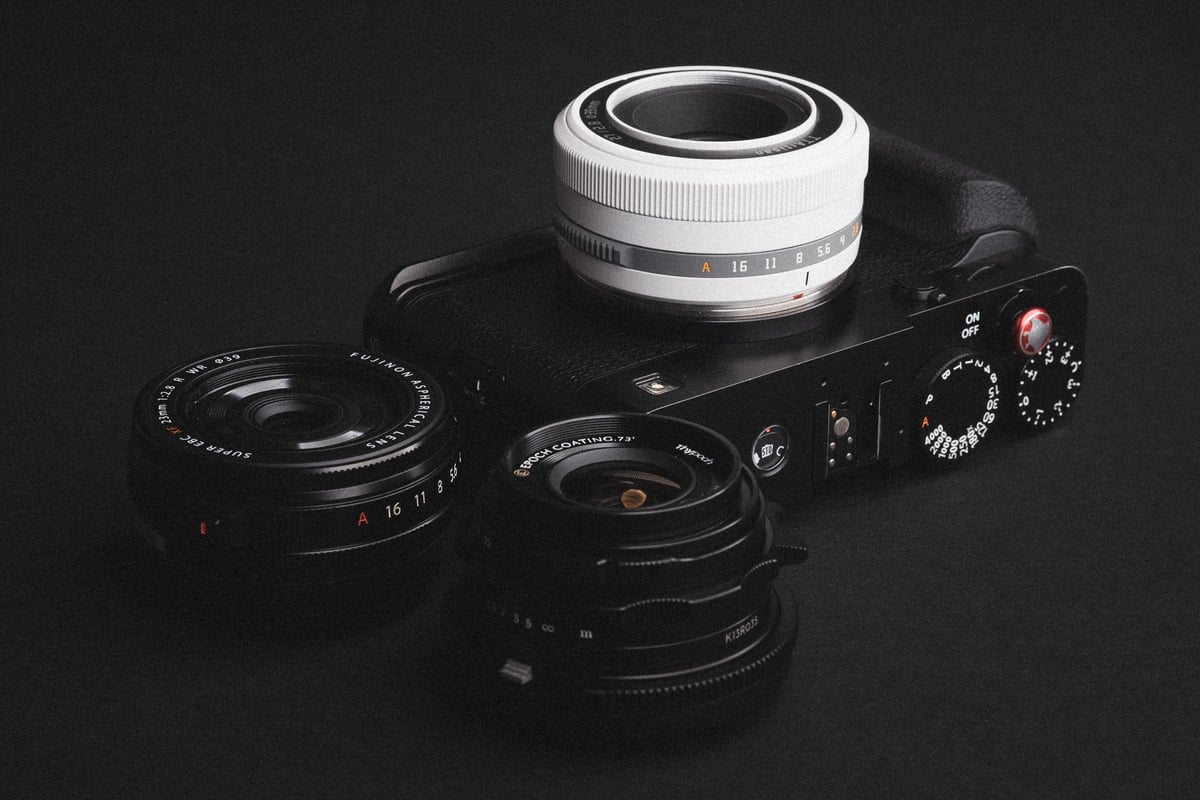
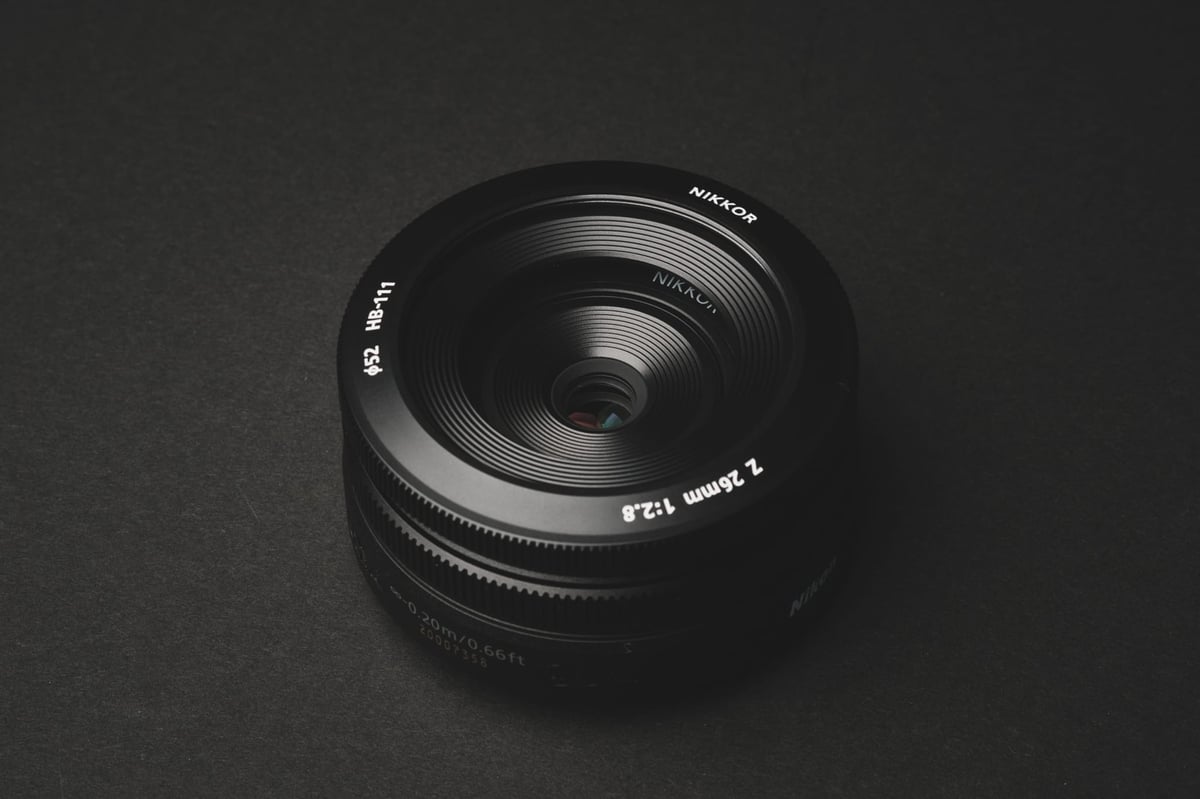
Other lenses I also have a ton of fun with are the Brightin Star 28mm f2.8, the Fujifilm XF 23mm f/2.8, and the TTArtisan 27mm f2.8.
A quick word on cost: I’m not pitching this as the budget option. The X-E5, Ksana 21mm and Kipon adapter together cost quite a bit more than an X100VI. It’s a fun alternative, not a cheaper one, and it’s a setup you work into over time. If you want the cost-effective version, get the X-E5 with its XF 23mm f2.8 kit lens. That’s only slightly more than an X100VI, it gets you a camera that does nearly everything the X100VI does, and it leaves the door open to add adapters and lenses like the Ksana as you go. Something like the Brightin Star 28mm pancake is also a lot of fun, though it frames closer to a 42mm than a 31mm.

The Setup
- Camera: Fujifilm X-E5 – Amazon / B&H
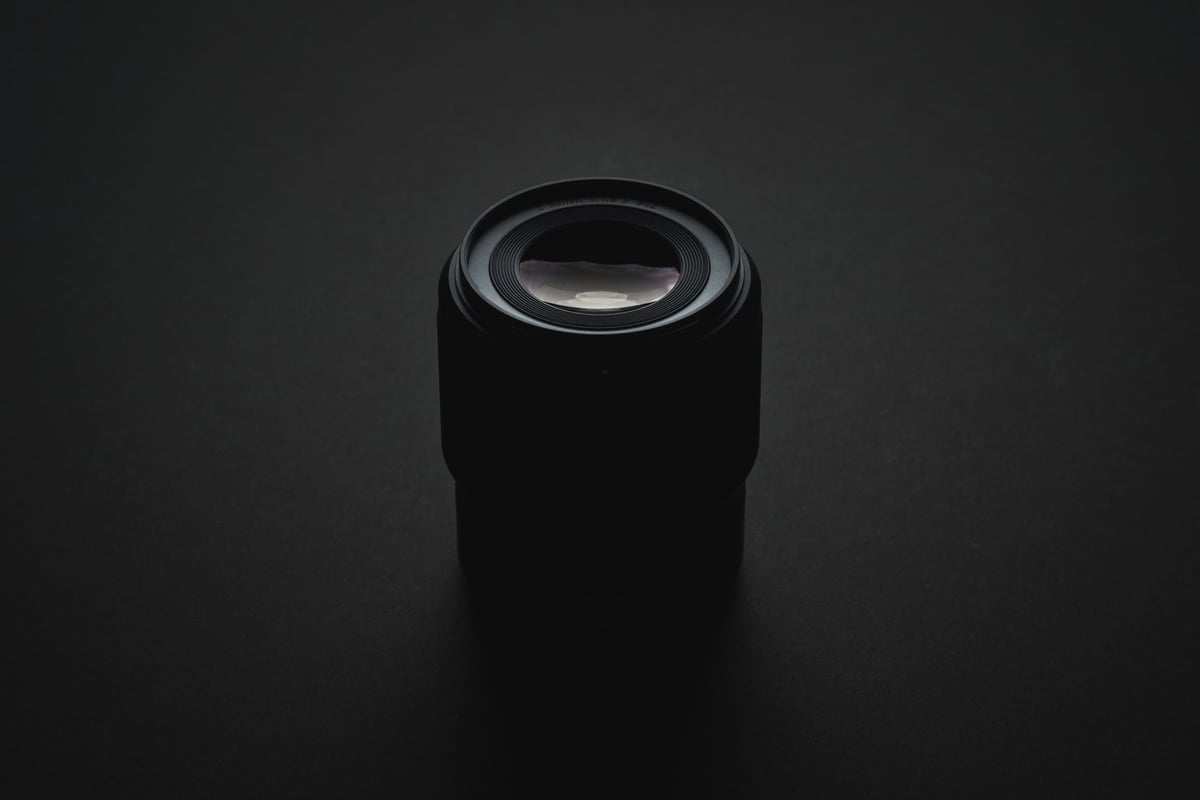
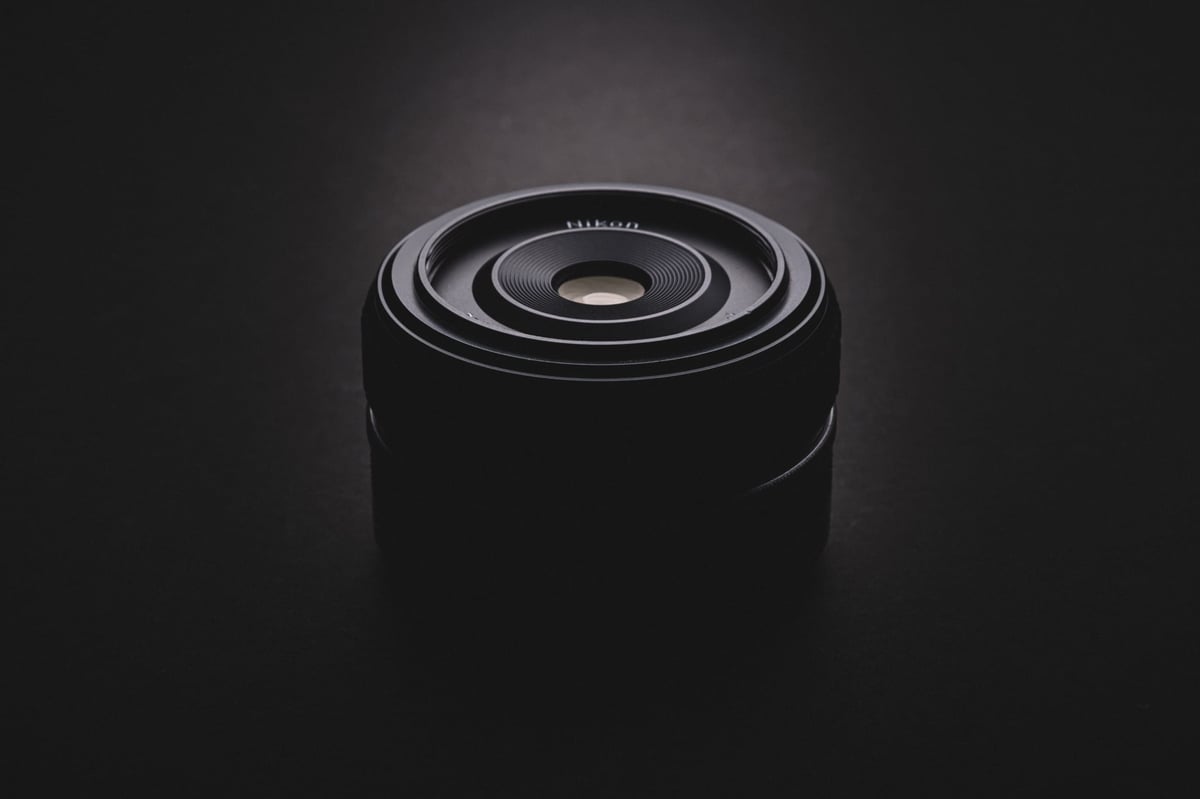
- Lens: Thypoch Ksana 21mm f3.5 (Leica M mount, 131g) – Thypoch Store (on sale for Black Friday through December 3; after the sale, code AlikGriffin gets you 5% off) / B&H
- Adapter: Kipon M-FX Macro Helicoid Adapter – B&H
- Flash: Viltrox Z2 or Godox iT30
Why 21mm on the X-E5 Is So Much Fun
A 31mm Middle Ground Between 28mm and 35mm
With the X-E5’s 1.5x crop, the 21mm lands at about 31mm full-frame equivalent. That’s right between 28mm and 35mm.
I love both of those focal lengths. Honestly, my favorite is 50mm. But for everyday shooting, especially with a compact setup like this, an in-between field of view is very versatile. 28mm gives you context and room to work in tight streets. 35mm is more natural for people. At 31mm, you get a bit of both.
I think a lot of us have wished Fujifilm would make an X100-style camera at 28mm, something like the Ricoh GR IV. They sort of did with the medium format GFX100RF, which gives you a 28mm equivalent. The Ksana on the X-E5 lands somewhere between all of these: a little wider than the X100’s 35mm, a little tighter than the GR’s 28mm, and of course there’s the Fujinon XF 18mm, which gets you to about a 27mm equivalent. But overall, that range between 28mm and 35mm has been fairly neglected on APS-C by pretty much every brand, and I’m not sure why.
The Crop Takes the Best Part of the Lens
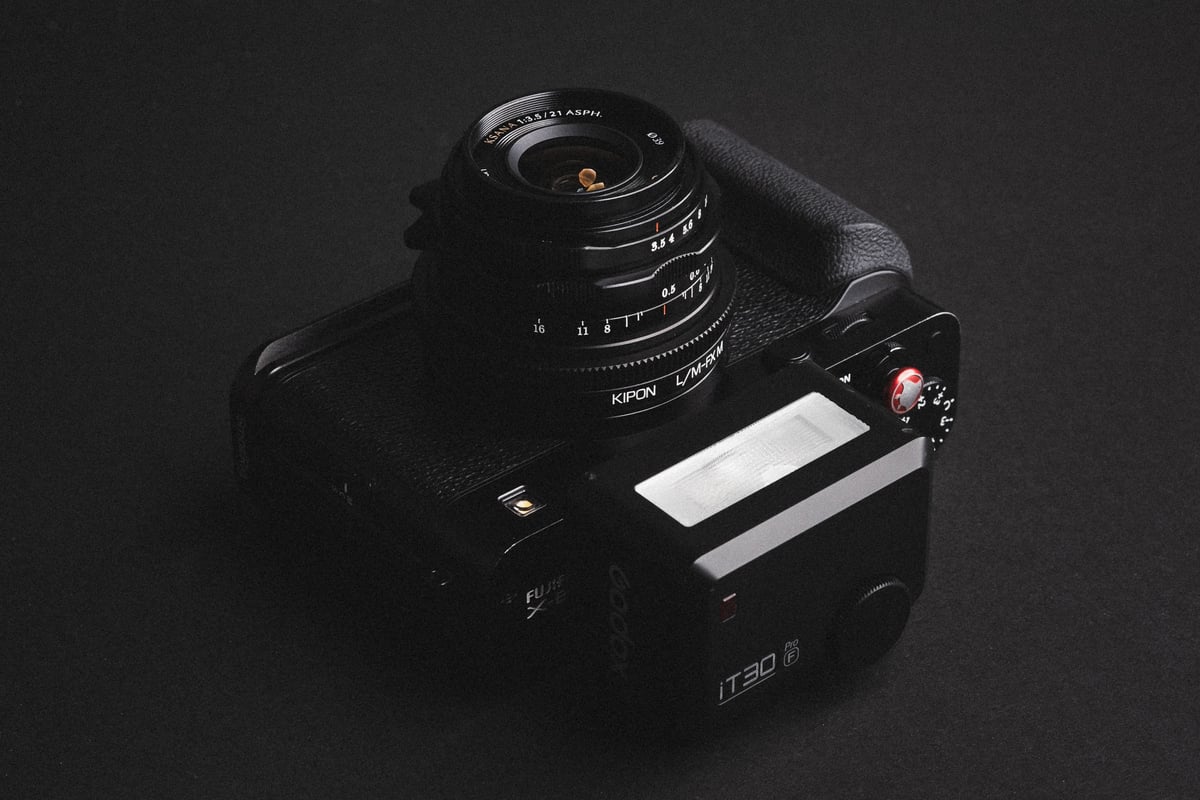
The Ksana 21mm is a full-frame M lens. On my Leica M11, compact M-mount lenses show the compromises you’d expect from a wide pancake: some vignetting, softer corners and edges, and field curvature that pushes the mid-frame slightly out of focus at close distances.
On the X-E5, the APS-C sensor only uses the center of that image circle. Most of the vignetting and the weak corners simply fall outside the frame. You’re getting the cleanest, sharpest section of the lens, and the 40MP sensor makes good use of it.

Still a Small Camera
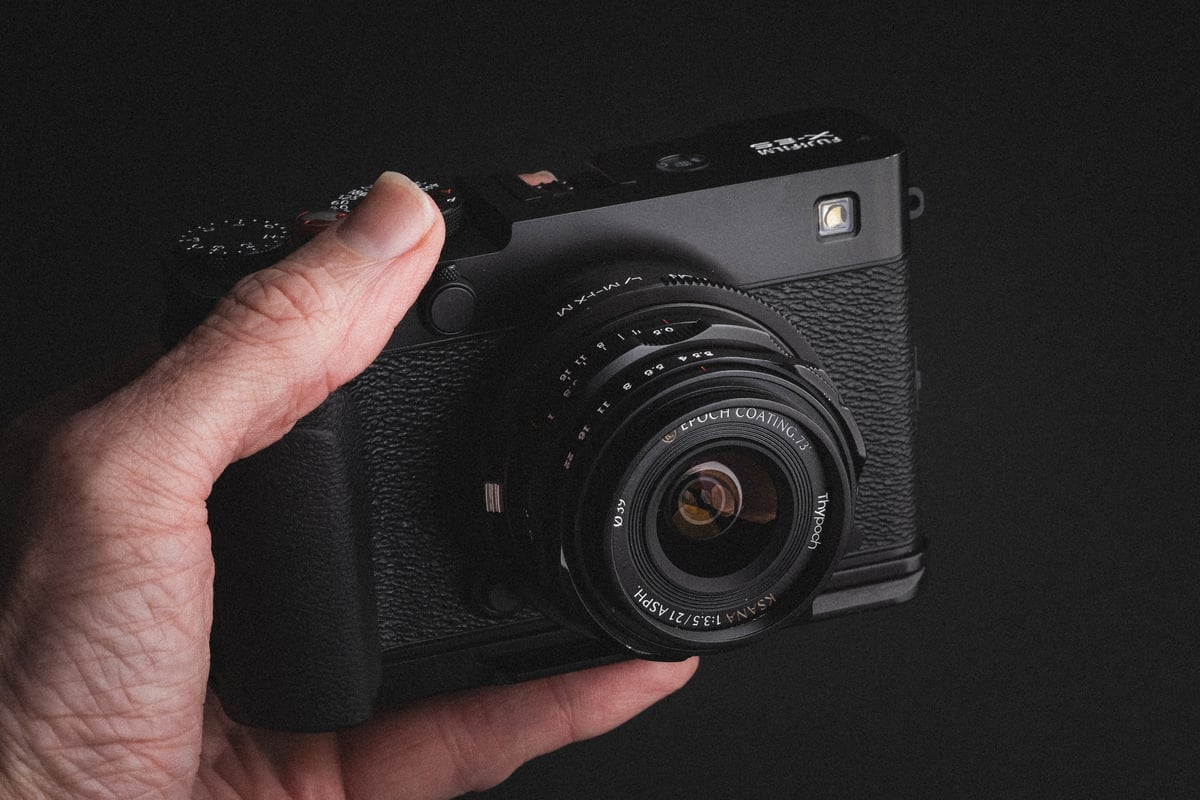
This is the part that matters if you’re coming from an X100. The Ksana is a 131g pancake with a 39mm filter thread. Even with the Kipon adapter, the X-E5 stays a compact little camera you can throw over your shoulder all day. A lot of adapted setups turn into a small body with a big lens hanging off the front. This one doesn’t.
f3.5 Is Fine
Yes, f3.5 is slower than the X100VI’s f2 and the XF 23mm f2.8. I don’t care much. Walking around town with an X100, I was shooting around f4 most of the time anyway. With this lens I live at f5.6 to f8, where it’s sharpest, and zone focus. Set it to f8, put the focus tab where you want it, and everything from a couple of meters out is sharp. For night shots, IBIS gets me down to around 1/8 to 1/15 handheld.

A True Analog Experience
The X100 is great, but you’re mostly supervising it. Autofocus, auto ISO, done. With the M lenses on the X-E5, you’re actually operating the camera. There’s a focus tab for blind focusing, a firm clicked aperture ring, and a traditional depth-of-field scale. The X-E5’s rangefinder styling makes it feel like the camera was built for this.
Fujifilm also makes the manual focus side easy. Focus peaking is accurate and easy to read. I like flipping to Acros on the film simulation dial so peaking stands out more. If you code 21mm into the camera’s lens settings, the IBIS calibrates for it. I go into all of this in my guide to adapting Leica M lenses to Fujifilm.
The Kipon Helicoid: Close Focus on Any M Lens
On its own, the Ksana 21mm focuses down to 0.5m. That’s fine for street, but it’s a hard stop the moment you want a detail shot.
The Kipon L/M-FX M adapter fixes that with a built-in helicoid. Turn the ring and it pushes the lens up to 5mm farther from the sensor, working like a variable extension tube. Fully retracted, it acts like a normal adapter and holds infinity focus. Extended, it pulls this little 21mm into macro territory. On a lens this wide, 5mm of extension goes a long way.
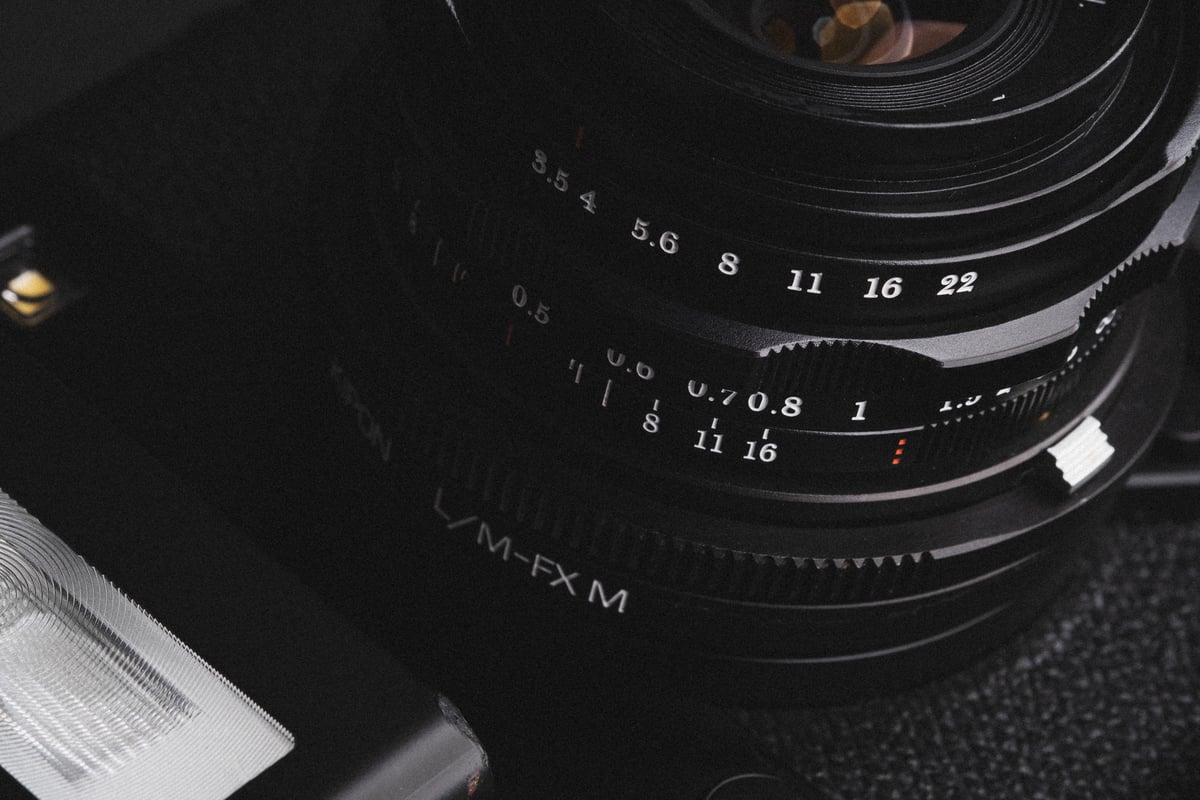
To be fair, the X100VI is already good up close. Fujifilm lists its minimum focus at about 10cm. So close focus alone isn’t the point. The point is that the helicoid works with every M lens you put on it. The 21mm becomes a close-up wide, a 75mm becomes a longer macro lens, and a cheap pancake suddenly focuses closer than it was ever designed to. The X100VI gets one lens that focuses close. This setup makes all of them focus close.

When you focus closer than a lens was designed for, the edges get softer, so keep your subject centered and stop down a little.

Small Flashes for the X-E5
The X100VI has a built-in flash. The X-E5 doesn’t, and I’m fine with that because I almost always use an external flash anyway.
Lately I’ve been using the Godox iT30. It’s a bit large on a body this small, though. When I want something more discreet, I switch to the Viltrox Z2. It’s a fun little flash, small enough that it barely changes the size of the camera, and it pairs well with a pancake like the Ksana.
A 21mm at f8 is about the easiest lens there is for flash. With zone focus, everything is sharp, so all you’re thinking about is the moment. My usual formula: flash at full power, ISO 400, f8, and 1/8 to drag in some ambient light.

What You Give Up
To be fair to the X100VI: the X-E5 doesn’t have the hybrid OVF/EVF, the built-in flash, the built-in ND filter, the leaf shutter, or the X100’s weather resistance.
The leaf shutter is the one I genuinely miss. Because the shutter is in the lens rather than in front of the sensor, the X100 can sync flash at much faster shutter speeds than any focal-plane shutter. Pair that with the built-in 4-stop ND, and you can overpower bright daylight with a tiny flash, which you can’t really do on any of Fujifilm’s interchangeable-lens bodies. Some people also say the leaf shutter makes images sharper at slow shutter speeds because there’s less vibration. I don’t buy it. I’ve never seen a real difference, and with IBIS on both cameras, it’s not something I’d factor in.
The weather sealing I’d take with a grain of salt. The X100VI is only weather-resistant with Fujifilm’s adapter ring and protector filter on the lens. Even then, I’ve seen plenty of owners report problems after light rain or a small splash. From what I understand, Fujifilm treats water damage as outside the warranty. So I wouldn’t treat the X100VI as a rain camera either way.
The OVF I don’t miss. I only ever used it when my battery was low.
Versatility Is King
What you get in return is the thing the X100 can’t do: change lenses. You get the same 40MP sensor and IBIS in a body that’s actually smaller than the X100. Then you add the whole X-mount system and the whole M-mount world, Thypoch, Voigtländer, Leica and everything else. When you want autofocus, put the XF 23mm f2.8 on. When you want to slow down, put the Ksana on.
And since 50mm is my favorite focal length, this setup gets me there too. Throw on the Thypoch Ksana 35mm f/2 or the Voigtlander 35mm f2 Ultron (both great lenses), and you’re at about a 52mm equivalent, basically a 50mm field of view. The Kipon helicoid works with those too, so they focus all the way into macro range. That’s a 31mm, a 50mm and a macro lens from one small body and two small lenses. The X100VI can get to 50mm with a tele conversion lens, but that’s as far as it goes.
| Fujifilm X100VI | X-E5 + Ksana 21mm + Kipon | |
|---|---|---|
| Field of view (FF equiv.) | ~35mm | ~31mm |
| Max aperture | f2 | f3.5 |
| Focus | Autofocus | Manual, focus tab + zone focus |
| Close focus | About 10cm | 0.5m native, much closer with the helicoid (any M lens) |
| Interchangeable lenses | No (conversion lenses only) | Yes, X-mount and adapted M-mount |
| Viewfinder | Hybrid OVF/EVF | EVF |
| Flash | Built in | External (Viltrox Z2 / Godox iT30) |
| Leaf shutter / built-in ND | Yes | No |
| Weather sealing | Only with adapter ring + filter | No |
| Relative cost | Often sells above list, when you can find one | X-E5 + XF 23mm f2.8 kit: slightly more than an X100VI. With the Ksana 21mm and Kipon adapter: quite a bit more |
Prefer Autofocus? The XF 23mm f2.8 and Other Compact Primes
Not every day is a manual focus day. If you want the closest thing to an X100VI, put the Fujifilm XF 23mm f2.8 on the X-E5. It’s a 35mm-equivalent pancake with autofocus, and with it the X-E5 fits in most of my jacket pockets. For the best image quality, I keep it around f5.6.
If you want the X100VI’s f2, the Fujifilm XF 23mm f2 is the one I’d get. It’s a bit bigger than the pancake, but it’s fast, quiet, weather-sealed, and still one of my favorite Fujifilm street lenses. If you’re deciding between it and the f1.4, here’s my 23mm f1.4 vs f2 comparison.
That’s the other advantage of the X-E5: the X-mount has a lot of small, light autofocus primes, and many of them are very affordable. Fujifilm’s compact XF primes, Viltrox’s lenses like the Viltrox 9mm f2.8, and TTArtisan’s AF lenses like the TTArtisan 27mm f2.8 AF all keep the camera small. The full rundown is in my Fujifilm X-mount lens list.
Bottom Line
If you want an X100VI because you love the X100VI, and you can find one at a fair price, buy it. It’s a great camera. But if you want one because everyone else has one, skip the waitlist.
An X-E5 with an adapted M lens like the Ksana 21mm is the more interesting camera right now. It’s a 31mm that sits between the two focal lengths I can never pick between. It’s small enough to carry everywhere, it focuses close enough for macro work, and it makes you take part in every shot. It’s also the most fun I’ve had shooting Fujifilm in years, and I didn’t need a tote bag to get it.
And on the days you just want to point and shoot, swap in the XF 23mm f2.8 or a small TTArtisan or Viltrox autofocus prime, and you’re back to an X100-style camera.
Color on these images: my Core | Color presets, applied over Classic Chrome or Classic Neg.
X100VI Alternative FAQ
What is the best alternative to the Fujifilm X100VI?
The Fujifilm X-E5. It shares the X100VI’s 40MP sensor and IBIS, it’s smaller, and it takes interchangeable lenses. With the XF 23mm f2.8 it’s the closest match. With an adapted M lens like the Thypoch Ksana 21mm, it’s the more interesting camera.
What focal length is a 21mm lens on the X-E5?
About 31mm full-frame equivalent, between 28mm and 35mm. The X100VI’s 23mm is a 35mm equivalent.
How close does the X100VI focus compared to this setup?
Fujifilm lists the X100VI at about 10cm. The Ksana 21mm focuses to 0.5m on its own, and the Kipon helicoid’s up to 5mm of extension takes it well into macro range. The helicoid also works with any other M lens you mount.
What does the X-E5 lose compared to the X100VI?
The hybrid OVF/EVF, the built-in flash, the leaf shutter, the 4-stop built-in ND filter, and weather sealing.
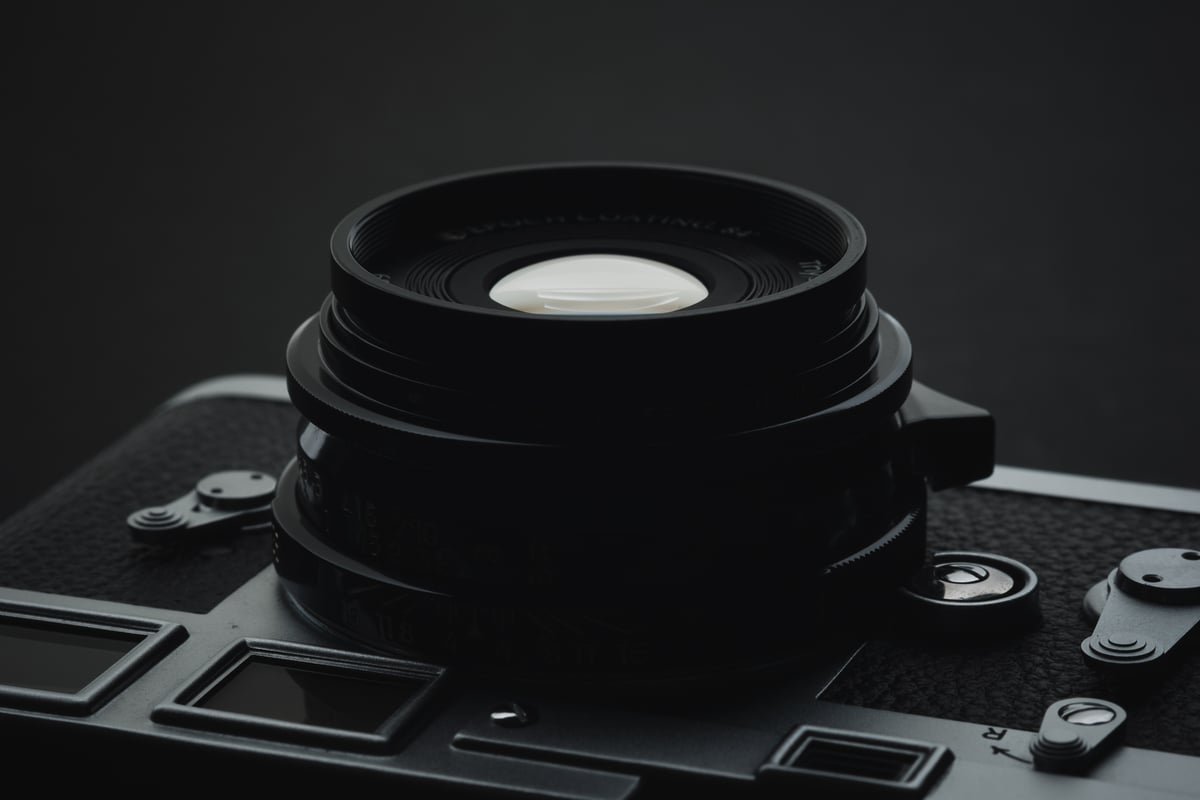
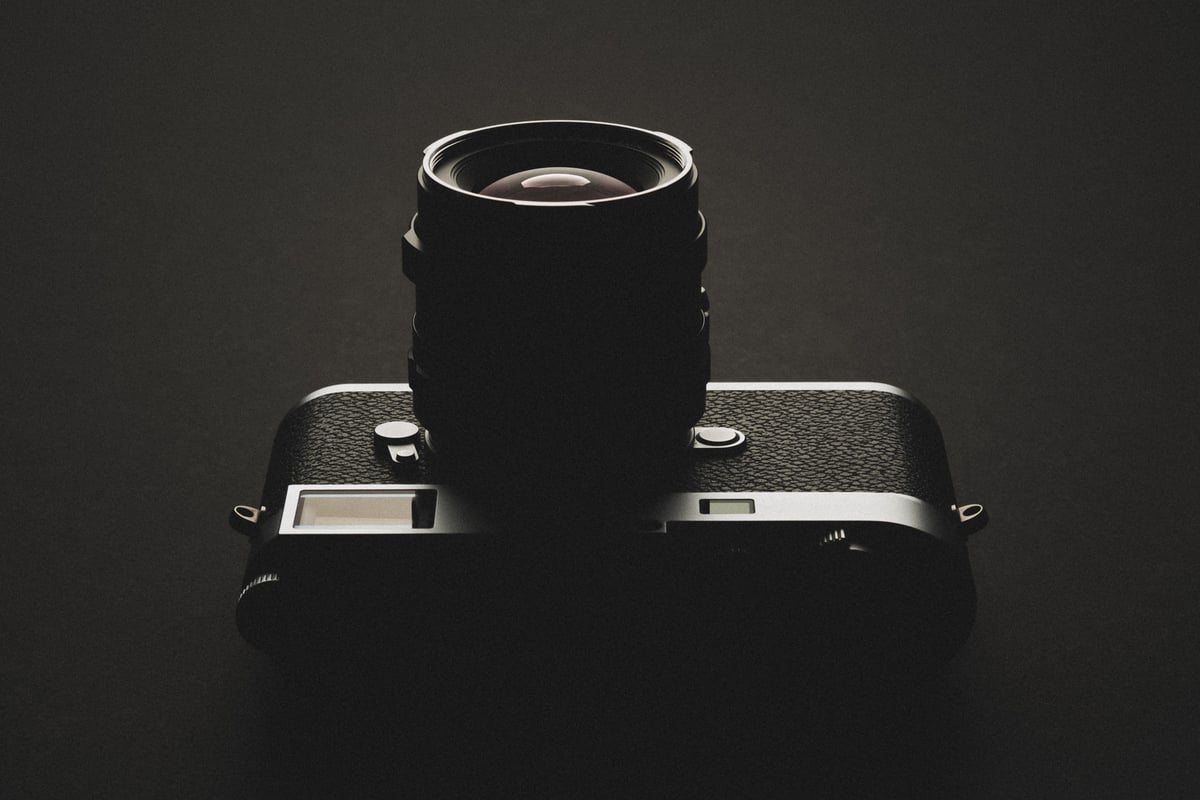
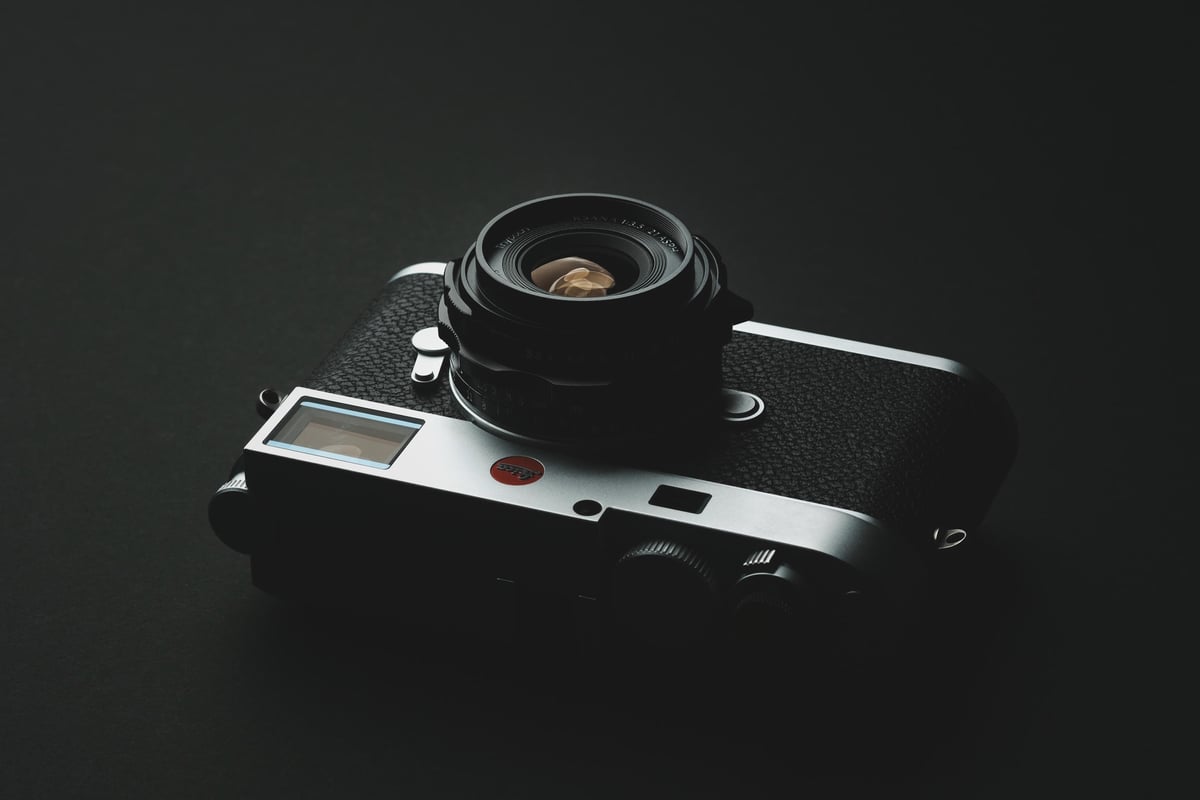
X-E5 + Thypoch Ksana 21mm f3.5 Sample Images















Leave a Reply