
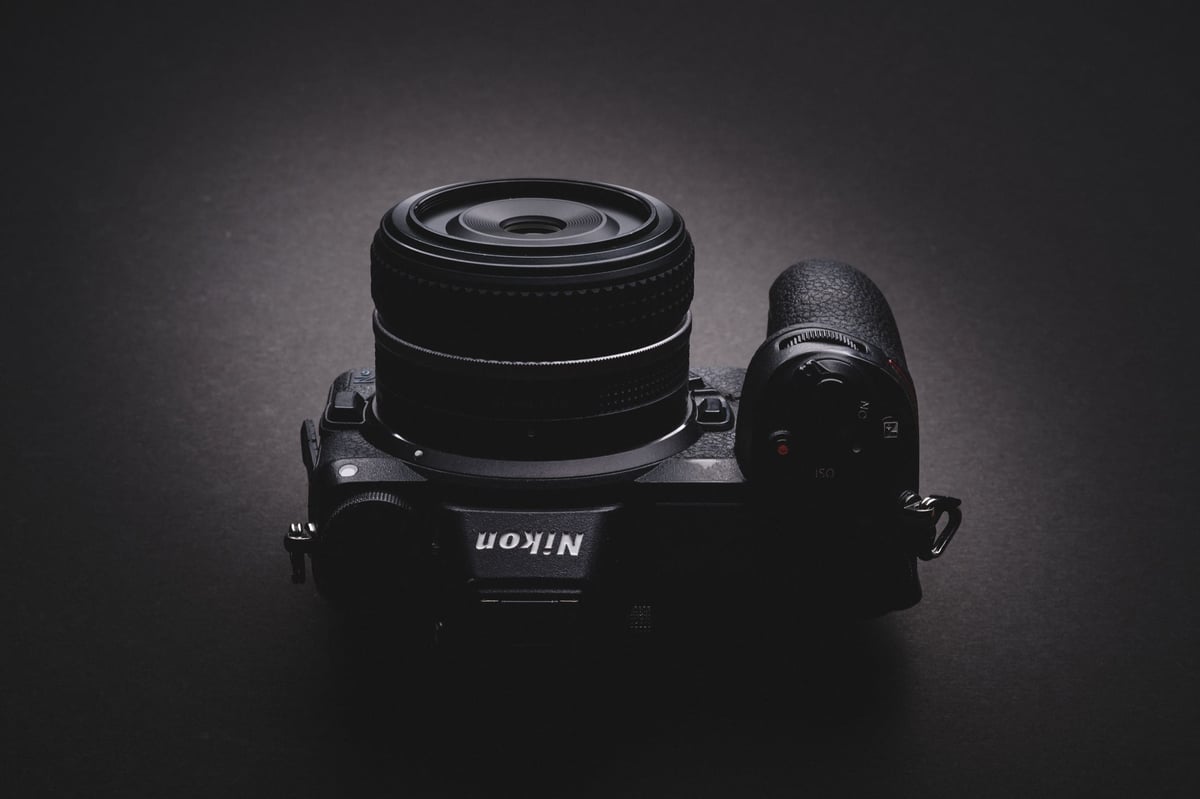
Nikon has fully transitioned from the legendary F-mount DSLR era to the high-performance Z-mount mirrorless system. Whether you are shooting 8K N-RAW video on the Z9 or capturing street photography with the retro-styled Zf, navigating the ecosystem can be complex.
This master list organizes every Nikon camera by release date and format. Use the resources below to find the specific memory card speed tests and accessory configurations for your specific model.
My Top Picks For 2026
- Best Overall: [Nikon Z6 III] – The perfect hybrid for 90% of shooters.
- Best for Resolution: [Nikon Z8] – 45MP stacked sensor power and 8K video.
- Best for Video: [Nikon ZR] – A dedicated cinema tool for professional workflows.
- Best Style: [Nikon Zf] – Vintage looks with modern flagship autofocus.
- Best Value APS-C: [Nikon Z50 II] – The best starting point for content creators.
Nikon Z-Mount Mirrorless Cameras
The Z-Mount is Nikon’s current standard, featuring a wider mount diameter for faster lenses and improved sensor performance. This list covers full-frame (FX) and APS-C (DX) mirrorless bodies.
Understanding the Nikon Naming Convention
Nikon’s naming structure can be tricky, especially as the company transitions from DSLRs to Mirrorless. Here is a quick breakdown to help you find the right camera in the list above.
The Prefixes: Z vs. D
- Z Series (Mirrorless): This is Nikon’s current system. These cameras use the larger Z-mount and are fully digital (no optical viewfinder). If you are buying a new camera today, you almost certainly want a Z-series body.
- D Series (DSLR): These are legacy cameras using the older F-mount. They use optical viewfinders (mirrors) and are generally bulkier. While mostly discontinued, models like the D850 are still widely used by pros.
The Numbers: Hierarchy Explained
- Single Digit (Z9, Z8, Z6, Z5): In the Z-system, single-digit numbers indicate Full-Frame (FX) sensors. The lower the number, generally the more “entry-level” the full-frame body is (e.g., Z5 is entry, Z9 is flagship).
- Double Digit (Z50, Z30): These indicate APS-C (DX) sensors. These cameras are smaller, lighter, and use “crop” lenses.
- Note: In the older DSLR era, this was reversed (D6 was pro, D5000 was entry), but for Mirrorless, just remember: Single Digit = Full Frame.
The Suffixes: What are ‘f’ and ‘c’?
- s (D850s, D5s): In the DSLR days, ‘s’ usually meant a “Speed” or sensitivity upgrade, but Nikon has mostly moved to using Roman Numerals (II, III) for updates in the Z-series.
- f (Zf, Zfc): Stands for “Fusion.” These are retro-styled cameras designed to look like vintage film bodies (like the FM2) but with modern internals.
- c (Zfc, Z30): Often denotes “Casual” or “Compact.” The Zfc is a casual retro camera; the Z30 is a compact vlogging camera without a viewfinder.
The Transition to CFexpress
For Nikon users moving from DSLR to Mirrorless, the biggest change in accessories is often the storage media.
- Z9, Z8, Z6, Z7, ZR Series: These cameras utilize CFexpress Type B, which offers vastly superior speeds for 8K video and high-frame-rate bursts compared to SD cards.
- Backward Compatibility: If you are coming from a D850 or D500, your XQD cards will work in newer Z cameras, but upgrading to CFexpress Type B is recommended to unlock the full buffer performance of the Z8 and Z9.
- The Odd One Out: The Nikon Zf uses MicroSD in its second slot to save space. Be sure to check our specific guides for those models, as standard SD cards will not fit the secondary slot.
Nikon Z-Mount Lens Guide
Once you have chosen a camera body, you will need lenses. I have compiled a complete database of every native lens available for the system, including third-party options from Sigma, Tamron, and Viltrox.
View the Master List: Nikon Z-Mount Lens List – Official & Third-Party










Leave a Reply